Ara Coeli
Cathedral Road
ARMAGH BT61 7QY
Tel (028) 3752 2045
Fax (028) 3752 6182
Email: [email protected]
Administrative Staff:
Mrs Caroline Hicks
[email protected]
Mrs Donna Gray
[email protected]
Mrs Kathy Lennon
[email protected]

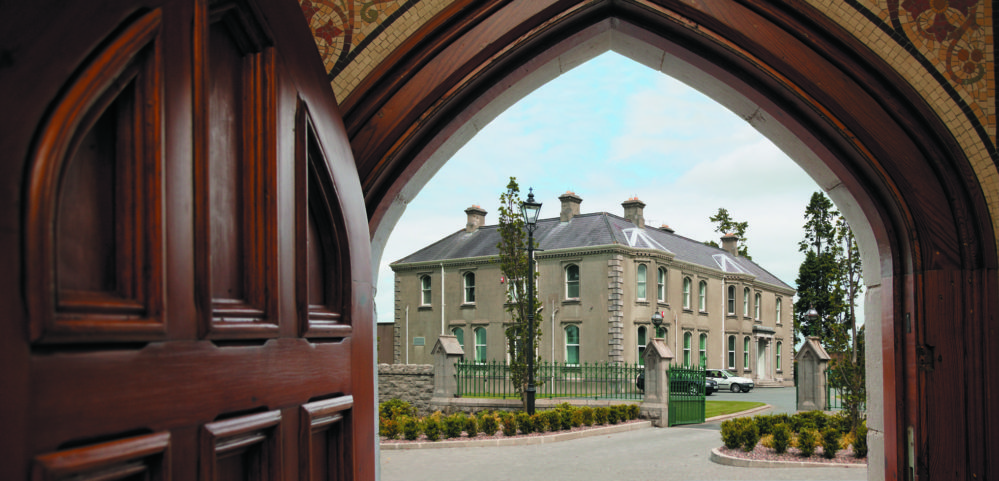
Ara Coeli
Cathedral Road
ARMAGH BT61 7QY
Tel (028) 3752 2045
Fax (028) 3752 6182
Email: [email protected]
Administrative Staff:
Mrs Caroline Hicks
[email protected]
Mrs Donna Gray
[email protected]
Mrs Kathy Lennon
[email protected]
Chancellor:
Very Rev Michael Toner PP
[email protected]
Assistant Chancellor:
Rev Paul Murphy
[email protected]
Diocesan Secretary:
Rev Colm Hagan
[email protected]
Financial Administrator:
Mrs Brenda O’Hare
[email protected]
Media Queries:
Mr Martin Long – Tel: 01 5053010
Mobile: 086 1727 678
[email protected]


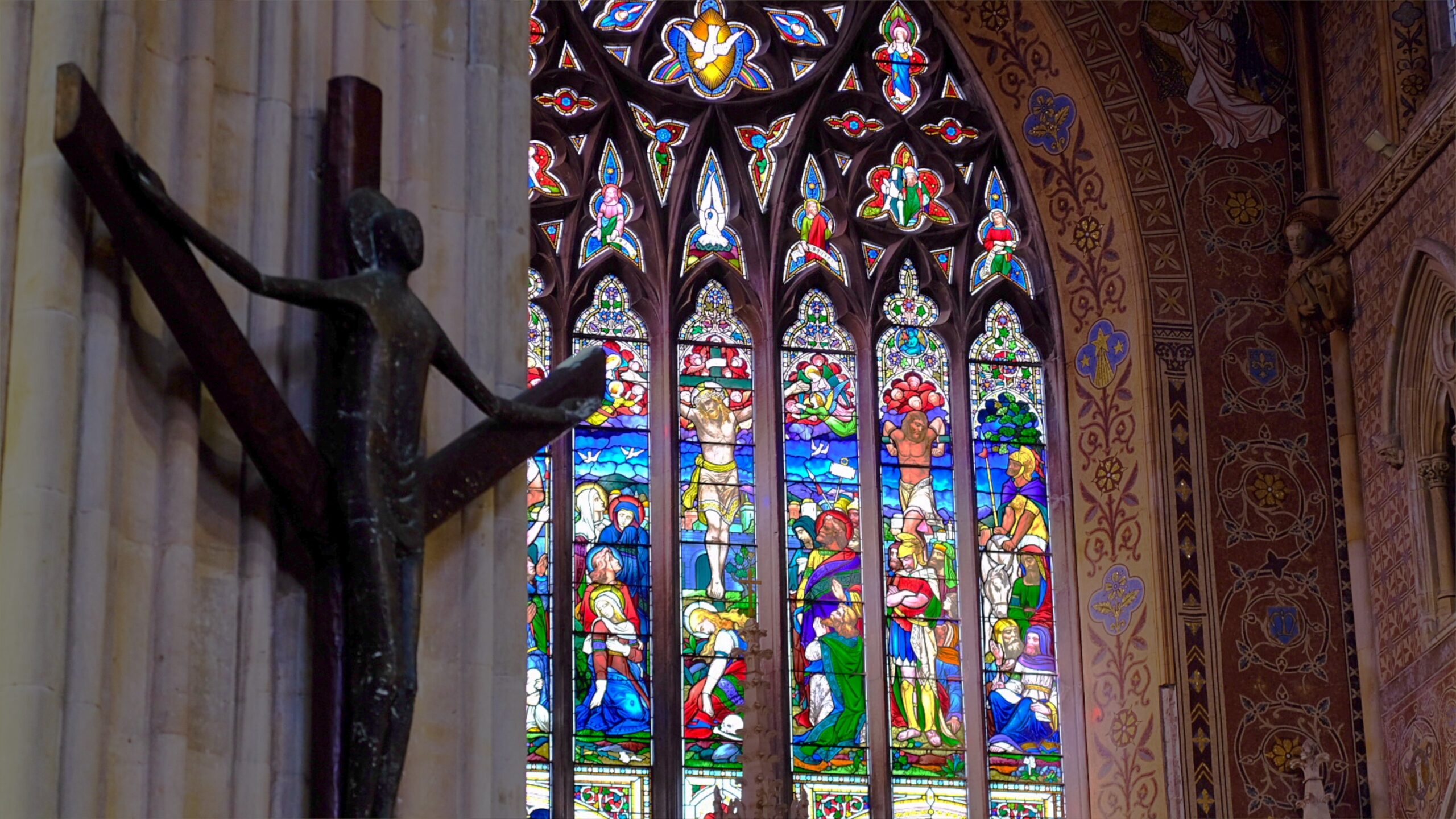 Easter 2024 - A Message and Meditation from Archbishop Eamon Martin
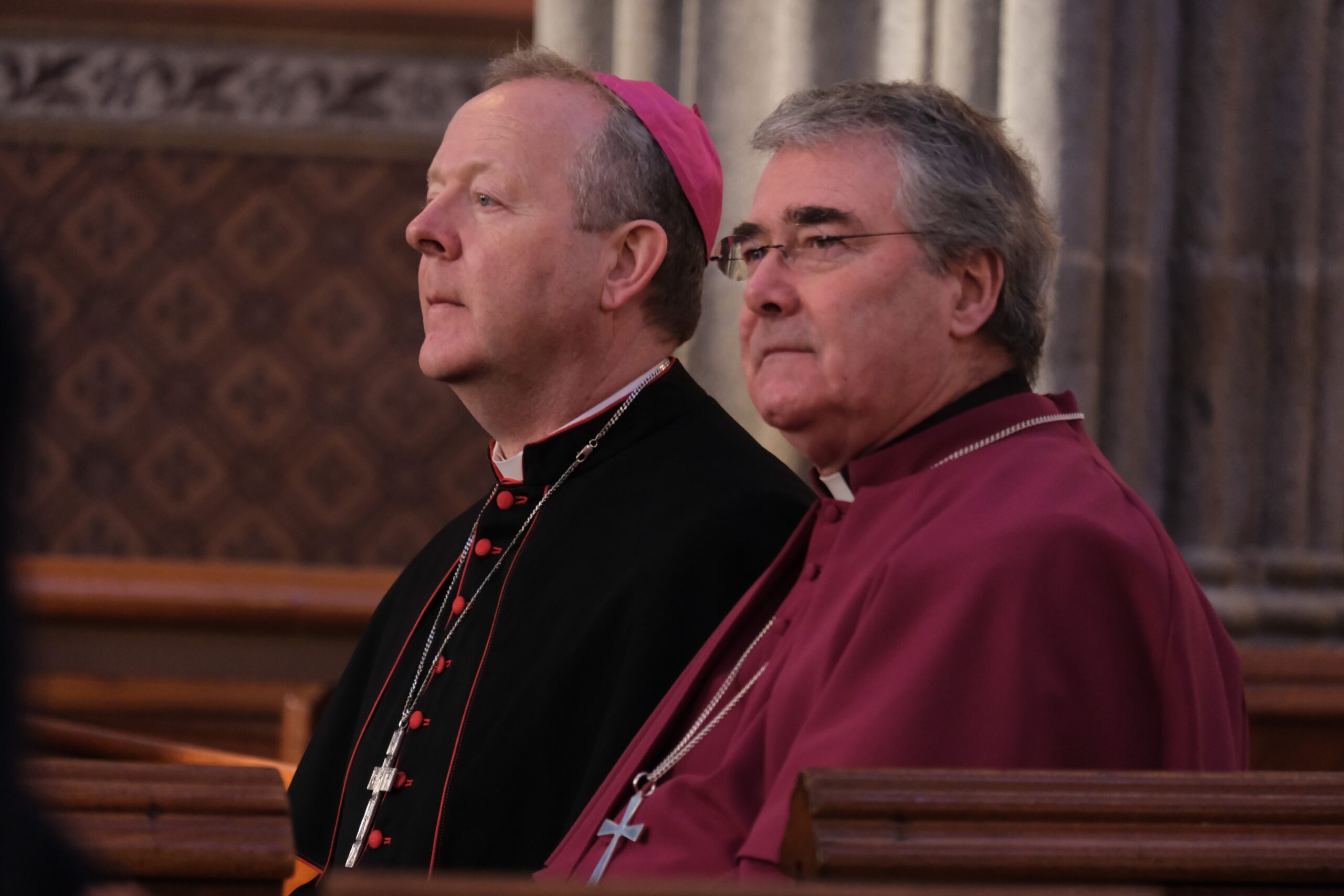 Archbishops of Armagh joint message for Easter 2024
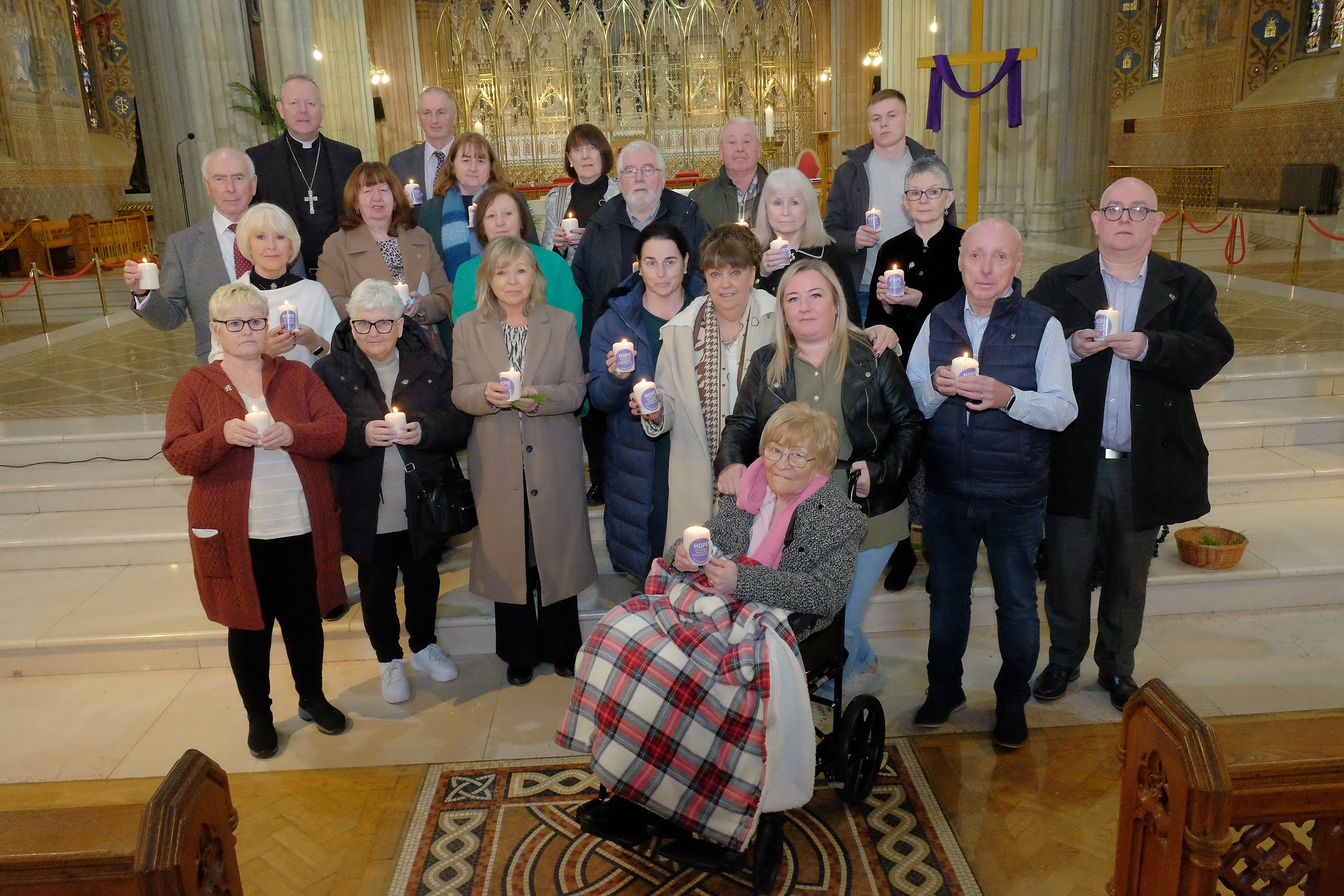 Archbishop Martin: "We must seek an investigation and information recovery process trusted by victims"
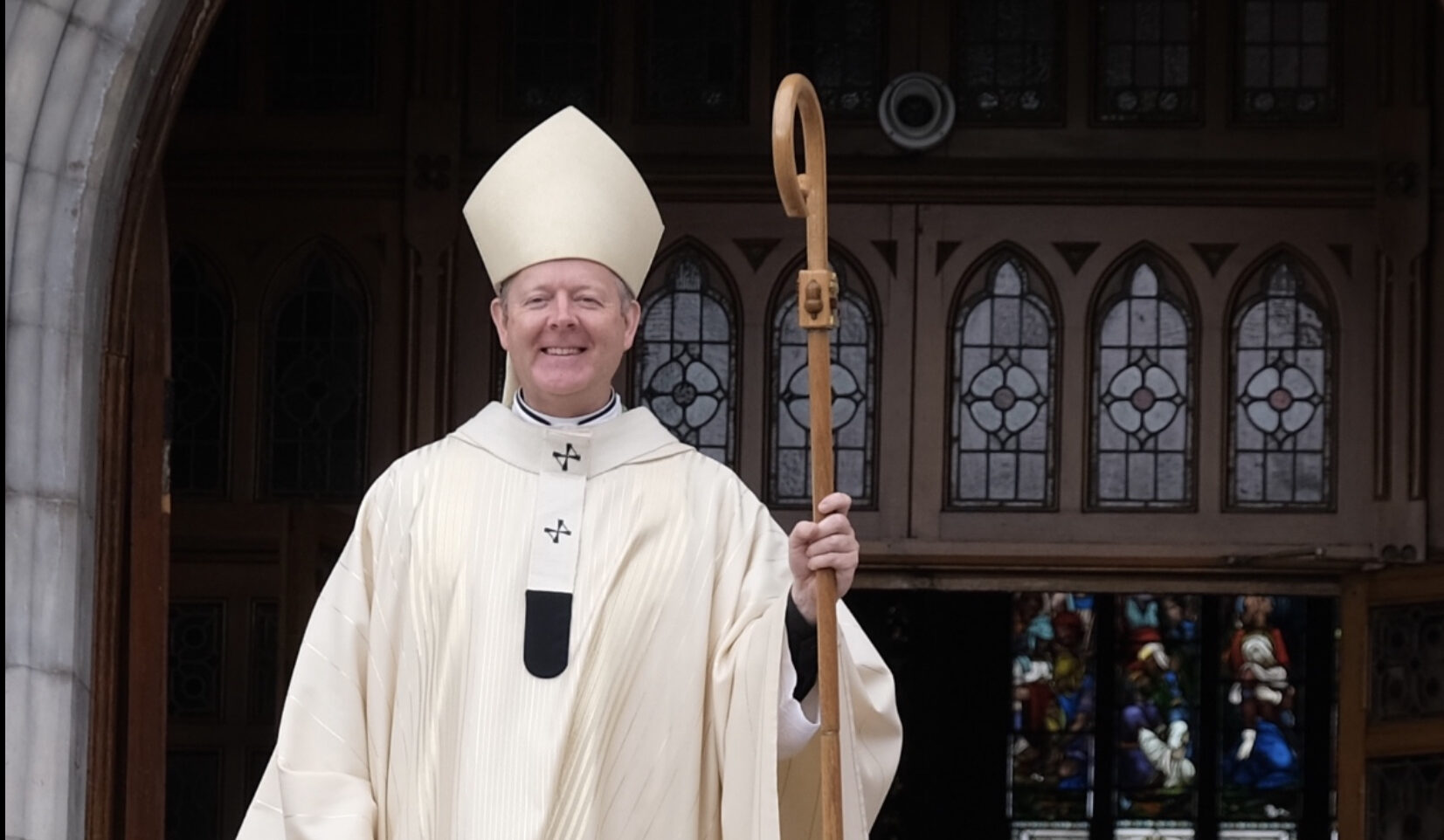 Saint Patrick's Day message of Archbishop Eamon Martin to the people of Ireland
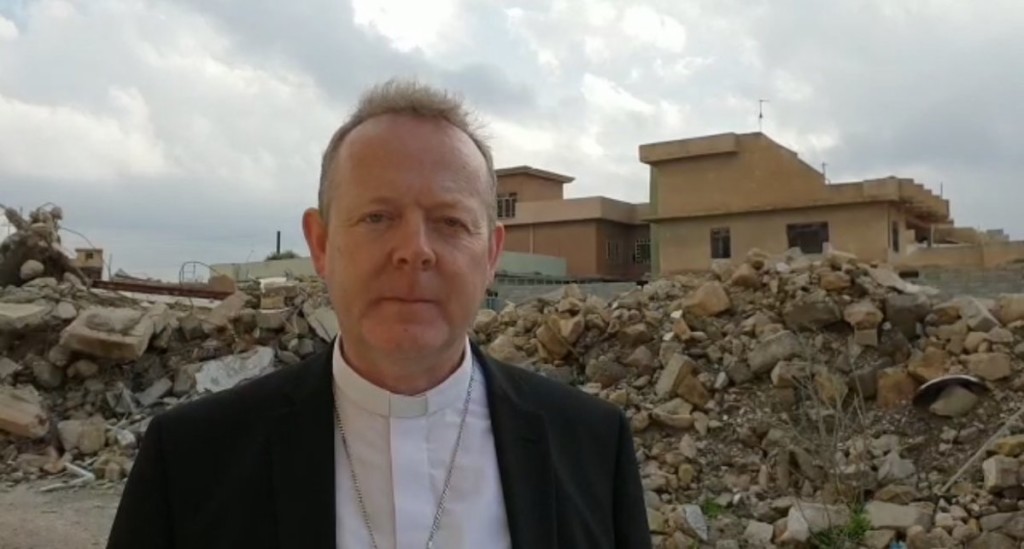 Archbishop Martin invites all to join a novena of prayer for peace for Gaza
 Day of Prayer for Survivors of Abuse
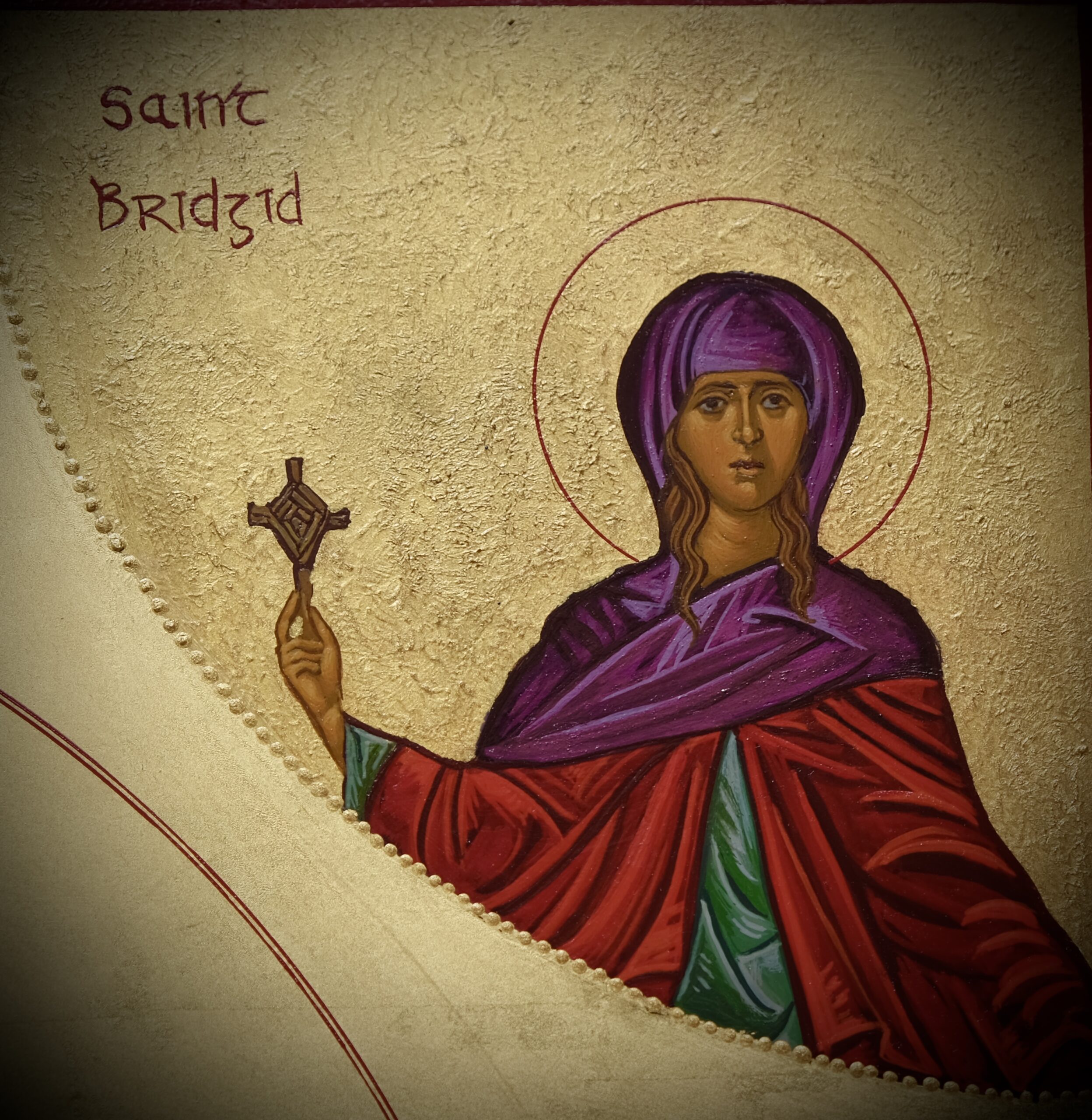 Bishop Michael Router’s homily for the celebration of Mass for the Feast of Saint Brigid
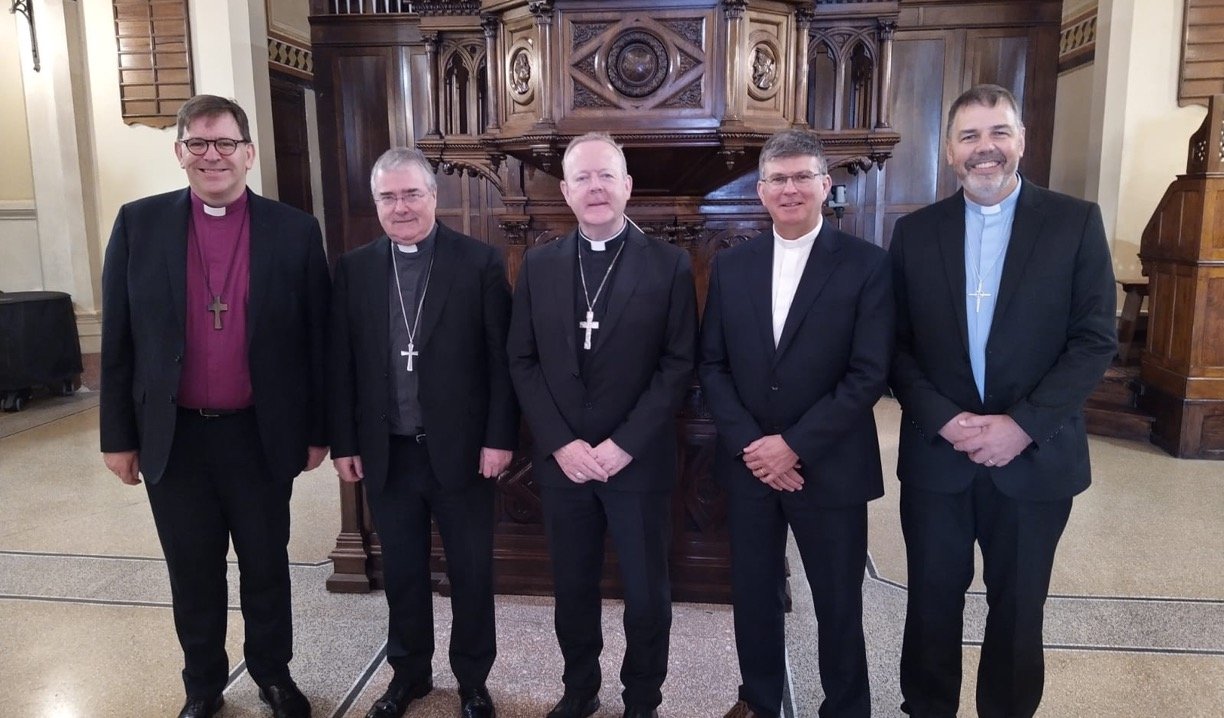 Church Leaders welcome political progress in Northern Ireland
 Year-Long Celebration of St. Brigid's Life and Legacy to Commence in the Archdiocese of Armagh
 Death of Fr Tommy McNulty PE, Cooley


"The teachings have not changed" - Colm Flynn on 'Infinite Dignity' Vatican document
"Formation, Formation, Formation" - Fr Eamon Conway on the G.R.A.C.E research report
Travelling with Pope Francis - Colm Flynn
"It is absolutely awful because it is such a failure ..." Caoimhe De Barra on starvation in Gaza
"I cannot speak highly enough of the generosity of the Irish people" - Caoimhe de Barra
"I personally feel we need a missionary movement in the Church" - Cardinal Mario Grech
The Synodal Pathway - the journey so far




You must be logged in to post a comment.