Let Justice Flow Like a River
Churches gather in hope and action for creation care
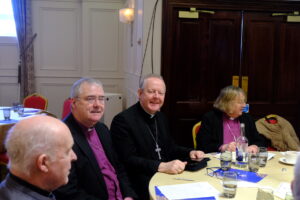
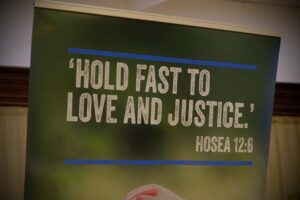
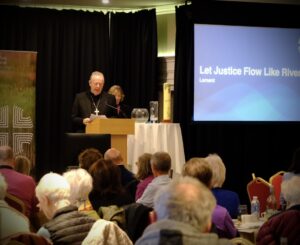
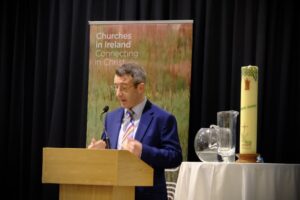
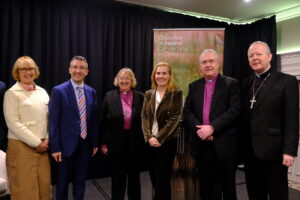
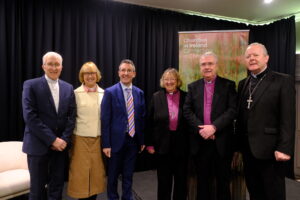
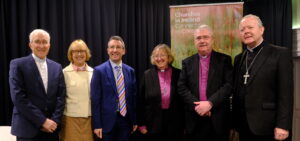 More than 200 people gathered today on Saturday 17 January for the Creation Care Conference: Let Justice Flow Like a River, hosted by the Irish Church Leaders Group and the . The conference marked a significant moment of shared reflection, learning and commitment, rooted in the lived experience of ecological crisis here in Ireland and shaped by faith, science and practical action.
The conference grew directly out of the visit of Church Leaders to Lough Neagh in summer 2025, where they listened to local communities and witnessed first-hand the scale of environmental degradation affecting the lough. What was once often spoken of as a distant or global issue was brought sharply into focus as something happening on our own doorstep, impacting water, biodiversity, livelihoods and local identity.
Faith, Scripture and Science in Dialogue
 The morning session focused on Lough Neagh, its significance, and the wider implications of ecological breakdown for communities across Ireland.
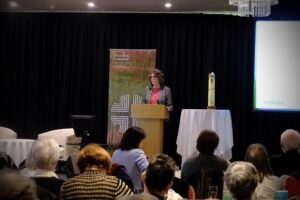
Biblical scholar Hilary Marlow explored the biblical roots of integral ecology, drawing on Scripture to show how care for the land, water and neighbour are woven into the covenantal relationship between God, humanity and creation. Her reflection grounded the ecological conversation firmly within the Christian story of justice, responsibility and hope.
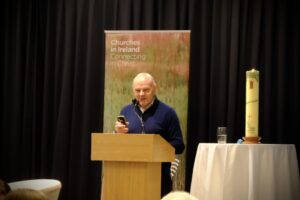
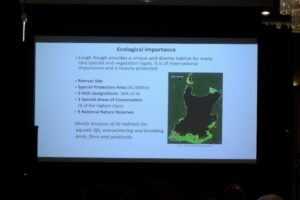
Environmental scientist Jim McAdam then offered a detailed and compelling presentation on his work on and around Lough Neagh, outlining the scientific research, contributing factors to the current crisis, and the complex challenges involved in addressing pollution and ecological decline. His contribution helped bridge the gap between concern and understanding, pointing towards pathways for response rooted in evidence and collaboration.
The international dimension was brought by Gail Heffner, who spoke about Calvin University’s work with the Plaster Creek Stewards in the United States. Drawing clear parallels with Lough Neagh, she highlighted how faith communities, scientists and local residents can work together over time to restore damaged waterways and renew relationships with the land.
Prayer at the heart of the day
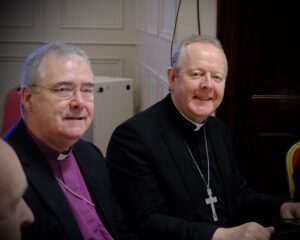
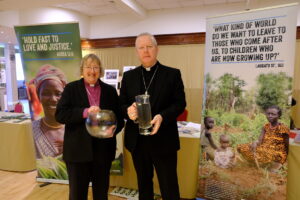
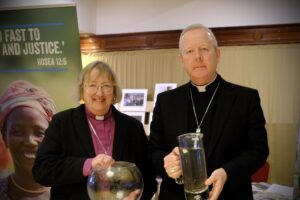 Just before lunch, Archbishop Eamon Martin and Bishop Sarah Groves led those gathered in a deeply reflective moment of prayer, centred on water from Lough Neagh. This symbolic act held together lament, gratitude and hope, reminding participants that care for creation is not only a technical or political task, but a profoundly spiritual one.
Stories of hope and action
 Among the contributors in the morning was Andrew Muir, Minister of Agriculture, Environment and Rural Affairs, who reflected on the importance of collaboration between faith communities, policymakers and civic institutions in addressing environmental and climate challenges faced on Lough Neagh.
The afternoon session showcased a range of initiatives across the Irish Churches, offering practical examples of how faith communities are responding locally to ecological challenges. These stories of action, creativity and partnership underlined the central message of the day: that meaningful change happens when people work together in ways that are grounded in shared values and sustained commitment.
Returning to Nature – Putting Faith in Action
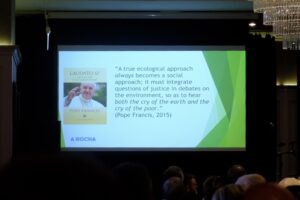
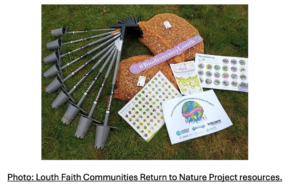 The conference also connected strongly with the Irish Bishops’ initiative “Returning to Nature”, which commits to returning 30% of church grounds to nature by 2030. This commitment reflects the call of Laudato Si’ and Laudate Deum to move from awareness to action.
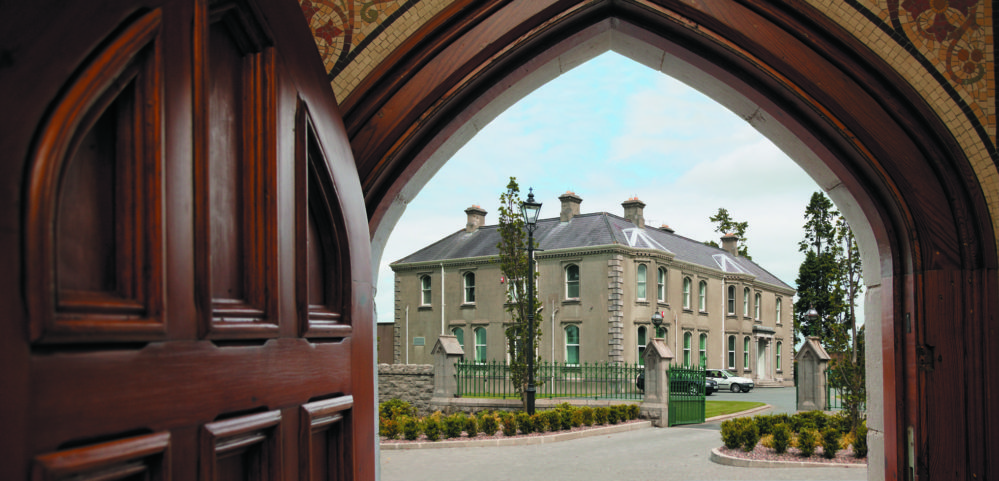
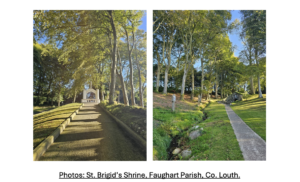
Here in the Archdiocese of Armagh, parishes are already responding. In partnership with Louth County Council, ten parishes have engaged in biodiversity projects that include reduced mowing, tree planting, and the restoration of church grounds as spaces where nature can flourish. These local initiatives demonstrate how global ecological concerns can be addressed through concrete, community-based action
A Shared Journey
Let Justice Flow Like a River was not simply a successful one-off event, but part of a growing shared journey among the Churches, a journey rooted in listening deeply, learning together, praying faithfully, and striving to act responsibly together. Throughout the day, it became clear that climate change and ecological degradation are not challenges for “somewhere else” or “sometime later”. They are realities affecting communities here and now and today’s conference renewed the call for courage, cooperation and hope at all levels of Church and Society.
As participants departed, there was a sense that this gathering had strengthened resolve and renewed commitment. The conversations, prayers and stories shared pointed towards a future shaped by care, responsibility and solidarity so that justice may indeed flow like a river, bringing life to our land, our waters, and to generations yet to come.