Bishop Michael Router Responds to Pope Leo XIV’s Message for the 34th World Day of the Sick
Text of Bishop Michael’s Message
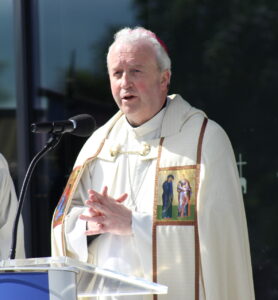
“Society is judged by how we treat the addicted, sick, elderly, unborn, poor and hungry”
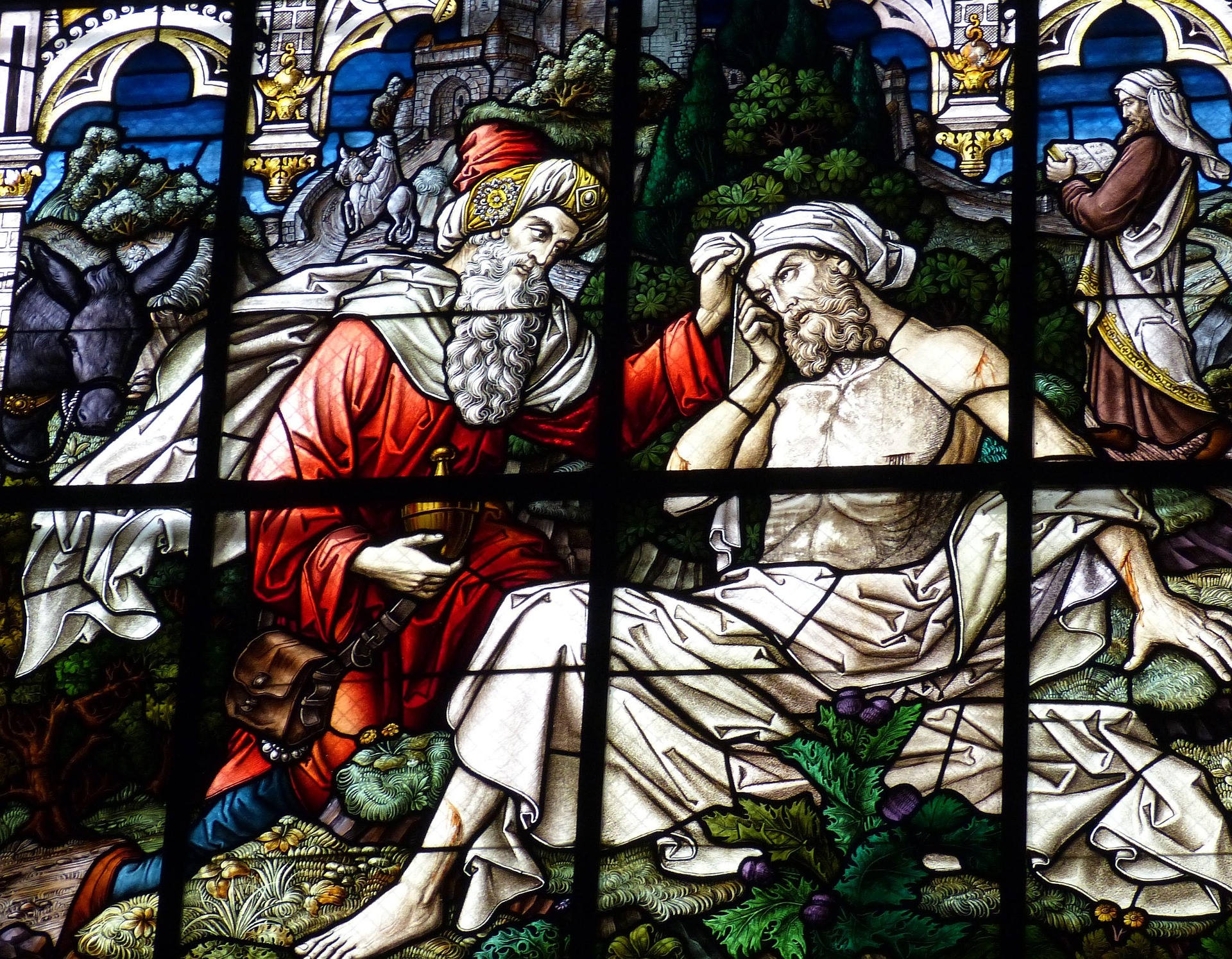
On Wednesday, the Feast of Our Lady of Lourdes, we mark Pope Leo XIV’s 2026 message for the 34th World Day of the Sick. This year the Church is invited to contemplate the figure of the Good Samaritan as the great model of compassion. This familiar Gospel parable continues to challenge us to examine how we respond to suffering in our midst. For us in Ireland, reflecting on this message is a call to rediscover the heart of Christian charity and to measure ourselves honestly against it.
At the centre of the Holy Father’s message is the realisation that authentic charity begins in encounter with others. The Samaritan, when he encounters the man injured on the roadside, does not stop to analyse the situation or defer responsibility but approaches the person before him and allows himself to be moved by his suffering . In our culture increasingly shaped by haste and distraction, this willingness to pause and be present is countercultural. Pope Leo reminds us that offering our presence to those who suffer is not an optional extra but lies at the very heart of Christian discipleship. In a society where indifference or the focus on productivity can render the weak invisible, the Church is called to witness to a different way – a way that refuses to pass by on the other side.
Being a “neighbour,” as the Pope underlines, is not simply a matter of familial ties, friendship or physical proximity. It is a free and deliberate decision to love by being merciful and empathetic and have a willingness to share in another’s suffering. The Samaritan becomes a neighbour not because of where he lives, but because he chooses compassion. This insight speaks powerfully to our own context today. It challenges us to ask who we are willing to draw close to, especially when that closeness is uncomfortable, costly or inconvenient.
Compassion, in the Gospel sense, is never abstract. It is active, concrete and personal. The Samaritan gives his time, his care, his resources and, ultimately, something of himself.
Pope Leo reminds us that true charity involves the gift of one’s presence and participation in another’s suffering or loss. This understanding has profound implications for healthcare, pastoral care and family life. To care for the sick and suffering is not simply to provide services, but to affirm their dignity, to restore their hope and to accompany them in their vulnerability.
Significantly, the Holy Father situates care for the sick within a wider social and ecclesial context. He describes it as a genuine action of the Church and a measure of a society’s moral health. This observation invites a searching examination of conscience for us in Ireland. A society, as the Christian tradition insists, can be judged by how it treats its weakest members – the sick, the elderly, the unborn, the addicted, the poor and the hungry. When we look honestly at our reality, troubling signs emerge. Loneliness, rising suicide rates, the widespread acceptance of abortion, the growing acceptance of euthanasia, the treatment of immigrants and the scourge of drug and alcohol abuse all point to deeper wounds within our social fabric. These are not isolated issues; they are symptoms of an ailing society that too often fails to protect, accompany and cherish those who are most vulnerable.
Pope Leo reminds us that our love of neighbour is the visible proof of our love for God; the two are inseparable. Christian faith cannot be reduced to words, rituals or private devotion alone. It finds its fulfilment in concrete service. To serve the suffering neighbour is to worship God in truth. A truly Christian lifestyle, therefore, is marked by a Samaritan spirit that is welcoming, courageous and committed. It is rooted in love of God and expressed in compassionate care for those who are sick, elderly and afflicted.
As chair of the Bishops’ Council for Healthcare, I am deeply grateful for the countless healthcare workers, carers, priests, chaplains, volunteers and family members across Ireland who embody this Samaritan spirit every day. Their quiet fidelity gives living witness to the Gospel. Yet this year’s message from the Pope urges all of us – Church and society alike – to go further and to build a community where compassion is not the exception but the norm and where no one is left abandoned on the roadside.
I encourage all to read Pope Leo’s inspiring message for the 34th World Day of the Sick HERE
+ Bishop Michael Router
Auxiliary Bishop of Armagh and chair of the Council for Healthcare of the Irish Catholic Bishops’ Conference.