Monday, December 22, 2025
Home Blog Page 3

Archbishop Eamon Visits Lough Neagh with the Irish Church Leaders Group

“Put out into the deep.” (Luke 5:4),  A Pilgrimage of Listening, Witness and Stewardship

On Wednesday 23 July 2025, the Irish Church Leaders Group made a visit to Lough Neagh and Coney Island, a landscape steeped in beauty, history, ecological importance and growing crisis. This pilgrimage was not only about witnessing the natural wonders of Lough Neagh but also about listening deeply to the voices from local communities, conservationists and those whose livelihoods have long been tied to the Lough.

In the short video reflection above from the day, Archbishop Eamon shares the group’s sense of responsibility and the spiritual call they felt as they stood amid the environmental challenges facing this treasured body of water.


A Lough in Crisis

Lough Neagh, the largest freshwater lake in the British Isles, is a vital ecological, economic and cultural heartland for Northern Ireland, yet today it faces grave threats from nutrient pollution, invasive species like zebra mussels and increasingly severe blue-green algal blooms. These issues have devastated local fisheries and threatened unique species like the pollan and dollaghan trout.

In 2025, for the first time in generations, eel fishing was suspended, not because of legislation, but because export markets rejected the eels due to poor fat content, likely a result of the Lough’s ecological deterioration. For many families, a centuries-old way of life has come to an abrupt and painful end.

Listening to the Community

Beginning at Maghery Country Park, the Church Leaders began their visit with a boat crossing to Coney Island. There, they met members of the South West Lough Neagh, Rivers and Islands Association, some local people, including fishermen and environmental advocates, people working tirelessly to restore and protect the Lough’s ecosystems. Their testimonies bore witness to both the beauty of this place and the depth of the crisis.


A Shared Call to Care

The theme for the visit, “Put out into the deep”, invited deep spiritual reflection. As the Church Leaders travelled to and walked the ground of Coney Island, including a visit to St. Patrick’s Stone, they were reminded of the Gospel call to trust, to listen and to act boldly for the sake of God’s creation. Lough Neagh is more than a lake but a place that represents a shared heritage that crosses political, religious and social boundaries. The Church Leaders visit offered an opportunity to model collaboration, care and prophetic witness in the face of ecological collapse.

Their presence signalled not just solidarity but a shared commitment to healing and hope.


Towards Renewal and Responsibility

Archbishop Eamon  acknowledged that environmental degradation is not only a scientific and political issue but also a deeply spiritual and moral one. Reflecting on his visit he posed important questions for all people of faith:

  • What does it mean for faith communities to “put out into the deep” and face the ecological crises of our time?

  • How can we collaborate across denominations, sectors and borders to renew our responsibility as stewards of creation?

  • What prophetic voice might the Churches raise in solidarity with vulnerable ecosystems and communities?


A Symbol of Unity and Hope

Coney Island, with its 5,000 years of human habitation from Neolithic farmers to the present day has stood as a symbol of continuity, resilience and renewal. Today, cared for by the National Trust, it also symbolises the need to protect what is precious before it is lost.

The visit included a moment of prayer and shared reflection on Coney Island, allowing the Church leaders the opportunity to offer a quiet but powerful witness to the Churches’ desire to walk together, listen deeply and act with courage.


Watch the Reflection: Archbishop Eamon Martin’s video message from the visit

All are invited to learn more about the environmental challenges facing Lough Neagh and reflect on how they can do their part and protect creation. 

Irish Catholic Bishops – Care for Our Common Home   


Archbishop Martin: St Oliver Plunkett was completely aware of his call to martyrdom

St Oliver Plunkett was completely aware of his call to martyrdom

“It is fitting to note that Saint Margaret Mary Alacoque, the visionary of the Sacred Heart, was canonised by Pope Benedict XV on 13 May 1920, just ten days before he beatified our own Saint Oliver Plunkett”

Archbishop Eamon Martin


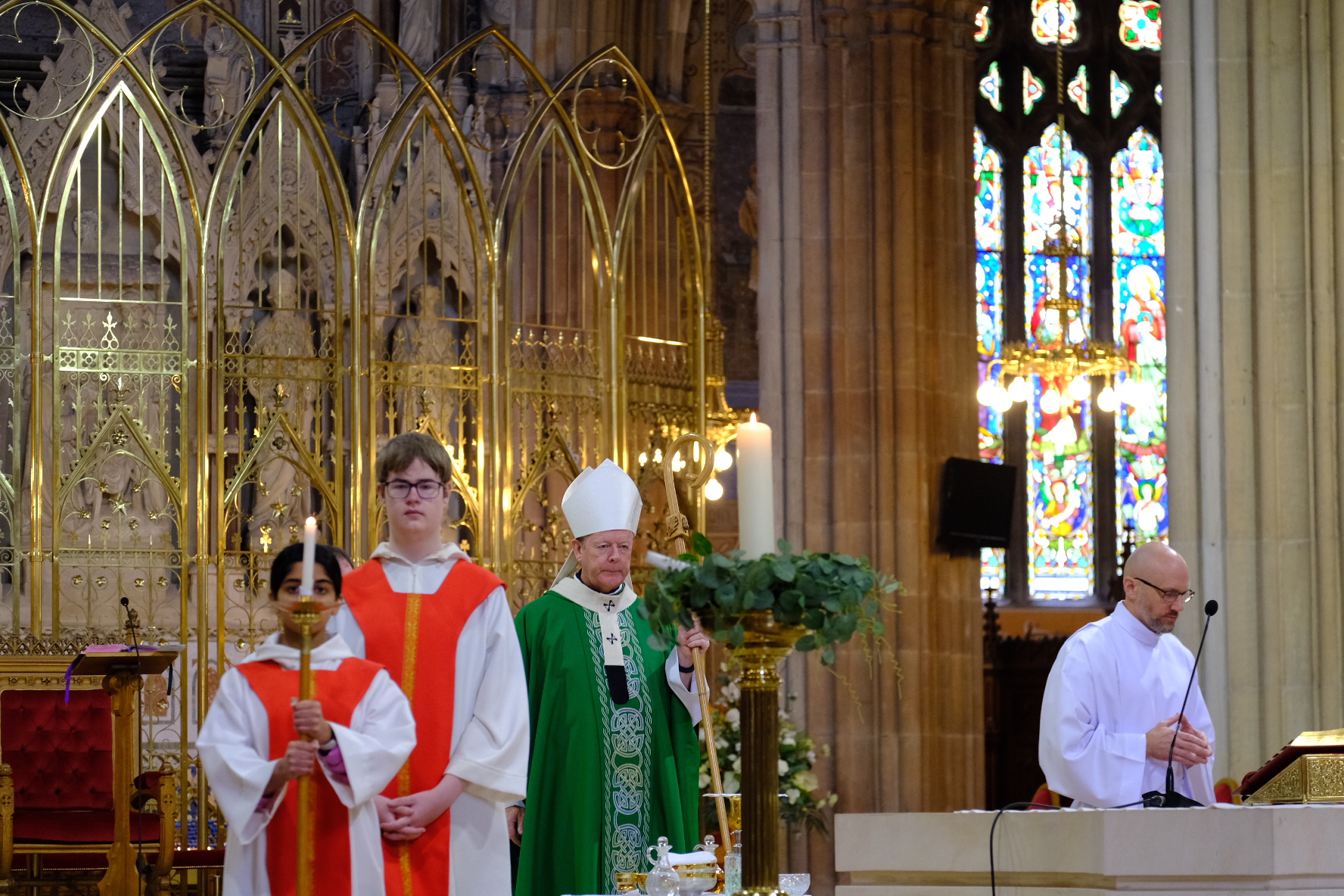
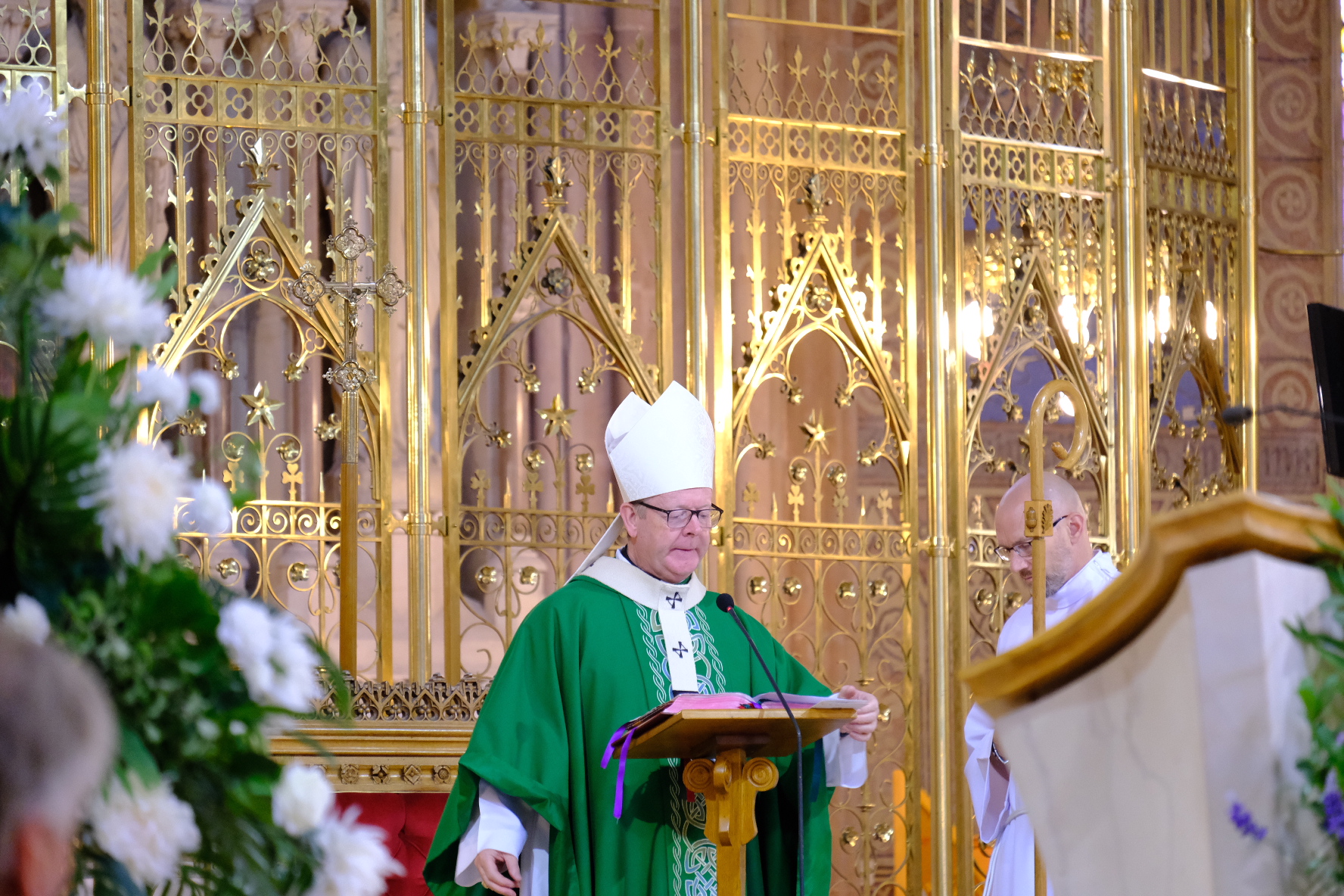
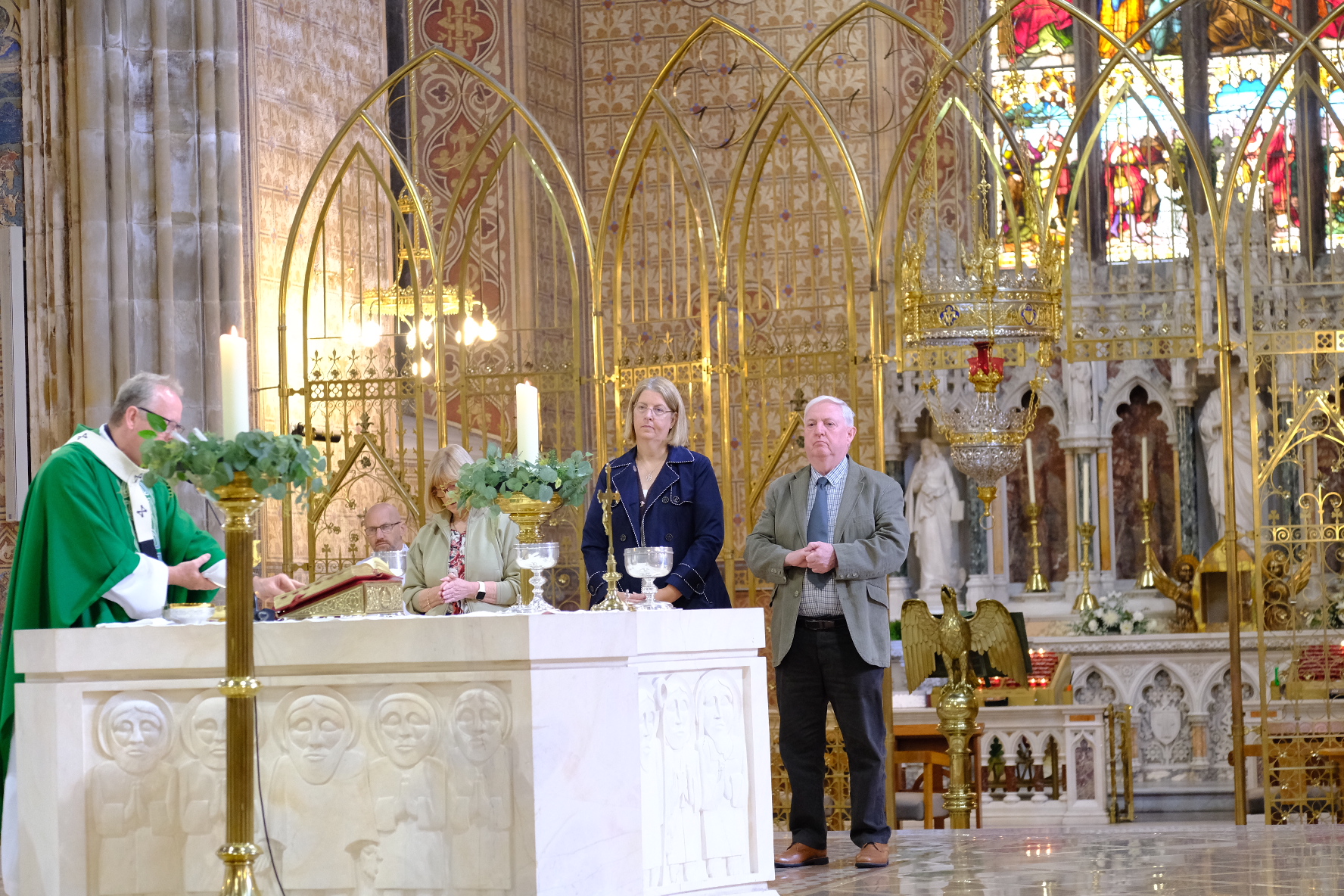
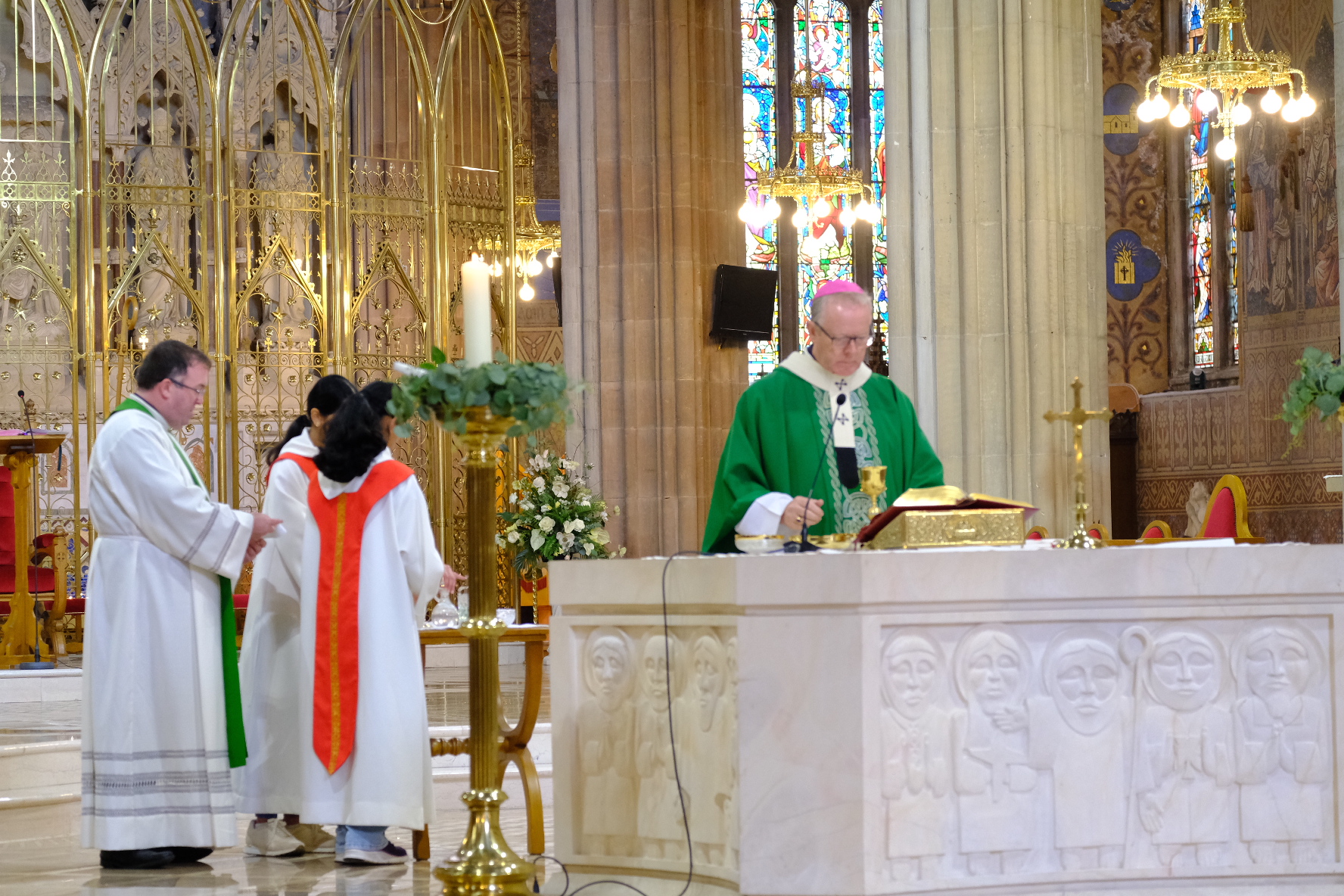
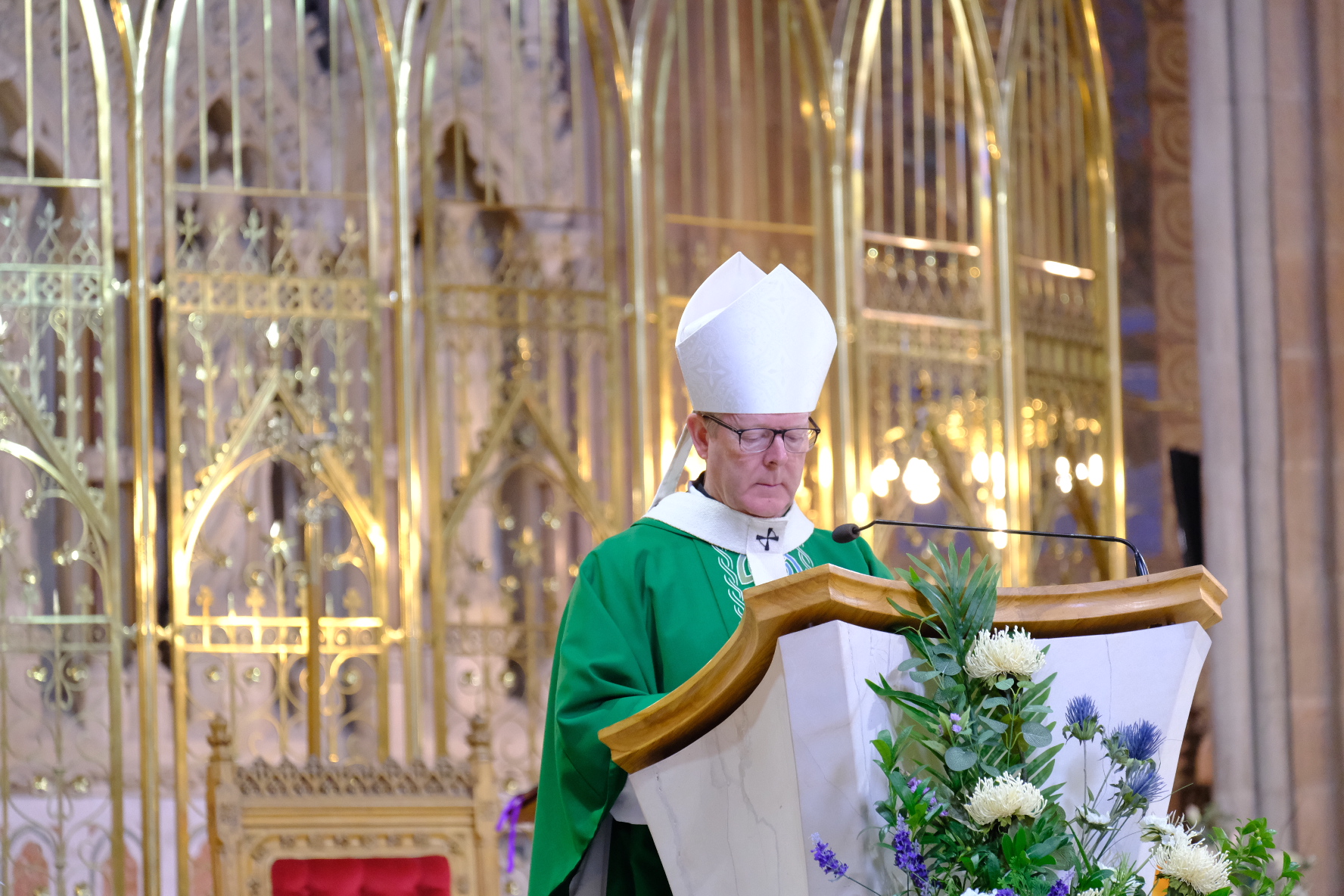
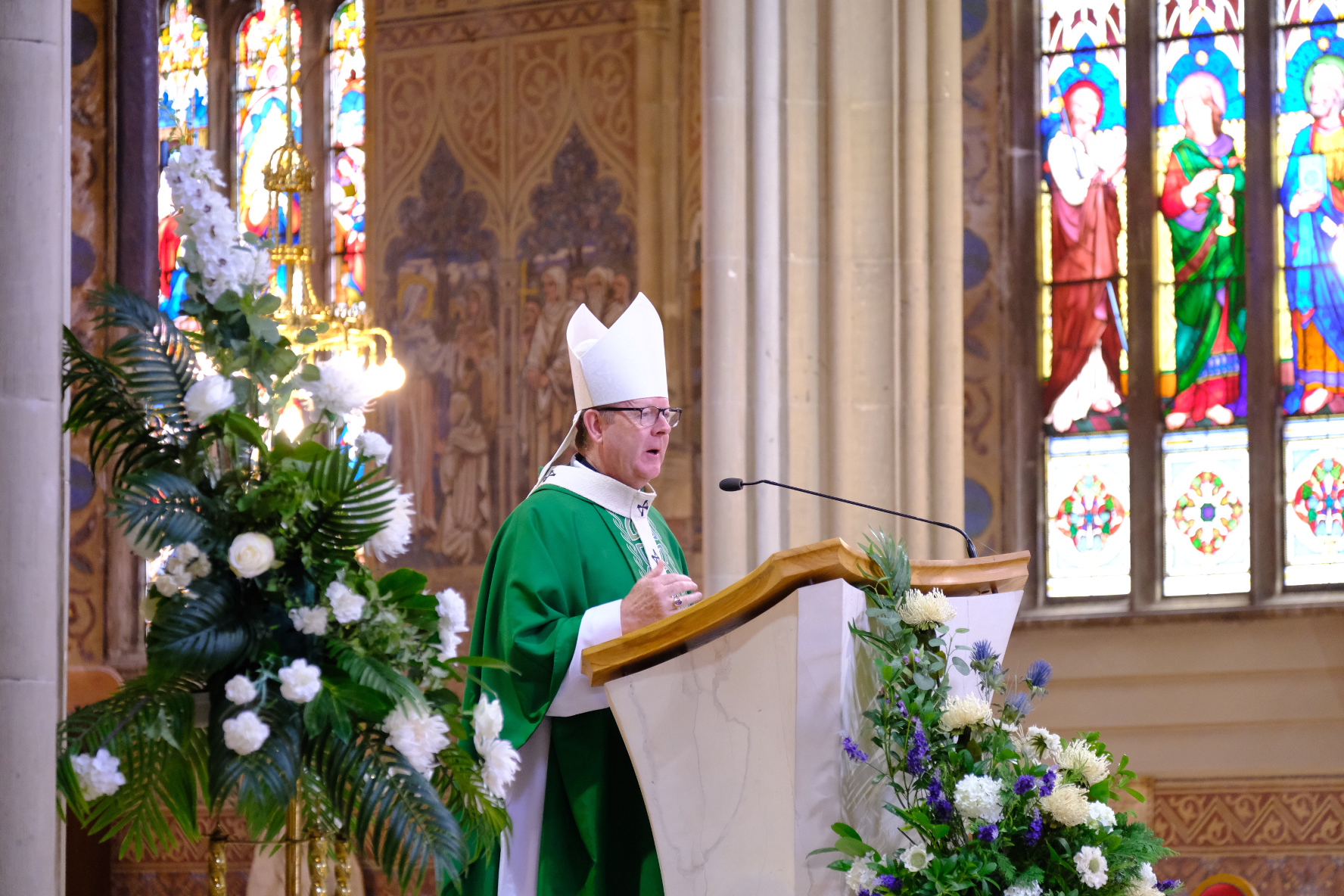
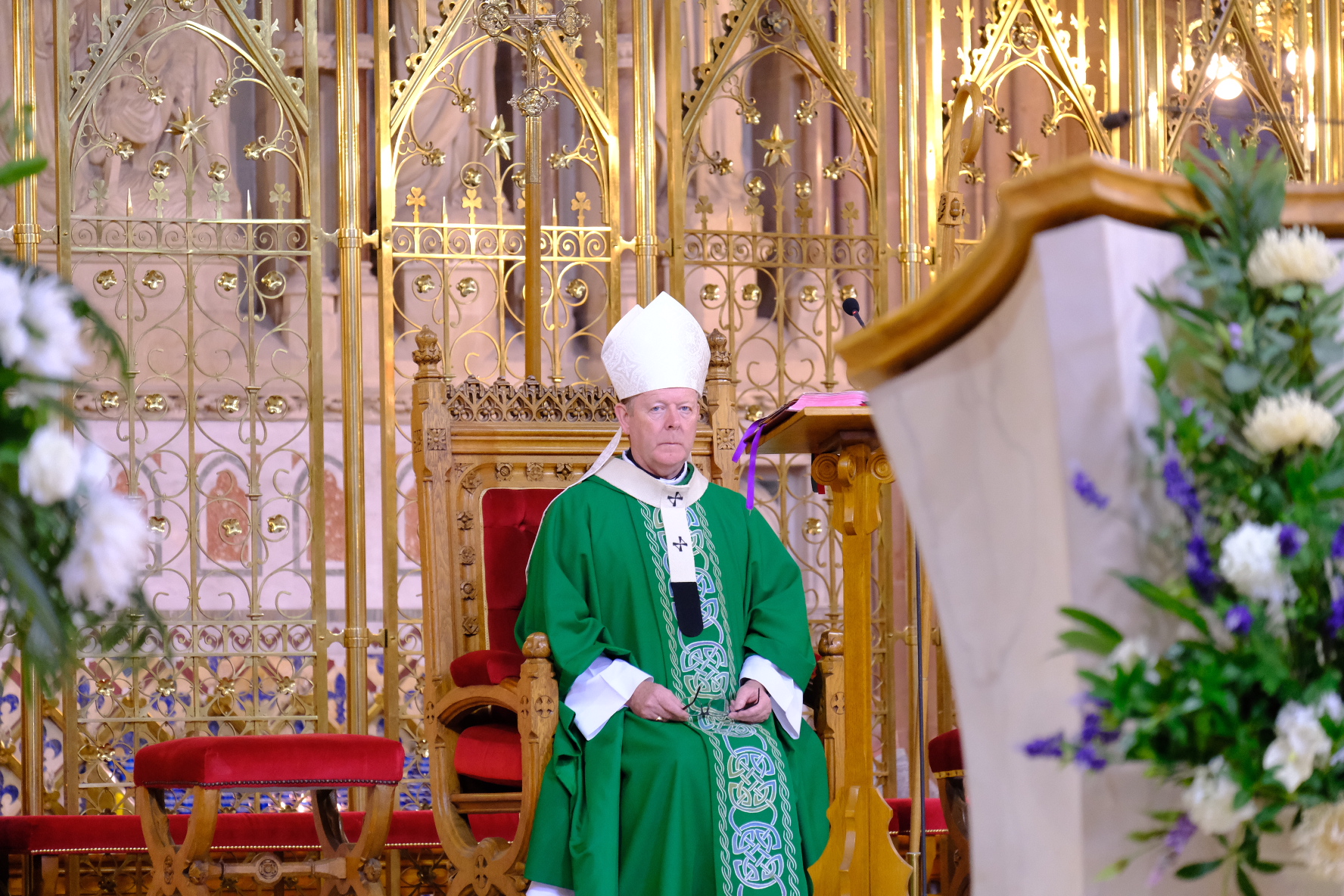
Homily of Archbishop Martin at Mass for the ‘Oliver400’ celebrations

In this Jubilee Year of Hope, we have been very fortunate here in Ireland to be able to celebrate special moments, like the 800th anniversary of the canonisation of Saint Laurence O’Toole; the centenary of Venerable Matt Talbot’s death; 80 years since the outstanding witness of our Columban missionaries who were martyred in the Philippines – ‘like lambs among wolves’ – and also the 75th anniversary of the Columban martyrs who gave their lives in Korea.

In the Archdiocese of Armagh – and especially so here in Drogheda – the pinnacle of our Jubilee Year celebrations is the double anniversary of Saint Oliver Plunkett: born 400 years ago in 1625, and canonised 50 years ago in 1975.

During his first four years as Archbishop, Oliver threw himself energetically into mission mode.  Bishop Desmond Forristal described him as “a man in a hurry”, who wasted no time in administering the sacraments; establishing a school here in Drogheda to educate the youth and instruct clerics.  Archbishop Oliver also conducted many pastoral visitations and convened synods and councils to reform the Church.  When necessary, he stepped in as a mediator and peacemaker to help heal various disputes and divisions.  He built relationships with the Protestant Archbishop and clergy, and he was particularly zealous to ordain, instruct and form the clergy, driven, no doubt, by those Gospel words: “the harvest is rich, but the labourers are few”.

But within four years, by the end of 1673, the political tide was turning against the Catholic Church.  Archbishop Oliver Plunkett, showed immense courage.  Taking little account of his own needs and health, he tirelessly and unapologetically proclaimed the Gospel, despite increasing opposition and even direct threats to his life.  By 1678 he was a fugitive.  He wrote, “I am certain I will be captured as there are so many hunting for me.  But whatever the danger, I will stay with my flock and will not abandon them until I am dragged to the ship“.

Eventually he was arrested and imprisoned on account of a malicious charge that he was involved in the so-called ‘Popish plot’.  After prolonged imprisonment in Dublin and in London, he was put through a sham trial and unjustly condemned to death.  In the end, Oliver suffered the ultimate humiliation – he was dragged through the crowded streets of London before being publicly hung, drawn and quartered at Tyburn Cross.  But he never lost hope in a heavenly homeland, and even from the gallows, Archbishop Oliver proclaimed his faith in the Risen Lord, and forgave those who had plotted against him.

We might ask ourselves, why did he do it?  Why did Saint Oliver show such determination and courage in the face of blatant bigotry and public demeaning of his character?  Why was he so serene while being dragged to such a brutal end?  It was because he lived, and died, by the principle of “no greater love”, literally laying down his life for love of God and for his people, and for his undying conviction that Hope in Christ does not disappoint.

Let me ask it another way: Why did his persecutors seek to destroy Saint Oliver Plunkett?  Could they not accept that this faithful shepherd would never leave his beleaguered flock?  The answer is: because Evil abhors Faith; Evil hates Love, and Evil especially detests Hope because, as Pope Francis once put it, “Hope keeps alive the deep conviction that good is stronger than evil, and that God, in Christ, has conquered sin and death.”

That is why on Easter Sunday morning, just hours before he died, Pope Francis added, “Evil has not disappeared from history; it will remain until the end, but it no longer has the upper hand …Christ is Risen.  Love has triumphed over hatred, light over darkness and truth over falsehood.  Forgiveness has triumphed over revenge”.

Pope Benedict XVI once asked: “On what is martyrdom founded?”  “The answer”, he said, “is simple: it is founded on the death of Jesus, on his supreme sacrifice of love in the cross; and it gets its strength from a deep and intimate union with Christ, because martyrdom and the vocation to martyrdom are not the result of human effort but the response to the call of God; they are a gift of God’s grace that enables a person, out of love, to give his (or her) life for Christ and for the Church, and hence for the world.”

Saint Oliver Plunkett was completely aware of his call to martyrdom.  No doubt he would have prayed those words of Saint Paul to the Galatians, “The only thing I can boast about is the cross of our Lord Jesus Christ, through whom the world is crucified to me, and I to the world”.  He had no hesitation, therefore, in taking up his cross every day and freely following Christ along the path of unconditional love.

And this brings to mind another of our Jubilee year anniversaries, namely, the 350th anniversary of the Sacred Heart revelations to Saint Margaret Mary Alacoque.  She described the Lord opening his heart to her, saying: “This is the heart that so loved human beings that it has spared nothing, even to emptying and consuming itself in order to show them its love”.  Saint Margaret Mary’s spiritual director – a Jesuit priest named Claude de La Colombière – defended her publicly. He helped to spread the word about her visions and to explain their meaning in the light of the Gospel.

It struck me recently that Sister Margaret Mary’s visions of the Sacred Heart at Paray-le-Monial, from 1673-1675, were happening at precisely the same time that Archbishop Oliver was spreading the Good News of Christ’s love amongst his people in Ireland.  Whether or not Archbishop Oliver ever heard of these visions of the Sacred Heart, it is clear that he too was inspired by the human and divine love of the heart of Jesus Christ, both in his life and in accepting his death; one might even say Archbishop Oliver was an anticipatory apostle of the Sacred heart.

His solitary confinement for many months under stark conditions became his personal Gethsemane.  But, like Christ, he was serene and prayerful in his suffering, surrendering himself in complete submission to God‘s will.  He cheerfully chose even more penance, by often refusing the meagre daily rations of prison food.

Archbishop Oliver meditated on the Passion of Christ with all its wounds and thorns, and he clearly wanted to unite his own imminent death at Tyburn Cross with that of our suffering Saviour on the cross at Calvary – although Oliver remarked that his suffering would be merely a “fleabite” in comparison!  Nonetheless, he asked forgiveness for his own sins, and joyfully offered up his sacrifices for an end to the persecution of his flock in Ireland and so that, by his death, the number of Catholics would once more increase.

Meanwhile, the Jesuit priest Fr Claude de La Colombière, who had been transferred to England, wrote in his diary of how shocked he was to discover that a bounty had been set on the head of the Archbishop of Armagh.  Father Claude was himself arrested and imprisoned in England on account of the Popish plot.  He escaped execution because he was a French citizen and, returning to France as an exhausted and broken man, he died in 1682, just a year after Saint Oliver.  He was canonised in 1992.

In this context, I think it is fitting to note that Saint Margaret Mary Alacoque, the visionary of the Sacred Heart, was canonised by Pope Benedict XV, on 13 May 1920, just ten days before he beatified our own Saint Oliver Plunkett.

Dear brothers and sisters, during this Jubilee Year the lives of so many saints and martyrs are encouraging us to be like them: pilgrims of hope in this troubled world.  Their message for us in clear: do not be afraid to answer God’s call to holiness, to take up your own daily crosses, to deepen your love for Christ and do all you can to build “a civilisation of love”.  In that way, peace and mercy can flow like a river, and the whole earth can cry out with joy, singing to the name of the Lord!

Through the intercession of Saint Oliver Plunkett, Saint Laurence O’Toole, Saint Columbanus and the Columban martyrs, Venerable Matt Talbot, and all the holy women and men of Ireland, may our hearts be on fire this Jubilee, so that we radiate, like them, the message of Love and Hope in Christ, Amen.

Archbishop Eamon Martin

Archbishop of Armagh, Apostolic Administrator of Dromore and Primate of All Ireland.  


Join Our Team: Vacancy for Diocesan Human Resources Officer

Join Our Team: Vacancy for Diocesan Human Resources Officer – Archdiocese of Armagh

The Archdiocese of Armagh, the historic primatial see of Ireland, is seeking to appoint a Diocesan Human Resources Officer to serve the people, parishes and pastoral mission of the Church with professionalism, compassion and excellence.

This is a unique opportunity to contribute to the life and mission of the Church by ensuring best practice in human resource management across a diverse and dynamic diocesan structure that spans both Northern Ireland and the Republic of Ireland.

About the Role

As Diocesan Human Resources Officer, you will be at the heart of the Archdiocese’s commitment to providing a professional, supportive, and mission-aligned working environment for clergy, employees, and volunteers.

You will work closely with:

  • The Archbishop of Armagh

  • The Council of St Patrick’s Archdiocesan Trust Limited (SPATL)

  • Parish priests and local leaders

  • Diocesan Curia staff

  • Lay and ordained personnel across the diocese

Your role will be to support the smooth, compliant, and efficient operation of human resource functions in line with the Church’s values and the objectives of the Charity. From contracts and employment law to pastoral care and organisational development, your work will help to shape the people culture of a Church that is both deeply rooted in tradition and open to renewal.

What We’re Looking For

We are seeking a highly motivated and talented professional who brings:

  • A strong background in human resource management

  • Excellent interpersonal and communication skills

  • An appreciation of the unique nature of HR within a faith-based and charitable context

  • A commitment to upholding equality, dignity, and best practice in the workplace

This is a permanent post, requiring 28 to 35 hours per week, typically across Monday to Friday. Flexibility is essential, and occasional evening or weekend availability may be required depending on diocesan needs.

Salary: Commensurate with experience.


How to Apply

If interested in making an application for this position, please apply by letter enclosing a
current CV outlining experience and qualifications to date and stating clearly your suitability
for the role.

Applications should be submitted by email or post to:

📧 [email protected]
📍 St Patrick’s Archdiocesan Trust Ltd,
Diocesan Office, Armagh, BT61 7QY

A full Job Description and Person Specification is available upon request from the Diocesan Office.

Closing date for applications: Thursday 31 July 2025

Theology Programme

Do you want to learn more about your faith?  If you do, why not enrol in our Diocesan Theology Programme. It is a two year part-time programme, there are six modules per year.  There are no entrance qualifications needed and no exams, it is assignment based. Learning more about your faith is exciting and enjoyable.  Adult Faith Formation is part of our Diocesan Synodal process. 
 
Our diocesan theology programme is accredited by St. Patrick’s Pontifical University, Maynooth.
Our theology programme gives people a better understanding of their faith and confidence to play a role in their parish whether it’s being a Reader, Eucharistic Minister, or a member of the Parish Pastoral Council or any other parish body.
Please find more information below:

Archbishop Eamon Renews Ireland’s Consecration to the Sacred Heart of Jesus

“Most Sacred Heart of Jesus, we place all our trust in you.”

As we journey through the Jubilee Year 2025, Archbishop Eamon Martin will lead a deeply meaningful moment in the life of the Church in Ireland: the Renewal of the Consecration of Ireland to the Sacred Heart of Jesus. This act of consecration will take place during the 3pm Mass on Sunday, 22 June, at Knock Basilica, on the Feast of Corpus Christi.

All are warmly invited to take part in this moment of national prayer either by joining in person at Knock Shrine or by tuning in to the livestream at Knock Shrine Webcam.

A Prayer for Our Times

In a world marked by unrest, suffering and longing for hope, the Sacred Heart of Jesus stands as a powerful symbol of divine love, mercy and healing. The act of consecration is a prayerful entrustment of ourselves, our homes, families, communities and nation to Christ’s heart, aflame with love for all humanity.

Archbishop Eamon’s words invite us into this renewal with confidence:

“We are living in a time of great need for God—for faith, for hope and for love. Our age presents many challenges to our faith, to our families, and indeed to the deepest core of our humanity. But as a pilgrim people filled with love and hope in this Jubilee Year of Grace, we entrust Ireland once again to the Sacred Heart of Jesus, our sure refuge.”


How You Can Participate

  • Watch the livestream and unite with others across the world in prayer.
    Click here to watch live

  • Download and pray the Prayer of Consecration at home, in your parish, school, or workplace and pray it during June, the month dedicated to the Sacred Heart of Jesus.

  • Encourage others to do the same throughout the month of June or at any time during Jubilee Year 2025.

“May every home and parish be permeated with the graces flowing from the Sacred Heart, and with that merciful love which is a special protection of all life.”


A Year of Grace and Mission

This act of renewal echoes the first national consecration of Ireland in 1873 and reflects our shared desire to proclaim the Good News with fresh confidence and missionary joy. In the words of the prayer itself:

“We believe that the world can change, beginning with hearts that are close to your heart… So that we may radiate faith, hope and love—especially for the poor, the suffering, and those who are most in need.”

His Holiness Pope Leo XIV sends good wishes,

“praying that this solemn occasion will provide a grace-filled opportunity for all participating to deepen their devotion to the merciful heart of Christ and to grow in zeal for spreading the message of the Gospel and promoting Christian charity among their brothers and sisters.”

Click Here to access His Holiness Pope Leo XIV’s message 


Click Here for Consecration Prayer


Click Here for Family and Children’s Resource on the Sacred Heart

Bishop Michael’s Homily at closing Mass of the Venerable Matt Talbot Centenary Weekend

Homily

“278,000 family members are directly affected by addiction to drugs in Ireland.  Add to that the huge number affected by alcohol abuse and we have an epidemic of silent suffering … No recovery, no matter how well-funded or medically supported, will be complete without healing of the soul.”


On this Feast of Pentecost, we celebrate the outpouring of the Holy Spirit – the birth of the Church – and the empowering of Christ’s disciples to go out into the world with courage, truth, and love.  On this weekend, we also mark the centenary of the death of a humble Dubliner, Venerable Matt Talbot, whose life speaks directly to both the struggles and the hopes of our society today.

The scripture readings for this feast take us right to the heart of the Christian mystery.  In the Acts of the Apostles, we see fearful, uncertain men suddenly transformed by the power of the Holy Spirit.  The fire of the Spirit gave them understanding, strength, unity, and a renewed sense of purpose. In the Gospel, the risen Christ reminds His disciples that the Holy Spirit will teach them everything and guide them in how to live according to His teaching.

That same Spirit is alive today.  He is not distant or confined to history, but is given to you and me, and to every person who longs for healing, for peace, and for meaning.  But we must call upon Him, invite Him into our lives, and open our hearts to His transforming grace.  Matt Talbot opened his heart to the Spirit’s transforming grace, and it changed him in an incredible way.

Matt’s early years in Dublin were marked by poverty, hard labour, and addiction.  Like so many people he fell into the grip of alcohol at a shockingly young age.  It is a pattern that, tragically, we continue to see played out in countless lives across Ireland in 2025.

Addiction in Ireland today is not simply a personal problem – it is a national wound.  Our country has, for too long, had a complicated and often toxic relationship with alcohol.  Excessive drinking is tolerated and accepted regardless of its damaging and often catastrophic effects.  In 2002, a simple school survey I conducted found most senior students drank, many starting as young as 13 or 14 years-old, a fact that did not shock or surprise anyone even then.

We now face the increased threat of drugs.  Cocaine, cannabis, and other substances are widely available and deeply destructive.  What once was a problem in cities and large towns is now an issue in rural areas as well.  The figures are alarming.  It is known that as many as 278,000 family members are directly affected by addiction to drugs in Ireland.  Add to that the huge number of family members affected by alcohol abuse and we have an epidemic of silent suffering.  Behind these statistics are parents lying awake at night wondering if their son or daughter will come home.  There are children living in fear, families carrying crushing debts intimidated by drug gangs or hiding in shame, suffocated by silence.  The psychological and emotional toll of anxiety, depression, isolation, and hopelessness is profound.

A very important part of healing and recovery for our society is the recognition by all, that addiction is a healthcare issue, not simply a moral failing or criminal matter.  We need better-funded supports, earlier intervention, trauma-informed care, and above all, we need compassion.  Organisations like the Rise Foundation, Merchants Quay Ireland, the Family Addiction Support Network (FASN) and Families in Addiction Recovery Ireland (FARI) are doing tremendous work, that is often under-resourced, walking with families in their pain and helping them rediscover their strength and confidence.

There is another very important truth, however, one that is often overlooked in the modern response to addiction, that the spiritual dimension of the human person cannot be ignored.  No recovery, no matter how well-funded or medically supported, will be complete without healing of the soul.  This is something that the life and example of Matt Talbot teaches us.

At the age of 28, at his lowest and most desperate moment, Matt made a choice.  He walked away from alcohol and into the embrace of God.  But it wasn’t easy.  He didn’t rely on willpower alone.  He turned to the sacraments, to prayer, to daily Mass, to scripture and to penance.  He gave himself completely to the grace of the Holy Spirit.  That grace didn’t just keep him sober; it saved him and made him a hero of temperance and self-control – two virtues that are so badly needed in today’s world.

This is where we, the Church, must speak confidently.  The Holy Spirit poured out at Pentecost was not just for the apostles.  He is for the alcoholic on the street, the teenager tempted by drugs, the parent on the brink of despair.  He is the only true power that can completely break the chains of addiction.  The Holy Spirit is present in the Church – in the Eucharist, in Confession, in the community, and in the quiet support of believers walking alongside one another helping each other along the way.

To the families struggling with the weight of addiction we, who follow Christ, want you to be aware that you are not alone, you are not forgotten, and you are not to blame.  To those trying to start the journey to healing and recovery know that you are loved.  Know that Jesus has never turned His back on you and recognise that, like Matt Talbot, your story is not finished – it may, in fact, be just beginning.

To those who operate the levers of power in our society I say that funding matters, resources and personnel matter, policy and long-term planning matter, but the soul and faith of the person matter too.

The soul of a person is important for true physical and psychological healing, but it cannot be treated with medicine alone.  The culture of consumption and materialism we have created must be balanced with a culture of spiritual renewal.  If not, then pain and loneliness will be crippling elements of modern life.  The Holy Spirit has not lost his power or gone silent. He is waiting to be called upon – in our lives, in our homes, and in our nation.

As we honour Matt Talbot on this the weekend of the centenary of his death, let us also pray for his beatification and progress along the road towards sainthood.  We pray for his intercession for all who struggle with addiction, and for the families who carry such invisible pain.  Let us commit ourselves to supporting them, not just with words, but with action – with listening, with our resources, and with our prayers.
 
Above all, let us cry out with faith and confidence, today and every day:
‘Come, Holy Spirit.
Fill the hearts of your faithful. 
And kindle in us the fire of your love. 
Send forth your Spirit and they shall be created,
And You shall renew the face of the earth. 
Amen.’

Bishop Michael Router

Auxiliary Bishop of the Archdiocese of Armagh, chair of the Bishops’ Council for Healthcare and serves as liaison bishop to the Irish Bishops’ Drugs Initiative. 

Mass will be celebrated at 4.00pm today in Our Lady of Lourdes Church, Sean McDermott Street, Archdiocese of Dublin.

Header Photo of Statue at Matt Talbot Bridge,  © Copyright Eric Jones and licensed for reuse under this Creative Commons Licence.

Irish Synodal Pathway Spring Gatherings 2025 – What We Have Heard?

Archdiocese of Armagh: Synodal Pathway Spring Gatherings 2025 – What We’ve Heard

In Spring 2025, the Archdiocese of Armagh hosted a series of meaningful conversations as part of our continued journey and engagement with the Irish Synodal Pathway. Parishes across the Archdiocese of Armagh participated in gatherings that sought to bring diverse voices, experiences and hopes to this moment of discernment in the Irish Church.

The gatherings were not new spaces of listening but instead sought to refine priorities that for deeper reflection and discernment for action at a national level. 

Who Took Part?

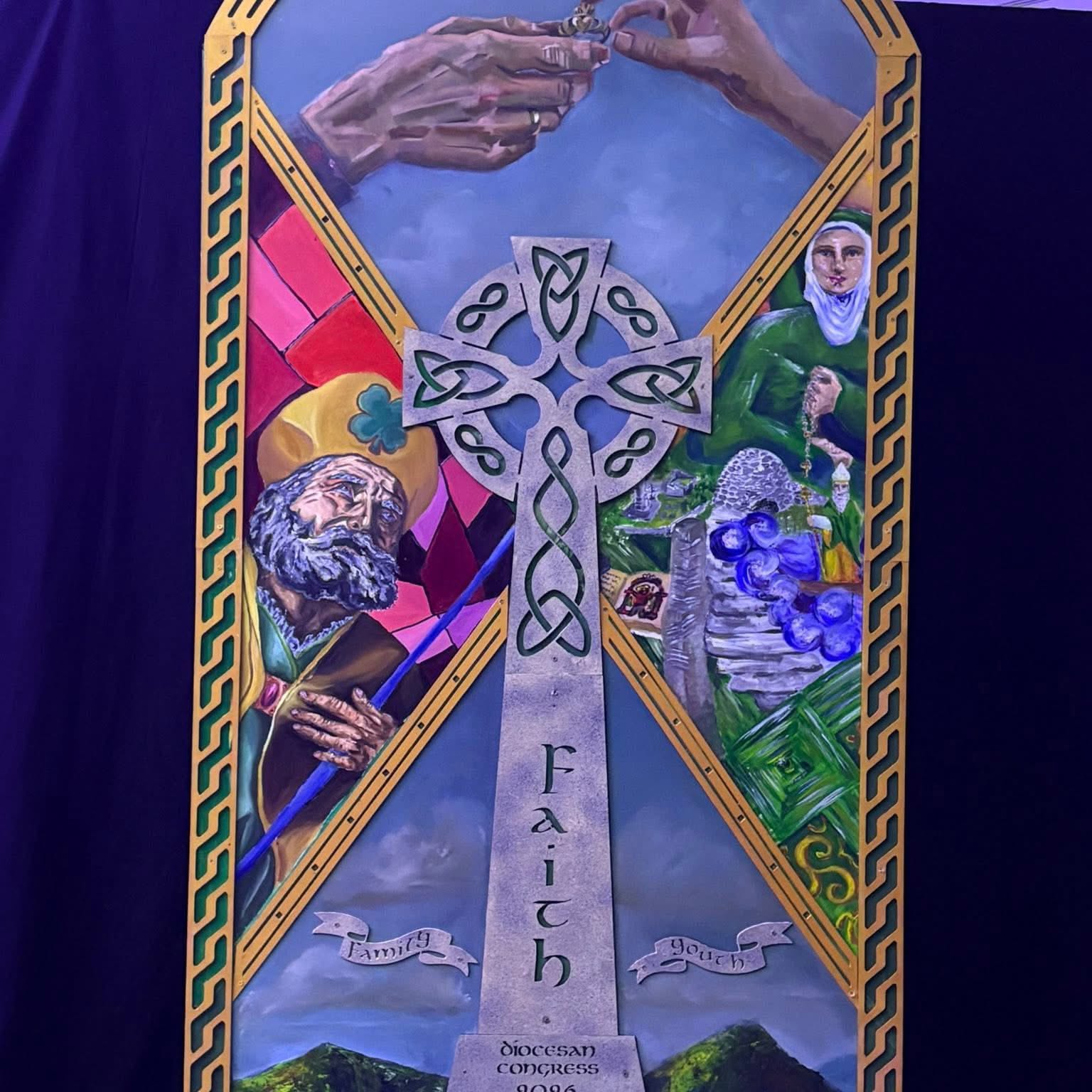
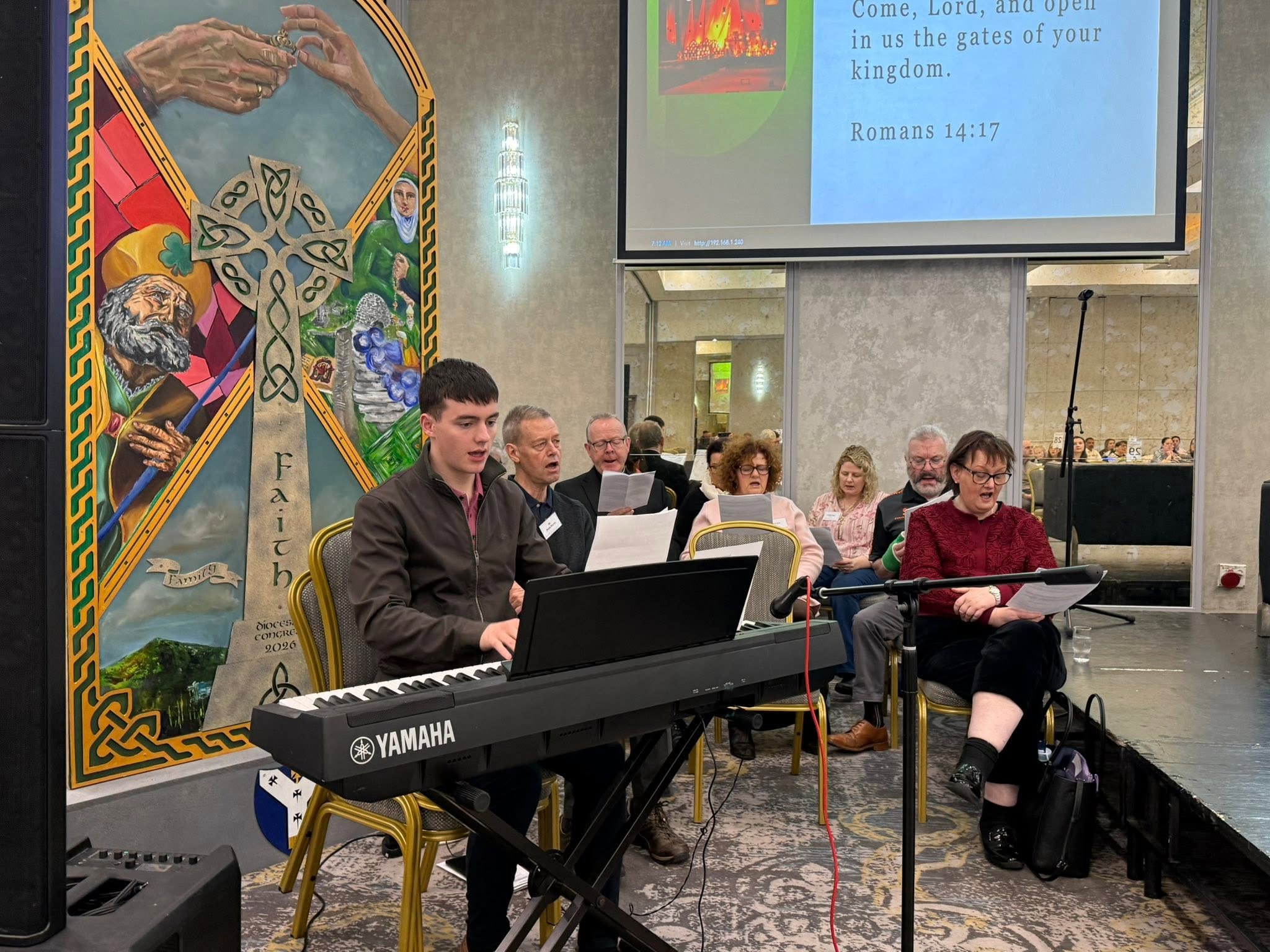
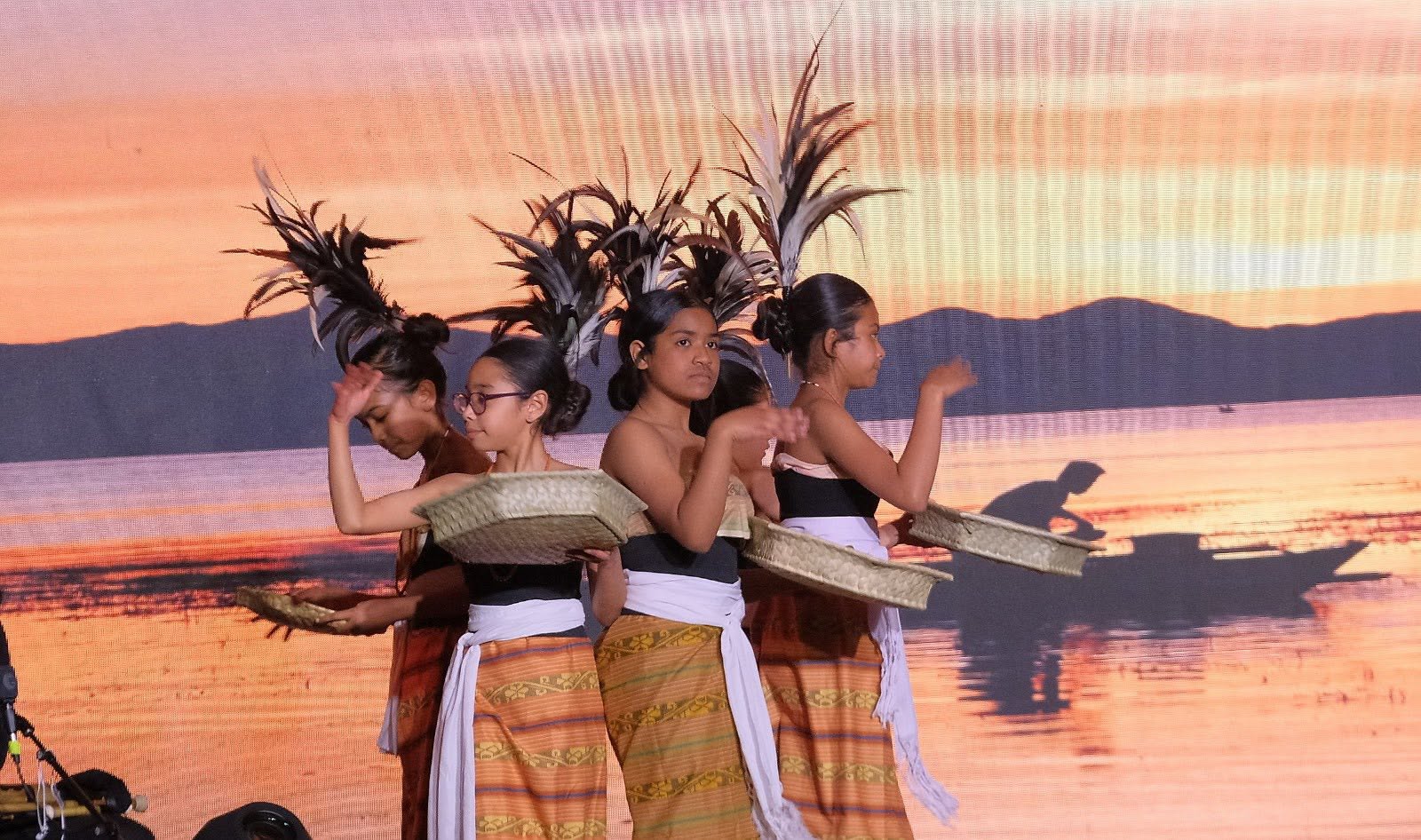
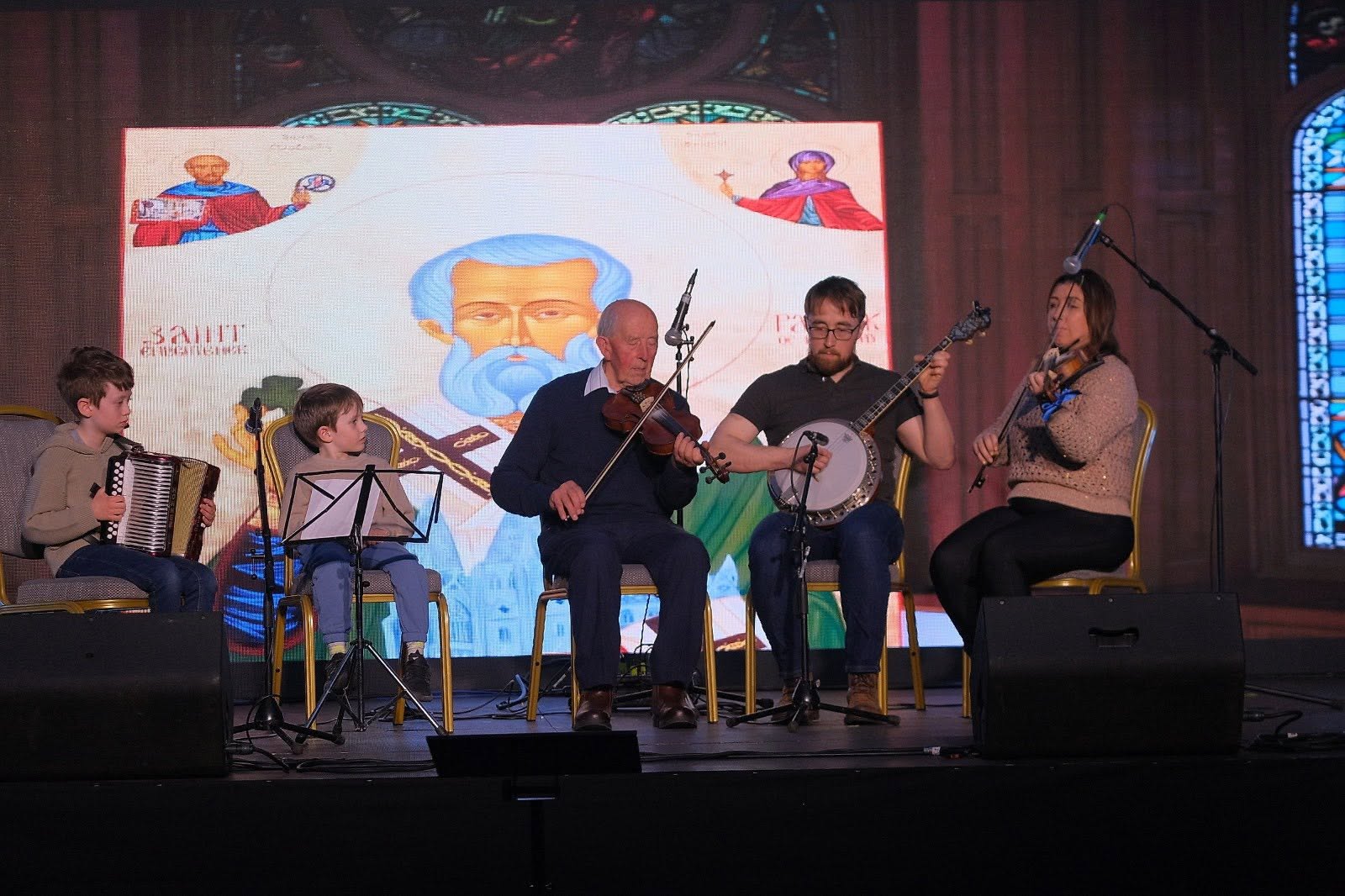
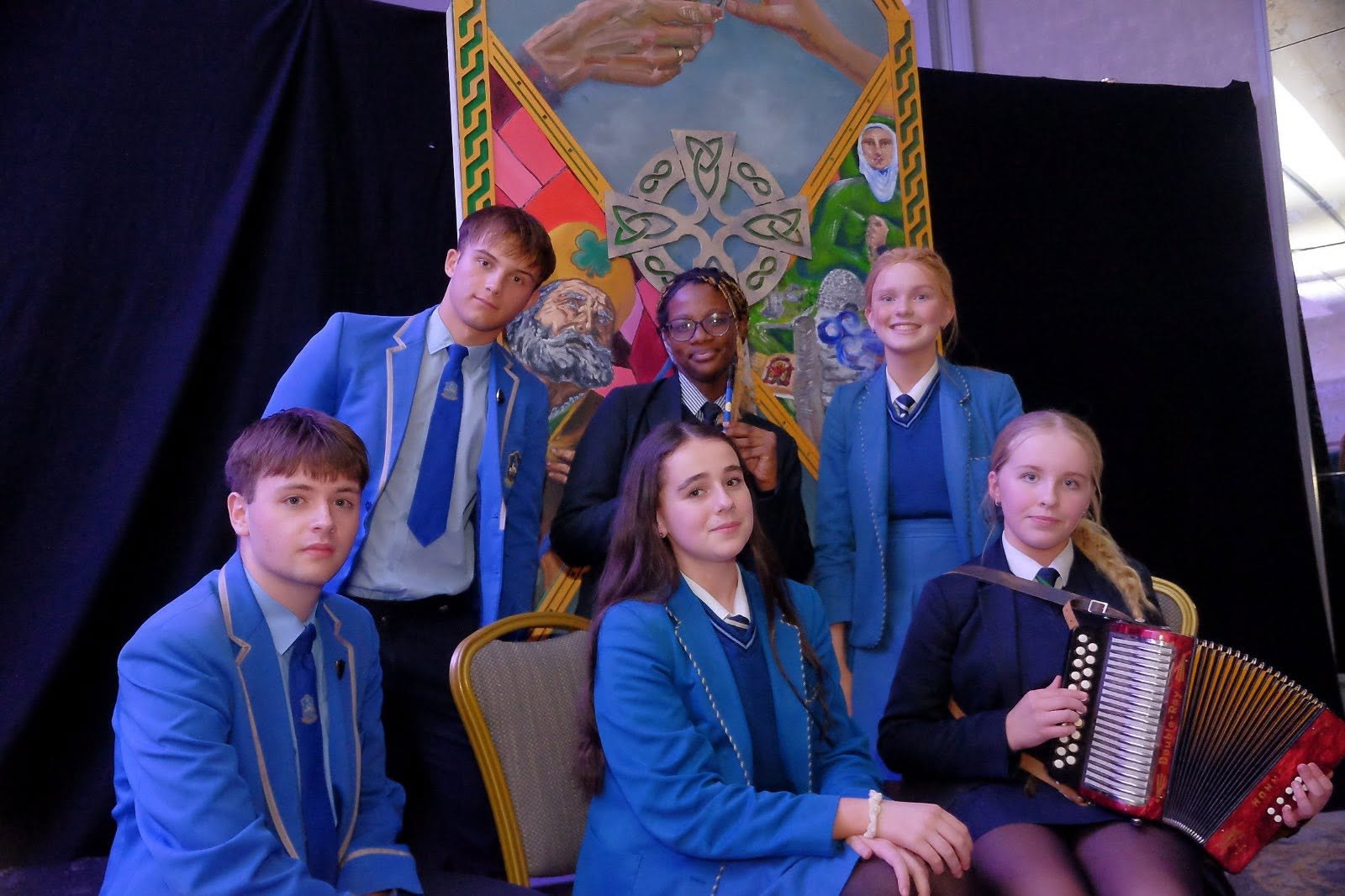
Participants of all ages joined these gatherings, with particularly strong representation from individuals aged 56 and above. This range provided rich insights across generations and in light of our own upcoming Congress on Youth, Family and Faith it is clear that much energy will be needed to engage meaningfully with young people, young adults, families and other diverse groups. 

Dominant Themes That Emerged

Several key themes were affirmed consistently:

  1. Youth Involvement: A strong desire to re-engage young people, especially post-Confirmation, through renewed catechesis, inclusive liturgies, and authentic involvement in parish ministries.
  2. Family: Families were affirmed as central to faith formation, with participants highlighting the urgent need for better support, resources, and accompaniment beyond sacramental milestones.
  3. Faith Formation, Catechesis & Education: There was widespread recognition of the need for comprehensive and ongoing catechetical programmes accessible to all age groups. Emphasis was placed on bridging faith education in schools and parish life at home.
  4. Belonging and Inclusion: A strong pastoral priority emerged around welcoming all, including LGBTQ+ individuals, divorced people, migrants, and non-traditional families, stressing the need for a church community defined by openness rather than judgement.
  5. Baptism & Sacramental Life: Participants articulated a clear call to reconnect baptism with ongoing faith development, advocating for greater parish involvement in sacramental preparation and maintaining meaningful connections with young people after Confirmation.
  6. Role of Women in the Church: Discussions acknowledged the significant contributions of women, advocating for expanded roles in leadership, ministry, and decision-making.
  7. Co-responsibility and Lay Involvement: A clear consensus formed around the urgency of increasing lay participation, especially in leadership and decision-making roles, recognising the challenges posed by declining clergy numbers.

Differences of Opinion

Some topics naturally generated varied perspectives and opinions, especially:

  • Approaches to issues around sexuality, LGBTQ+ inclusion and outreach.
  • Women’s roles in the Church.
  • Dynamics between clergy and laity in relation to decision-making.
  • Appropriate ages for receiving sacraments.
  • How the Church addresses all forms of abuse.

These differences highlight the rich diversity of experiences and viewpoints in our Archdiocese and reflect both the complexity of handing on faith in the contemporary world and and also the diversity and vibrancy of our community.

What Priorities Emerged Clearly from Listening in the Archdiocese of Armagh?

Participants, guided by the Holy Spirit, identified the following as priorities for National and  Archdiocesan focus:

  • Deepening youth involvement.
  • Strengthening family support and engagement.
  • Renewing and expanding faith formation and catechesis.
  • Enhancing belonging and inclusion across all parish communities.
  • Reconnecting baptism with ongoing sacramental life.
  • Promoting the role of women in leadership and ministry.
  • Developing authentic co-responsibility and lay involvement.

Why Now?

These priorities have emerged at a pivotal moment. As the synthesis submitted to the National Synodal Pathway states, the Archdiocese is clearly at a crossroads: there is a collective yearning for renewal and transformation and many who engaged are seeking a Church and communities that authentically welcome, listen and respond to the contemporary pastoral and spiritual needs of its members.

The dialogue during these gatherings has underscored a shared commitment to creating a Church community rooted in hope, inclusivity, accountability and collective responsibility. 

Moving Forward

As the Catholic Church in Ireland journeys towards the Pre-Synodal Assembly on 18 October 2025 and beyond we ask all to embrace these insights and the commitments that they call for.  The Archdiocese of Armagh thanks the parishes and individuals who were generous with both their time and reflections and looks forward to continuing the journey of preparation for both the National process and the most importantly our own preparations for the Archdiocese of Armagh’s Congress on Youth, Faith and Family. 


Submission from the Archdiocese of Armagh to the Irish Synodal Pathway


Click Here to Access


More information on our ongoing National Synodal journey is available at www.icatholic.ie/synod.

A Month for Peace and Compassion in the Heart of Christ

Peace and Compassion in the Heart of Christ

As we approach the month of June the Archdiocese of Armagh joins the global Church in dedicating these days to the Sacred Heart of Jesus which is a symbol of Christ’s boundless love and compassion for humanity. At a time when so many hearts are weighed down by conflict, violence and uncertainty we are invited to turn again to the heart of Christ who is the source of true peace.

In a heartfelt appeal the Irish Bishops have reminded us of the urgent need to pray for a change of heart in our world. They write:


“We in Ireland must pray for a change of heart. Throughout the month of June – the month of the Sacred Heart of Jesus – we call on everyone to pray for an outpouring of the compassion of God on a heartless world.”

They also speak of the horrors unfolding across the globe: relentless bombardment of civilians, starvation used as a weapon and hostages held in fear. In such a world it can feel as though humanity has lost its heart but in Christ we are offered a heart that still beats with mercy, hope and love.

A Significant Year

This year is particularly special as it is the 350th anniversary of the revelations of the Sacred Heart of Jesus to St Margaret Mary Alacoque at Paray-le-Monial in France. In honour of this anniversary Pope Francis wrote his final encyclical Dilexit Nos (He Loved Us) which is a beautiful meditation on the divine and human love of Christ’s heart.

How You Can Take Part

Archbishop Eamon Martin is inviting all clergy, religious and faithful across the Archdiocese to take part in several key moments this June:

1. Pilgrimage of the Sacred Heart Relics

The relics of St Margaret Mary Alacoque and St Claude la Colombière will arrive at Sacred Heart Church, Cloghogue (Newry), on Friday 30 May, remaining there for one week. All are warmly invited to come and pray.

2. A Simple Prayer for Every Mass

Throughout the month, please include in your Prayers of the Faithful and after Holy Communion the invocation:
“Most Sacred Heart of Jesus, we place all our trust in you.”

3. First Friday – 6 June

Join Catholics across Ireland in a day of prayer and fasting on Friday 6 June, in solidarity with those suffering, especially our brothers and sisters in the Holy Land.

4. Consecration of Ireland – Knock, 22 June

On Sunday 22 June, Archbishop Eamon will consecrate Ireland to the Sacred Heart of Jesus at Knock Shrine. He emphasizes that this act must be mirrored in our homes and parishes. Families are encouraged to bring images of the Sacred Heart to Mass on the weekends of 21/22 or 28/29 June, and to renew their own personal or family dedication to the Sacred Heart.

May the Archdiocese come together this June and call upon the intercession of the Sacred Heart of Jesus praying for peace, healing and for a new outpouring of compassion in our homes our Church and our world.

Most Sacred Heart of Jesus, we place all our trust in you.


Resource for Families

A resource for young families to reflect on has been created by the Pastoral Team in the Archdiocese and we encourage all to share and use widely.

Click Here to access.  

Irish Bishops Call for Prayer and Fasting for Gaza


“It appears that humanity has lost its heart”

Irish Bishops  


Irish Bishops meeting in Maynooth today offered prayers for peace in the Holy Land, for Ukraine, Sudan and in other troubled parts of the world.  In particular, bishops discussed the humanitarian catastrophe in Gaza, stating:
 
“From all over Ireland, parishioners are reporting their horror and helplessness on seeing images of death and communal destruction in Gaza.  Exhausted mothers can no longer nourish their young, children are dying of malnutrition, while aid lorries full of supplies are being refused entry into the territory, or are not safely arriving at their destination.
 
“We in Ireland must pray for a change of heart.  Throughout the month of June – the month of the Sacred Heart of Jesus – we call on everyone to pray for an outpouring of the compassion of God on a heartless world. 
 
“To see the relentless bombardment of civilian areas, the deliberate withholding of food from the starving, as well as the callous holding of hostages, it appears that humanity has lost its heart.  In the face of these horrors, we invite everyone to turn to the heart of Jesus throughout the month of June by praying for the renewal of heart that our world so desperately needs.  We call on all Catholics to make the first Friday, 6 June, a day of prayer and fasting in solidarity with our sisters and brothers who are suffering at this time in the Holy Land.
 
“We echo Pope Leo XIV’s recent appeal to allow into Gaza ‘the entry of dignified humanitarian aid and to put an end to the hostilities, whose heartbreaking price is paid by the children, elderly, and the sick.’”

Statement on behalf of the members of the Standing Committee of the Irish Catholic Bishops’ Conference.


Archbishop Eamon Welcomes the appointment of Pope Leo XIV

Archbishop Eamon Welcomes the appointment of Pope Leo XIV

With great joy, I welcome our new #PopeLeoXIV At the end of February I and the other Irish archbishops met him and he came across as a humble and respectful listener, wanting to learn as much as possible about the Church in Ireland. He is a calm, affable and approachable person. He is a friend of Ireland and no doubt the Augustinian communities in Ireland will be delighted with the news.

Pope Leo is a missionary at heart with a breadth of international experience and background – having ministered in three continents. His opening words about peace and ‘building bridges’ indicate that he wishes to work for reconciliation and unity in the Church and in the world.His choice of name suggests that a commitment to Catholic social teaching will be a hallmark of his papacy. Please pray for him. St Peter intercede for him. Our Lady of Grace watch over him.

God bless #PopeLeoXIV Pour out your Holy Spirit upon him with all the graces he needs to be a courageous and gentle shepherd. Fill him with faith, hope and love. May he govern with wisdom and fidelity to Christ and the Gospel. May he be an inspiring missionary of peace, healing  and reconciliation in the world.

Give him health and strength to do all that you ask of him.Amen.On Friday morning at the grotto @lourdes_france I will use the name of Pope Leo XIV for the first time at Mass and pray for our new pope. I’m here on the Archdiocese pilgrimage and Mass is at 7.30 a.m. Irish time available on the Lourdes website: lourdes-france.org live at the grotto.