Home Blog Page 4

Pope Leo welcomes Irish Bishops’ message: The Wonder of the Child in the Womb

Message to bishops from Cardinal Pietro Parolin, Vatican Secretary of State, on behalf of Pope Leo XIV

His Holiness Pope Leo XIV sends prayerful good wishes to those participating in the 2026 Day for Life  [this Sunday 21 June – see statement below] to be celebrated by the Bishops’ Conferences of England and Wales, Scotland and Ireland.  His Holiness was pleased to learn of the theme chosen for this year, focused on the wonder of the full humanity of the child in the womb, as well as of your efforts to support mothers and fathers who have suffered the loss of an infant.  Indeed, as he recently reminded us in the Encyclical Magnifica Humanitas, from the very moment of conception every human being is endowed with an infinite dignity “simply by virtue of existing, of having been willed, created and loved by God” (No 52). 

This divine love fills the life of every person with meaning, and, far from ending with death, invites us to a new fullness in eternity.  His Holiness prays that all parents grieving the loss of a child, especially an infant, may find comfort and peace in the knowledge of God’s love for them and for their child, “for to him all of them are alive” (Lk 20:38).  It is likewise his hope that these parents find the support they need in the Church community and especially in a life nourished by prayer and by the Sacraments.  In thanking you for your continued commitment to bear witness to the marvellous gift of life in all its grandeur and inherent dignity, the Holy Father assures all taking part of his prayerful closeness and cordially imparts his Apostolic Blessing as a pledge of comfort, strength and peace in Christ.


‘Day for Life’ statement: The Wonder of the Child in the Womb – Reflecting on the humanity of the unborn:

The Bishops’ Conferences of Ireland, Scotland and England and Wales are jointly publishing the following statement for the 2026 ‘Day for Life’, which falls next Sunday, 21 June, on Father’s Day.  The theme is, The Wonder of the Child in the Womb – Reflecting on the humanity of the unborn:

Message: 

Every year our Day for Life falls on Father’s Day, and we wish our fathers a blessed day.

Today we remember with gratitude the loving care and direction our parents gave to us, whether they are still with us or have gone to the Lord.  Parenthood is a vocation of joys and hopes, of griefs and anxieties.

On this year’s Day for Life, we would like to acknowledge the particular grief of mothers and fathers who have lost a child before birth or in infancy. 

Mother’s Day, and Father’s Day, can be especially difficult for parents who experience the loss of an infant.  Such loss often takes its bodily toll upon the mother, and it can leave fathers feeling helpless and unsure of how to support their family, or of how to express their own grief.  The Church wants to be especially close to parents who have suffered the loss of an infant.  We try to offer spiritual support through the pastoral care and blessing of our priests, and through the comfort of our liturgy.  You only have to reach out to your priest or deacon if you would like to know more about this.  Just as importantly, many parents find consolation in their faith and its assurance that God has created, willed and deeply loves from all eternity every child, including those who lose their life before they are born or soon after.  We have the Lord’s promise from the Scriptures that: “Before I formed you in the womb I knew you, and before you were born, I consecrated you” (Jer 1:5). 

The Word of God reveals the sacred humanity of the unborn child and perhaps helps us understand why we feel such profound grief at the loss of a baby.  Parents instinctively grasp how precious and unique the child is whom they have lost and whom they often name.  They know how no other child can ever replace them.  From this perspective, how inconsistent is the language that the life in the mother’s womb is just a clump of cells.  How can that life be a someone so precious and loved to parents and, at the same time, a mere something to be disregarded as worthless. 

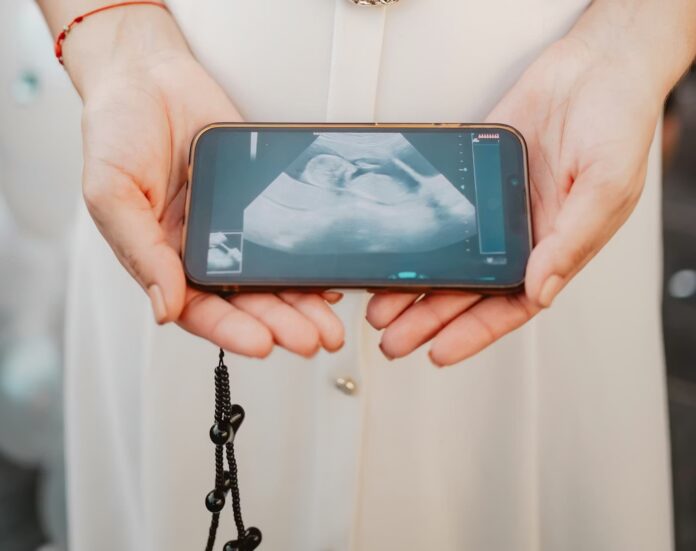
Science is clear that life begins at fertilisation when a new and unique living human being comes into existence.  Every technological development in recent decades has given us insight into how life in the womb unfolds for each of us.  At conception, our gender, genetic makeup, and eye and hair colour are already determined.  As early as five weeks, our heart begins to beat.  By ten weeks, we can move and respond to touch and, beginning two weeks later, we have the capacity to feel pain.  By eighteen weeks, our mother can sense our movement in the womb.  By twenty-seven weeks, we can recognise the voices of our parents. 

For some decades, parents have been able to observe some of these stages through ultrasound scans during pregnancy.  The more we learn about the science, the more we understand the teaching of the Church on the unique value of the unborn baby.  This understanding, however, is not complete without the recognition that, from the beginning, every human being is not just a body but also an immortal soul, with a unique and eternal connection with God, our Creator.  It is because of what both science and faith reveal to us that the Church, and many people of good will, have always held that the unborn child merits the full protection of the law, and why we have always rejected elective abortion.

For this Day for Life 2026, we reflect on the wonder of human life, from the moment of fertilisation.  We remember how the Lord Jesus Christ Himself sanctified and experienced the beginning of life in the world as an unborn child, hidden in the womb of Mary.  Mary knew that she was carrying the Son of God – God and man – as soon as He was conceived.  John the Baptist leapt in his mother Elizabeth’s womb when Mary greeted her.  Our Lady treasured Our Lord in her heart and womb until His birth. 

We, in our turn, commit ourselves to work and pray for our society to cherish the value of every little one, especially those at the earliest stage of human life, and to help our parish communities support all those in our midst who have suffered the loss of a child.

The Bishops’ Conferences of Ireland, Scotland and England and Wales


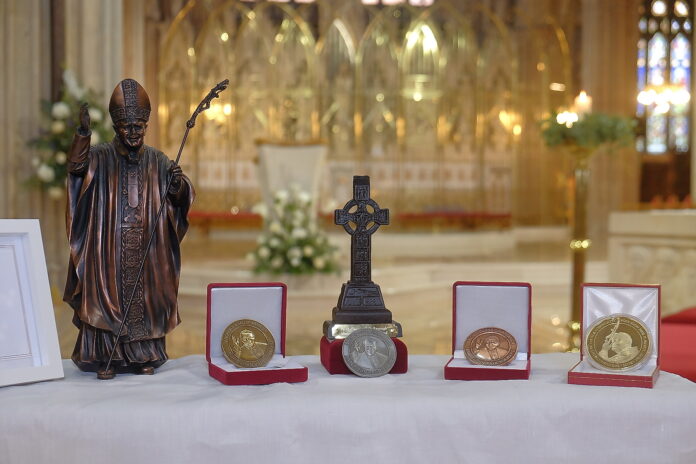
Young People Called to Be Christ’s Light in the World at Pope John Paul II and Muiredach Cross Award Ceremony

Classiebawn Castle Armagh City Hotel Armagh 16 June 2026 CREDIT: LiamMcArdle.com

Young People Called to Be Christ’s Light in the World at Pope John Paul II and Muiredach Cross Award Ceremony

CREDIT: LiamMcArdle.com

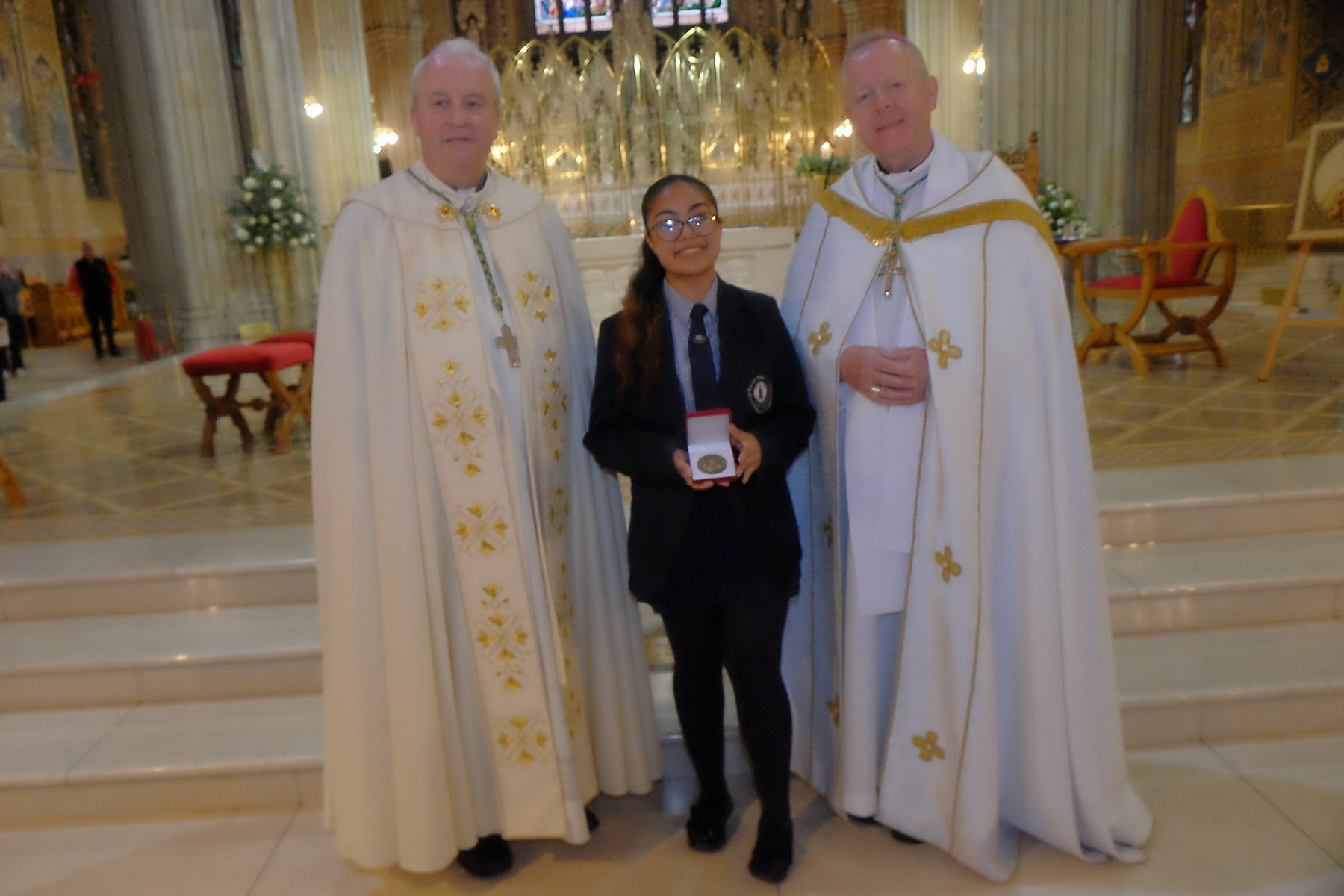
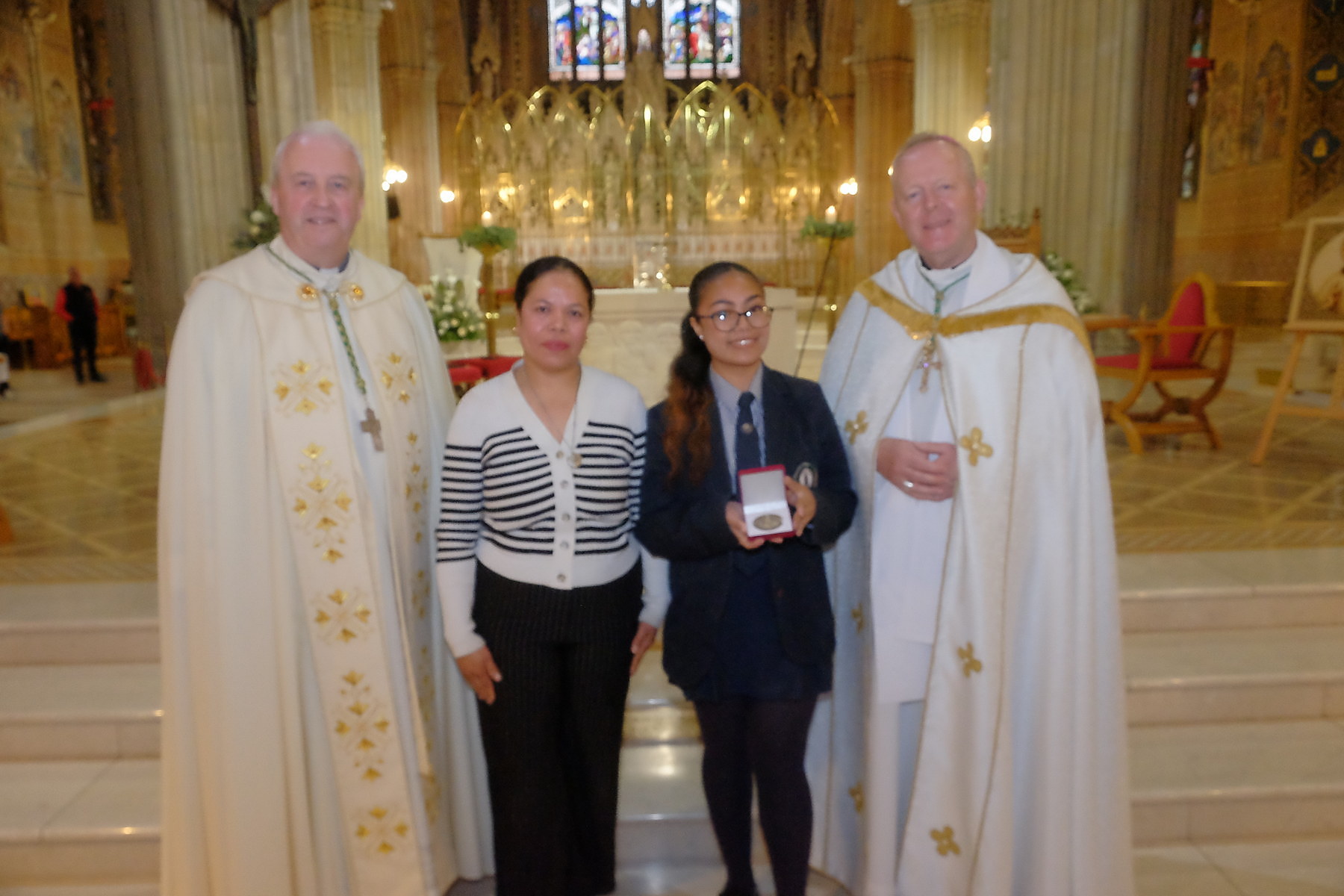
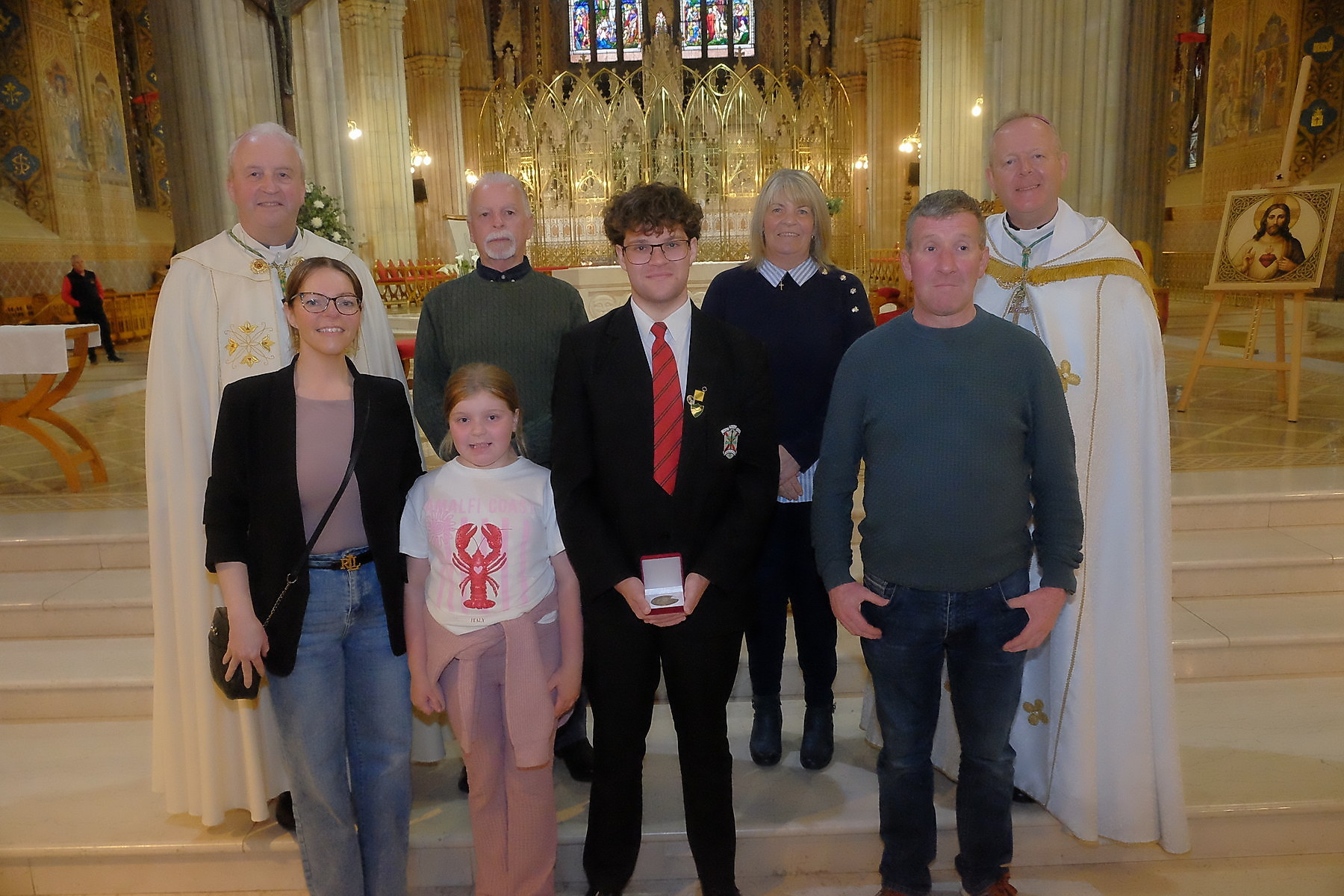
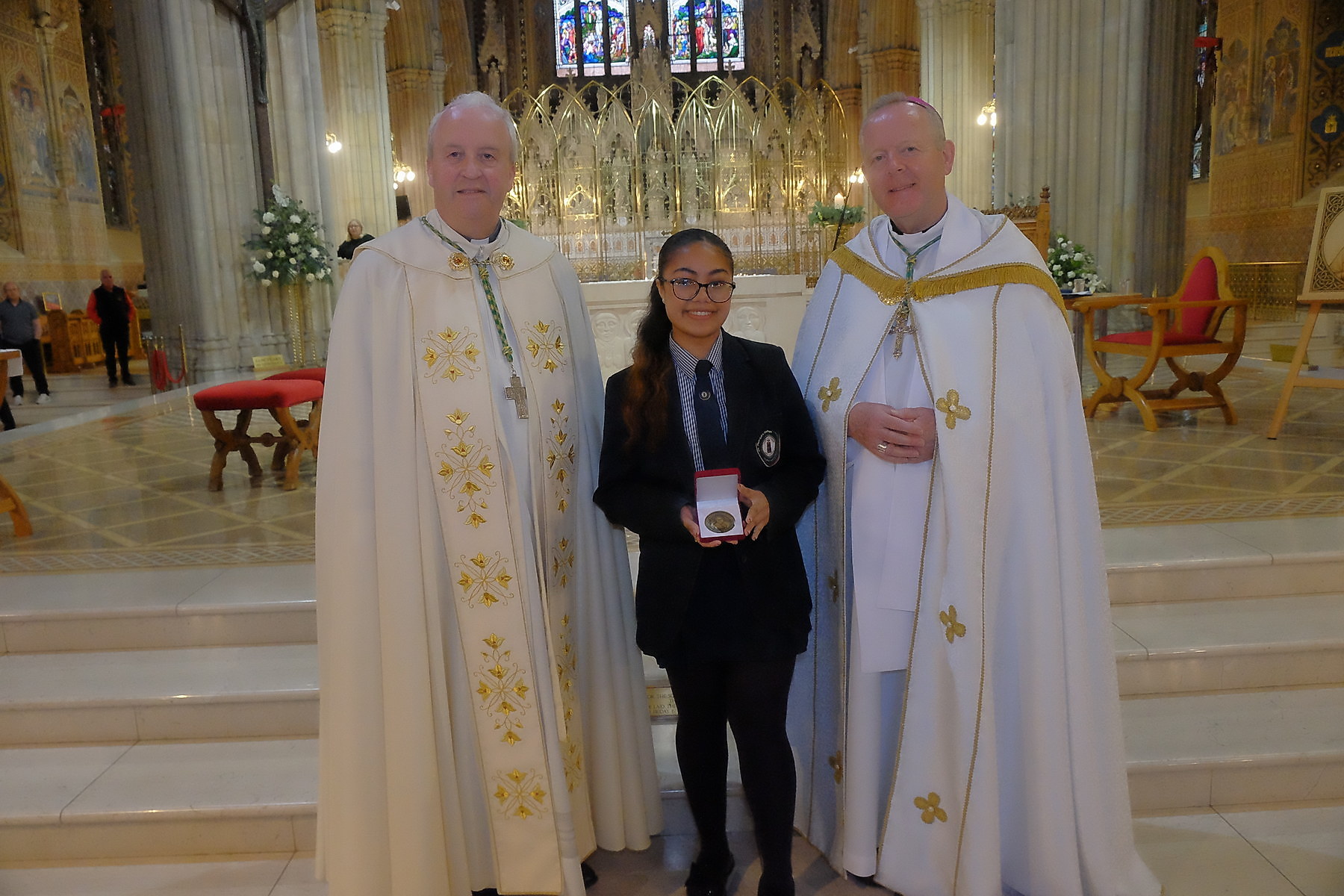
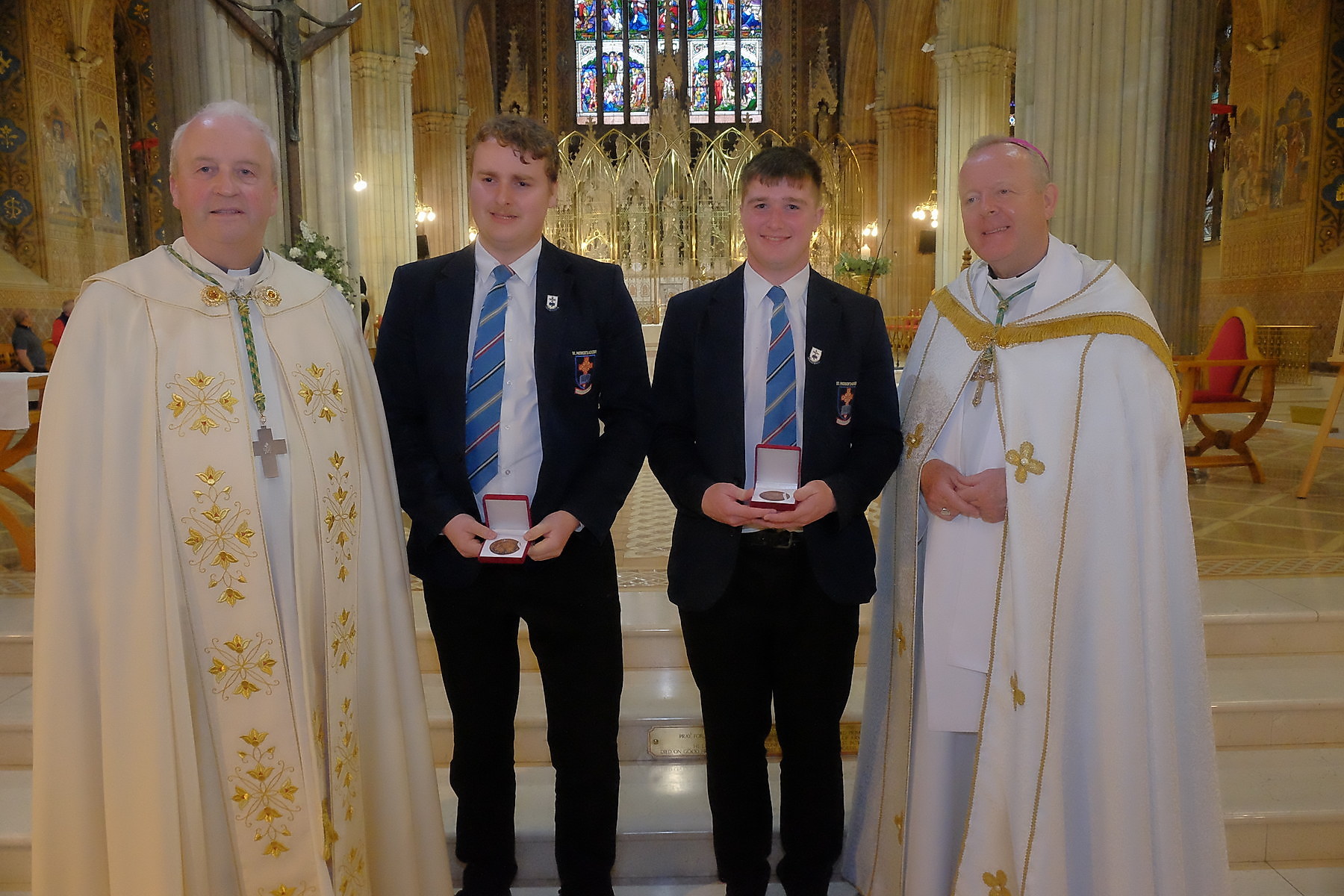
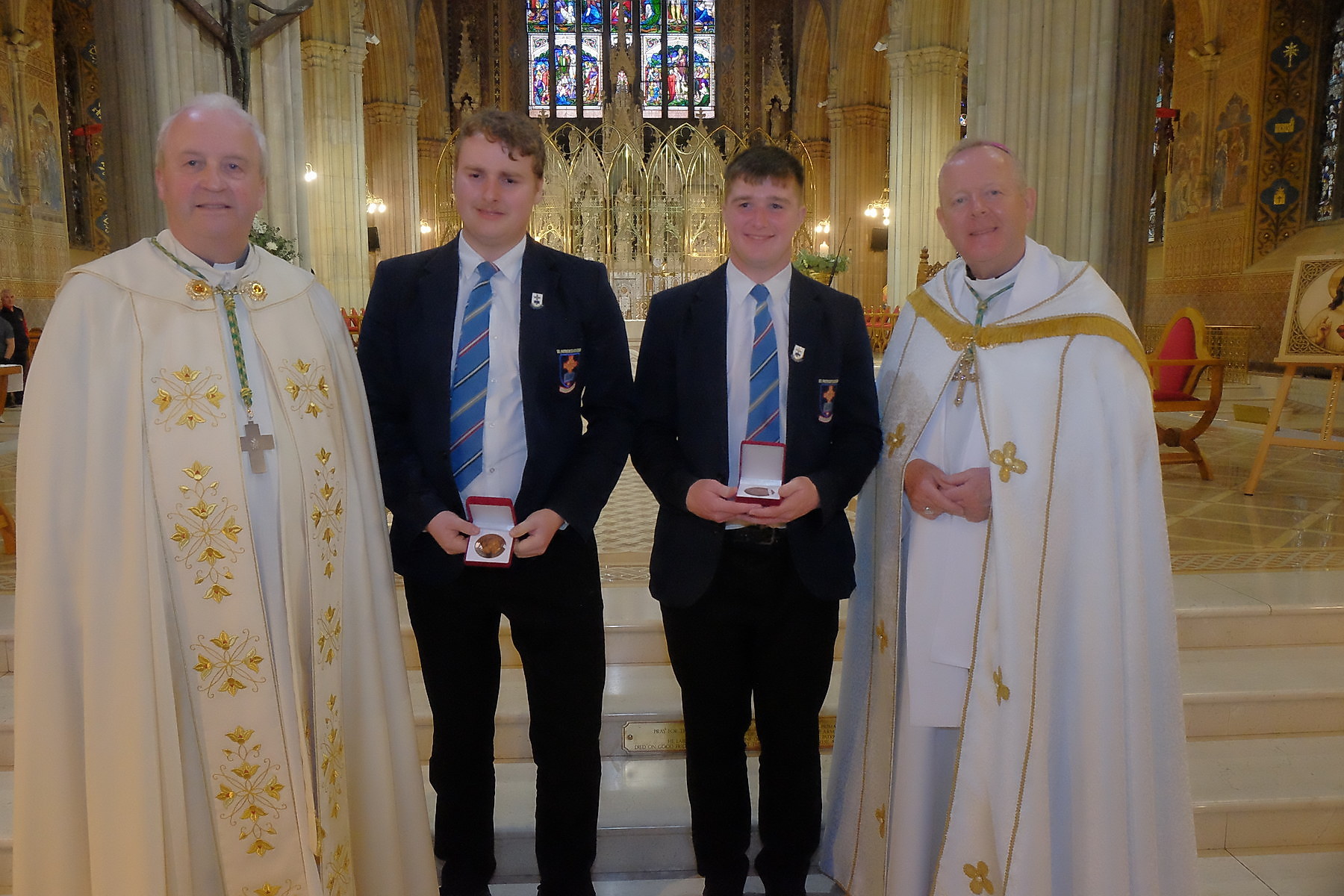
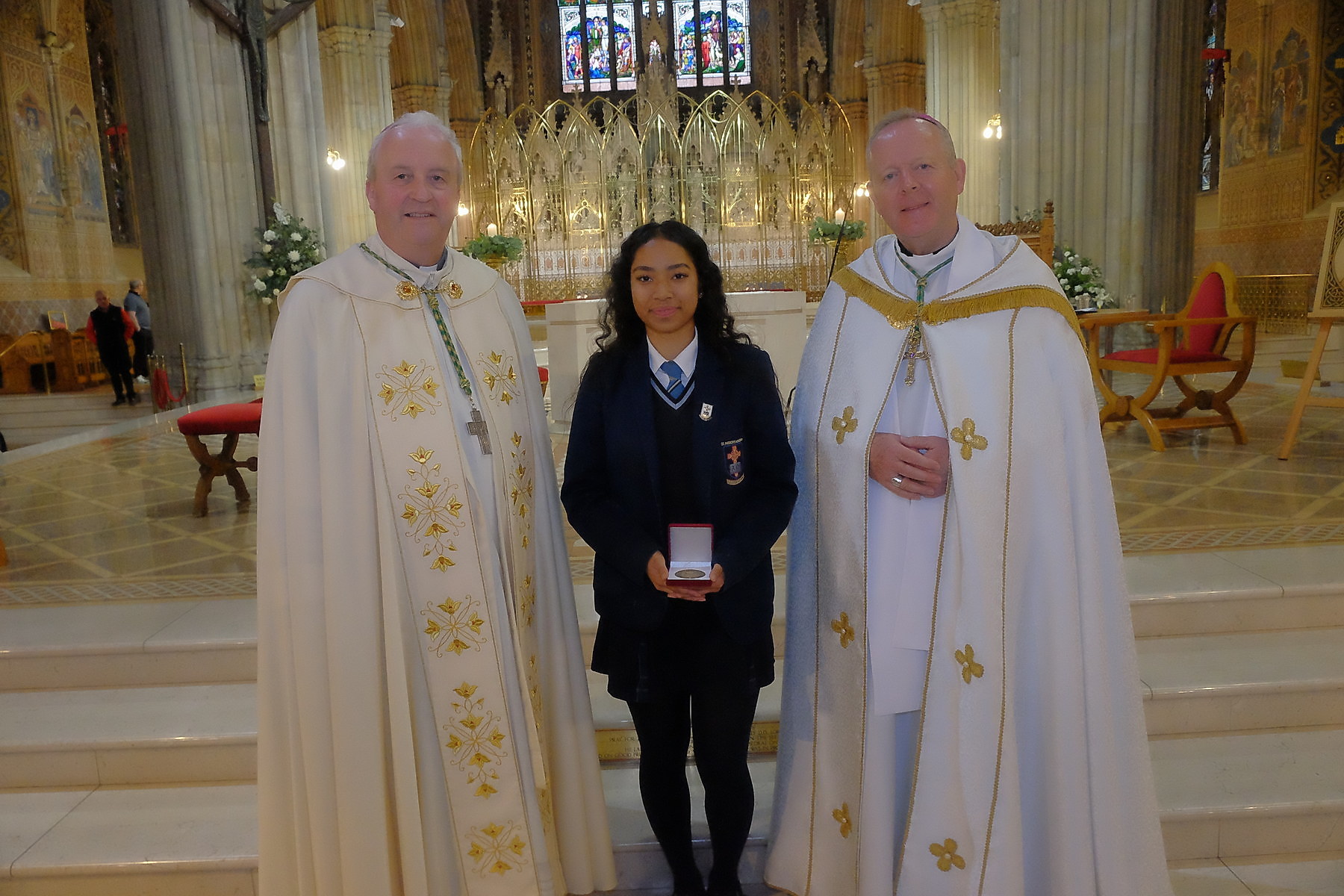
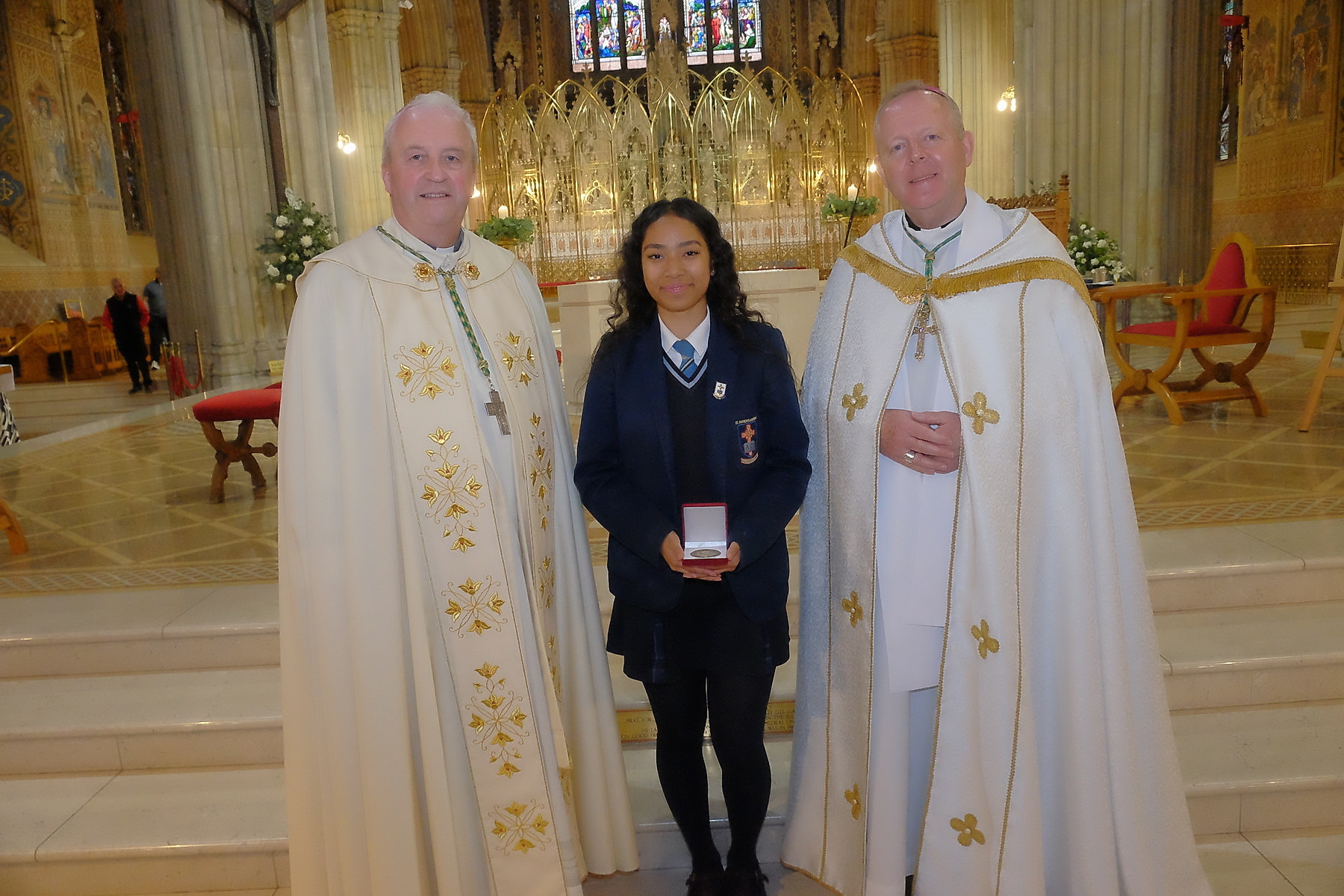
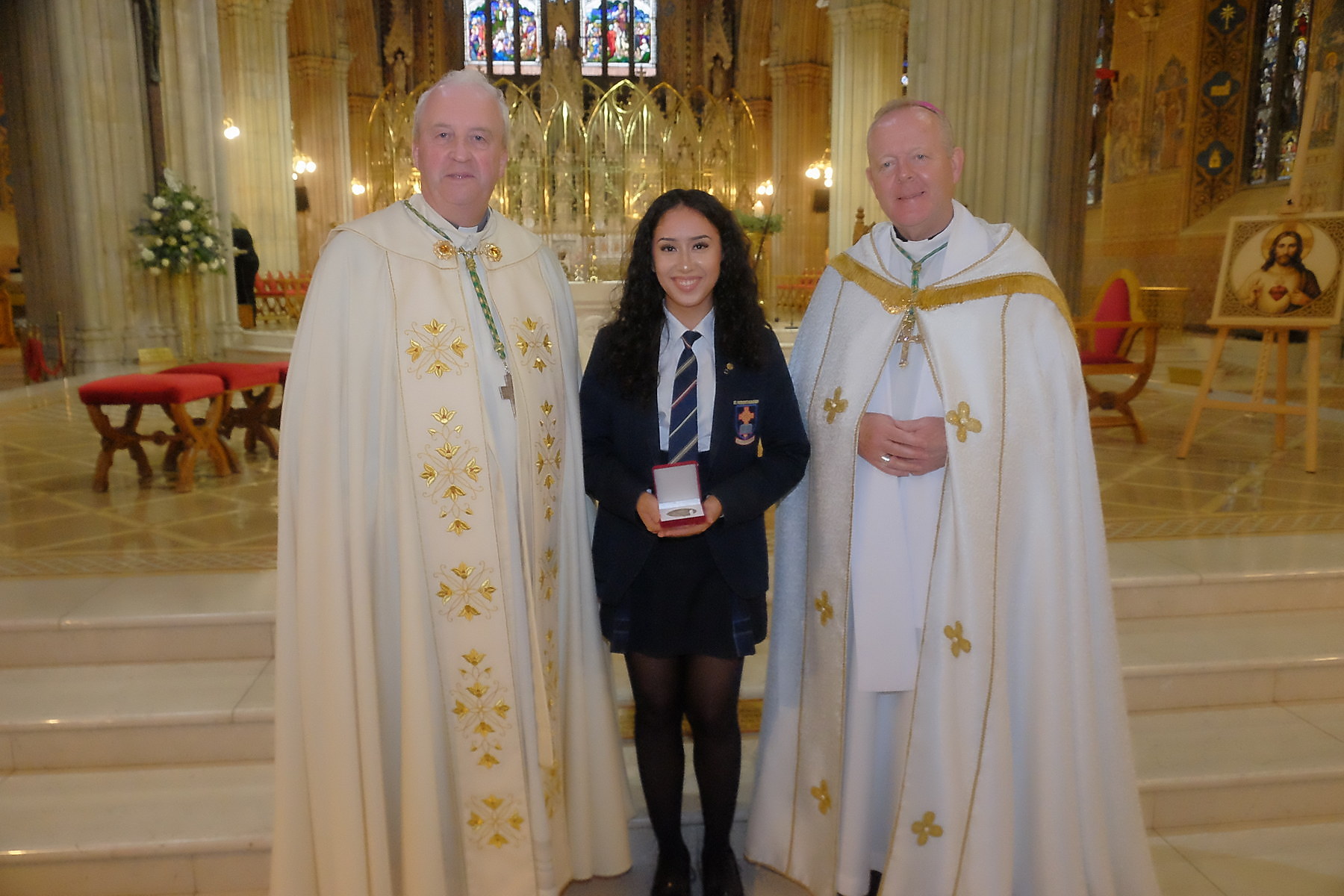
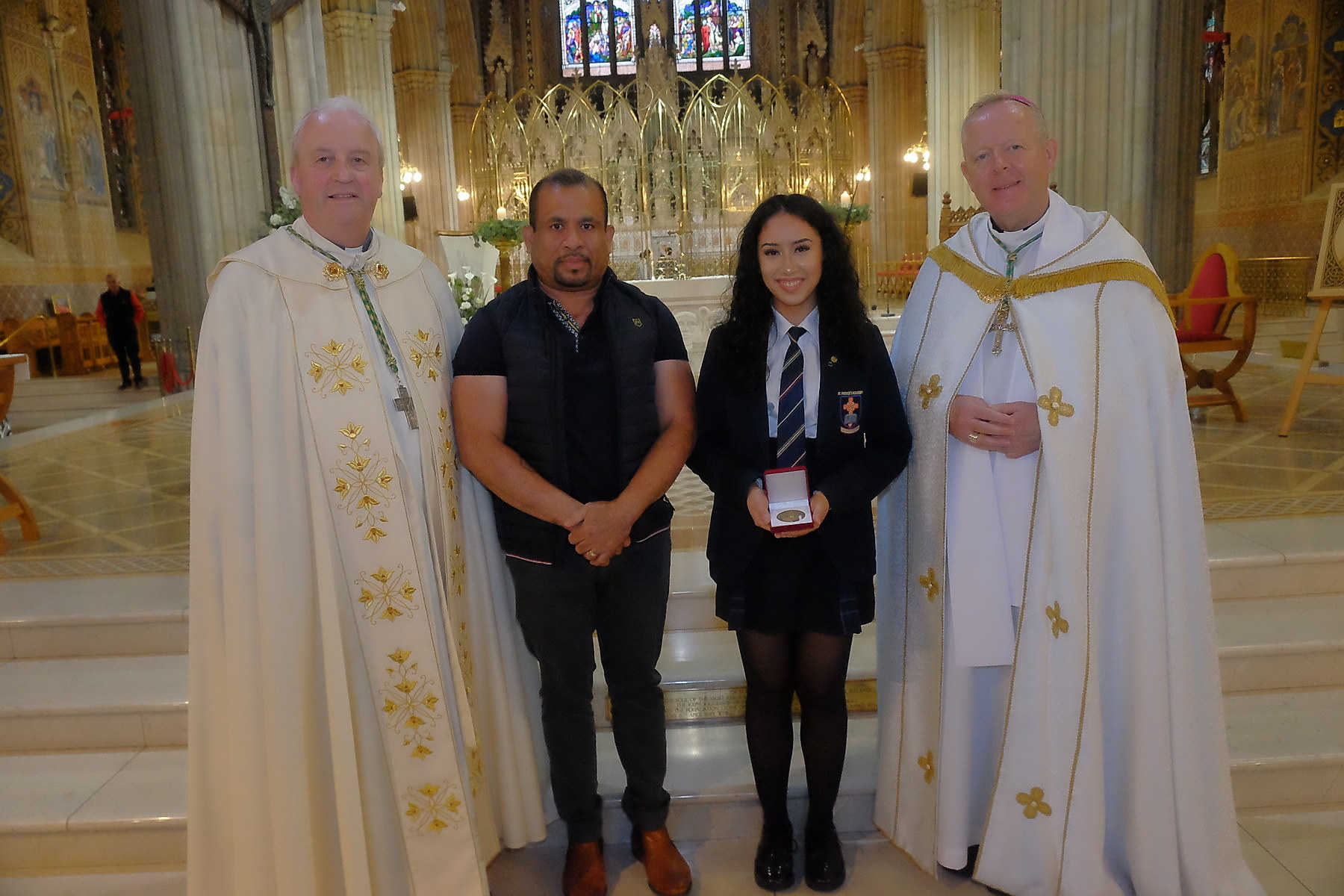
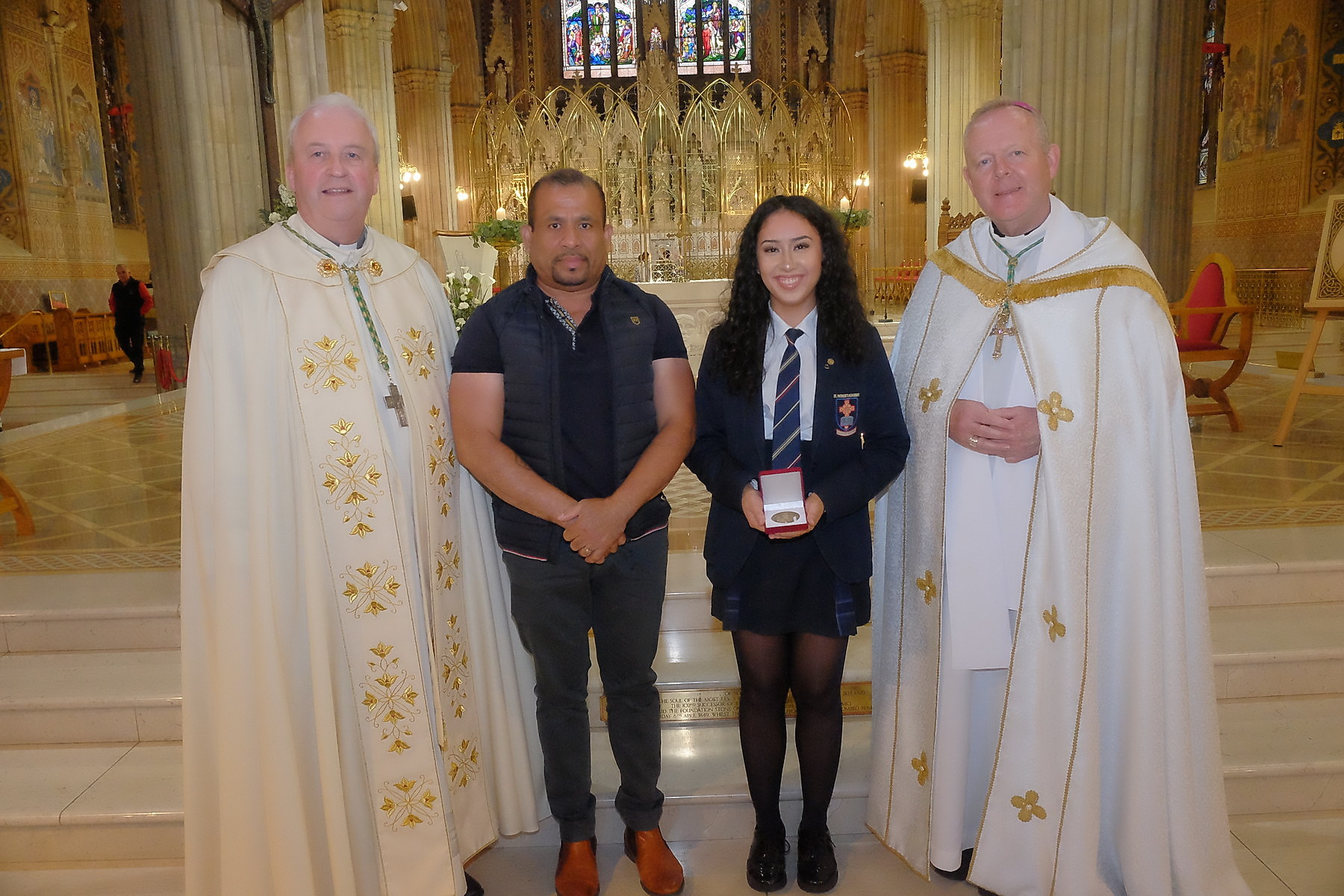
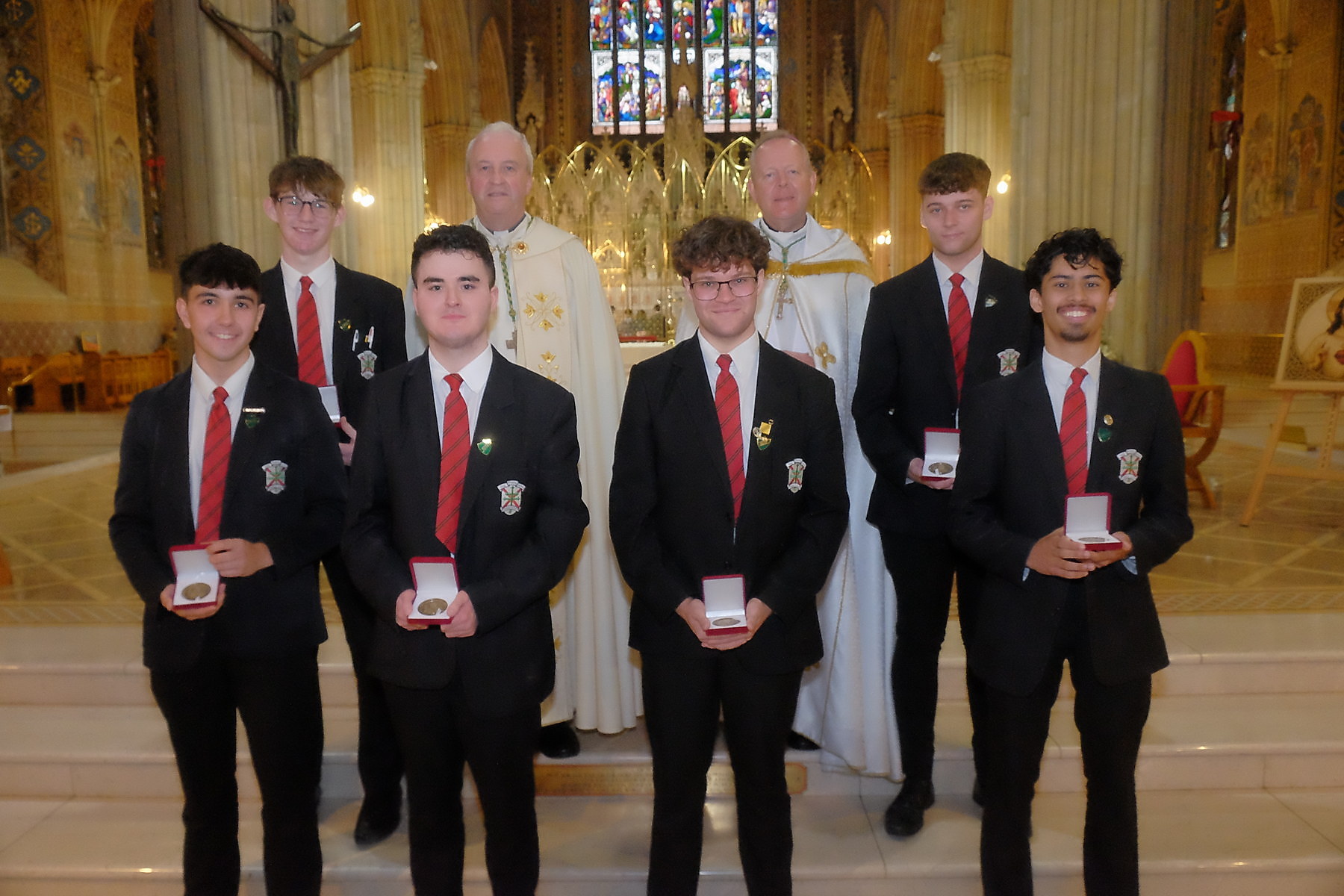
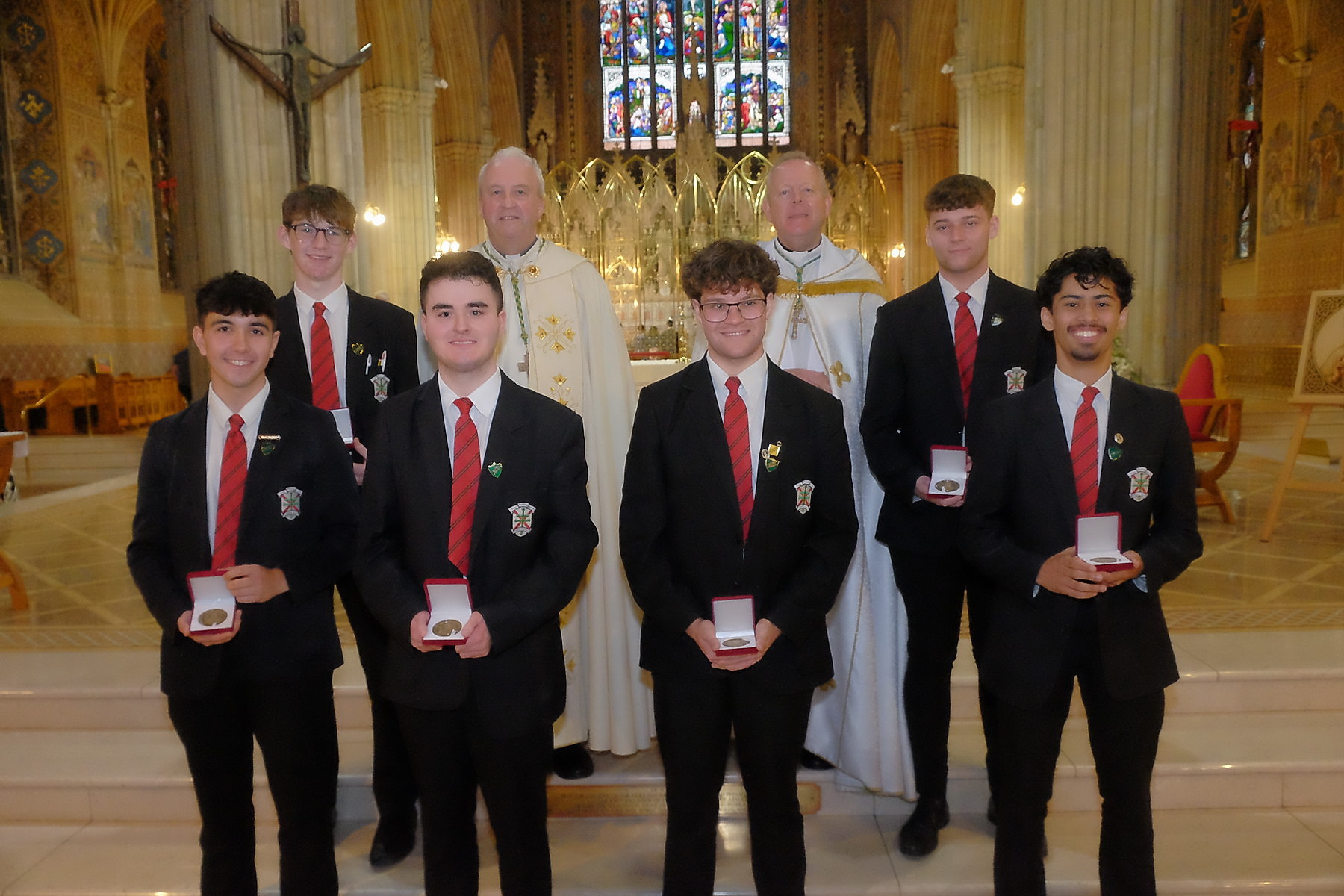
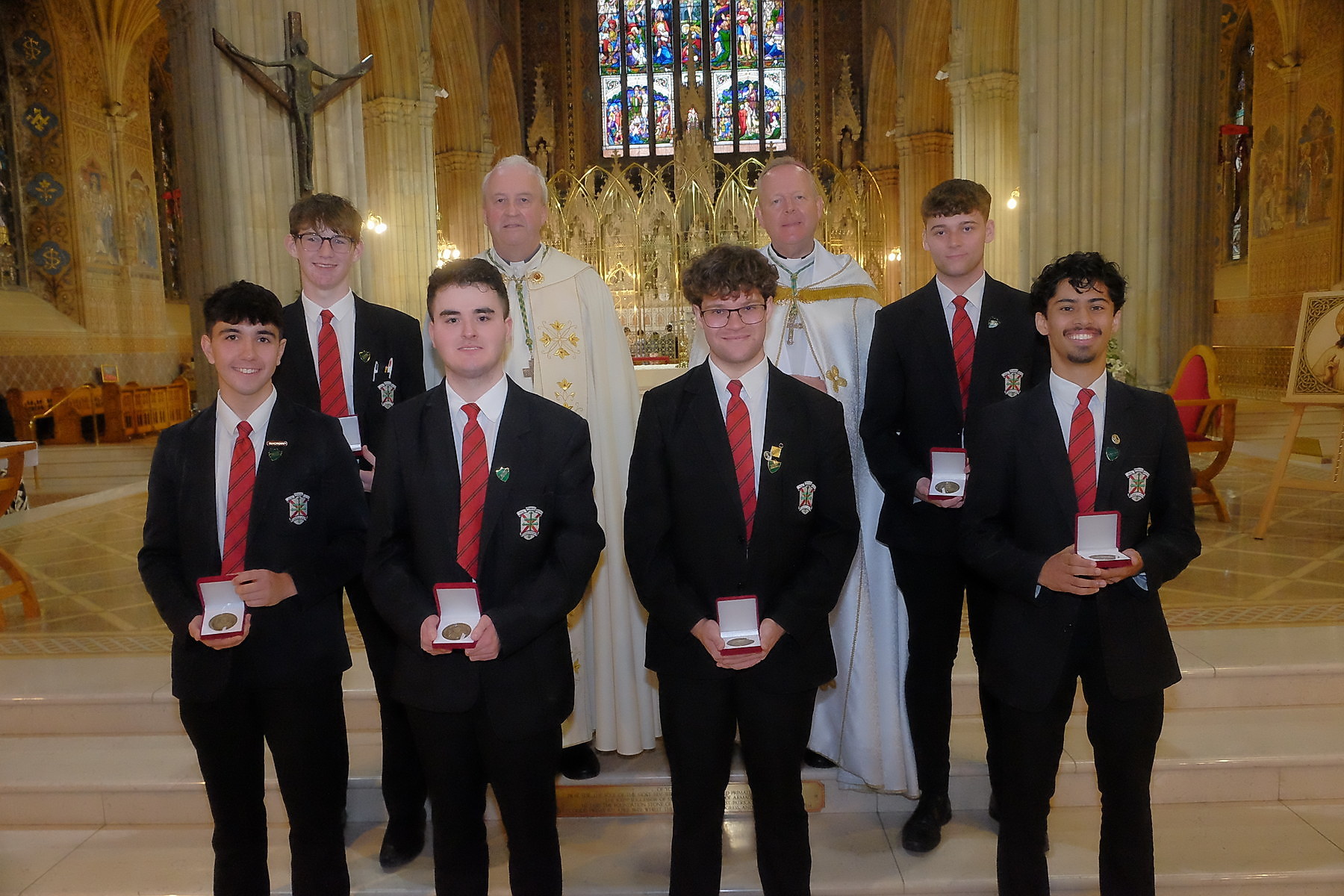
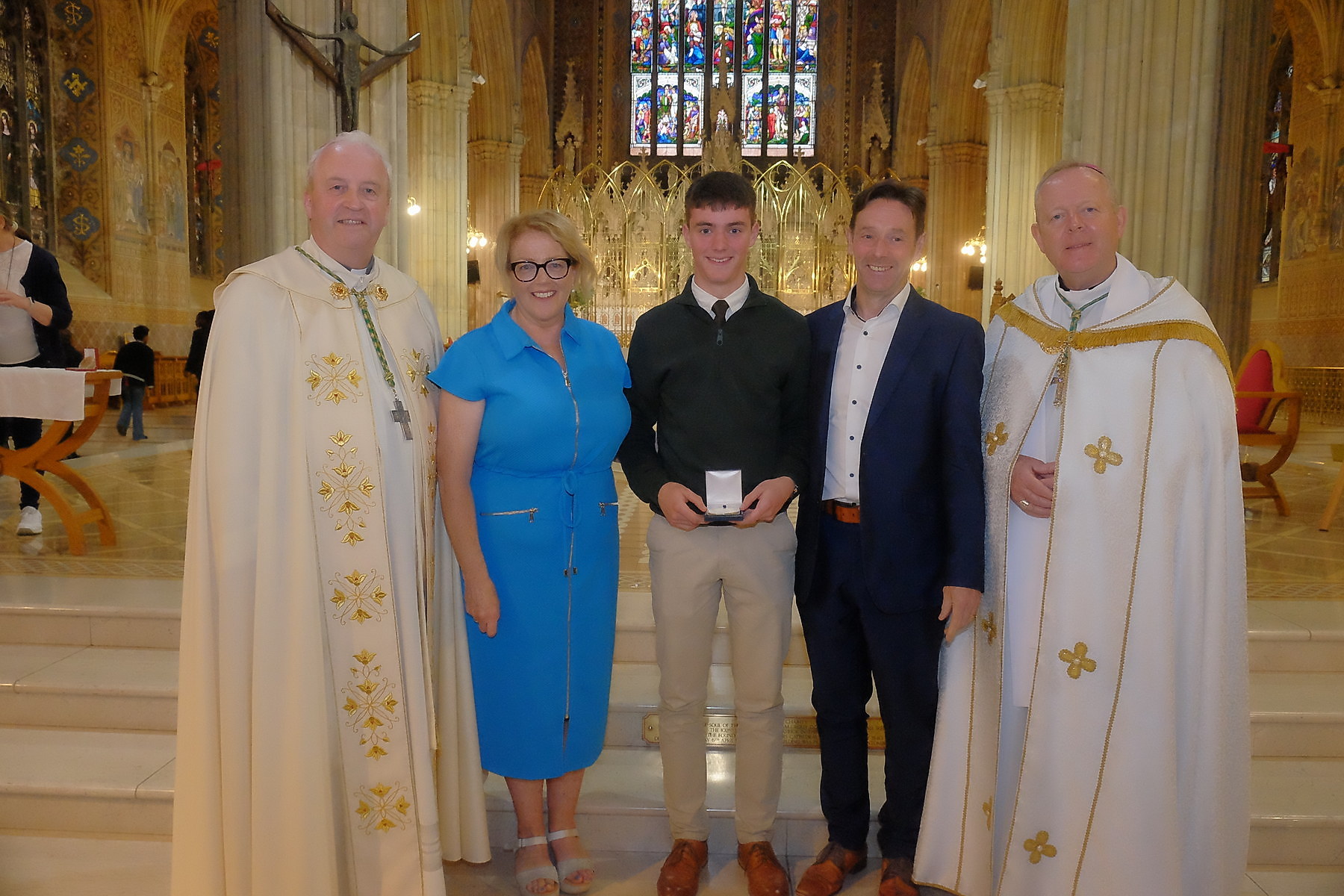
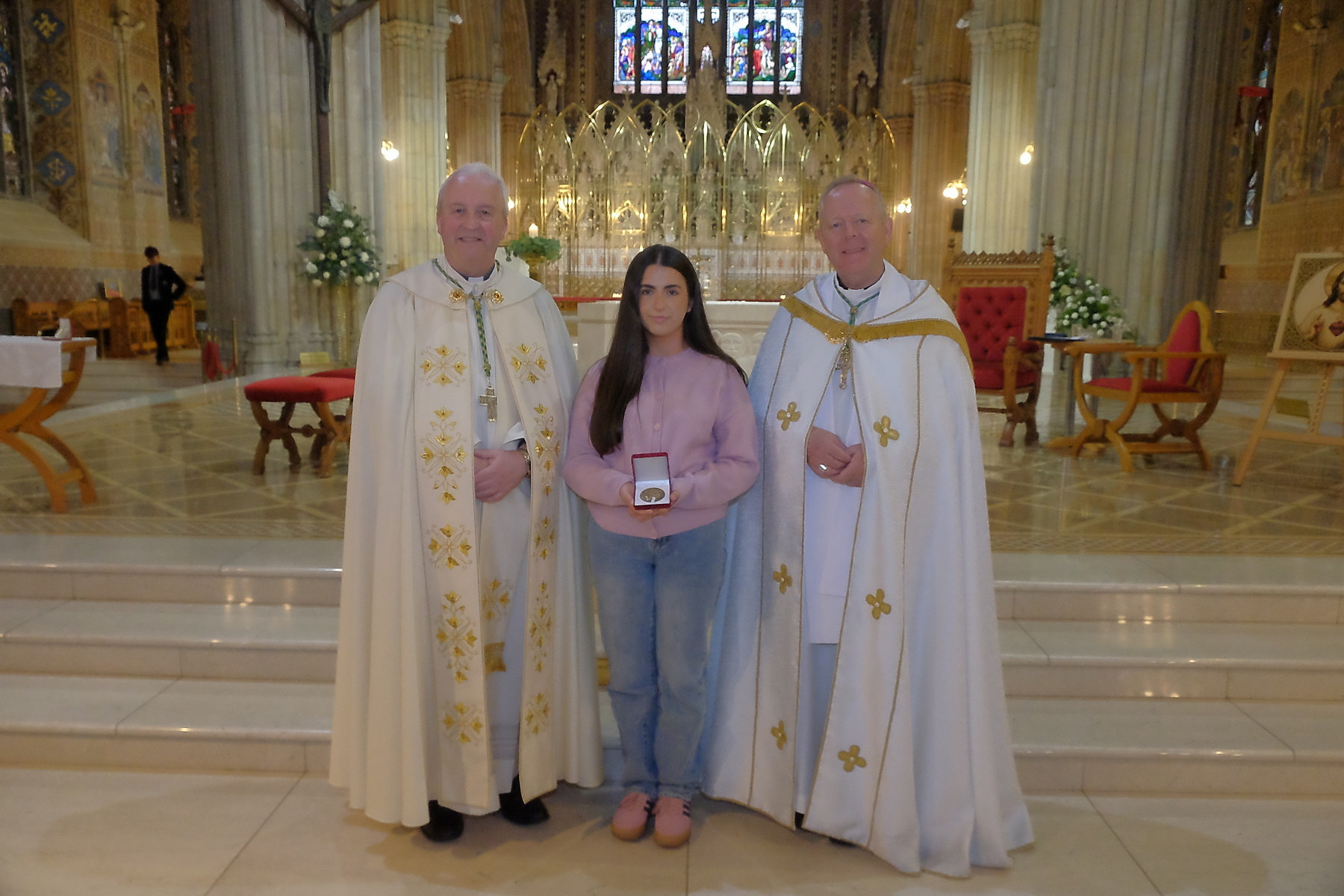
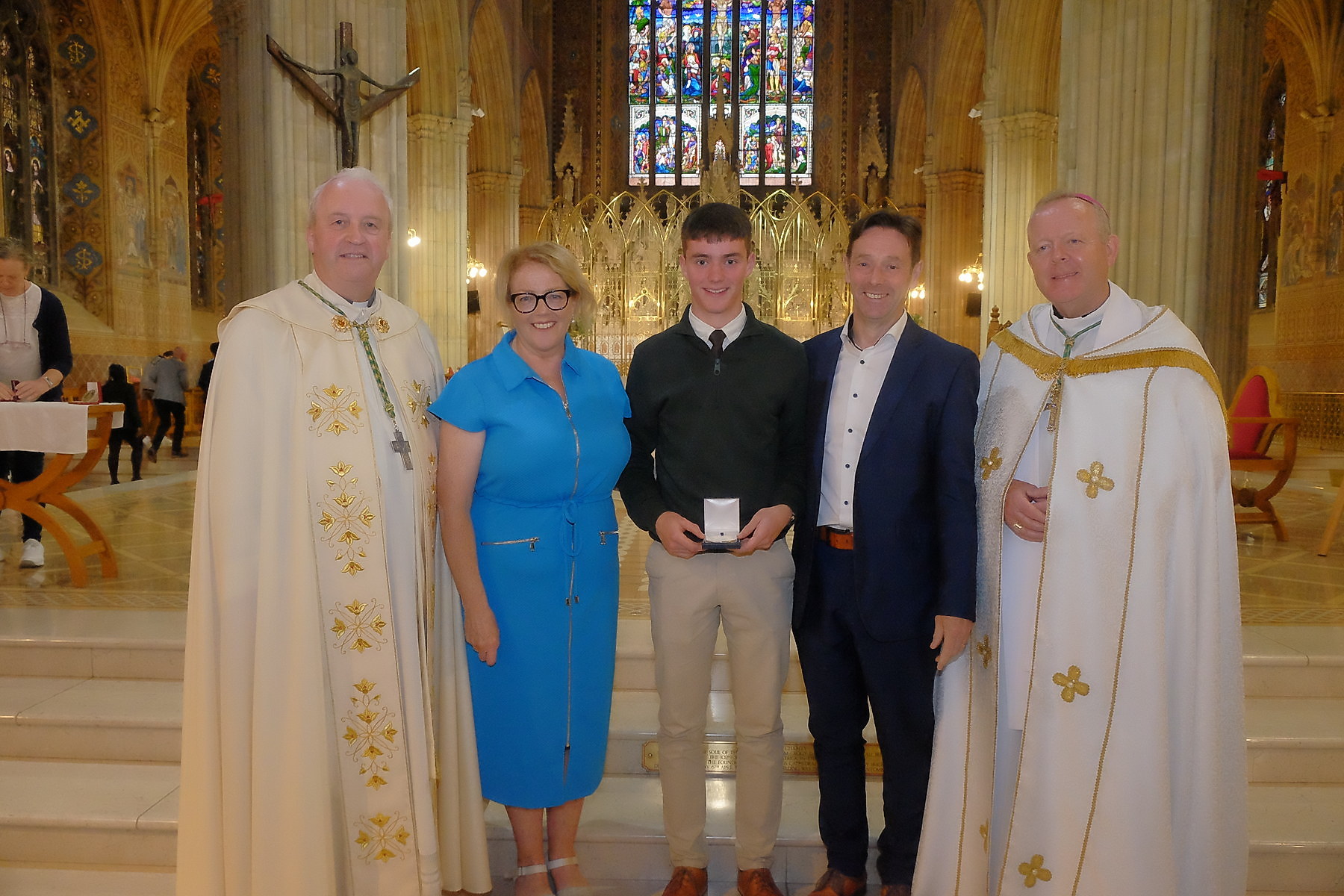
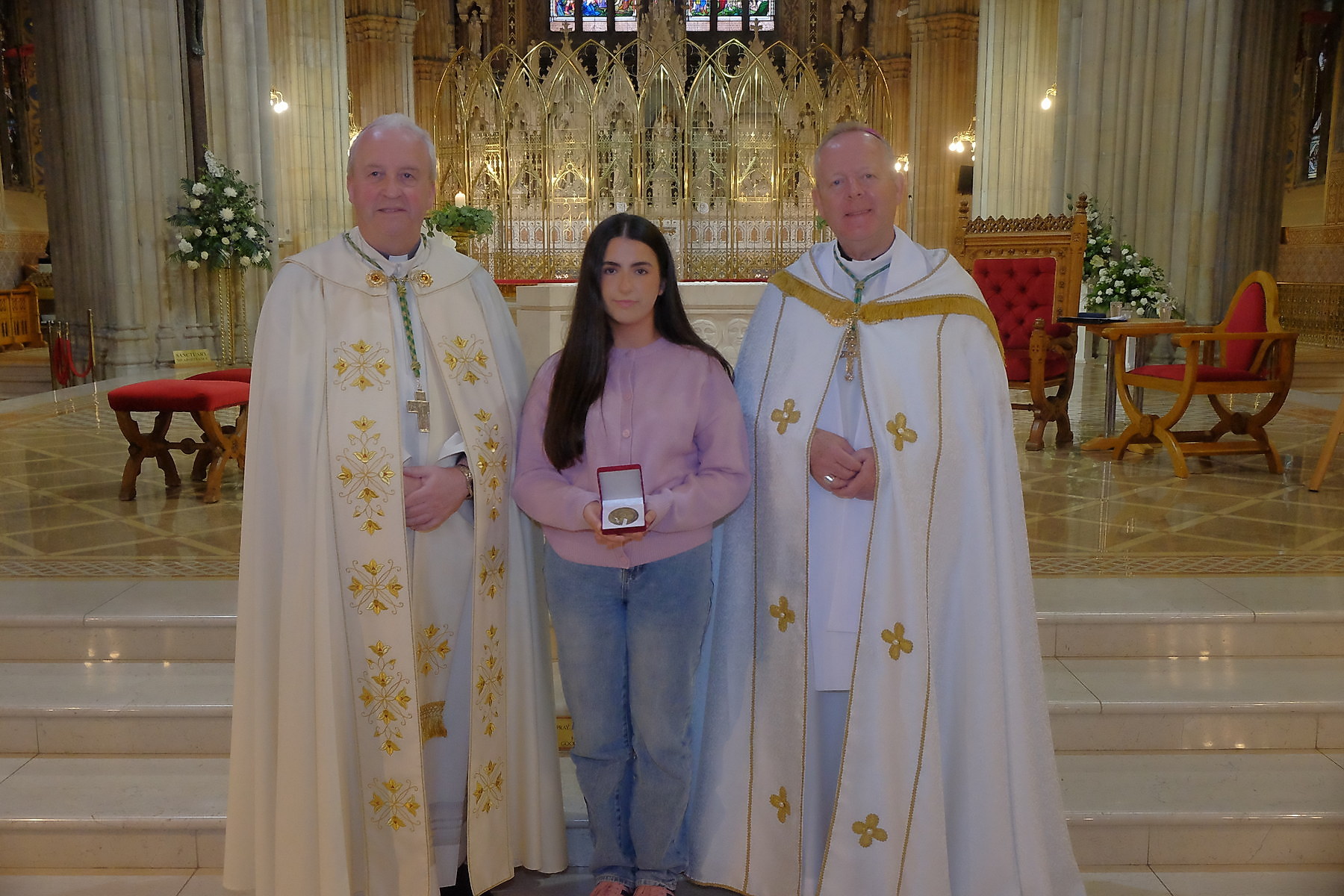
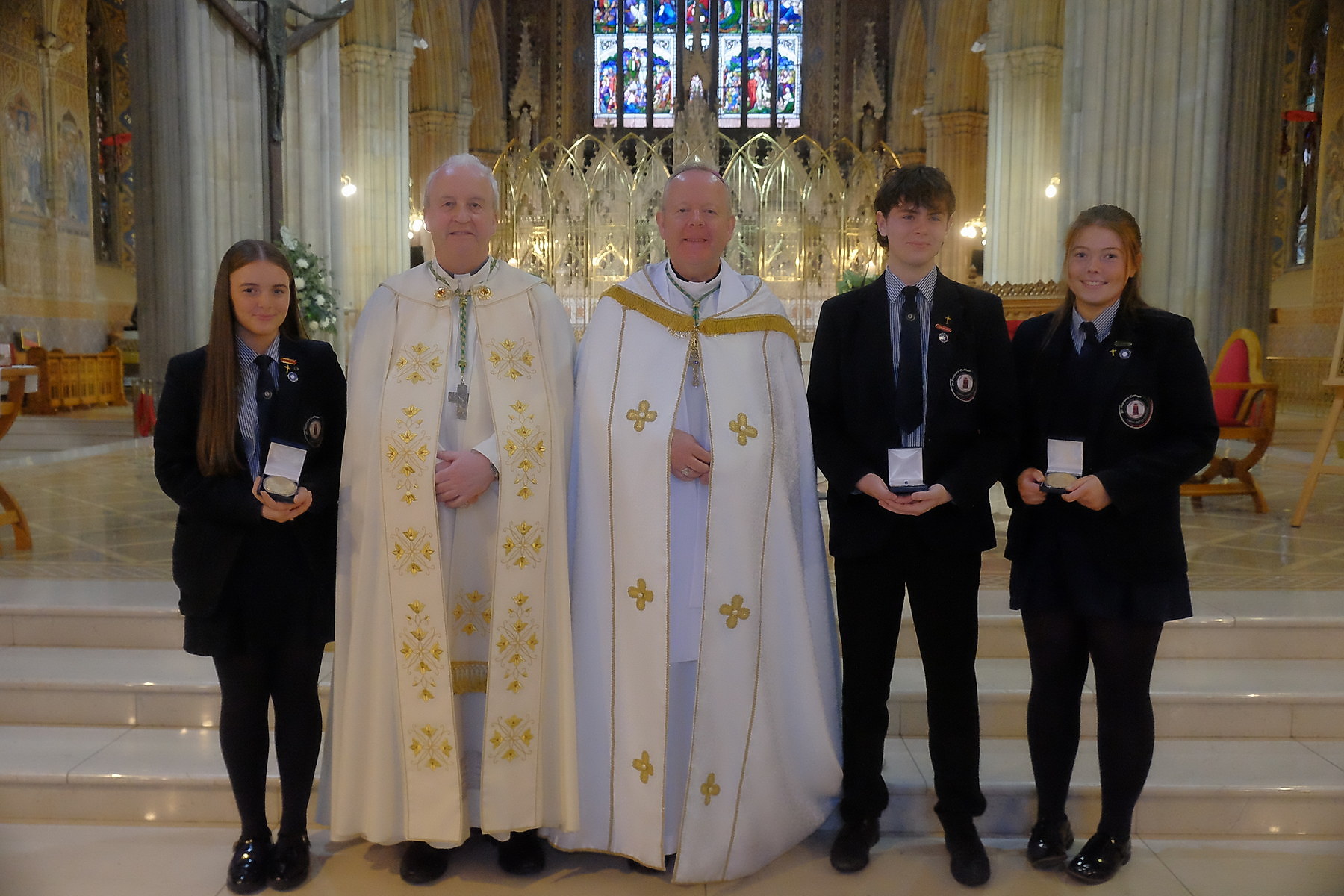
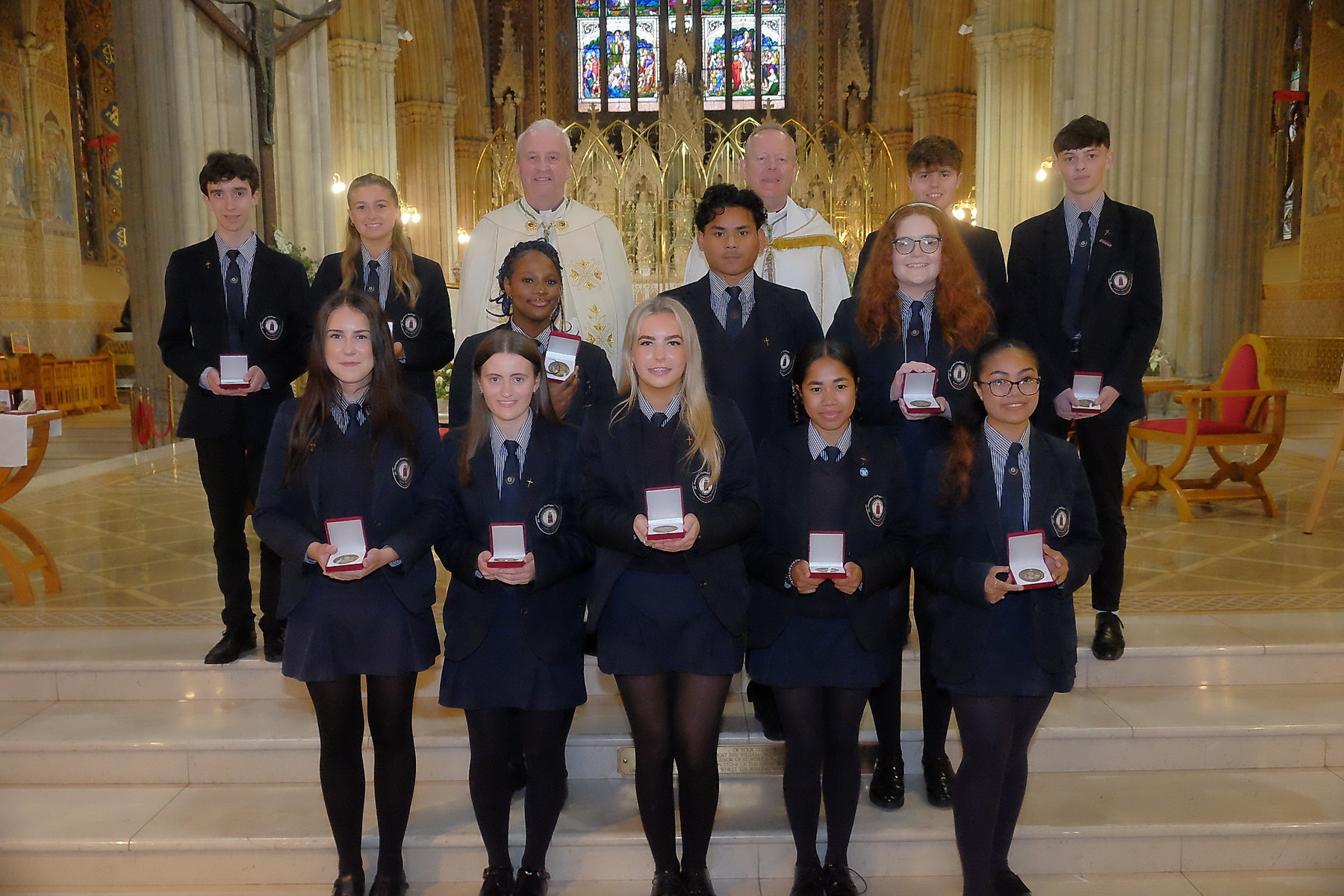
Young people from across the Archdiocese of Armagh gathered in Saint Patrick’s Cathedral, Armagh, on Tuesday 16 June 2026, for the Pope John Paul II and Muiredach Cross Award Ceremony.

The evening was a joyful celebration of faith, service, generosity and hope. Award recipients, their families, schools, parishes, clergy, youth leaders and supporters came together to recognise the gifts and talents of young people who have given their time and energy in service of their parish, school and wider community.

This year’s theme, “Christ’s Light in the World – Go and Make a Difference,” continued the focus of the recent Archdiocesan Congress on Youth, Family and Faith. That Congress invited the whole diocesan family to listen to young people, to recognise their place in the life of the Church. The award ceremony carried that same spirit forward, reminding all present that young people are not only the future of the Church but part of its present life, witness and mission.

The celebration opened with a welcome read by Kacey Quigley, a young adult from the LEAP Group from Armagh. Those gathered were reminded that through acts of faith, leadership, service and witness, the young award recipients had already begun to shine Christ’s light in the world.

The Scripture readings deepened the theme of the evening. The first reading, from Isaiah, called the people of God to “arise” and “shine out” because the glory of the Lord is rising. The Gospel, from Matthew 5:13-16, placed before the young people the words of Jesus: “You are the light of the world.” These words shaped the whole celebration and offered a clear invitation to every recipient to allow their faith to be seen through goodness, service and courage.

Archbishop Eamon Martin led the liturgy and was assisted by Bishop Michael Router.  Archbishop Eamon spoke with young people, delegates and volunteers from the recent Congress on Youth, Family and Faith. The conversation included Matthew Nugent from St Patrick’s, Keady; Cassie McArdle, Cait McArdle and Lucy Maxwell from St Catherine’s College; and Noel George from St Patrick’s, Armagh. Matthew Nugent also performed a piece he had written as part of his project for the Papal Cross Award, adding a moving and personal expression of creativity, faith and commitment to the evening.

The prayers of the faithful were offered by award recipients from across the Archdiocese. They prayed for the Church, for peace in the world, for the fruits of the Congress on Youth, Family and Faith, for all award recipients, for families and loved ones, and for those who need hope. 

Music also formed an important part of the celebration, with St Paul’s School Choir, Bessbrook, lead by Mr Colm Murphy.  Following the presentation of medals, Bishop Michael prayed for all the young recipients, thanking Christ for the gifts, faith and generosity of all gathered, and asking for courage to live their faith boldly, serve others generously and bring light into every place they go. He thanked all those who have accompanied the young people and helped out in organising the awards ceremony.  Bishop Michael pointed the young people to Pope Francis’ Encyclical, Christus Vivit, reminding them that “God Loves You”, “Christ Saves You” and that “Christ is Alive” and moving in the world today. 

At the end of the celebration, Archbishop Eamon encouraged the award recipients to continue their journey of faith and to take seriously the call placed before them. A call to “Be Christ’s Light in the World – go and make a difference,”

The evening was marked by joy and the vibrancy of young people whose faith is already alive in their homes, schools, parishes and communities. It was a celebration not only of completed awards, but of young disciples ready to continue their journey of service, leadership and witness to Christ in the world today.


Photo Slideshow

Archbishop Martin Speaks at International Mass

Homily of Archbishop Eamon Martin delivered during Mass in Portadown and Lurgan: “an opportunity for us to pray together following such a traumatic week”


Text of Archbishop Eamon’s Homily

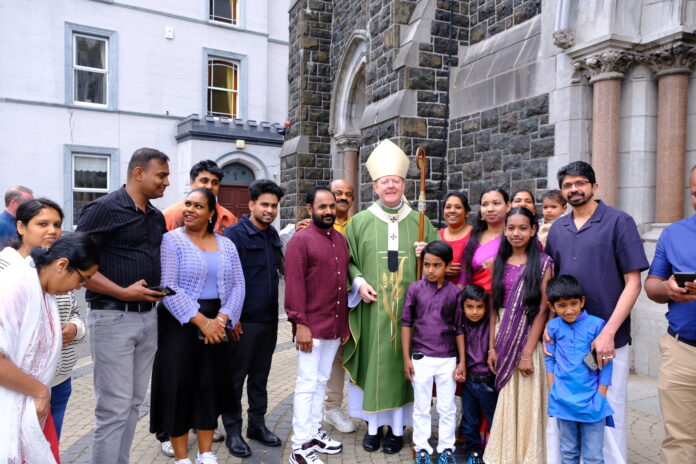
Friends, I’m very happy to be with you for this international Mass to celebrate the richness and diversity of your parish community here in Lurgan.

I am very conscious of course of the fear and anxiety that many are feeling this week after the brutal knife attack on a man’s life in Belfast, which was followed by outrageous and orchestrated violence against the homes and businesses of migrant communities in our towns and cities.  This morning’s Mass is an opportunity for us to pray together following such a traumatic week.  On behalf of the many good people in our communities, I want to express our shock and horror at the hatred and violence that has been shown on our streets to friends and neighbours who have come from around the world to live, work and pray among us here in Ireland.

Ireland has long been known as a place of friendliness and welcome – céad míle fáilte – 100,000 welcomes, even.  Perhaps that’s because migration has been a major feature of Irish history for generations; during the height of the famine years almost two million people left our shores, and migration has been a common and constant pattern in Irish life: with young people leaving to look for jobs and a fresh start in life, especially when times were tough.  Even today, many of our talented young people still leave our island to seek new skills and experience and perhaps to earn enough money to return and put down a deposit on a home for their future.

Now we hear angry and hate-filled voices, especially on social media, calling for us “to close our borders and our hearts to the newcomer”.  Ironically, that reminds us of the way that during some dark days, our own Irish emigrants abroad were suspected and unjustly targeted.

Pope Leo, and Pope Francis before him, have reminded us that ‘to welcome the migrant is to welcome Christ himself’, who ‘is present in the sister or brother in need of our help.’

We are also called to go beyond merely ‘welcoming’ newcomers.  We are challenged by our faith to do everything we can to support and integrate new arrivals here and help them to become valued members of our communities who can participate in our parishes, and be our neighbours and friends.

We are well aware of the tremendous gifts that people from other countries are already bringing to our health and hospitality services, to our businesses and retail outlets, to our construction and technology sectors, and to the revitalisation of many areas and neighbourhoods which had become neglected and run down.  Pope Francis used to talk about cultivating a “culture of encounter” with newcomers.

Pope Benedict XVI wrote in his encyclical, Caritas in Veritate: “every migrant is a human person who, as such, possesses fundamental, inalienable rights that must be respected by everyone and in every circumstance.”

In recent days, we have seen again how fear can be stirred up, how difference can be treated as threat, and how people can be targeted because of their race, background or identity.  We do not gather here today in Saint Peter’s, Lurgan, to dwell in that darkness, but neither do we pretend it has not touched our communities.

This International Mass is a sign of another possibility and faith-filled vision – of people of many nations, languages and cultures standing together before the same Lord, sharing the same Eucharist, and recognising one another not as strangers, but as brothers and sisters in Christ.  For as the psalmist put it, “cry out with joy to the Lord all the Earth, for we are his people the sheep of his flock!”

During the past week, Pope Leo XIV spoke in the Canary Islands of integration of migrants as a shared responsibility, which is rooted in human dignity, welcome and participation.  The Church does not ask people to erase who they are, nor does she ask local communities to close themselves off in fear.  What we seek is … a deeper encounter: the meeting of cultures, gifts, memories, prayers, music, food, stories and faith.

Those who come to our communities and parishes in Ireland bring great riches from their various traditions across the world.  And we who receive them are called to share our story, our memories and traditions, with them.

In Christ, we are not set against each other.  We are invited to build a home and community together, to learn from one another, to build and share the life of the local community, and to let the Holy Spirit form us into one body, rich in many gifts.

Pope Leo emphasises that, “Integration is a reciprocal journey: those who arrive learn to inhabit a new land, and those who welcome them learn to expand their own homes without diluting their identity or closing their hearts to the encounter.”

Pope Leo spoke directly to members of migrant communities, saying: “To you, dear migrant brothers and sisters, belongs a noble and necessary part of this journey: to open yourselves with trust to the community that welcomes you, to learn its language, to respect its laws, to get to know its customs, to participate in communal life and to offer your gifts with gratitude.”

Let me be very clear today: racism is a grave sin and Christians like us must stand strongly against it.  The Irish bishops said recently, “Even if a crowd is shouting racist chants, we stand for the truth that God’s love is not restricted to the holders of any particular passports – we are all equal in his eyes.”  Racism “seeks to divide and to exploit anxieties by spreading fear, often through misinformation.”

I am delighted that this parish has chosen to celebrate this International Mass today.  It is an affirmation that we recognise the image of God and human dignity in every person.

We pray for migrants and refugees as Pope Francis did:

We are a pilgrim people,
journeying our way through this earth.

Though we live on earth,
our true citizenship is in heaven.

Do not let us become possessive
of the portion of the world
you have given us as a temporary home.

Help us to keep walking,
together with our migrant brothers and sisters,
toward the eternal dwelling you have prepared for us.

Open our eyes and our hearts
so that every encounter with those in need
becomes an encounter with Jesus, your Son and our Lord.
Amen.

(Pope Francis, Prayer for World Day of Prayer for Migrants and Refugees, 2024)

Archbishop Eamon Martin, 

Archbishop of Armagh, Primate of All Ireland and Apostolic Administrator of Dromore


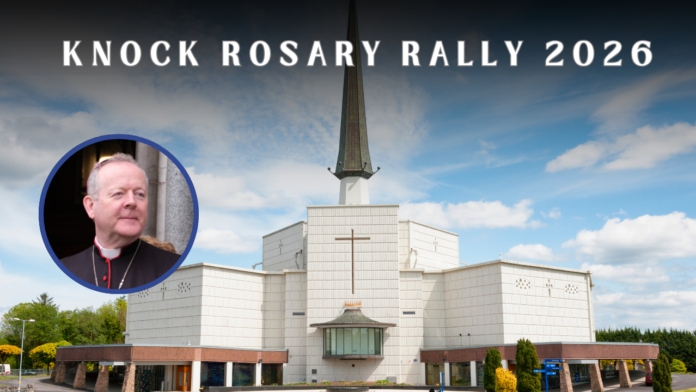
Archbishop Eamon Reflects on Mary at the 2026 Rosary Rally in Knock

Even in a valley of tears, Mary receives our sighs and leads us always to Jesus.


A World in Need of Hope

At the 2026 Rosary Rally in Knock Basilica, Archbishop Eamon Martin invited pilgrims to bring their fears, worries and prayers to Jesus through Mary.

Reflecting on the words of the Salve Regina, “To thee do we cry, poor banished children of Eve; to thee do we send up our sighs, mourning and weeping in this valley of tears,” Archbishop Eamon acknowledged that many people today feel surrounded by anxiety and uncertainty.

War, violence, hunger, human trafficking, illness, extreme weather and attacks on the dignity of human life can make the world feel like a “valley of tears.” Yet his message was one of trust. “We need not be afraid,” he said. “We have come to the right place.”

Knock, he reminded pilgrims, is a place of healing, where people can turn with confidence to Jesus through Mary.

Mary, the New Eve

A central theme of the homily was Mary as the “New Eve,” a title used from the earliest centuries of Christianity.

Archbishop Eamon reflected on Mary’s free and faithful “Yes” to God at the Annunciation, describing it as a sign of hope for all humanity. Through her faith and obedience, Mary becomes the Mother of the Living, the one who helps restore confidence that humanity can return to the fullness of life God intended.

He encouraged pilgrims to “send up our sighs” to Mary, handing over to her the fears, worries and questions that weigh heavily on the human heart.

Mary and the Age of Artificial Intelligence

Archbishop Eamon also reflected on Pope Leo XIV’s first encyclical, Magnifica Humanitas, published on the feast of Mary, Mother of the Church.

He noted that Artificial Intelligence is already shaping homes, workplaces, hospitals, public services, economies and communities. While AI can do remarkable and helpful things, he reminded pilgrims that it cannot love, suffer, forgive, pray or hope as human beings can. It has no body, no conscience and no true wisdom.

In this rapidly changing technological age, Archbishop Eamon invited Christians and all people of goodwill to ask whether new technologies honour the human person made in the image and likeness of God, protect the vulnerable, and serve the common good.

CLICK HERE to access Magnifica Humanitas, Pope Leo XIV’s Encyclical

A Compass for Humanity

For Archbishop Eamon, Mary helps humanity keep its dignity before its eyes. As the New Eve and Mother of all the Living, she acts like a compass, guiding us through the uncharted waters that lie ahead.

Mary teaches us to see the world not from the viewpoint of the powerful, but through the eyes of those who suffer: the widow, the orphan, the stranger, the wounded child, the exile and the fugitive.

At Knock, pilgrims were called to pray the Rosary often for the protection of humanity in this time of change, and to seek the ways of peace, tenderness, truth, justice and love.

Weavers of Hope

Concluding his reflection, Archbishop Eamon echoed Pope Leo XIV’s invitation to become “weavers of hope” in the world.

Mary’s Immaculate Heart, together with the Sacred Heart of Jesus, reminds us that we are loved and called to love others, especially the poor, the vulnerable, the sick and the suffering.

Even in a valley of tears, Mary remains close to us. She receives our sighs, holds our fears, and leads us always to Jesus.

The full text of Archbishop Eamon’s homily are available below.

Our Lady of Knock, pray for us.


Full Text of Archbishop Eamon’s Homily

“To thee do we cry, poor banished children of Eve; to thee do we send up,our sighs, mourning and weeping in this valley of tears”.

Friends, in recent months I’ve been reflecting more and more on that heartfelt prayer to Mary from the ‘Salve Regina’ – the ‘Hail Holy Queen’!

In many ways our world these days is like a “valley of tears”. We seem surrounded by bad news: – of war and violence, greed and hunger, extreme weather events, viruses, human trafficking, and many attacks on the dignity of human life.

I find that more and more people are asking me for a blessing or for a prayer because they are afraid: for the world, for their loved ones, and for themselves. You probably found that when you said you were going to Knock today – friends and family members asking you to pray or light a candle for them.

But we need not be afraid. We have come to the right place. Knock is a place of healing, where we, “the poor banished children of Eve” can turn in confidence to Jesus, through Mary.

I love that Mary is sometimes known as: ‘the new Eve’! What a beautiful title that is, and so full of meaning! From the earliest days of Christianity, theologians like St Irenaeus and St Justin Martyr liked to describe Mary as ‘the new Eve’, as did the saintly Cardinal John Henry Newman in the 19th century. They saw in Mary’s wholehearted “Yes” to God at the Annunciation, when she surrendered freely and fully to God’s will, a complete reversal of Adam and Eve’s disobedience of God in the garden whereby sin and death entered into the world.

Hence Mary is the “New Eve”. She restores confidence that humanity can return to the way God wanted it to be when God first created us!

The Catechism describes it like this:

“From among the descendants of Eve, God chose the Virgin Mary to be the mother of his Son… she “co-operated in human salvation through free faith and obedience” (LG 56).

She uttered her yes “in the name of all human nature”.

By her obedience she became the new Eve, Mother of the Living.” (CCC 508-511)

Brothers and sisters, let us not be afraid then to “send up our sighs” to Mary today at this Rosary Rally: deep spiritual sighs of surrender, handing everything that troubles us over to Jesus through Mary. (A few weeks ago at the grotto of Our Lady in Lourdes, I found myself breathing in deeply the breath of the Holy Spirit and then, in a great spiritual sigh, breathing out all my worries, my questions, my intentions and petitions to Mary, our Blessed Mother. It was if I could hear those words of Jesus from the cross:

“Behold your Mother”; his invitation to “send up our sighs” to her. At that moment Jesus was entrusting us, the ‘poor banished and broken children of Eve’ to Mary, the New Eve, the model for humanity, and mother all the living.

Friends, two weeks ago Pope Leo XIV chose to issue his first encyclical to the world on the feast of Mary, Mother of the Church. The encyclical is entitled “Magnifica Humanitas”, (on the grandeur of humanity), and it is a reflection on protecting the Human Person in this new age of Artificial Intelligence.

I think that was no accident that he chose Mary’s feast to launch his encyclical. At this historic phase of human history, Pope Leo was once more placing the care of all humanity in the loving hands and heart of Mary, mother of all the living, the New Eve.

Artificial Intelligence is already shaping human life in homes, workplaces and communities, in hospitals, public services and economies. AI can can do remarkable and helpful things. It can sort through vast amounts of information, recognise patterns, and accelerate developments in medicine, education, science and environmental protection. It can even mimic human behaviour and voices, but it cannot love, suffer, forgive, pray or hope as humans can, nor can it be truly “wise”. It does not have a conscience.

As Pope Leo puts it: “artificial intelligences do not experience life, do not possess a body, do not experience joy and pain, and do not know from within what love, work and responsibility mean”.

The Holy Father is rightly concerned that artificial intelligence may lead to our building a world of pride, profit, domination and confusion; a world where God our creator is forgotten; a world instead where human beings think ‘we can be God’ – the classic temptation of Adam and Eve by the serpent in the garden of Eden.

Instead, Pope Leo proposes a vision of building the holy ‘City of God’, upon foundations of peace and reconciliation, love and fraternity; a world deeply respectful of human dignity for all. This is a world where people reach up in thanksgiving to the transcendent God their Creator who saved humanity from itself by sending his only Son, Jesus, the New Adam, born of the Virgin Mary, the New Eve.

Pope Leo asks us not to forget that every human being has a unique face and a voice. Before a person is a profile, a statistic, a screen-name, a consumer, a complainant, or a “case,” they are someone created in the image and likeness of God. And he reminds us that when God wanted to save humanity from pride, sin and death, God chose to do so by coming among us with a human voice, a human face and a human heart.

Christians, and all people of goodwill might therefore ask of Artificial Intelligence: Is it true? Is it just? Does it honour the human person made in God’s image? Does it protect the vulnerable and serve the Common Good, or does it simply accumulate wealth and power in the hands of a few? What is its impact on human life and dignity, solidarity, justice, care for God’s creation? Does it serve human persons or instead tend to dehumanise or even aim to replace them?

That is why I encourage you at this Rosary Rally to pray often, in union with Mary, for the protection of humanity in this rapidly advancing technological age.

Mary, the New Eve, the Mother of all the Living, acts like a ‘compass’ to guide us through the uncharted waters that lie ahead.

Pope Leo says Mary directs our gaze to “the points at which humanity is broken and the world becomes distorted.” (MH244) She teaches us “to look at the world… through the eyes of those who suffer rather than the mighty; to view history through the eyes of the little ones, rather than through the perspective of the powerful; to interpret the events of history from the viewpoint of
the widow, the orphan, the stranger, the wounded child, the exile and the fugitive.”

And when we send up our sighs to Mary, she ponders them in her Immaculate Heart – she holds close our fears and anxieties, and all the complicated and confusing questions that face humanity at this time. Mary knows our human weaknesses; she realises the temptations that face us.

And her Immaculate Heart implores us to seek the ways of peace in the world; to pray the Rosary every day; to be nourished by the Eucharist and Confession. Mary urges us to make reparation for the sins that threaten to destroy the ‘grandeur of humanity’. She points us to a “civilisation of love”, beauty, truth charity and forgiveness, and with motherly care she endeavours to turn us away from the ugliness of selfishness, anger, violence war, greed and exploitation of the weak.

She is the Queen of Peace and she promised peace to the world at Fatima, if only we can be faithful to the rosary and to her Immaculate Heart.

Mary’s Immaculate Heart – together with the Sacred Heart of Jesus – reminds us to love, even when it hurts, and invites us to draw close, heart to heart with her and with the Lord, so that we will never forget that ‘we are loved’ and ‘we are called to love others’, with tenderness and compassion, especially the vulnerable the poor the sick and suffering.

And so Pope Leo concludes his first encyclical, Magnifica Humanitas, encouraging us to be like Mary, “weavers of hope” in the world, and asking that she, the Mother of Christ, the Woman of the Magnificat, may guide our steps through this time of change so that we may “bear witness to the grandeur of humanity, in which God has made his dwelling.”

+ Archbishop Eamon Martin 

Archbishop of Armagh, Primate of All Ireland

Bishop Michael Router: Synodality is rooted in the life of the Trinity itself

Bishop Michael Router’s Homily, Knock Basilica, Trinity Sunday, 31st May 2026


Text of Bishop Michael’s Homily

“A synodal Church is a Church that walks together, listens together and discerns together.  Synodality is not simply a method of governance or administration.  It is rooted in the life of the Trinity itself.”  

Bishop Michael Router


This Feast of the Most Holy Trinity that we celebrate today brings us to the very heart of our Christian faith.  We do not simply celebrate a doctrine.  We celebrate a God who is love, a God who draws us into communion with him and with each other, and a God who teaches us that our deepest dignity is found in relationship and self-giving.

Pope Leo XIV published the first encyclical of his papacy last Monday called Magnifica Humanitas.  In it he writes that God is revealed in Jesus Christ as “love itself in relationship, expressed in the mutual gift of self and in sharing with the world.”  The Trinity teaches us that relationship is not secondary to life, but that relationship is at the very centre of human existence.      

In today’s Gospel, Jesus tells Nicodemus, “God loved the world so much that he gave his only Son.”  Those words reveal the inner life of the Trinity.  The Father gives the Son.  The Son freely offers himself for the salvation of the world.  The Holy Spirit is poured into our hearts so that we may live in communion with God and with one another.  The Trinity is a mystery of total self-giving love.       

And because we are created in the image and likeness of the Triune God, our lives only become meaningful when they are shaped by love, communion and self-gift.  The encyclical of Pope Leo reminds us that human beings “can fully discover their true selves only in sincere self-giving.”  This is deeply challenging in a culture that often tells us happiness comes through self-obsession, material success or personal achievement.  The Gospel teaches the opposite, that we become truly ourselves when we learn to give ourselves away in love.          

That is true in every vocation.  Parents discover it in sacrifice for their children, married couples discover it in fidelity and mutual care, priests and religious discover it in service to God’s people and communities discover it when they care for the vulnerable, the lonely and the forgotten.            

This teaching is especially important in our own technological age.  Pope Leo’s encyclical, Magnifica Humanitas, though primarily focused on artificial intelligence and modern society, warns against reducing people to a judgement on their usefulness.  The Holy Father speaks about the danger of human beings being valued only for their efficiency and productivity.  We see this temptation everywhere today in politics, in social media, in the world of celebrity.  People are measured by success, the weak are ignored and the vulnerable treated as burdens.  But the Trinity shows us another way.  In God there is no domination or exploitation, only communion, mutual love and shared life.  The more our world reflects the Trinity, the more human and compassionate it becomes.

Saint Paul captures this beautifully in today’s second reading in words that are often used as the greeting at Mass, “The grace of the Lord Jesus Christ, the love of God and the fellowship of the Holy Spirit be with you all.”  Christian life is about fellowship and communion.  The Church herself is called to reflect the life of the Trinity. 

This is why Pope Leo, and Pope Francis before him, speak so strongly about synodality.  A synodal Church is a Church that walks together, listens together and discerns together.  Synodality is not simply a method of governance or administration.  It is rooted in the life of the Trinity itself.  Just as the Father, Son and Holy Spirit exist in communion, so too the Church is called to become a communion of listening, participation and shared responsibility.

Synodality helps us avoid a cold, clinical or authoritarian approach to life and faith because in a synodal Church everyone matters.  Every baptised person has gifts to offer. We remain open to being taught by one another and guided by the Holy Spirit speaking through the whole People of God.  Pope Leo describes Catholic Social Teaching as “a shared discernment” rooted in the Gospel and attentive to the signs of the times.  That vision echoes the ongoing synodal journey of the Church seeking a path that safeguards the dignity of every person.

Today’s feast also reminds us that faith is never private.  Those who believe in Christ are drawn into the great work of renewal begun through His passion, death and resurrection.  We are called to help build the Kingdom of God here on earth, in our communities and families, by recognising every person as our brother or sister, children of the one father.  Christianity always has social consequences because love always reaches out.

In this, Mary is our model.  At the moment of the Annunciation, the Trinity was revealed in a unique way.  The Father sends the angel Gabriel, the Holy Spirit overshadows Mary, and the Son takes flesh in her womb.  In Mary, the mystery of the Trinity becomes close, approachable and human.  She teaches us to say yes to God and to become a missionary people.

Today, then, we celebrate God who is love, Father, Son and Holy Spirit.  May the mystery of the Trinity shape our relationships, deepen our communion, strengthen our synodal journey and teach us to live lives of generous self-giving.  And may “the grace of the Lord Jesus Christ, the love of God and the fellowship of the Holy Spirit” remain with us always. 

Amen.

+ Bishop Michael Router

Auxiliary Bishop of Armagh    


Dungannon 150 anniversary Vigil Mass of Trinity Sunday, homily of Archbishop Eamon Martin

Trinity Sunday, homily of Archbishop Eamon Martin

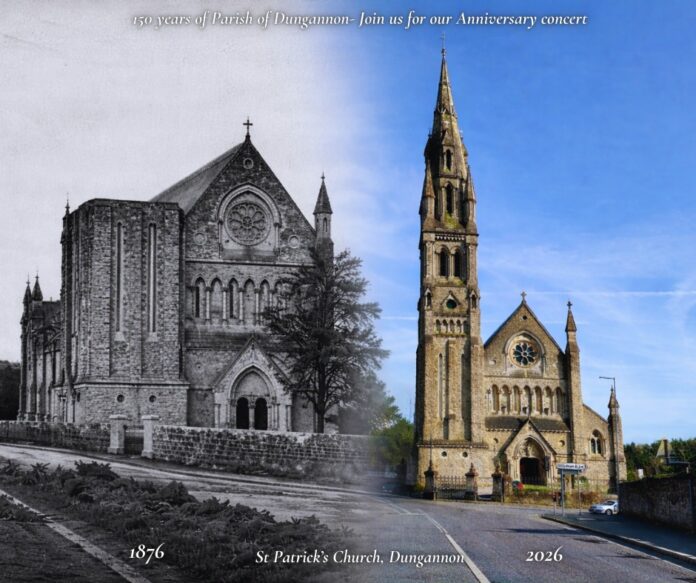
It’s only right that we should celebrate this significant milestone of 150 years in the life of St Patrick’s Church Dungannon. So much has changed in the world since 1876 – it was only in that same year that Alexander Graham Bell patented the world’s first telephone; to think that this beautiful church was designed and built before the invention of the electric light bulb or the motor car!

But in another way 150 years is only a blink in time; many people nowadays are living to be more than a hundred years old; in 1876 my great grandparents were already married and beginning to have their families. Still, it must have been some sight for some of your great grandparents to see this splendid new Church, designed by the great architect JJ McCarthy, rising above Dungannon, and finally opening its doors on the Feast of the Holy Trinity!

And so here we are, celebrating the Vigil Mass of Trinity Sunday 2026, joyfully gathered in the name of the Father, and of the Son, and of the Holy Spirit, united in praise and thanksgiving to God for this beautiful “house of prayer” that is so dear to this parish and to our archdiocese.

Glory be to the Father, and to the Son, and to the Holy Spirit;
the God who is, who was, and who is to come.
Alleluia!

This is the place where our children are baptised in the name of the Blessed Trinity: Father, Son and Holy Spirit. This is the place where, in the confessional, our sins are absolved in the name of the Father, and of the Son, and of the Holy Spirit. And everyday, people of many nations are welcomed to this holy place to celebrate the Eucharist.On arrival they bless themselves in the name of the Trinity, and, at the end of Mass, they are once more blessed and sent out in the name of Father, Son and Spirit to love and to serve the Lord.

Thanks be to God for all those who, over fifteen decades, have ensured that St Patrick’s Church has remained an inviting and dignified sacred space, beautifully adorned for the glory of God and the sanctification of God’s people.

We thank God for the clergy who have served here and for the many lay people and religious sisters and brothers who have offered their gifts and talents over the years to ensure that St Patrick’s has remained a beating heart of prayer for the parish and wider community.

On various occasions, this church has been tastefully restored – not least after last year’s damage from Storm Éowyn. Brothers and sisters, you do so because this church building holds many memories – happy and sad – for you, and for your families. To think of the many joyful moments like baptisms, first communions, confirmations and marriages; but also of those sad times, like funeral, anniversaries and memorials, or the days when you may have come here simply to light a candle or kneel and pour out your heart in prayer and in tears for some special intention when you needed God’s help in your life.

Down the decades St Patrick’s has seen many troubled times in Ireland and around the world – two world wars; the deep community divisions of the early 20th century during the struggles for Irish Independence; more recently the terrible toll of violence and grief during the most recent conflict in the north. If these walls could speak, they’d tell of countless prayers, broken hearts and anguished minds, grief, fears and hopes, forgiveness and efforts to bring reconciliation, healing and lasting peace.

As I said, back in 1876 our world was a very different place. Here in Tyrone the Industrial Revolution had brought new mechanisation into the linen industry- steam power came to Stevenson’s flax mill in Moygashel and Dickson’s Weaving Factory in Milltown, and many people were employed in the production of dress linens, towels, and damasks. The Great Northern railway took over the local lines, adding a branch line to Coalisland and Cookstown for the movement of coal, flax, and other goods. But sadly, in those post famine times, hundreds of destitute men, women and children died every year in the Dungannon workhouse while many others left for America or Australia.

Sadly the Industrial Revolution was having a similar impact around the world, so much so that in 1893 Pope Leo XIII wrote a strong social encyclical about the need to alleviate the poverty of the working classes, and despite the great advances in machine production, to emphasise the importance of people being able to earn a living wage and have their rights as workers respected.

I think it’s an amazing coincidence that just this past week, another Pope Leo, this time Pope Leo XIV, has written his first encyclical on the theme of developments in artificial intelligence. The Holy Father believes that once more Humanity is standing at a “historic crossroads” where artificial intelligence is already shaping our personal lives and freedoms, homes, workplaces, schools and communities, hospitals, public services, economies and democracies.

In Magnifica Humanitas Pope Leo asks us to consider carefully in the light of rapid advances in technology: ‘What kind of people are we becoming, and what kind of world are we building?’ Like his predecessor back at the end of the 19th century, our Pope Leo is not criticising technological advances in themselves. He recognises that when technology and new inventions protect life, relieve suffering, support learning, and help us care for the vulnerable and for our common home, we should welcome them with gratitude. But we must work to ensure that such advances protect the common Good and especially help care for those often forgotten by society.

Christians, and all people of goodwill must ask of AI: Is it true? Is it just? Does it honour the person made in God’s image? Does it protect the vulnerable and serve the common good, or does is it used to accumulate wealth and power in the hands of a few? What is its impact on human life and dignity, solidarity, justice, care for creation, and the Common Good?Does it serve human persons or instead tend to dehumanise or aim to replace them?

To this end we ought to consider in the midst of all sorts of new inventions, trends fashions and other novelties, what is it that lasts? What is always worth protecting in the midst of change and challenge?

I remember Cardinal Ratsinger ( soon to be put Benedict XVI) asking that question: he said
“But what endures? Money does not. Even buildings do not, nor books. After a certain time, longer or shorter, all these things disappear. The only thing that lasts forever is the human soul, the human person created by God for eternity.

The fruit that endures is therefore all that we have sown in human souls: love, knowledge, a gesture capable of touching hearts, words that open the soul to joy in the Lord. So let us go and pray to the Lord to help us bear fruit that endures. Only in this way will the earth be changed from a valley of tears to a garden of God.”

Friends, as we mark the endurance of this beautiful church of Saint Patrick for a full century and a half, I’m reminded that our faith speaks to the people of every age. As this evening’s gospel says, “God love the world so much that he gave his own Son”, and Jesus Christ in whom we believe, is the same: yesterday today and forever. Our faith allows us to grapple with the challenges of every day. Who knows what tomorrow brings, what life will be like here in Dungannon in another 50 or 100 years? But we should not be afraid, because our priests and people will continue to read the signs of their times and apply the enduring truths of the gospel to the context in which they live and learn and work. Despite change and challenge, we believers seek to bring the good news of Jesus Christ into our troubled world.

On behalf of Bishop Michael and Cardinal Sean I congratulate you, the people of this parish, on this significant anniversary of your church, and if I was to have one, wish this evening, it would be that you will keep the faith alive and not be afraid to witness to our faith in today’s confused, complicated and troubled world. I encourage you to do so in a way that our young people our families will continue to appreciate the importance of having faith so that they can shoulder the storms difficulties and trials of life while holding fast to the rock of faith brought to us by our patron, St Patrick.

God bless you all.

+ Archbishop Eamon Martin 

Archbishop of Armagh, Primate of All Ireland

Archbishop Eamon Welcomes Pope Leo XIV’s First Encyclical, Magnifica Humanitas

Magnifica Humanitas: What kind of world are we building?

Pope Leo XIV’s first encyclical, Magnifica Humanitas: On Protecting the Human Person in the Time of Artificial Intelligence, has been warmly welcomed by Archbishop Eamon Martin, Archbishop of Armagh and Primate of All Ireland.

Archbishop Eamon describes the encyclical as “a much needed intervention from the Holy Father” at a time when humanity stands at a “historic crossroads.” Artificial intelligence is no longer something distant or theoretical. It is already shaping our homes, schools, workplaces, hospitals, public services, economies and democracies.

At the heart of his response is a simple but searching question:

What kind of people are we becoming, and what kind of world are we building?

Archbishop Eamon welcomes the good that AI may bring in areas such as medicine, education, accessibility, scientific discovery, environmental protection and care for those often forgotten by society. Human creativity, he notes, is a gift from God when it serves life, relieves suffering, supports human dignity and helps care for our common home.

At the same time, he highlights Pope Leo’s warning that AI must never reduce the human person to data, output, profile or performance. In Jesus Christ, the Word made flesh, we see the true dignity of every person: a human face, a human voice, a human heart, loved by God and called into communion.

Drawing on the encyclical’s contrast between Babel and the City of God, Archbishop Eamon asks whether we will use AI to build a world of control, confusion and domination, or a world marked by peace, fraternity, justice and care for the vulnerable.

He also points to three areas already affected by AI: truth, work and freedom. Truth becomes fragile when images, voices and information can be manipulated. Work is threatened when people are made to serve machines rather than machines serving people. Freedom is weakened when data, surveillance and hidden systems shape people’s choices without their knowledge.

From Ireland’s point of view, Archbishop Eamon stresses that AI is not something happening far away. It is already being hosted, shaped, governed and developed on this island. He hopes Magnifica Humanitas will open a serious, honest and practical conversation across Ireland involving Church, State, universities, schools, public bodies, technology companies, workers, families, young people and wider society.

The Church does not claim to have a technical answer to every AI question. But she does offer moral wisdom rooted in human dignity, the common good, solidarity, justice, care for creation and protection of the vulnerable.

The Church has faced technological revolutions before. Each time, the question returns:

What does it mean to be human?

Pope Leo’s first encyclical invites us to answer that question again, with courage, faith and love and Pope Leo XIV urges us:

“Let us protect our magnificent humanity.”

Click Here to access Magnifica Humanitas


Magnifica Humanitas:  Infographic Gallery

Click Image to enlarge


Magnifica Humanitas: A Video Reflection


Full Text of Archbishop Eamon Martin’s Reception and Welcome of Magnifica Humanitas

Magnifica Humanitas: What kind of world are we building?

Pope Leo XIV’s first encyclical, Magnifica Humanitas: On Protecting the Human Person in the Time of Artificial Intelligence, has been warmly welcomed by Archbishop Eamon Martin, Archbishop of Armagh and Primate of All Ireland.

In his statement, Archbishop Eamon describes the encyclical as “a much needed intervention from the Holy Father” at a time when humanity stands at a “historic crossroads.” Artificial intelligence is no longer something distant or theoretical. It is already shaping our homes, schools, workplaces, hospitals, public services, economies and democracies.

At the heart of the Archbishop’s response is a simple but searching question:

What kind of people are we becoming, and what kind of world are we building?

Human creativity is a gift

Archbishop Eamon is clear that the Church does not approach artificial intelligence from fear. Human creativity is a gift from God. Our desire to heal, discover, build, understand and serve is part of what it means to be made in the image and likeness of God.

When technology protects life, relieves suffering, supports learning, strengthens good work and helps us care for the vulnerable and for our common home, it should be welcomed with gratitude.

AI may help bring real advances in medicine, education, accessibility, public services, scientific discovery, environmental protection and care for those often forgotten by society. At the same time, many people are rightly asking what AI will mean for their children, their work, their privacy, their freedoms, their relationships and their future.

Babel or the City of God?

One of the striking features of Magnifica Humanitas is its use of two contrasting biblical images: Babel and the City of God.

Babel is what happens when human power turns in on itself. It is the world of control, pride, domination and confusion. It is what we build when we forget God, when we want to be “gods” ourselves, when we ignore our neighbour and neglect the poor.

The City of God points us in another direction. It speaks of peace, reconciliation, love, fraternity and respect for the dignity of every person. It opens our hearts to the Kingdom of God, where every voice matters and the vulnerable are not pushed aside.

The choice before us is not simply whether to accept or reject technology. The deeper question is whether we will use AI to build a world grounded in human dignity, fraternity and care.

As Archbishop Eamon asks:

“Will we be architects of Babel, or builders of the City of God?”

The living human person

At the heart of Pope Leo’s encyclical is the Christian conviction that every person is made in the image and likeness of God.

The mystery of the Incarnation deepens this truth. In Jesus Christ, “the Word became flesh, and lived among us.” God did not communicate with humanity from a distance. He came among us with a human voice, a human face and a human heart.

For that reason, the human person can never be reduced to data to be copied, gathered, manipulated or sold. In a world of screens, artificial voices and digital masks, the Church defends the dignity of the person with a real face and an authentic voice.

AI can do remarkable things. It can sort through vast amounts of information, recognise patterns, and create words, images and voices that feel very real. It can mimic human behaviour and even appear to show empathy.

But AI does not have a conscience. It cannot care, love, suffer, forgive, pray or hope as human beings can. Nor can it be truly wise.

Wisdom grows in human hearts and minds, in families, communities and societies. It grows through truth, humility, mercy, good judgement and love of neighbour. Sometimes it grows through bitter experience, failure and repentance.

As Pope Leo reminds us, artificial intelligences do not experience life, do not possess a body, do not know joy or pain from within, and do not understand what love, work and responsibility mean.

Truth, work and freedom

Archbishop Eamon highlights three areas where AI is already touching daily life: truth, work and freedom.

Truth becomes fragile when images, voices and information can be changed or invented, and when public stories are manipulated or polarised.

Work is put under pressure when people are expected to keep up with machines, rather than machines being designed to assist workers and support human dignity.

Freedom is weakened when data, surveillance or hidden systems shape people’s choices without them fully knowing it.

These are not abstract concerns. They affect families, schools, parishes, businesses, public life and democracy itself.

As Christians, and as citizens, we need to ask deeper questions of AI:

Is it true?
Is it just?
Does it honour the person made in God’s image?
Does it protect the vulnerable?
Does it serve the common good?
Does it help us become more human?

War, peace and human responsibility

The Archbishop also draws attention to Pope Leo’s warning about the use of artificial intelligence in war and violence.

The delegation of life-and-death decisions to automated systems risks making the use of force more distant from human conscience and moral responsibility. Pope Leo is clear that decisions about war, violence and the protection of civilians can never be reduced to technical calculation.

As Archbishop Eamon notes:

“No algorithm can make war morally acceptable.”

Human responsibility cannot be passed on to technology.

Why this matters for Ireland

From Ireland’s point of view, artificial intelligence is not something happening far away. It is already being hosted, shaped, governed and developed on this island.

That gives Ireland both an opportunity and a responsibility.

Archbishop Eamon hopes that Magnifica Humanitas will open a serious, honest and practical conversation across Ireland about AI. Such a conversation should involve Church, State, universities, schools, legislators, public bodies, technology companies, workers, families, young people and wider society.

These questions cannot be left only to markets, machines or private interests. They must be brought into the light with honesty, hope and care for those whose faces and voices are too often hidden.

The Church does not claim to have a technical answer to every question about AI. But she does offer ethical principles to guide integral human development: the dignity of every person, the common good, solidarity, justice, care for creation, responsibility and protection of the vulnerable.

The Church has faced technological revolutions before. Each time, the question returns:

What does it mean to be human?

Pope Leo’s first encyclical invites us to answer that question again, with courage, faith and love.

As the encyclical urges us:  “Let us protect our magnificent humanity.”

+ Archbishop Eamon Martin 

Archbishop of Armagh, Primate of All Ireland 


World Communications Day 2026: Pope Leo XIV Reflects on Artificial Intelligence

Pope Leo:  “Preserving Human Voices and Faces”

This Sunday, 17th May 20206, the Church marks the 60th World Day of Social Communications. In his message for this year’s celebration, Pope Leo XIV reflects on one of the most important questions facing society today: how artificial intelligence, digital media and technology are shaping the way we communicate, relate to one another and understand what it means to be human.

Under the theme “Preserving Human Voices and Faces,” Pope Leo reminds us that every person is unique, sacred and created in the image and likeness of God. In a world where technology can imitate voices, create convincing images and influence how people think and respond, the Holy Father calls us to protect truth, human dignity and authentic encounter.

Pope Leo warns against allowing technology to replace human thinking, conscience, relationships and discernment. At the same time, his message is hopeful. He believes that digital technologies and artificial intelligence can serve the common good when they are used wisely, ethically and in ways that deepen communion rather than isolation.

CLICK HERE to Access Pope Leo’s Message for World Communication Day 2026


Archbishop Eamon’s Reflection on Pope Leo’s Message

To accompany this year’s World Communications Day, Archbishop Eamon Martin has prepared a pastoral reflection resource responding to Pope Leo XIV’s message and exploring what it means for families, schools, parishes, young people and communicators today.

In his reflection, Archbishop Eamon writes:

“Before a person is a profile, a statistic, a screen-name, a consumer, a complainant, or a ‘case’, they are someone created in the image and likeness of God. Their face and voice matter.”


The Archbishop invites all of us to ask important questions about the way we communicate online and offline:

  • Are we listening to real voices?
  • Are we protecting real faces?
  • Are we speaking truthfully?
  • Are we allowing technology to serve communion, or are we letting it replace encounter?

Alongside the reflection, a series of resources have been prepared for parishes, schools, youth groups, pastoral councils and faith communities who may wish to reflect more deeply on the theme together.

These include:

  • Pope Leo XIV’s Message for the 60th World Day of Social Communications
  • Archbishop Eamon Martin’s pastoral reflection
  • A Facilitators Resource and Reflection Gathering Guide
  • A Session PowerPoint Resource for schools, parishes and groups

The resources provide a simple conversational and prayerful format to help communities reflect on communication, truth, discernment, AI, digital culture and the dignity of the human person in today’s world.

CLICK HERE to Access Archbishop Eamon’s Reflection Resource


Resources for World Day for Social Communications Day 2026

Facilitators Resource and Reflection Gathering Guide
https://we.tl/t-LnWdf6uuiKXDdFuR

Session PowerPoint Resource
https://we.tl/t-73UdMfq7eVL9Vqyp

Pope Leo’s Message 

https://www.vatican.va/content/leo-xiv/en/messages/communications/documents/20260124-messaggio-comunicazioni-sociali.html

We encourage parishes, schools, families and youth groups to make use of these resources over the coming weeks and months as we continue to reflect on how the Gospel calls us to communicate with truth, compassion, wisdom and humanity in an increasingly digital age.

The Archdiocese of Armagh Welcomes Three Newly Ordained Priests.

Joyful celebrations in Saint Patrick’s Cathedral, Armagh on Saturday, 9th May, as three new priests are ordained.

The Archdiocese of Armagh marked a joyful occasion on Saturday 9 May as Archbishop Eamon Martin ordained Gabriel Neal, Jacek Tuszkiewicz and Paul O’Reilly to the priesthood in Saint Patrick’s Cathedral, Armagh.

Family members, friends, clergy, parishioners and members of the wider diocesan community gathered for the ordination Mass, which Archbishop Eamon described as a moment of deep thanksgiving for the Church.

In his homily, Archbishop Eamon reflected on the generosity and courage required in responding to God’s call in the modern world, encouraging the newly ordained priests to remain close to Christ and close to the people they are called to serve. 

The ordinations bring to twelve the number of priestly ordinations in the Archdiocese of Armagh in recent years and were received as a sign of encouragement and hope for the local Church.

The three new priests reflect the international character of priestly life within the Archdiocese today. Fr Gabriel Neal comes from the United States, Fr Jacek Tuszkiewicz from Poland, and Fr Paul O’Reilly from Cork. Together, their different backgrounds and experiences speak to the universal nature of the Catholic Church and the richness of vocation across cultures and communities.

The Archdiocese also acknowledged the role of the Redemptoris Mater Seminary and formation community in Dundalk, where the newly ordained priests undertook years of spiritual, pastoral, academic and human formation.

The faithful of the Archdiocese are asked to continue to keep Fr Gabriel, Fr Jacek and Fr Paul in their prayers as they begin their priestly ministry in service of God’s people.


A Prayer for the Newly Ordained Priest

Heavenly Father,
we give you thanks for the gift of Fr Gabriel, Fr Jacek and Fr Paul.
Priests newly ordained to the priesthood
for the service of your people here in the Archdiocese of Armagh.

You have called them by name
and entrusted them with the care of your Church.
Strengthen them now with the grace of the Holy Spirit,
that they may serve with humility, courage and compassion.

Keep them close to Christ the Good Shepherd,
faithful in prayer, generous in service,
and attentive to the joys and wounds of those they meet.

When ministry is demanding, sustain them.
When they grow weary, renew them.
When they rejoice, deepen their gratitude.
May their lives always point others towards your love and mercy.

Bless too their families, friends, formators,
and all who have accompanied them on the path to priesthood.

Through the intercession of Saints Patrick, Brigid, Malachy and Olover
Our Lady, Mother of Priests,
and all the saints of Ireland.
May they guide and protect them in the years ahead.

We ask this through Christ our Lord.
Amen.