Saturday, December 27, 2025
Home Blog Page 66

Confirmation list for 2016

PARISH DAY DATE MONTH TIME
Ardboe Sunday

13

Mar 11.00 am
Ardee Sunday

24

Apr 2.00 pm
Armagh I Saturday

21

May 2.00 pm
Armagh II Sunday

22

May 2.00 pm
Aughnacloy Friday

6

May 5.00 pm
Ballinderry Thursday

11

Feb 5.00 pm
Ballygawley Sunday

10

Apr 11.30 am
Beragh Friday

11

Mar 5.00 pm
Bessbrook Saturday

16

Apr 11.00 am
Carlingford & Omeath Monday

7

Mar 11.00 am
Clogherhead Sunday

28

Feb 11.30 am
Cloghogue Saturday

9

Apr 11.00 am
Clonoe Saturday

13

Feb 3.00 pm
Coagh Friday

12

Feb 5.00 pm
Coalisland Thursday

7

Apr 5.00 pm
Cookstown Saturday

28

May 3.00 pm
Cooley Tuesday

15

Mar 11.00 am
Crossmaglen Saturday

20

Feb 11.00 am
Cullyhanna Tuesday

12

Apr 11.00 am
Darver & Dromiskin Thursday

26

May 11.00 am
Donaghmore Thursday

3

Mar 5.00 pm
Drogheda I Wednesday

20

Apr 11.00 am
Drogheda II Thursday

21

Apr 11.00 am
Dromintee Tuesday

5

Apr 11.00 am
Dundalk, Holy Family (Bay Estate) Wednesday

25

May 11.00 am
Dundalk, Holy Family (St Joseph’s) Wednesday

4

May 11.00 am
Dundalk, Holy Redeemer Sunday

17

Apr 11.30 am
Dundalk, St Patrick’s I Saturday

27

Feb 11.00 am
Dundalk, St Patrick’s II Saturday

5

Mar 11.00 am
Dundalk, St Patrick’s III (St Nicholas’) Saturday

12

Mar 11.00 am
Dungannon I Saturday

7

May 3.00 pm
Dungannon II Sunday

8

May 3.00 pm
Dunleer Wednesday

11

May 11.00 am
Eglish Friday

29

Apr 5.00 pm
Faughart Saturday

9

Apr 2.00 pm
Haggardstown & Blackrock Tuesday

8

Mar 11.00 am
Keady & Derrynoose Sunday

6

Mar 3.00 pm
Kildress Monday

18

Apr 5.00 pm
Kilkerley Friday

26

Feb 11.00 am
Killcluney Wednesday

2

Mar 5.00 pm
Killeeshil Wednesday

13

Apr 5.00 pm
Kilmore Friday

20

May 5.00 pm
Kilsaran Tuesday

31

May 11.00 am
Knockbridge Friday

15

Apr 11.00 am
Lissan Friday

10

June 5.00 pm
Lordship Friday

8

Apr 11.00 am
Loughgall Thursday

14

Apr 5.00 pm
Louth Friday

27

May 11.00 am
Magherafelt Sunday

5

June 3.00 pm
Mell Monday

25

Apr 11.00 am
Mellifont Friday

4

Mar 11.00 am
Middle Killeavy Thursday

2

June 5.00 pm
Middle Killeavy (Rathore School) Saturday

4

June 11.00 am
Middletown Sunday

21

Feb 11.30 am
Monasterboice Monday

29

Feb 11.00 am
Moneymore Monday

11

Apr 5.00 pm
Moy Friday

22

Apr 5.00 pm
Mullaghbawn Thursday

19

May 5.00 pm
Newbridge Tuesday

19

Apr 5.00 pm
Pomeroy Thursday

25

Feb 5.00 pm
Portadown Saturday

19

Mar 3.00 pm
Tallanstown Tuesday

10

May 11.00 am
Termonfechin Saturday

30

Apr 11.00 am
Termonmaguirc Sunday

12

June 3.00 pm
Togher Tuesday

1

Mar 11.00 am
Whitecross Wednesday

27

Apr 5.00 pm
Gaeilge (Ard Mhacha) Monday

14

Mar 5.00 pm
Gaeilge (Dún Dealgan) Thursday

28

Apr 11.00 am

Archbishop Eamon Martin Christmas Homily 2015 Midnight Mass St Patrick’s Cathedral Armagh: I wish you a “Mercy” Christmas!

I wish you a “Mercy” Christmas!

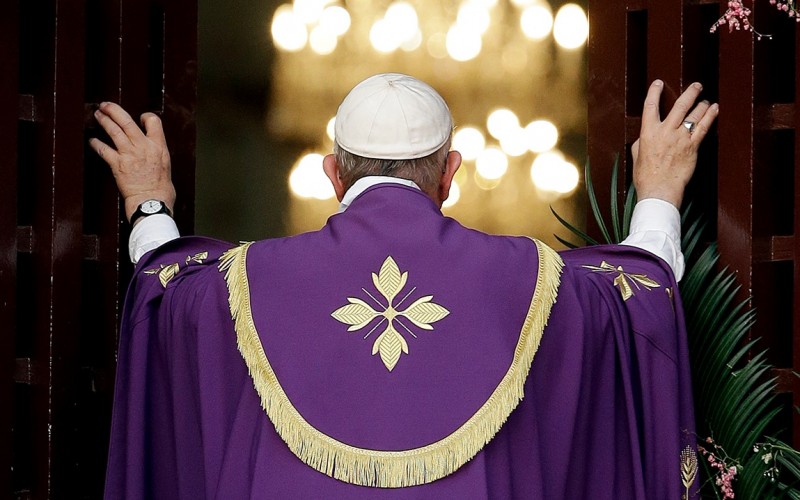
Twelve days ago I had the joy of opening two ‘Holy Doors’ for the Jubilee Year of Mercy in the Archdiocese of Armagh – one at St Peter’s Church in Drogheda, the other, here, at St Patrick’s Cathedral. It is my prayer tonight that during the Holy Year you and your families will have a profound personal experience of God’s love and mercy in your lives. Pope Francis has described the Holy Year of Mercy as an ‘extraordinary moment of grace and spiritual renewal’. That is why, this year, I am wishing you all a “Mercy” Christmas.

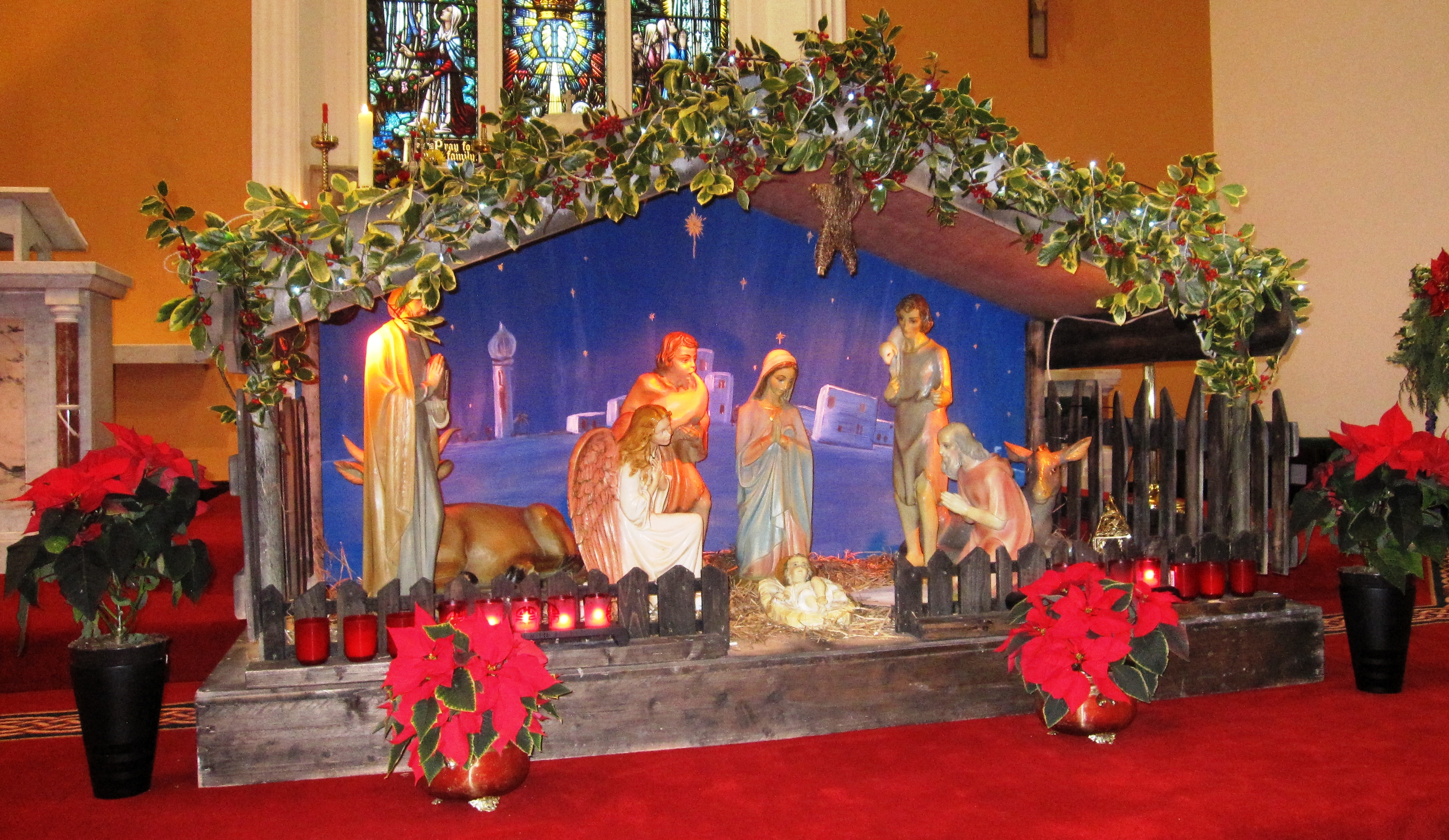
Of course every Christmas is a “Mercy” Christmas, because it was God’s merciful and overwhelming love for us that led, on the first Christmas night, to God sending His Only Son to be our Saviour. The mystery at the heart of Christmas is the mystery of the Incarnation which is in turn, the mystery of Mercy. Notice how the Creed sums up the meaning of Christmas:

‘For us men and for our salvation, He came down from heaven, and by the Holy Spirit was incarnate of the Virgin Mary, and became man’.

That is why on this Holy Night, to honour the deep significance of these words, we genuflect at that point in the Creed.

The first Christmas was the moment which connected God and man. At Bethlehem God came to meet us as never before. Christmas therefore was, and is, a ‘Mercy’ moment. In wishing you all a “Mercy” Christmas, it is my hope that, after all the rushing around and frantic preparations of recent weeks, you will experience in your lives the power of God’s mercy.

One of the wonders of Christmas is the manner in which God came among us. The All-powerful God, Creator of heaven and earth, did not choose for his birth the might and splendour of a royal palace. Instead he became small and was born in the poverty and simplicity of a stable. He was wrapped by Mary, the Mother of Mercy, in swaddling clothes and laid in a wooden manger where animals normally fed. God humbled himself to share in our humanity, so that we might share in His divinity. Years later that same Jesus, out of mercy for us, would humble himself still further to be stretched out on the wood of the cross, the Lamb of God who takes away the sins of the world.

How might we make this a “Mercy” Christmas for ourselves and for others? How might we respond to God’s mercy in the coming Jubilee Year?

Firstly, I invite you to be reconciled personally with God and with anyone from whom you might be alienated. No-one is excluded from the mercy of God. As Pope Francis has said:

“In this Jubilee Year, let us allow God to surprise us! He never tires of casting open the doors of his heart and of repeating that he loves us and wants to share his love with us… From the heart of the Trinity, from the depths of the mystery of God, the great river of mercy wells up and overflows unceasingly. It is a spring that will never run dry, no matter how many people draw from it. Every time someone is in need, he or she can approach it, because the mercy of God never ends” (Misericordiae Vultus n25).

Consider, therefore, receiving the Sacrament of Reconciliation during this Year of Mercy, even if it has been a very long time since you were last at Confession. Your life will be transformed when you draw from the wellspring of God’s mercy. Let go this coming year of whatever selfish or sinful habits are preventing you from being the very best person you can be.

The theme of the Year of Mercy is ‘Merciful like the Father’. We are all called upon to show mercy because mercy has, first of all, been shown to us. Reach out, therefore, this Christmas and New Year to someone who may have offended you in the past. Be prepared to humble yourself. Become small. Offer the hand of friendship and make the first move in reconciliation – whether it be with someone in your family, your school, workplace or community. Of course wounds are sometimes deep and difficult to heal, but with the help of God’s grace, this Year of Mercy may be just the moment for a new beginning.

Secondly, we can make this a “Mercy” Christmas by helping others through ‘works of mercy’. ‘The corporal works of mercy consist especially in feeding the hungry, sheltering the homeless, clothing the naked, visiting the sick and imprisoned and burying the dead’ (CCC 2447).The spiritual works of mercy include advising the doubtful and comforting the sorrowful, teaching the faith to our children and others, pointing out what is right and wrong, forgiving, patiently bearing with those who are in error and praying for the living and the dead.

As individuals and as society a “Mercy” Christmas challenges us to ask whether we have done enough to make peace, to help relieve poverty, hunger, homelessness and the plight of refugees; whether or not we have reached out to those around us who are experiencing isolation, persecution and loneliness, despair or hopelessness; whether or not we have accompanied those who have drifted away from God and gently sought to bring them back and dispel their doubts; whether or not we are playing our part in defending the life and human dignity of every person, bringing the joy of the Gospel into our world and inviting those who are rejecting God to come to know His love and mercy in their lives.

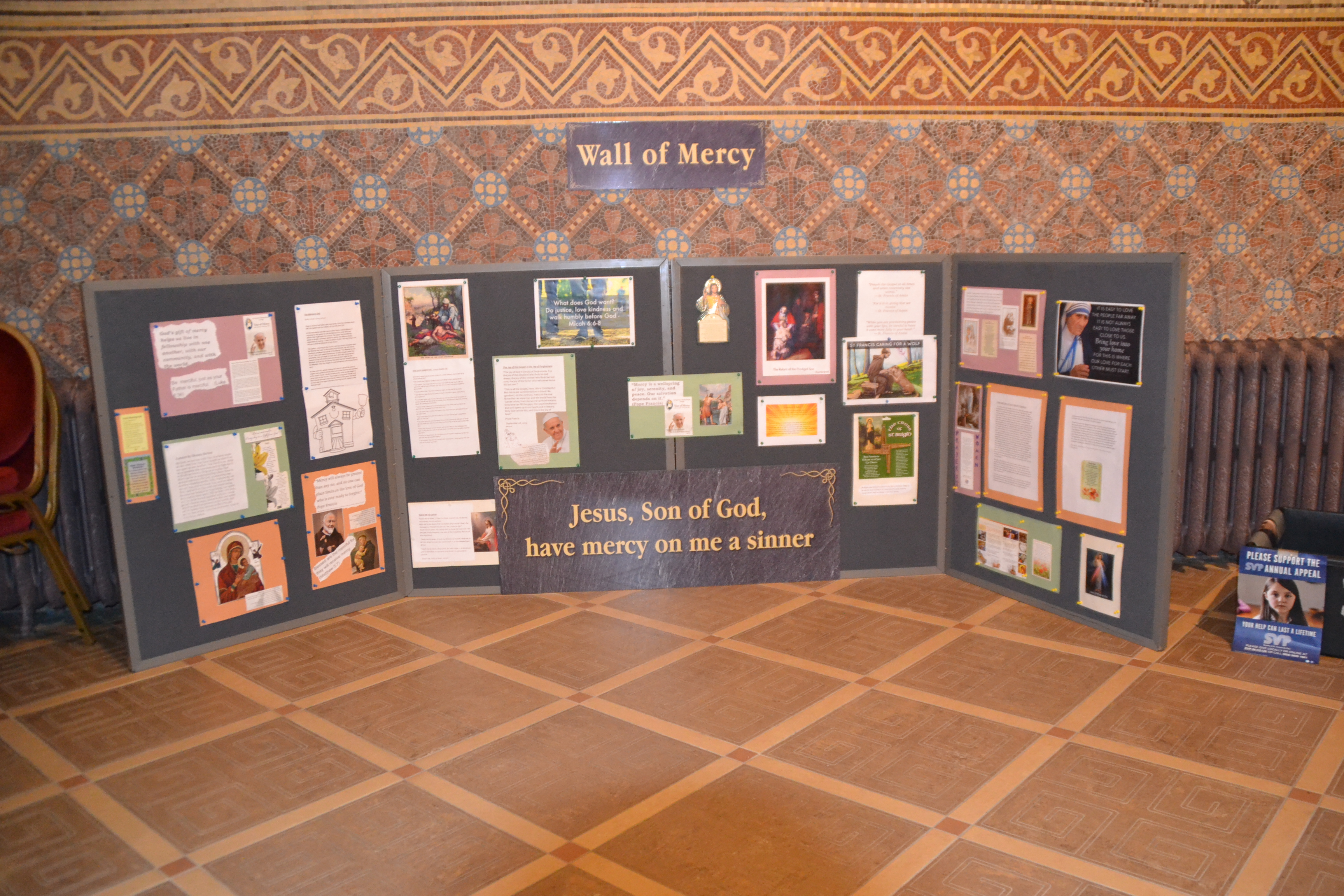
Finally, I invite you to make this a “Mercy” Christmas by turning to Jesus in prayer. I offer you a spiritual garland of two powerful prayers to make your own this Christmas and during the Jubilee Year. The first is known as the “Jesus” prayer – it is very short and you can recite it hundreds of times a day, at home, on your way to work, in school, in the shops, anywhere. “Jesus, Son of God, have mercy on me a sinner”. This “Jesus” prayer sums up so much about the meaning of Christmas, Easter, the whole mystery of our faith. It is a simple humble, prayer which opens us up to the mercy of God in our lives. “Jesus, Son of God, have mercy on me a sinner”

The second prayer is similar, and it is often associated with the ‘Divine Mercy’ devotion. Once more, it is a prayer that can be repeated with every breath at any moment of the day, especially when you are worried or troubled about anything. The prayer is: “Jesus, I trust in you”. You may have noticed that, for the Year of Mercy we have displayed in the Cathedral a large representation of St Faustina’s ‘Divine Mercy’ image with the words, ‘Jesus, I trust in you’ written in Irish: ‘A Íosa, tá muinín agam asat’.

My brothers and sisters, when Pope Francis recently launched the Jubilee Year someone asked me: is every year not a year of mercy? Of course it is, and so is every day, every hour, every minute even. It’s just that we sometimes forget what the gift of mercy means in our own lives, and how much it can make a difference in the lives of others. That is why I have chosen to offer these thoughts on this Holy Night and have no hesitation in wishing you a “Mercy” Christmas, and a Happy Jubilee Year!

God bless you all.

Joint Christmas 2015 message from the Archbishops of Armagh, the Most Revd Richard Clarke and the Most Revd Eamon Martin

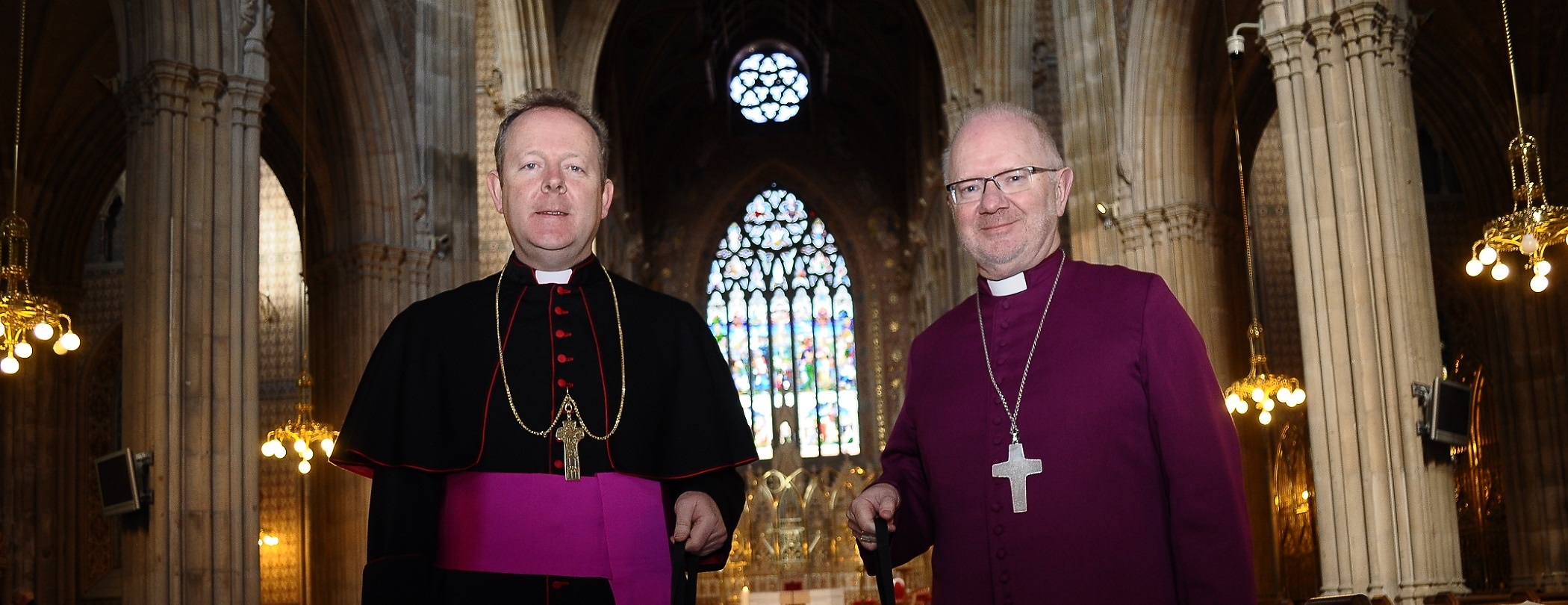
Archbishop Eamon Martin and Archbishop Richard Clarke at Launch of Flesh and Blood Ireland St Patrick's Cathedral , Armagh, 2 March 2015 Credit: LiamMcArdle.com

‘May the God of hope fill you with all joy and peace in believing, so that you may abound in hope by the power of the Holy Spirit.’ Romans 15:13


Although we often wish people a happy Christmas and peaceful New Year, we very rarely use the word ‘hope’ or ‘hope-filled’ in relation to either.  People now seem to find it difficult to feel real hope for the future, for the world, and even for themselves.  Hope is indeed a rare commodity and people are sometimes cautious about wishing for too much hope, lest they be disappointed.  In the world around us, with all the violence and destruction that we have seen in recent weeks and months, there seems to be little interest in any scenario of hope.  Yet as Nobel Peace Prize laureate, Archbishop Desmond Tutu said, ‘Hope is being able to see that there is light despite all of the darkness.’  Pope Francis has also often said: ‘Do not allow yourselves to be robbed of hope’.


Hope is the opposite of despair and yet it is more than simply a desire for something better.  Hope is a fundamental Christian quality, but it is never an individualistic thing.  We should not wish simply for hope for ourselves, that things will turn out well for us or for those we like or love.  Hope is something we are called to bring into the world in the name of Christ.  If we are to be people of hope, we are also to be agents of hope.  When we follow the call of Christ and seek to bring hope into the lives of others – material as well as spiritual hope – we then have grounds for real hope.  What we do for others – in simple ways, or sometimes demanding ways – is sowing hope for the future.  Around us in this country, there are those who can feel no hope for themselves or their families, whether through deprivation or because they are refugees from violence.  We can become envoys of hope in the name of the Christ, who was born in a stable in Bethlehem.  Just as he came into our world to bring hope into places of despair and light into the midst of darkness, so also can we become people of hope.  Perhaps this year we can with sincerity wish others a hope-filled Christmas and New Year.


With every blessing,


+Richard                                                               +Eamon

Church of Ireland Archbishop of Armagh            Roman Catholic Archbishop of Armagh

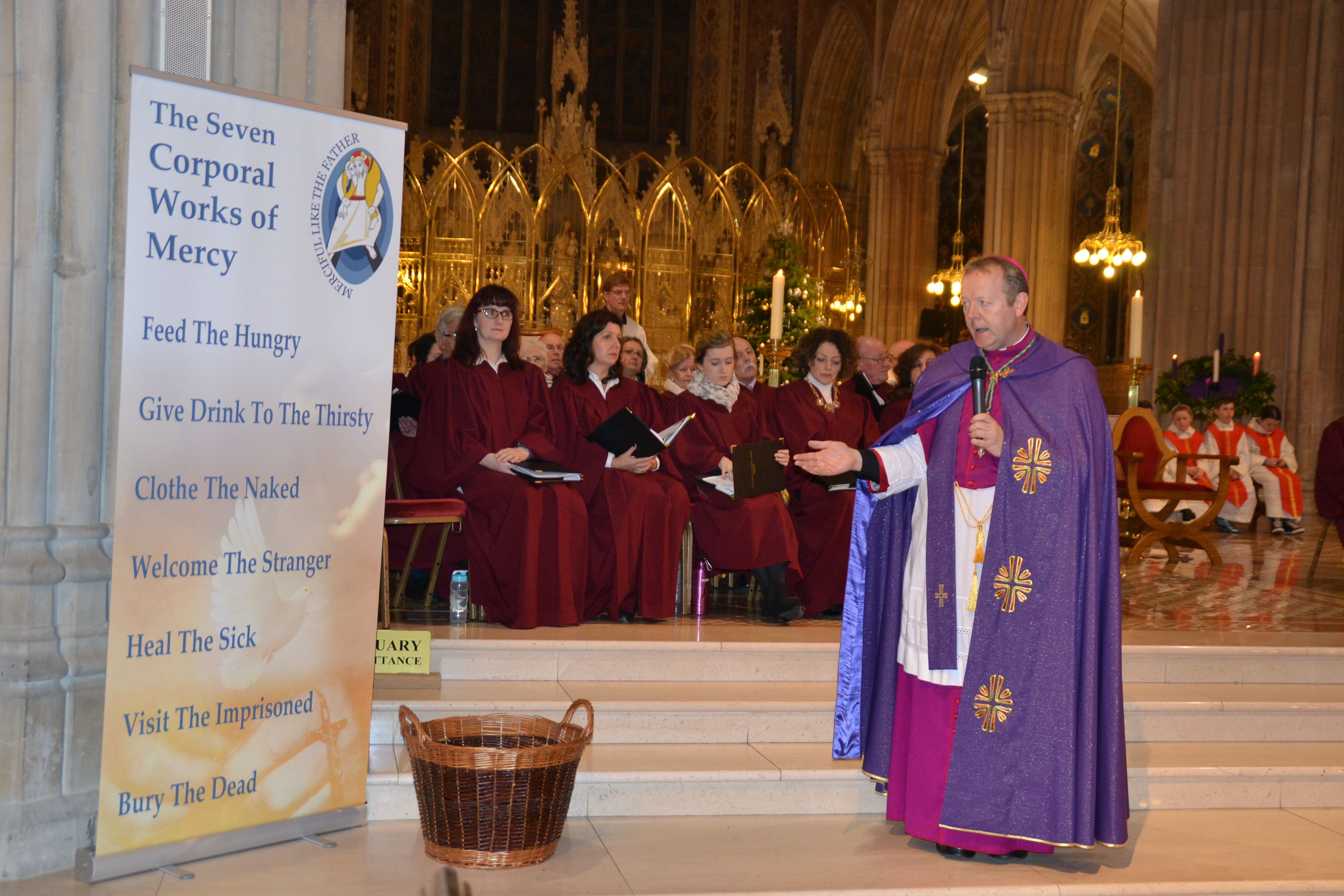
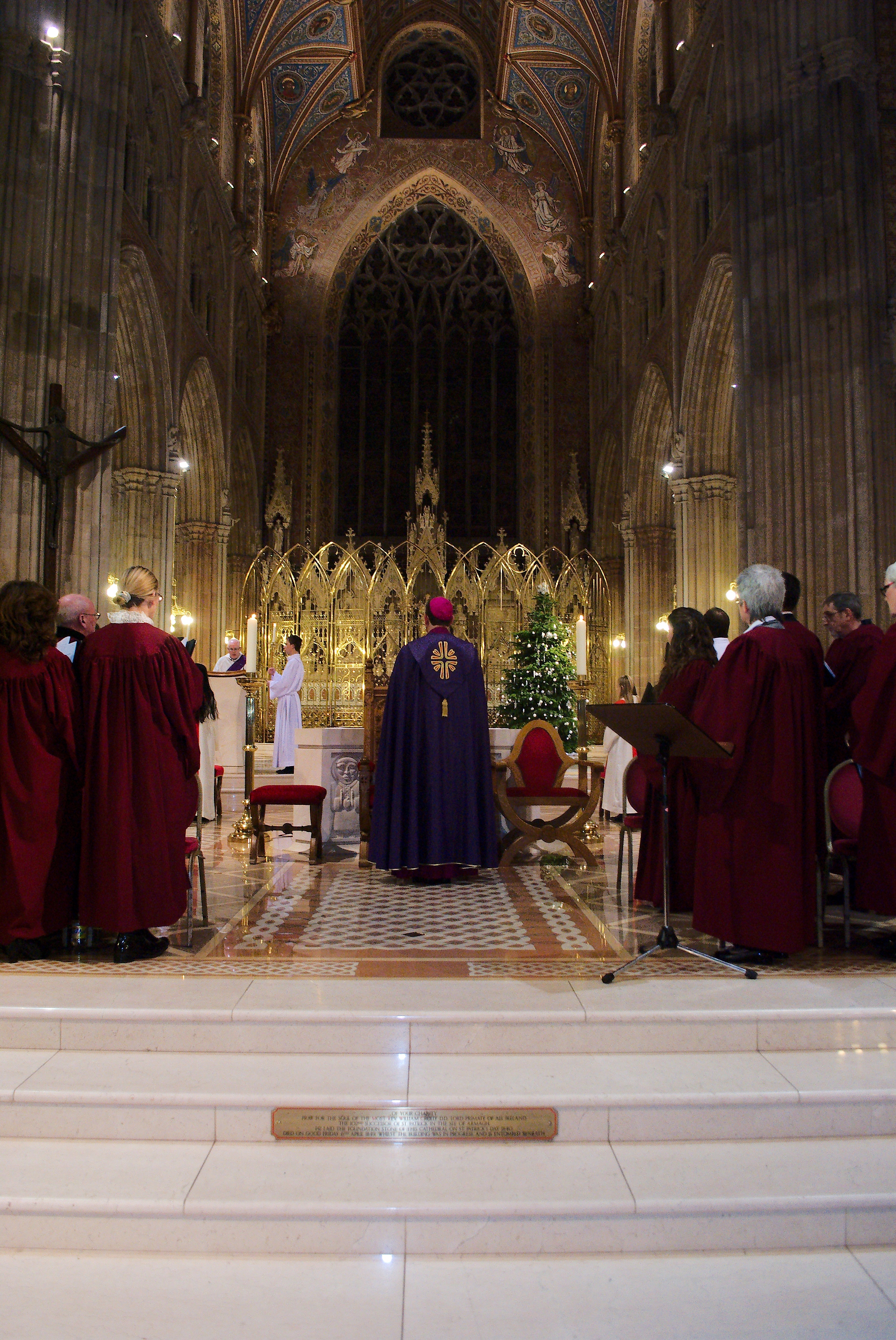
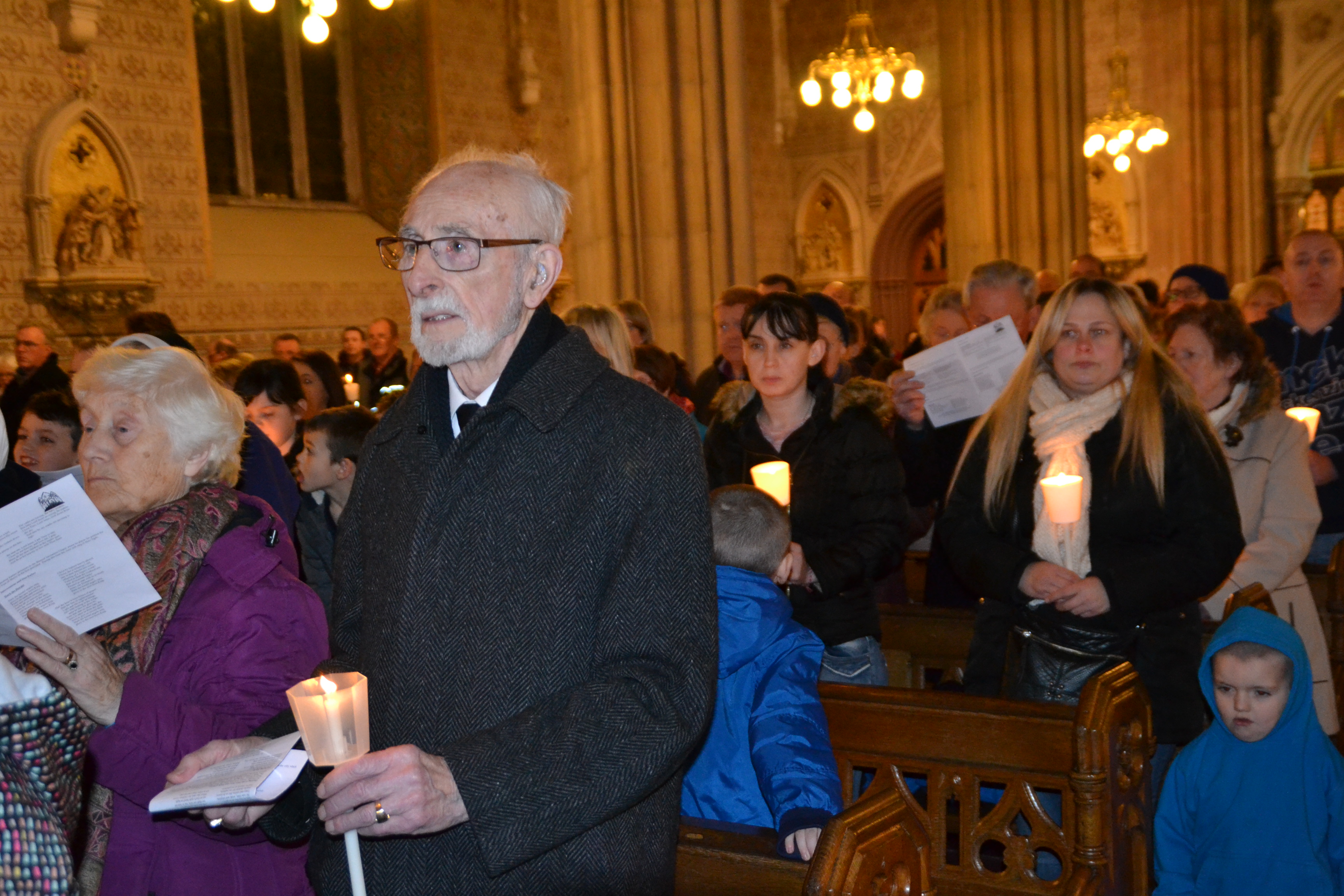
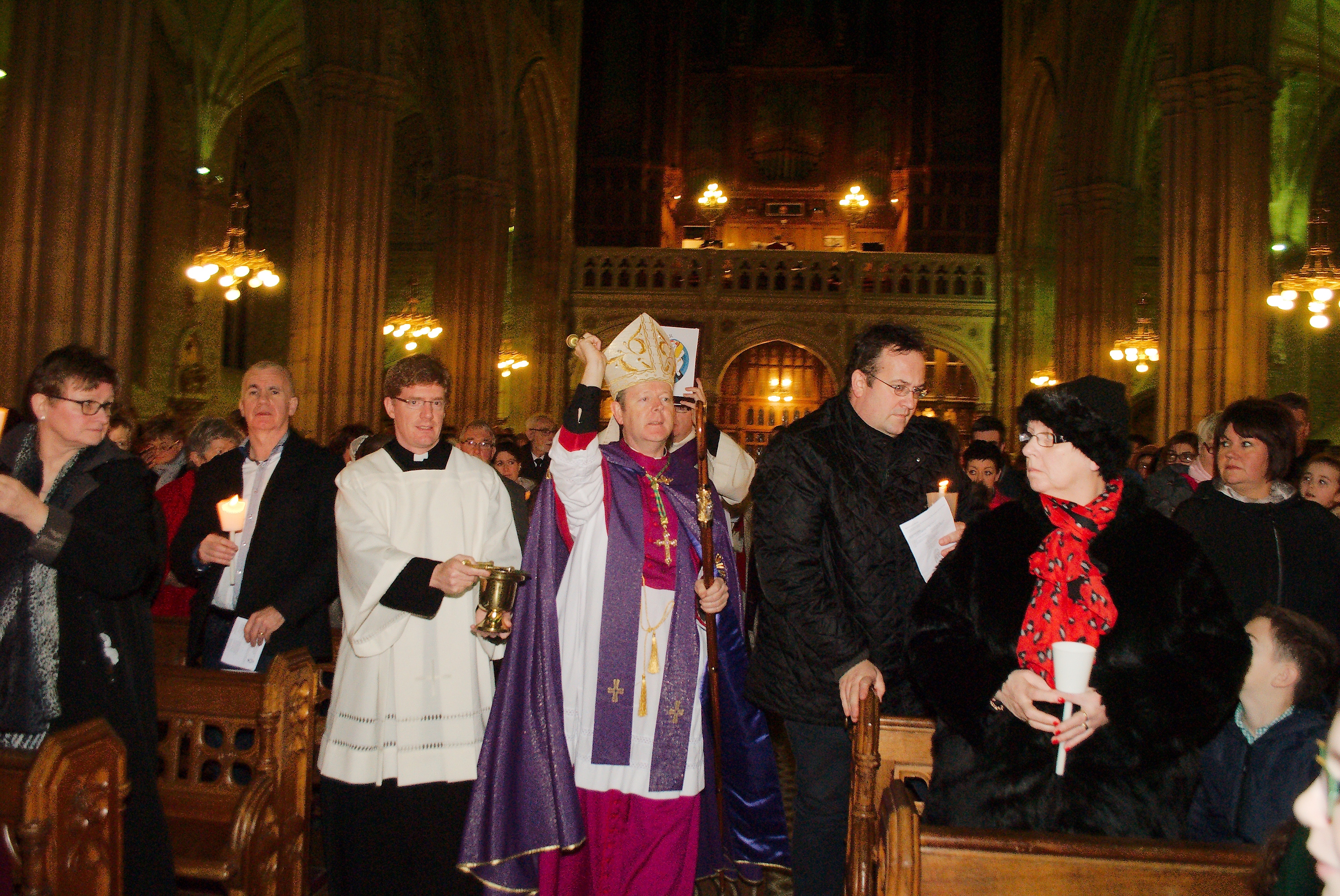
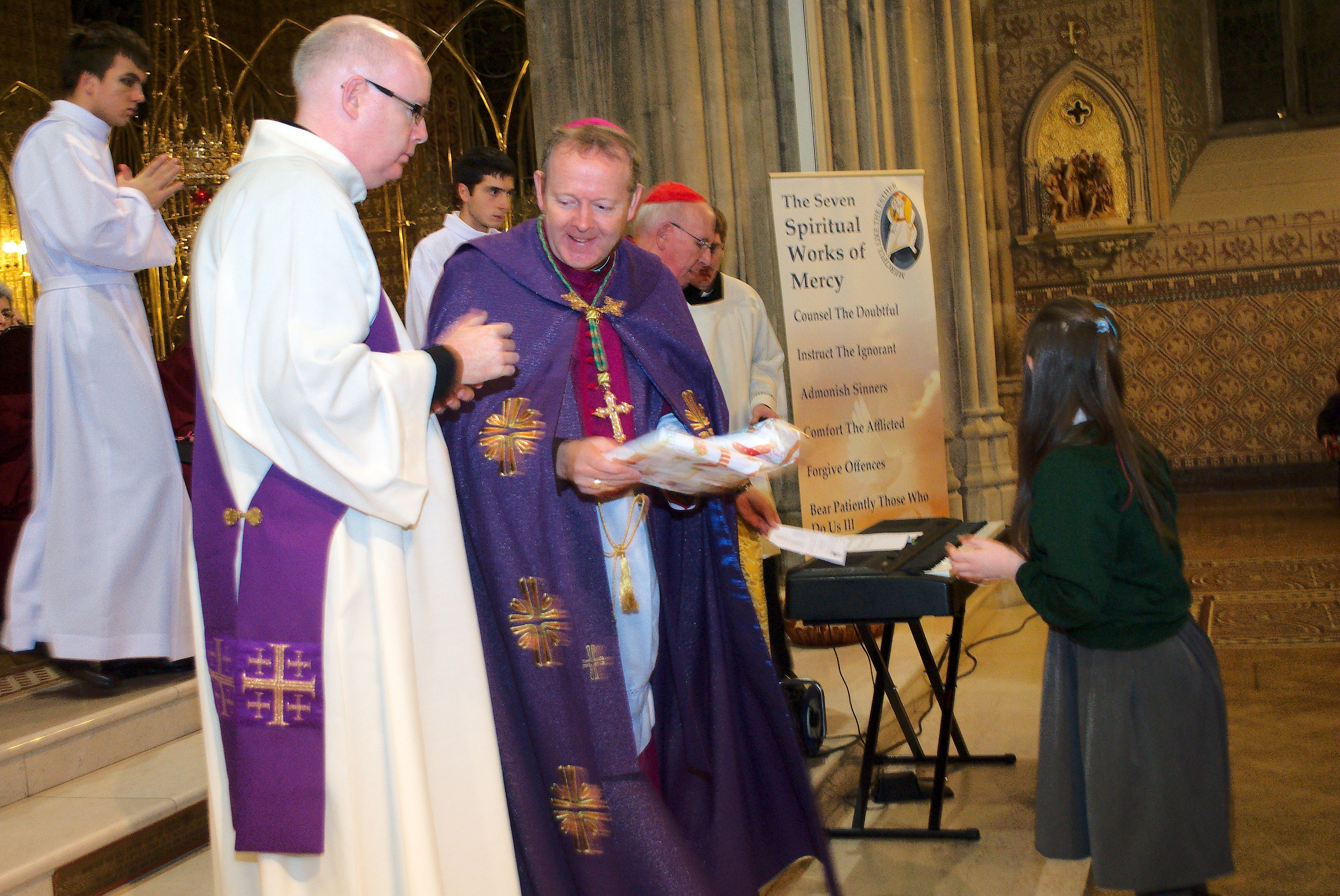
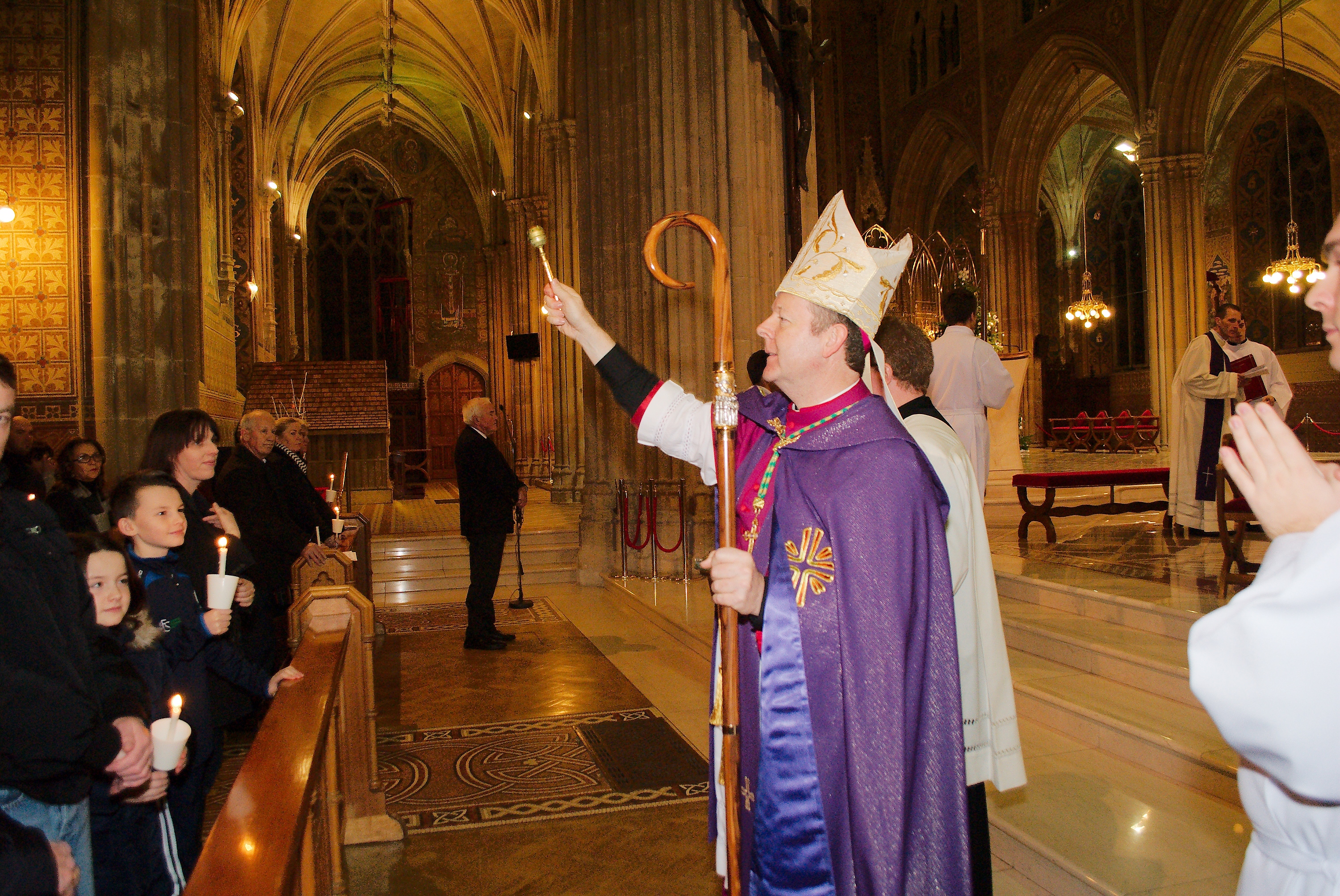
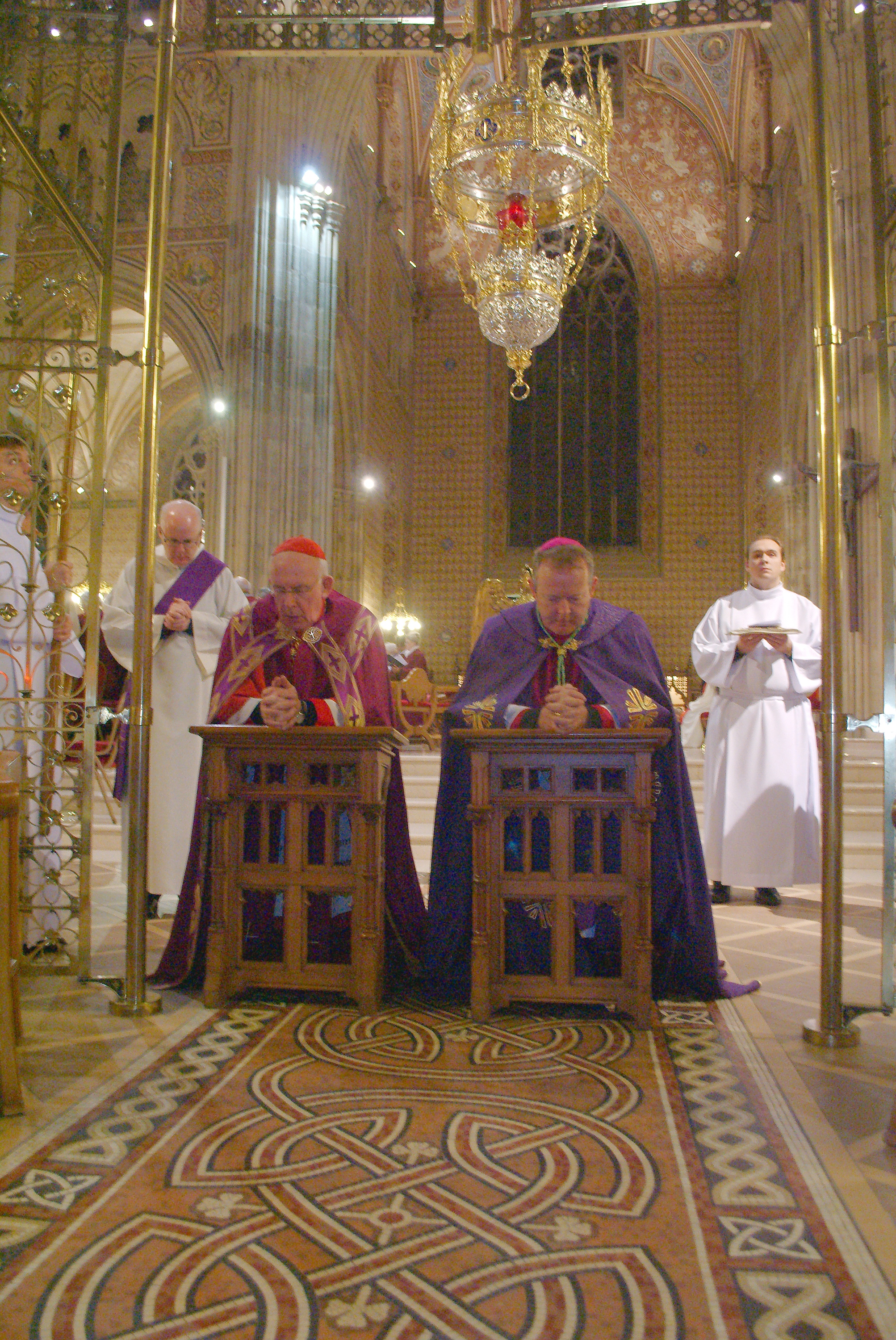
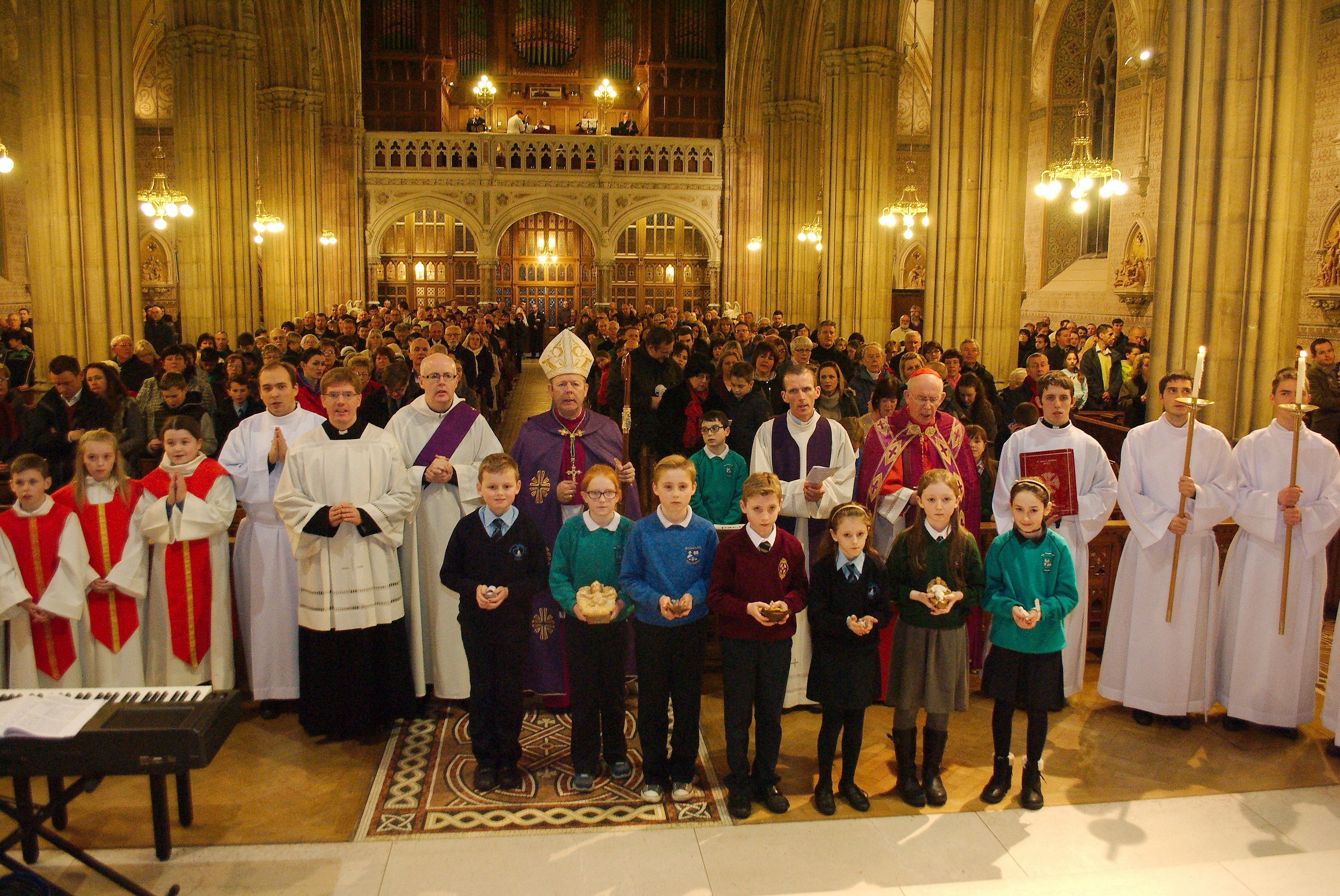
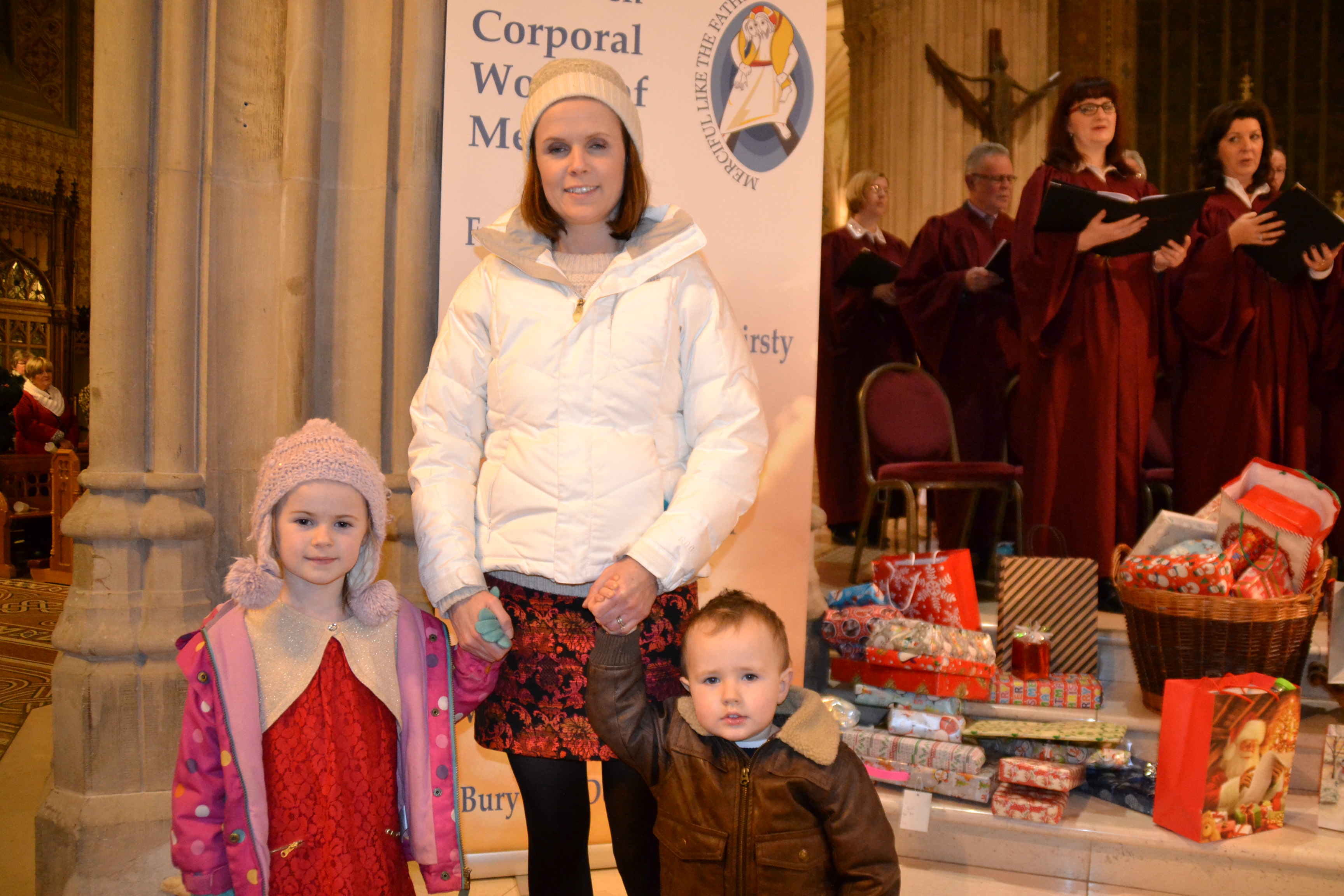
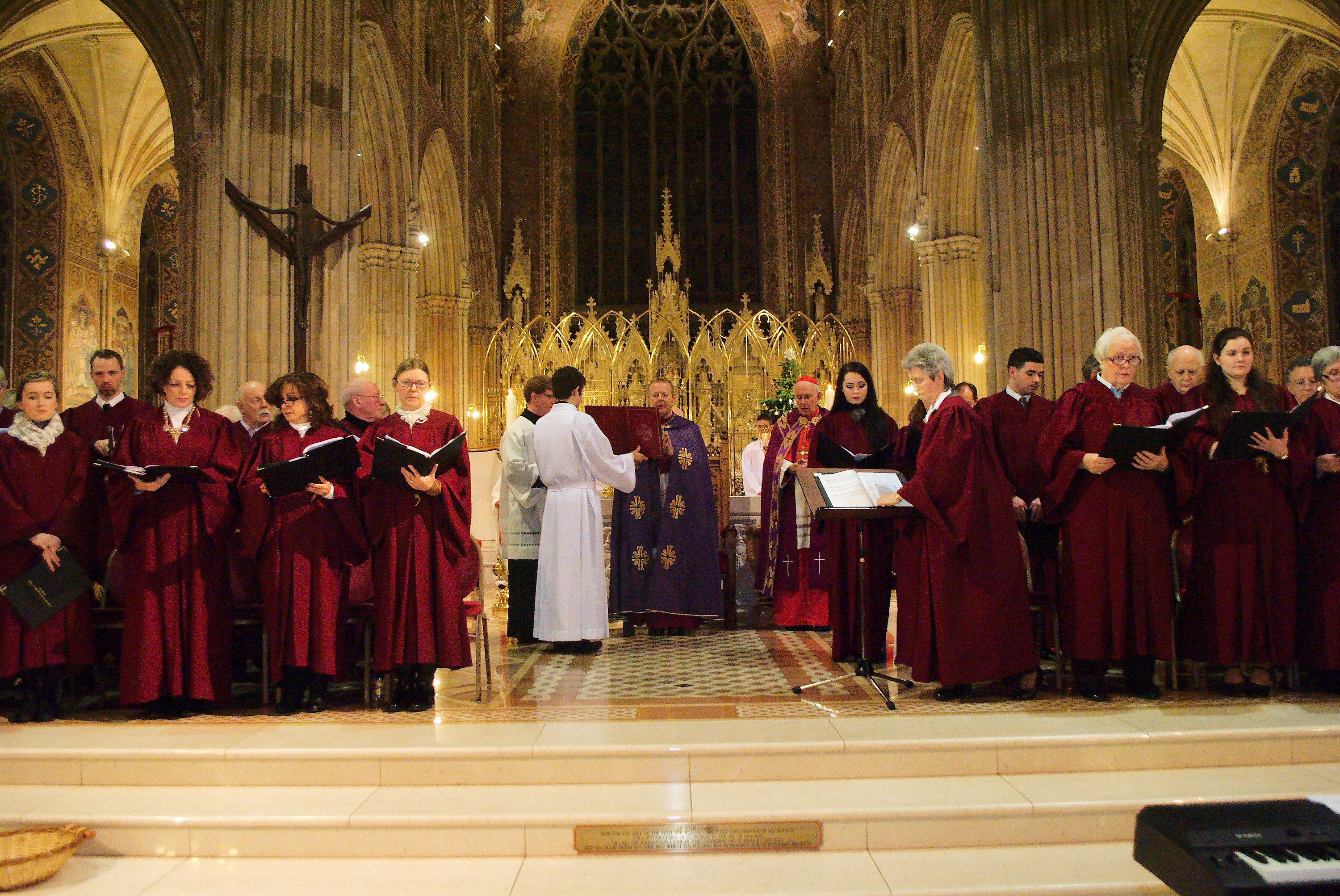
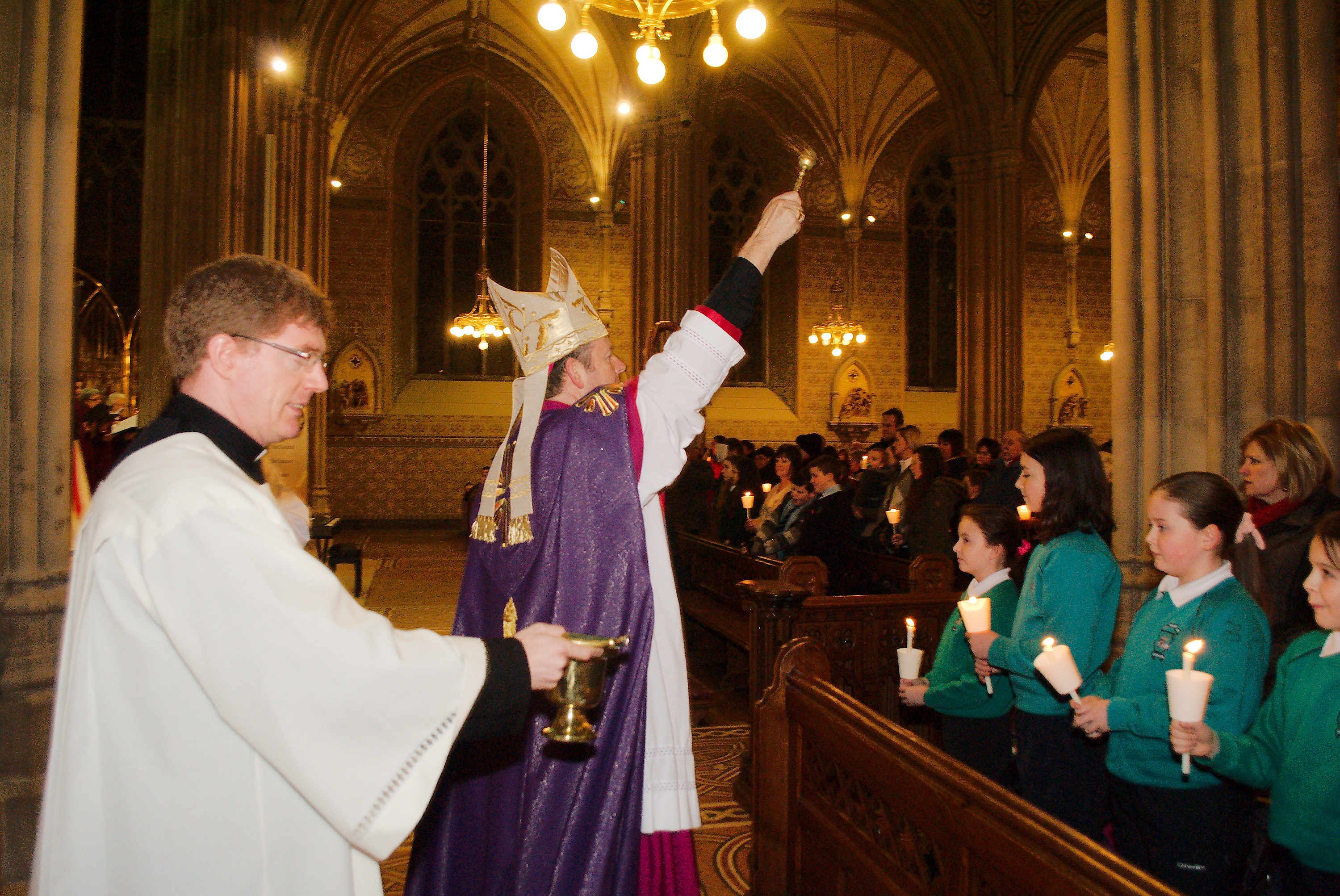
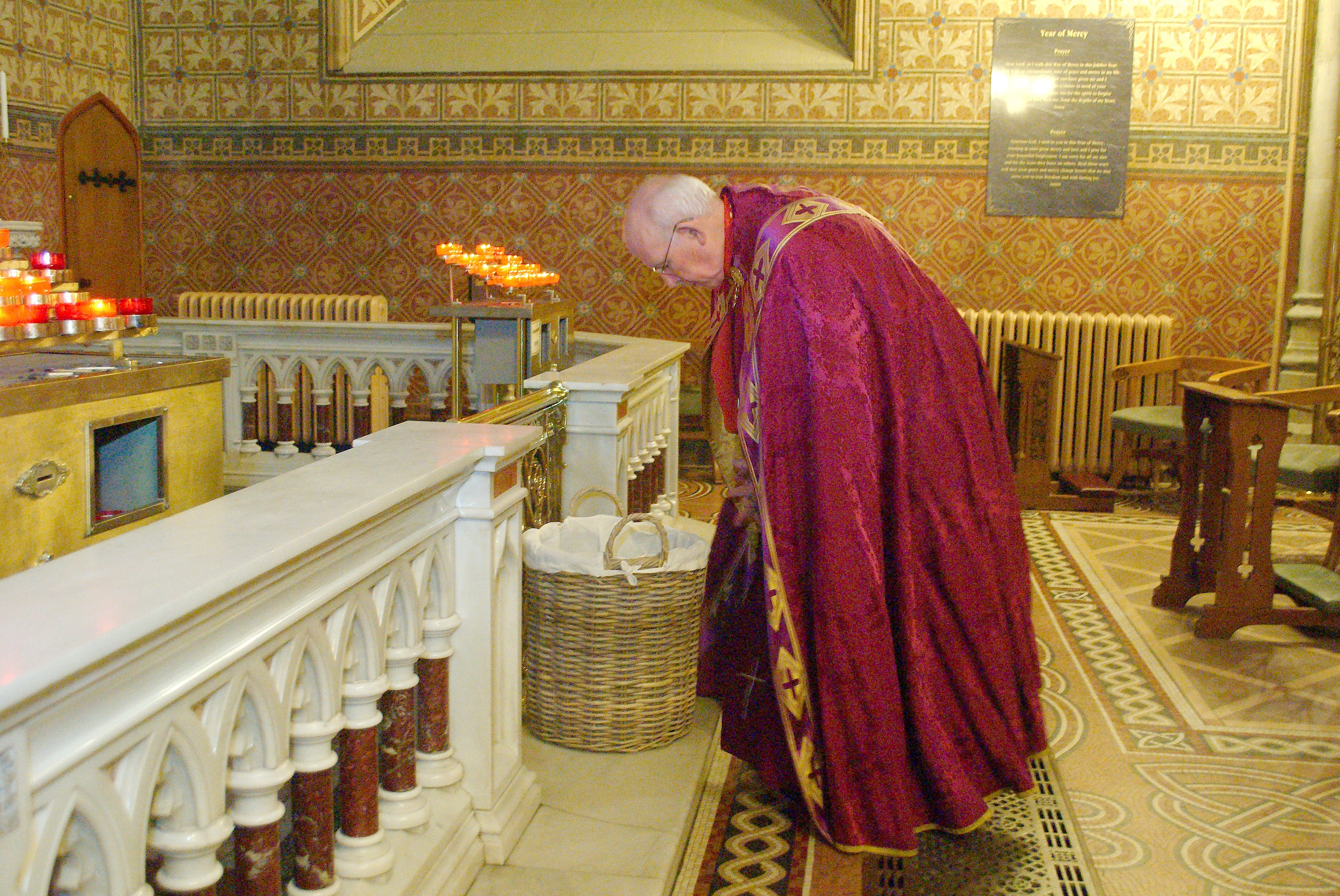
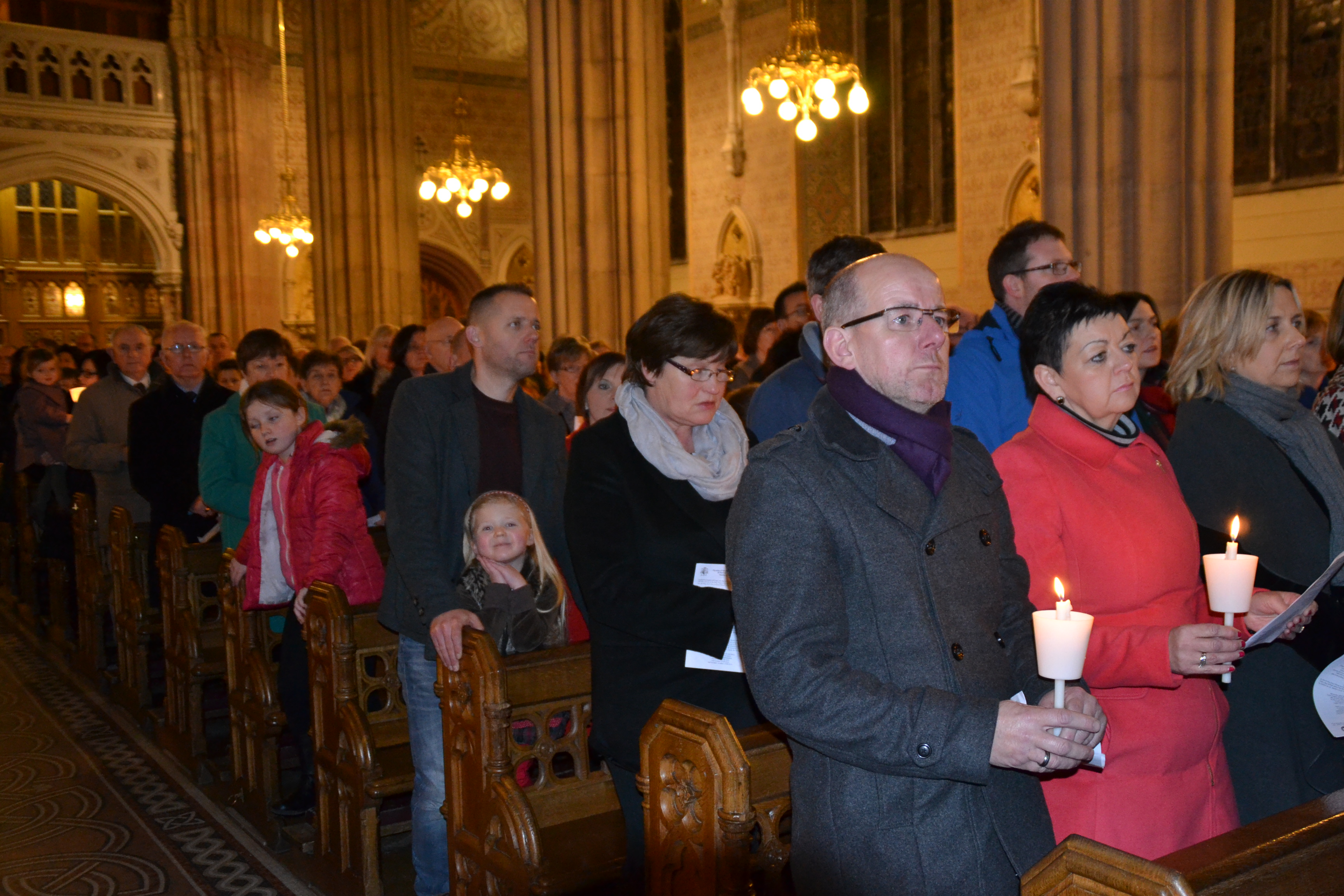
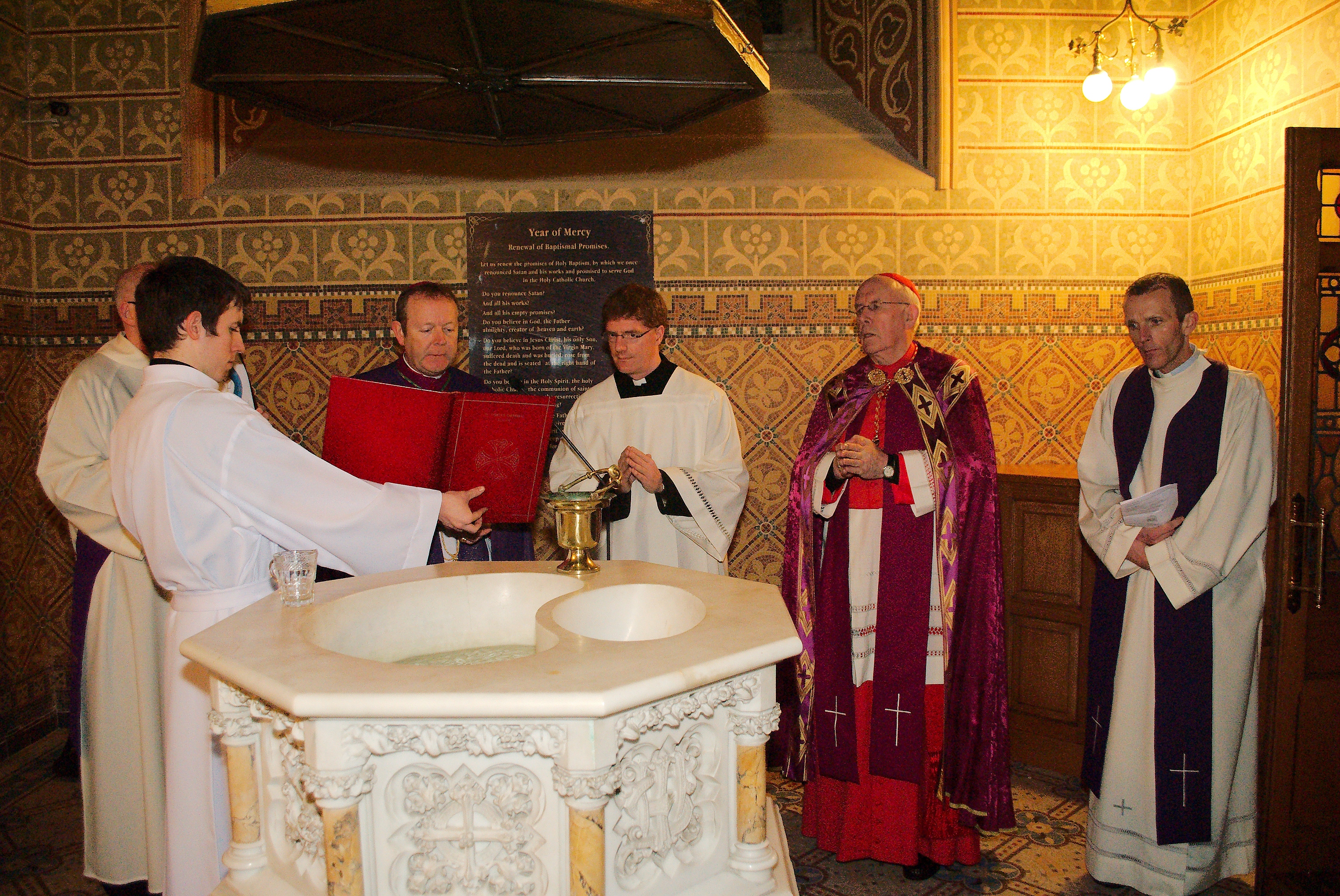
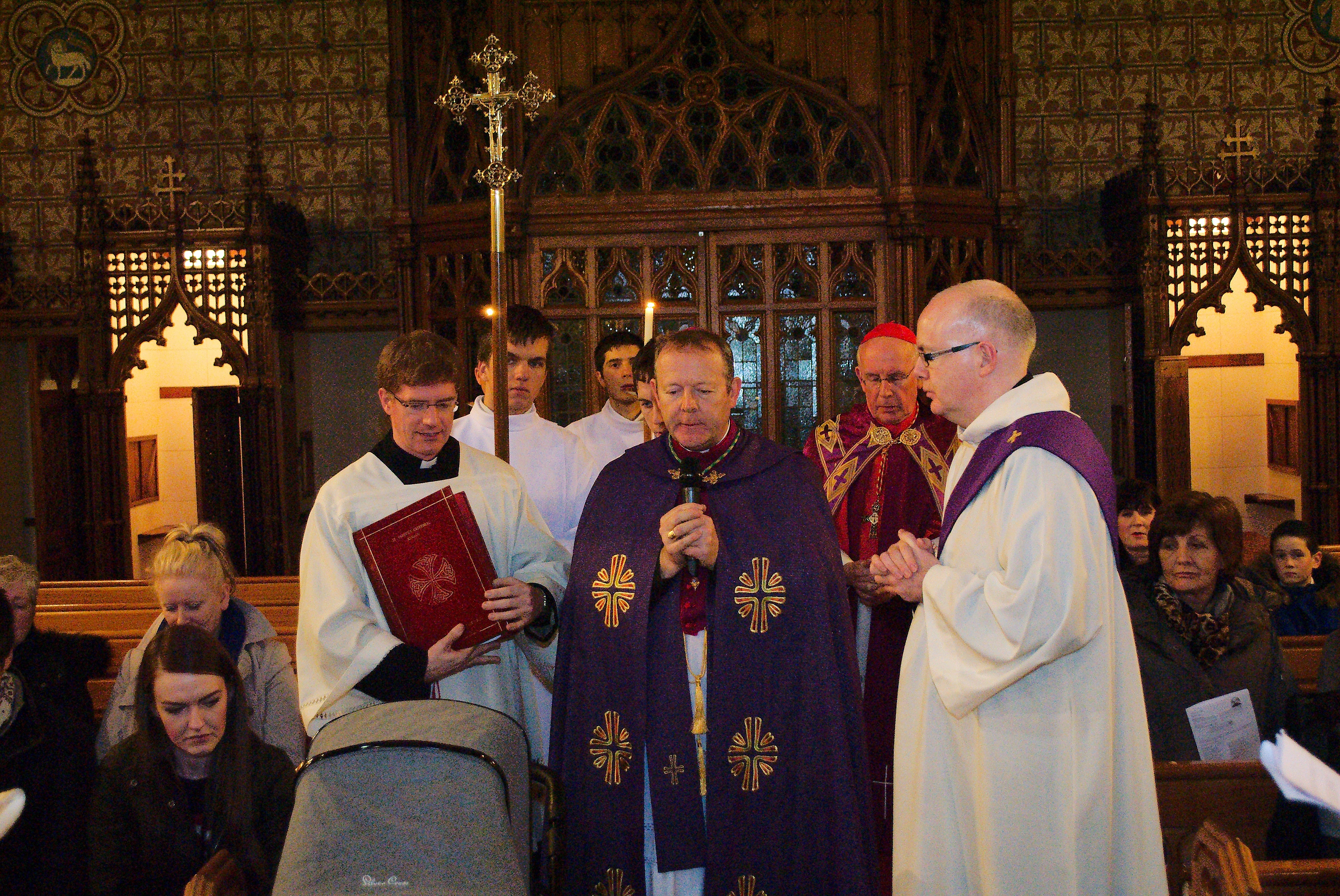
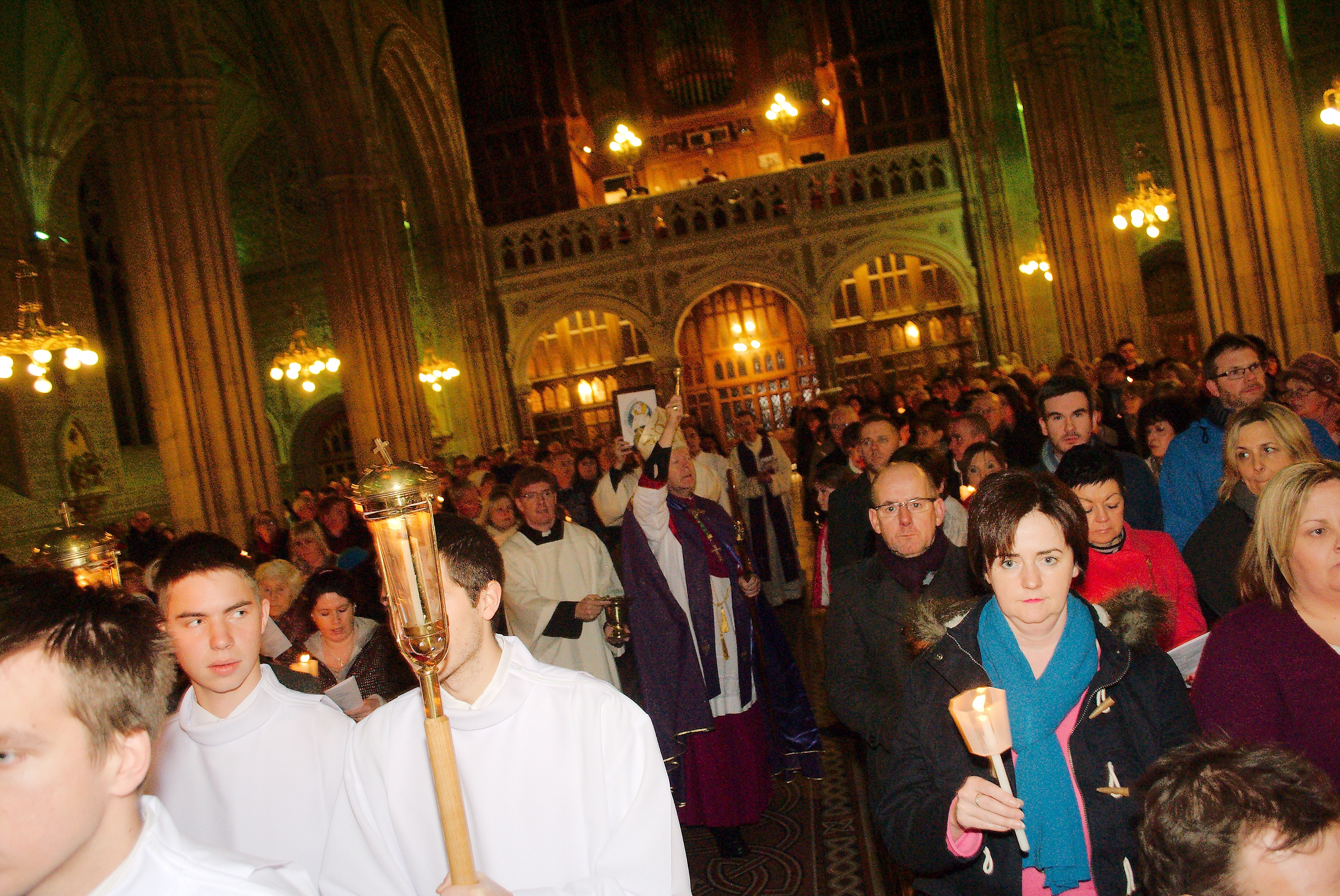
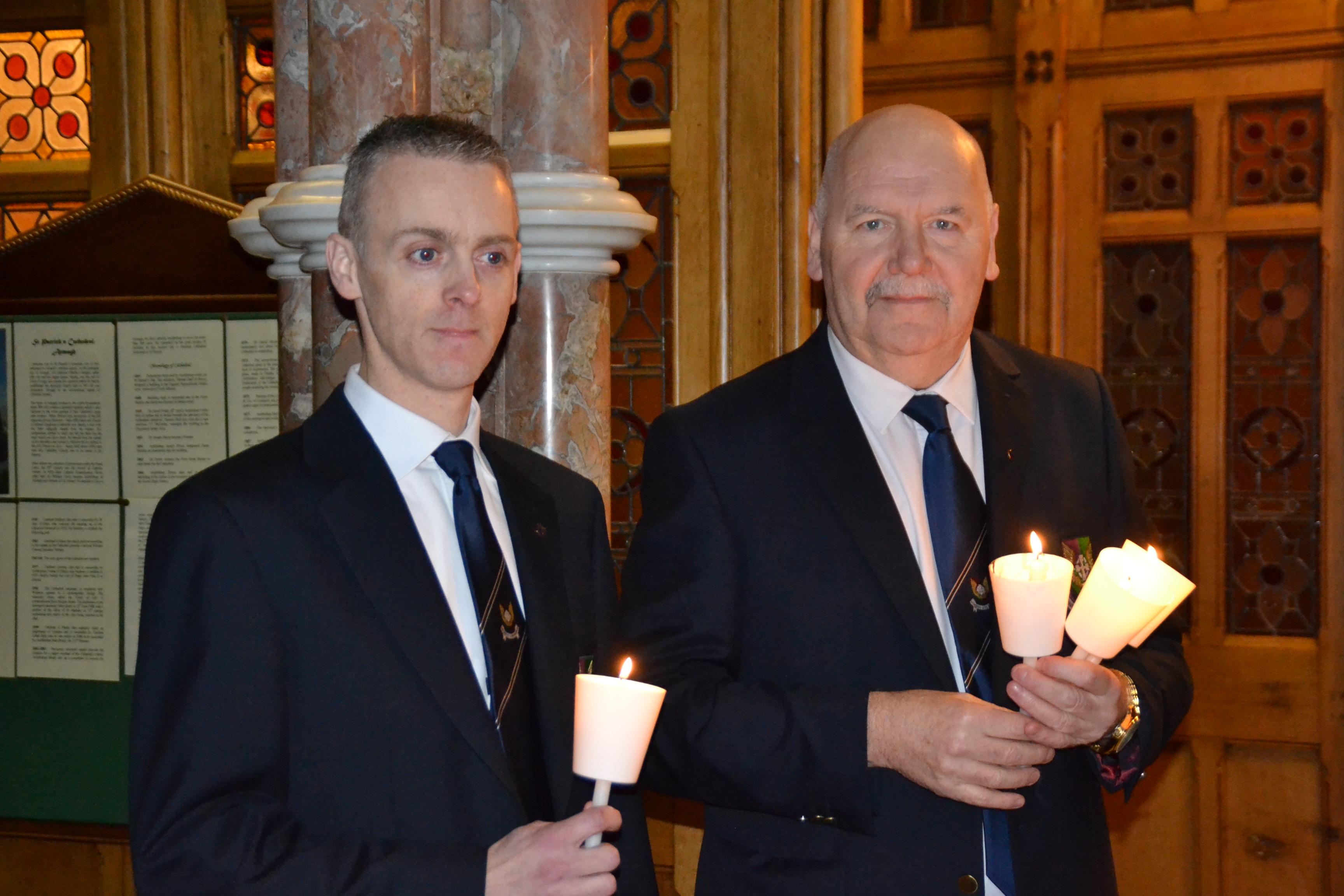
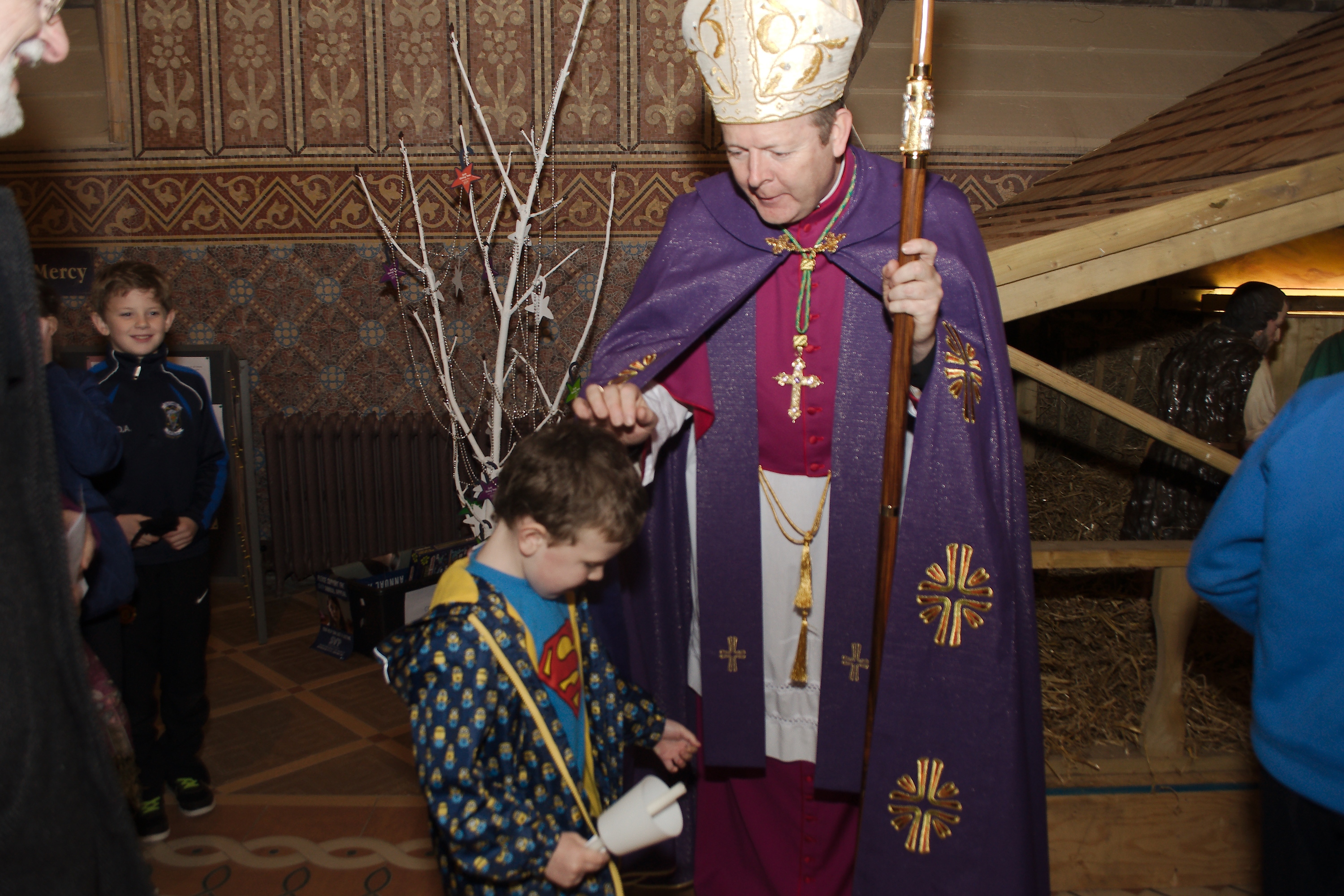
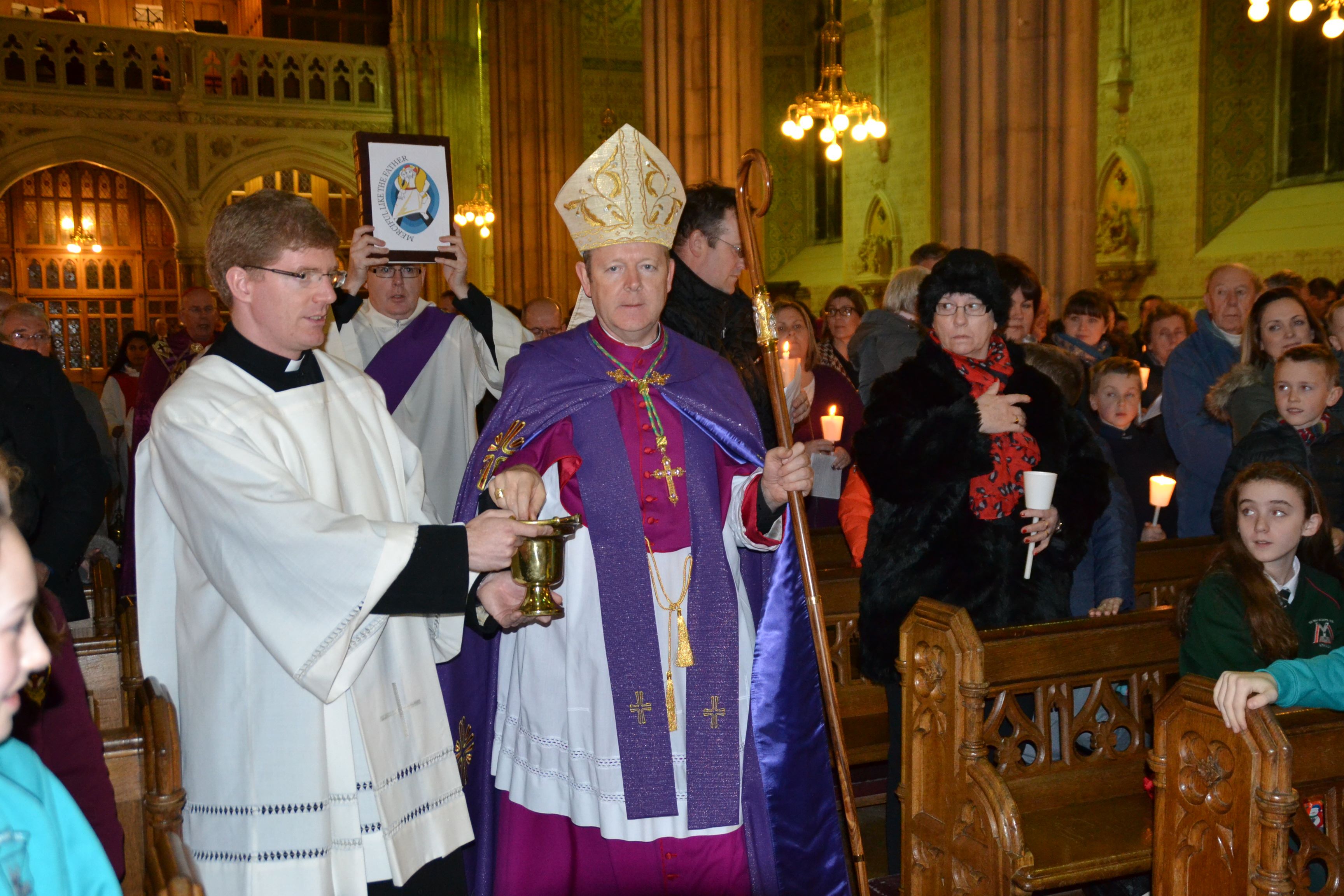
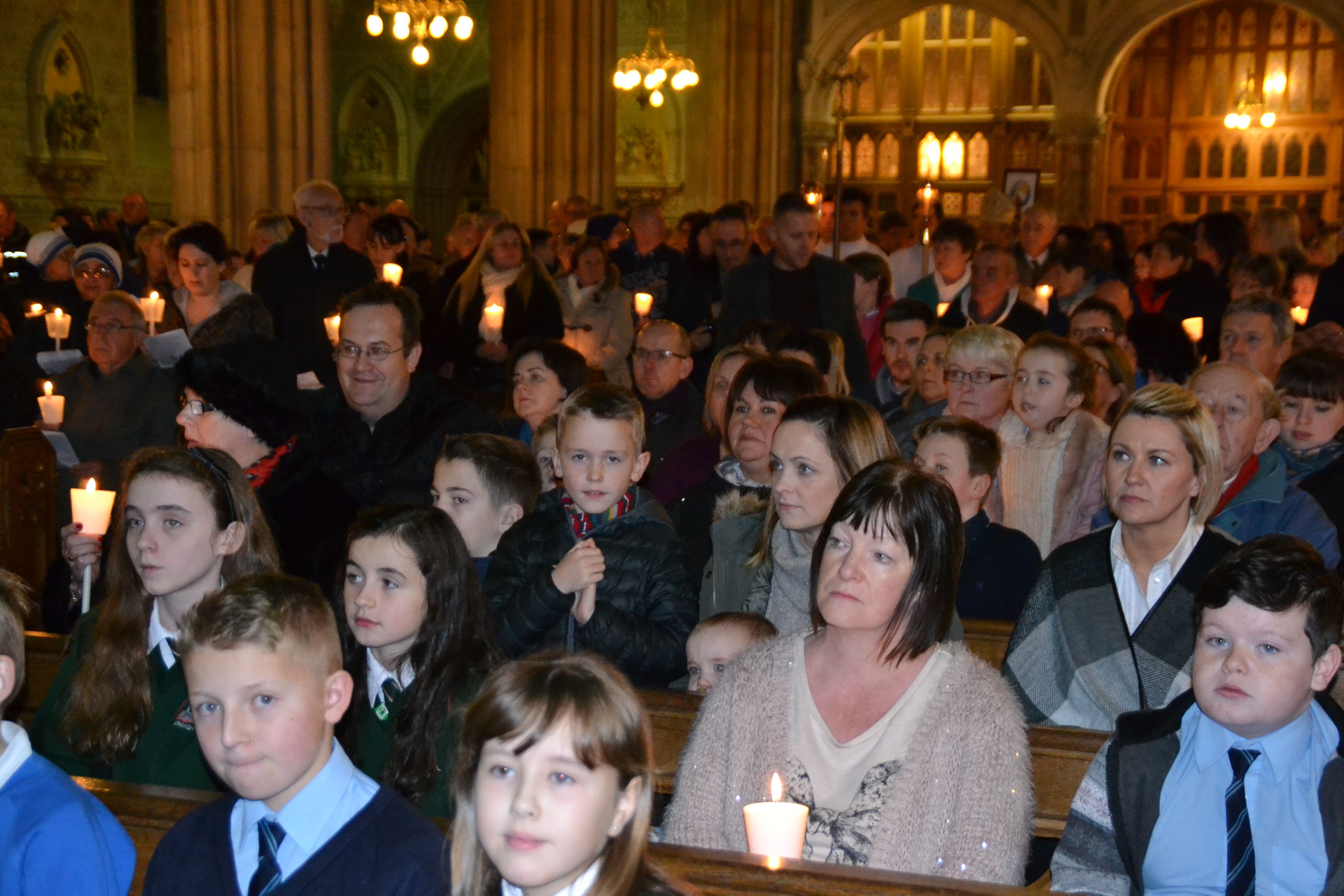
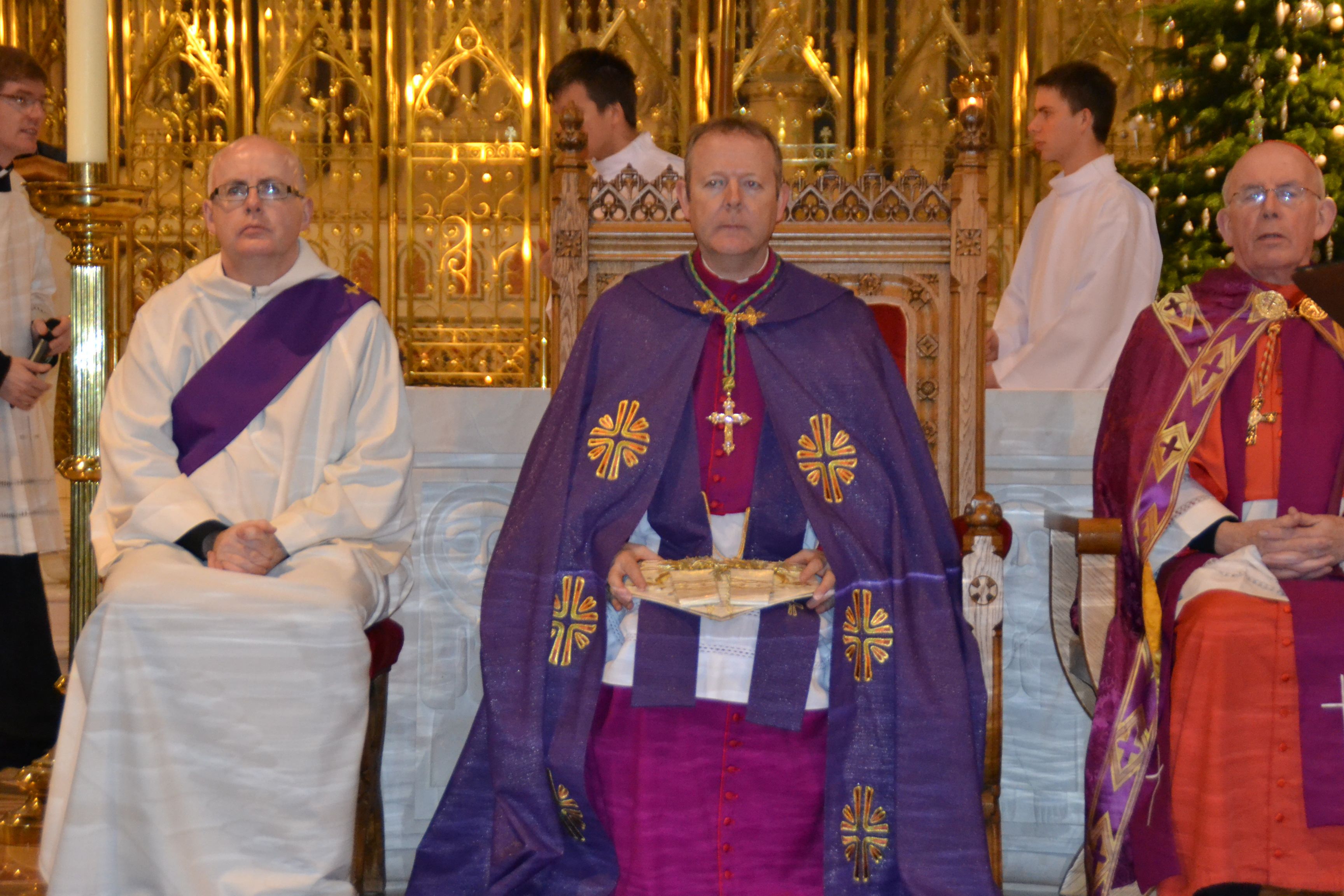
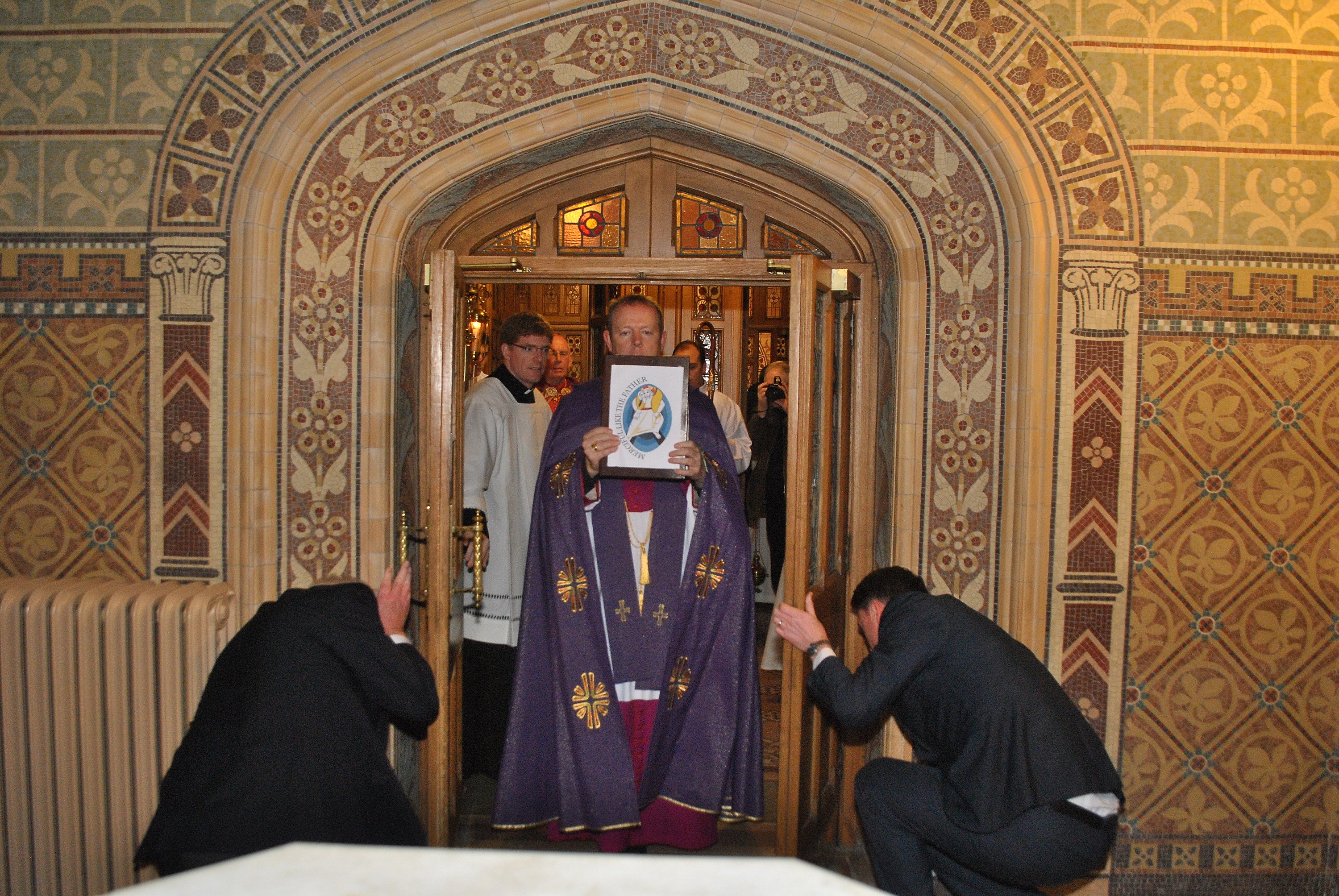
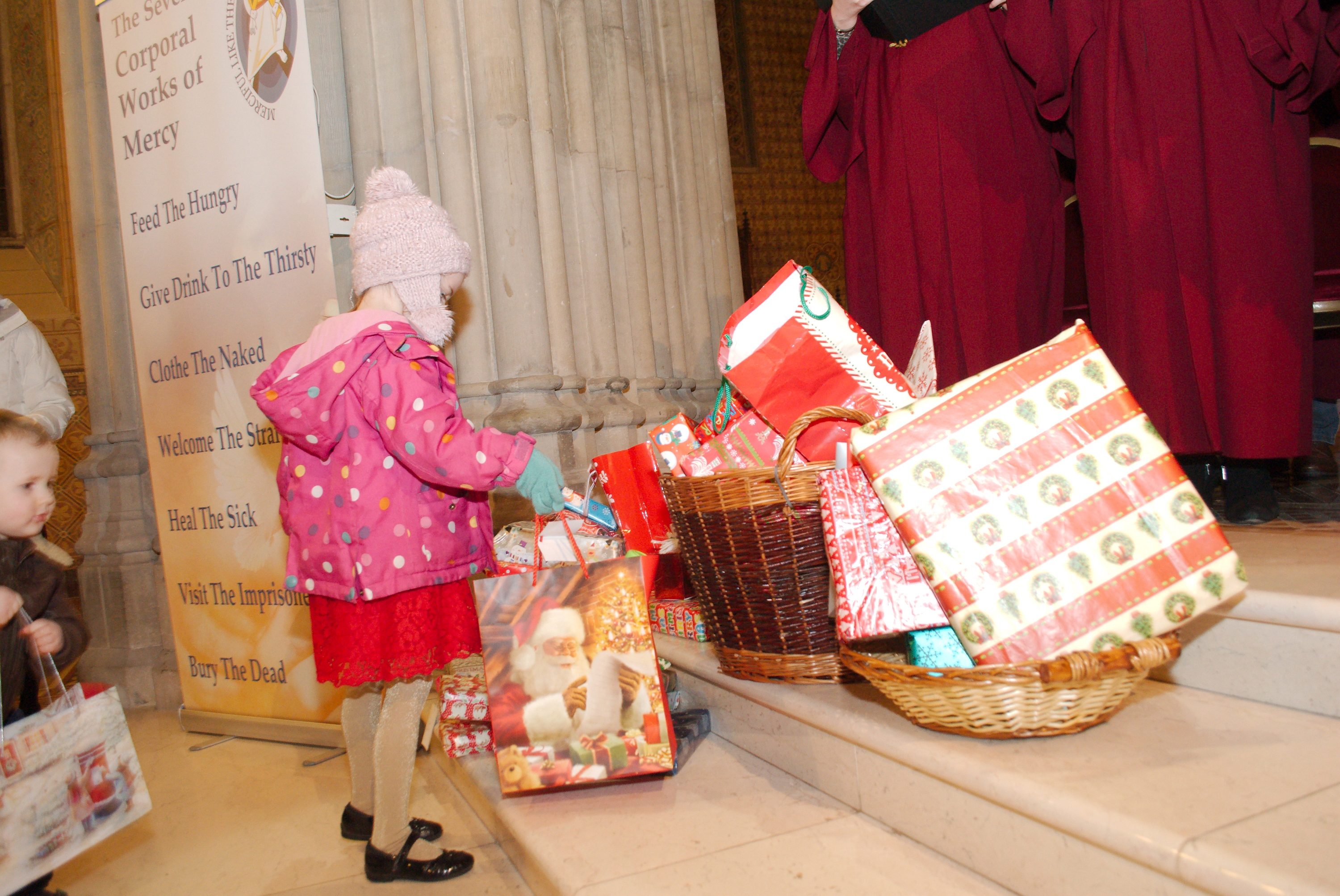
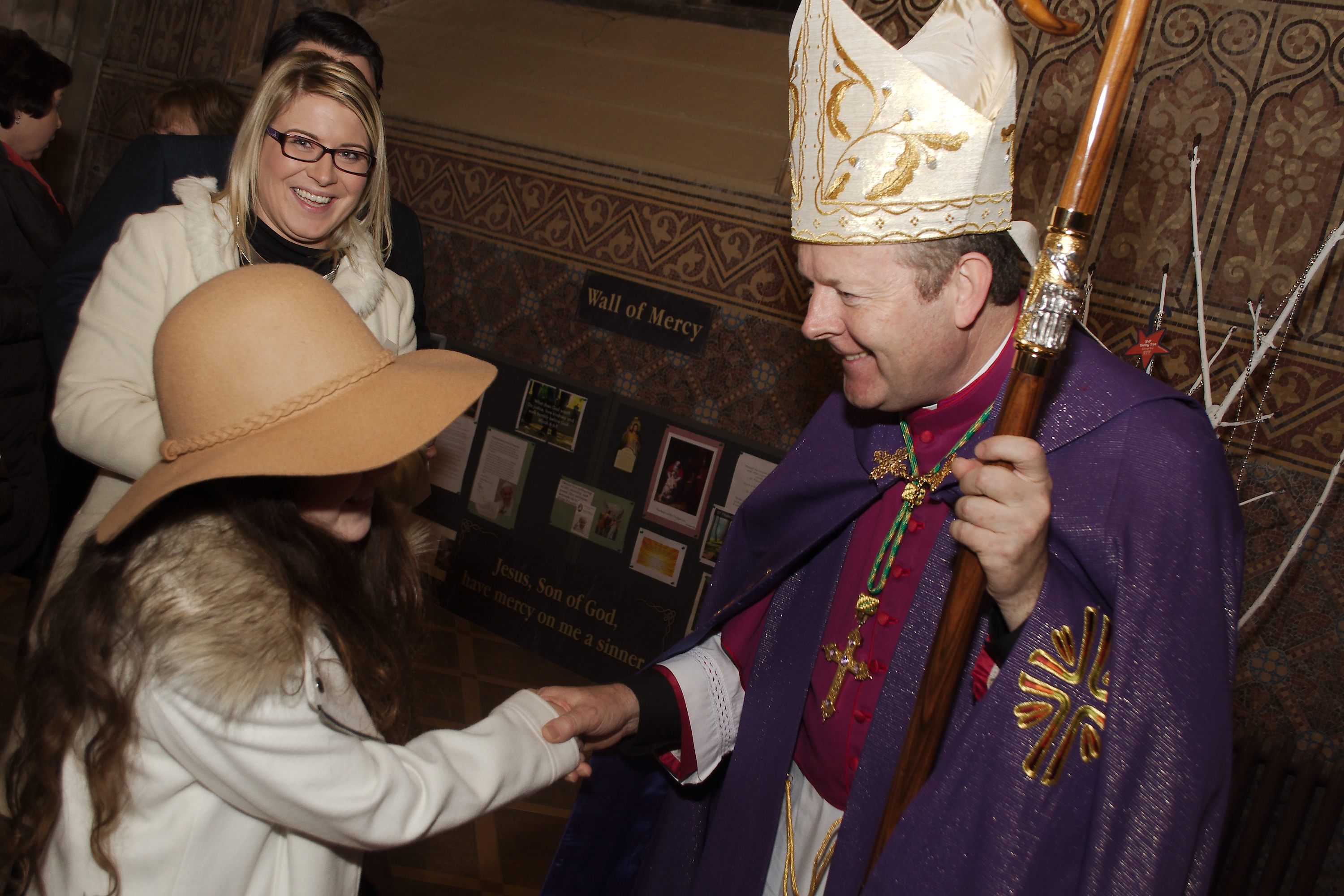
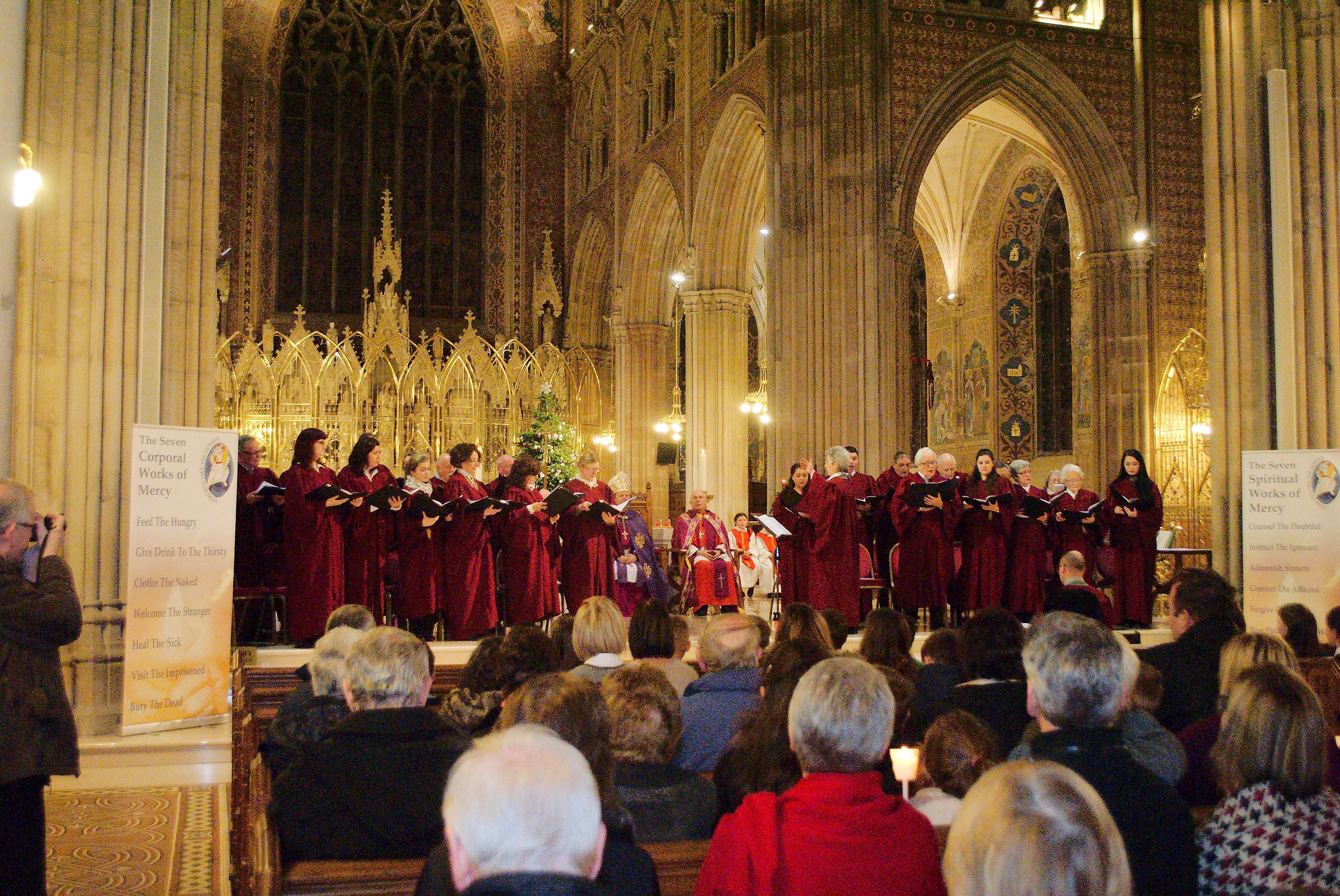
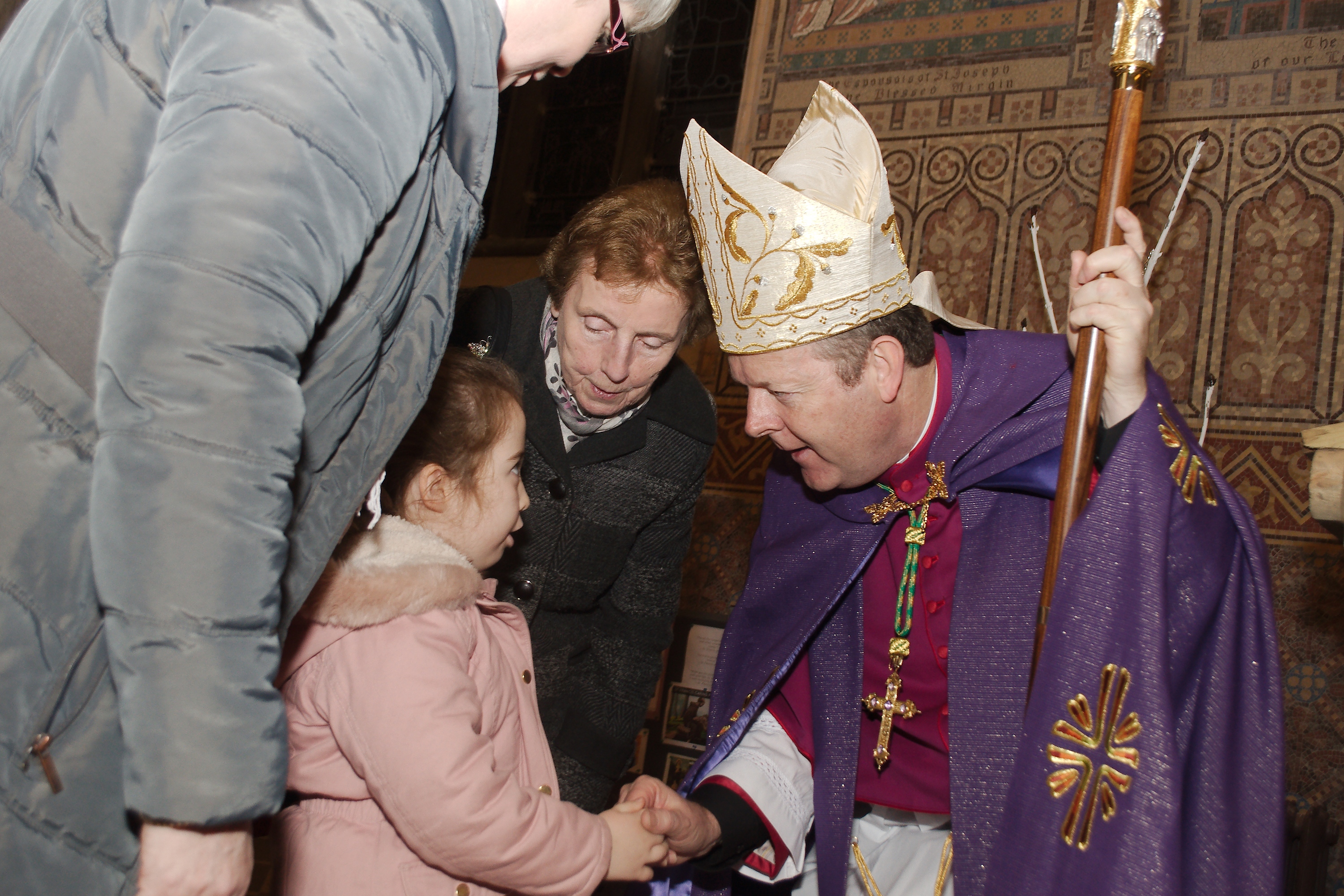
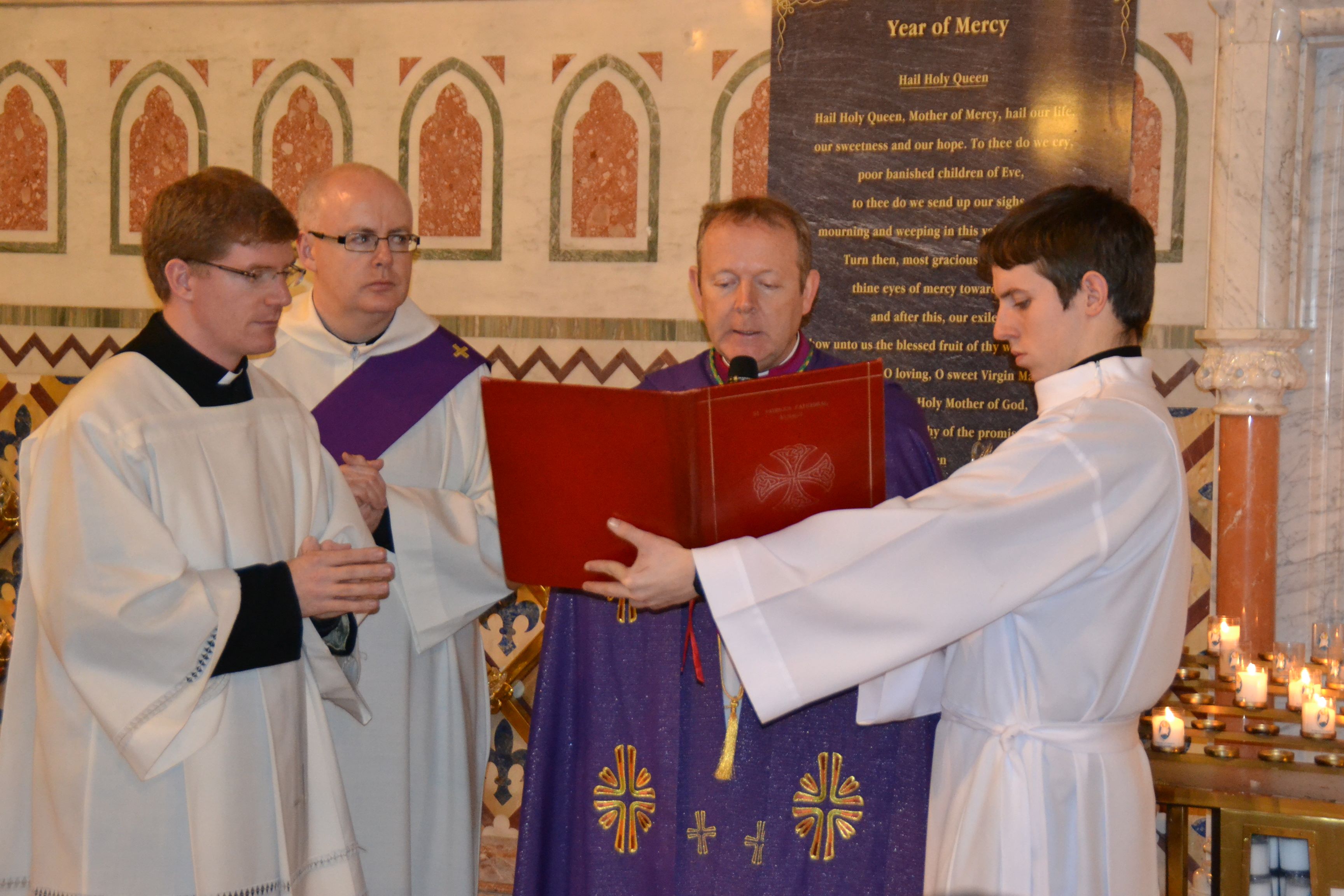
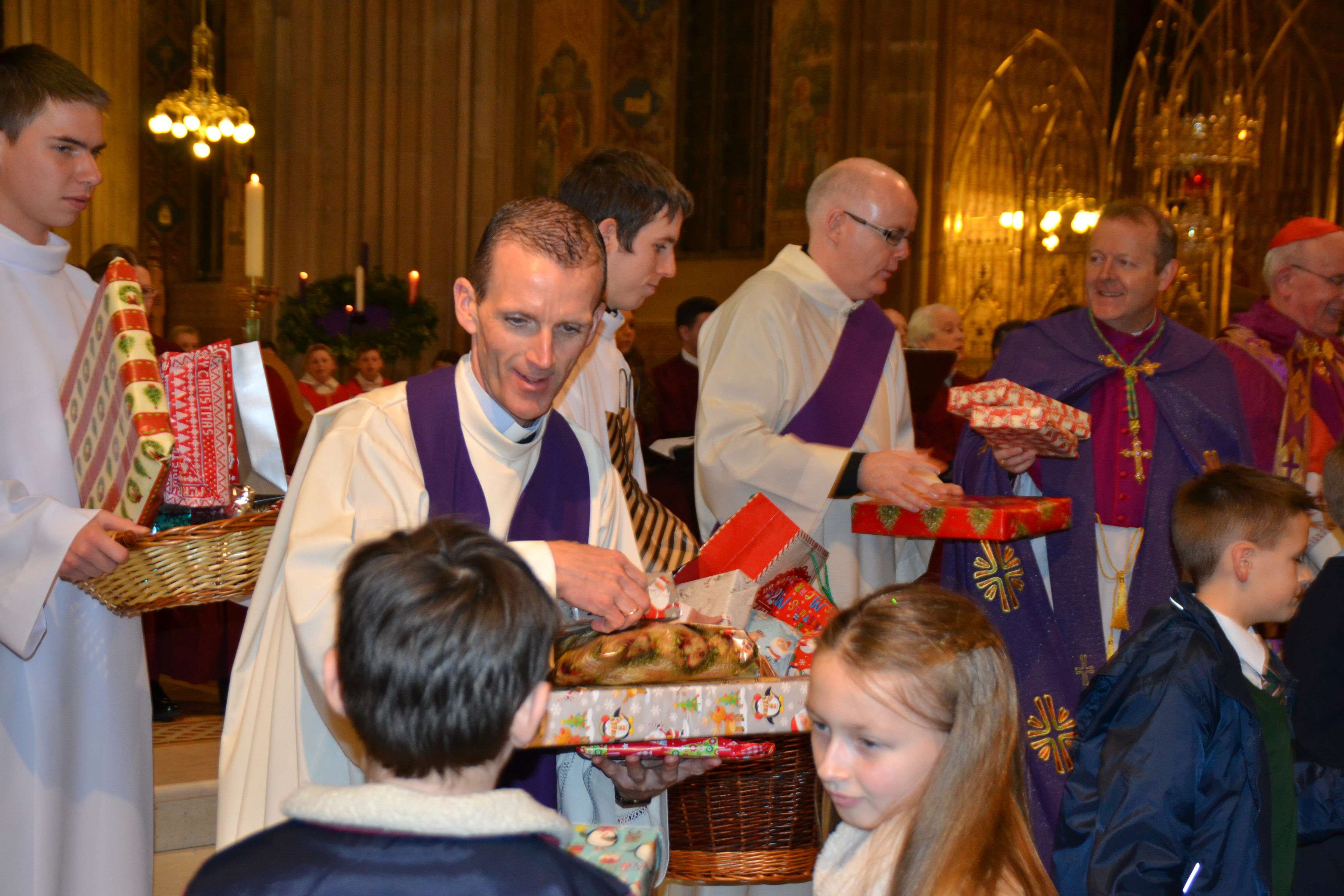
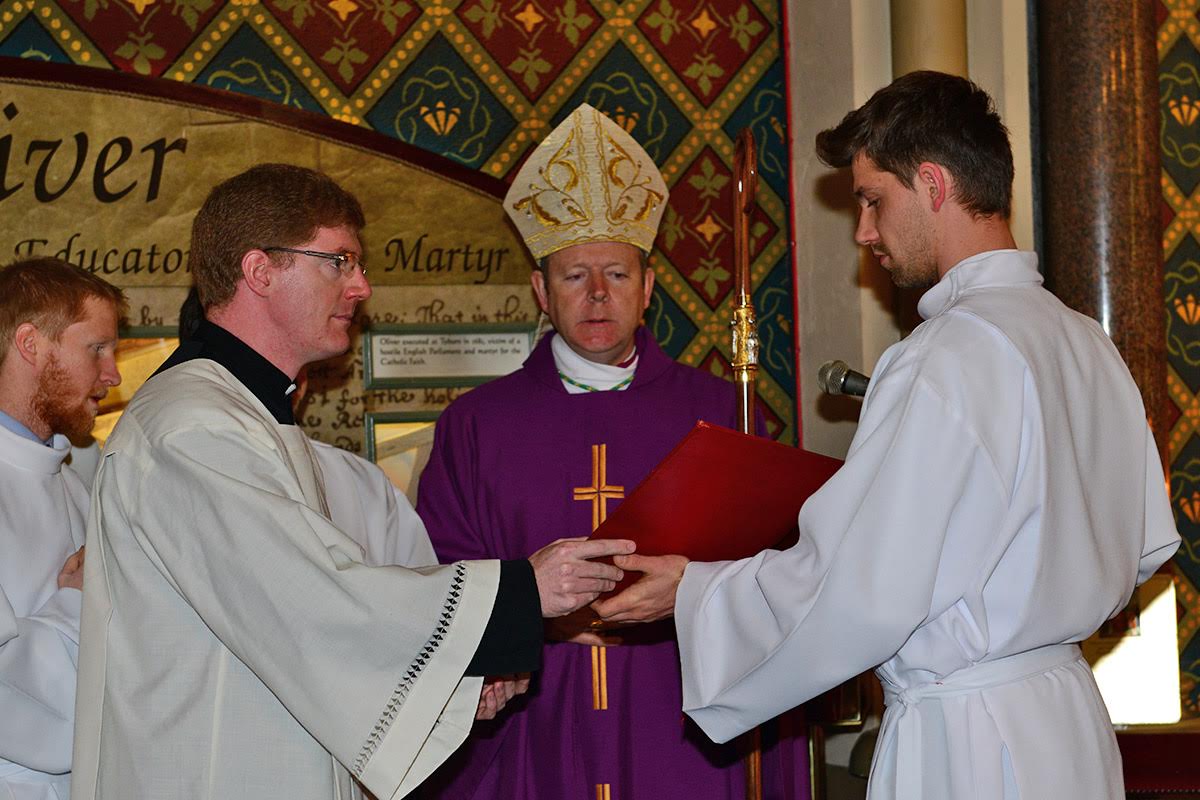
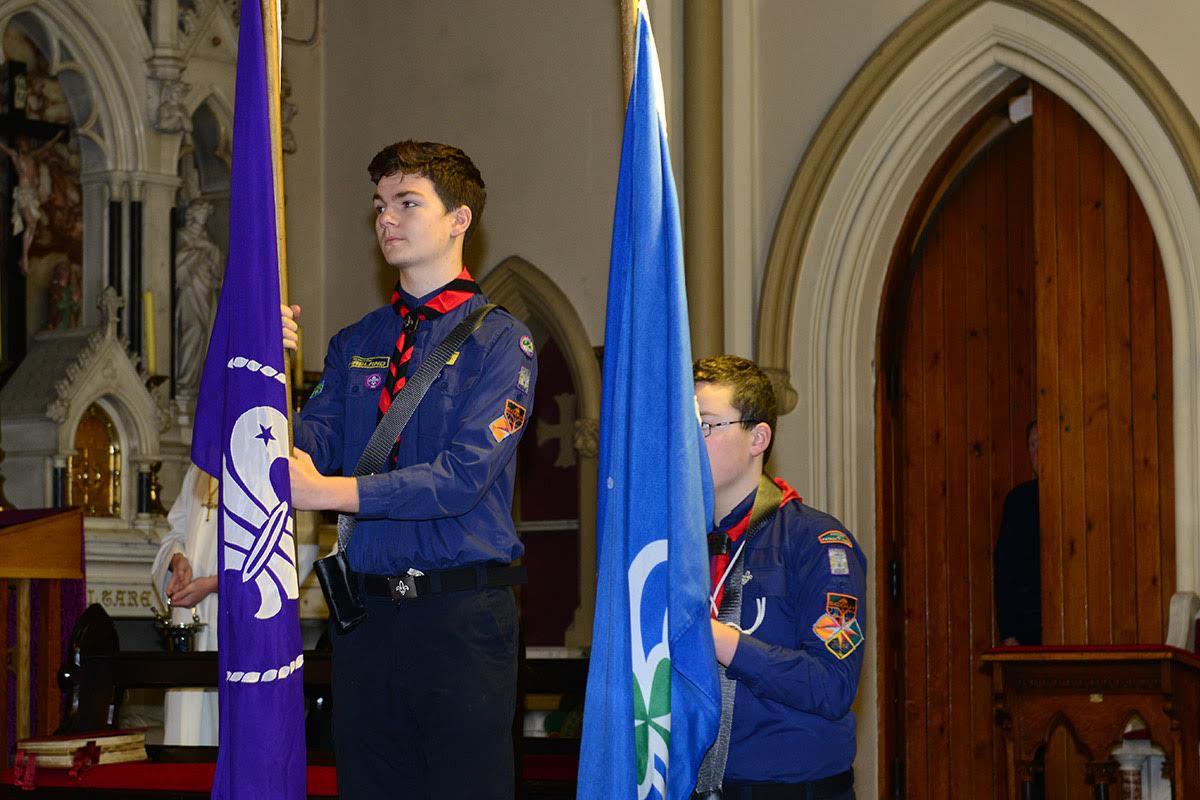
Opening of the Holy Door & Carol Service in Armagh Cathedral

The Year Of Mercy

YearofMercy


The Jubilee Year of Mercy was inaugurated on 8 December 2015, the solemnity of the Immaculate Conception and will run until 20 November 2016 which is the solemnity of Christ the King.  A jubilee refers to a special year of remission of sins and universal pardon. The Catholic Church has called jubilee years every 25 or 50 years since the year 1300 and has also called special jubilee years from time to time, known as extraordinary jubilee years. The last jubilee year was held in 2000 during the papacy of Saint John Paul II and was known as “the Great Jubilee.” The last extraordinary jubilee year was held in 1983 to celebrate 1,950 years since the death and resurrection of Jesus.


Read here Archbishop Eamon’s Pastoral letter for the Year of Mercy.

Pope Francis issued an Apostolic Letter for the Jubilee of Mercy.

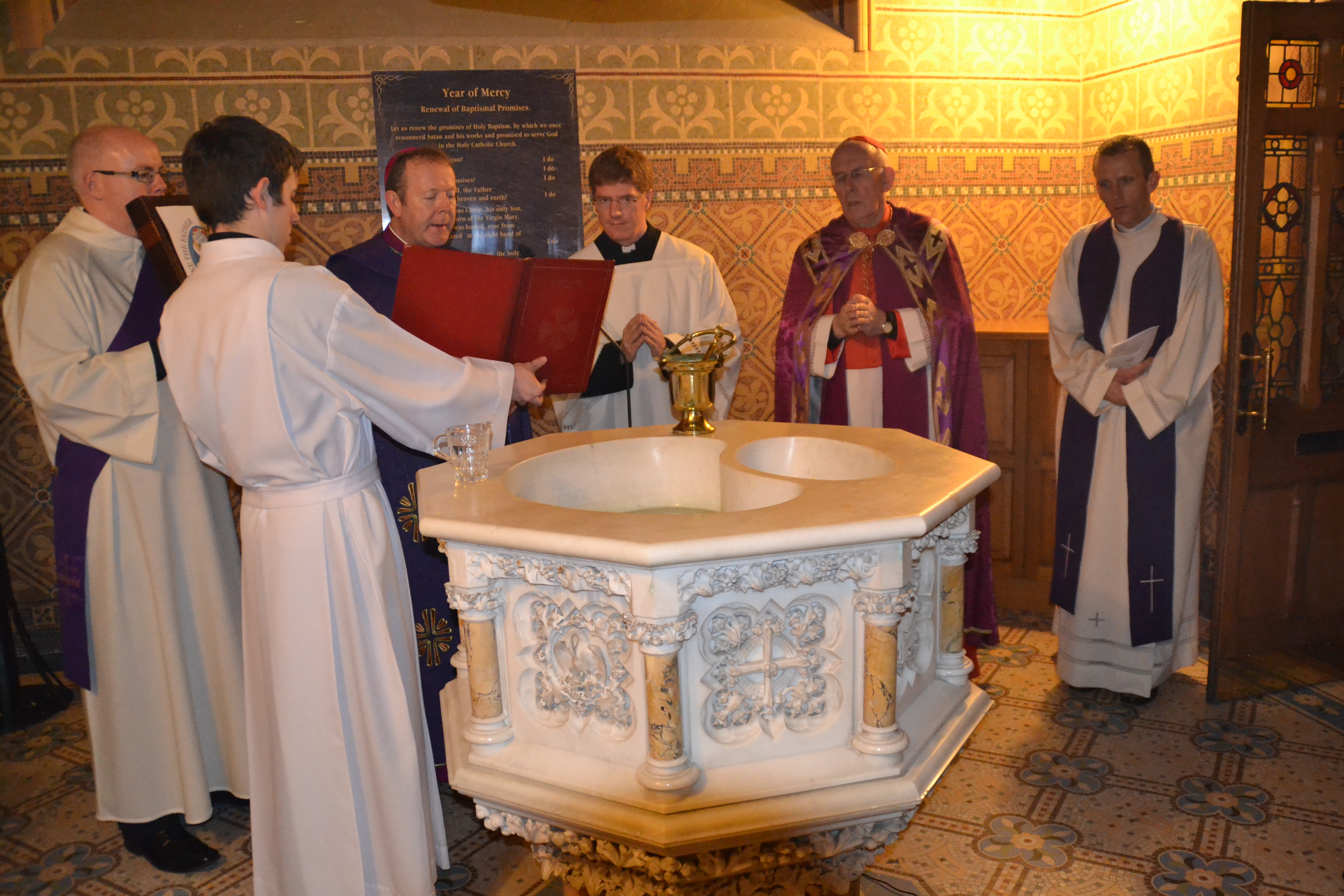
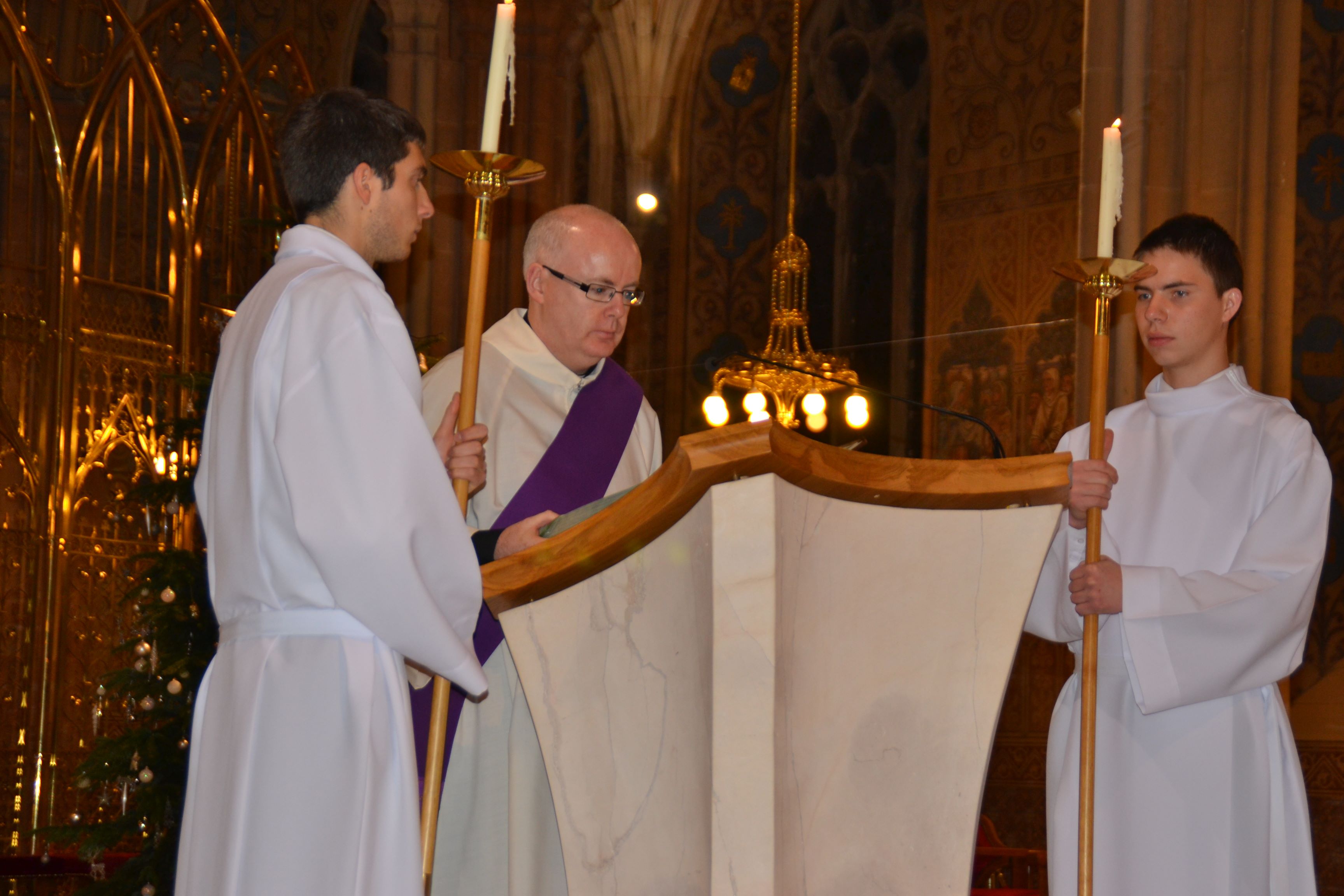
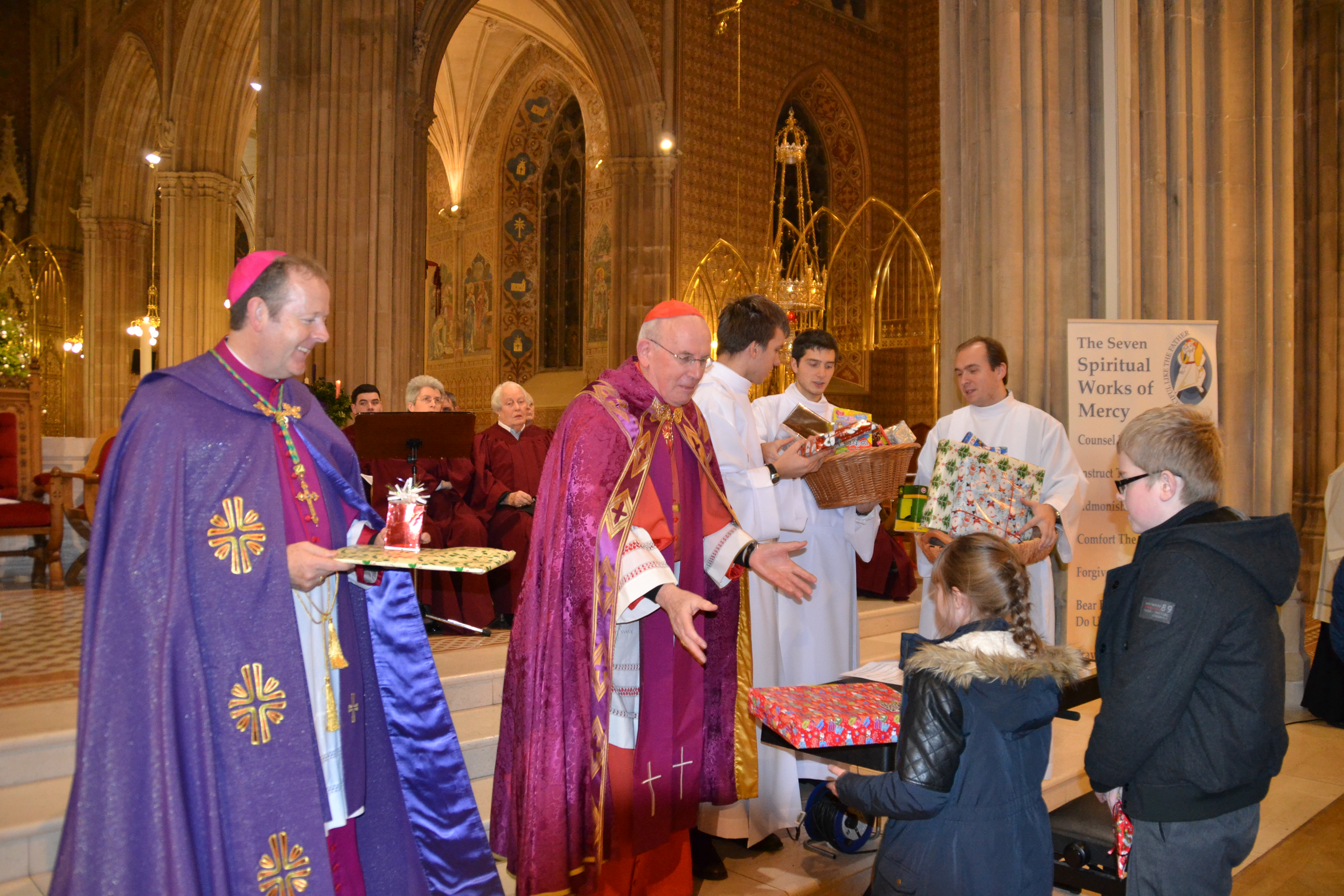
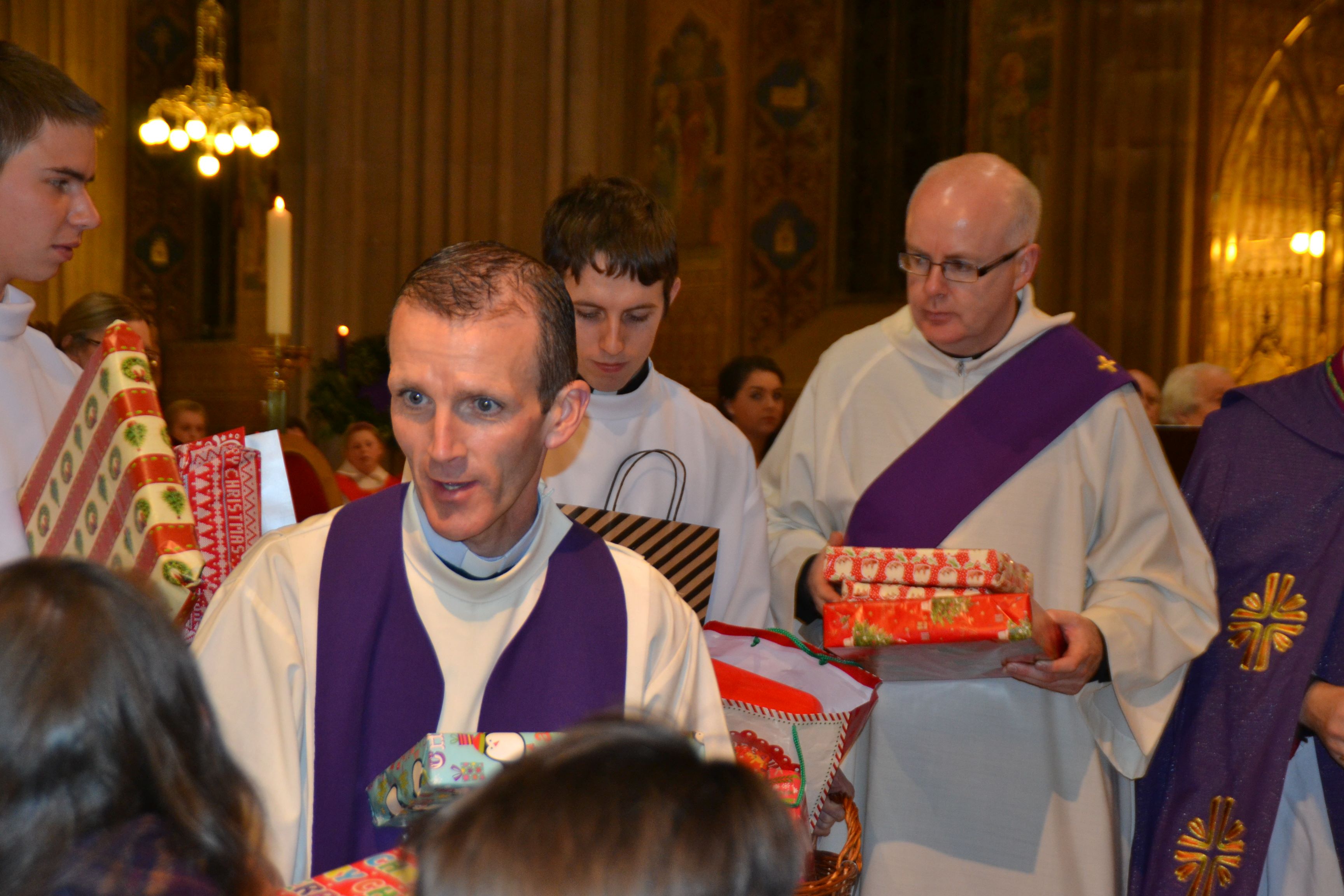
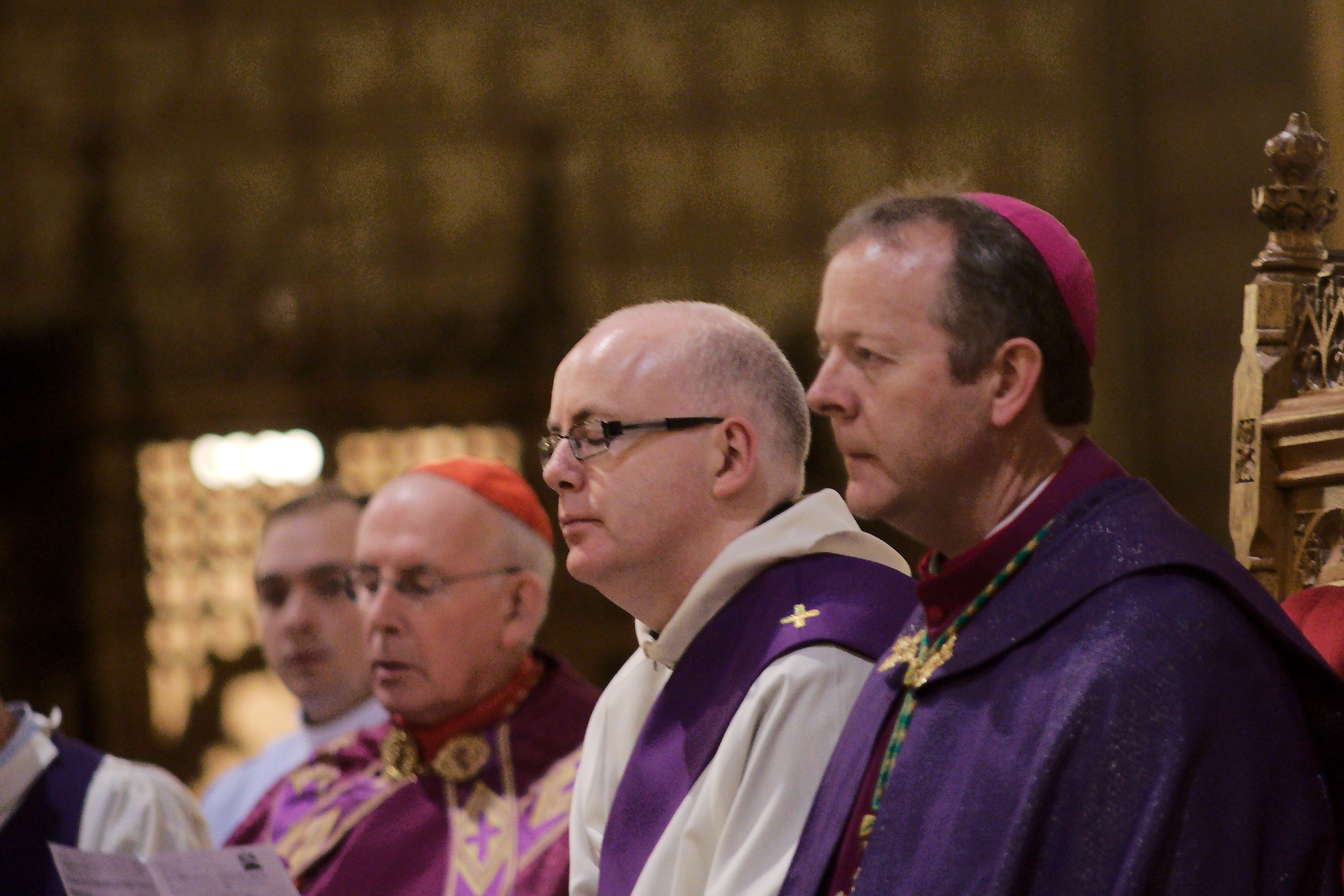
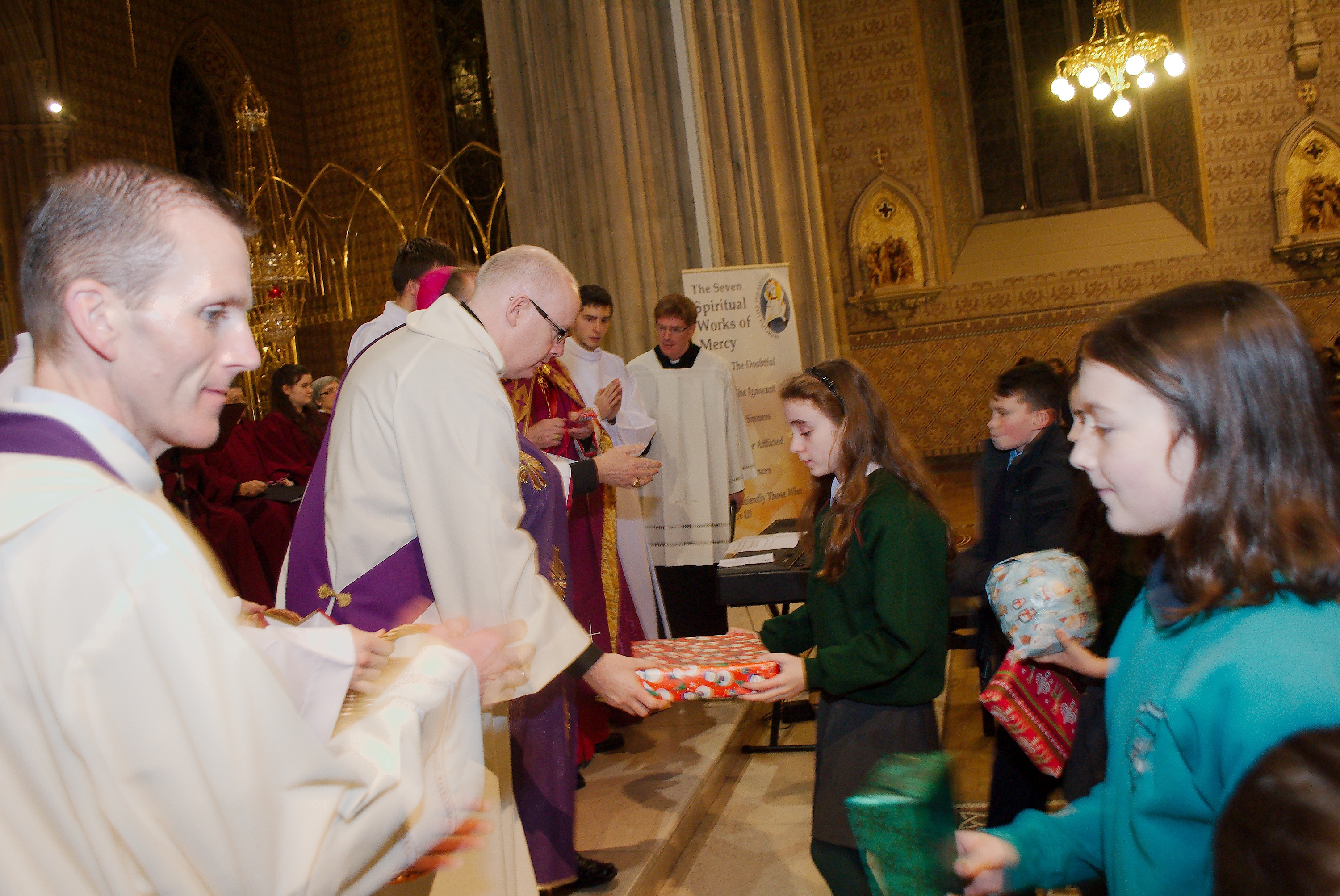
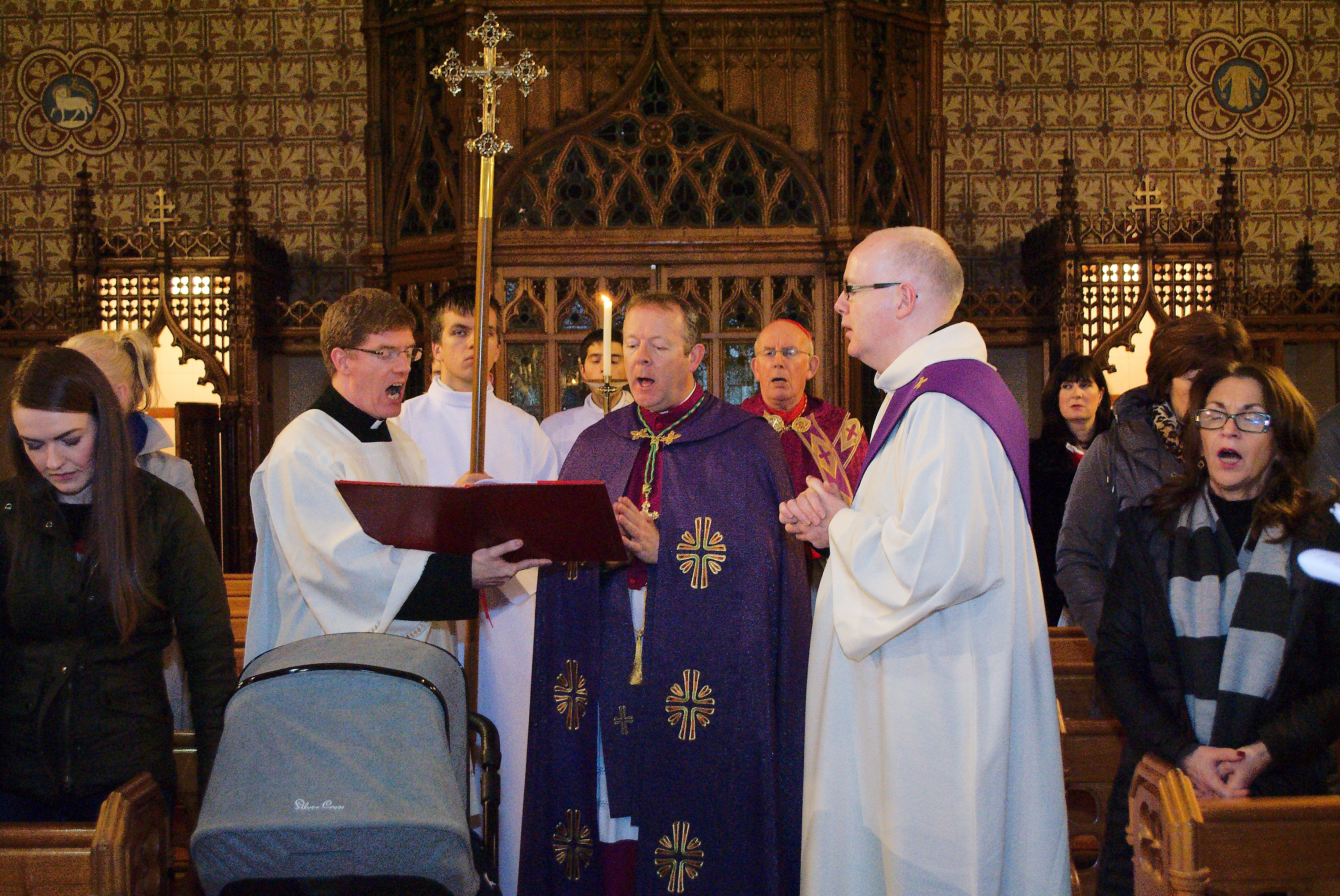
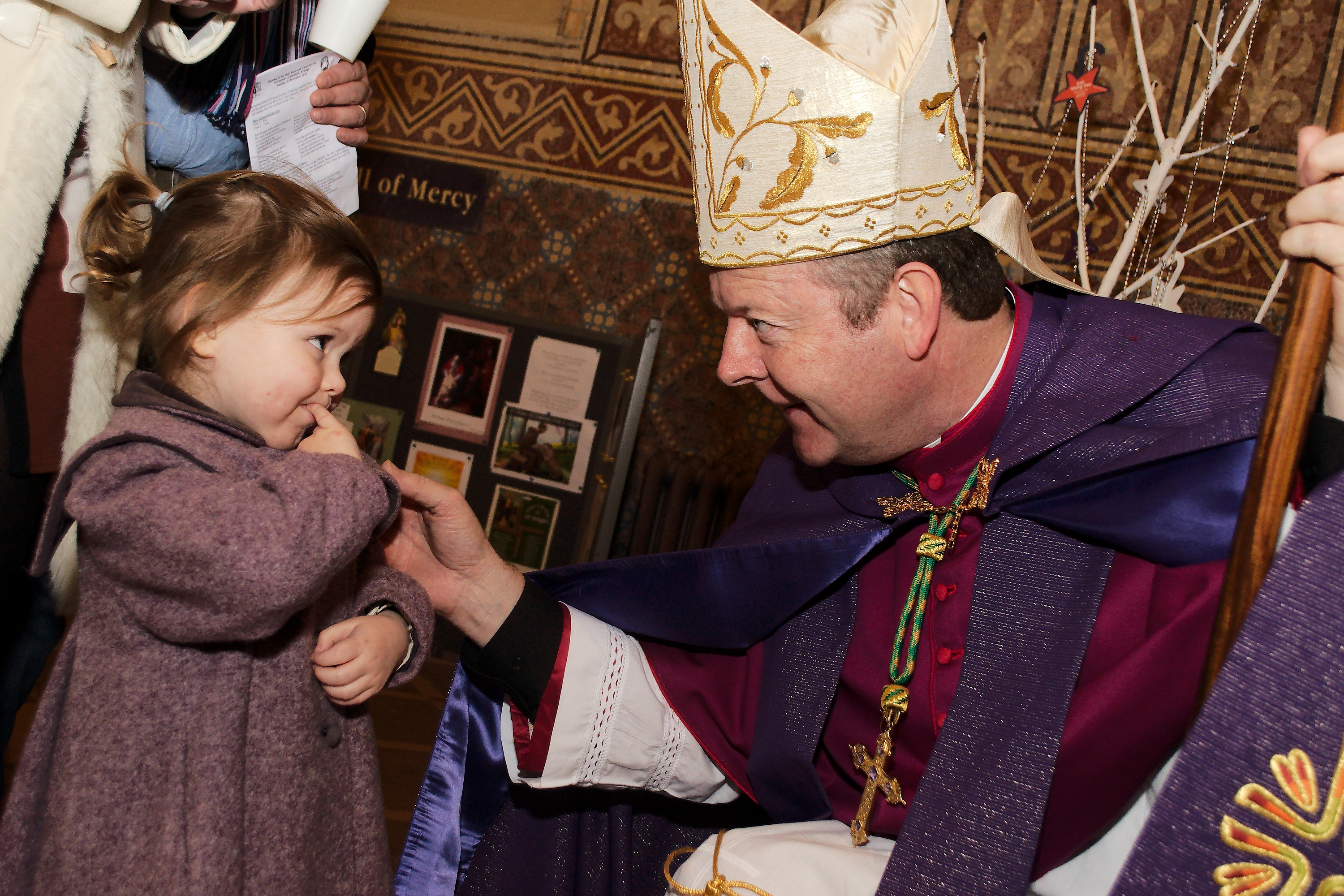
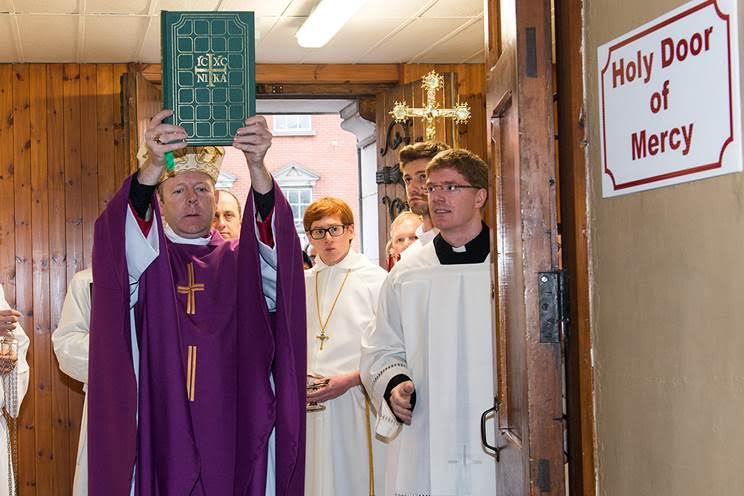
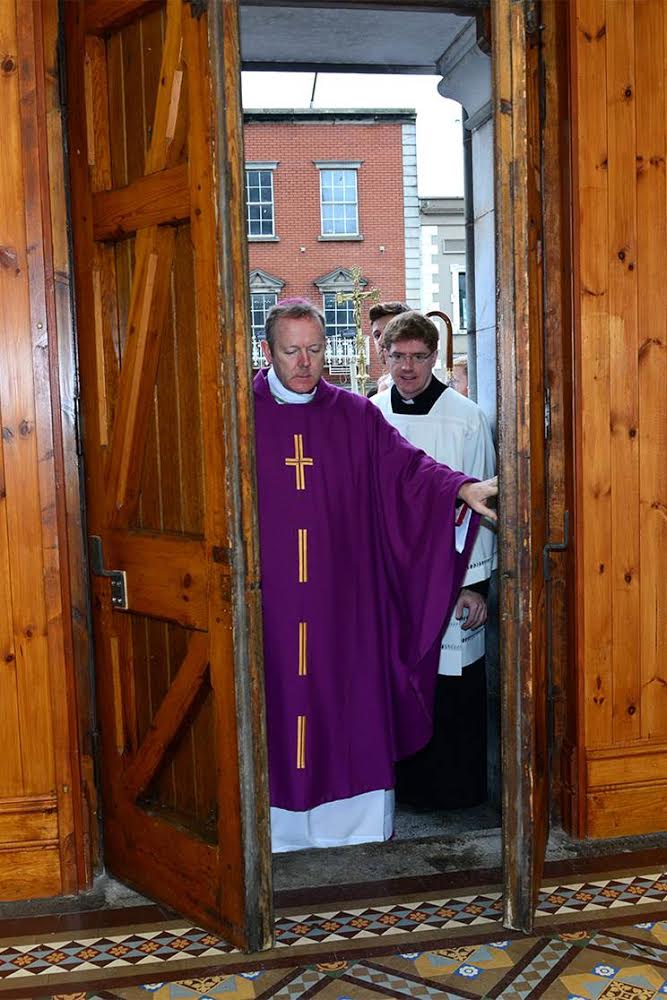
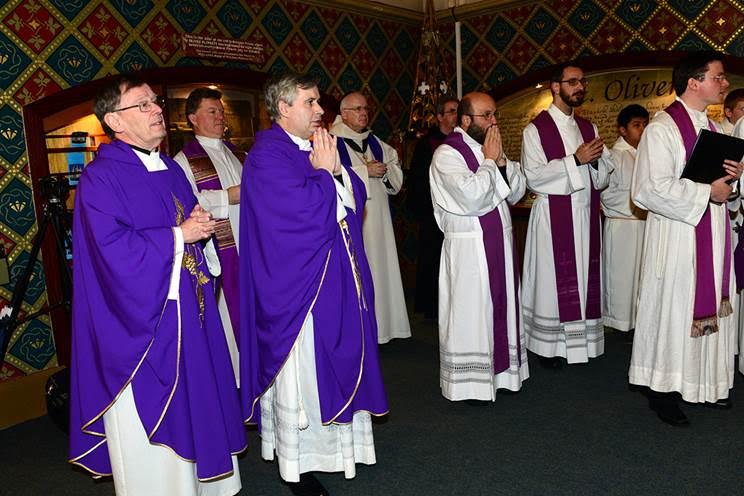
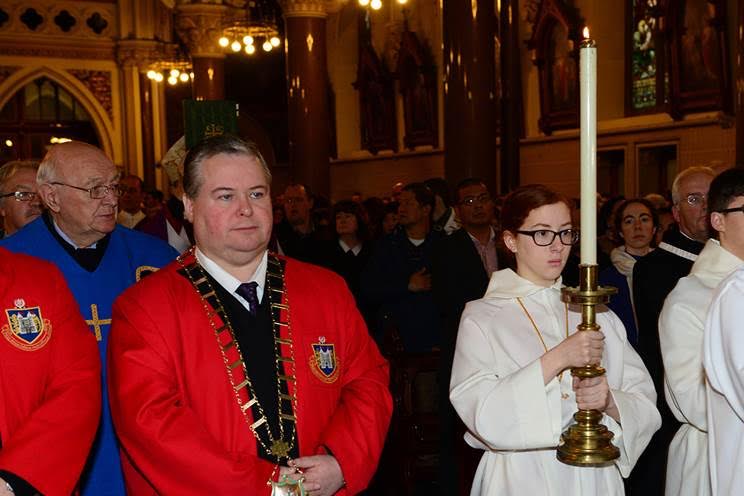
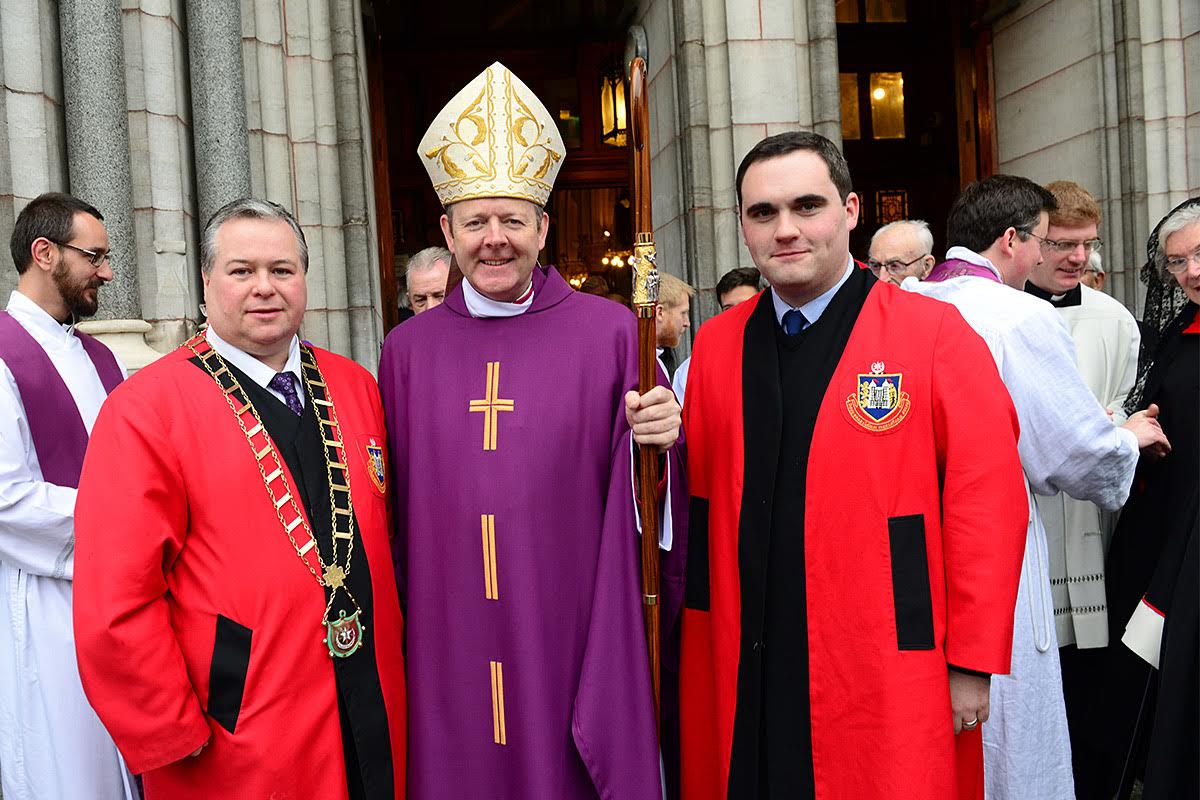
Have a look at some photos from the Opening of the Holy Doors in Armagh and also in Drogheda.


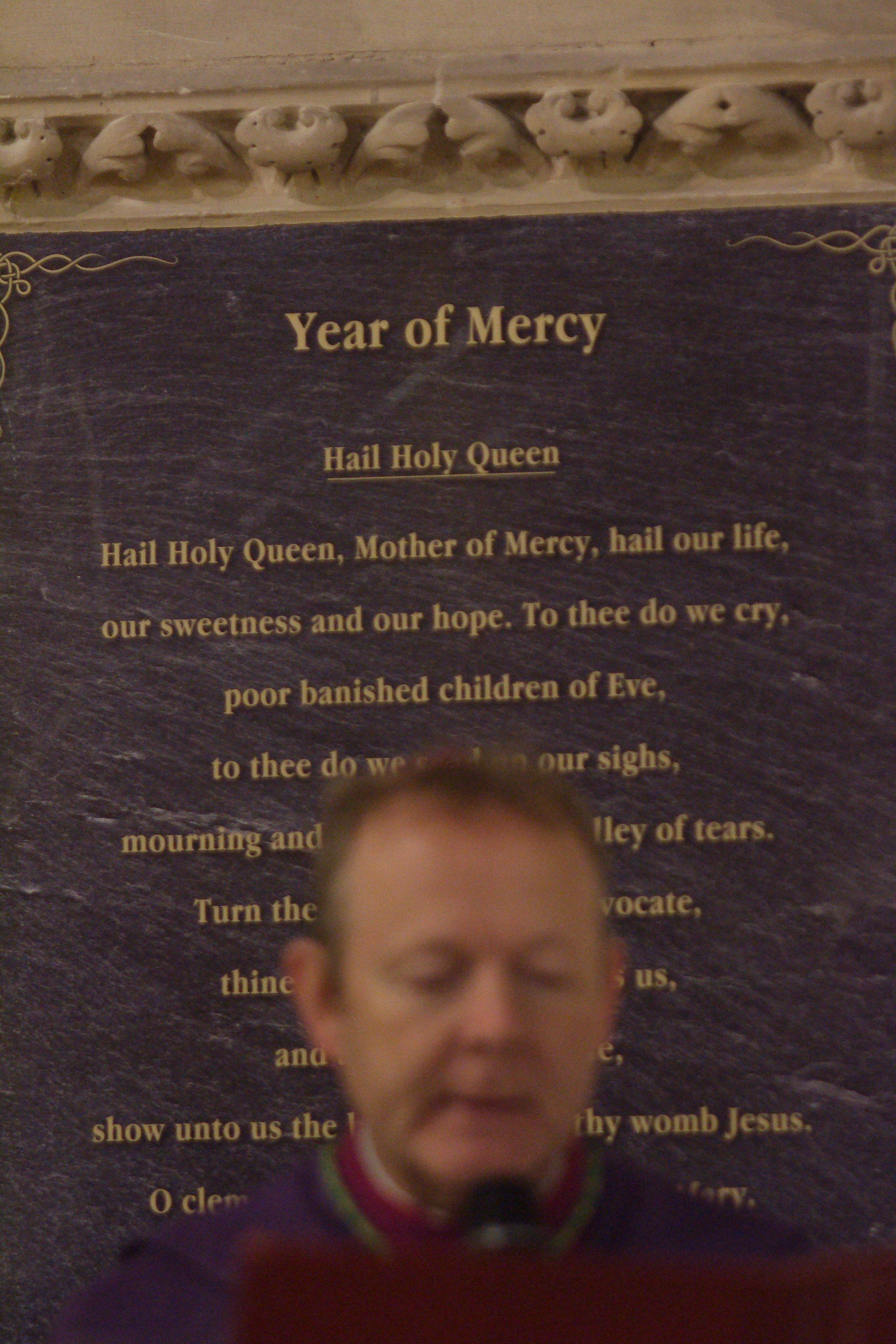
Prayer for the Jubilee of Mercy

Lord Jesus Christ,
you have taught us to be merciful like the heavenly Father,
and have told us that whoever sees you sees Him.
Show us your face and we will be saved.
Your loving gaze freed Zacchaeus and Matthew from being enslaved by money;
the adulteress and Magdalene from seeking happiness only in created things;
made Peter weep after his betrayal,
and assured Paradise to the repentant thief.
Let us hear, as if addressed to each one of us, the words that you spoke to the Samaritan woman:
“If you knew the gift of God!”

You are the visible face of the invisible Father,
of the God who manifests his power above all by forgiveness and mercy:
let the Church be your visible face in the world, its Lord risen and glorified.
You willed that your ministers would also be clothed in weakness
in order that they may feel compassion for those in ignorance and error:
let everyone who approaches them feel sought after, loved, and forgiven by God.

Send your Spirit and consecrate every one of us with its anointing,
so that the Jubilee of Mercy may be a year of grace from the Lord,
and your Church, with renewed enthusiasm, may bring good news to the poor,
proclaim liberty to captives and the oppressed,
and restore sight to the blind.

We ask this of you, Lord Jesus, through the intercession of Mary, Mother of
Mercy; you who live and reign with the Father and the Holy Spirit for ever and
ever.

Amen.


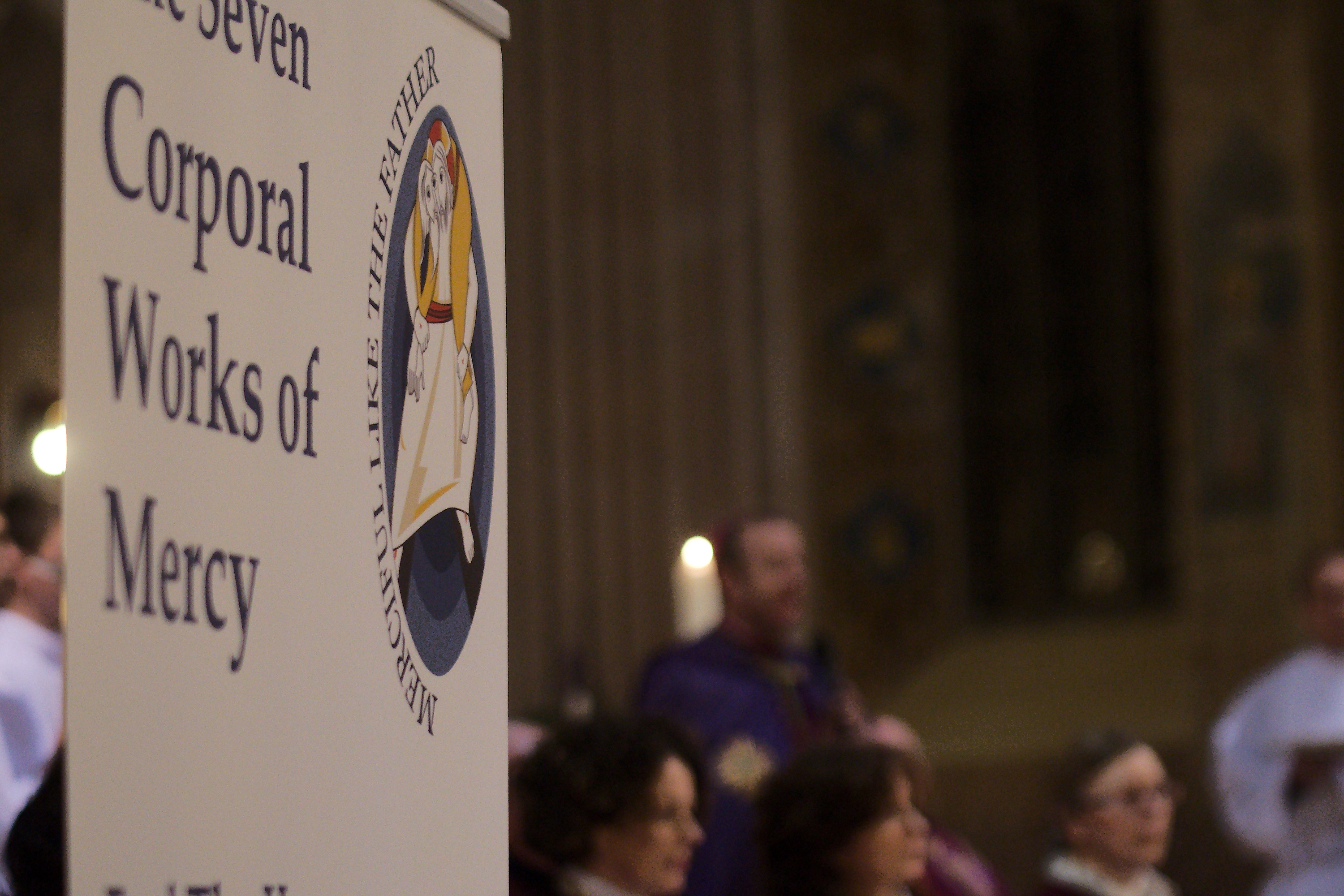
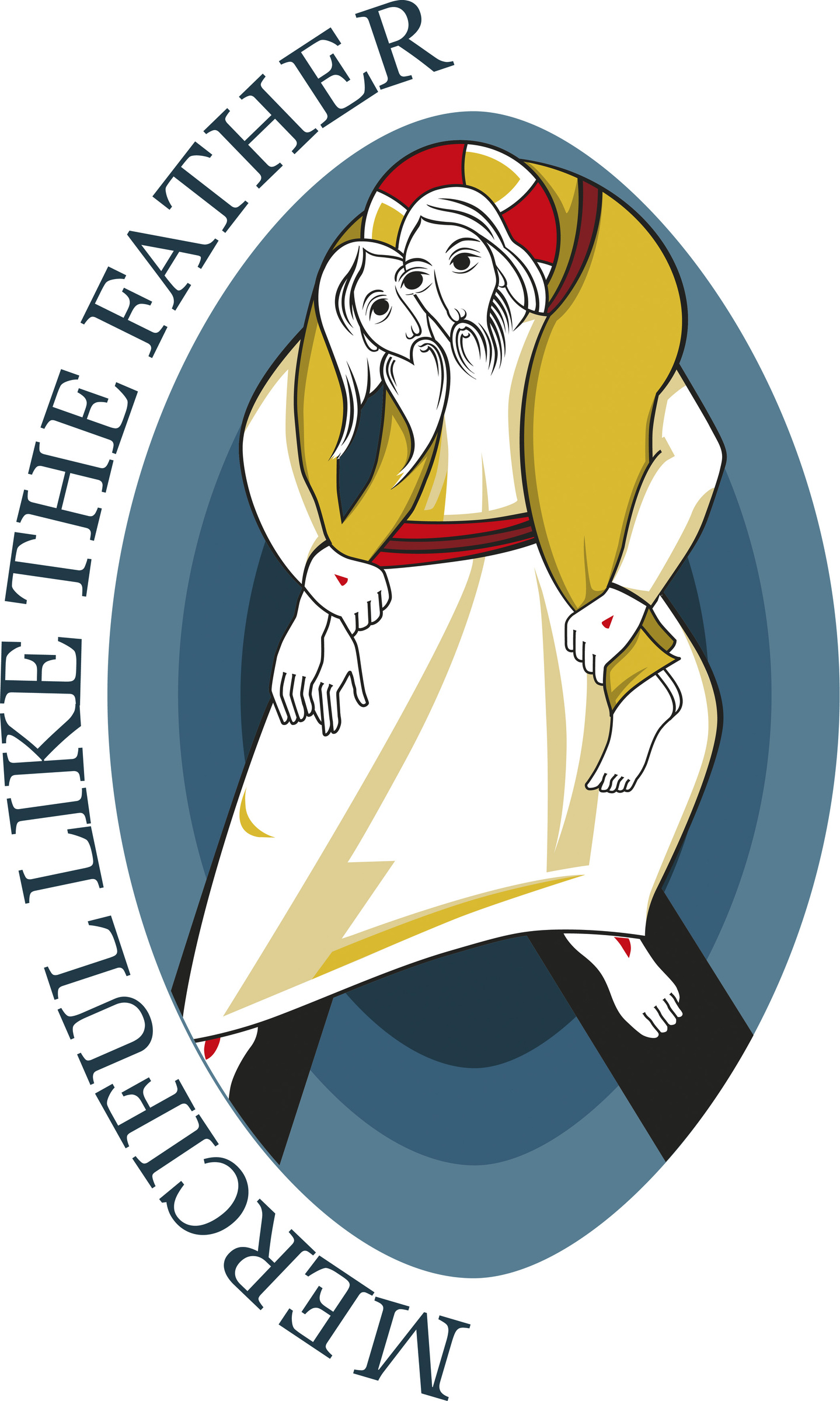
Year of Mercy logo 

The logo and the motto together provide a fitting summary of what the Jubilee Year is all about. The motto Merciful Like the Father(taken from the Gospel of Luke, 6:36) serves as an invitation to follow the merciful example of the Father who asks us not to judge or condemn but to forgive and to give love and forgiveness without measure (cfr. Lk 6:37-38). The logo – the work of Jesuit Father Marko I. Rupnik – presents a small summa theologiae of the theme of mercy. In fact, it represents an image quite important to the early Church: that of the Son having taken upon his shoulders the lost soul demonstrating that it is the love of Christ that brings to completion the mystery of his incarnation culminating in redemption. The logo has been designed in sThis is the logo for the Holy Year of Mercy, which opens Dec. 8 and runs until Nov. 20, 2016. (CNS/courtesy of Pontifical Council for Promoting New Evangelization) See JUBILEE-MERCY May 5, 2015.uch a way so as to express the profound way in which the Good Shepherd touches the flesh of humanity and does so with a love with the power to change one’s life. One particular feature worthy of note is that while the Good Shepherd, in his great mercy, takes humanity upon himself, his eyes are merged with those of man. Christ sees with the eyes of Adam, and Adam with the eyes of Christ. Every person discovers in Christ, the new Adam, one’s own humanity and the future that lies ahead, contemplating, in his gaze, the love of the Father.


The scene is captured within the so called mandorla (the shape of an almond), a figure quite important in early and medieval iconography, for it calls to mind the two natures of Christ, divine and human. The three concentric ovals, with colors progressively lighter as we move outward, suggest the movement of Christ who carries humanity out of the night of sin and death. Conversely, the depth of the darker color suggests the impenetrability of the love of the Father who forgives all.

The logo can be downloaded from here or from clicking on this link.


Official hymn 

Click here to listen to the Year of Mercy hymn.

Click here for video of the hymn

Click to download the Year of Mercy hymn – English score

Opening of the Jubilee Year of Mercy in Drogheda

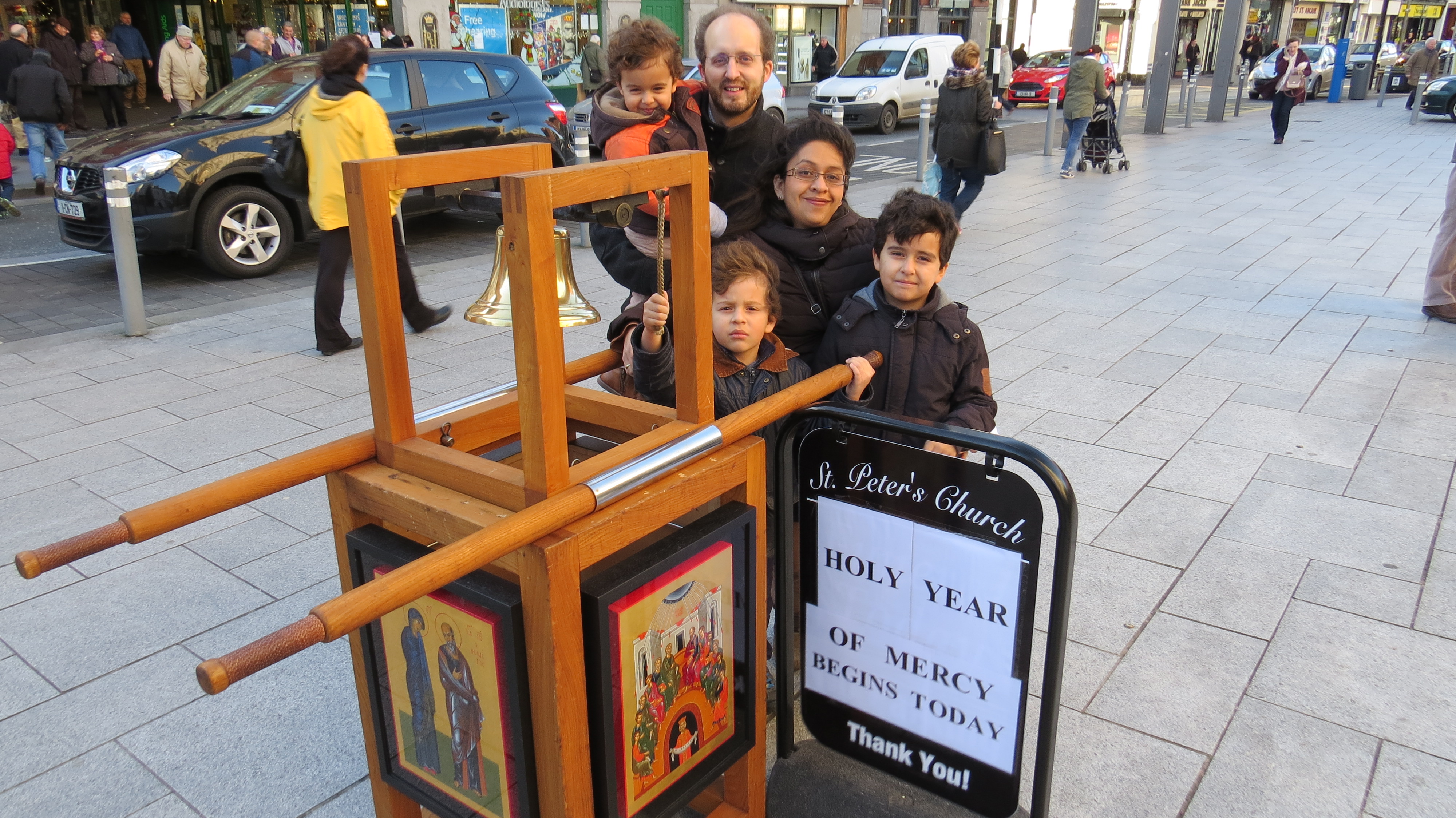
To mark the opening of the Jubilee Year of Mercy in Drogheda, we will have the Eucharistic Congress Bell positioned on the footpath in West Street from 9 to 5. Parishioners will be distributing leaflets and inviting passers-by to ring the Congress Bell to mark the opening of the Year of Mercy.


The ceremony of Opening the Holy Door in St Peter’s Church, Drogheda will take place at the 12.15pm Sunday Mass on 13th December.


Ringing Congress Bell to Celebrate Jubilee Year of Mercy 2


The Jubilee Year of Mercy was celebrated in Drogheda, December 8th with the Eucharistic Congress Bell positioned on the footpath in West Street. Parishioners distributed five hundred leaflets to passers-by, most of whom rang the bell to celebrate the opening of the Year of Mercy.

An Oasis of Mercy; Pastoral Letter from Archbishop Eamon Martin to the Archdiocese of Armagh for the Year of Mercy 8 December 2015

 An Oasis of Mercy

Pastoral Letter from Archbishop Eamon Martin

to the Archdiocese of Armagh for the

Year of Mercy

8 December 2015

“In this Jubilee Year, let us allow God to surprise us. He never tires of casting open the doors of his heart and of repeating that he loves us and wants to share his love with us. The Church feels the urgent need to proclaim God’s mercy. Her life is authentic and credible only when she becomes a convincing herald of mercy.”

(Pope Francis, Misericordiae Vultus, The Face of Mercy, n25)

On 13 December, the Third Sunday of Advent, I have the joy of opening two Holy Doors to mark the beginning of the Jubilee Year of Mercy in the Archdiocese of Armagh.  In doing this, I am following the example of Pope Francis who opens the Holy Door of Mercy at St Peter’s Basilica, Rome on 8 December – the fiftieth anniversary of the closing of the Second Vatican Council. Our Holy Doors will be at St Patrick’s Cathedral, Armagh and at St Peter’s Church, Drogheda, home to the National Shrine to St Oliver Plunkett.  The Holy Doors will be sealed again on 13 November 2016, one week before the close of the Holy Year.

In this Pastoral Letter I extend a two-fold invitation to all of you and your families: firstly, to come on pilgrimage to the Holy Doors at Armagh and Drogheda; and secondly, to enter fully with your families and parishes into the spirit of the Jubilee Year.  Pope Francis has described the Holy Year of Mercy as an ‘extraordinary moment of grace and spiritual renewal’.  I pray that anyone who enters through the Holy Doors in our diocese will experience, in a profound way, the love of God who consoles, pardons and instils hope.

Enter through the Holy Door and do the ‘Walk of Mercy’

Jesus is the Door of Mercy.  By passing through the Holy Door, we hope to receive His mercy.  When Pope Boniface VIII declared the first Holy Year more than seven hundred years ago, he also opened the first ‘Holy Door’ in St Peter’s Basilica, Rome.  The Church continues this tradition today.  A pilgrimage to the Holy Door symbolises the journey that each of us makes in this life.  Life itself is a pilgrimage, and, with the help of God’s mercy, we all journey towards our final destination with God in heaven.  I invite you to make a special journey during the Year of Mercy to the Holy Doors at Armagh and Drogheda.  On arrival, cross the threshold of the Holy Door and complete the ‘Walk of Mercy’.  Consider undertaking the spiritual exercises for the indulgence associated with this pilgrimage.  We all know ways in which we could be more open to God’s mercy in our lives – perhaps by turning away from selfishness and sinful habits.  We also recognise ways of being more merciful towards others – with someone who has hurt us, or with those less fortunate than us who cry out for the love of Christ.  By crossing the threshold of the Holy Doors, may we all find the strength to embrace God’s mercy in our own lives as well as becoming more merciful people ourselves.

Receive the Sacrament of Reconciliation

During the Year of Mercy I encourage you to be reconciled with God and to receive the sacrament of Reconciliation. As Pope Francis has said:

“In this Jubilee Year, let us allow God to surprise us! He never tires of casting open the doors of his heart and of repeating that he loves us and wants to share his love with us… From the heart of the Trinity, from the depths of the mystery of God, the great river of mercy wells up and overflows unceasingly. It is a spring that will never run dry, no matter how many people draw from it. Every time someone is in need, he or she can approach it, because the mercy of God never ends” (Misericordiae Vultus n25).

Undertake the Corporal and Spiritual Works of Mercy

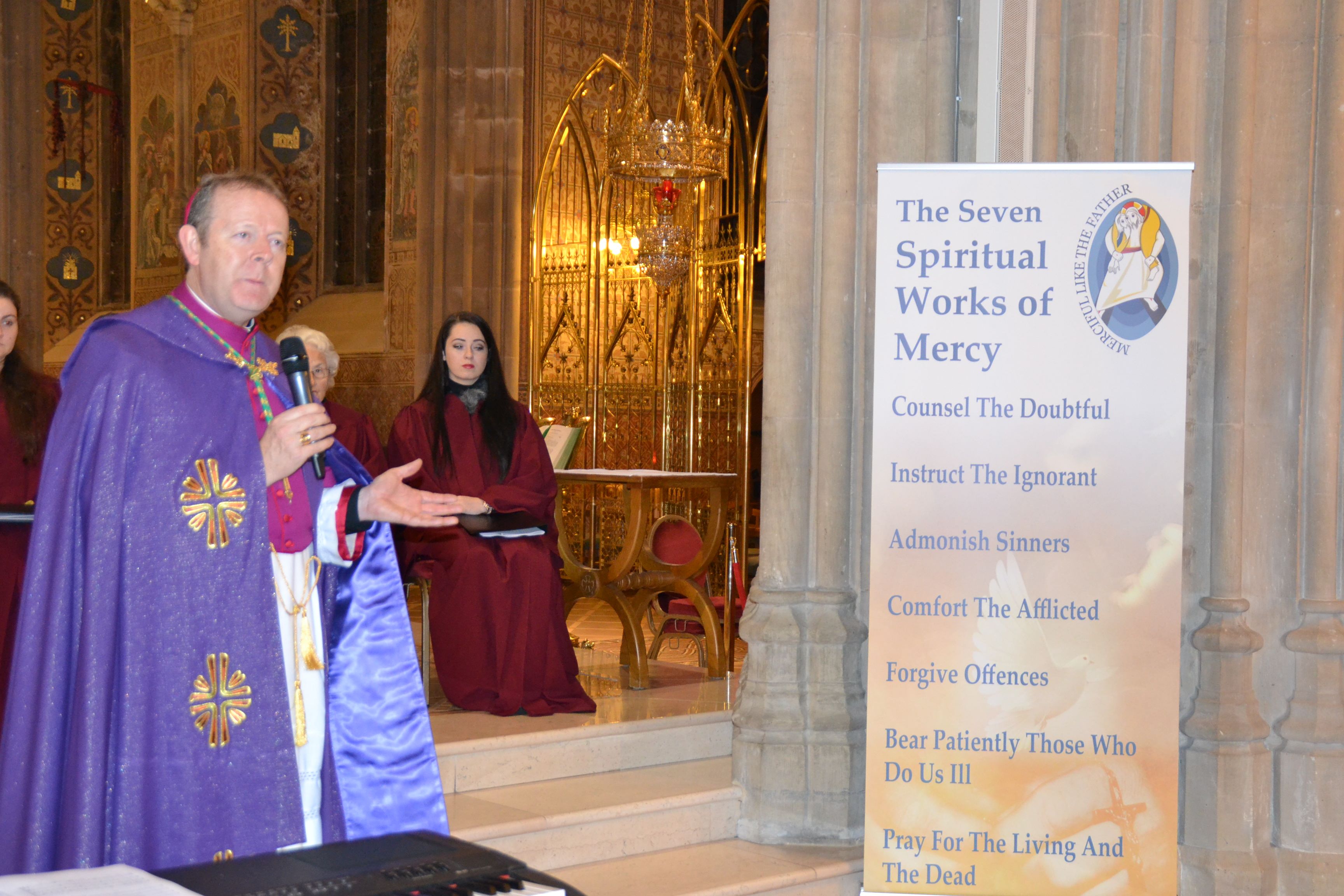
The theme of the Year of Mercy is ‘Merciful like the Father‘ and we are all called upon to show mercy because mercy has, first of all, been shown to us. I encourage everyone to learn about the corporal and spiritual works of mercy and to put these into action in daily life.  The corporal works of mercy are: to feed the hungry, give drink to the thirsty, clothe the naked, welcome the stranger, heal the sick, visit the imprisoned, and bury the dead.  The spiritual works of mercy are: to counsel the doubtful, instruct the ignorant, admonish sinners, comfort the afflicted, forgive offences, bear patiently those who do us ill, and pray for the living and the dead.

We all know people whose lives are inspired by the corporal and spiritual works of mercy.  These works of mercy are found, above all, in the life and teaching of Jesus.  They are the criteria upon which we will be judged: whether or not we have relieved poverty, hunger, homelessness and thirst of those around us; whether or not we have reached out to those experiencing isolation, persecution and loneliness, despair or hopelessness; whether or not we have accompanied those who have fallen away from God and gently dispelled their ignorance, doubt or sinful ways; whether or not we are playing our part in bringing the joy of the Gospel into our world and inviting others to come to know Jesus in their lives.

Accompany others with the Mercy of God

The Door of Mercy opens both inwards and outwards.  The Year of Mercy challenges us to go out and bring the wonderful invitation to mercy to all God’s people.  At the recent Synod on the Family, the participants spoke about the importance of ‘accompanying’ those who may have lapsed from practising their faith, and those who may feel excluded from the Church community.  We emphasised that the Church must start “from the real life situations of present day families, all in need of mercy, beginning with those who suffer most. With the merciful heart of Jesus, the Church must accompany its more fragile children, marked by a wounded and confused love, restoring their confidence and hope, like the light of a lighthouse in the harbour or a torch borne aloft to enlighten those who have lost their way in the middle of a storm” (Relatio Synodi 2015 n55).

Celebrating the Year of Mercy

There is so much for us to reflect on, and act on, during the Jubilee Year.  I encourage every priest and Parish Pastoral Council to consider practical ways of drawing as many people as possible into the grace of this moment.  By participating in liturgies and events, and providing opportunities for faith development and pilgrimage, we can make the Year of Mercy more meaningful in our lives and in the life of the Church.  Throughout the Year, especially during Advent and Lent, let us make the Sacrament of Reconciliation welcoming and readily available, particularly for those who may have been away from Confession for a long time.  Across the diocese, I invite you to mark in a renewed way the First Fridays and Saturdays of each month, to spend time with the Lord in Eucharistic Adoration and to regularly recite the Holy Rosary with Mary, the Mother of Mercy. Many parishes have places of pilgrimage which might be revitalised during the Holy Year.  Families might also consider visiting our national pilgrimage centres of Knock, Lough Derg and Croagh Patrick.  I look forward to travelling with pilgrims from the diocese to Rome in June 2016 to visit the seven Churches mentioned by St Oliver Plunkett in his writings.

Significant moments being planned to mark the Holy Year include: the Feast of the Holy Family, 27 December, on which families are especially welcome to go through our Holy Doors in Armagh and Drogheda; Catholic Schools Week, 31 January – 6 February; the Season of Lent (including 24 hours for the Lord on 4-5 March); St Patrick’s Day; the Chrism Mass in the Cathedral on 24 March; Divine Mercy Sunday; School Rosary Crusade in May; Feast of the Sacred Heart celebration of the Works of Mercy on 3 June; July festivals of St Oliver Plunkett and St Brigid; 15 August processions with Mary, Mother of Mercy. Information about the Year of Mercy will be kept up to date on the diocesan website/social media.  If parishes organise events to mark the Year of Mercy these can be published on the diocesan website so that the Good News of the Jubilee Year can be made widely known.

Recite the ‘Jesus Prayer’

Dear brothers and sisters, as Pope Francis says: “We need constantly to contemplate the mystery of mercy. It is a wellspring of joy, serenity, and peace. Our salvation depends on it. Mercy: the word reveals the very mystery of the Most Holy Trinity. Mercy: the ultimate and supreme act by which God comes to meet us. Mercy: the fundamental law that dwells in the heart of every person who looks sincerely into the eyes of his brothers and sisters on the path of life. Mercy: the bridge that connects God and man, opening our hearts to the hope of being loved forever despite our sinfulness.

To conclude, I offer you an idea suggested to me by one of our priests.  During the Year of Mercy, he suggested that we could say the ‘Jesus prayer‘, which is, ‘Jesus, Son of the Living God, have mercy on me, a sinner’.  If we recite the prayer over and over again then every moment of every day, every thought, word and action in the Archdiocese could be touched by God’s mercy.  The Archdiocese of Armagh would then become an ‘oasis of mercy’. Jesus is the Door of Mercy. Jesus is the face of God, the Father’s mercy.  The Jesus Prayer says it all and we could pray it with humility and confidence thousands of times during the Jubilee Year:

Jesus, Son of the Living God, have mercy on me, a sinner. 

pastedGraphic.png

+Eamon

Archbishop of Armagh

8 December 2015

Opening of the Holy Doors throughout our Archdiocese

An open invitation to all the people living in the diocese, especially those who may have drifted away from the faith, to enter through the Holy Doors of Mercy which Archbishop Eamon Martin will open in Armagh and Drogheda on Sunday 13th December.


The ceremony of Opening the Holy Door in St Peter’s Church, Drogheda will take place at the 12.15 Sunday Mass on 13th December.

The ceremony of Opening the Holy Door in St Patrick’s Cathedral, Armagh will take place at the 5 p.m. Carol Service on 13th December.


Everyone is welcome to attend one or both of these celebrations.


“On 13 December, the Third Sunday of Advent, I have the joy of opening two Holy Doors to mark the beginning of the Jubilee Year of Mercy in the Archdiocese of Armagh.  In doing this, I am following the example of Pope Francis who opens the Holy Door of Mercy at St Peter’s Basilica, Rome on 8 December – the fiftieth anniversary of the closing of the Second Vatican Council. Our Holy Doors will be at St Patrick’s Cathedral, Armagh and at St Peter’s Church, Drogheda, home to the National Shrine to St Oliver Plunkett.  The Holy Doors will be sealed again on 13 November 2016, one week before the close of the Holy Year.”  Archbishop Eamon Martin

Advent Resources from The Prayer and Spirituality Commission

IMG_5186 ccThe Prayer and Spirituality Commission are delighted to supply Lectio and prayer  Resources for the 4 Sundays of Advent 2015
Download for personal, group or parish prayer this Advent. Click on link supplied.