Thursday, December 25, 2025
Home Blog Page 49

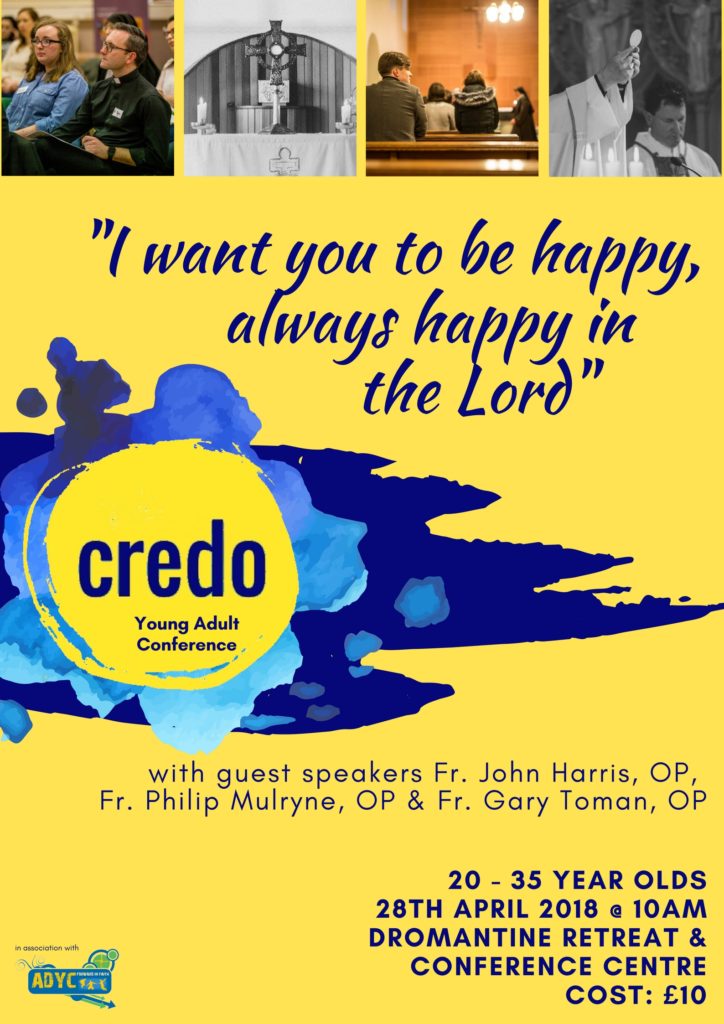
Credo Young Adults Conference 2018

The theme of the conference is “I want you to be happy, always happy in the Lord” (Phil 4:4).  This event will be an opportunity for young adults, aged 20-35, to grow in confidence knowing that they are enough, that God loves them and that their role within the Church is valued. It is our hope that participants will leave the conference enriched, empowered and ready to face the challenges of life with Christ by their side. 

Throughout the day there will be an opportunity to participate in workshops, receive the Sacrament of Reconciliation, attend Adoration and explore the grounds. The day will finish with the celebration of Mass followed by social time after.

How to book:

To book your place please visit this link: https://www.eventbrite.co.uk/e/credo-tickets-44095795712. We encourage you to invite your friends to attend the conference with you!

Date: Saturday, 28th April 2018
Time: 10am – 7pm  (Vigil Mass 6:00 p.m.)
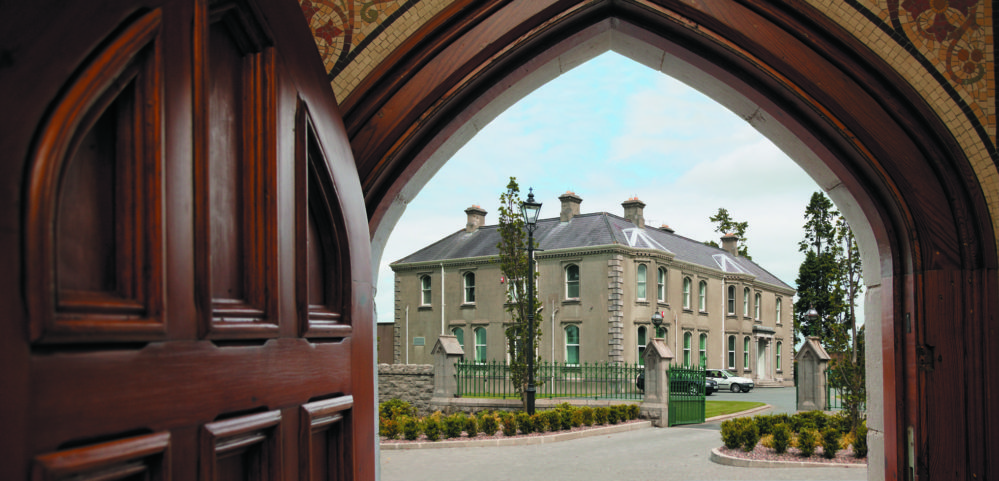
Venue: Dromantine Retreat & Conference Centre, Newry
Cost: £10.00 per person (including lunch and refreshments)
Guest Speakers: Irish Dominican Friars


World Meeting of Families in Dublin

https://www.worldmeeting2018.ie/en/

Dublin, Ireland, has been chosen by Pope Francis to host the next World Meeting of Families from 21-26 August 2018, guided by the theme “The Gospel of the Family: Joy for the World”.  

Held every three years, this major international event brings together families from across the world to celebrate, pray and reflect upon the central importance of marriage and the family as the cornerstone of our lives, of society and of the Church. The event has at its heart the following key moments: 

  • 21 August 2018, a National Opening of WMOF2018, which will take place simultaneously in all the different dioceses of Ireland.
  • 22 to the 24 August 2018, a three-day Congress.  Each day will reflect on the theme “The Gospel of the Family: Joy for the World” chosen by the Holy Father and will include an enriching programme for adults of keynote speakers, workshops, talks, testimonies and discussions; an engaging and exciting programme for young people as well as fun activities for children. The Congress will also include daily celebration of the Eucharist, prayerful activities, exhibitions, cultural events and musical performances.
  • Saturday 25 August 2018, a Festival of Families, comprising a reflective concert style event within a prayerful and joyful atmosphere, in which personal stories of faith will be shared by families from all continents.
  • Sunday 26 August 2018, WMOF2018 will close with a solemn Eucharistic Celebration, that will gather thousands of people from Ireland and all over the world. 


Go online now and book your tickets!

Homily of Archbishop Eamon Martin for the Mass of Chrism – St Patrick’s Cathedral, Armagh

I remember the way my mother used to vigorously wash my hair over the sink in the kitchen until I squirmed – scrubbing away the badness! But for all the discomfort of it, I think of it now, just a week after her death, cherishing that moment of intimacy.

The poet Seamus Heaney, at his mother’s deathbed, savoured the memory of peeling spuds with her while all the others were away at Mass – her head bent towards his, their breaths mingling, ‘never closer the whole rest of our lives’.

The Gospels tell of similar intimate moments. In John’s Gospel, just days before his burial, Mary of Bethany tenderly anoints the feet of Jesus with costly ointment, wiping them with her hair until the house is filled with its sweet perfume. A similar moment is recounted by Saint Luke, when a so-called “sinful woman” provokes disdain by kissing the feet of Jesus, washing them with her tears and wiping them dry with her hair. On that occasion, Jesus rebukes his host, Simon the Pharisee, for complaining about the woman, pointing instead to her gratitude for God’s mercy and forgiveness – ‘You gave me no kiss of welcome, or water to wash my feet when I arrived; you did not pour oil on my head … I tell you her many sins have been forgiven – that’s why she has shown such great love’ (see Lk7:47).

This Holy Thursday afternoon we will recall the moving moment at the Last Supper when Jesus girded himself with a towel, poured water into a basin, and began to wash the disciples’ feet – another moment of intimacy, humble service and mercy. Jesus was setting an example: “If I, your Lord and Teacher, have washed your feet, you also ought to wash one another’s feet … what will mark you out as my followers is the love you have for one another (Jn13:14)”.

In a few moments we will have an opportunity to renew our commitment to priesthood. The saintly Cure of Ars once remarked that the priesthood is “the love of the heart of Jesus”. Likewise, Pope Francis identifies the love and mercy of Jesus as the pastoral “starting point” for priestly ministry: “the Church must accompany with attention and care the weakest of her children, who show signs of a wounded and troubled love, by restoring in them hope and confidence … (RS201428)”.

My brother priests I know how much you dedicate yourselves to walking with your people. In the daily struggles of family life, when God’s people worry and hurt, you are there with them, loving them, soothing them, offering the light of Christ to the moments of darkness and confusion in their lives.

At a personal level, in recent weeks my family and I have experienced first-hand the comforting pastoral presence and prayers of priests – especially during my mother’s final illness, and last week at her wake and funeral. Thank you. I know that your priestly ministry brings you face to face with many situations like this, and often with the terrible traumas that afflict life in the twenty-first century. You suffer with so many families at times of sudden loss. You are often among the first on the scene of car accidents or fires; you accompany grieving parishioners, sometimes in heart-breaking moments when children or young people have died tragically. In all these situations, with hands anointed by Chrism on the day of your ordination, you seek to bring the compassionate and healing touch of Christ, kneeling to lovingly pour out the balm of love, mercy and forgiveness just as Jesus did when he washed the feet of his disciples.

To minister like this is not easy; it can take its toll on any of us, for we too are human, often yearning ourselves for closeness, love, tenderness and friendship. Today I exhort you, my dear brothers to please take care of your own health and well-being. You have been generous in answering God’s call to serve, and in remaining committed to your priestly promises over many years. But there are times when we all need help, and priests are no exception.

Just as many of our people struggle in this fast-paced, relentless and demanding world, we too are fragile at times; the challenges that affect our people affect us too!

Some of our brother priests struggle with illness, loneliness, or the increased frailty of old age. Priests also can have their personal disappointments, can fail to cope with criticism or fear of the unknown.

In all these circumstances it is important, as Pope Francis says, not to be robbed of hope or the joy of the Gospel. Our formation encouraged us to develop and sustain an intimate friendship with Jesus through prayer, spiritual direction, regular Confession, recollection and retreats and to build a close fraternity with our brother priests.

It is easy, however, to drift away from the security of these supports, thinking that we can go it alone, like isolated ‘lone rangers’. Believe me, my brothers, we will fall; we are only human. We are just as susceptible, as the people we serve, to the cycle of dependency and addiction that lurks beneath the seductive allure of alcohol, drugs, social media and the internet, all of which can promise false and fleeting pleasure, shallow superficial intimacy, while carrying a deadly sting in the tail.

We must not think we have always to be in control, always to be ‘the fixers’, the ones with all the answers, forgetting that we too are human; we have our own sinfulness, vulnerabilities and needs. It is not a sign of weakness as a priest to admit that you sometimes fail, or need help and accompaniment. Sometimes it is our feet that need to be washed, our heads that yearn for anointing, our troubles that crave the soothing balm of understanding.

Do not be like Simon Peter at the Last Supper when Jesus approached him with the basin and towel, crying out – never Lord, you will never wash my feet!

My brothers, look for help when you need it. Be open to receiving help from a friend, a counsellor or mentor, a therapist or sponsor, especially when you find yourself drifting from the warmth of Christ’s loving embrace towards the cruel clutches of the Evil One.

Surround yourselves with good and trusted friends and family. Feel the warmth and supportive closeness of your faithful people, who gather with you for Eucharist, praying at every Mass for you and your ministry. Accept their care and welcome their gratitude and appreciation for your ministry among them.

It is important sometimes to admit that, like everyone else, we priests are as much in need of hope and the joy of Christ’s love as those to whom we have the privilege to minister. That is why at this Chrism Mass I thank God for our faithful people, friends, family and brother priests – like those present with us in the Cathedral today – who “wash our feet” (so to speak), who offer us consolation, loving support and understanding, who stand by us in trials, stay close to us in adversity, and sustain our vocations by their solidarity and forgiveness.

Jesus said, “I give you a new commandment: love one another as I have loved you …What will mark you out as my disciples is the love you have for one another”. Amen.

A joint Holy Week and Easter Message from the Archbishops of Armagh

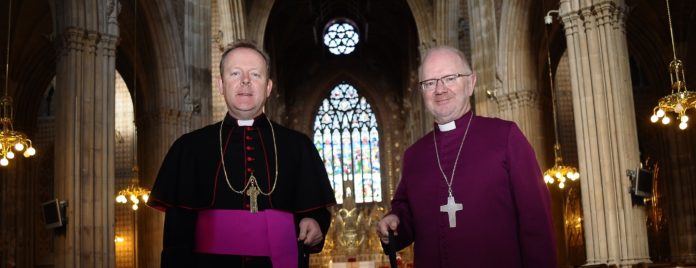
Archbishop Eamon Martin and Archbishop Richard Clarke at Launch of Flesh and Blood Ireland St Patrick's Cathedral , Armagh, 2 March 2015 Credit: LiamMcArdle.com

The Most Revd Richard Clarke & The Most Revd Eamon Martin


A moment for all time


There is a beautiful moment in the biblical account of the crucifixion when Our Lord says to his mother and to John, the closest of his disciples, that they are now to care for each other – as mother and son (John 19.26-27).  It is a moment in time, and a moment for all time.


The need for a human family’s care and love becomes greater with each passing day.  We are living in a time when families are under threat from a myriad of pressures.  Some of these pressures are material, others are societal or spiritual.  And sadly, there are many people who, for whatever reason, can only dream and wish for the warmth and care of family.  Our Lord’s instinctive concern, that his mother and his closest friend should be there for each other, re-echoes down through the centuries to us today.  As brothers and sisters in the Lord, we are called to be patient and kind, gentle and generous, welcoming to those in need.  We are to ‘be family’ for others, including those who are, or who feel they are, estranged from the family ‘circle’.


This summer, Christians of different traditions will share the joy of thousands who will gather in Dublin from around the world to celebrate the good news of Family as ‘Joy for the World’.  The accounts of the Easter Church, that grew from the resurrection of Jesus, remind us that the hospitality and generosity of the human family is a hallmark of Christian belonging.  In Acts of the Apostles chapter 16, when Lydia and her household take the Christian faith for themselves, they instinctively offer their home to Saint Paul – as his home too.


In the coming days we will remember the profound expression of self-giving love which is at the heart of the Cross and the Resurrection.  Selfless love is also the key to the wonderful Christian vision of what the family is called to be by God.  May we be ready to make that vision a living and vibrant reality in a world which more than ever needs Family at its heart.


+Richard                                                               +Eamon

Church of Ireland Archbishop of Armagh            Roman Catholic Archbishop of Armagh

Bishops warmly welcome Pope Francis to the World Meeting of Families in Dublin

The Irish Catholic Bishops’ Conference has warmly welcomed the announcement today by the Holy Father Pope Francis that he will attend part of the 9th World Meeting of Families which will take place from 21 – 26 August in Dublin on the theme, ‘The Gospel of the Family: Joy for the World’.

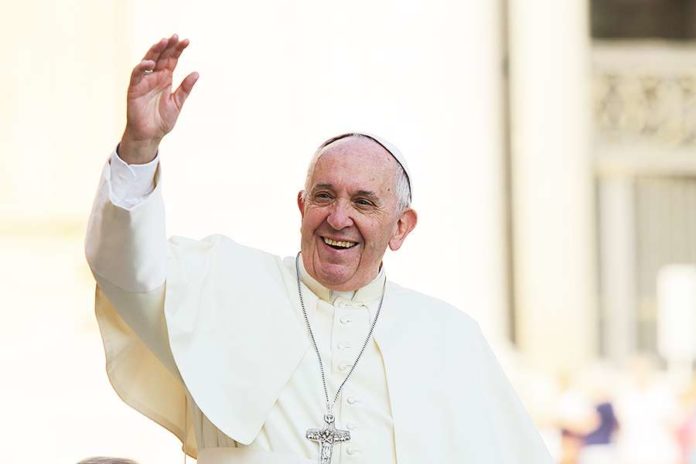
Pope Francis, who is 81 years of age, will arrive in Dublin on Saturday, 25 August, and will take part in the ‘Festival of Families’ in Croke Park. The Festival of Families is the faith-based cultural concert of the World Meeting of Families six-day programme. The next day, Sunday 26 August, Pope Francis will be the chief celebrant at Holy Mass in the Phoenix Park and this liturgy will bring to a conclusion the World Meeting of Families 2018. Full details of the papal schedule will be released at a later date.

The bishops said, “On behalf of the faithful of Ireland we warmly welcome today’s announcement, by the Holy Father himself, that he plans to visit Dublin in August for the World Meeting of Families. We are deeply honoured that Pope Francis will come to our country to participate in this universal Church celebration of faith and joy, as well as of the contemporary challenges which face families. With great anticipation we also look forward to hearing the apostolic guidance of His Holiness during his stay with us.”

Bishops continued, “Archbishop Diarmuid Martin of Dublin, as President of the World Meeting of Families 2018, has been charged with undertaking the significant task of organising this global celebration and each of the other 25 dioceses on the island of Ireland is supporting the host diocese to ensure its success for the whole country and for the world. We eagerly await the visit of Pope Francis which no doubt will be an occasion of spiritual renewal for our laity, religious and clergy as well as a strengthening of Christian family life.

“The preparations for the World Meeting of Families in Dublin are benefiting from the 2014 and 2015 Synods of Bishops in Rome which discussed the role of the modern family in the world and how the Church should respond. Both synods were hosted by Pope Francis and were preceded by a worldwide consultation. The subsequent publication by the Holy Father, in April 2016, of his apostolic exhortation Amoris Laetitia (the Joy of Love), represents the fruit of these synods as he reflected on the significance of the deep mutual love of spouses and on their love for their children for the good of humanity and for the stability of society.”

Also today in Rome two Irish families presented the official World Meeting of Families 2018 ‘Icon of the Holy Family’ to Pope Francis during his weekly general audience in Saint Peter’s Square. The Tobin family are from Co Kildare and the Bushell family are resident in Rome. The delegation was led by Archbishop Diarmuid Martin, President, and Father Timothy Bartlett, Secretary General, of the World Meeting of Families 2018. The group also included the iconographer Mr Mihai Cucu.

Celebrating St Patrick in Armagh Parish

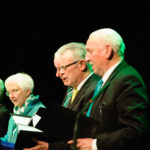
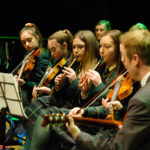
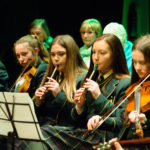
Armagh Cathedrals Partnership host a special evening of music, story, poetry and prayer to celebrate St Patrick with guest speaker will be Fr Peter McVerry An Evening with Patrick Market Place Theatre Armagh 14 March 2018 CREDIT: www.LiamMcArdle.com

Celebrate St Patrick – St Patrick’s RC Cathedral: Saturday 10 March, 8.00pm

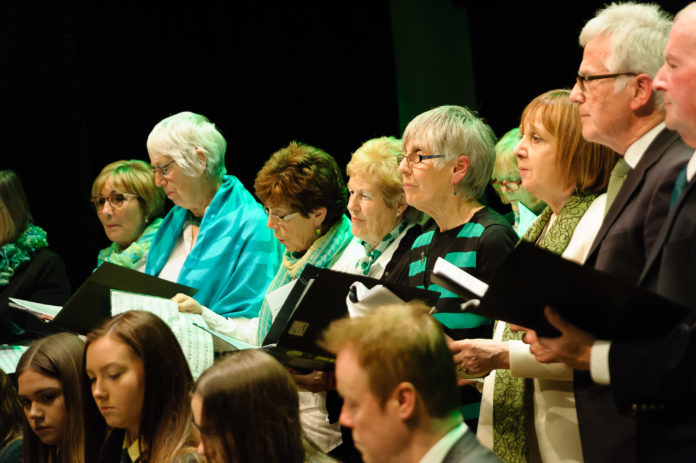
Join composer and presenter John Anderson as he conducts a reflective and celebratory event honouring St Patrick. Set in the magnificent St Patrick’s RC Cathedral, choirs from all over the island and further afield will join together in a unique evening of music and spoken word.


An Evening with Patrick – The Market Place Theatre: Wednesday 14 March, 7.30pm

Armagh Cathedrals Partnership hosted a special evening of music, story, poetry and prayer to celebrate St Patrick. The guest speaker was Fr Peter McVerry who is a native of Newry and he has been a Jesuit priest for over forty years. He has worked for most of his life to reduce homelessness and the harm caused by drug misuse and social disadvantage on the streets of Dublin. He founded The Arrupe Charity which is now named The Peter McVerry Trust, which seeks to address homelessness. In 2016, the charity worked with over 4500 vulnerable youths.

Fr Peter is a social activist and he’s a strong activist for those who have no voice in society. He has written widely on issues relating to the homeless and social justice and he has been awarded a number of high profile awards in recognition of his great work. During the evening, he will invite us to reflect on the words of St Patrick in his Confession “I am Patrick…utterly worthless in the eyes of many”.


St Patrick’s Vigil – St Patrick’s Cathedrals: Friday 16 March

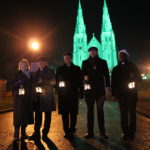
The Vigil began at the Church of Ireland Cathedral at 9pm where Archbishop Clarke said a prayer. Visitors will then be led by both Archbishops in torchlight to the Roman Catholic Cathedral where Archbishop Martin will conclude with a prayer. This symbolic expression of the unity of the Churches is a reflection of Patrick’s own journey of uniting the Irish people with Christianity. Light refreshments will be served in The Synod Hall after this event.

https://www.facebook.com/holyfamilymossend/videos/1960964764232628/


Protected: Clergy Portal

This content is password-protected. To view it, please enter the password below.

‘Our Common Humanity’ – statement on the second day of the Spring 2018 General Meeting of the Irish Catholic Bishops’ Conference

As pastors we are aware that the conversation about unborn life is sensitive, delicate and, indeed, painful for many. We offer our reflections with the greatest of respect for everyone while wishing to make some points clearly and unambiguously.

Fundamental right
Every one of us has a right to our life. It is not given to us by the Constitution of Ireland or by any law. We have it ‘as of right’, whether we are wealthy or poor, healthy or sick. All human beings have it. For us as a society to now declare that any category of human being should have that right taken from them would be a shocking step. It effectively says that unborn children do not exist or, if they do, they do not count. That is a manifest injustice.

Life begins at conception
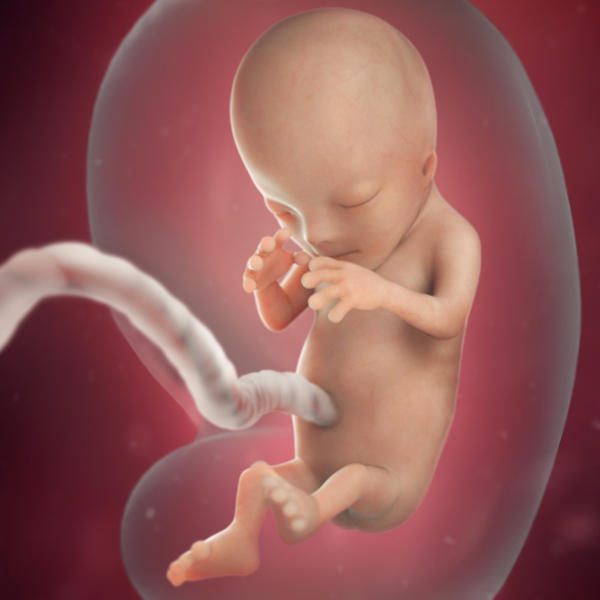
At every point, from conception on, the baby has the potential to realise the fullness of life that God intended. All that is needed is time and nurturing. Today we see more clearly that human life begins at conception. There is no later stage in a baby’s development where we can say; ‘up until now the foetus was not a person and now it has become a baby’.

Are we allowing ourselves to be desensitised?
Making abortion freely available desensitises people to the value of every human life. The scientific evidence about the beginning of human life has never been clearer. It is, therefore, a great irony that we in Ireland are for the first time in our history losing our clarity about the right to life of the unborn. Knowledge about the mysterious workings of DNA and the stunningly vivid evidence of ultrasound images of little persons in the earliest weeks in the womb should be making us more committed than ever to the protection of unborn life.

Choose life
The child in the womb has life and potential. However, like all babies, before birth or in the early years, she or he has no choice. Powerless to defend themselves they rely on the rest of us to protect their lives and vindicate their rights. By using the word ‘choice’ we need to remember that, for the baby waiting to be born, the choice we make can be a matter of life or death.

Two lives, one love
An expectant mother needs and deserves the care and support of everyone around her, particularly if her pregnancy poses a serious crisis for her and her family. A mother may be informed that her baby faces serious challenges or is perhaps terminally ill. She might be pregnant as a result of rape. Especially in those tragic cases both the mother and her unborn child can – and must – be loved and cherished.

A compassionate society will do all in its power to support and love the mother and baby, and encourage responsible support from fathers. This vision of life makes sense to people of all faiths and none. While it is enriched by our Catholic faith, it is our common humanity that convinces us of the right to life of every human being.

A declaration of equality
Article 40.3.3 is a declaration of equality and respect for human life. It represents, at the very foundations and substructure of our laws, a conviction that all human life is worth cherishing equally. To repeal this Article would leave unborn children at the mercy of whatever permissive abortion laws might be introduced in Ireland in the future.

We invite people of faith to pray earnestly that Ireland will “choose life” and that the lives of all women and their unborn children will always be loved, valued, welcomed and respected in this country.

Statement of the Spring 2018 General Meeting of the Irish Catholic Bishops’ Conference

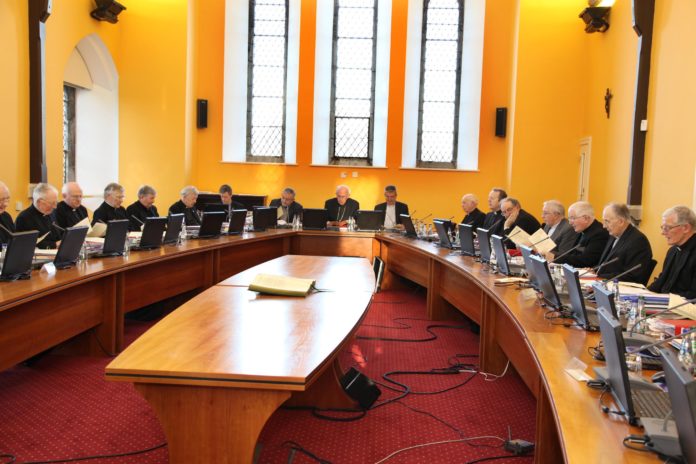
4.12.13 BISHOPS WINTER MEETING IN MAYNOOTH. The winter meeting of the Irish Catholic Bishops Conference in St Patrick's College Maynooth. Pic shows the Bishops meeting in Maynooth today 4.12.13. Pic John Mc Elroy. NO REPRO FEE.

The Spring 2018 General Meeting of the Irish Catholic Bishops’ Conference concluded this afternoon in, Columba Centre, Saint Patrick’s College, Maynooth. Bishops prayed for those who suffered across the island as a result of the extreme weather conditions over the past week. Bishops paid tribute to the level of community spirit which prevailed in parishes during this difficult time as well as acknowledging the bravery and commitment of the women and men of the emergency services voluntary agencies who assisted those in need.

Yesterday the Bishops’ Conference published Our Common Humanity in support of unborn human life, and members spoke to the media on the statement:
https://www.catholicbishops.ie/2018/03/06/our-common-humanity-statement-on-the-second-day-of-the-spring-2018-general-meeting-of-the-irish-catholic-bishops-conference/

The following issues were also discussed by the bishops during their three-day meeting:
• Child safeguarding in the Catholic Church
• Prayer for the protection of life from the moment of conception until natural death
• Update on preparations for the World Meeting of Families 2018
• Trócaire’s 2018 Lenten Campaign on humanitarian crises around the world
• Saint Patrick’s Day, Saturday 17 March
• Lent and preparation for Easter

• Child safeguarding in the Catholic Church
Bishops met with Mr John Morgan and Ms Teresa Devlin, the chair and CEO of the National Board for Safeguarding Children in the Catholic Church in Ireland.

Irrespective of improved standards, vigilance and greater awareness, bishops agreed that the Church can never become complacent concerning the safeguarding of children. Bishops reflected on the immense suffering caused to children and vulnerable persons by abuse. They emphasised the shared responsibilities of Church and statutory authorities for prompt reporting, robust risk assessment, concrete action to prevent further abuse, and meaningful outreach to victims in support of the healing process and to assist their search for justice. Bishops reiterated their commitment to both the review process of dioceses undertaken by the National Board and their full cooperation with any inquiry required by statutory bodies.

• Prayer for the protection of life from the moment of conception until natural death
Bishops encouraged the faithful to participate in two upcoming weekends which they announced would be dedicated to the prayerful support for the protection of life from the moment of conception until natural death.

The first takes place this weekend, 10 and 11 March, as dioceses throughout the country will participate in the ‘24 Hours for the Lord’ initiative of Pope Francis so as to experience the Lord’s loving mercy in the Sacrament of Reconciliation and to find opportunities for prayer. 24 hours of continuous Confession will be provided in designated churches and details will be available on diocesan websites. Sunday 11 March is Mothers’ Day and bishops encouraged the celebration of mothers and motherhood in Ireland through prayer and action.

Bishops offered their support to the ‘Savethe8th’ rally which will take place in Dublin on Saturday, 10 March.

The second weekend of prayer will take place across the country on 8 April, Divine Mercy Sunday, and also on Monday 9 April, the Feast of the Annunciation of the Lord.

The www.chooselife2018.ie website has been updated to offer visual and text resources to assist parishes in promoting the sanctity of human life. It hosts issues of the weekly Choose Life newsletter.

Supreme Court judgement
Noting today’s decision of the Supreme Court, the bishops commended to the faithful their pastoral message, Our Common Humanity, which was published yesterday, 6 March. In particular:
“Every one of us has a right to our life. It is not given to us by the Constitution of Ireland or by any law. We have it ‘as of right’, whether we are wealthy or poor, healthy or sick. All human beings have it. For us as a society to now declare that any category of human being should have that right taken from them would be a shocking step. It effectively says that unborn children do not exist or, if they do, they do not count. That is a manifest injustice.”

• Update on preparations for the World Meeting of Families 2018
With six months to go until the 9th World Meeting of Families begins in Dublin, Father Timothy Bartlett, secretary general of WMOF2018, updated the bishops on the ongoing preparations for this universal celebration of families and faith which will take place from 21 – 26 August on the theme: ‘The Gospel of the Family: Joy for the World’.

Father Bartlett highlighted the release of the three-day preliminary programme for the Pastoral Congress of the WMOF. This will take place in the RDS during the first three full days of WMOF, from 22 to 24 August. Bishops were also updated on the need for more volunteers, that over 5,500 pilgrims have registered from 64 countries and on the continuing requirement for host families in the greater Dublin area for our visiting pilgrims from abroad.

Some of those confirmed for the Pastoral Congress include: Cardinal Oswald Gracias, Archbishop of Bombay, India; Cardinal Joseph Tobin, Archbishop of Newark; Cardinal Kevin Farrell, Prefect of the Dicastery for Laity, Family and Life; and Cardinal Seán O’Malley OFM Cap, Archbishop of Boston. The panel discussions at the Congress will include parents, priests and religious, and various specialist speakers and they will cover themes such as the effect of technology on family life, the witness of women in leadership, Pope Francis on the vocation of fatherhood; the joys and challenges of parenting, supporting newly married couples in the parish, families and parish supporting families with special needs; and, dignity and safety in the digital age. All of the themes chosen for workshops and panel sessions relate to topics discussed by Pope Francis in his Apostolic Exhortation of 2016, Amoris Laetitia (The Joy of Love).

To book tickets to attend the Pastoral Congress in the RDS, the Festival of Families, and for the closing Mass of the WMOF, please register on www.worldmeeting2018.ie

• Saint Patrick’s Day and asylum seekers
As we approach 17 March, bishops prayed through the intercession of our national patron, Saint Patrick, for the faith and well-being of Irish people everywhere around the world.

Saint Patrick, himself a migrant, was called to serve and bring God to a people far from his home. Bishops encouraged the faithful to pray for migrants, and all who struggle to live and integrate into new cultures, at home and abroad, arising from displacement and poverty. As Saint Patrick’s Day is a Holy Day of Obligation for Catholics in Ireland, the best way to remember our saint is to attend Mass.

Direct Provision Centres
Following last month’s decision by the Supreme Court that the ban on the employment of asylum seekers was unconstitutional, bishops look forward, with a keen interest, to a change in the Government’s commitment to allow those in direct provision centres to work – irrespective of their current qualifications – and thereby acknowledge their God-given gifts and human dignity.

• Trócaire’s 2018 Lenten Campaign on humanitarian crises around the world
The keynote speaker for the 2018 Trócaire annual lecture was David Donoghue, the Permanent Representative of Ireland to the United Nations in New York, who spoke in Maynooth yesterday on the theme, ‘Leaving no one behind: can the promise be fulfilled?’ In this talk Mr Donoghue reflected on the Sustainable Development Goals of 2015 which marked an historic agreement by 196 countries to end poverty and put the world on a path to sustainable development. He also analysed the changing global context and whether the commitment to ‘leave no one behind’ can be achieved.

This year’s Trócaire Lenten campaign highlights the story of Kumba, a seven-year-old girl from Sierra Leone who six months ago narrowly survived a mudslide. Over 1,000 people in her community lost their lives in the space of just four minutes when the mudslide hit after heavy rains. Kumba and her family escaped unharmed but their home was destroyed, along with all their belongings. The campaign focuses on the growing number of people being affected by humanitarian crises around the world. From those displaced by violence to families facing threats from climate change and natural disasters, Trócaire’s work is increasingly focused on supporting people who have been forced from their homes.

Bishops expressed their deep gratitude to families, schools and parishes, all over Ireland, for their generosity towards last year’s Lenten appeal which raised €8.5m, an increase of €1.1m on 2016. The money raised each Lent allows Trócaire to support over two million people in the developing world and bishops asked people to give generously again to this year’s Trócaire Lenten campaign.

• Lent and preparation for Easter
As we journey through the season of Lent let us remember “God never tires of forgiving us” (Pope Francis, Evangelii Gaudium The Joy of the Gospel). The call to renewal in our Christian life is a central part of our preparation for Easter and bishops ask the faithful to offer up their fasting, prayer, reading of Scripture and works of mercy during Lent for the grace of spiritual renewal.

As part of our Lenten journey the faithful are encouraged to participate in the ‘24 Hours for the Lord’ prayer initiative in their diocese and to read Pope Francis’ message for Lent 2018 on the theme Because of the increase of iniquity, the love of many will grow cold (Mt 24: 12). The message is available with additional online resources on www.catholicbishops.ie.

This year’s #LiveLent social media initiative involves short suggestions shared on Twitter, Facebook and Instagram based on the theme of the Holy Father’s Lenten message.

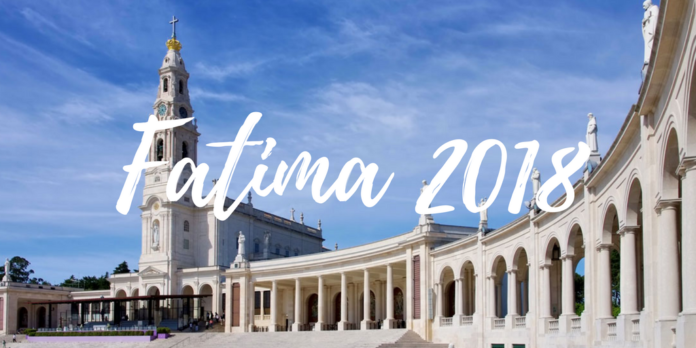
Fatima 2018 Youth Pilgrimage review

“Utter brilliance.” “Eye Opening.” “Challenging” “Encouraging and enlightening.” Some of the words used by our pilgrims to describe ADYC’s recent summer pilgrimage to Fatima. 

Describing my experience with ADYC would be a similar chose of words and the reasons I got more involved.

As a second year, liberal arts religion student at St Marys Teacher training college Belfast, this year I had the opportunity to spend my placement period with ADYC. Here I got to see the organising, promoting, recruiting and work that goes into youth pilgrimages. 

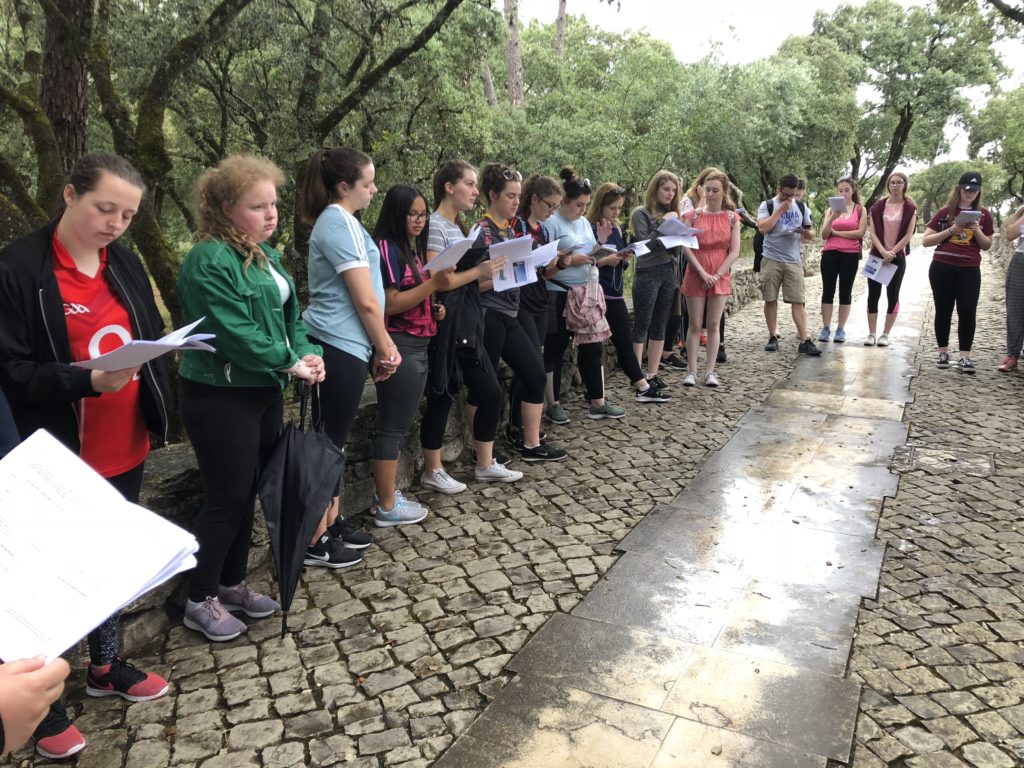
I had never been to Fatima before but it was one of the most enjoyable pilgrimages I have been on. It was peaceful, no rushing about, everything was calm and nearby. Added to that we had a great group of 24 young pilgrims.

Previously I had been to Lourdes; which I loved, so I knew Fatima would give me a similar experience. In hindsight, I must say the two are different. Not in the sense of holiness but the different fulfilling feeling I took from them.  By this I mean, I went to Lourdes in 2014 and I would this was the beginning of understanding my faith. It gave me that feeling of, I’d love to do more things like this. The following year I went to Rome, another great city but again different. In 2016; I had the first opportunity to go World Youth Day. Standing in Krakow with millions of other young people made me realise how amazing it is being part of the church. 

Fast forward to July 2018 and I have sent six days in Fatima, again a whole new feeling. I would say that’s because Fatima is a city of its own, it offers a different experience to that of Lourdes or Rome or Krakow. Even the candlelight procession was a different experience. On one of the nights two of our leaders were fortunate enough to partake in the international procession. After talking with the pilgrims, I could sense that the pilgrims could relate to the candlelight procession. Some described the procession as “tranquil, peaceful and inspiring.” We had some pilgrims who had been to Lourdes before who felt, due to the smaller numbers they felt more “connected to the procession.” Is that not what we want? We want young people to feel associated with the church and more thoughtful in prayer. 

That to me is the beauty of Fatima that you can feel connected with the events because it has only been 101 years since the visitations. The fact that we could visit Rua do Adro the parish church of Fatima, where the three shepherd children had been baptised, made communion and confirmed. We were also able to visit their house and met one of their nieces has that sense of connectivity.  

While we were in Fatima we visited enclosed Dominican nuns. This gave me personally, a time to think about how much they were giving up. I suppose living in such a secular society and having such a busy life it makes you realise sometimes you need to take a step back from everything to realise how caught up you can get and lose focus on the main things in life. 

The first couple of evenings we watched the candlelight procession from the sanctuary area.

The nights we didn’t partake in the candlelight procession, we would have sat in the sanctuary area in our own group and prayed the rosary, with reflective thoughts between each mystery. This is an example of how we can take a step back and take time to think about the things in life we do not spend enough time on or lose focus. 

That’s what the pilgrims seemed to do, they took the time to think more about their faith and some even came to me and asked questions about things that seemed to be a barrier in their faith. 

I guess that is another reason I wanted to go to Fatima. Sometime I feel I can get too caught up in work, study or other aspects of life, a week of prayer and reflection helped my spiritual being. 

Fatima has made me realise how I got involved with ADYC. Opportunities like these, that I was given, that ADYC offers to young people in the Armagh Diocese, empower and enrich the young person’s faith.