Friday, December 26, 2025
Home Blog Page 51

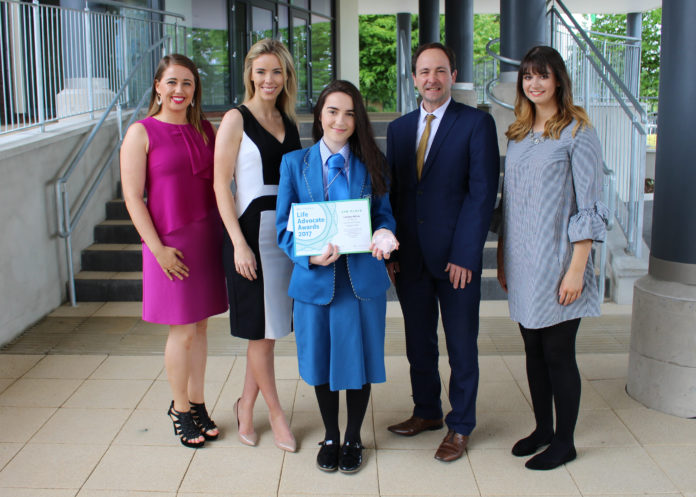
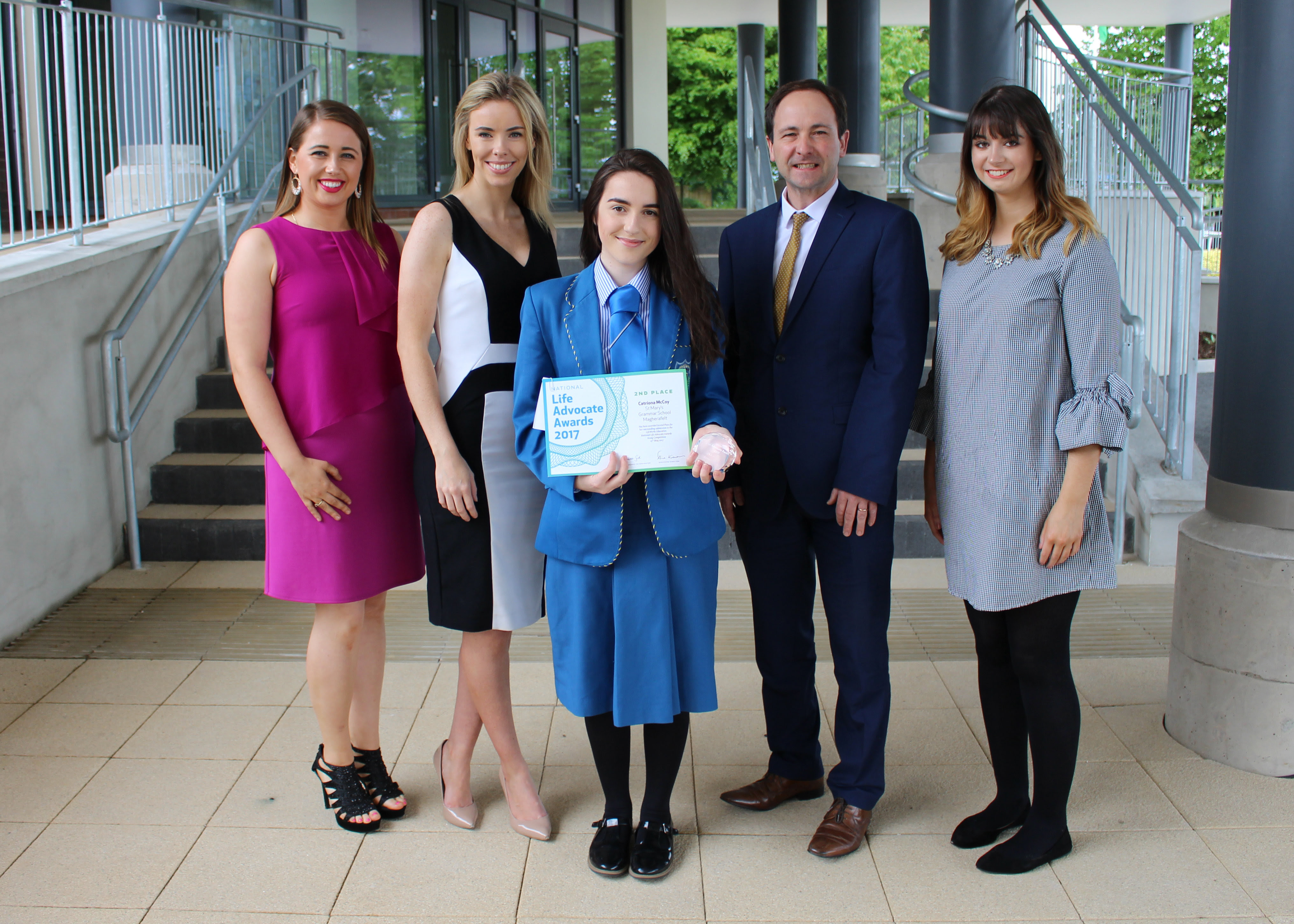
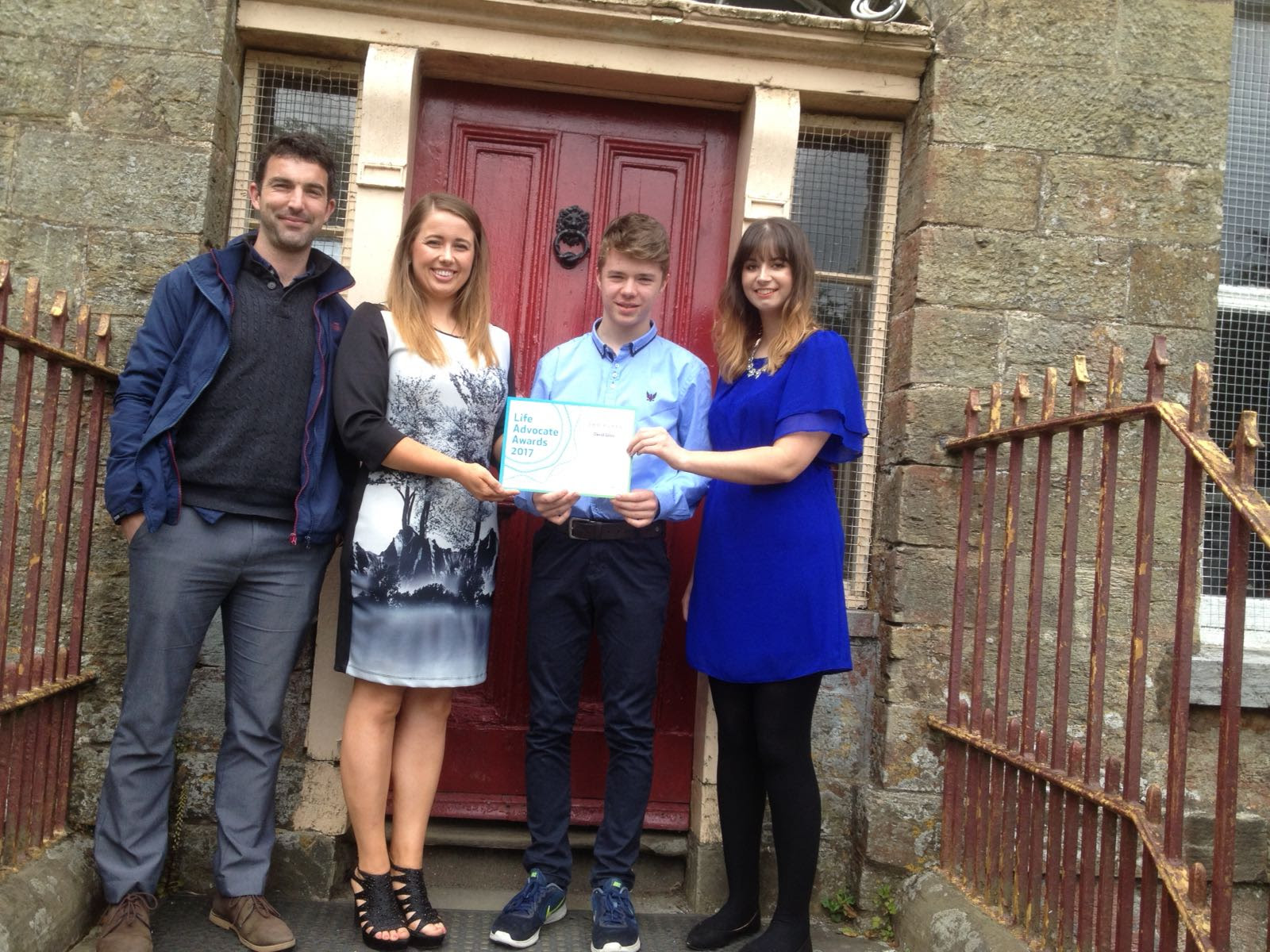
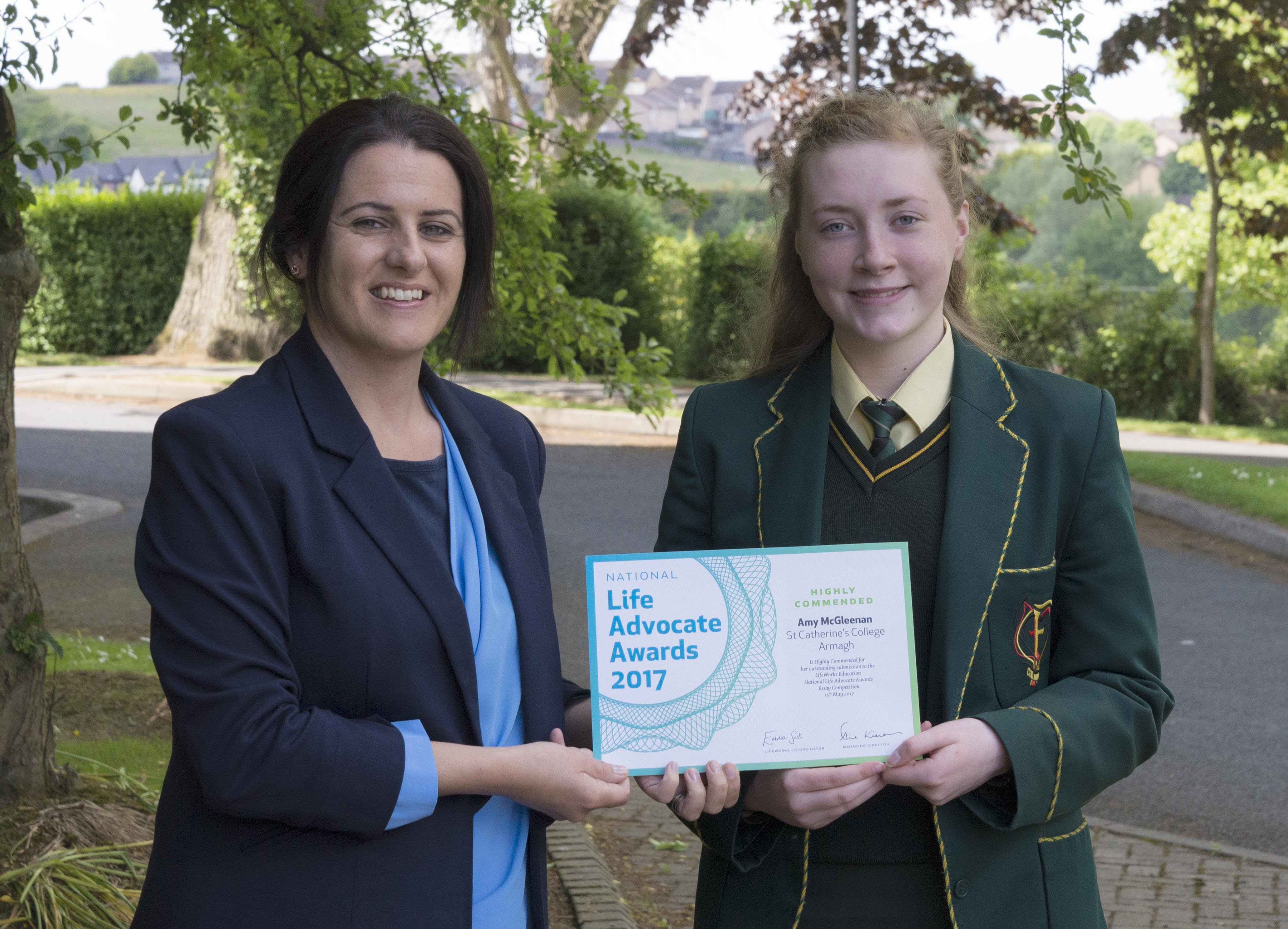
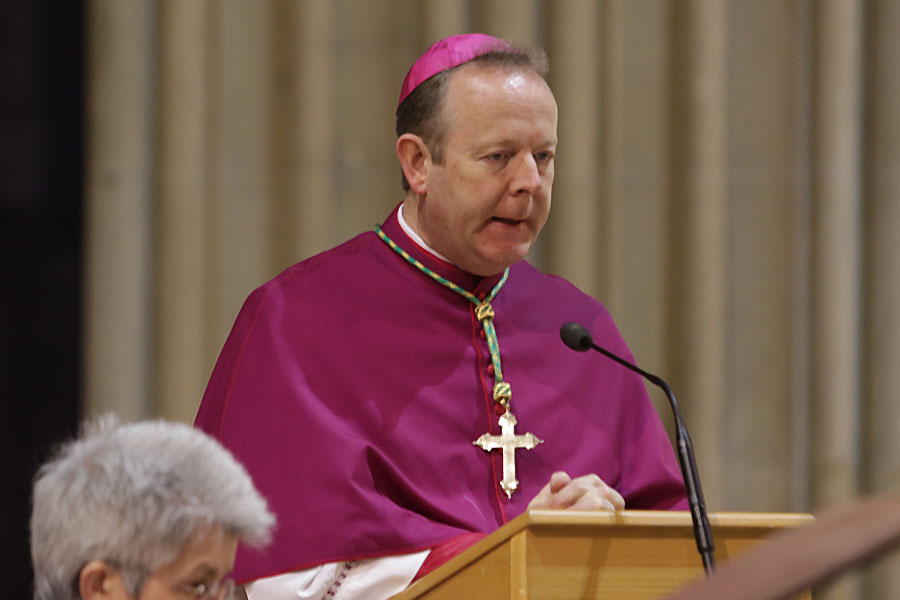
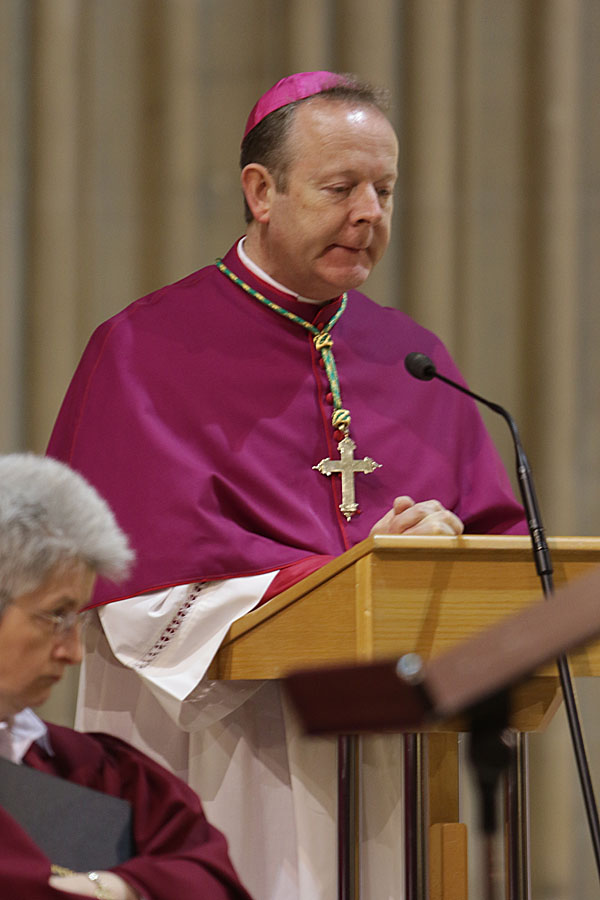
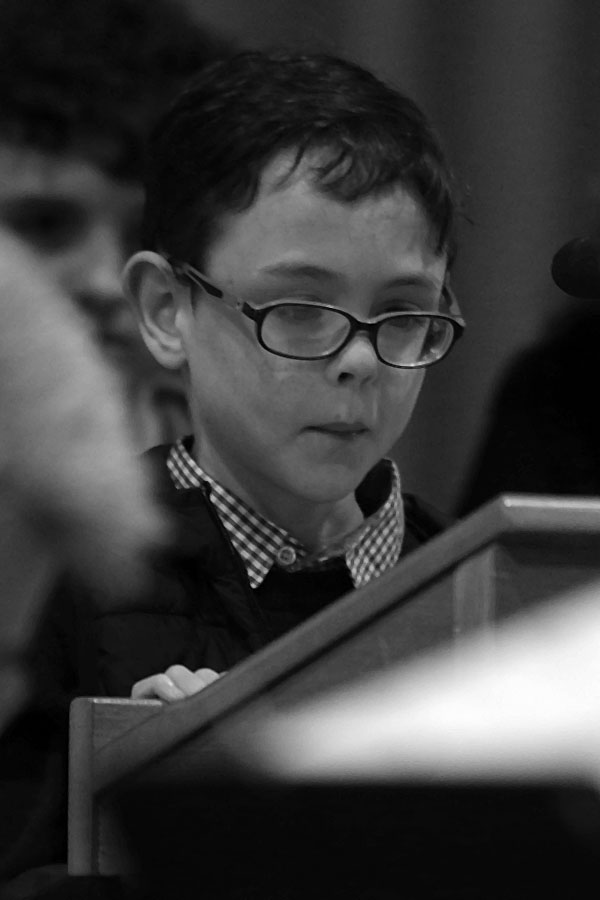
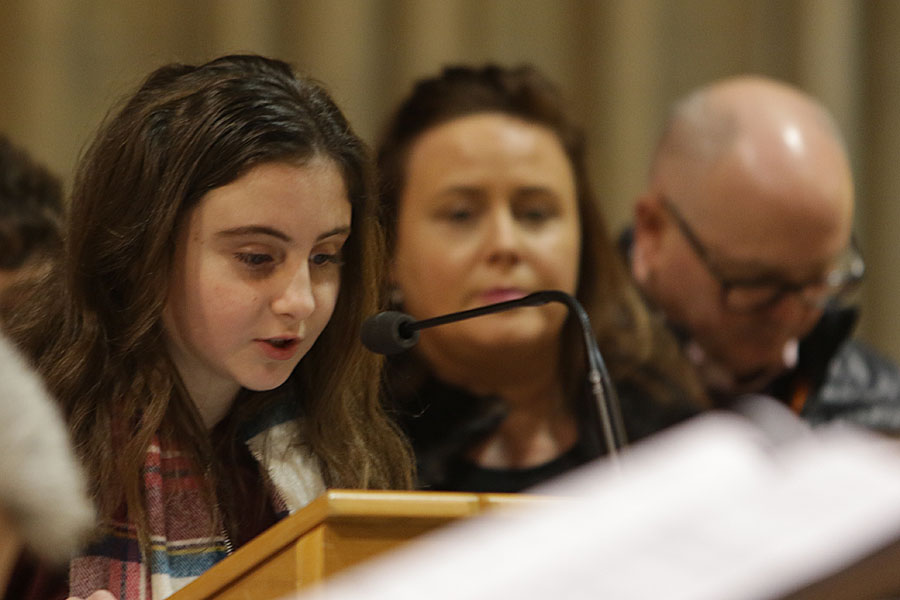
Life Advocate Award winners announced

Brilliant to see our own schools participate and do so well, St Mary’s Grammmar Magherafelt,  St Catherines Armagh, St Patricks Keady & St Ciaran’s Ballygawley. 
Congrats all around. 
 
This year students were asked to discuss the words of Dr Martin Luther King Jnr who said: “Our lives begin to end the day we become silent about the things that matter”.
 
http://mailchi.mp/bf4aa8198ea3/life-advocate-awards-2017-winners-announced-1880437?e=6acddd99ec
 

Flu Season 2017-2018 and Sign of Peace at Mass

Regarding the current flu situation, the Health and Social Care Agency (HSC) Northern Ireland states that “seasonal flu is an annual event of varying severity. In the past few weeks there has been an increase in flu activity in Northern Ireland. However, the season is defined as having low flu activity to date.”

In a press release of 2 January 2018, the Health Service Executive (HSE) in the Republic of Ireland states that “the number of reported cases of influenza-like illnesses in Ireland increased in the week before Christmas, meaning that flu is now actively circulating in Ireland.”

Given the increase in flu activity, North and South, it is worthwhile reminding ourselves of sensible hygiene practices. To reduce the spread of the flu virus the HSC suggests the following simple steps: “Carry tissues; use tissues to cover your mouth and nose when you cough or sneeze; dispose of the dirty tissues quickly; wash your hands regularly; clean hard surfaces (such as door handles) frequently using your usual cleaning product.”

The HSE offers similar advice and states: “Covering your nose with a tissue when you cough and sneeze, disposing of the tissue as soon as possible and cleaning your hands as soon as you can are important measures in helping prevent the spread of influenza and other germs and reducing the risk of transmission.”

It is good practice to supply tissues and hand gels at church liturgies and gatherings, particularly for anyone, including priests, distributing Holy Communion, with bins for disposal of used tissues.

Make sure all hard surfaces that are frequently touched, such as door handles, handrails and taps are cleaned regularly with a household detergent or antiseptic wipes.

You are aware that the invitation to give the Sign of Peace at Mass is optional (GIRM 154). Although, in times of previous flu alerts the Health Service Executive stated that “shaking hands while exchanging the ‘Sign of Peace’ involves a low risk of spreading the virus,” priests may wish to use their own discretion according to the prevalence of flu in their own locality. It is good to remember that those with flu symptoms are dispensed from their Sunday obligation to attend Mass.

If, however, some parishioners still feel uncomfortable when invited to offer the Sign of Peace in the traditional manner, they are welcome to wish others the Peace of Christ without hand contact but instead with a ‘simple bow’.

11 January 2018
Armagh

Five ways to Support the World Meeting of Families

Bishop Denis Nulty, Bishop of Kildare and Leighlin suggests five ways of supporting the World Meeting of Families 2018 with just eight months to go.

Safe Church Initiative

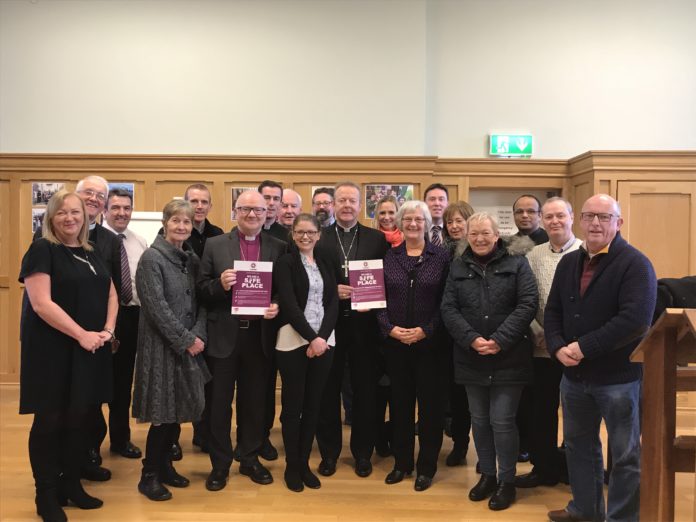
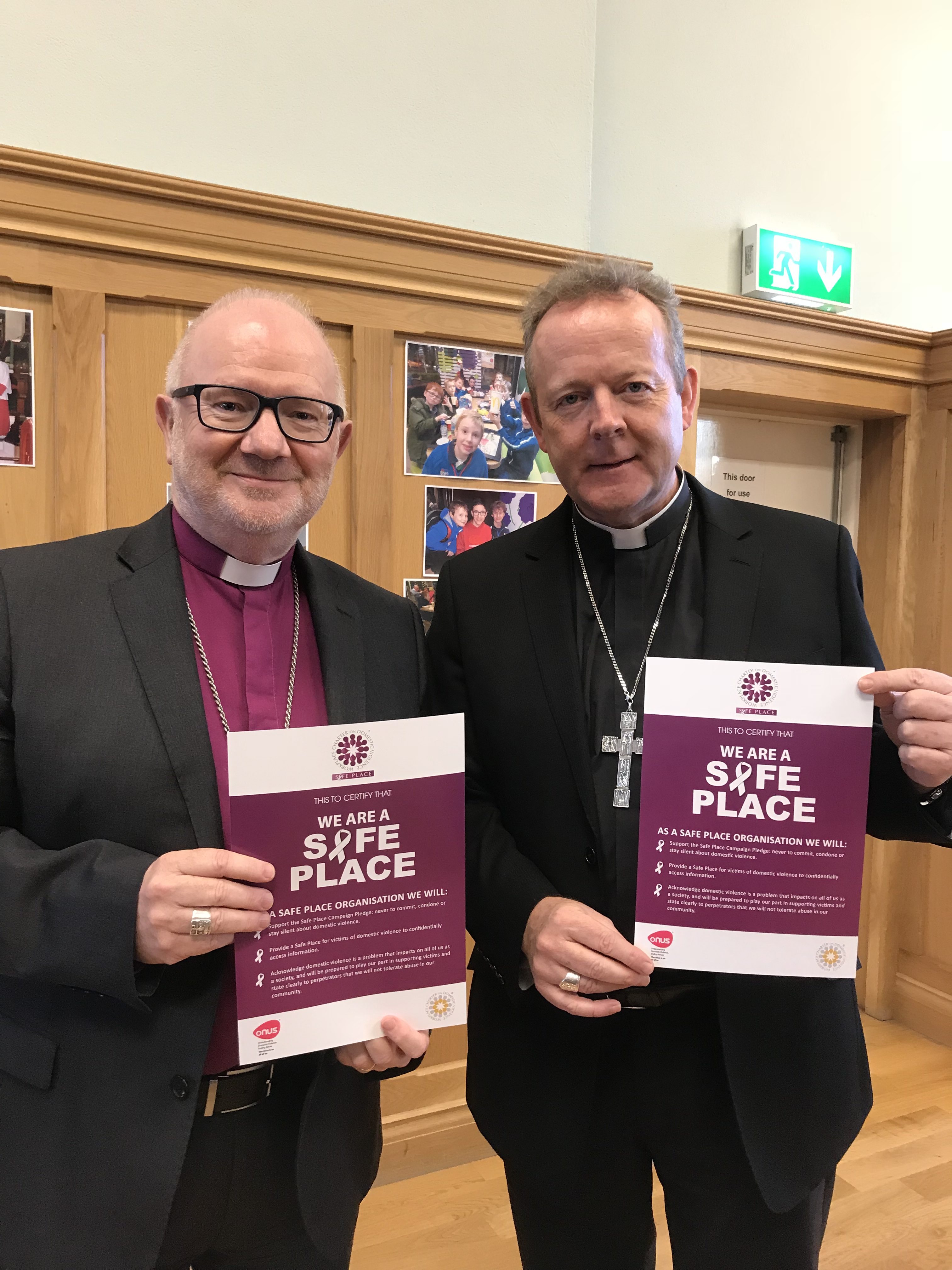
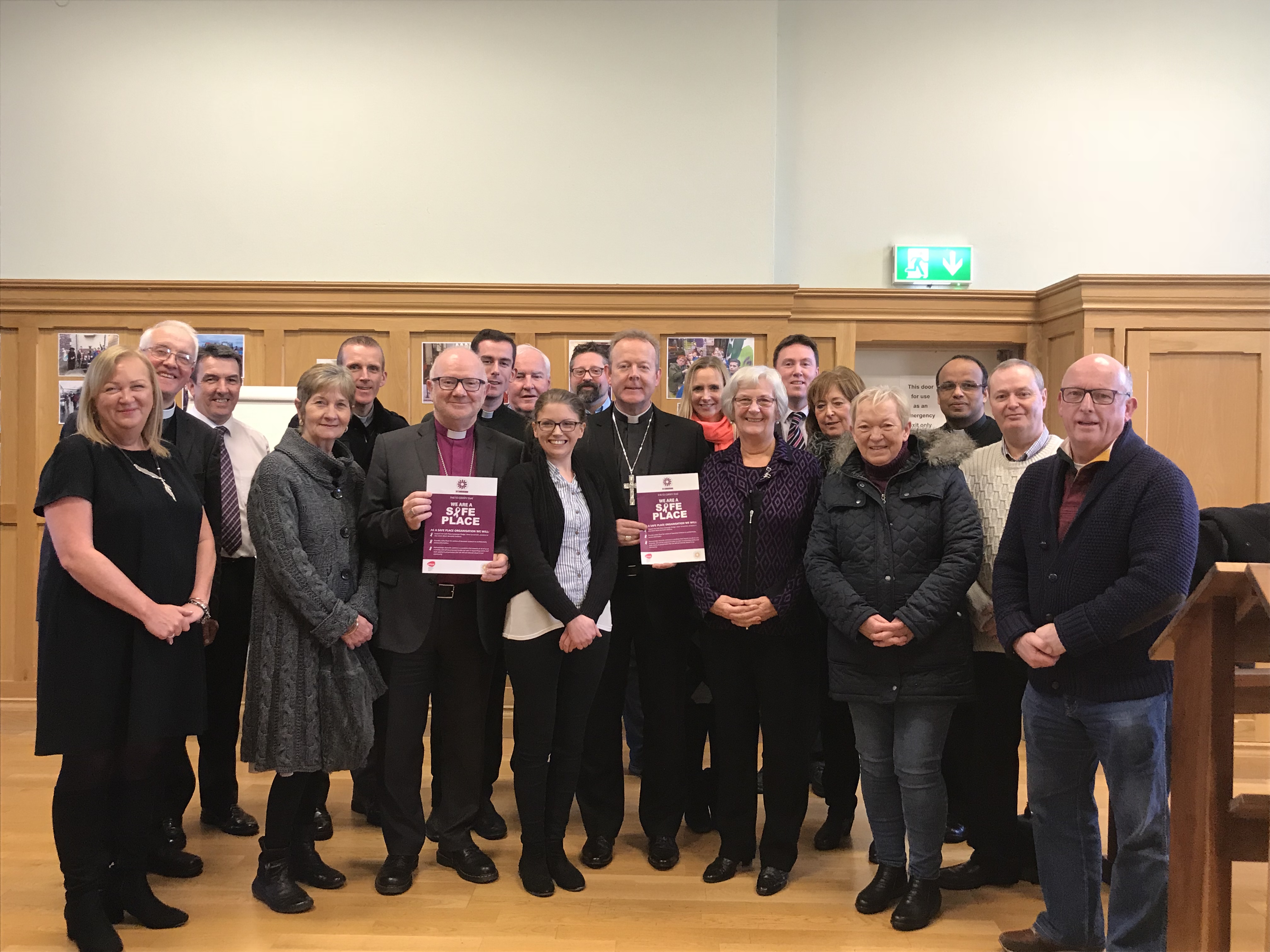
In conjunction with Women’s Aid and ONUS, the Catholic and Church of
Ireland Cathedral parishes here in Armagh came together for training
in the Safe Church Initiative. Clergy, as well as volunteer staff
attended the training.

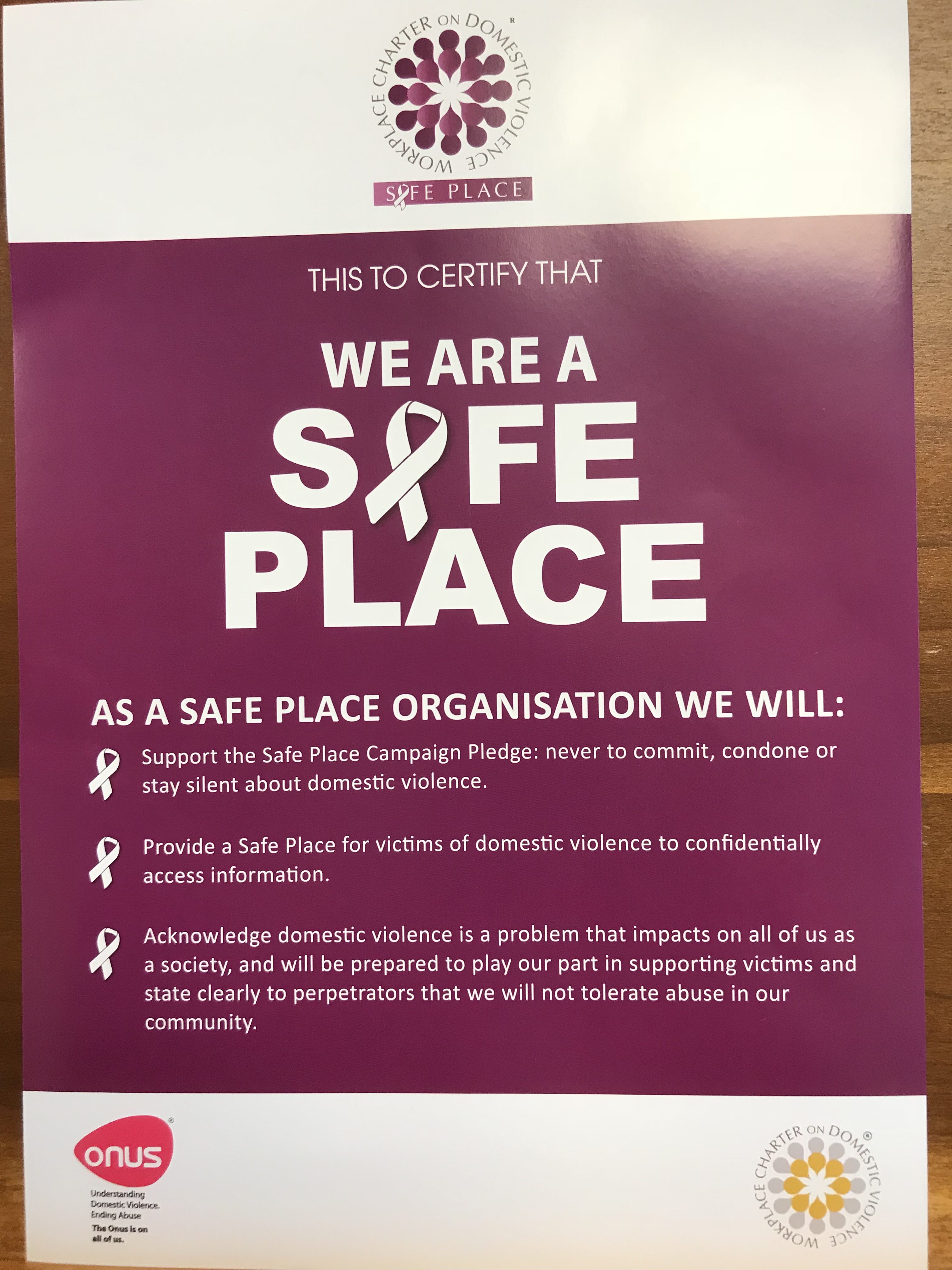
We have pledged to play our part in raising awareness about domestic
violence and abuse and in supporting anyone affected to confidentially
access information. We hope to draw more attention to this initiative
as we continue our preparations for the World Meeting of Families this
August.

Organisations like Women’s Aid alert us to the fact that at least 14%
of all crime reported to the police last year was related to domestic
violence with police responding to one incident every 18 minutes.

Both Cathedrals are now designated as Safe Churches. A word of thanks
to all those involved, in particular Rebekah Nelson and Alison Beattie.


Read more about this story on Irish Bishops Conference News Website

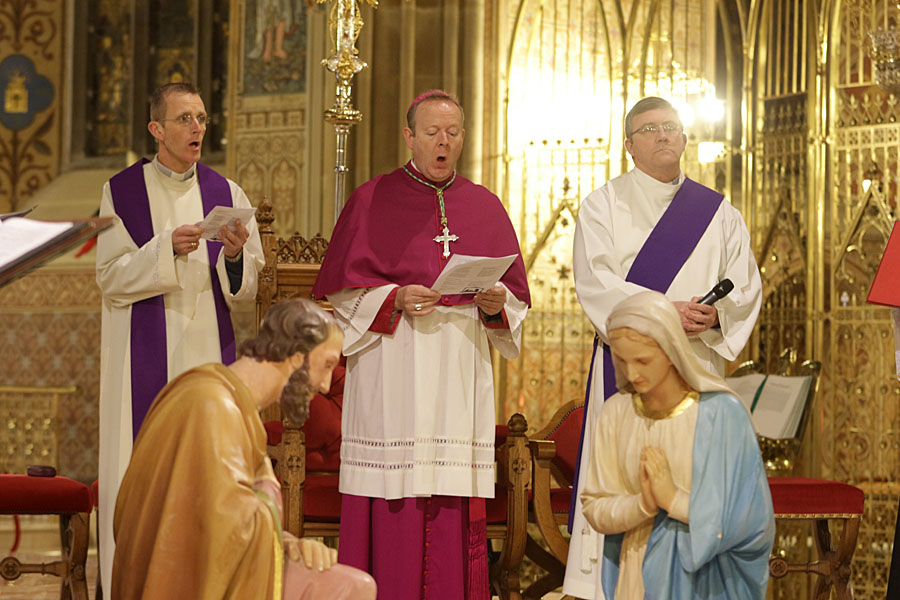
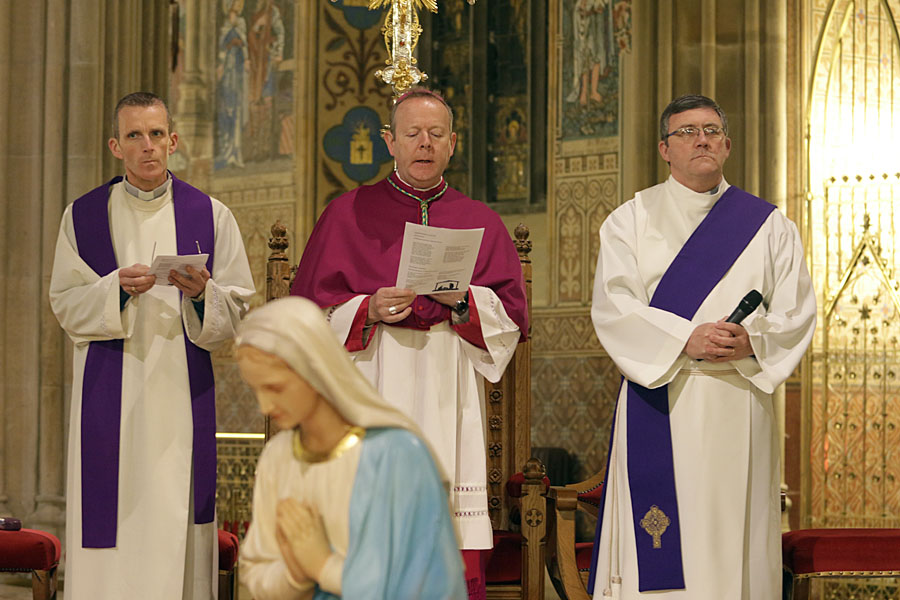
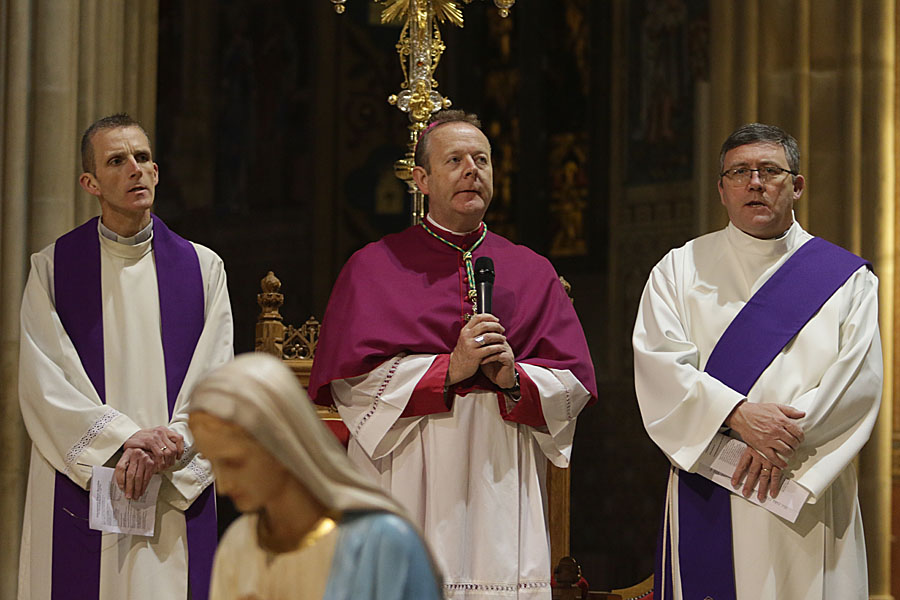
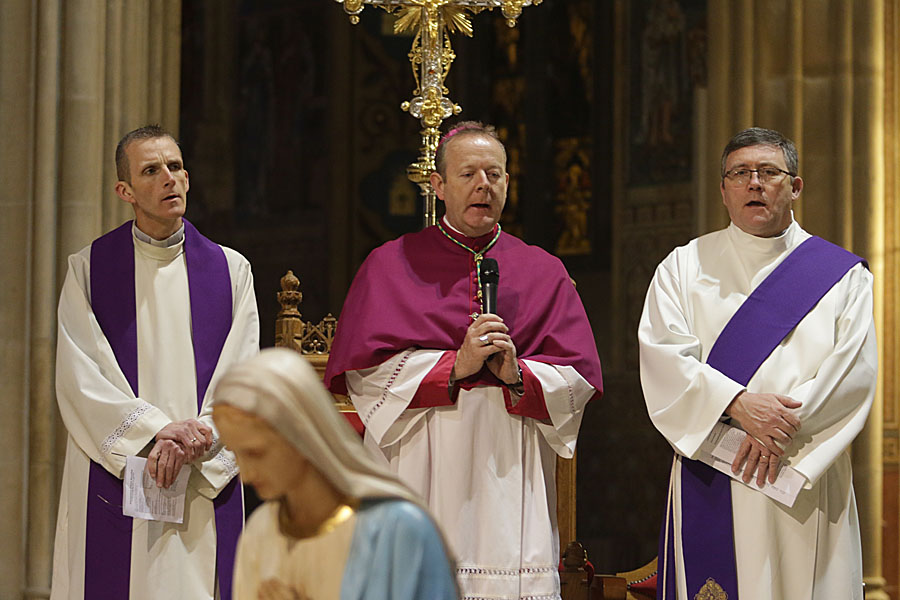
New Year’s Message and World Day of Peace Homily of Archbishop Eamon Martin

Mass celebrated in Saint Patrick’s Cathedral, Armagh


  • Pope Francis invites us, in a spirit of compassion,to “embrace all those fleeing from war and hunger, or forced by discrimination, persecution, poverty and environmental degradation to leave their homelands”
  • My wish on this World Day of Peace is that Christians everywhere, who exchange the Sign of the Peace of Christ at the celebration of the Eucharist, will be empowered by God’s grace to become active ambassadors for peace in the Church and in the world, beginning in their own homes, families, workplaces and neighbourhoods
  • The high levels of depression, addictions and anxiety in our country, and the frightening reality of domestic violence is not often spoken about openly, but it is an indication of the huge need that exists for inner peace and family reconciliation
  • We have pledged to play our part in raising awareness about domestic violence and abuse and in supporting anyone affected to confidentially access information


Homily

Brothers and sisters, the words we use at Mass: “Let us offer each other the sign of peace”, are especially meaningful on this first day of the New Year, the World Day of Peace.


The gesture of peace which we exchange at Mass goes back to the dawn of Christianity where it often took the form of a “kiss of peace” – many of the New Testament letters sign off with an invitation to “greet one another with a holy kiss”. The idea of expressing harmony, reconciliation and peace within the Christian community finds its deepest meaning in the words of Jesus himself: in Matthews Gospel:


So if you are offering your gift at the altar, and there remember that your brother has something against you, leave your gift there before the altar and go; first and be reconciled to your brother, and then come and offer your gift: Mt 5:23-24

The handshake we give nowadays at the Sign of Peace during Mass is not any ordinary friendly gesture or greeting.  It is a solemn exchange of the peace of Christ.  It is a prayer for unity within the Church herself, and a plea for peace in the whole human family.  The Sign of Peace makes a statement, just before Holy Communion, that we are brothers and sisters, one family in Christ the Lord.  It is also a pledge that we will go out from the Eucharist in charity and in love, to build bridges and to heal hurts and divisions within the wider human family.


Let us reflect for a moment on the words which accompany the Sign of Peace at Mass: 


The Priest introduces it with the prayer: 

Lord Jesus Christ,

who said to your Apostles:

Peace I leave you, my peace I give you,

look not on our sins,

but on the faith of your Church,

and graciously grant her peace and unity

in accordance with your will.

Who live and reign for ever and ever.

The people reply:

Amen.

Then the priest adds:
The peace of the Lord be with you always.

The people reply:
And with your spirit.

The deacon, or the priest, then invites all present :

Let us offer each other the sign of peace.

Afterwards we say together the Lamb of God, who takes away the sins of the world, ending with the words: Grant us peace.  The focus of this moving and meaningful ritual is strongly on the peace of Christ, a peace that world cannot give by itself.


I have heard that some people apparently do not like the Sign of Peace at Mass, and, for various reasons, would prefer not to be invited to offer it.  That would disappoint me, but I think we should be far more troubled by the reality that Christ’s Peace is needed so much and by so many, with all the threats to unity and peace within the Christian community and the world. 


On this first day of the New Year, I am reminded of the violence and war that continues to rage in many parts of the world, and in particular, of the horrific acts of terror that are carried out by some people who have so distorted and twisted their religious beliefs to justify such gruesome and shocking atrocities.


Last Holy Week we heard of 45 Coptic Christians in Egypt being murdered at worship on Palm Sunday.  It is shocking to learn that there have been further attacks during the Christmas season, most recently on Friday last when nine people were killed during an attack on a Christian Church in Cairo.  Here in Ireland, as we exchange the sign of peace on this first day of the New Year, let us do so in solidarity with so many of our Christian brothers and sisters throughout the world who suffer or die for their faith. 


I am mindful also today of migrants and refugees who are languishing in camps or wandering in hope for a better life for their families.  In his Message today for this, the 51st World Day of Peace, Pope Francis draws our attention to “the over 250 million migrants worldwide, of whom 22.5 million are refugees”.  He calls them “men and women in search for peace”, remarking that, “In order to find that peace, they are willing to risk their lives on a journey that is often long and perilous, to endure hardships and suffering, and to encounter fences and walls built to keep them far from their goal”.  Pope Francis invites us, in a spirit of compassion, to “embrace all those fleeing from war and hunger, or forced by discrimination, persecution, poverty and environmental degradation to leave their homelands”.


The Sign of Peace we offer at Mass challenges us is to make a concrete commitment to helping migrants and refugees find the peace that they are seeking.  Pope Francis suggests a practical strategy, combining four actions: “welcoming” strangers, “protecting” the dignity of those who are in danger of exploitation or abuse, “promoting” education and other means of human development, and finally, “integrating” migrants and refugees so that they can play a full part in the life of society. 


In the face of such huge longing and need for peace at a global level, we sometimes forget that the work of peace begins in our own hearts and in our homes.  If our Sign of Peace at Mass is to be authentic, then it challenges us to face the tensions and contradictions in our own personal lives and in our own families.  We all yearn to be at peace with ourselves and with one another, but the sad reality is that many individuals struggle with inner turmoil, mental health or addiction issues and a large number of homes and families are impacted by disagreements, family rivalries, bitterness, resentment and even violence.  The high levels of depression, addictions and anxiety in our country, and the frightening reality of domestic violence is not often spoken about openly, but it is an indication of the huge need that exists for inner peace and family reconciliation.

Organisations like Women’s Aid alert us to the fact that at least 14% of all crime reported to the police last year was related to domestic violence with one call every 18 minutes.  Just before Christmas, the Catholic and Church of Ireland Cathedral parishes here in Armagh came together for training in the Safe Church Initiative.  We have pledged to play our part in raising awareness about domestic violence and abuse and in supporting anyone affected to confidentially access information.  We hope to draw more attention to this initiative as we continue our preparations for the World Meeting of Families next August.


My brothers and sisters as the New Year 2018 begins, the challenge to speak and live the message of peace remains more important than ever.  My wish on this World Day of Peace is that Christians everywhere, who exchange the Sign of the Peace of Christ at the celebration of the Eucharist, will be empowered by God’s grace to become active ambassadors for peace in the Church and in the world, beginning in their own homes, families, workplaces and neighbourhoods.  In this way the Sign of Peace will avoid becoming an empty or meaningless gesture, but will rather be an impulse and driver towards reconciliation and peace building. 


The peace of the Lord be with you this New Year and always!

Pastoral Message for the new year 2018 from Archbishop Eamon Martin: “To Serve Human Life is to Serve God” (Pope Francis)

My brothers and sisters, as 2018 begins, I wish you, your family and all your loved ones the gifts of hope, love, and “life to the full” in the New Year.

On 1st January this year, the Feast of the Motherhood of Mary, Pope Francis said that calling Mary: “Mother of God” reminds us that, in Jesus, God became a living human being.  God is therefore intimately close to humanity – as close as a child is to its mother in the womb.  This is miraculous, Pope Francis said human beings are “no longer alone”.  God is with us.  In “the frail and infant God resting in his mother’s arms”, we see a “reflection of ourselves” and realise that “humanity is precious and sacred to the Lord”.

Human life is sacred
All human life is sacred.  All human life is precious.  This is why the direct and intentional taking of innocent human life is always gravely wrong.  In his New Year Homily, Pope Francis teaches us that: “to serve human life is to serve God.  All life, from life in the mother’s womb to that of the elderly, the suffering and the sick, and to that of the troublesome and even repellent, is to be welcomed, loved and helped”.

Just before Christmas the Joint Committee on the Eighth Amendment of the Constitution submitted its report to the Oireachtas.  In the name of “modernising healthcare”, the Committee proposes a very liberal abortion regime, including unrestricted access to abortion up to twelve weeks, and, thereafter during pregnancy, very broad grounds for abortion and access to abortion.

In the coming weeks, Oireachtas members will be discussing the possibility of holding a referendum aimed at repealing Article 40.3.3 of the Constitution of Ireland.  This Article – the eighth amendment – gives an undertaking to respect, defend and vindicate the equal right to life of a mother and her unborn child.  Article 40.3.3 reads as follows:
“The State acknowledges the right to life of the unborn and, with due regard to the equal right to life of the mother, guarantees in its laws to respect, and, as far as practicable, by its laws to defend and vindicate that right”.

Article 40.3.3 is a declaration of equality and respect for human life – it represents, at the very foundations and substructure of our laws, a conviction that all human life is equally worth cherishing.  To repeal this Article will leave unborn children defenceless, and completely at the mercy of whatever abortion laws are introduced in Ireland – both immediately, and as will inevitably be further broadened in future years.

Two Lives, One Love!
Today we celebrate Nollaig na mBan, an Irish tradition which marks the contribution that women make to our families and to society.  Women’s lives are precious, to be loved, valued and protected.  Their babies’ lives are precious, to be loved, valued and protected.  Two lives, one love!  Both lives deserve protection from the tragedy and irreversible decision of abortion.
It is falsely claimed that wide access to abortion will mark Ireland out as a “modern” country, placing the needs of women “at the centre”.  Abortion ends the human life of an unborn girl or boy.  It deceives women – and men – by creating a culture where the decision to end the life of an unborn child is portrayed as simply a matter of individual “choice”.

Since the introduction of the 1967 Abortion Act in Britain there have been almost nine million abortions.  One-in-five pregnancies in Britain end in abortion; one-in-four in Sweden.  International experience shows a similar trend elsewhere.  Are these the so-called “modern abortion regimes” that Ireland is seeking to emulate?

When women are in crisis during pregnancy, feeling frightened or isolated, they need to know they are not alone.  A woman facing such a crisis deserves time, compassion, meaningful support and life-affirming alternatives to abortion and its harmful legacy.  Our ambition as a people should be to guarantee genuine care for pregnant mothers, encourage responsible support from fathers, and to truly cherish all children equally.

We should focus our energies and resources on making Ireland the most welcoming country in the world for a woman and her baby in the womb.  Our doctors, nurses, midwives and other care professionals have already helped to earn Ireland’s place as one of the safest countries in the world for mothers and their babies during pregnancy.  Ireland now has an opportunity to give even stronger witness that: we value all life equally; we care for the weakest and smallest, the strongest and healthiest, the youngest, the oldest, and the whole wonderful and beautiful spectrum of life in-between.

Intervention
Regarding medical intervention, Catholic teaching is clear: where a seriously-ill pregnant woman requires medical treatment which may put the life of her baby at risk, such treatments are ethically permissible provided every effort is made to save both the mother and her baby.  Such an intervention would be different from an abortion, which is the direct and intentional taking of the innocent life of the unborn.

Be missionaries for life!
The innate dignity of every human life, from conception to natural death, is a value for the whole of society, rooted in reason as well as in faith.  The Catholic Church, in common with many other people of goodwill, teaches that ending the life of an unborn child, like the taking of any other innocent human life, is always evil and can never be justified.

Brothers and sisters I encourage you to be missionaries for the cause of life.  Remember those words of Pope Francis: “To serve human life is to serve God”.  Speak to your families, your children and grandchildren, friends and colleagues about cherishing the precious gift of life at all times from conception to natural death.  Speak the truth about life, and speak it with love.  Despite the strong pressures to remain silent, do not be afraid to witness to the equality of all life in private conversations and public discussions in the coming months.  As citizens committed to the Common Good, you have a democratic right to make your views known, respectfully, to our public representatives.

The power of prayer
Please pray earnestly with me that Ireland will “choose life” and that the lives of all women and their unborn children will always be loved, valued, welcomed and respected in this country.

Prayer of Pope Francis (Laudato Si‘)

All powerful God, you are present in the whole universe
and in the smallest of your creatures.
You embrace with your tenderness all that exists.
Pour out upon us the power of your love,
That we may protect life and beauty.
Fill us with peace, that we may live
as brothers and sisters, harming no one.
Amen

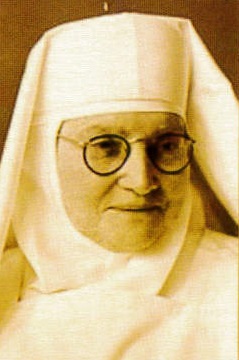
Cause of Beatification of Mother Kevin Kearney OSF (1875–1957)

On 6 November 2016 the Cause for the Beatification of Mother Kevin Kearney OSF was officially accepted by the Congregation for the Causes of Saints and she was declared a ‘Servant of God’.

Mother Kevin has a strong connection with the Archdiocese of Armagh. She founded the Religious Order, the Franciscan Missionary Sisters for Africa, whose mother house is located in Mount Oliver, Dundalk, Co Louth.

Teresa Kearney (Mother Kevin) was born in 1875 in Arklow, Co Wicklow. At the age of 18 she moved to England. She entered the Convent of the Franciscan Sisters in London and took the name Mary Kevin when she took her final vows in 1898.

Mother Kevin was particularly interested in missionary work and spent most of her religious ministry in Uganda. Mother Kevin’s charity was outstanding; she embraced all walks of life without discrimination against colour, ethnic background, religion or political orientation. In spite of personal hardship, suffering and illness, Mother Kevin was instrumental in establishing schools, hospitals, orphanages and teacher training colleges in Africa.

In 1923 she founded the Little Sisters of St Francis which is now a fully-fledged religious congregation of over 800 members with convents in Uganda, Kenya, Tanzania and America.

To accommodate the increasing number of postulants from Ireland, Mother Kevin established a new convent at Mount Oliver, Dundalk, and in 1952 became the first Superior General of a new Congregation, The Franciscan Missionary Sisters for Africa. Mount Oliver is now a nursing home for sick and retired sisters.

Mother Kevin died in 1957. Initially her body was flown home to Ireland for burial at Mount Oliver. After entreaties from the Ugandan people, her mortal remains were returned to Uganda, and Nkikonjeru became her final resting place.

The Franciscan Missionary Sisters for Africa are keen to spread the news about the virtue, zeal and holiness of Mother Kevin. They would like people to pray for the success of the ongoing process. Favours or miracles attributed to Mother Kevin, need to be reported. Please promote the following Intercessory Prayer for the Cause of Mother Kevin:

Lord of the harvest,
you blessed so abundantly the labours of your servant Mother Mary Kevin,
in her service of love for the establishment of your Kingdom in Africa.

During her lifetime,
she showed love and mercy to all those in need.
Grant that through her intercession we may receive the favour we now ask:

(make your petition here).

We make this prayer through Jesus Christ Our Lord.
Amen

Confirmation 2018

Click the following link to view the 2018 Confirmation dates for the Archdiocese of Armagh.

Confirmation List 2018 – for Publication

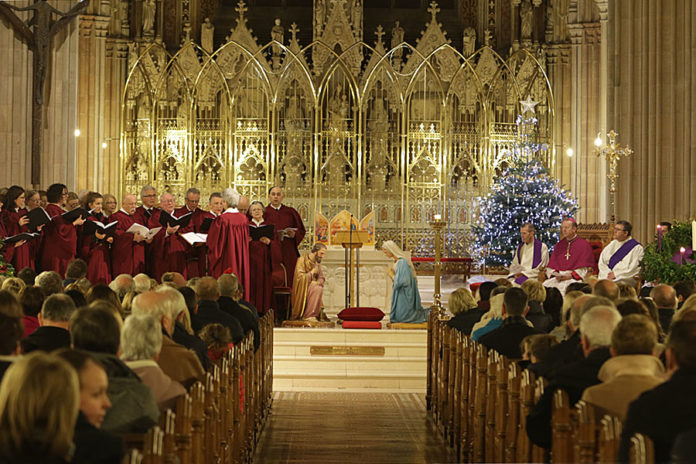
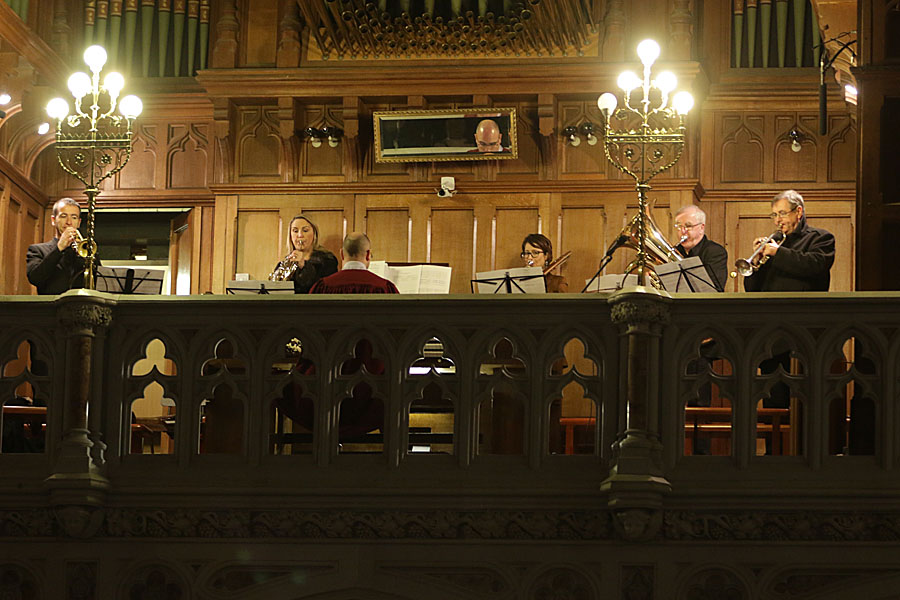
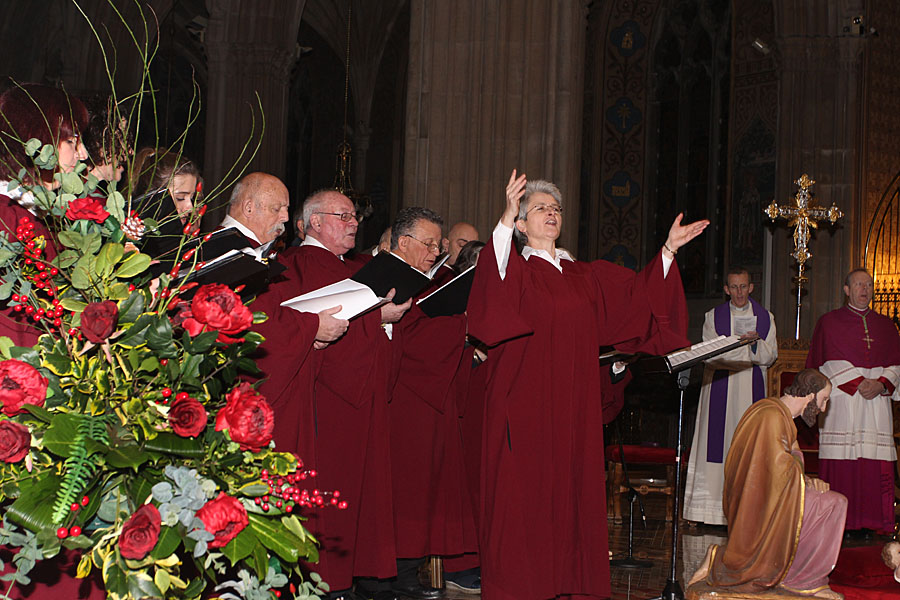
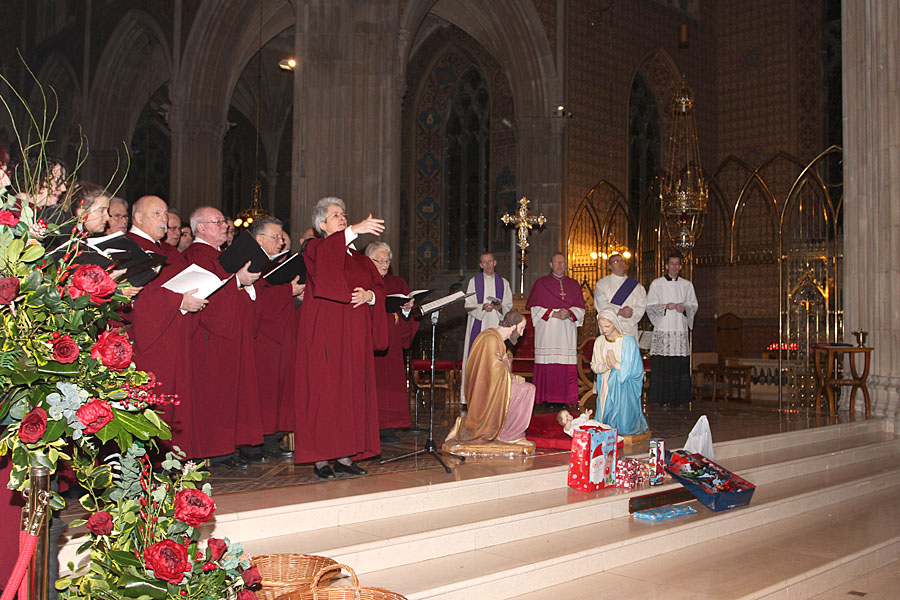
Armagh Cathedral Carol Service lead by Archbishop Eamon

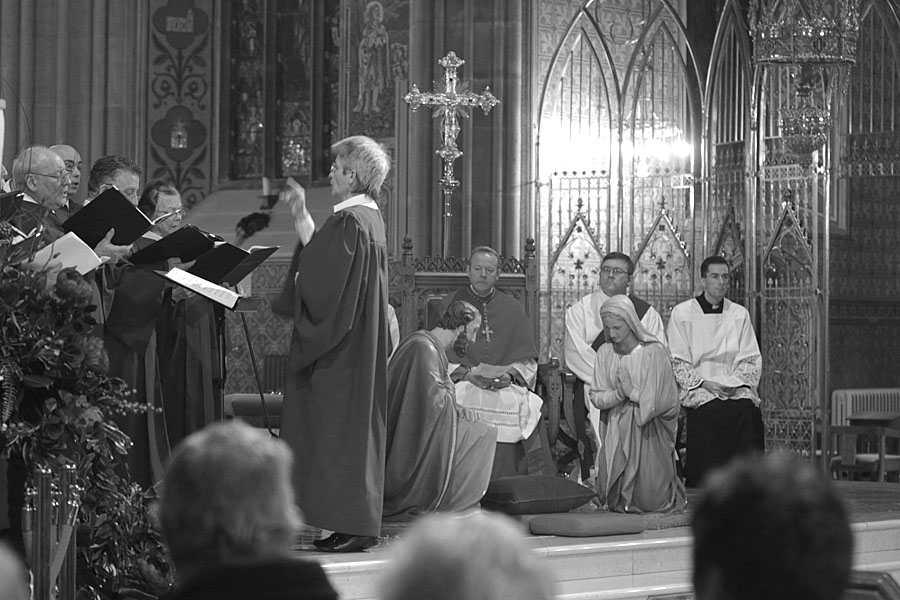
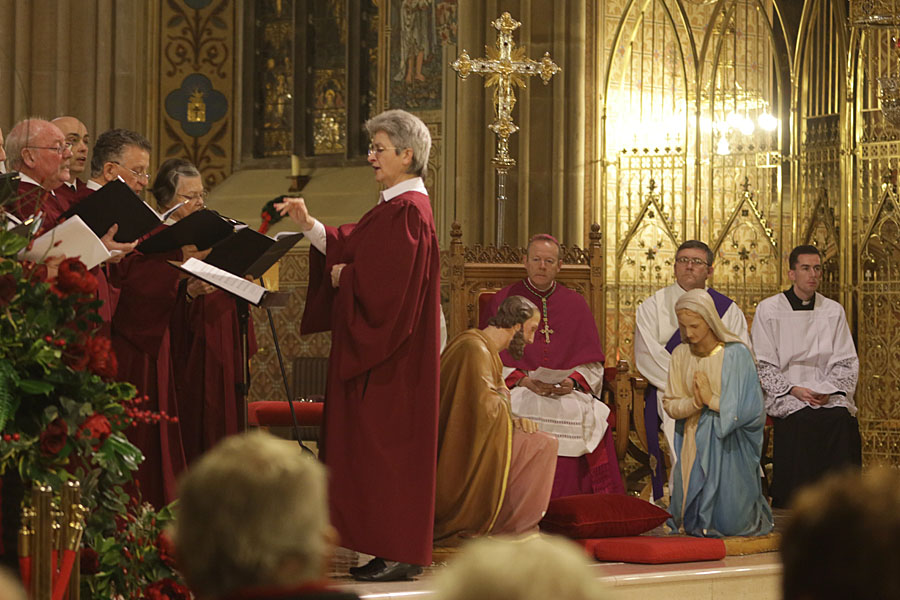
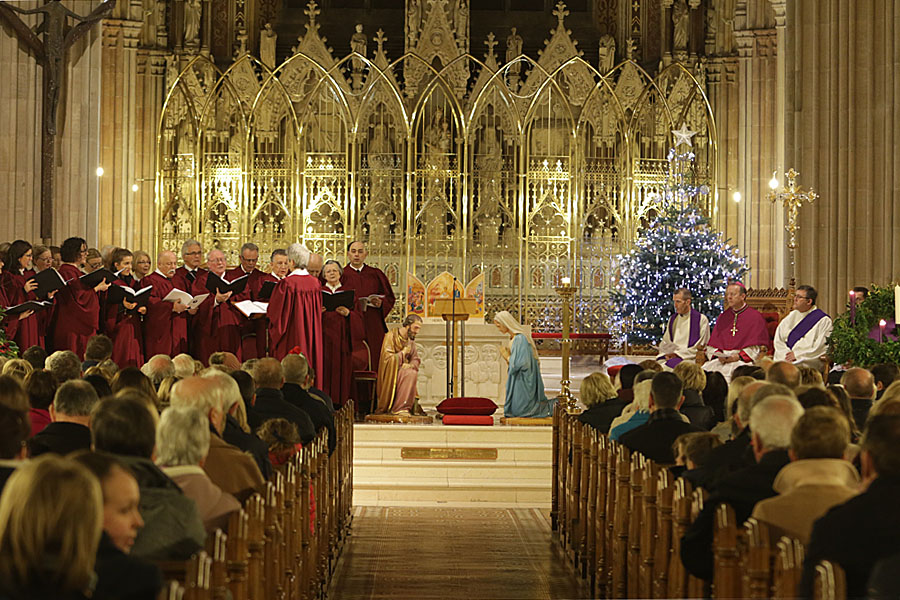
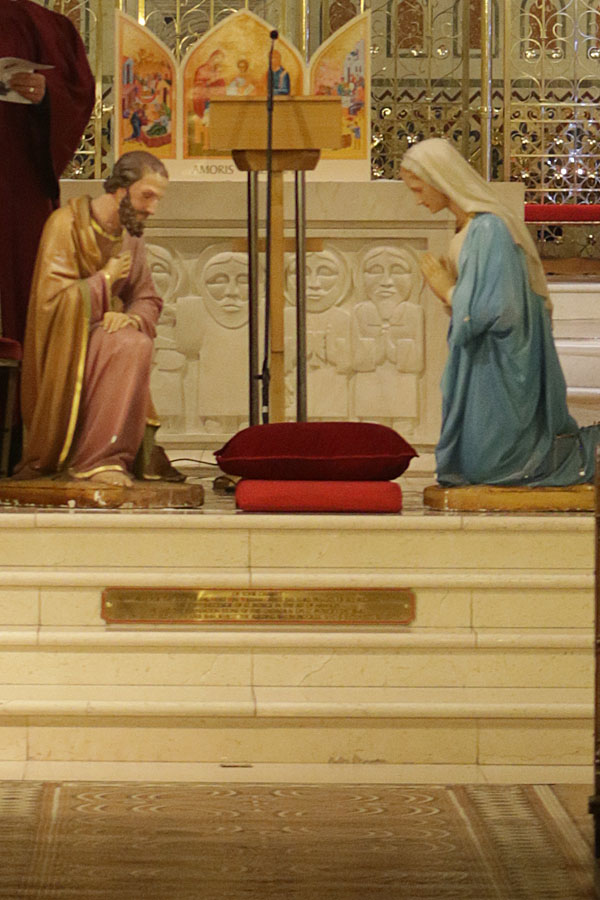
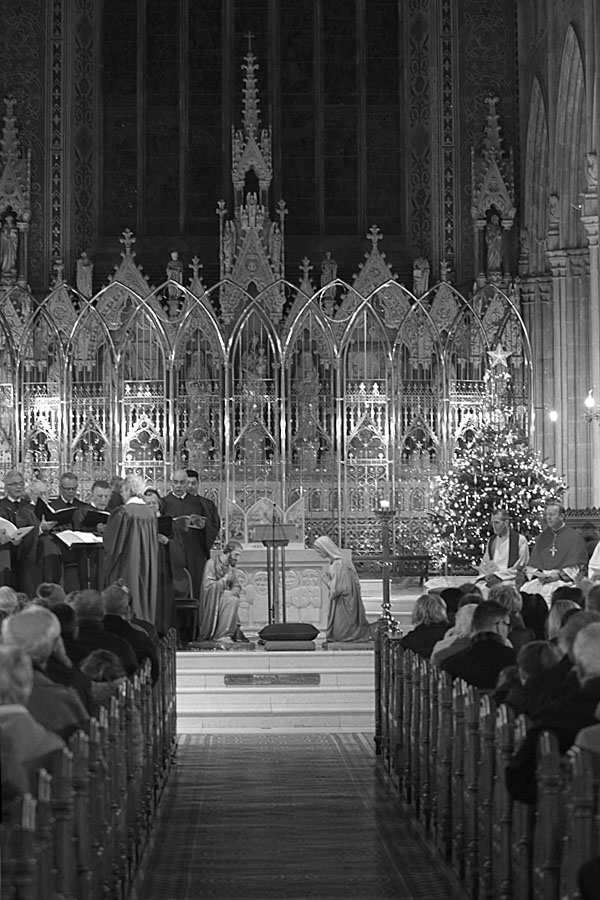
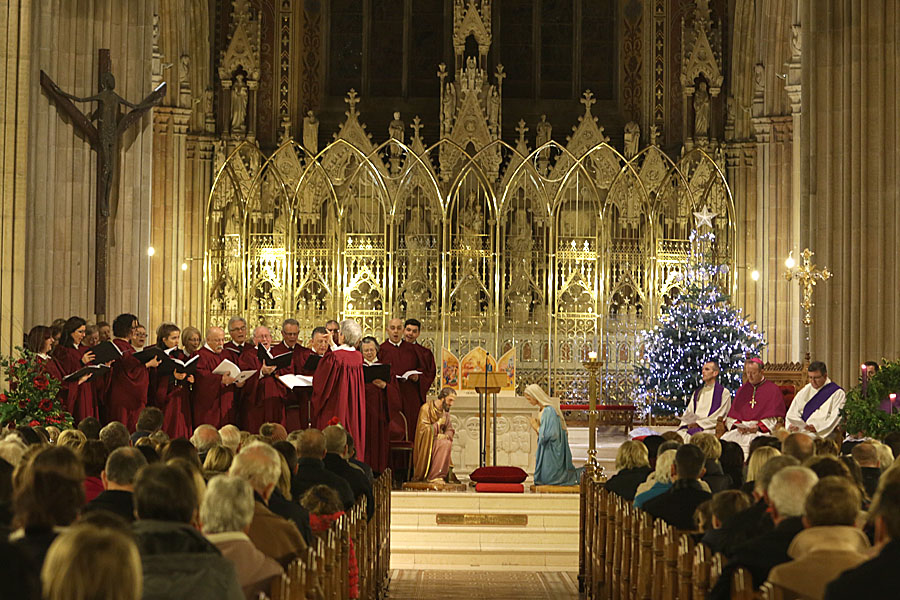
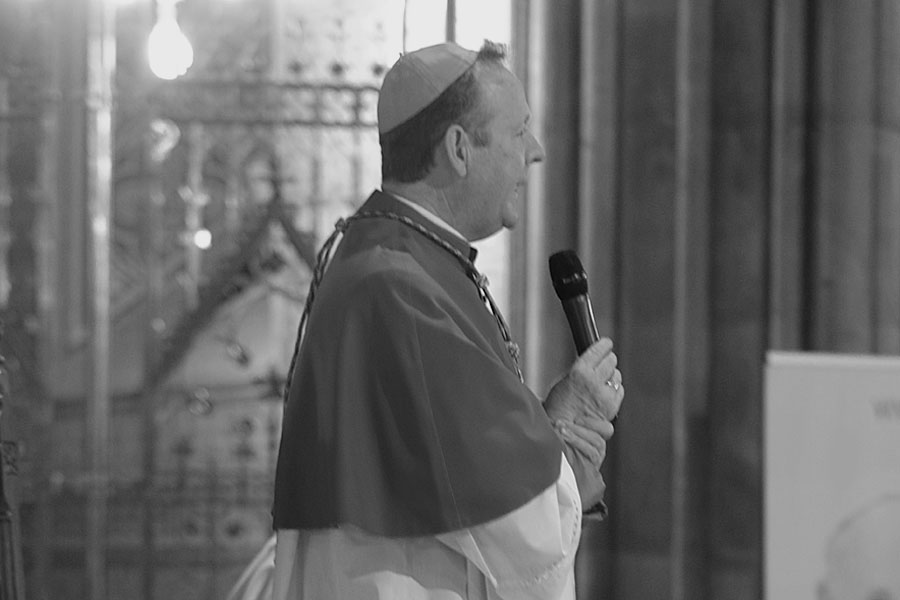
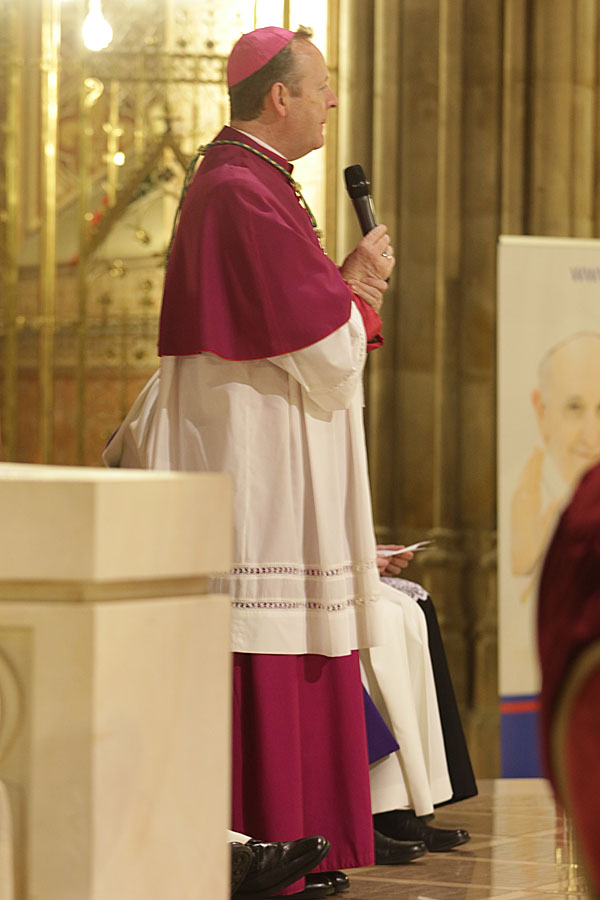
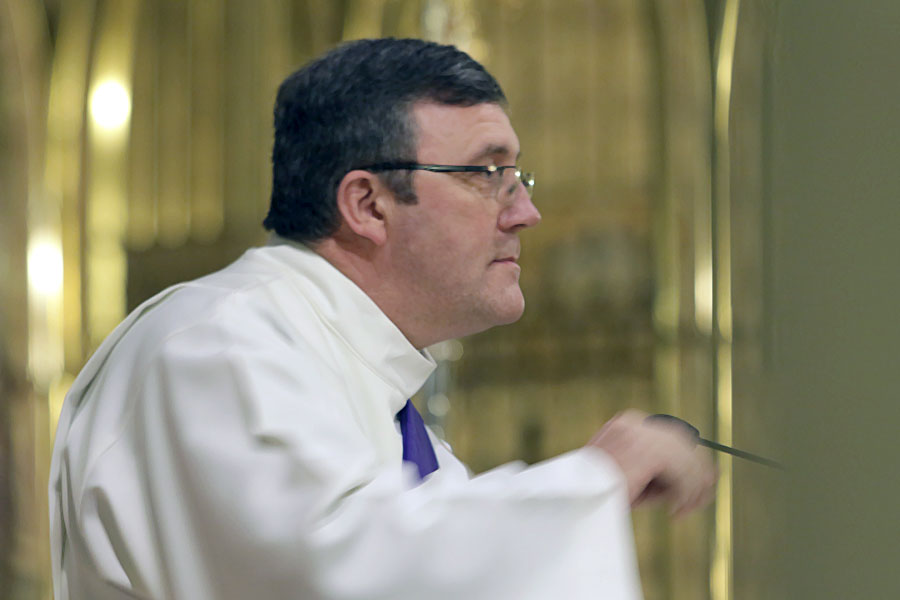
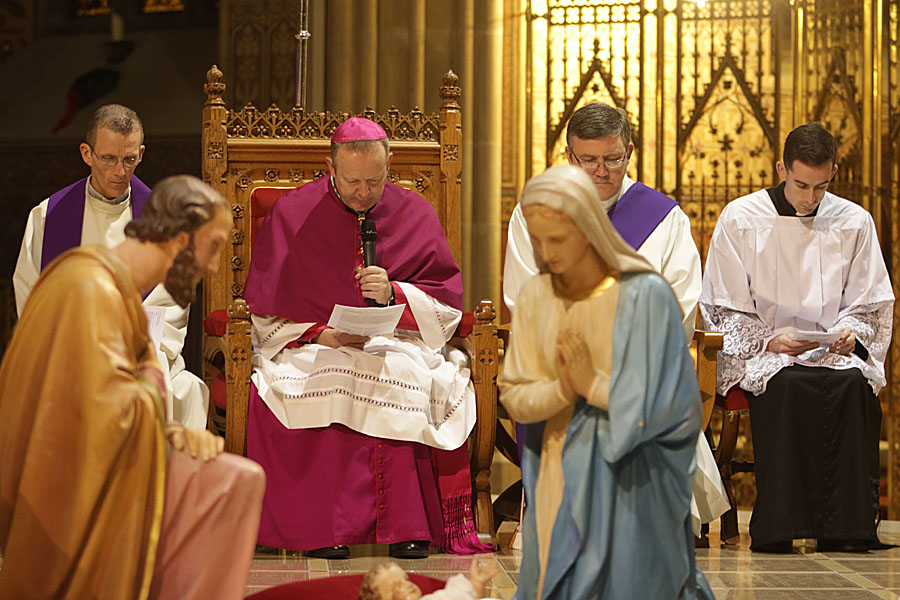
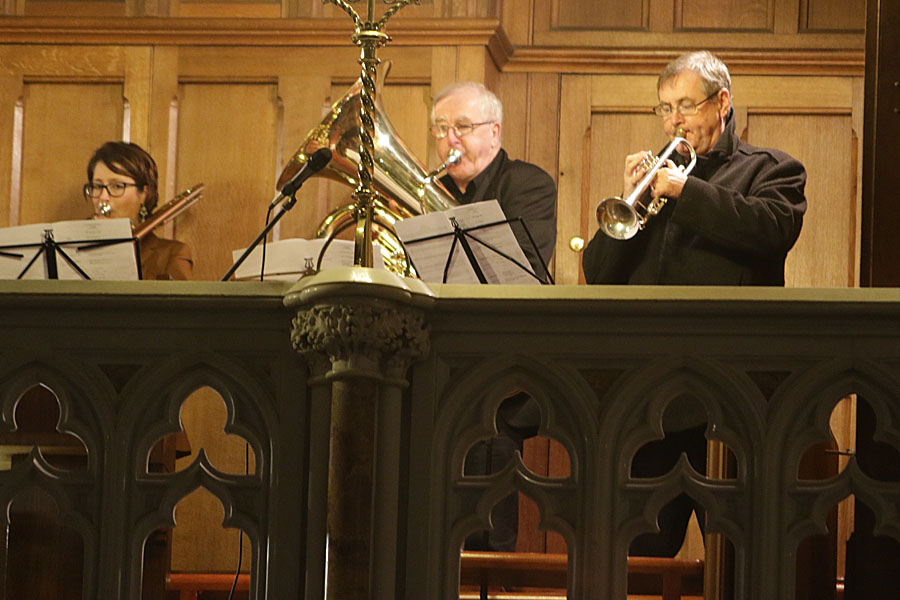
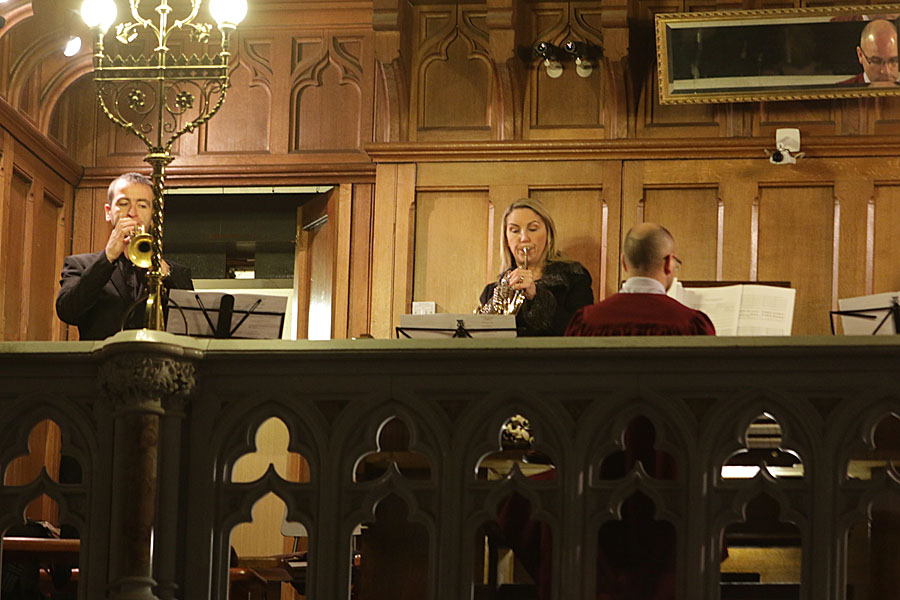
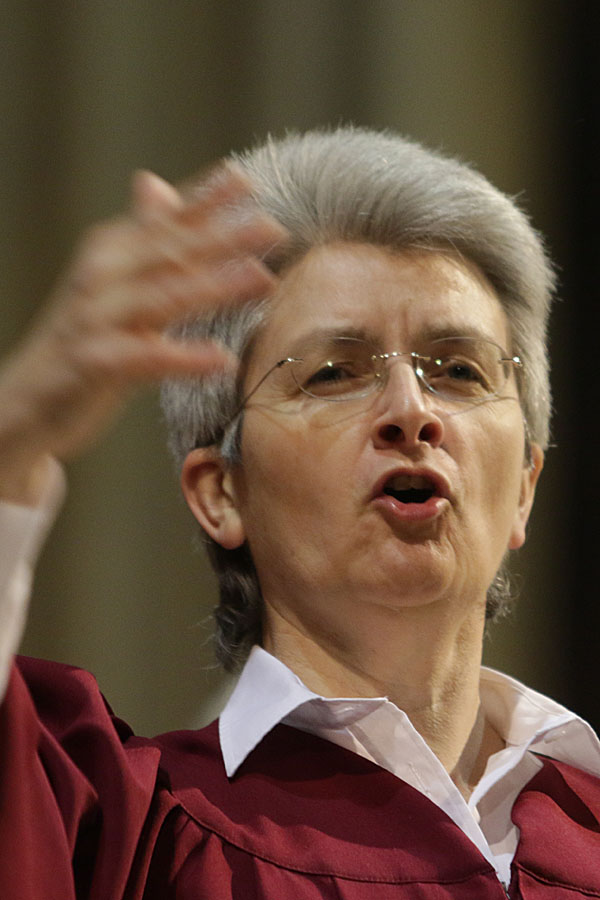
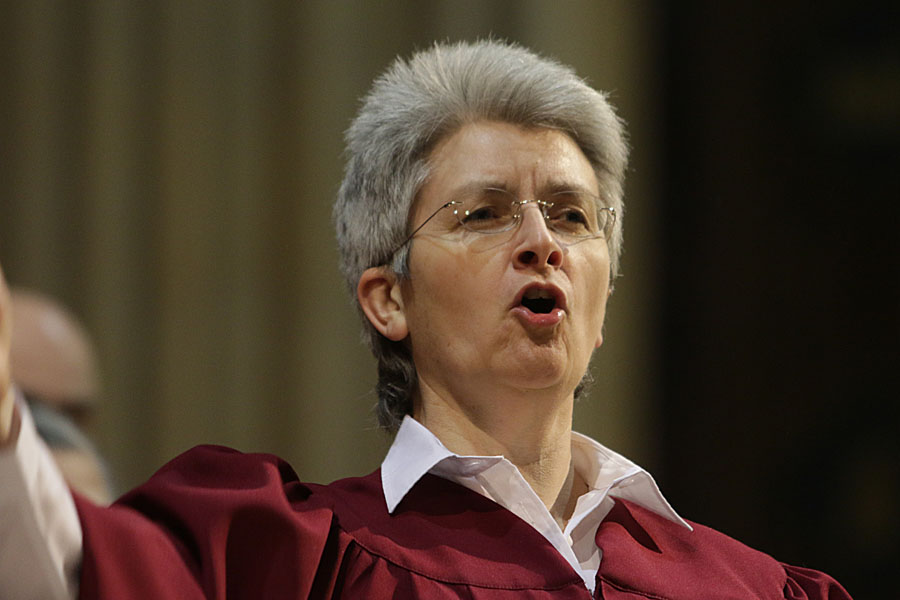
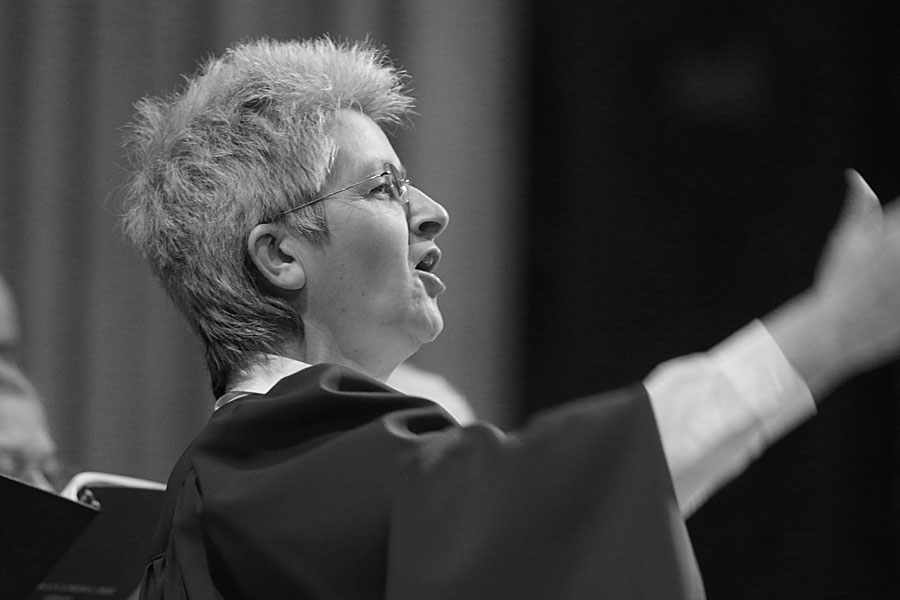
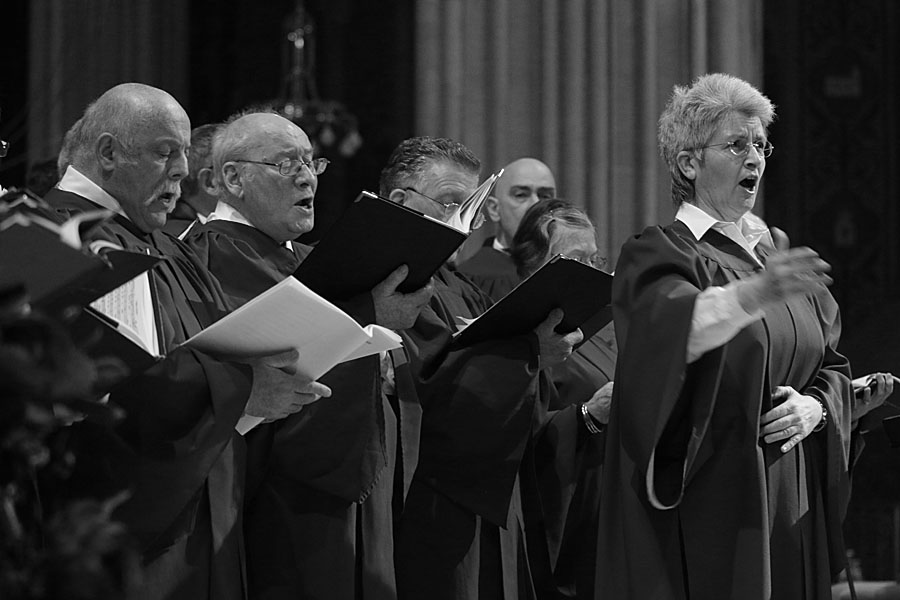
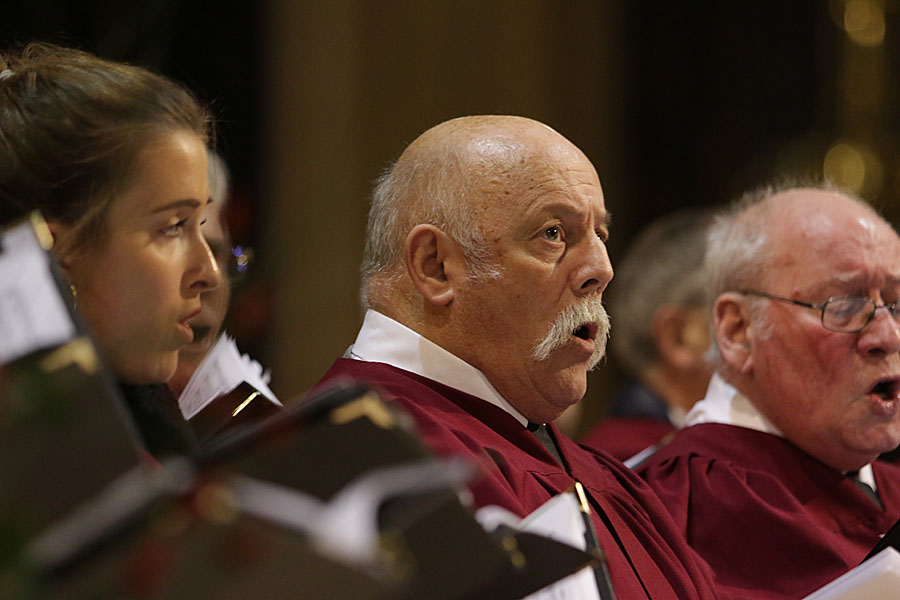
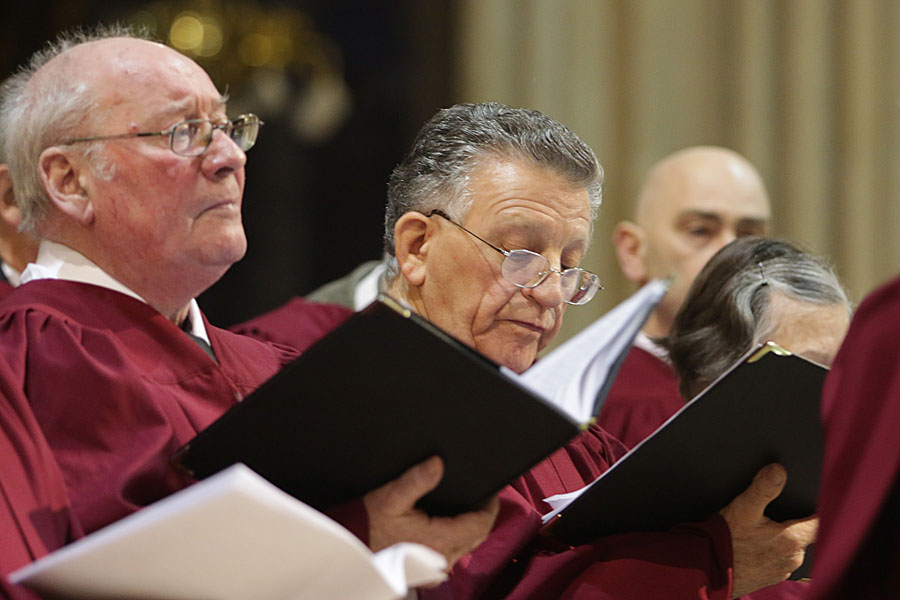
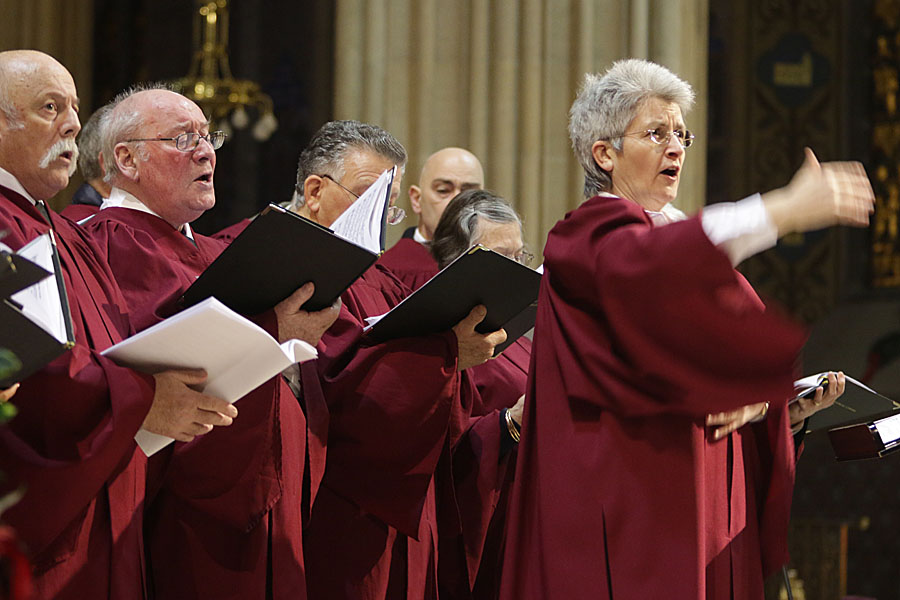
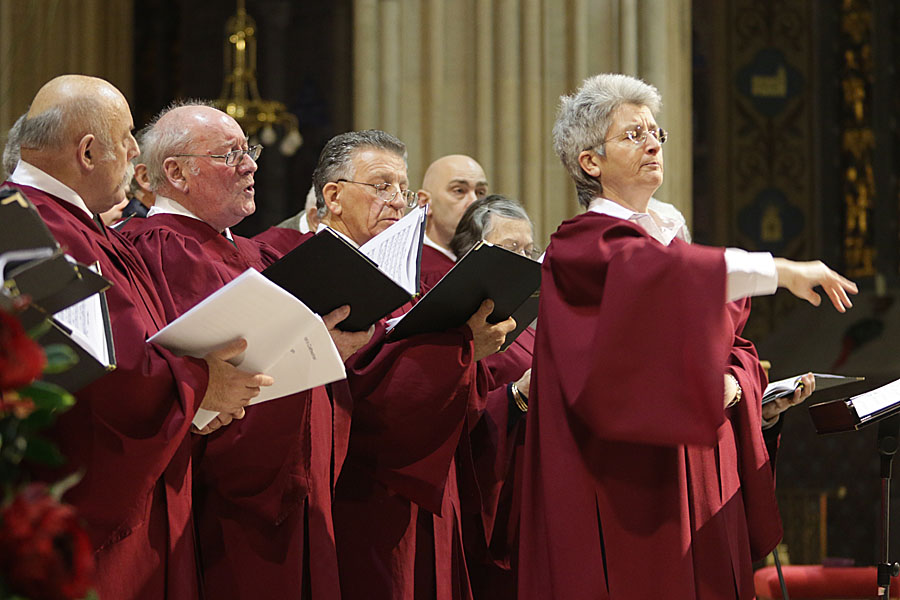
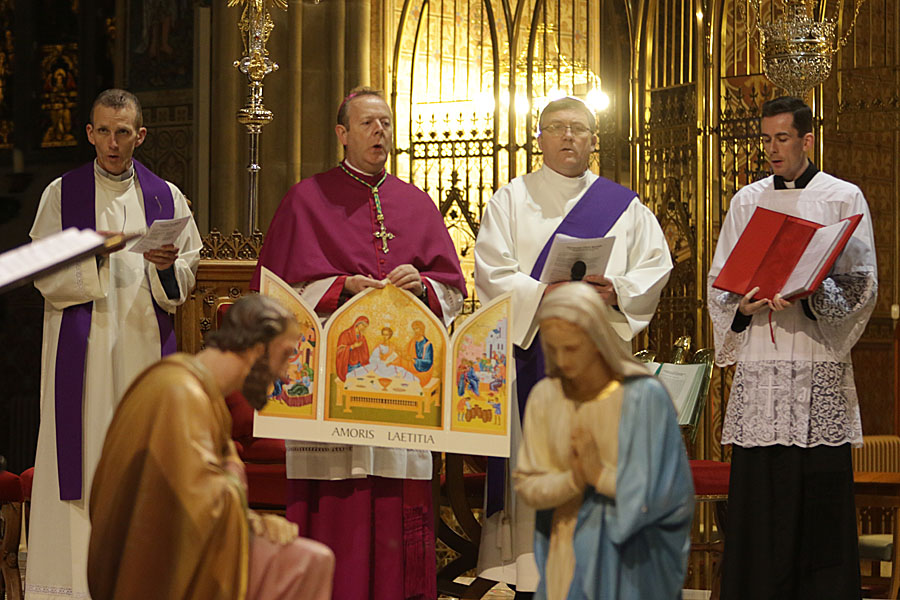
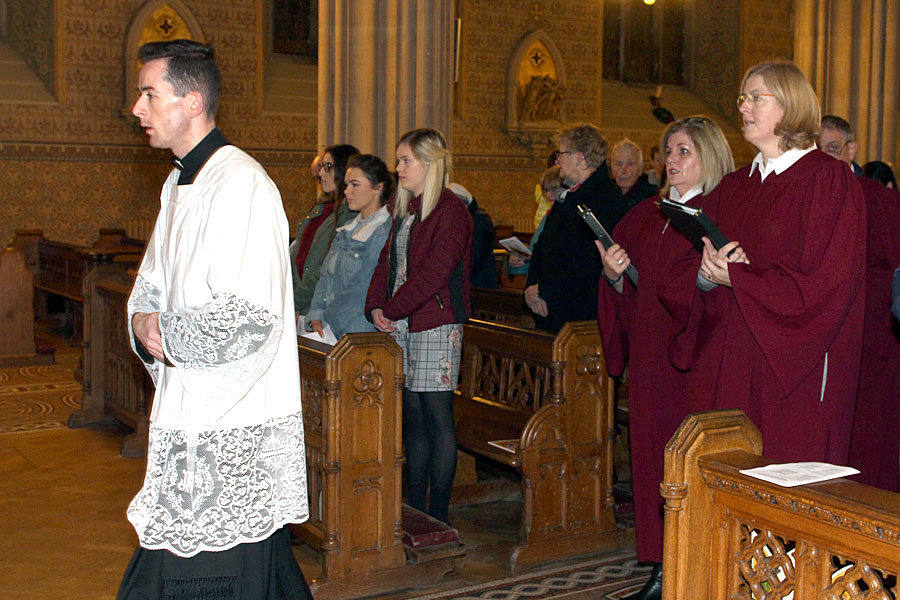
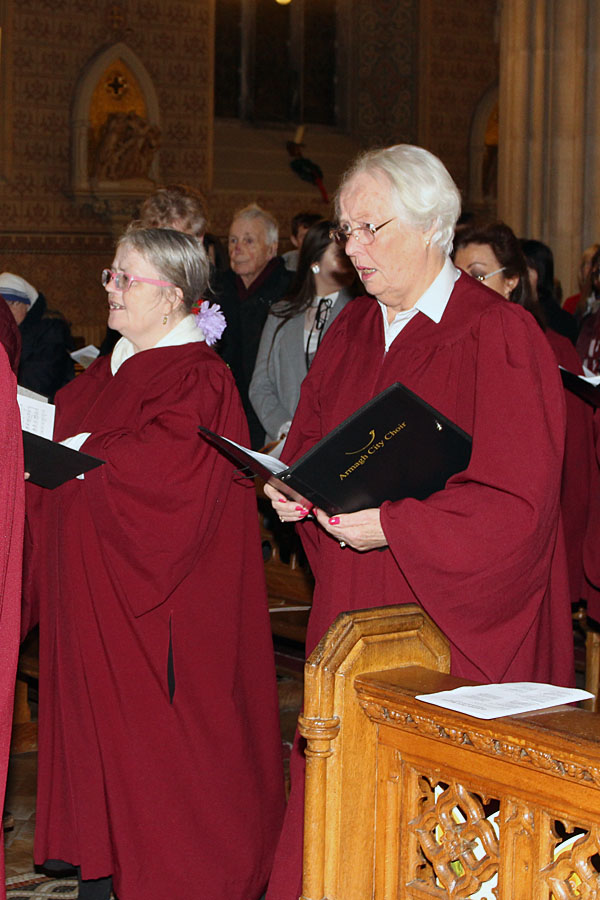
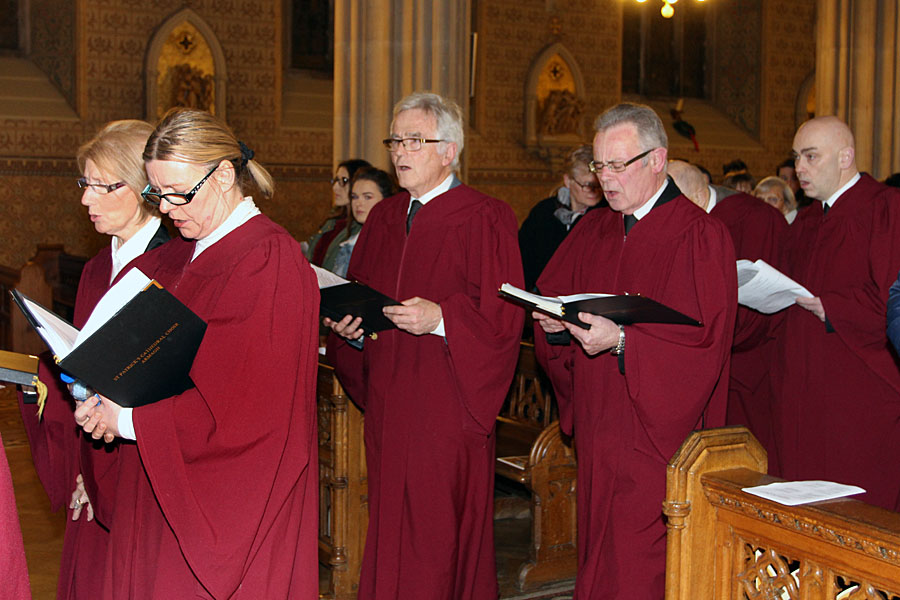
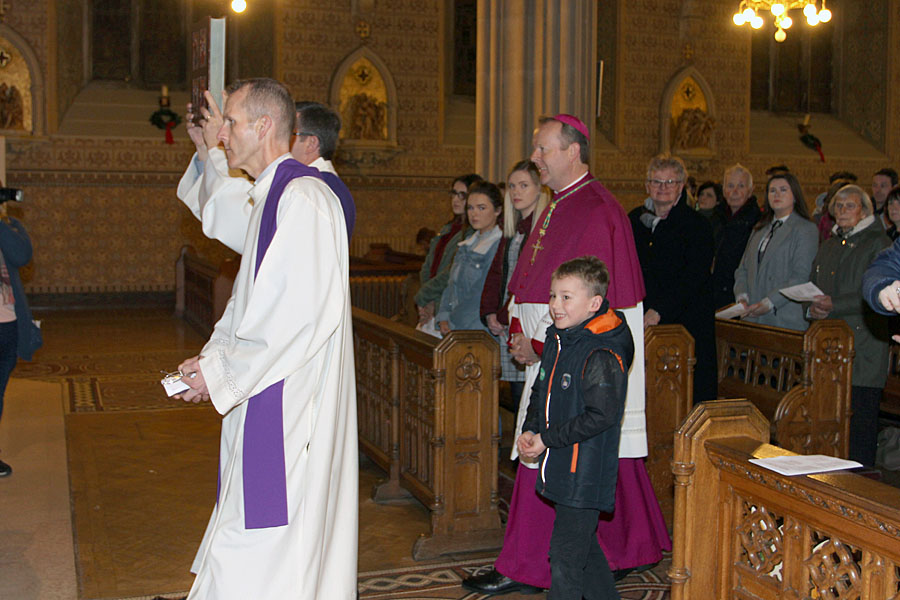
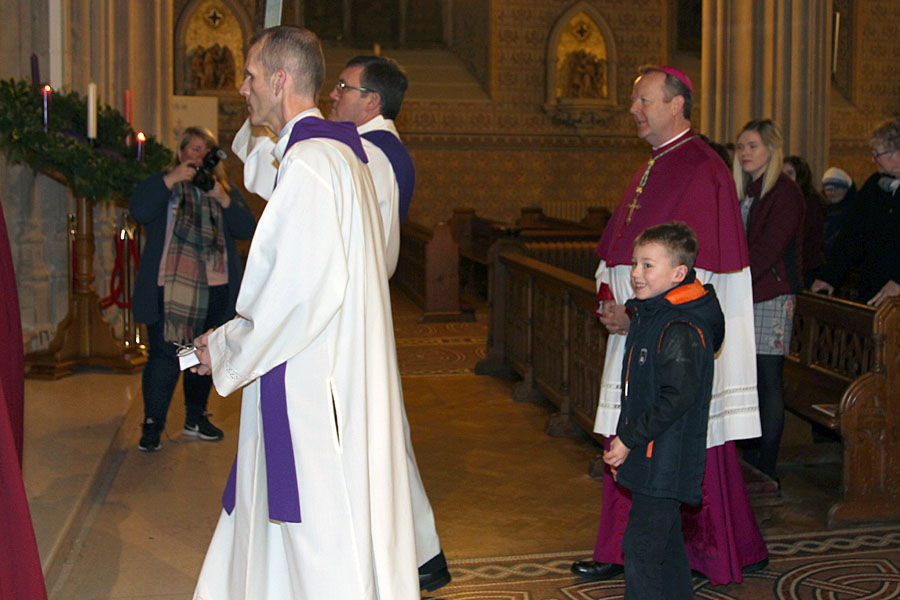
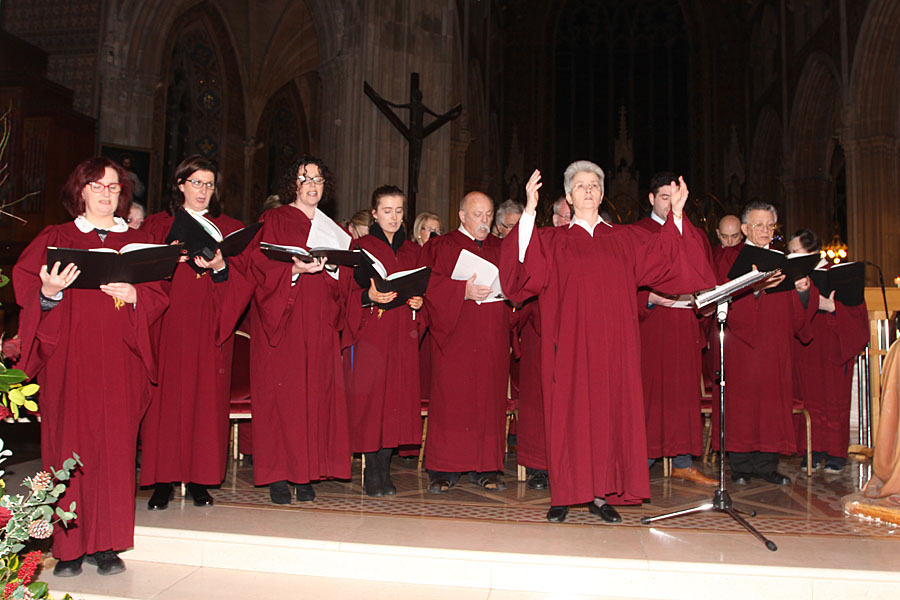
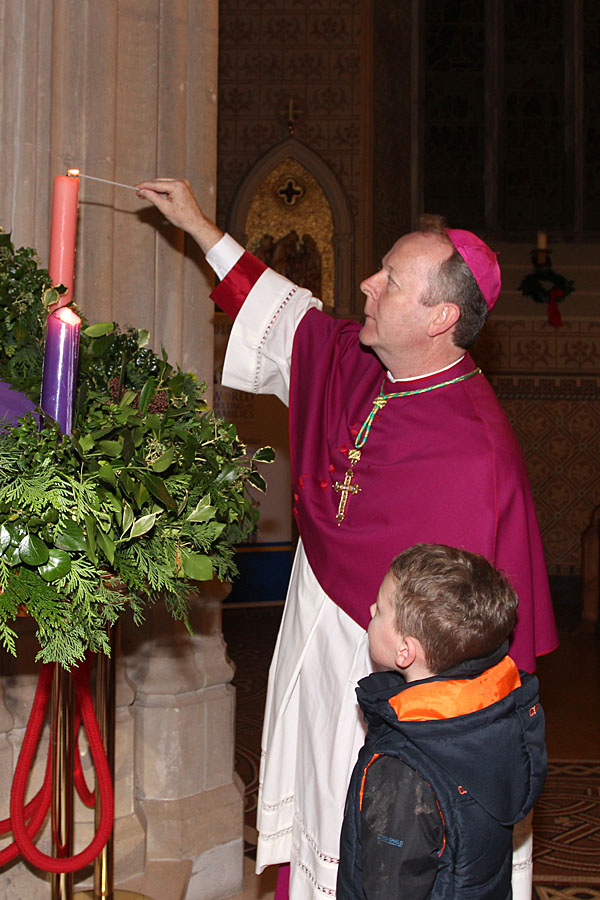
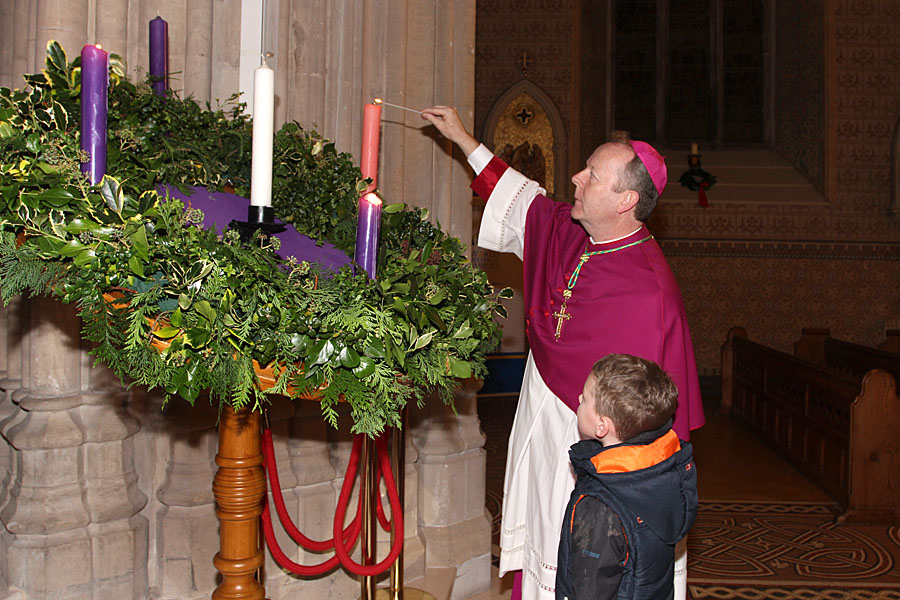
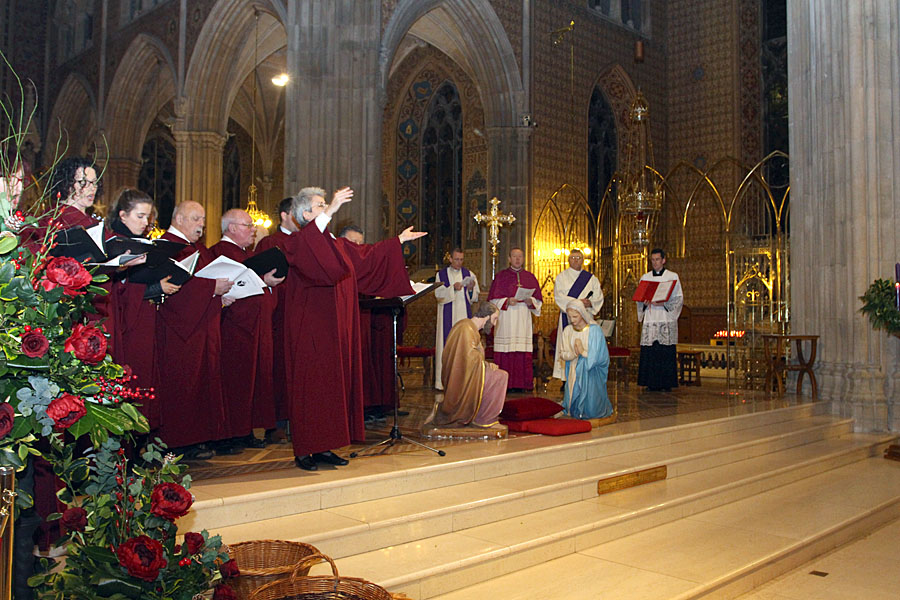
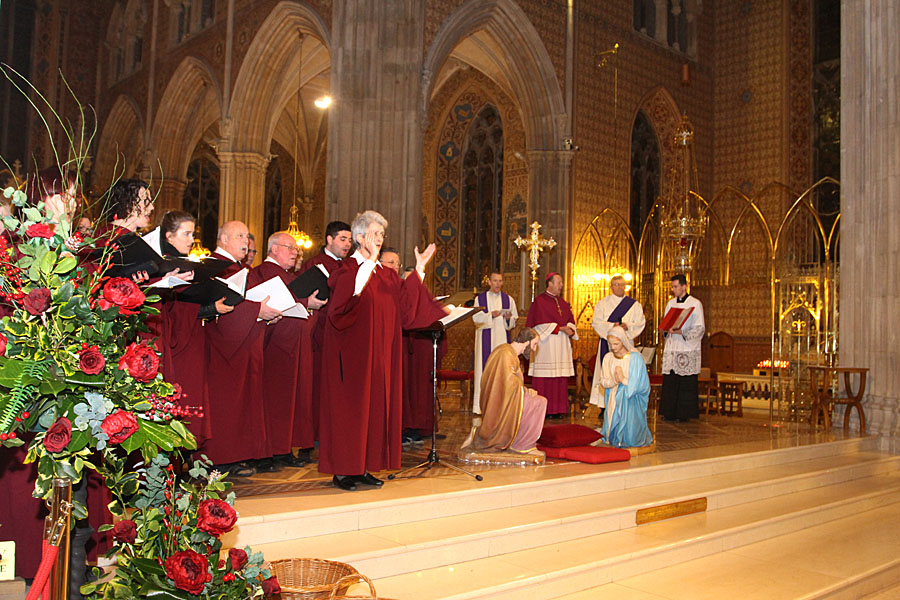
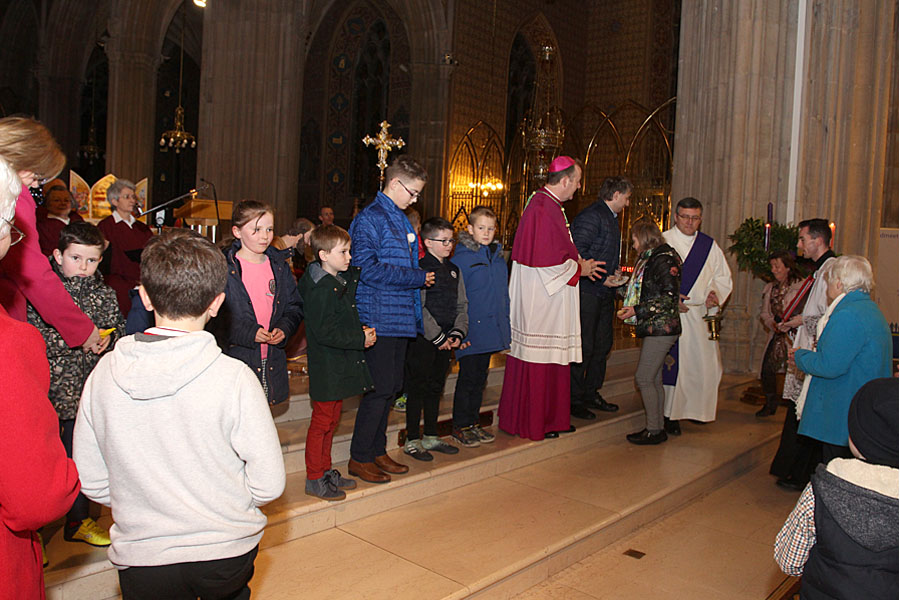
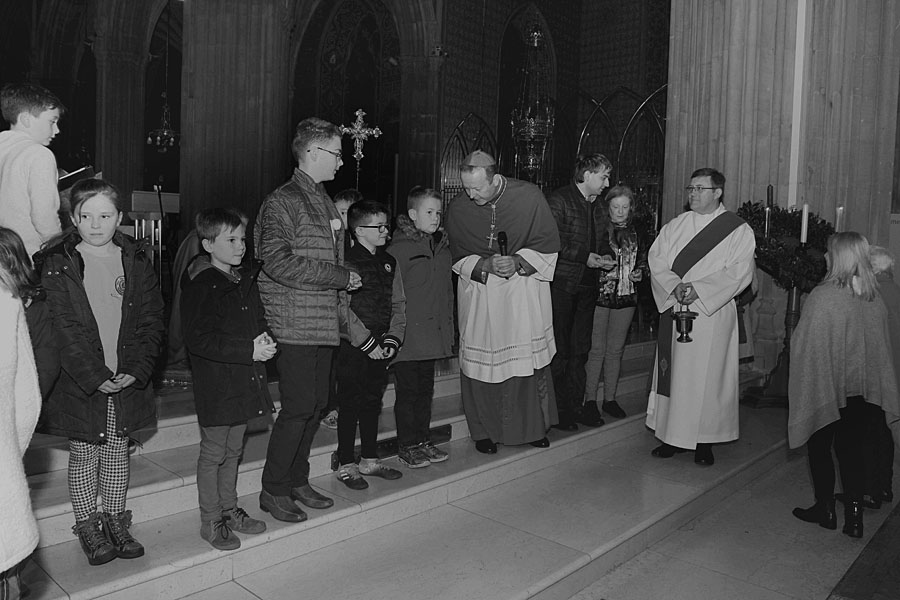
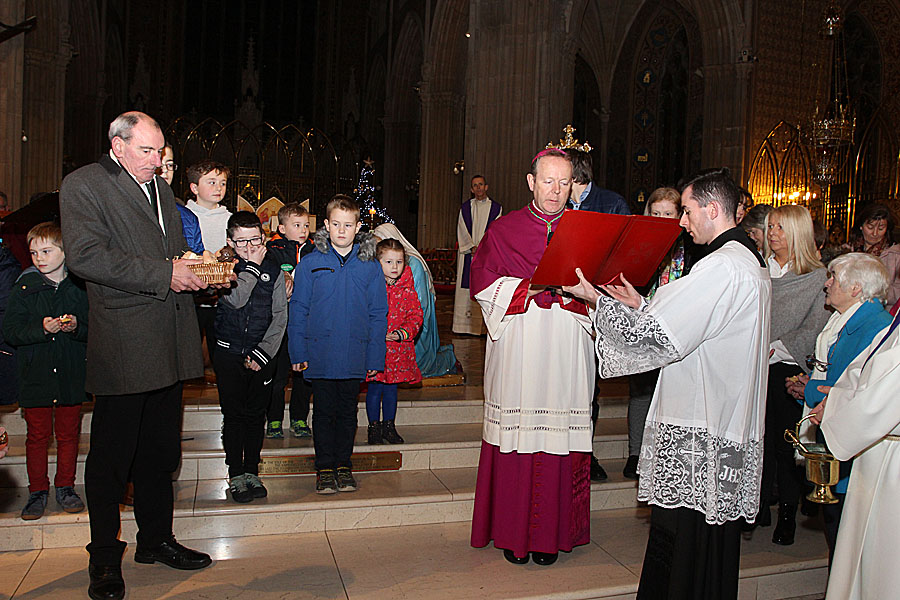
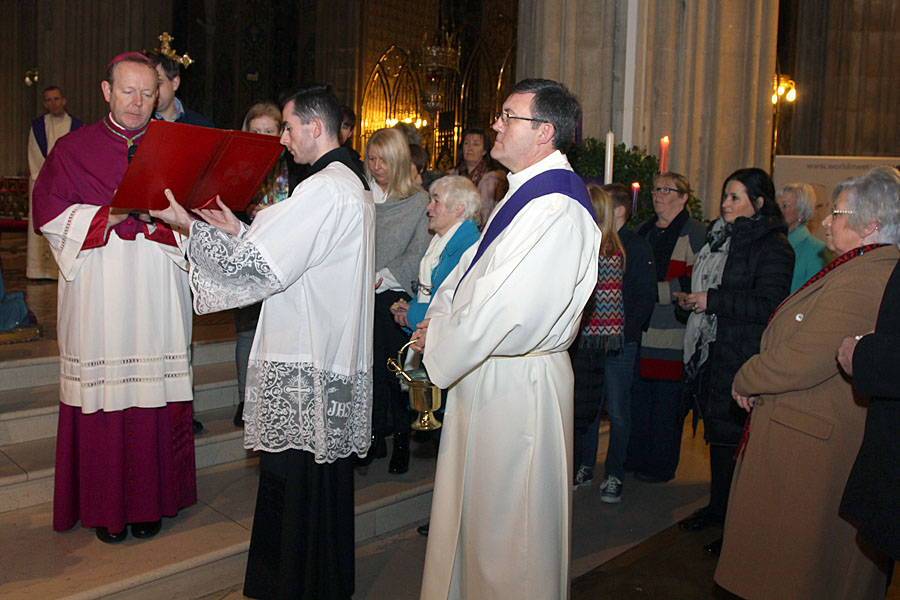
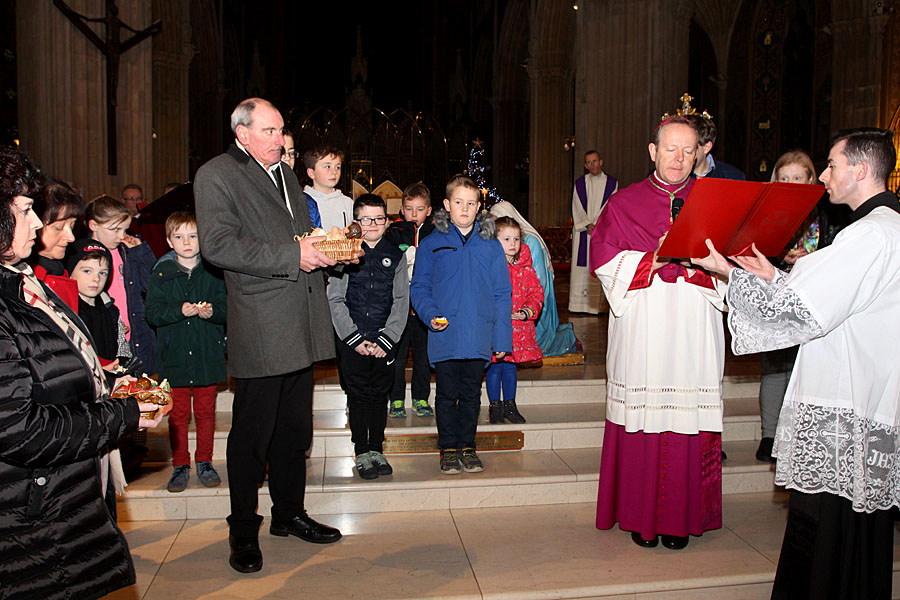
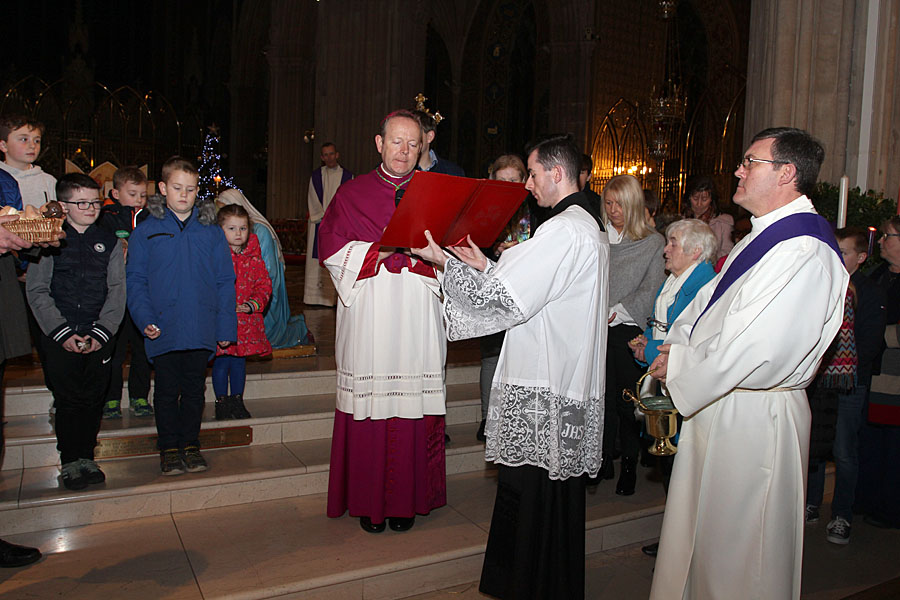
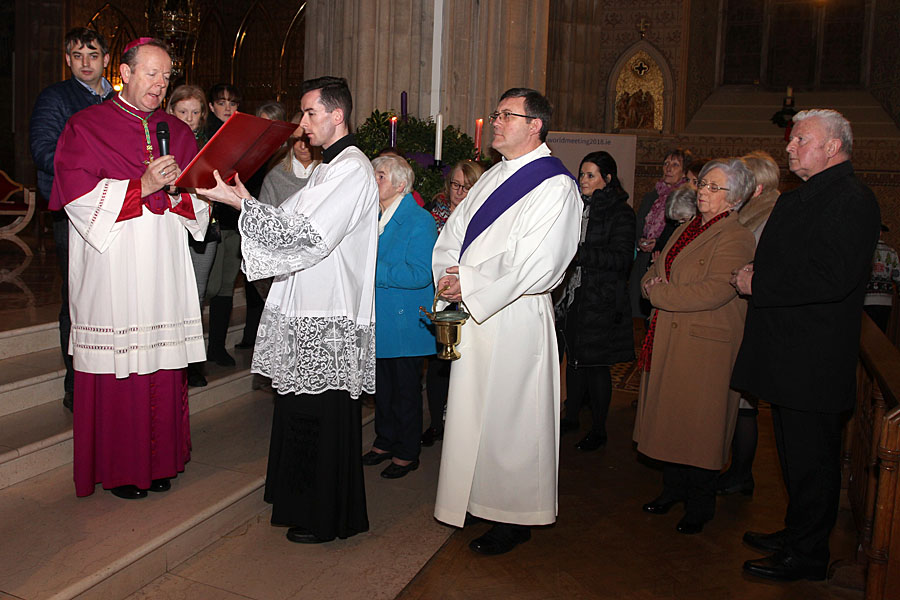
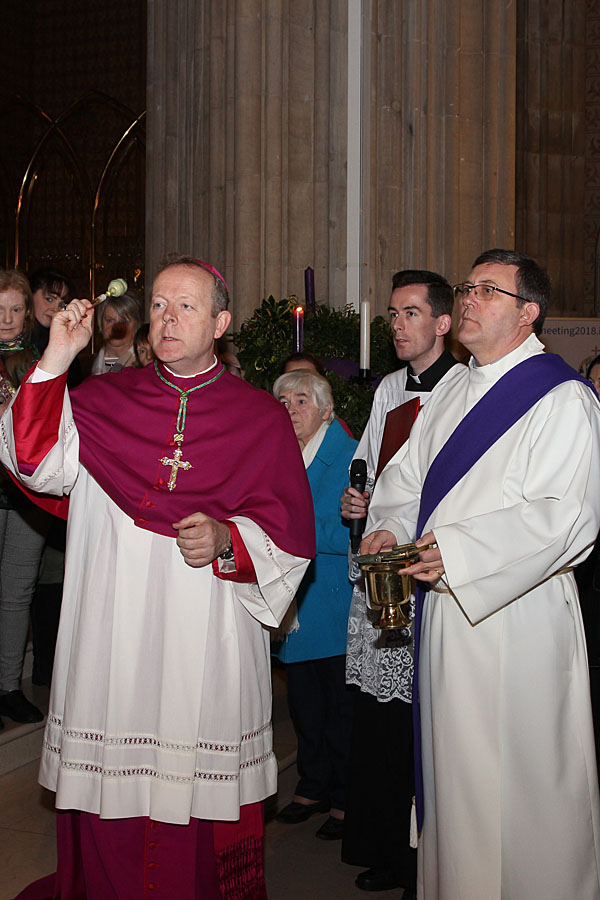
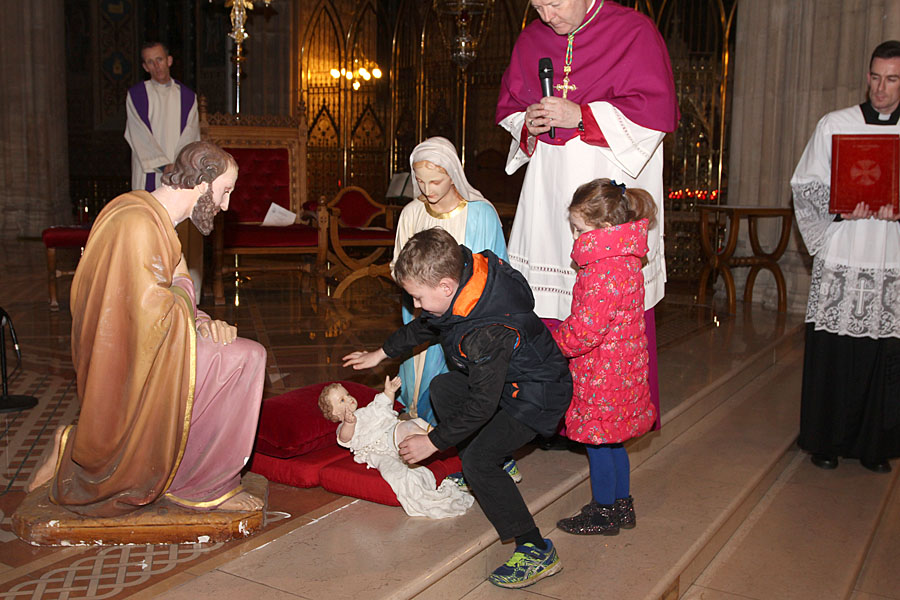
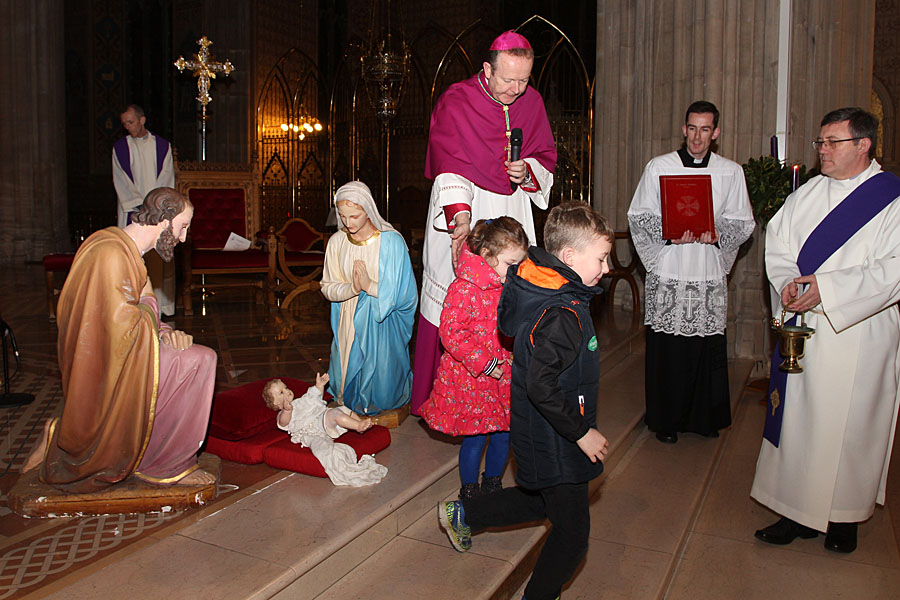
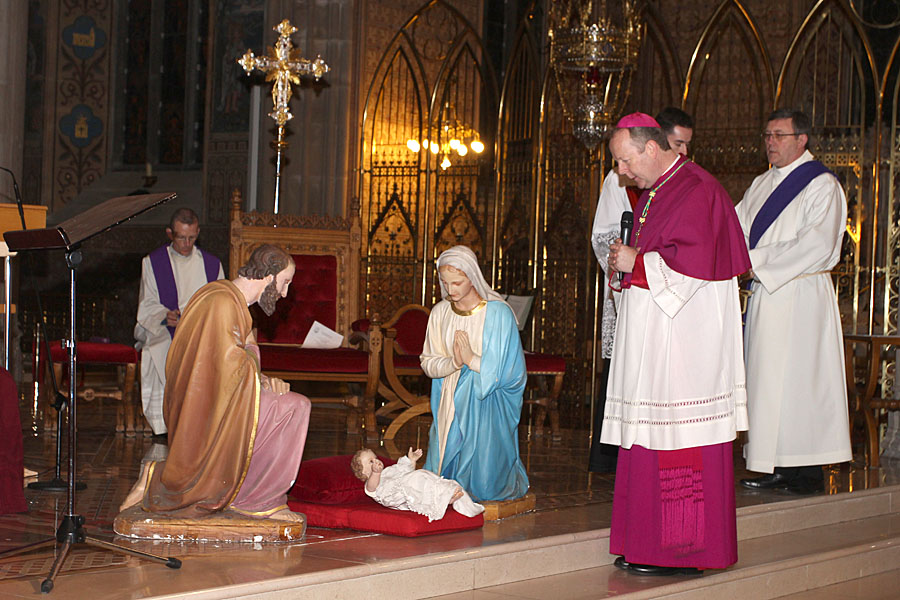
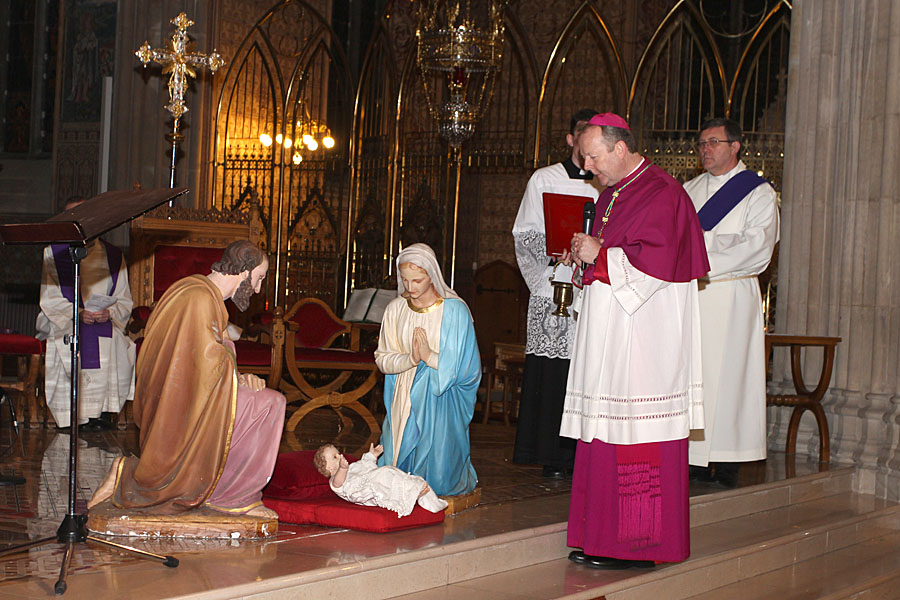
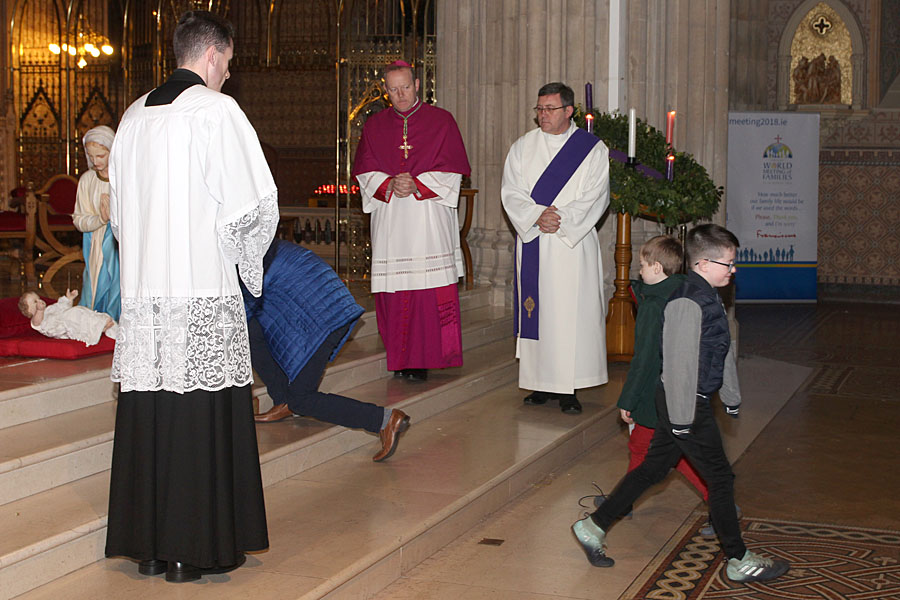
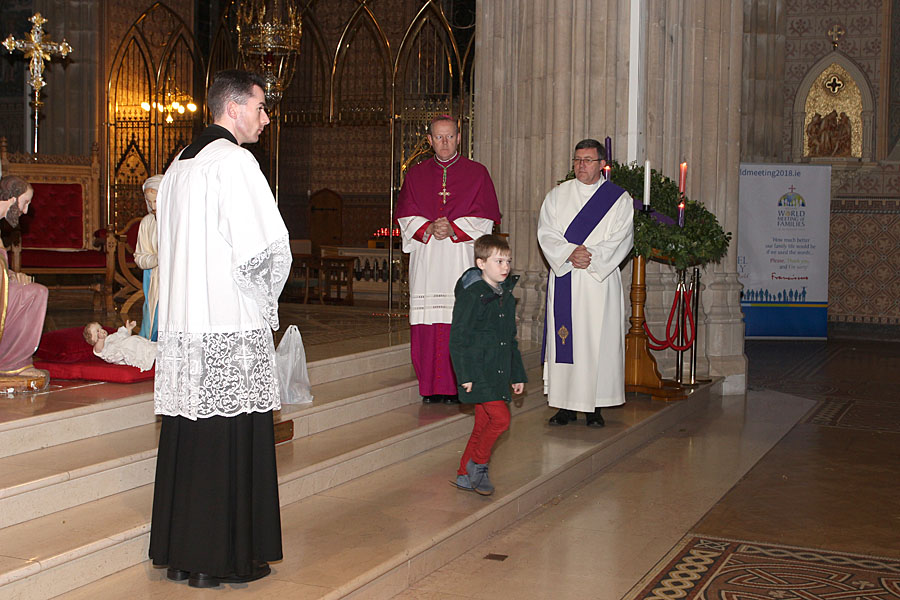
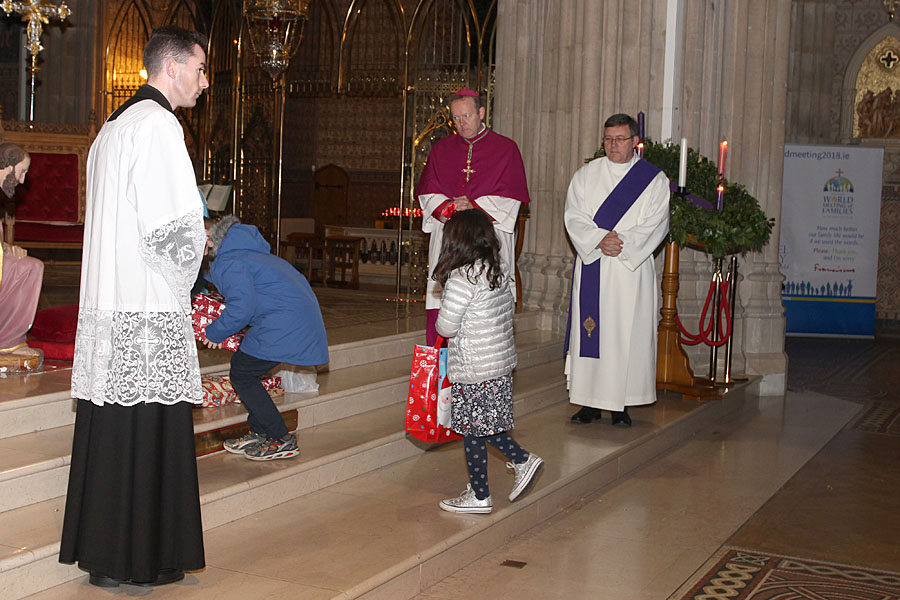
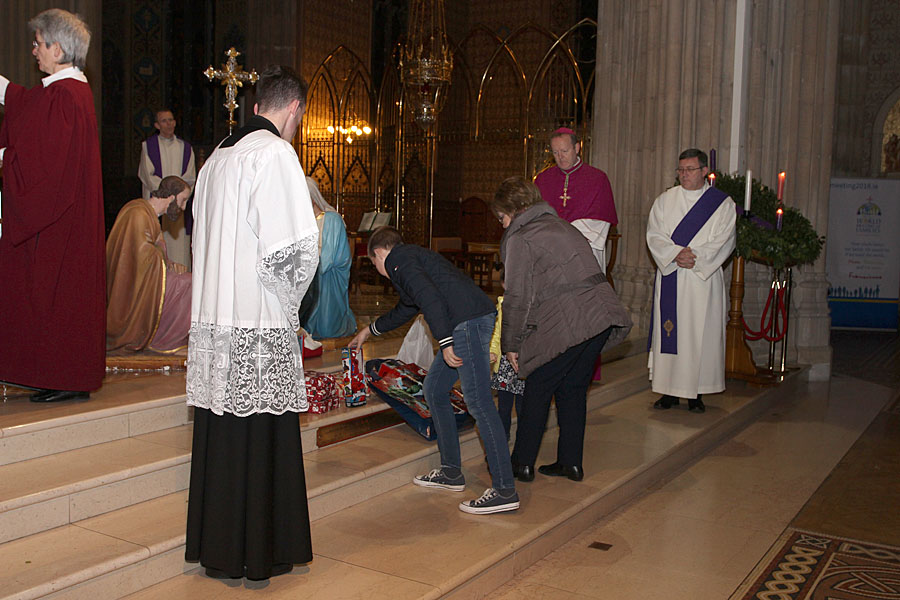
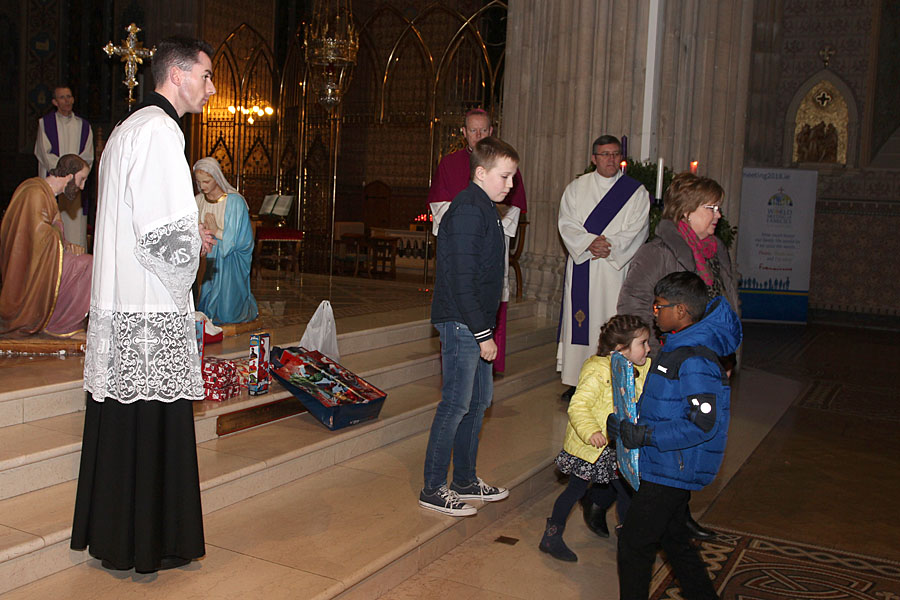
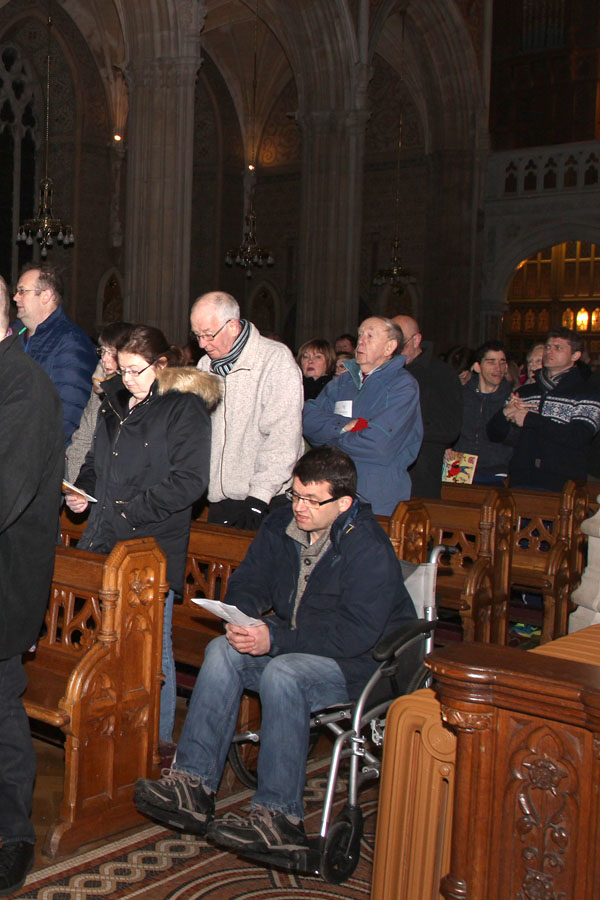
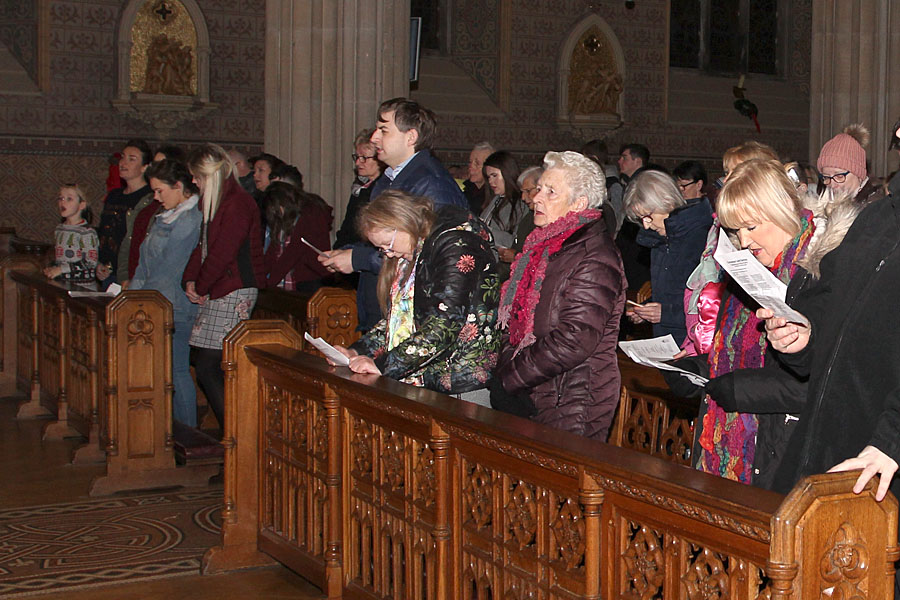
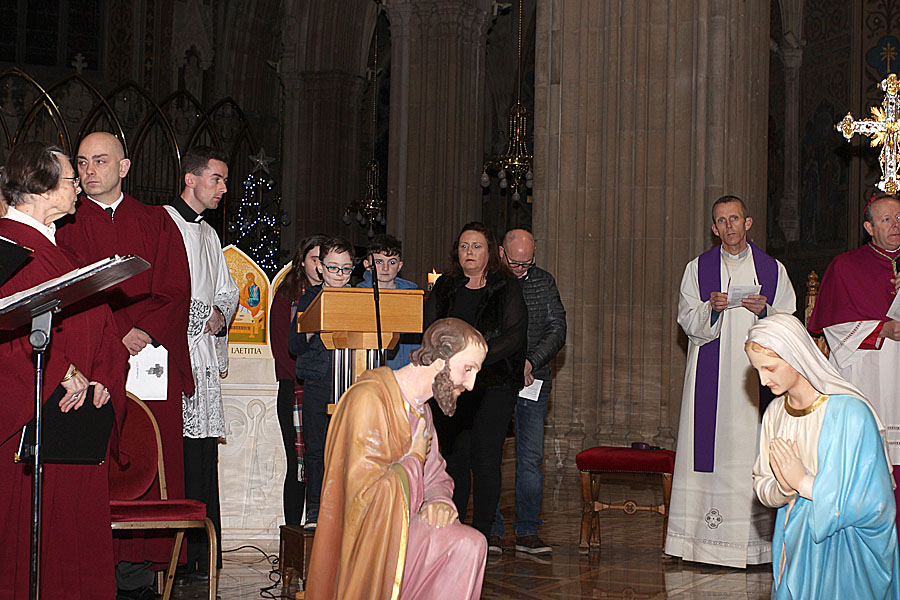
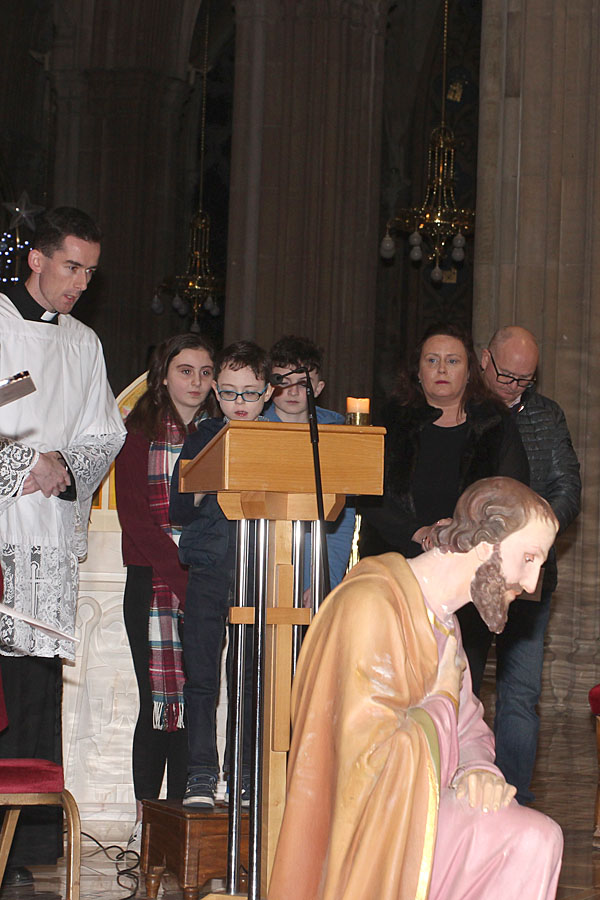
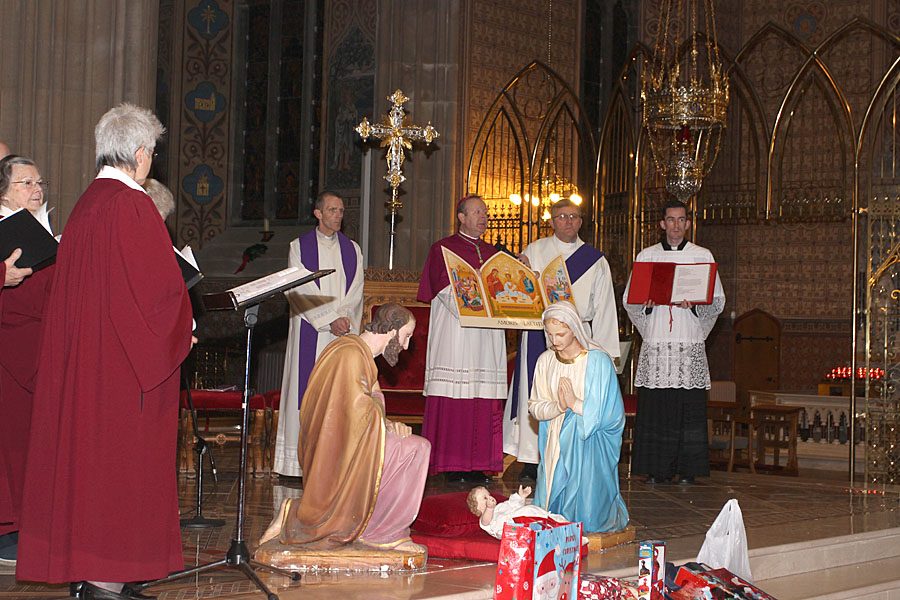
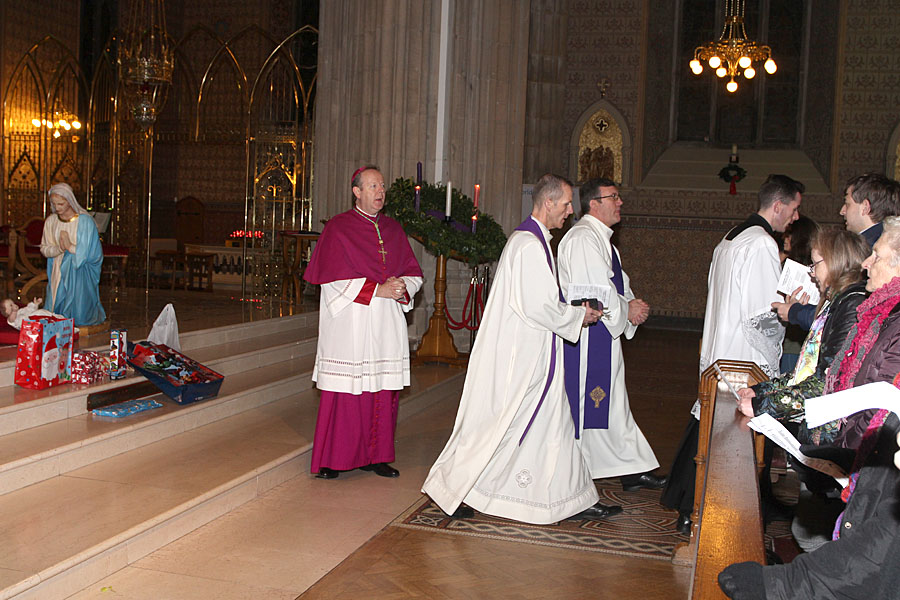
The Armagh Parish Carol Service which took place in St Patrick’s Cathedral, Armagh on Sunday 17 December at 5pm. Archbishop Martin joined with St Patrick’s Cathedral Choir in leading the Service and there will be an opportunity for congregational singing. 

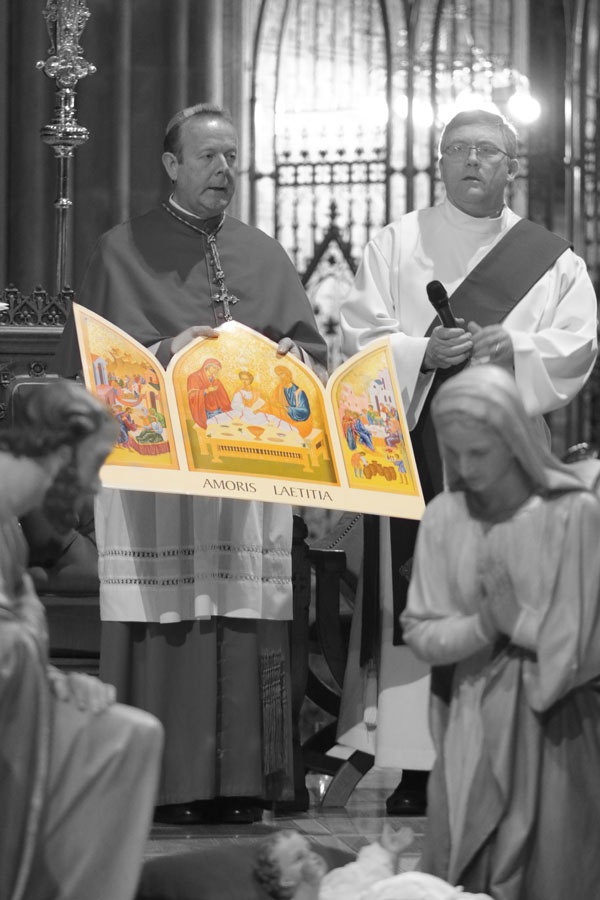
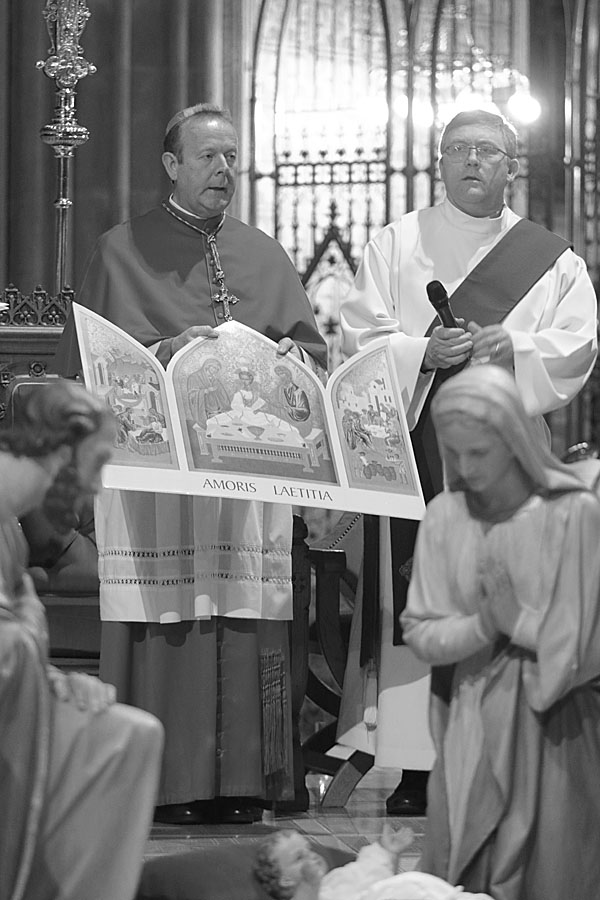
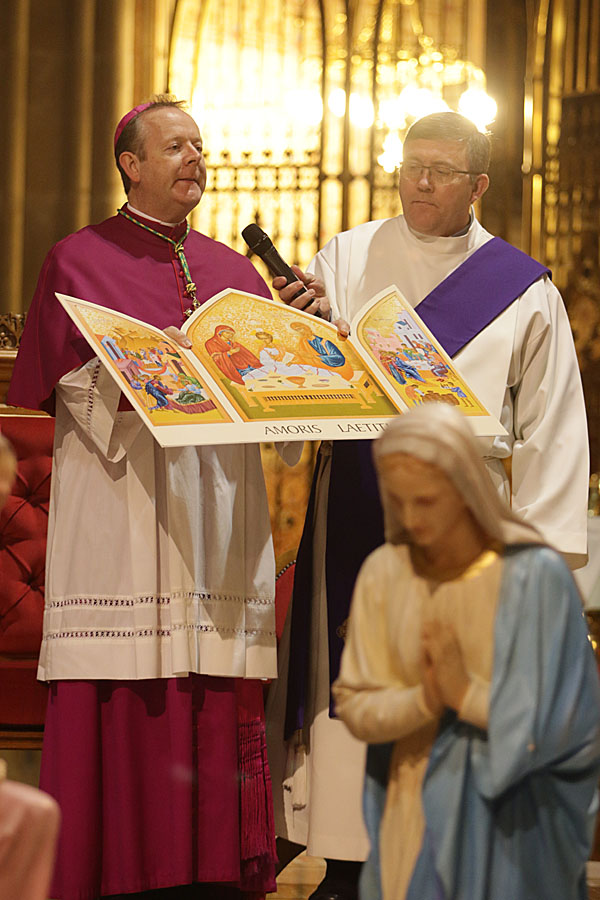
As we continue to prepare for the World Meeting of Families 2018, the theme for this years Carol Service was “Celebrating the Gift of Family” and we encouraged all families to make a special effort to attend. On the evening, a lovely Icon of The Holy Family was available to all families and it’s suggested that we place the Icon on the table in our homes on Christmas Day and that our families pray before it. 

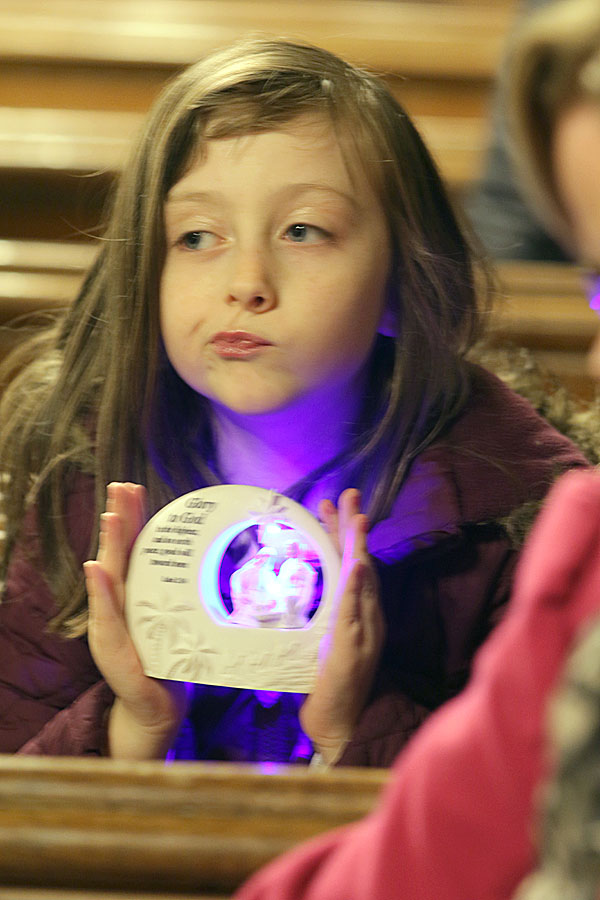
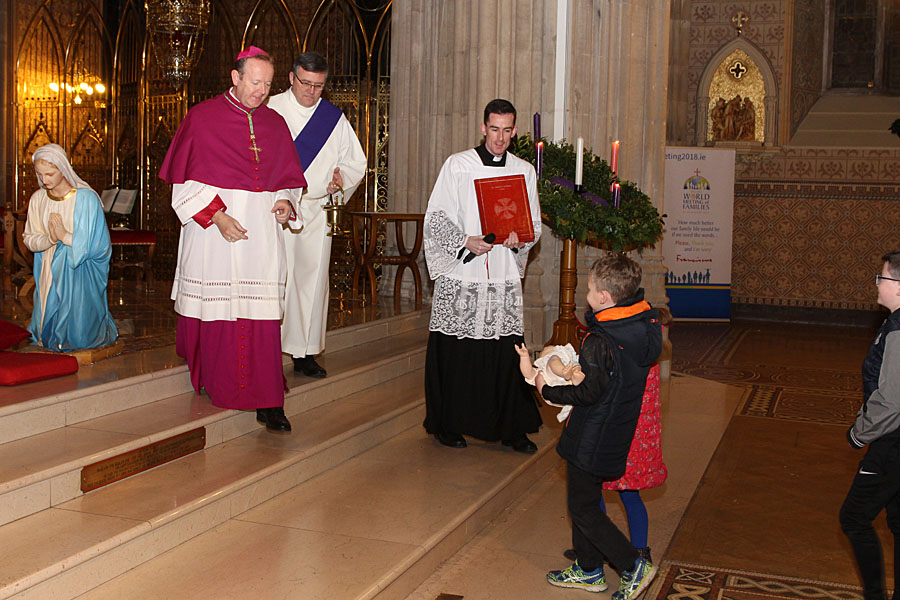
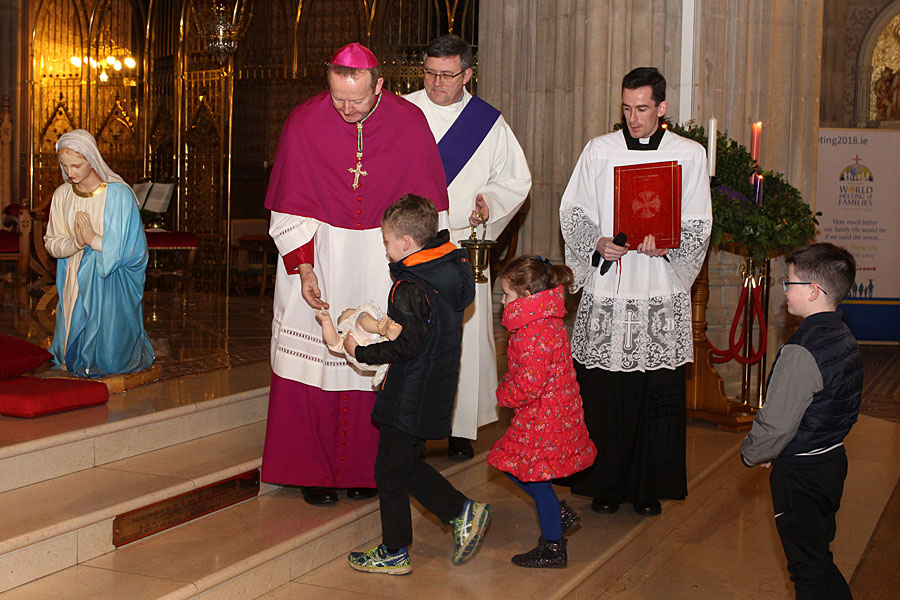
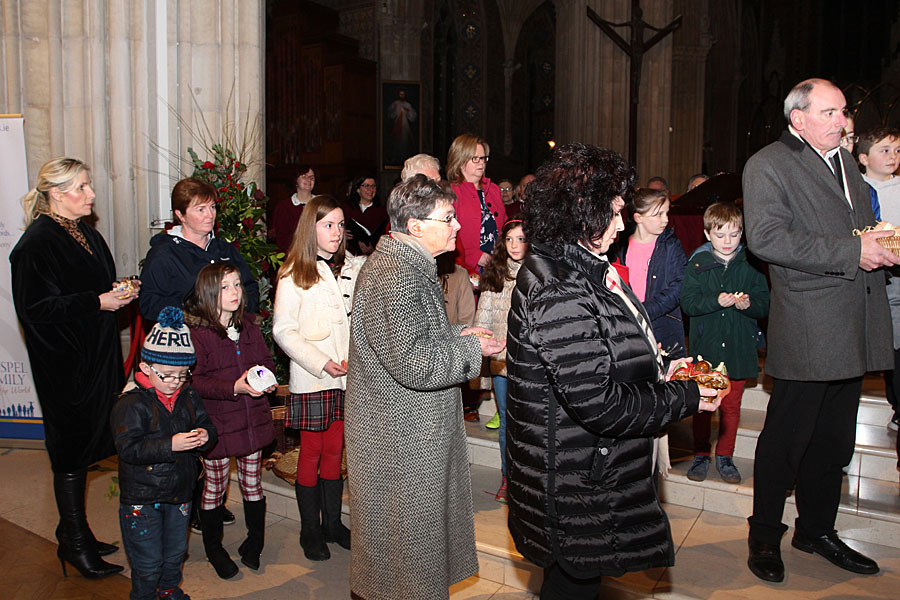
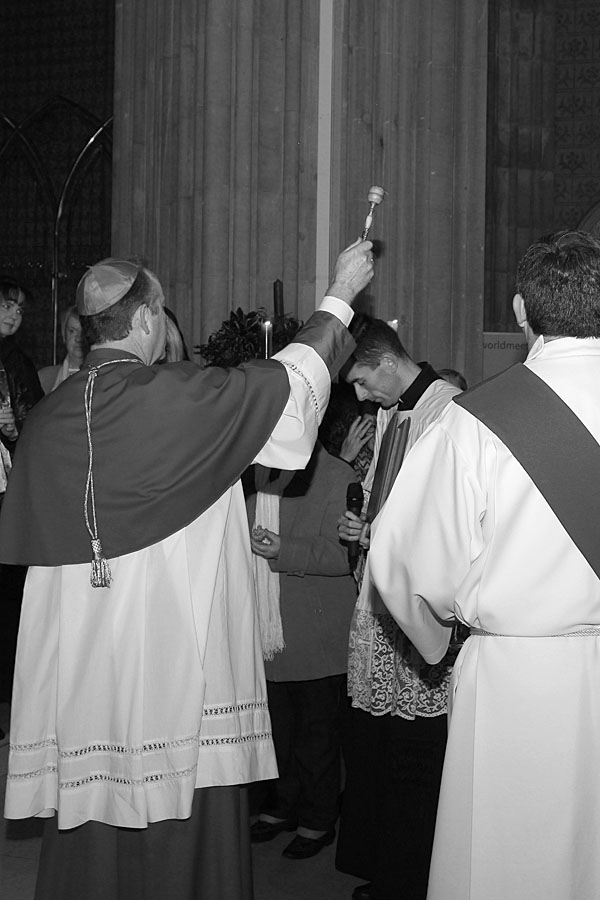
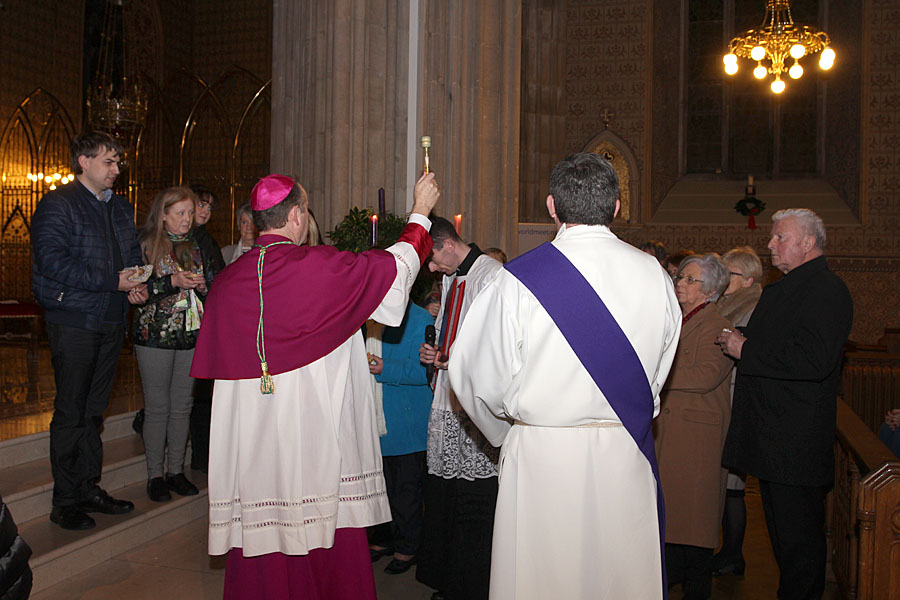
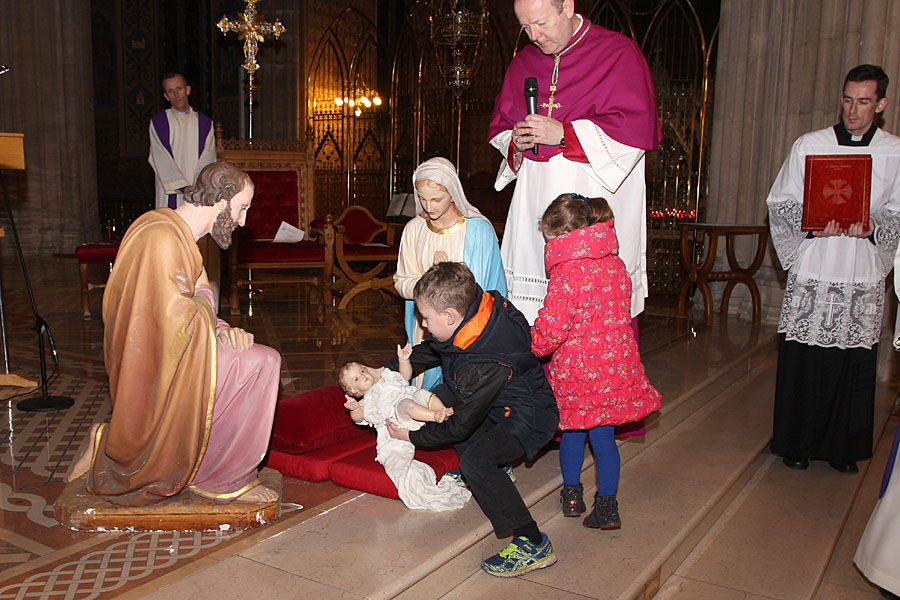
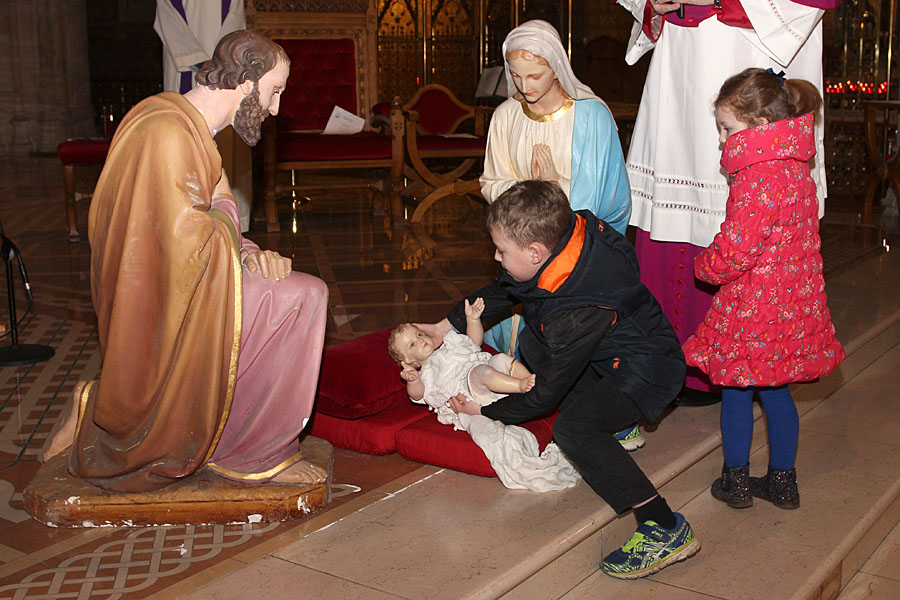
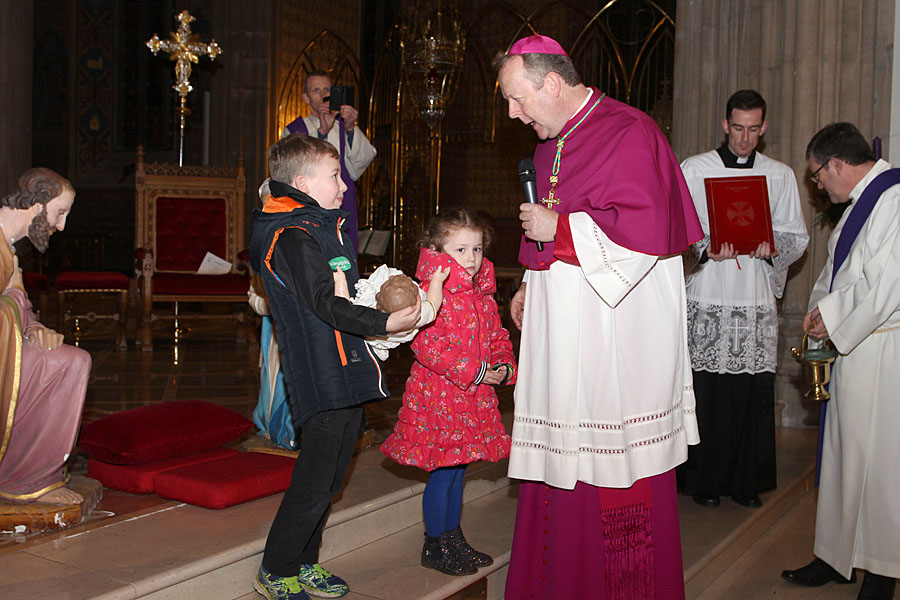
Pupils were encouraged to bring Baby Jesus figures from their homes to the Carol Service and have them blessed. Families brought their own Bambinelli and it’s suggested that following the blessing, that people take their Bambinelli home and pray for God’s blessing on our homes and families this Christmas.

Children were encouraged to remember less fortunate children at this time of year and they brought a small gift which will be brought up in procession during the Carol Service. St Vincent de Paul will then redistribute the gifts to children who are in need. 

Joint Christmas 2017 Message from the Archbishops of Armagh, Archbishop Richard Clarke and Archbishop Eamon Martin

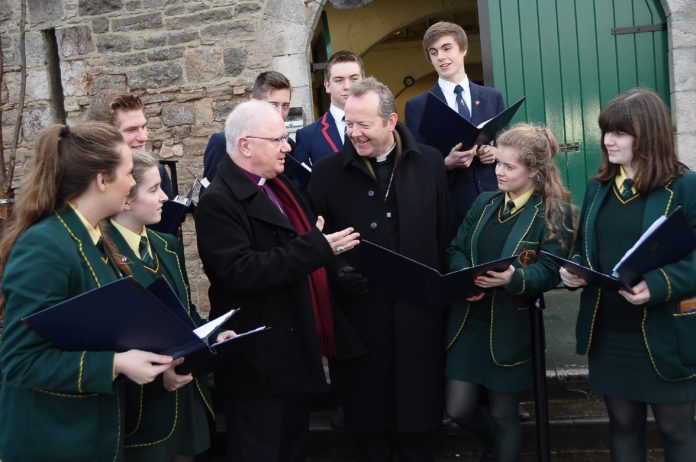
Archbishop Eamon Martin and Archbishop Richard Clarke record their Christmas Message in the Shambles Market with the students from St Catherines College Armagh and the Royal School Armagh. Shambles Market, Armagh, 17 December 2014 Credit: LiamMcArdle.com

“The light shines in the darkness, and the darkness did not overcome it.” John 1:5


A couple of weeks ago, we both travelled to Rome to meet with members of the Sant’Egidio Community and to experience at first hand – however briefly – some of the wonderful work that these remarkable Christian disciples are carrying out. Not only are members of the community working for reconciliation in many countries of the world, but they are also to be found among the dispossessed of Rome giving practical and material help. In more recent times they have been at the forefront of caring for – and taking responsibility for – refugees who have found their way (sometimes in the most difficult of circumstances) to Italy.


It was in this context that we had the opportunity, one evening, to meet a number of these refugees – some from Syria and some from Eritrea.  Three Eritrean girls, possibly still teenagers, had arrived in Rome only a few hours earlier, having been rescued from danger in Ethiopia by members of the Sant’Egidio Community. In conversation, we asked the girls how they were now feeling. One of them, with a sudden huge smile on her face, replied in just one word – “safe”.


In the Old Testament God’s people were promised that if they trust in the Lord, they will find a place of rest, safety, security, a refuge and a reason for hope and confidence. The Christmas promise went deeper and further. To those who would put their trust in Him, Jesus came to offer spiritual safety – the reward of eternal salvation.


Part of the challenge of Christmas is to seek to bring “safety”, in its widest sense, into the lives of those around us. There are people in our midst who are without the security of food or even of a roof over their heads. There are those who are newcomers to our country, perhaps of a different religious faith and culture, who feel that they are objects of suspicion and dislike. And there are also those whose need for security in their lives is less evident – those who are alone and afraid, those who are without friends and without people who will “look out for them”, and some who feel that their lives have become aimless or “useless”, almost empty of hope and confidence. In the twenty-fifth chapter of Matthew’s Gospel, Our Lord assures us that we meet him when we care for those who need us, whoever they may be. Christmas is a time when many of us are happy to have the emotional security and safety of our family and friends around us, and the comfort and assurance of strong faith in the birth of the Saviour. Let us be ready to share our safety and our “reasons for hoping” with others.


+Richard                                                               +Eamon

Church of Ireland Archbishop of Armagh            Roman Catholic Archbishop of Armagh