Friday, December 26, 2025
Home Blog Page 58

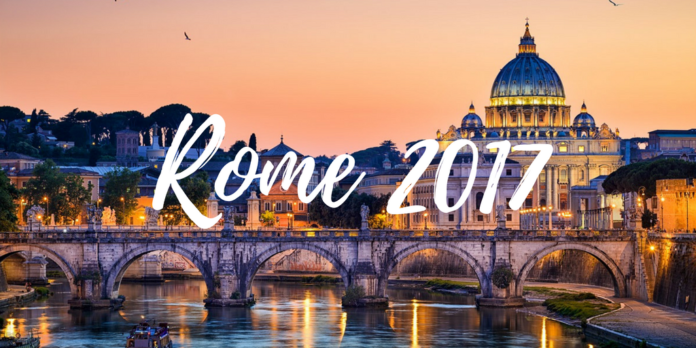
ADYC Young Adult Pilgrimage to Rome 2017


28th October – 2nd November (5 nights)

Young Adults 20 – 35

£540

ADYC are very excited to host our first young adult pilgrimage to Rome.  We are bringing 30 pilgrims to the eternal city of Rome where we will have a great programme of faith.  We will immerse ourselves in exploring Rome, walking in the footsteps of the Saints, Popes & Pilgrims.  Full programme organised by ADYC and led by Spiritual Director.  

So what’s included:

  • Return flights from Dublin to Rome
  • Airport taxes
  • Airport Transfers in Rome
  • 5 nights 3 star B&B accommodation with city tax included
  • Daily Mass
  • Tomb of Pope St John Paul II
  • General audience with Pope Francis
  • Visits and Masses at the four Papal Basilicas 


Pilgrims have the opportunity for a day away from Rome to visit Assisi or the Catacombs.  (Additional cost)

Single Room on request – supplement apply 


Click here to complete our booking form.

CREDO, a Young Adult Conference

I invite you to attend a new initiative created by the Armagh Diocesan Youth Commission (ADYC) called CREDO. CREDO is a Young Adult Conference for adults aged 20 – 35 years.

ADYC has always been developing programmes and events for youth but we realise now in a time of new evangelisation that there is a necessity to meet the needs of our young adults. CREDO will give the opportunity for young adults to seek ways to develop their faith and to meet likeminded Catholics.


ONLINE BOOKING HERE: https://www.eventbrite.co.uk/e/credo-young-adult-conference-tickets-31284554946 


Details of the conference are as follows:

Date:

Saturday, 18th February 2017

Time:

10:00 a.m. – 7:00 p.m. (Vigil Mass 6:00 p.m.)

Venue:

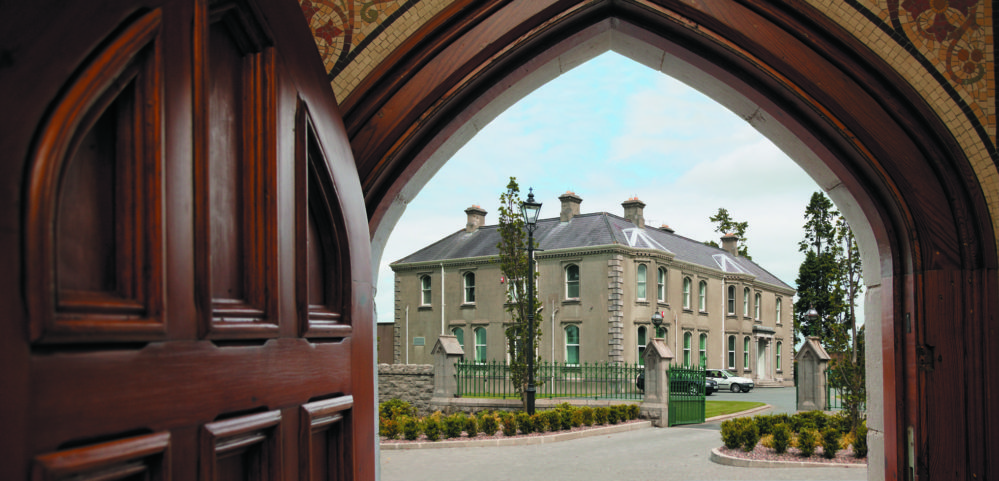
Dromantine Retreat & Conference Centre, Newry

Keynote Speaker:

Sr. Maire McAleer (Sisters of Adoration and Reparation, Falls Road, Belfast)

Workshops include:

Passing on the Faith in Modern World, Rediscovering Your Vocation Through Scripture, Dead to the World- Alive in Christ (inspired by the life of the saints), & Spirituality.

Cost:

Upon arrival/registration to conference venue, we will request a fee to cover refreshments

Apostolate of Eucharistic Adoration

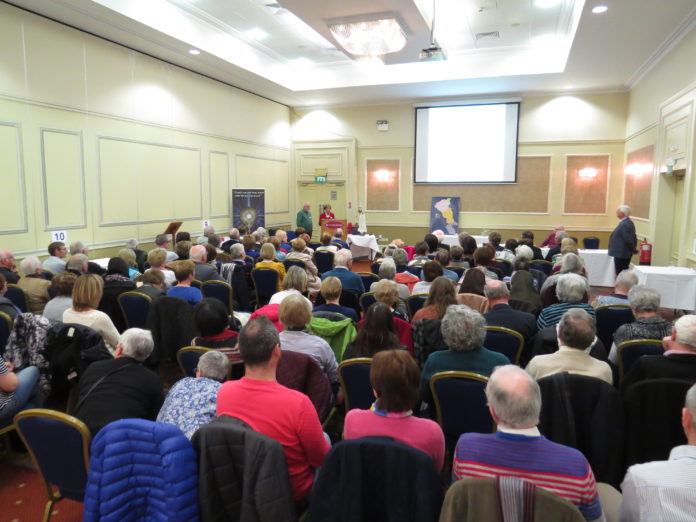
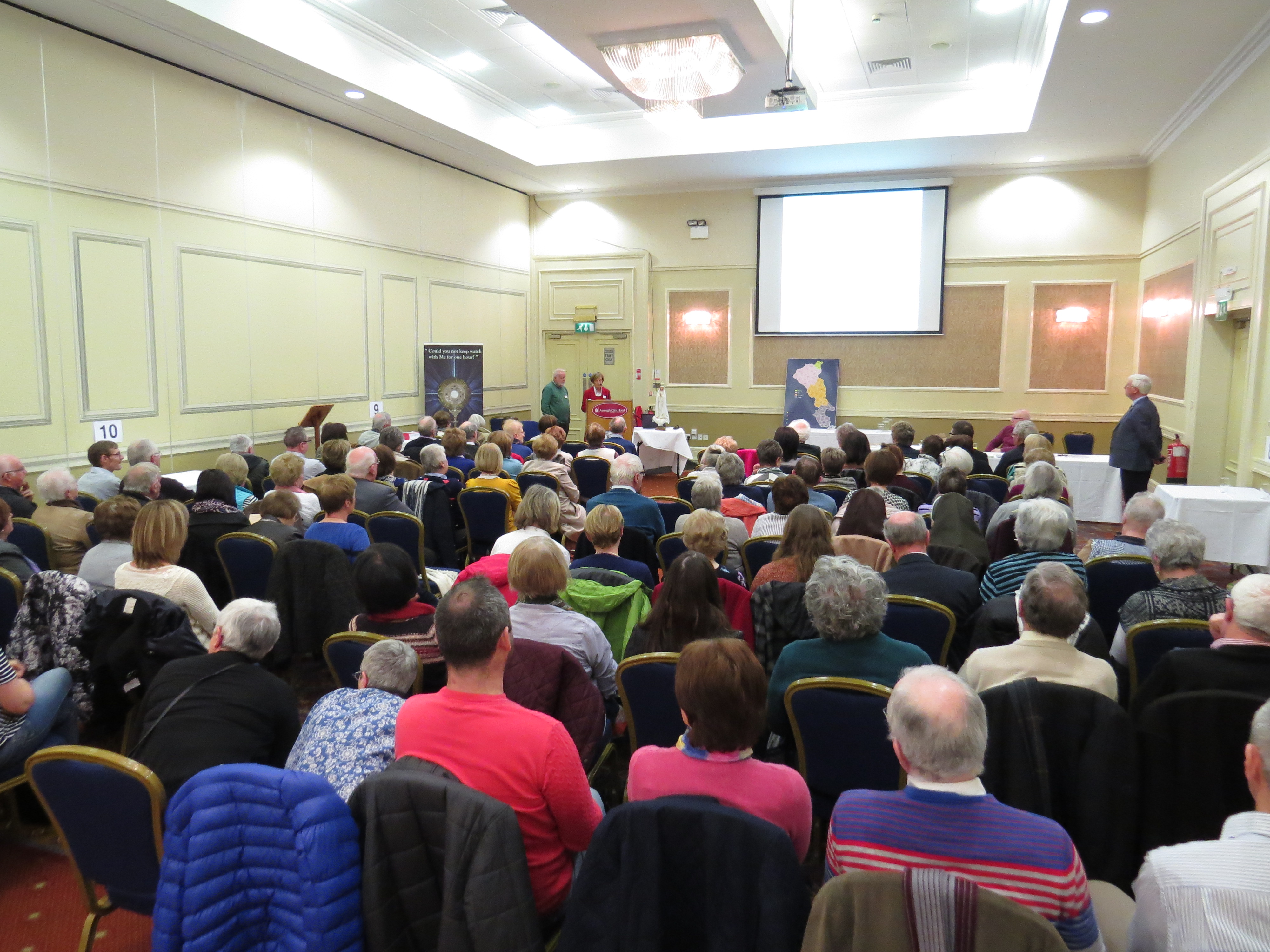
Promoters of Eucharistic Adoration in the archdiocese met at a diocesan meeting in the Armagh City Hotel on Saturday 28th January. The gathering was facilitated by Brendan Cleary of the National Committee and the gathering of one-hundred delegates discussed how best to organise and promote Eucharistic Adoration in the diocese. The Armagh Diocesan Committee are always happy to help parishes to establish or renew Eucharistic Adoration in their areas. 

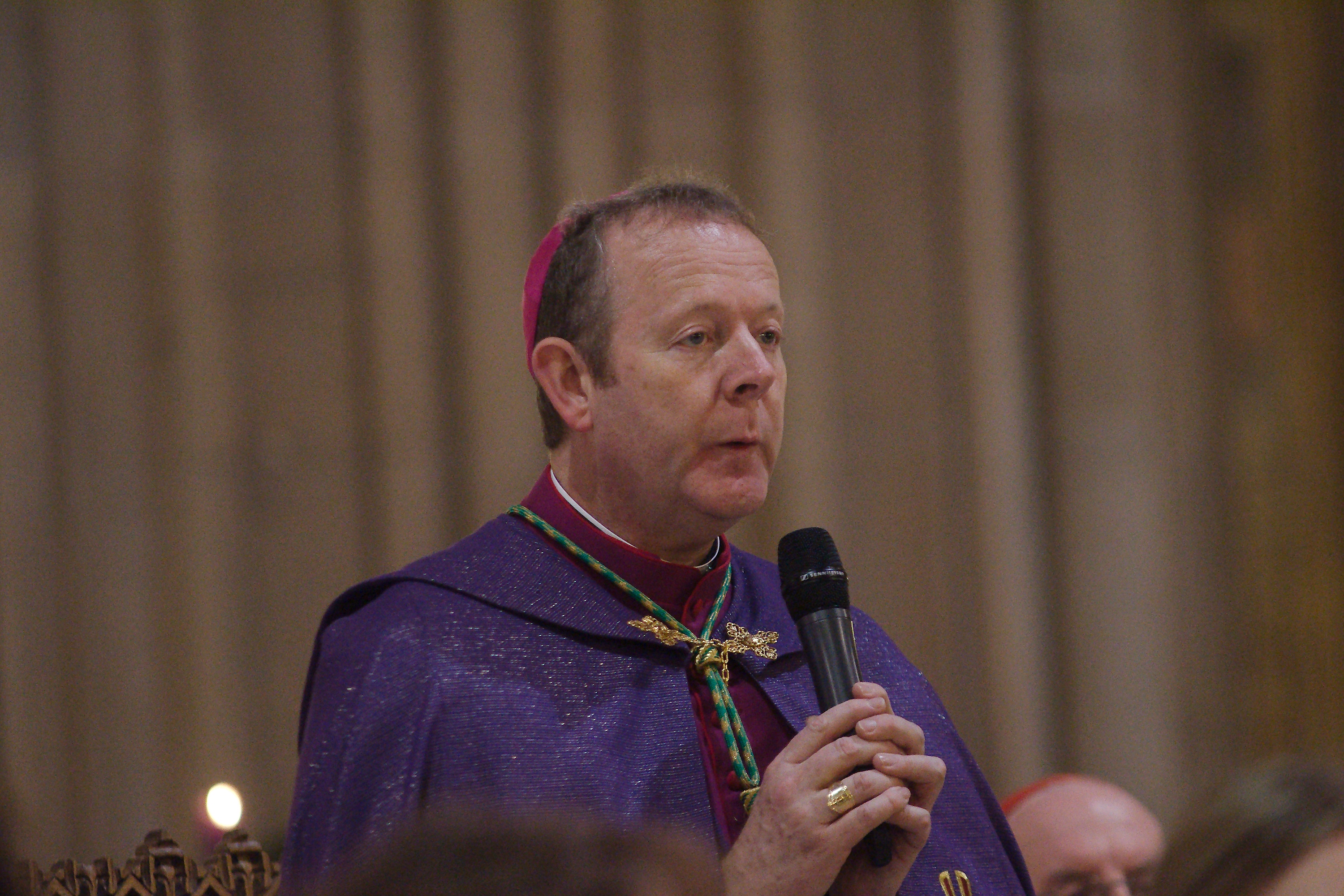
Archbishop Eamon Martin welcomes Pope Francis’ 2017 World Communications Day message

Archbishop Eamon Martin welcomes Pope Francis’ 2017 World Communications Day message

‘Communicating Hope and Trust in our Time’


Pope Francis has chosen ‘Fear not, for I am with you (Is 43:5): Communicating Hope and Trust in our Time’ as the theme for his message for World Communications Day 2017. The text of the Pope’s message was published on 24 January, the Feast of Saint Francis de Sales, the patron saint of writers, editors and journalists. The 51st World Communications Day will be formally celebrated on Sunday 28 May next – the Solemnity of the Ascension of the Lord – which falls on the Sunday before Pentecost Sunday.


Welcoming this year’s message, Archbishop Eamon Martin, who is chair of the Council for Communications of the Irish Catholic Bishops’ Conference, said: “I warmly welcome the theme and the tone of Pope Francis’ message for this year’s World Communications Day which focuses on trust, hope, encounter, positivity, and responsibility in communications. Pope Francis introduces his theme by sharing the words from Isaiah ‘Fear not, for I am with you’.


 “When I read Pope Francis’ message, I was struck by how timely it is in asking us all to engage in constructive forms of communication that reject prejudice towards others and foster a culture of encounter.


“When I look back at 2016 it seems to have been a year which carried a lot of bad news in the headlines and on the airwaves. In his message Pope Francis says that he is convinced that ‘we have to break the vicious circle of anxiety and stem the spiral of fear resulting from a constant focus on bad news (wars, terrorism, scandals and all sorts of human failure).’ At first glance this would seem to suggest that we should switch off from bad news or ignore the human suffering around us in our world. That is not the case. As a Gospel people we are people of hope. What Pope Francis is inviting us to do is to ‘work at overcoming that feeling of growing discontent and resignation that can at times generate apathy, fear or the idea that evil has no limits. Moreover, in a communications industry which thinks that good news does not sell, and where the tragedy of human suffering and the mystery of evil easily turn into entertainment, there is always the temptation that our consciences can be dulled or slip into pessimism.’


“One of the lines that I was most struck by in the Holy Father’s message is when he asks everyone to ‘offer the people of our time storylines that are at heart good news’. We addressed this issue with Pope Francis when we met him last Friday as part of our Ad Limina visit. The Good News that Pope Francis speaks about in his message is the same ‘Joy of the Gospel’ we spoke to him about last Friday. This message of hope and positivity about conversion and starting over, about forgiveness and reconciliation, about the sacredness of all human life and the wonder of God’s creation, about marriage, family and solidarity, about charity, truth and justice is a message the world needs to hear now more than ever.


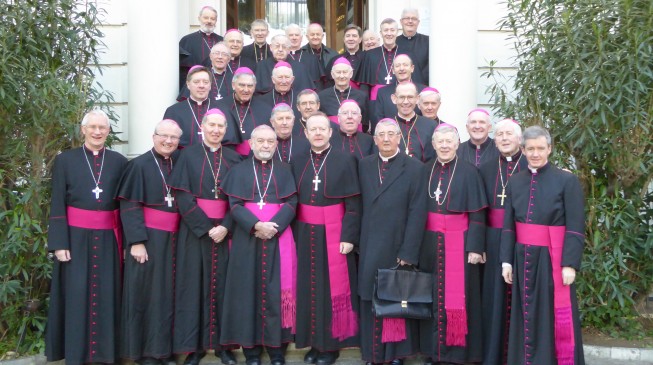
“As the bishops of Ireland conclude our Ad Limina in Rome today, we do so in the knowledge that we are emboldened by the Joy of the Gospel and we are more determined than ever to spread this message in and out of season.

“In his message Pope Francis invites us to change the lens through which we view things and to always have hope. He says, ‘Hope is born, a hope accessible to everyone, at the very crossroads where life meets the bitterness of failure.’ Pope Francis also says that ‘Confidence in the seed of God’s Kingdom and in the mystery of Easter should also shape the way we communicate’. This confidence is what enables us to carry out the work we need to do.

“I invite all engaged in communications – professionally or privately on digital media – to take a few minutes to read this message which is refreshing in its tone and relevant in its content. Pope Francis seeks to remind us that good news can sell, and that we can all be beacons in the darkness of this world, shedding light along the way and opening ever new paths of confidence and hope.”


Please find below the full text of this year’s World Communications Day message:


‘Fear not, for I am with you (Is 43:5):

Communicating Hope and Trust in our Time’


Access to the media – thanks to technological progress – makes it possible for countless people to share news instantly and spread it widely.  That news may be good or bad, true or false.  The early Christians compared the human mind to a constantly grinding millstone; it is up to the miller to determine what it will grind: good wheat or worthless weeds.  Our minds are always “grinding”, but it is up to us to choose what to feed them (cf. SAINT JOHN CASSIAN, Epistle to Leontius).


I wish to address this message to all those who, whether in their professional work or personal relationships, are like that mill, daily “grinding out” information with the aim of providing rich fare for those with whom they communicate.  I would like to encourage everyone to engage in constructive forms of communication that reject prejudice towards others and foster a culture of encounter, helping all of us to view the world around us with realism and trust.


I am convinced that we have to break the vicious circle of anxiety and stem the spiral of fear resulting from a constant focus on “bad news” (wars, terrorism, scandals and all sorts of human failure).  This has nothing to do with spreading misinformation that would ignore the tragedy of human suffering, nor is it about a naive optimism blind to the scandal of evil.  Rather, I propose that all of us work at overcoming that feeling of growing discontent and resignation that can at times generate apathy, fear or the idea that evil has no limits.  Moreover, in a communications industry which thinks that good news does not sell, and where the tragedy of human suffering and the mystery of evil easily turn into entertainment, there is always the temptation that our consciences can be dulled or slip into pessimism.


I would like, then, to contribute to the search for an open and creative style of communication that never seeks to glamourize evil but instead to concentrate on solutions and to inspire a positive and responsible approach on the part of its recipients.  I ask everyone to offer the people of our time storylines that are at heart “good news”.


Good news

Life is not simply a bare succession of events, but a history, a story waiting to be told through the choice of an interpretative lens that can select and gather the most relevant data.  In and of itself, reality has no one clear meaning.  Everything depends on the way we look at things, on the lens we use to view them.  If we change that lens, reality itself appears different.  So how can we begin to “read” reality through the right lens?


For us Christians, that lens can only be the good news, beginning with the Good News par excellence: “the Gospel of Jesus Christ, Son of God” (Mk 1:1).  With these words, Saint Mark opens his Gospel not by relating “good news” about Jesus, but rather the good news that is Jesus himself.  Indeed, reading the pages of his Gospel, we learn that its title corresponds to its content and, above all else, this content is the very person of Jesus.


This good news – Jesus himself – is not good because it has nothing to do with suffering, but rather because suffering itself becomes part of a bigger picture.  It is seen as an integral part of Jesus’ love for the Father and for all mankind.  In Christ, God has shown his solidarity with every human situation.  He has told us that we are not alone, for we have a Father who is constantly mindful of his children.  “Fear not, for I am with you” (Is 43:5): these are the comforting words of a God who is immersed in the history of his people.  In his beloved Son, this divine promise – “I am with you” – embraces all our weakness, even to dying our death.  In Christ, even darkness and death become a point of encounter with Light and Life.  Hope is born, a hope accessible to everyone, at the very crossroads where life meets the bitterness of failure.  That hope does not disappoint, because God’s love has been poured into our hearts (cf. Rom 5:5) and makes new life blossom, like a shoot that springs up from the fallen seed.  Seen in this light, every new tragedy that occurs in the world’s history can also become a setting for good news, inasmuch as love can find a way to draw near and to raise up sympathetic hearts, resolute faces and hands ready to build anew.


Confidence in the seed of the Kingdom

To introduce his disciples and the crowds to this Gospel mindset and to give them the right “lens” needed to see and embrace the love that dies and rises, Jesus uses parables.  He frequently compares the Kingdom of God to a seed that releases its potential for life precisely when it falls to the earth and dies (cf. Mk 4:1-34).  This use of images and metaphors to convey the quiet power of the Kingdom does not detract from its importance and urgency; rather, it is a merciful way of making space for the listener to freely accept and appropriate that power.  It is also a most effective way to express the immense dignity of the Paschal mystery, leaving it to images, rather than concepts, to communicate the paradoxical beauty of new life in Christ.  In that life, hardship and the cross do not obstruct, but bring about God’s salvation; weakness proves stronger than any human power; and failure can be the prelude to the fulfilment of all things in love.  This is how hope in the Kingdom of God matures and deepens: it is “as if a man should scatter seed on the ground, and should sleep by night and rise by day, and the seed should sprout and grow” (Mk 4:26-27).

The Kingdom of God is already present in our midst, like a seed that is easily overlooked, yet silently takes root.  Those to whom the Holy Spirit grants keen vision can see it blossoming.  They do not let themselves be robbed of the joy of the Kingdom by the weeds that spring up all about.


The horizons of the Spirit

Our hope based on the good news which is Jesus himself makes us lift up our eyes to contemplate the Lord in the liturgical celebration of the Ascension.  Even though the Lord may now appear more distant, the horizons of hope expand all the more.  In Christ, who brings our human nature to heaven, every man and woman can now freely “enter the sanctuary by the blood of Jesus, by the new and living way he opened for us through the curtain, that is, through his flesh” (Heb 10:19-20).  By “the power of the Holy Spirit” we can be witnesses and “communicators” of a new and redeemed humanity “even to the ends of the earth” (Acts 1:7‑8).


Confidence in the seed of God’s Kingdom and in the mystery of Easter should also shape the way we communicate.  This confidence enables us to carry out our work – in all the different ways that communication takes place nowadays – with the conviction that it is possible to recognize and highlight the good news present in every story and in the face of each person.


Those who, in faith, entrust themselves to the guidance of the Holy Spirit come to realize how God is present and at work in every moment of our lives and history, patiently bringing to pass a history of salvation.  Hope is the thread with which this sacred history is woven, and its weaver is none other than the Holy Spirit, the Comforter.  Hope is the humblest of virtues, for it remains hidden in the recesses of life; yet it is like the yeast that leavens all the dough.  We nurture it by reading ever anew the Gospel, “reprinted” in so many editions in the lives of the saints who became icons of God’s love in this world.  Today too, the Spirit continues to sow in us a desire for the Kingdom, thanks to all those who, drawing inspiration from the Good News amid the dramatic events of our time, shine like beacons in the darkness of this world, shedding light along the way and opening ever new paths of confidence and hope.


From the Vatican, 24 January 2017

Speaking notes of Archbishop Eamon Martin to Pope Francis for the Irish bishops’ Ad Limina meeting

A Athair Ró Naofa, Ba mhaith liom buíochas a gabháil leat as ucht an cuireadh chuig an Suí Naofa agus an fáilte a thug tú dúinn le linn an cuairt seo Ad Limina Apostolorum.


Most Holy Father, Thank you for your invitation to the Holy See for our visit ‘ad limina apostolorum’, and for your warm welcome here today.  On behalf of the Irish Episcopal Conference, I offer sincere thanks to you and to those in the dicasteries of the Roman Curia who have engaged with us so positively this week in an open and constructive dialogue.


It is very special for us to have this opportunity to meet and have a discussion with you.


Holy Father, we bring you warm greetings of affection from the Catholic people of Ireland and thank you for the powerful witness you are giving to the world – and especially for your emphasis on mercy for those who are on the peripheries of Church and society.


In Ireland in recent years, despite enormous economic turmoil and hardship, the Irish people have remained generous in the works of mercy towards those who are often overlooked in our fast-paced society – including the poorest and most defenceless.  In this regard the Bishops of Ireland continue to promote the dignity of the life of the unborn, as well as that of the elderly, the sick and all who are vulnerable at any stage of their existence.


So much has changed for Church and society in Ireland in the ten years since our last ‘ad limina’ visit in 2006.  Since then we have been making determined efforts to safeguard children and vulnerable persons from abuse.  I assure you that it remains a priority of the Church in Ireland to acknowledge and learn from the past, and persevere in our efforts to bring healing to all those affected by the sinful and criminal acts of abuse.


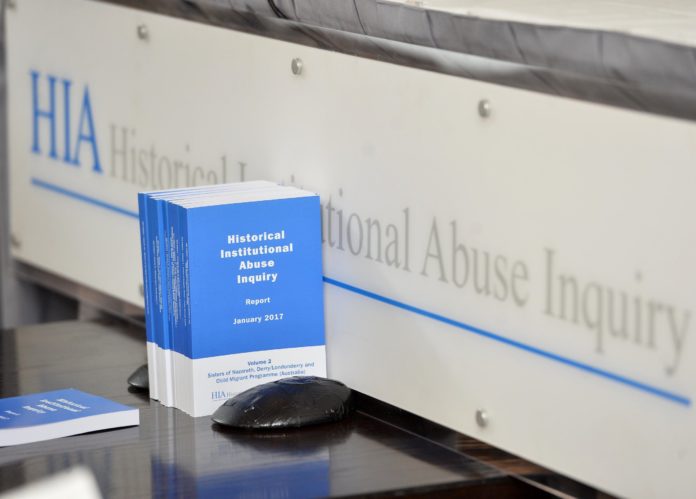
Holy Father, your personal outreach to survivors of abuse is an inspiration for us as we continue to travel the path of penitence, reparation, healing and renewal.  The publication this morning in Belfast of Sir Anthony Hart’s Report into Historical Institutional Abuse in Northern Ireland reminds us that much work remains to be undertaken in this regard.


We thank you for honouring Ireland with the privilege of hosting the Ninth World Meeting of Families in Dublin, August 2018.  We look back with joy to June 2012 when the Fiftieth International Eucharistic Congress took place in Ireland, with the theme ‘Communion with Christ and with One Another’.  That was a joyful and grace-filled occasion for us.


Like the Eucharistic Congress, we see the World Meeting of Families as much more than a ‘once-off’ event.  We look to it, rather,  as a graced opportunity, a process by which we can celebrate and explore further the riches of the Church’s ‘Gospel of the Family’.  It shall be a catalyst for reflecting on the challenging pastoral manifesto you have set out for the universal church in your post-synodal Apostolic Exhortation ‘Amoris Laetitia’.


We take this opportunity to repeat our invitation to you to visit us in August 2018 – we promise you, as we say in Ireland, ‘céad míle fáilte’ – one hundred thousand welcomes!


The pastoral care of marriage and the family remains a priority for us.  In spite of various social changes and challenges, the ethic of family life remains strong in Ireland.  As pastors, we meet many different family situations and we admire the high ideals which mothers and fathers have for their children.  We also recognise the critical importance of the family to handing on of the faith, to the life of our parishes and as the fundamental building block for a safe and stable society.


We are therefore committed to ensuring that our Catholic centres of education assist parents and families and are places of dialogue and encounter with the ‘Joy of the Gospel’ of Jesus Christ.  We continue to hold the view that the presence of Catholic schools enhances, rather than undermines, true diversity and pluralism in the provision of education.


During our ‘ad limina’ visit we have been reflecting on vocations and on the well-being and ministry of our priests and religious.  In today’s culture many people struggle to comprehend how anyone can be called to a life of service to God in these ways.  We are working on how to help foster a culture of vocation in Ireland, and on how best our seminarians can be adequately formed for service as priests in contemporary Ireland.


The well-being of our priests is dear to all of us bishops.  We are aware that declining numbers of priests, their increased workload and ever more challenging pastoral situations has taken its toll on them.  We thank God today for their resilience, dedication and generosity, and for the kindness and support of the faithful.  We also thank God for the many shoots of new growth and renewal that are emerging in parishes and dioceses all over the country, especially in catechesis, lay involvement and pastoral outreach to the marginalised.


We are happy to have the ongoing fraternal support of the leaders of the other Christian Churches in Ireland.  This is particularly important for the nourishment and protection of the ongoing peace process.  Things are politically uncertain and delicate these days in Northern Ireland where the Stormont government has collapsed and following the United Kingdom’s referendum decision to leave the European Union.  Please pray for us, because we need everyone, including our Church, civic and political leaders, to build bridges of friendship and reconciliation, rather than put up barriers of division and recrimination.


You often remind us that the bonds of solidarity must also be extended to those who arrive among us as refugees and asylum seekers.  The Church is rightly concerned about the thousands of men, women and children seeking refuge in Europe.  We are proud of the humanitarian efforts of  Trócaire, the Catholic Church’s overseas development agency, and the merciful work of the Irish Naval Service which has helped to rescue thousands of refugees from the waters of the Mediterranean.


Holy Father, we realise that the future of the Catholic Church in Ireland is likely to be very unlike our past or even the present.  We know that we need to find new ways of ensuring that the voice of faith is heard, because many people in Ireland yearn for a reason to hope.  There is so much uncertainty around us – including homelessness, economic hardship, violence on the streets, a lack of purpose in the lives of many of our gifted young people, problems with mental health and the awful spectre of suicide.


The Joy of the Gospel needs to be heard today in Ireland, more than ever.  It is a message of hope and positivity about conversion and starting over, about forgiveness and reconciliation, about the sacredness of all human life and the wonder of God’s creation, about marriage, family and solidarity, about charity, truth and justice.


We ask for your prayers, Holy Father, that we can return from our ‘ad limina’ visit emboldened by the Joy of the Gospel and more determined to make it known!


Guímis rath Dé ort agus ar do chuid saothar i gcónaí.  We pray success from God on you and on your work always.

Statement by Archbishop Eamon Martin on the publication of the report of the Historical Institutional Abuse Inquiry

The publication today by Sir Anthony Hart of the Report into historical institutional abuse in Northern Ireland is a significant moment for survivors and their families.  They are uppermost in my thoughts today.  Notwithstanding the distressing experience of telling their harrowing stories to the Inquiry, they have shown courage, dignity and perseverance in bringing to light a dark and disturbing chapter in the life of Church and society.


This comprehensive report allows their voices to be heard and vindicated more widely so that all of us can learn the truth, however unpalatable, about what happened in the past and redouble our efforts to ensure such awful things are prevented from occurring again.  Sir Anthony Hart approached his task in a balanced and objective manner.  He dealt sensitively with those who were called to appear before the Inquiry.  He has fulfilled a valuable service to society as a whole.  It is now important for all of us to accept his findings as a fair reflection and analysis of how both Church and State failed the most vulnerable members of our society.  


I welcome the publication of this Report and I accept its findings.  I apologise unreservedly to all those who suffered from their experience in Church-run institutions, and to their loved ones.  They have given details for all to see of emotional, physical and sexual abuse.  Their story is one of anxiety, isolation and pain.  I know well that my words are inadequate in attempting to address the enormity of the harshness and brutality which many innocent children experienced.  There is never an excuse for the abuse and ill treatment of children or any vulnerable person, in any setting.  When the perpetrator is a priest or religious, it is also an appalling betrayal of a sacred trust.  I am ashamed and I am truly sorry that such abuse occurred, and that in many cases children and young people felt deprived of love and were left with a deep and lasting suffering.


It is totally understandable that those abused may find it hard to forgive or find reconciliation with the Church.  But we in the Church must do everything we can to submit to the demands of justice and demonstrate that we are serious about making reparation for the sins and crimes of the past.  I call on all those in positions of leadership within the Catholic dioceses and religious congregations concerned to engage in a constructive and urgent manner with the agencies to be established by the new Executive to take forward this Report’s recommendations.  I commit to doing all that I can – and also to encouraging others throughout the Church – to support survivors of abuse today and into the future. 
ENDS

Notes for Editors


  • Archbishop Eamon Martin is Archbishop of Armagh and Primate of All Ireland.


  • Support for survivors of abuse: Towards Healing, the National Board for Safeguarding Children in the Catholic Church in Ireland, and Towards Peace constitute the pastoral service response to survivors of child sexual abuse in the Catholic Church in Ireland.  Please see their contact details below for your use:


Towards Healing Counselling & Support Services is available to survivors of Church, Religious and Institutional abuse.  The Towards Healing director is Mr Michael Lyons and the service provides lay independent and fully accredited counsellors to support survivors. Towards Healing may be contacted by:


The National Board for Safeguarding Children in the Catholic Church in Ireland provides advice on all aspects of case management, including notification of allegations and support for the complainant.  It’s chief executive is Ms Teresa Devlin.  If you are concerned about a child or young person or wish to report a child safeguarding suspicion, concern, knowledge or allegation you should contact the statutory authorities.  As the Catholic Church in Ireland has a mandatory reporting policy you can also contact the NBSCCCI by:


Towards Peace is a service offering spiritual support to survivors of physical emotional or sexual abuse perpetrated by Catholic Church personnel in Ireland.  The director of Towards Peace is Ms Una Allen who can be contacted by:


For media contact: Catholic Communications Office Maynooth: Martin Long 00353 (0) 86 172 7678 and Brenda Drumm 00353 (0) 87 310 4444

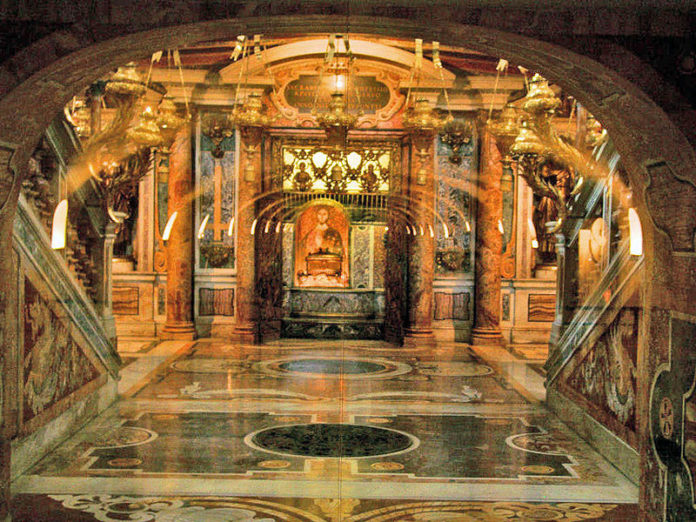
Homily of Archbishop Eamon Martin for Mass at the tomb of Saint Peter, Saint Peter’s Basilica, Rome

“Here at the tomb of Saint Peter, let us pray in a special way to strengthen our brother priests in Ireland.  Their ministry and well-being is dear to all of us.  We are aware that their smaller numbers, increased workload and ever more

challenging pastoral situations has taken its toll on them.  We thank God today for their resilience dedication, and generosity, and for the kindness and support offered to them, and us, by our people and religious” – Archbishop Eamon Martin


Background

Today the Bishops of Ireland begin their ten-day Ad Limina visit to meet with Pope Francis and senior officials of the Holy See.  Ahead of their meetings, the bishops will concelebrate Mass this morning at the tomb of Saint Peter in Saint Peter’s Basilica, Rome.  The Principal Celebrant for this Mass is Archbishop Eamon Martin and please see his homily below:  


Homily

My dear brother bishops we have arrived at the goal of our pilgrimage “ad limina apostolorum”.  Here at the tomb of Saint Peter and surrounded by the tombs of the successors of Peter, there is no better place to enter into a prayer of communion with the one, holy Catholic and apostolic Church.


We gather as bishops, conscious that with all the bishops of the Church, and with the Pope at our head, we form a single “college” which succeeds in every generation the “college” of the Twelve Apostles, with Peter at their head, which Christ instituted as the foundation for the Church.  We pray therefore in a special way at this moment for Pope Francis, thanking God for the powerful witness and challenge the Holy Father continues to present us.


We gather as priests to celebrate Eucharist – the ultimate expression and source of our communion with Christ and with one another.


We gather as shepherds, bringing to this place the needs and intentions of our people, religious and priests.


We are conscious of the pressures and struggles which beset our people, the internal struggles that can disrupt harmony, the wolves which sometimes attack the flock, and the weighty responsibility for their care that has been laid on our shoulders.


If it were left to us, of course, we know in our hearts that we would inevitably fail as shepherds – the flock would be scattered, communion shattered.


But it is not left to us.  Here at the tomb of Saint Peter there is consolation in the knowledge that the Lord chose Peter – one who could profess his love and faith so powerfully – yet, when the pressure was on, thrice deny the Lord so miserably.


One of the most moving lines in the Gospels for me is in the Gospel of Luke when the Lord predicts Peter’s denial, but assures him: “Peter, I have prayed for you, that your faith may not fail; and when you have turned back, strengthen my brothers.”


Every year at the Chrism Mass, when we gather with our priests to renew our priestly commitment, there comes a point when we turn to our people and ask them to pray for us, their “priests and bishops, that the Lord may pour out his gifts abundantly upon us and keep us faithful as ministers of Christ, the High Priest.”


As we gather here this morning we know that many of our people, priests and religious back at home are praying for us during thisad limina visit.  Their prayer today, and every day, strengthens us, and in turn God pours out on us the graces that we need to strengthen them, our brothers and sisters.


Here at the tomb of Saint Peter, let us pray in a special way to strengthen our brother priests in Ireland.  Their ministry and well-being is dear to all of us.  We are aware that their smaller numbers, increased workload and ever more challenging pastoral situations has taken its toll on them.  We thank God today for their resilience, dedication and generosity, and for the kindness and support offered to them, and us, by our people and religious.


Celebrating here the mystery of the Eucharist we gather all our prayers in communion with the prayers and praise of all humanity in every time and place of history; for we are united here with Christ the High Priest who is really present in the sacrifice at this altar.


Pope Emeritus Benedict XVI once explained to his priests in Rome the significance of the Letter to the Hebrews from which our First Reading is taken these days.  He referred to that beautiful prayer in the Roman canon which draws out the links between the high priesthood and sacrifice of Christ and our Eucharist which is offered in a great communion with that of Abel, the first martyr, with his lamb; with Abraham and the lamb sent by God to replace his son Isaac; and, with Melchizedek, High Priest of God Most High with his bread and wine. 


This place and moment is therefore truly a place and moment of communion – with Peter and the other successors of the apostles right up to Pope Francis; with each other and with our fellow bishops around the world; with the prayers and needs of our people, religious and priests; but, above all, this is a place and moment of communion with Christ – the “priest for ever”, the “priest like Melchizedek of old”, the “Son who learnt to obey through suffering”, but who is “the source of our salvation”.  Amen.


Archbishop Eamon Martin message to Northern Ireland politicians

At this critical moment, as my fellow Church leaders have already done this week, I offer a message to our politicians and all who serve in the civil and political sphere. 

Consider carefully your responsibility and noble vocation to work for the common good.  The premature collapse of our political institutions so soon after the last election is a serious matter for all of us and cannot be taken lightly.  The sense I am picking up from people on the ground is that it risks further disillusionment with the political process. We understand that it takes courage and generosity to stand for public office. But it also brings a trusted responsibility for leadership and integrity which can never be taken for granted. 

All of us need to have confidence in you – and especially the most vulnerable and disadvantaged, the poor, those who struggle daily to bring up their families and make ends meet.  Your call to public service will sometimes mean making sacrifices, offering compromise and building bridges to overcome barriers as they arise. We have all learned through bitter experience that wrong is never all on one side – too many families among us still grieve the losses, or nurse the wounds of sectarianism and hatred. We do not want that for our children and grandchildren. 
Other troubled parts of the world look to us as a sign of hope that peace can be achieved. Continue to work to sustain the painstaking progress which many of you and your predecessors helped to deliver. Help to bring us further along the road to lasting peace, a shared future and prosperity for all. Do not resort to predictable, wearisome slogans or denigrating, divisive language.  Like many in the community, the churches are available to assist you in any way. We will certainly pray for you in the coming weeks. 


ENDS


  • Archbishop Eamon Martin is Archbishop of Armagh and Primate of All Ireland.


For media contact: Catholic Communications Office Maynooth: Martin Long 00353 (0) 86 172 7678 and Brenda Drumm 00353 (0) 87 310 4444

0 New

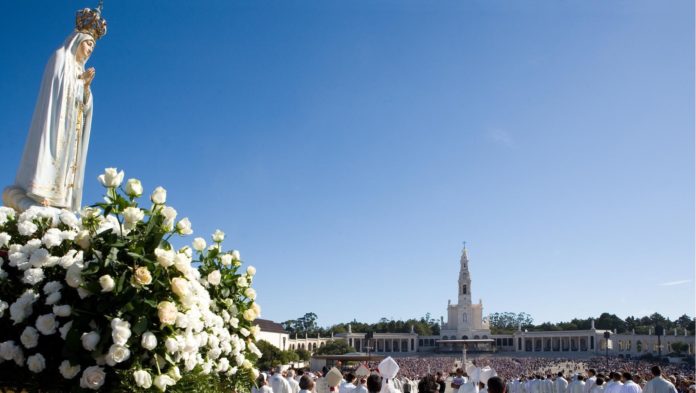
As we celebrate 100 years since Our Lady appeared in Fatima, “The Five First Saturdays Devotion” will take place in St Patrick’s Cathedral, Armagh beginning on the first Saturday of February

As we celebrate 100 years since Our Lady appeared in Fatima, “The Five First Saturdays Devotion” will take place in St Patrick’s Cathedral, Armagh beginning on the first Saturday of February


Our Lady of Fatima
promises all the graces necessary for Heaven if we finish the Five First Saturdays Devotion

“Whether the world has war or peace depends on the practice of this devotion, along with the consecration to the Immaculate Heart of Mary. This is why I desire its propagation so ardently, especially because this is also the will of our dear Mother in Heaven.” -Sr. Lucy (March 19, 1939)

During her July apparition at Fatima, Our Lady said to Lucia, “I shall come to ask… that on the First Saturday of every month, Communions of reparation be made in atonement for the sins of the world.” On December 10, 1925, our Lady appeared again to Lucia at Pentevedra, Spain and she made a request for the Five First Saturdays and she gave her great promise.

“I promise to assist at the hour of death, with the graces necessary for salvation, all those who, in order to make reparation to me, on the First Saturday of five successive months, go to Confession, receive Holy Communion, say five decades of the Rosary, and keep me company for a quarter of an hour, meditating on the fifteen mysteries of the Rosary.”

On the first Saturday of each month, Confessions will be celebrated in St Patrick’s Cathedral, Armagh at 9.30am, Mass will be celebrated at 10am and the Rosary will be recited immediately after Mass in Our Lady’s Chapel. Please come along and join in this act of devotion in this special Jubilee Year.

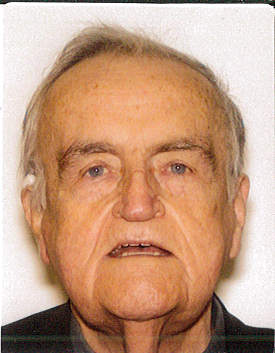
Death of Very Rev James Shevlin, PE

The death has taken place suddenly, Saturday, 7 January 2017, of Fr James Shevlin PE, former Parish Priest of Kilkerley and of Dunleer and Pastor Emeritus Associate Pastor of Carlingford and Omeath. May he rest in peace.


Fr James Shevlin, Biographical Details


Born
:              25 February 1937

Studied           Patrician Brothers, Carrickmacross

                        Society of African Missions, Dromantine, Newry, Co Down

Ordained:       10 December 1961, St Peter’s Church, Lurgan for the Society of African Missions (SMA)

Appointments

CC, Archdiocese of Jos, Nigeria                    1962 – 72

CC, New York, USA                                     1972 – 75

CC, Archdiocese of Jos, Nigeria                    1975 – 77

CC, New York, USA                                     1977 – 78

CC, Ardee                                                       1978 – 94

Incardinated into Archdiocese of Armagh     1984

PP, Kilkerley                                                   1994 – 98

PP, Dunleer                                                     1998 – 06

PE, AP, Carlingford & Omeath                      2006 – 14

PE, Carlingford & Omeath                             2014 – until death
Date of Death: 7 January 2017, Dublin