Saturday, December 27, 2025
Home Blog Page 73

Homily of Archbishop Eamon Martin for Catholic Schools Week 2015

  • “In this day and age no young person should be turned away from a Catholic school on the basis of their mark in an entrance test at the age of ten or eleven”
  • “It is worrying that two thirds of young people in Northern Ireland from socially disadvantaged backgrounds are not getting 5 GCSEs at A*-C with English and Maths”
  • “Too many of our young people are not making the transition to education, employment or training beyond the age of 16 and are ending up marginalised and often  forgotten by the system.                                        

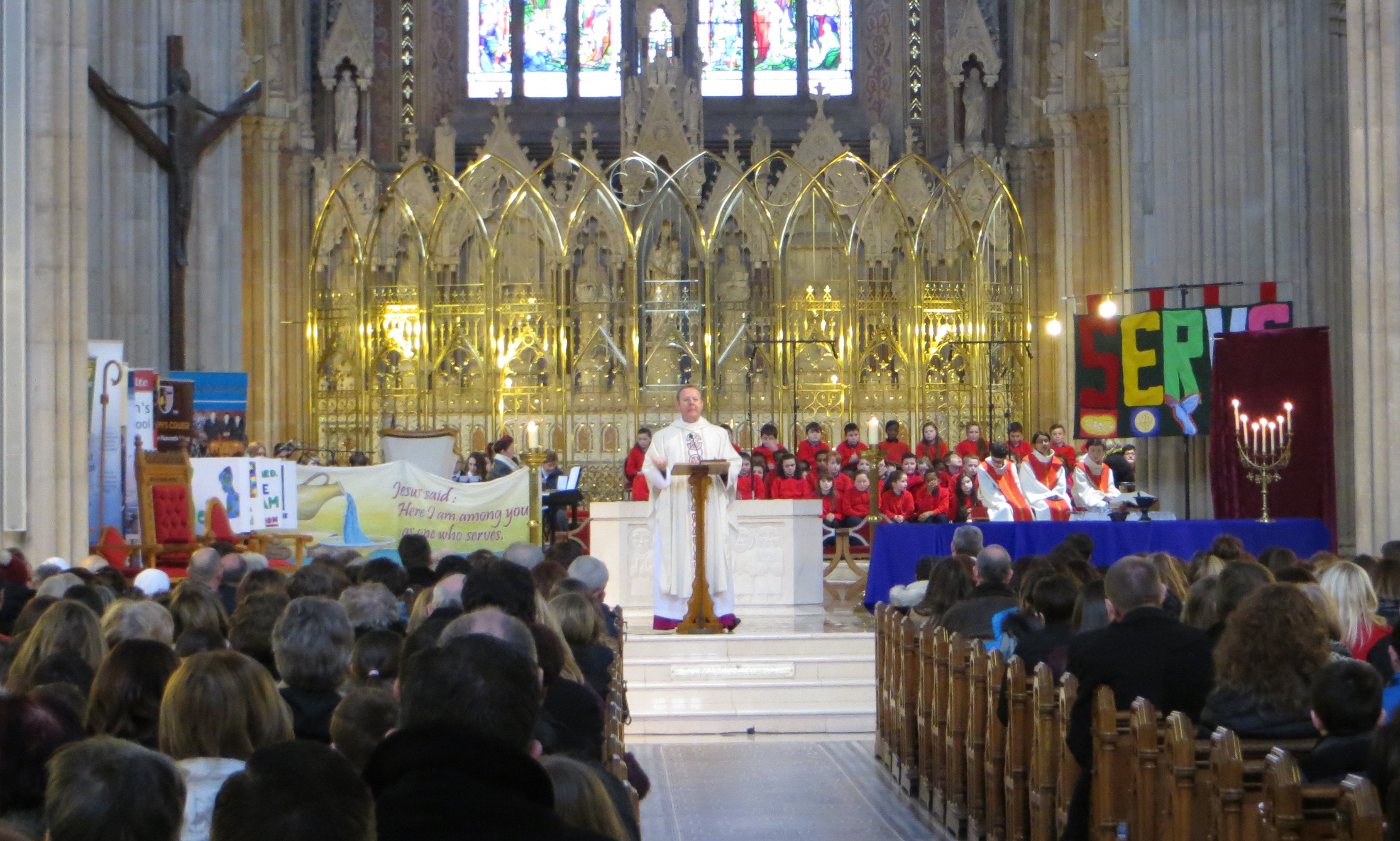
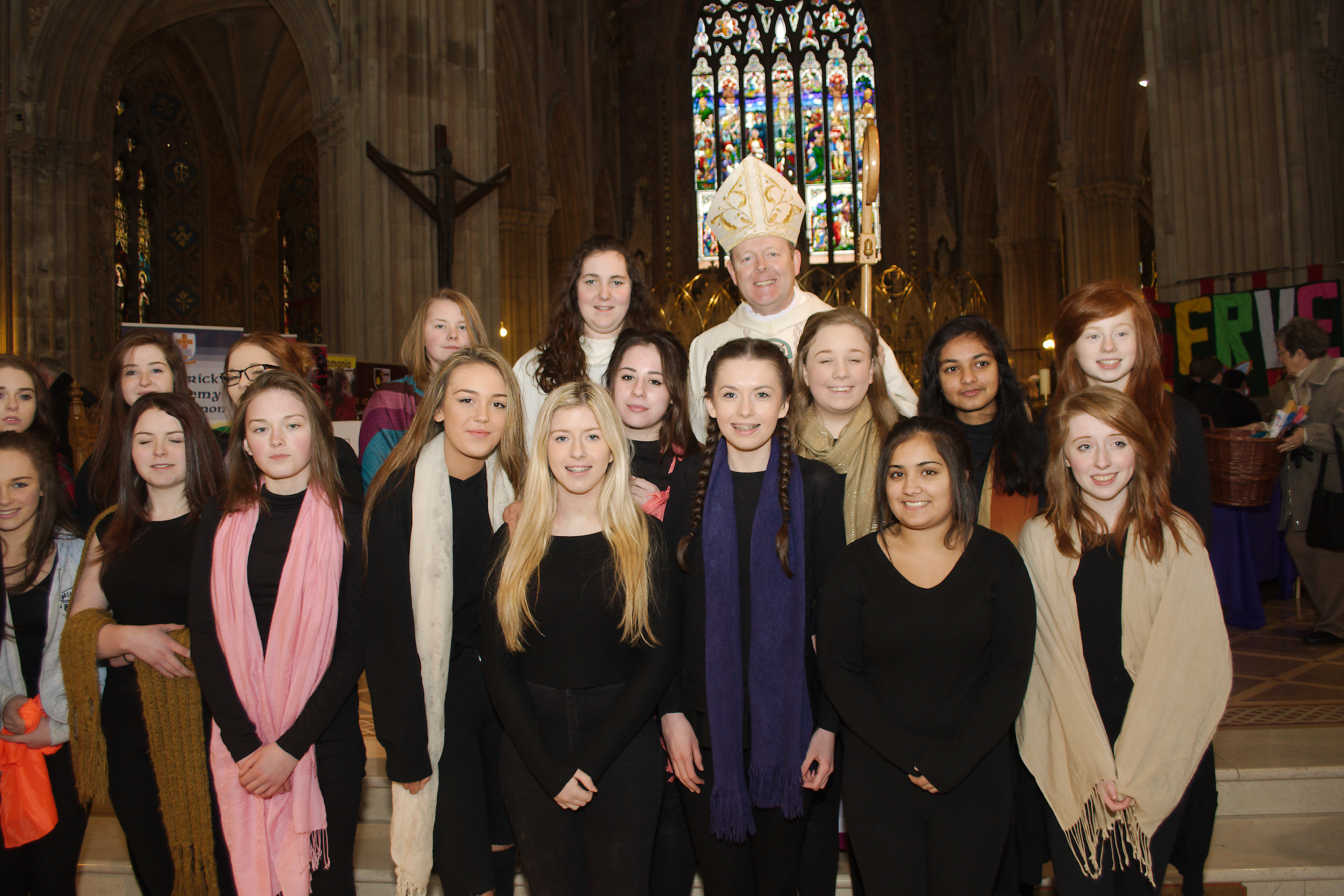
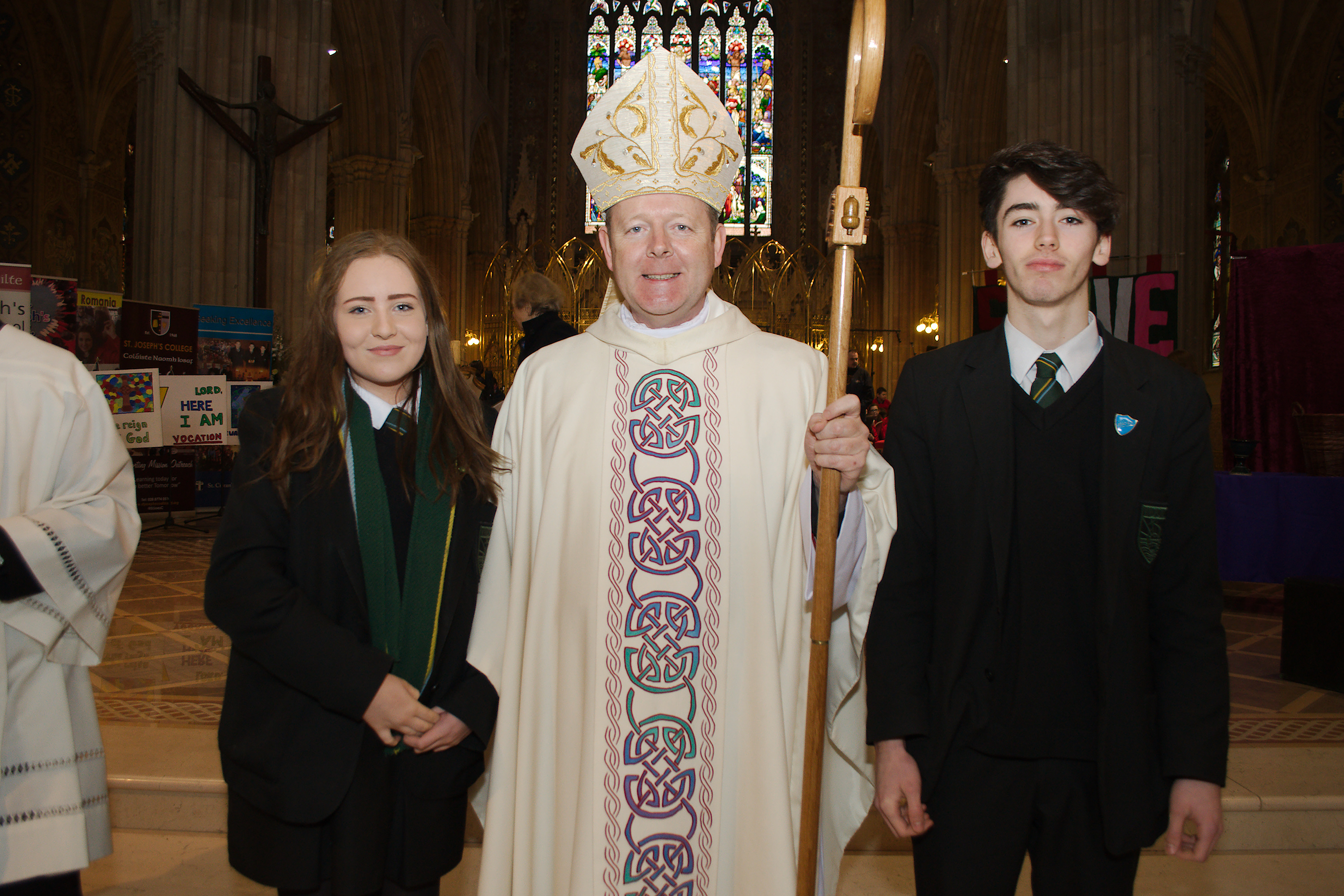
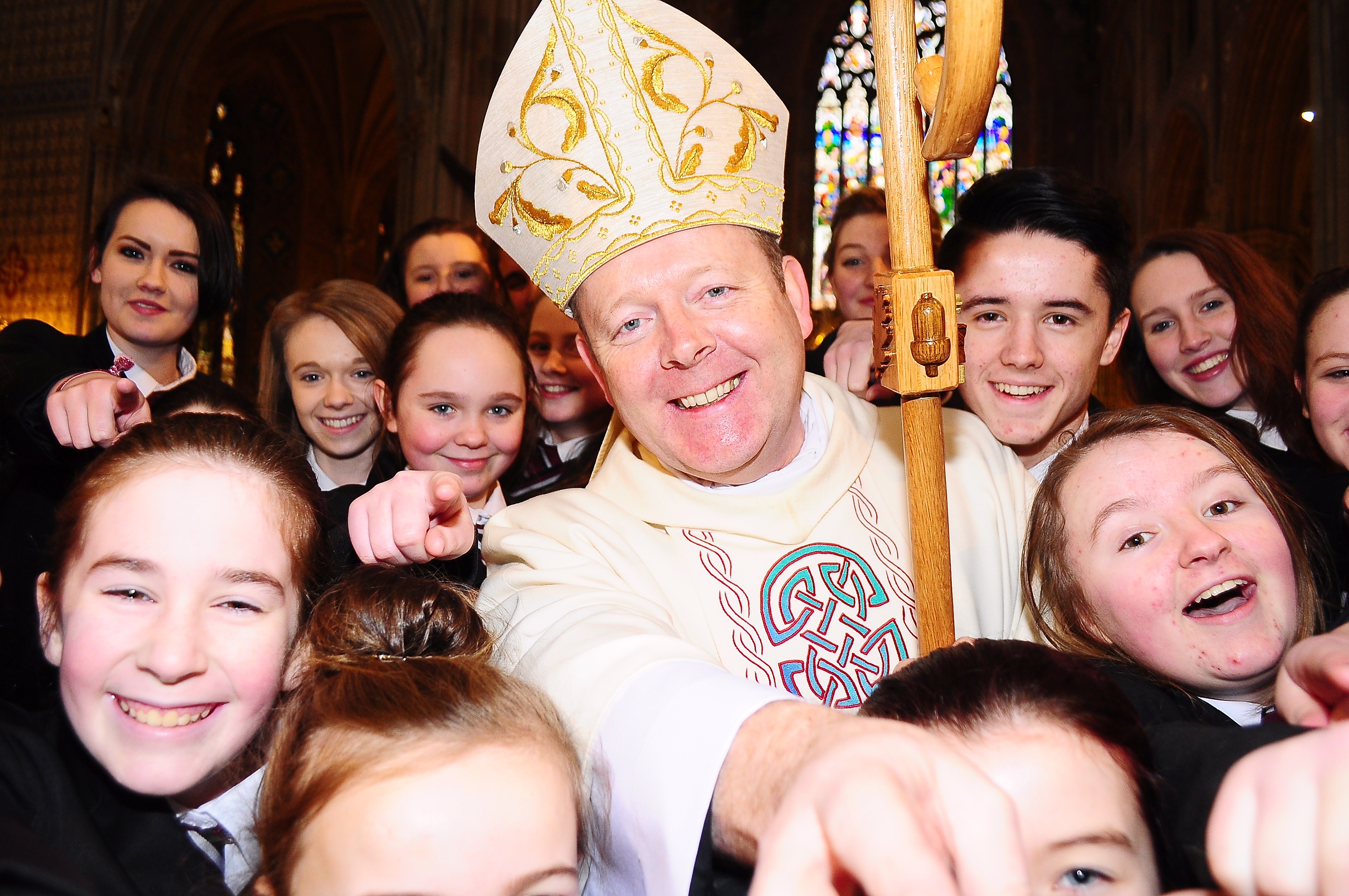
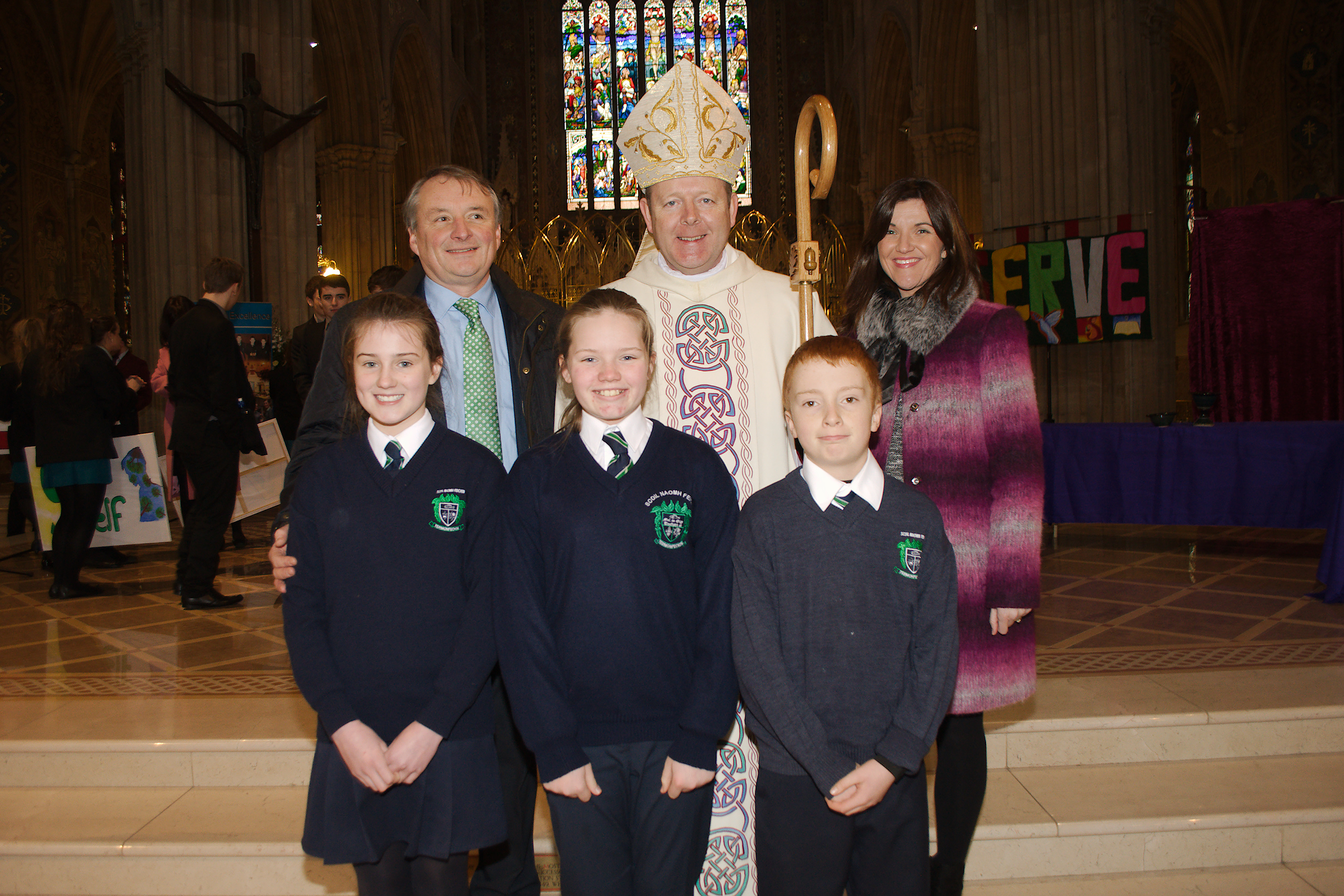
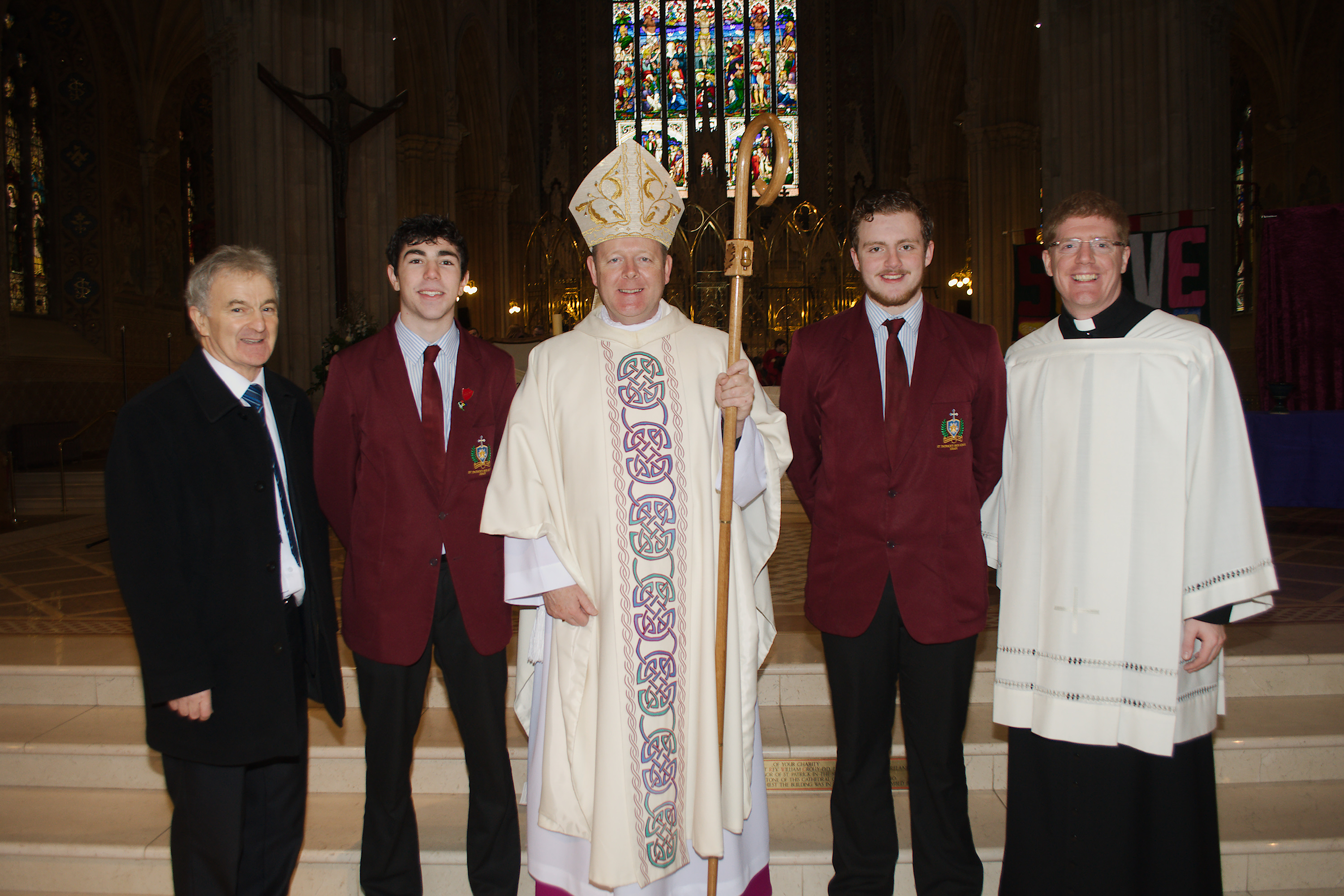
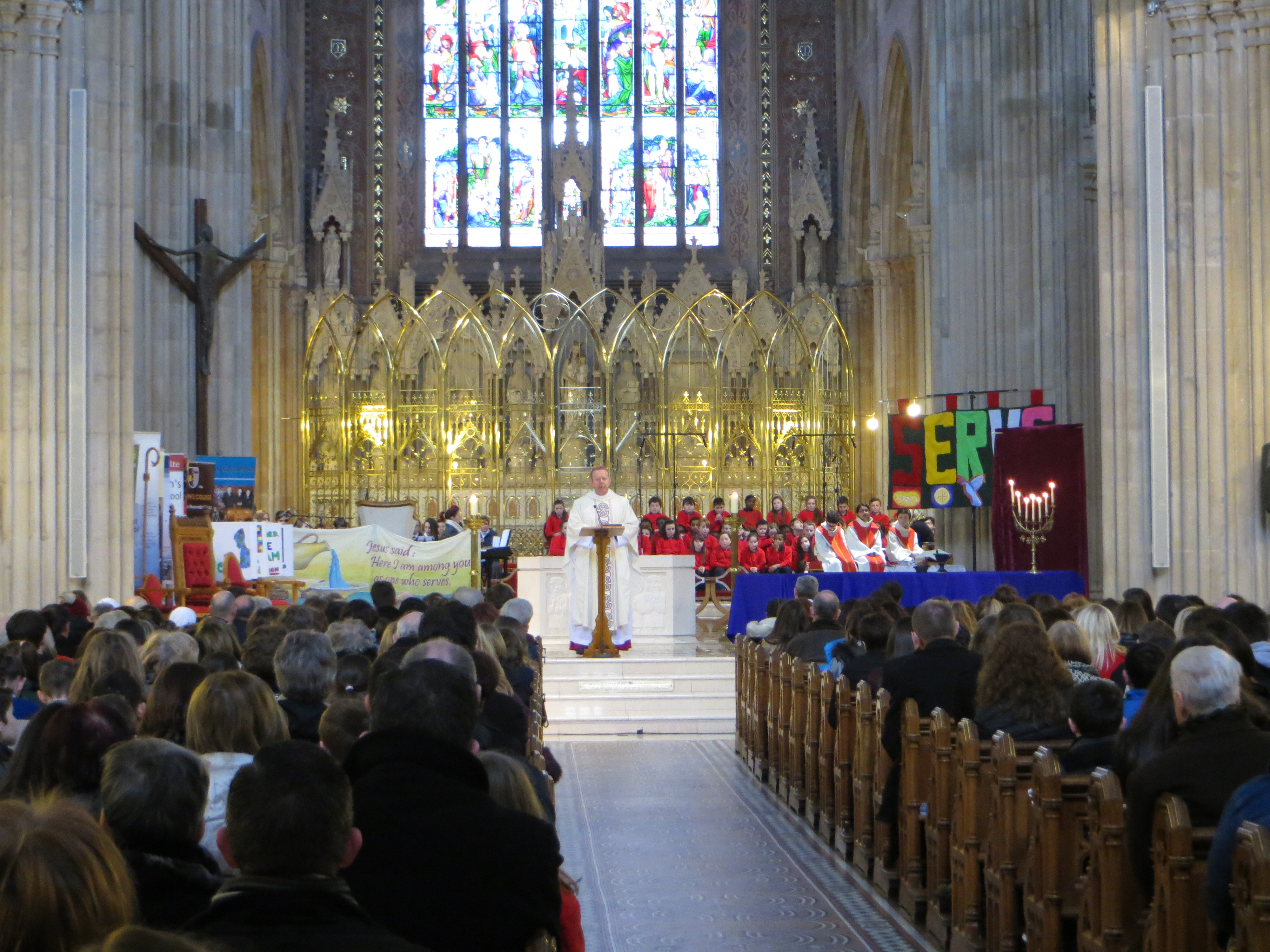
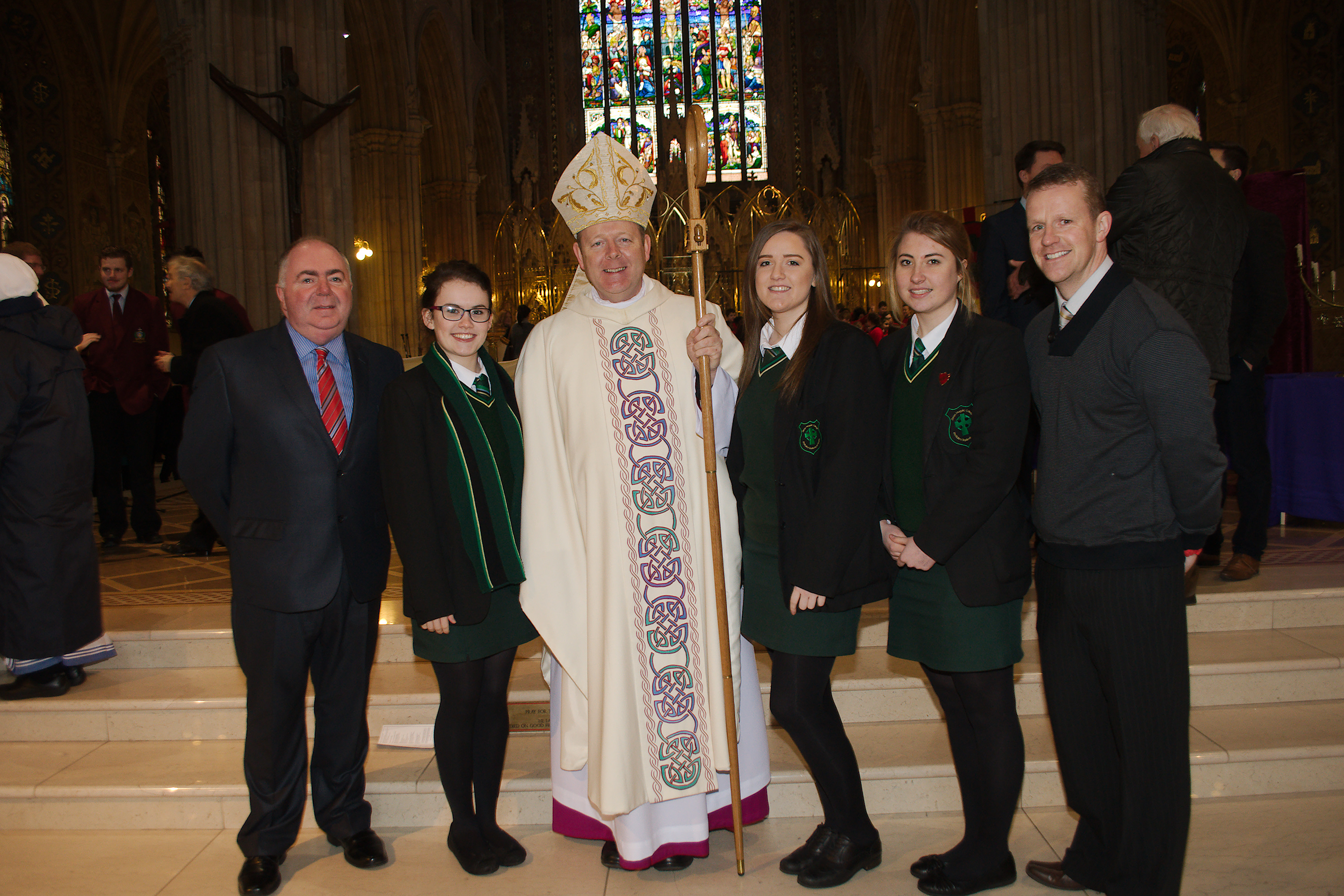
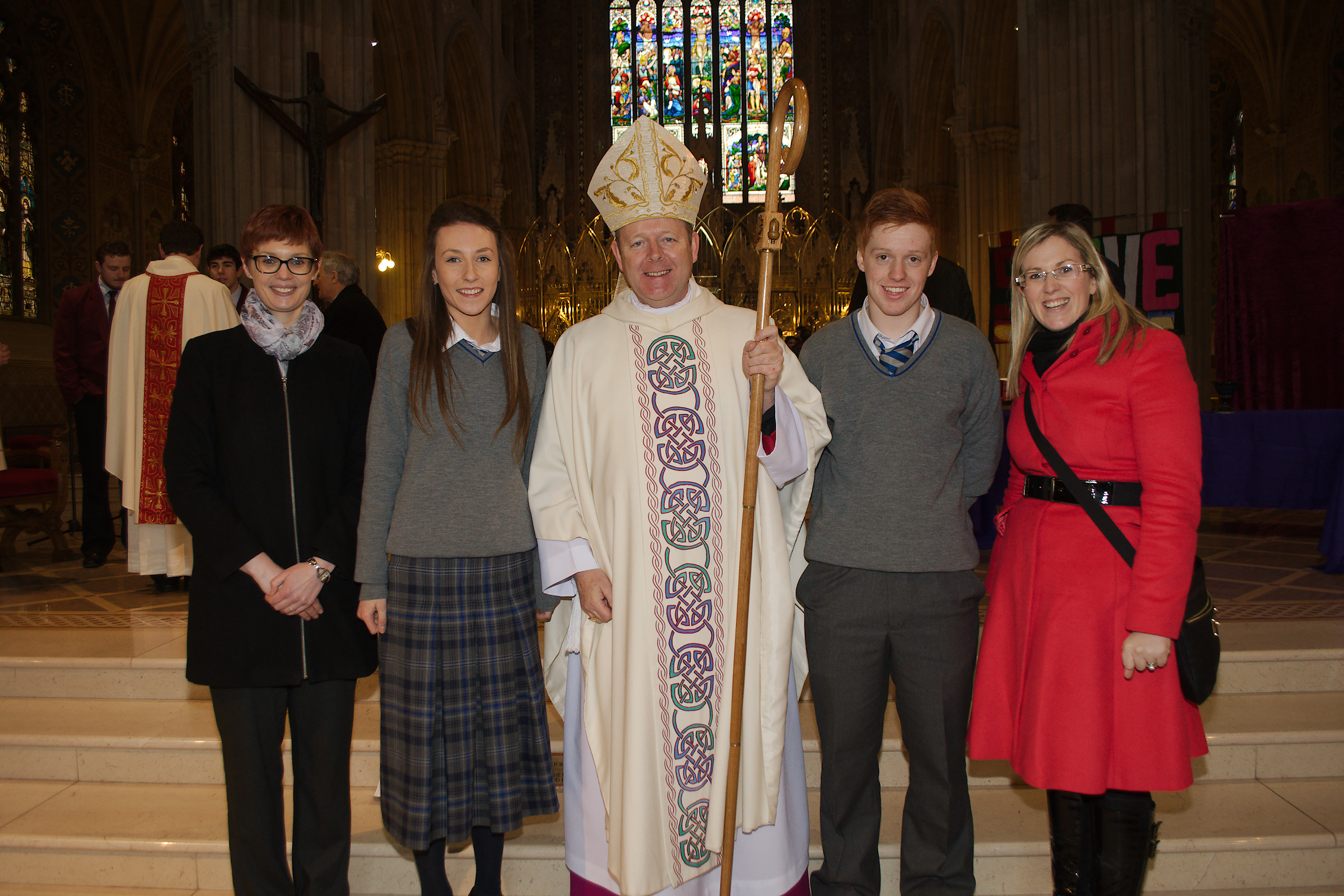
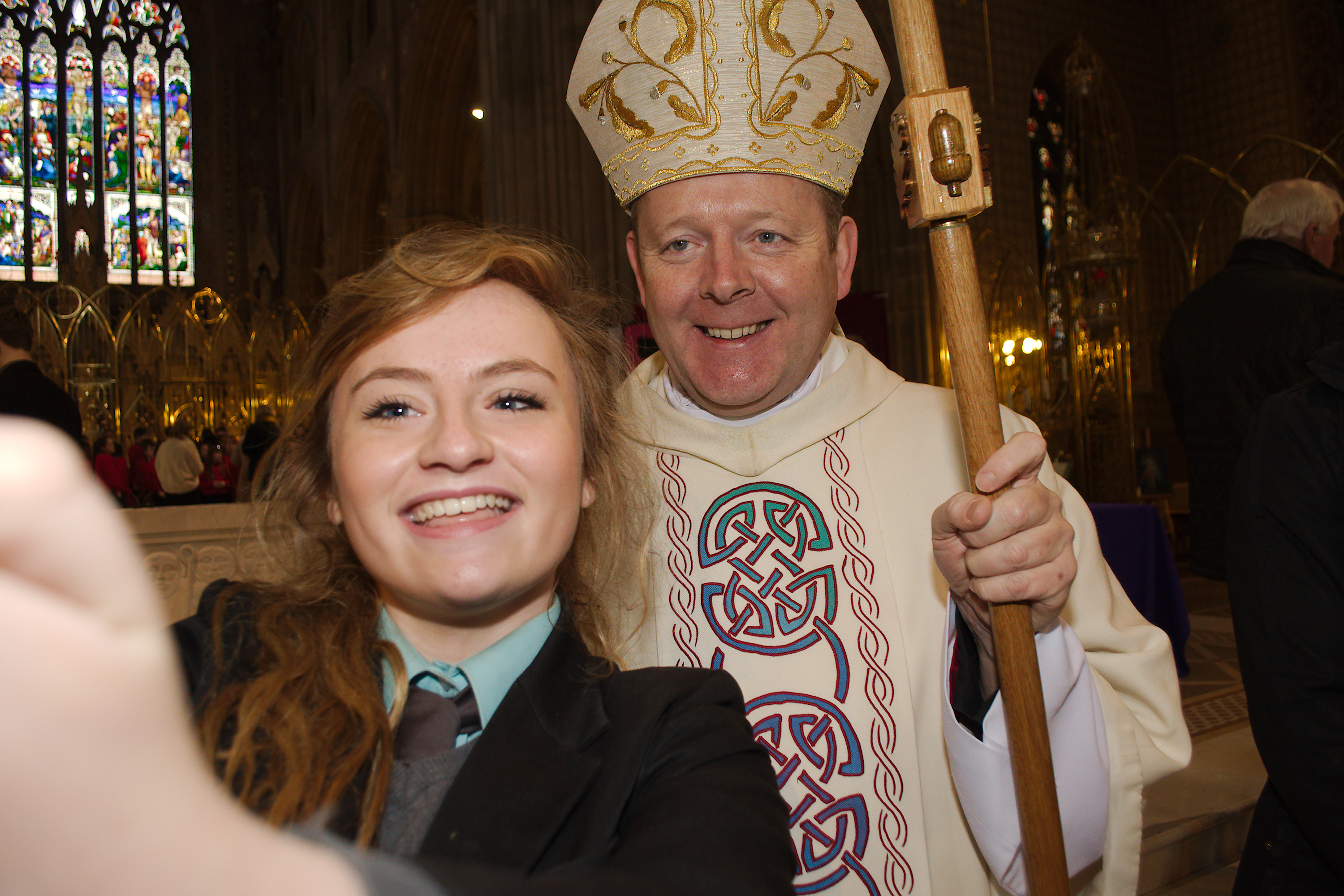
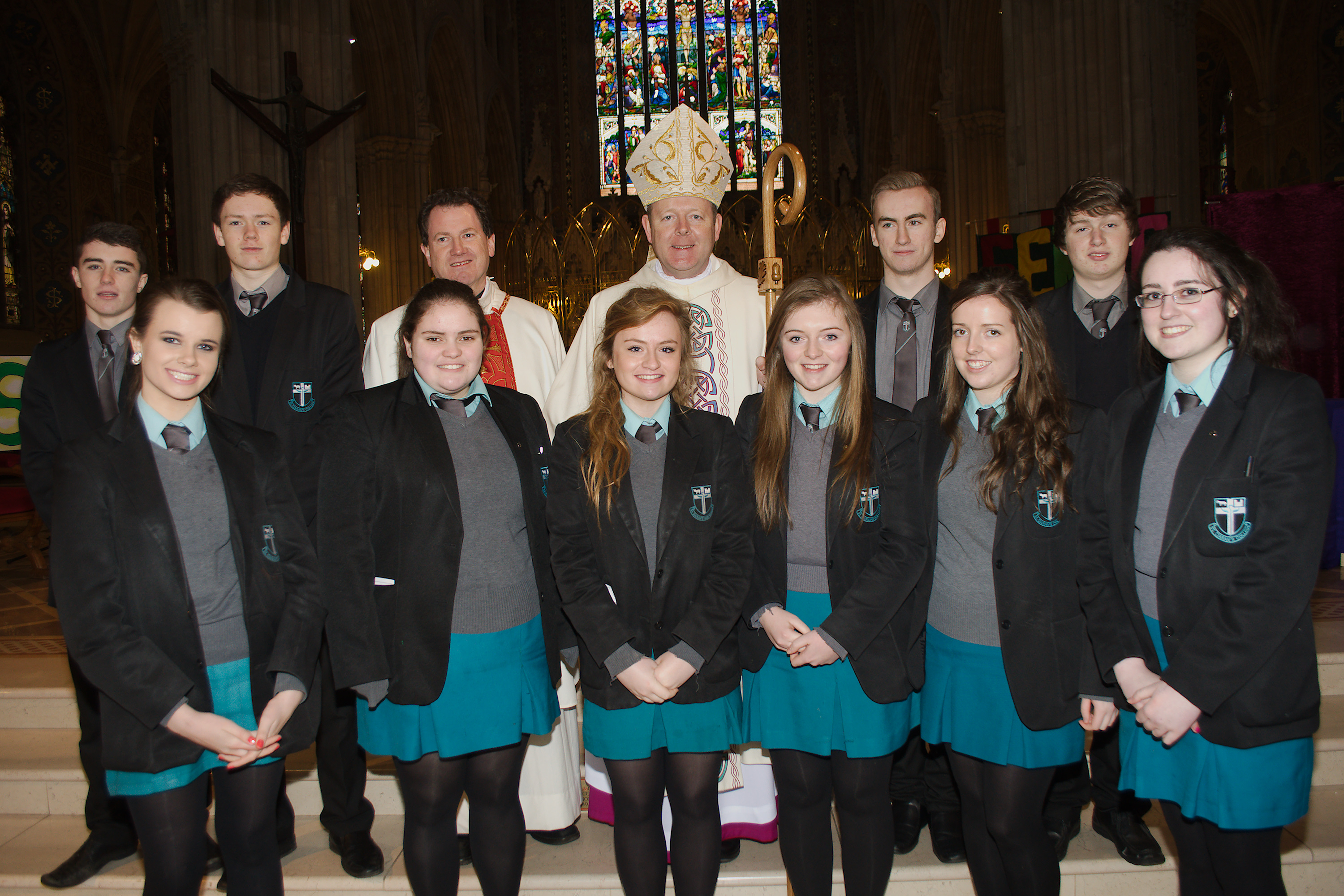
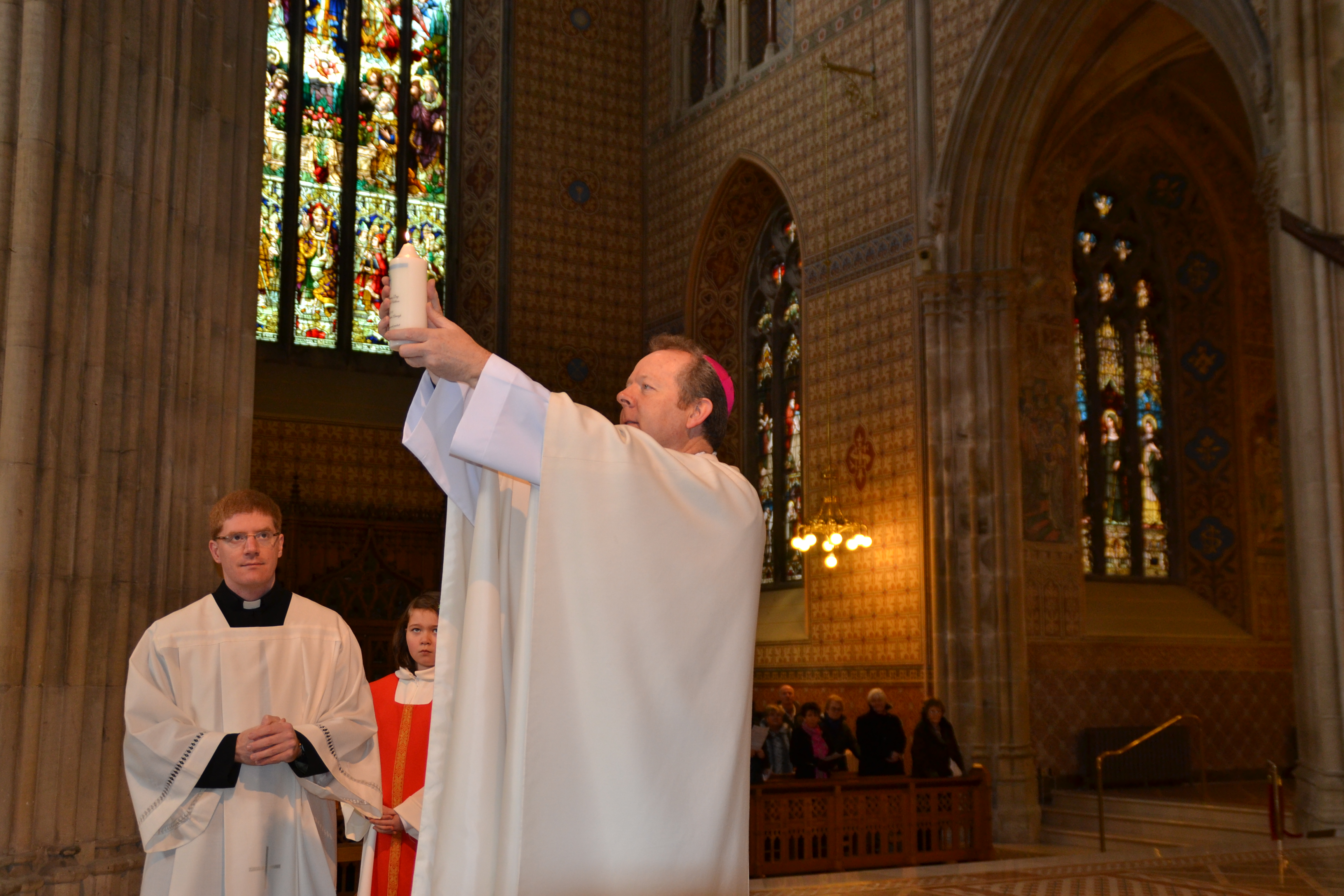
On Wednesday morning last we had a wonderful celebration in the Cathedral to prepare for Catholic Schools Week. With pupils and staff from schools all over the Archdiocese of Armagh we reflected on this year’s theme – ‘Catholic Schools: Called to Serve’. We have 184 Catholic primary and post primary schools catering for thousands of children and young people in the four counties of our diocese: Armagh, Derry, Louth and Tyrone. Since coming to the Archdiocese, I have been hugely impressed by our schools. I want to pay tribute today to our young people and to the tremendous commitment and dedication of staff, parents and governors who work so hard to help our young people become the best they can be, and to give them an education rooted in the values of the Gospel.

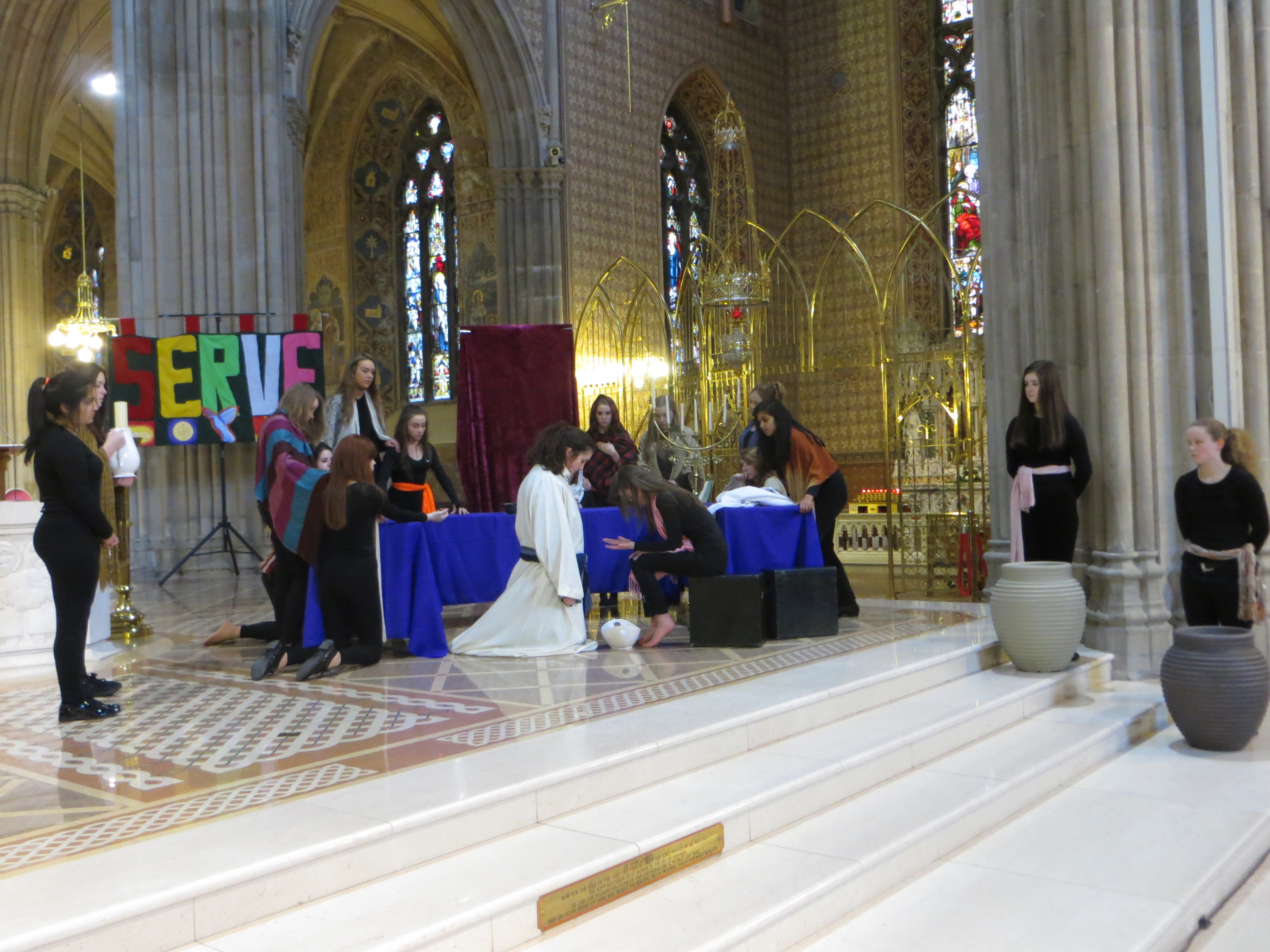
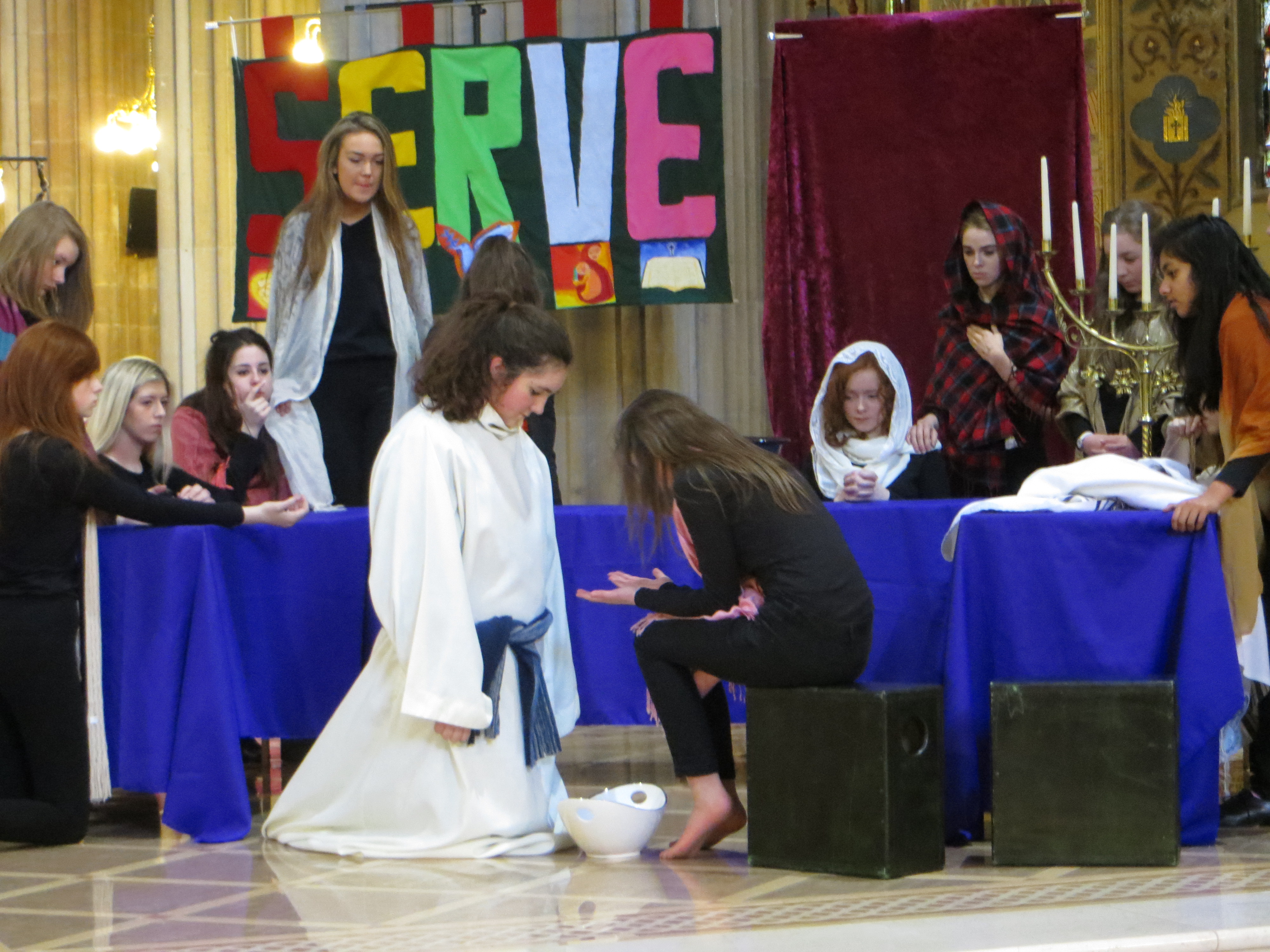
At our Mass on Wednesday, to bring out the theme that Catholic Schools are ‘Called to Serve’, girls from Saint Catherine’s College mimed the Gospel Reading about Jesus washing the feet of His disciples at the Last Supper. Jesus humbled Himself to do the job of the lowliest servant in the household, and wash the dirty feet of the guests.  As He did so, He taught them: ‘I am giving you an example. If I, your Lord and master, wash your feet, then surely you must wash each other’s feet’. It was a message that He had taught them often: ‘I did not come to be served, but to serve’. And it was a lesson that He vividly lived out when He humbled Himself still further the next day by accepting death on the Cross.

As the girls from Saint Catherine’s mimed that moving Gospel story, I couldn’t help thinking about the wonderful service given by our Catholic schools. Today we are giving thanks for 44 years of dedicated service by Saint Brigid’s High School to the education of boys from this city and beyond. Saint Brigid’s was founded in 1971, at a tough and troubled time. But despite the struggles and difficulties that many of the pupils and their families were going through, Saint Brigid’s endeavoured to give all its boys a good start in life, in many cases rebuilding their self-esteem, encouraging them to ‘try their best’, ‘feabhas a chur ar’ as the school motto puts it. Down the years Saint Brigid’s has steadfastly remained caring and attentive to the needs of its pupils.  I salute the service of its five principal teachers and all the support staff and teaching staff – some of whom are sadly no longer with us. I thank God for their selfless service.  I want to acknowledge the parents who have supported Saint Brigid’s and the many members of the parish and community who have served as members of the Board of Governors. I thank the officials of CCMS and SELB for their guidance, the chaplains, the sports coaches and many specialist staff and mentors who have helped the boys develop their full potential.  

Last weekend in the Philippines, Pope Francis told young people that the most important subject they must learn in life is to love. To love like Jesus, he said, we need three languages: the language of the mind, the language of the heart and the language of the hands. These three languages, he said, must be spoken together in harmony, so that what we think harmonises with what we feel and what we do. I would like to apply Pope Francis’ words to our Catholic schools. Our schools try to be communities inspired by the Gospel, where our young people can learn to love and to serve God with the languages of the mind, the heart and the hands. In Catholic schools we cannot concentrate all our energies on any one of those three languages: as if the language of the mind was superior to that of the hands; or, as if our knowledge and actions mean anything without love – the language of the heart. A good Catholic school teaches young people to integrate their thoughts, feelings and actions so that they leave school as fully rounded and developed individuals, not only with good grades, but also with Christian attitudes and values. In a good Catholic school our children and young people learn to think like Jesus, to feel and love like Jesus, and to do and act like Jesus – with all three in harmony.

I recall a happy visit I made to Saint Brigid’s last spring.  It is a tribute to the staff and principal that I sensed a school which had found a good balance and equilibrium between the languages of head, heart and hands; where boys feel both cared for and challenged. As one person out it to me: ‘We try to wrap the boys in a mantle of love and care, as Saint Brigid would want us to’.

Although today’s Mass is one of celebration and thanksgiving for all that has been achieved in Saint Brigid’s, it is of course tinged with sadness, knowing that its chapter in the long history of education in Armagh is coming to an end. The decision to transition Saint Brigid’s to Saint Patrick’s Grammar School has been a difficult, but courageous one, which aims to offer boys in Armagh and its hinterland the very best curriculum opportunities possible. I would be pleased if Father Kevin Donaghey and the Board of Governors of Saint Patrick’s would consider commissioning somewhere in the College, a fitting and lasting memorial to Saint Brigid’s High School, as a tribute to the contribution it has made to education in Armagh.

I am pleased that the new arrangement means that academic selection will no longer be used as an entrance criterion for schools in the city of Armagh. More than forty years ago the Trustees of the Sacred Heart Sisters took the courageous and pioneering decision to end academic selection for girls in Armagh. Saint Catherine’s has certainly demonstrated that young people do not need a selective school system order to achieve their full potential.

Now that the schools in Armagh City have moved away from the use of academic selection, this means that 24 of the 27 post primary schools in the Archdiocese do not select pupils for admission by ability.   I would like to work closely with the Boards of Governors of the three remaining grammar schools in the Archdiocese to encourage and help them find a way of ending academic selection in the near future. In this day and age no young person should be turned away from a Catholic school on the basis of their mark in an entrance test at the age of ten or eleven.  I am completely confident that these fantastic schools shall be able to continue their outstanding service to Catholic education without the use of academic selection.

Catholic schools are called to serve all pupils and especially the poor and most disadvantaged of society. We must always be on the lookout for those who are being left behind or neglected in any way in our Catholic education system.  The holy founders and foundresses of our Catholic schools were clearly inspired by a preferential option for the marginalised and poor. As Catholic schools, called to serve, we must always be alert to the inequalities in our educational system system where too many of our young people, particularly the socially disadvantaged, leave without meaningful qualifications or opportunities; where the responsibility for children from the most deprived backgrounds, minority ethnic communities or for those with the greatest educational needs seems to fall unevenly on the shoulders of only some of our post-primary schools. It is worrying that two thirds of young people in Northern Ireland from socially disadvantaged backgrounds are not getting 5 GCSEs at A*-C with English and Maths. Less than 20% of boys from socially disadvantaged background are achieving that standard. Too many of our young people are not making the transition to education, employment or training beyond the age of 16 and are ending up marginalised and often  forgotten by the system. These are problems that concern us all. These are problems to be shared and tackled by all of us. As Pope Francis says: ‘None of us can think we are exempt from concern for the poor and for social justice (EG. 201)’.

In celebrating and thanking God today for 44 years of service to young people by the school community in Saint Brigid’s, I am conscious that this was a school which undertook perhaps more than its fair share of responsibility for the marginalised. Now, in humble service, Saint Brigid’s gives way to a new educational future for boys in Armagh – as Archbishop Oscar Romero once put it, ‘we are prophets of a future not our own’. I hope and pray that the Saint Brigid’s ethos of caring, encouragement and challenge shall not be forgotten, but shall continue to influence Catholic education in this city and beyond for many years to come.
Archbishop Eamon Martin welcomes Pope Francis’ message for World Communications Day

Archbishop Eamon Martin, chair of the Bishops’ Council for Communications, today welcomed this year’s message by Pope Francis for the 49th World Day for Social Communications.  The theme of the text is Communicating the Family: A Privileged Place of Encounter with the Gift of Love.


The 2015 communications message is the second by Pope Francis and, while it is published today on the Feast of Saint Francis de Sales, the patron of journalists, writers and editors; the actual celebration of World Day for Social Communications takes place on 17 May next, the Sunday before Pentecost.

Archbishop Martin said, “Pope Francis expresses a clear and fundamental message for the benefit of the whole human family and it relates to our earliest shared experience and common bond.  The Holy Father tells us that “it is in the context of the family that we first learn how to communicate.”  His message is offered to us as we prepare for the Synod of the Family which will take place in the Vatican, during October, guided by the theme The Vocation and Mission of the Family in the Church and Contemporary World.  I urge everyone with a love of family to reflect upon today’s challenging message.”


Message of His Holiness Pope Francis for the 49th World Communications Day – Communicating the Family: A Privileged Place of Encounter with the Gift of Love


The family is a subject of profound reflection by the Church and of a process involving two Synods: the recent extraordinary assembly and the ordinary assembly scheduled for next October.  So I thought it appropriate that the theme for the next World Communications Day should have the family as its point of reference.  After all, it is in the context of the family that we first learn how to communicate.  Focusing on this context can help to make our communication more authentic and humane, while helping us to view the family in a new perspective.


We can draw inspiration from the Gospel passage which relates the visit of Mary to Elizabeth (Lk 1:39-56).  “When Elizabeth heard Mary’s greeting, the infant leaped in her womb, and Elizabeth, filled with the Holy Spirit cried out in a loud voice and said, ‘Most blessed are you among women, and blessed is the fruit of your womb’.” (vv. 41-42)


This episode first shows us how communication is a dialogue intertwined with the language of the body.  The first response to Mary’s greeting is given by the child, who leaps for joy in the womb of Elizabeth.  Joy at meeting others, which is something we learn even before being born, is, in one sense, the archetype and symbol of every other form of communication.  The womb which hosts us is the first “school” of communication, a place of listening and physical contact where we begin to familiarize ourselves with the outside world within a protected environment, with the reassuring sound of the mother’s heartbeat.  This encounter between two persons, so intimately related while still distinct from each other, an encounter so full of promise, is our first experience of communication.  It is an experience which we all share, since each of us was born of a mother.


Even after we have come into the world, in some sense we are still in a “womb”, which is the family.  A womb made up of various interrelated persons: the family is “where we learn to live with others despite our differences” (Evangelii Gaudium, 66).  Notwithstanding the differences of gender and age between them, family members accept one another because there is a bond between them.  The wider the range of these relationships and the greater the differences of age, the richer will be our living environment.  It is this bond which is at the root of language, which in turn strengthens the bond.  We do not create our language; we can use it because we have received it.  It is in the family that we learn to speak our “mother tongue”, the language of those who have gone before us. (cf. 2 Macc 7:25,27).  In the family we realize that others have preceded us, they made it possible for us to exist and in our turn to generate life and to do something good and beautiful.  We can give because we have received.  This virtuous circle is at the heart of the family’s ability to communicate among its members and with others.  More generally, it is the model for all communication.


The experience of this relationship which “precedes” us enables the family to become the setting in which the most basic form of communication, which is prayer, is handed down.  When parents put their newborn children to sleep, they frequently entrust them to God, asking that he watch over them.  When the children are a little older, parents help them to recite some simple prayers, thinking with affection of other people, such as grandparents, relatives, the sick and suffering, and all those in need of God’s help.  It was in our families that the majority of us learned the religious dimension of communication, which in the case of Christianity is permeated with love, the love that God bestows upon us and which we then offer to others.


In the family, we learn to embrace and support one another, to discern the meaning of facial expressions and moments of silence, to laugh and cry together with people who did not choose one other yet are so important to each other.  This greatly helps us to understand the meaning of communication as recognizing and creating closeness.  When we lessen distances by growing closer and accepting one another, we experience gratitude and joy.  Mary’s greeting and the stirring of her child are a blessing for Elizabeth; they are followed by the beautiful canticle of the Magnificat, in which Mary praises God’s loving plan for her and for her people.  A “yes” spoken with faith can have effects that go well beyond ourselves and our place in the world.  To “visit” is to open doors, not remaining closed in our little world, but rather going out to others.  So too the family comes alive as it reaches beyond itself; families who do so communicate their message of life and communion, giving comfort and hope to more fragile families, and thus build up the Church herself, which is the family of families.


More than anywhere else, the family is where we daily experience our own limits and those of others, the problems great and small entailed in living peacefully with others.  A perfect family does not exist.  We should not be fearful of imperfections, weakness or even conflict, but rather learn how to deal with them constructively.  The family, where we keep loving one another despite our limits and sins, thus becomes a school of forgiveness.  Forgiveness is itself a process of communication.  When contrition is expressed and accepted, it becomes possible to restore and rebuild the communication which broke down.  A child who has learned in the family to listen to others, to speak respectfully and to express his or her view without negating that of others, will be a force for dialogue and reconciliation in society.


When it comes to the challenges of communication, families who have children with one or more disabilities have much to teach us.  A motor, sensory or mental limitation can be a reason for closing in on ourselves, but it can also become, thanks to the love of parents, siblings, and friends, an incentive to openness, sharing and ready communication with all.  It can also help schools, parishes and associations to become more welcoming and inclusive of everyone.


In a world where people often curse, use foul language, speak badly of others, sow discord and poison our human environment by gossip, the family can teach us to understand communication as a blessing.  In situations apparently dominated by hatred and violence, where families are separated by stone walls or the no less impenetrable walls of prejudice and resentment, where there seem to be good reasons for saying “enough is enough”, it is only by blessing rather than cursing, by visiting rather than repelling, and by accepting rather than fighting, that we can break the spiral of evil, show that goodness is always possible, and educate our children to fellowship.


Today the modern media, which are an essential part of life for young people in particular, can be both a help and a hindrance to communication in and between families.  The media can be a hindrance if they become a way to avoid listening to others, to evade physical contact, to fill up every moment of silence and rest, so that we forget that “silence is an integral element of communication; in its absence, words rich in content cannot exist.” (BENEDICT XVI, Message for the 2012 World Communications Day).  The media can help communication when they enable people to share their stories, to stay in contact with distant friends, to thank others or to seek their forgiveness, and to open the door to new encounters.  By growing daily in our awareness of the vital importance of encountering others, these “new possibilities”, we will employ technology wisely, rather than letting ourselves be dominated by it.  Here too, parents are the primary educators, but they cannot be left to their own devices.  The Christian community is called to help them in teaching children how to live in a media environment in a way consonant with the dignity of the human person and service of the common good.


The great challenge facing us today is to learn once again how to talk to one another, not simply how to generate and consume information.  The latter is a tendency which our important and influential modern communications media can encourage.  Information is important, but it is not enough.  All too often things get simplified, different positions and viewpoints are pitted against one another, and people are invited to take sides, rather than to see things as a whole.


The family, in conclusion, is not a subject of debate or a terrain for ideological skirmishes.  Rather, it is an environment in which we learn to communicate in an experience of closeness, a setting where communication takes place, a “communicating community”.  The family is a community which provides help, which celebrates life and is fruitful.  Once we realize this, we will once more be able to see how the family continues to be a rich human resource, as opposed to a problem or an institution in crisis.  At times the media can tend to present the family as a kind of abstract model which has to be accepted or rejected, defended or attacked, rather than as a living reality.  Or else a grounds for ideological clashes rather than as a setting where we can all learn what it means to communicate in a love received and returned.  Relating our experiences means realizing that our lives are bound together as a single reality, that our voices are many, and that each is unique.

Families should be seen as a resource rather than as a problem for society.  Families at their best actively communicate by their witness the beauty and the richness of the relationship between man and woman, and between parents and children.  We are not fighting to defend the past.  Rather, with patience and trust, we are working to build a better future for the world in which we live.


From the Vatican, for the Memorial of Saint Francis de Sales, 24 January 2015.

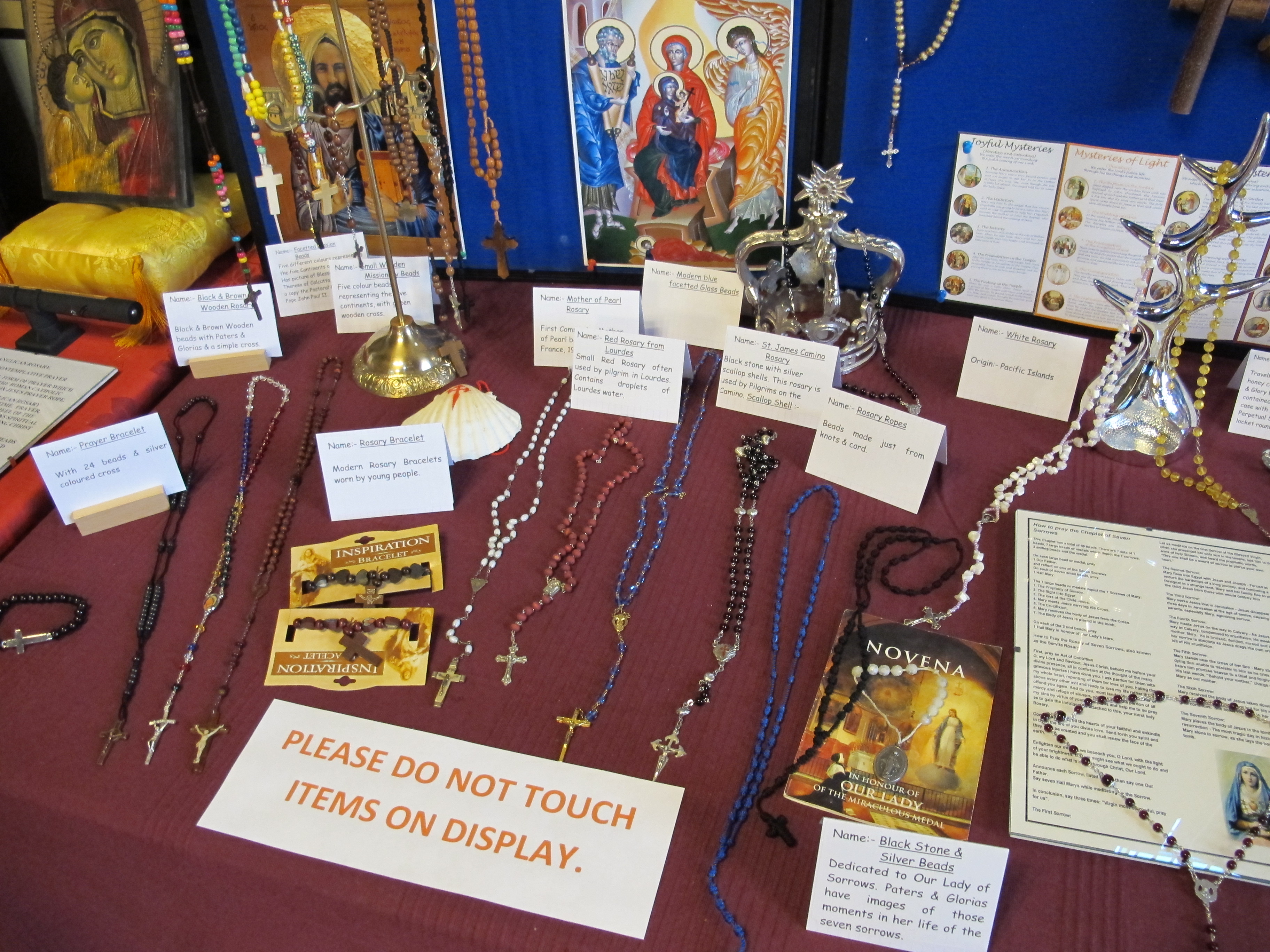
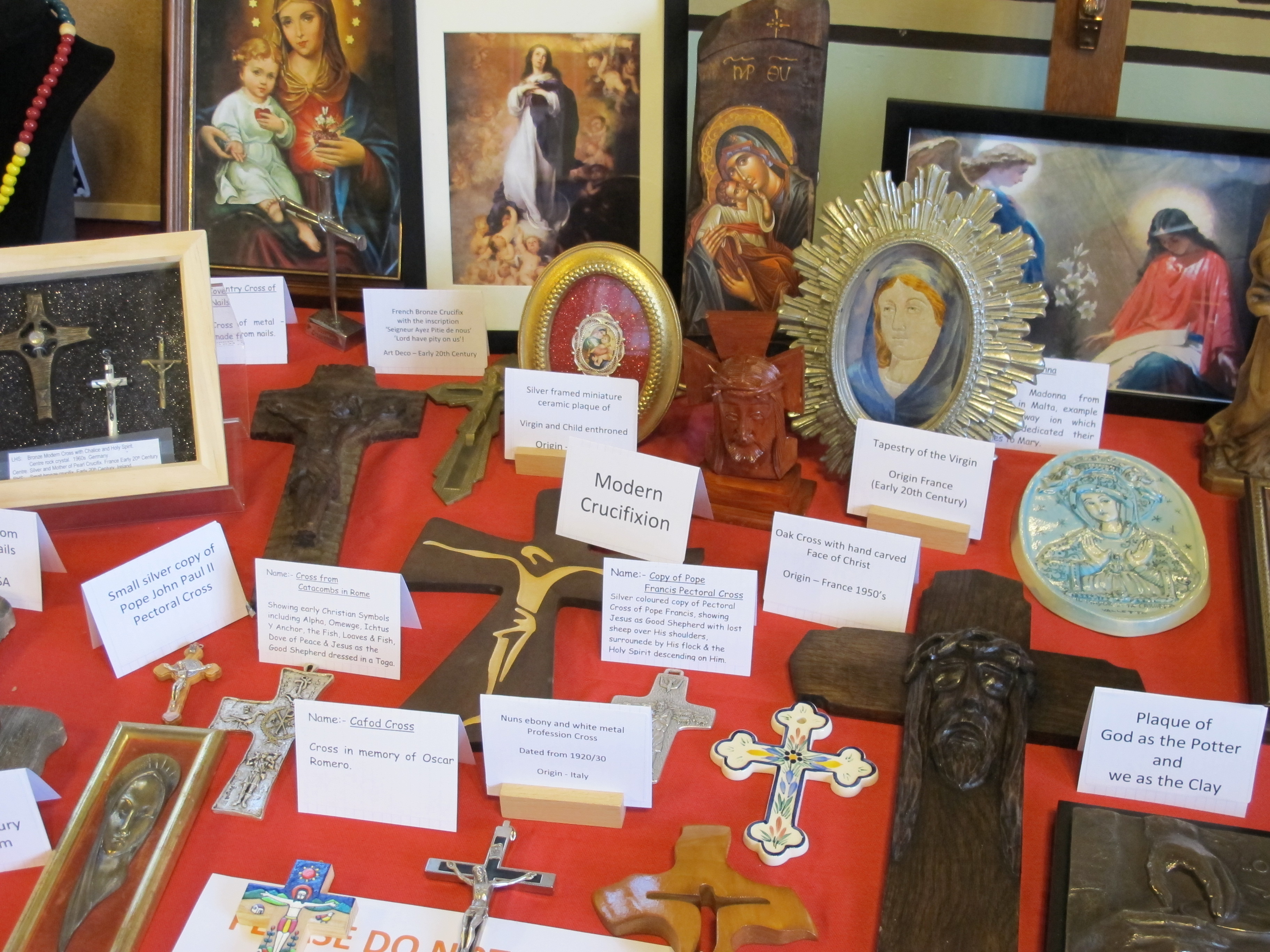
Praying your Beads

The Prayer and Spirituality Commission are happy to present a living, praying experience with Holy Icons and Prayer Beads as means to help all deepen their journey of Faith.Countless families have learned to pray the daily Rosary, to make their morning offering in front of the image of the Sacred Heart, to say a prayer to their Guardian Angel. Families said grace before and after meals. Sadly many people have lost the habit of prayer.
This exhibition and experience has been planned to give us all a new energy around prayer in our daily and family lives. We hope Confirmation Classes will come along to be part of this living, praying experience.
Drumcree College, Portadown
Monday 26th – Friday 30 th January 2015
St Mary’s College & Church, Dundalk
Saturday 31st January – Wednesday 4th February 2015

Inter Church Service to celebrate Week of Christian Unity

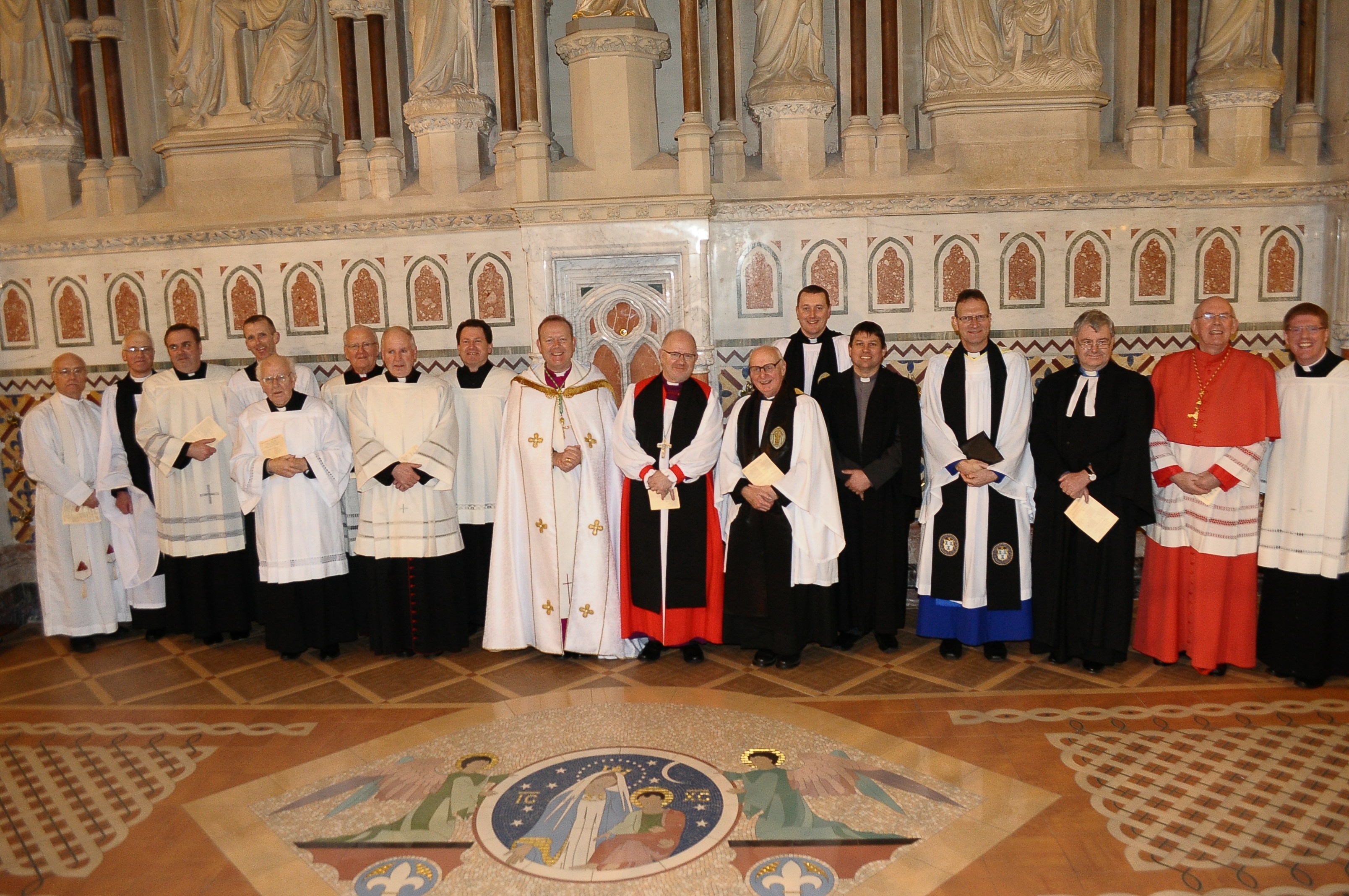
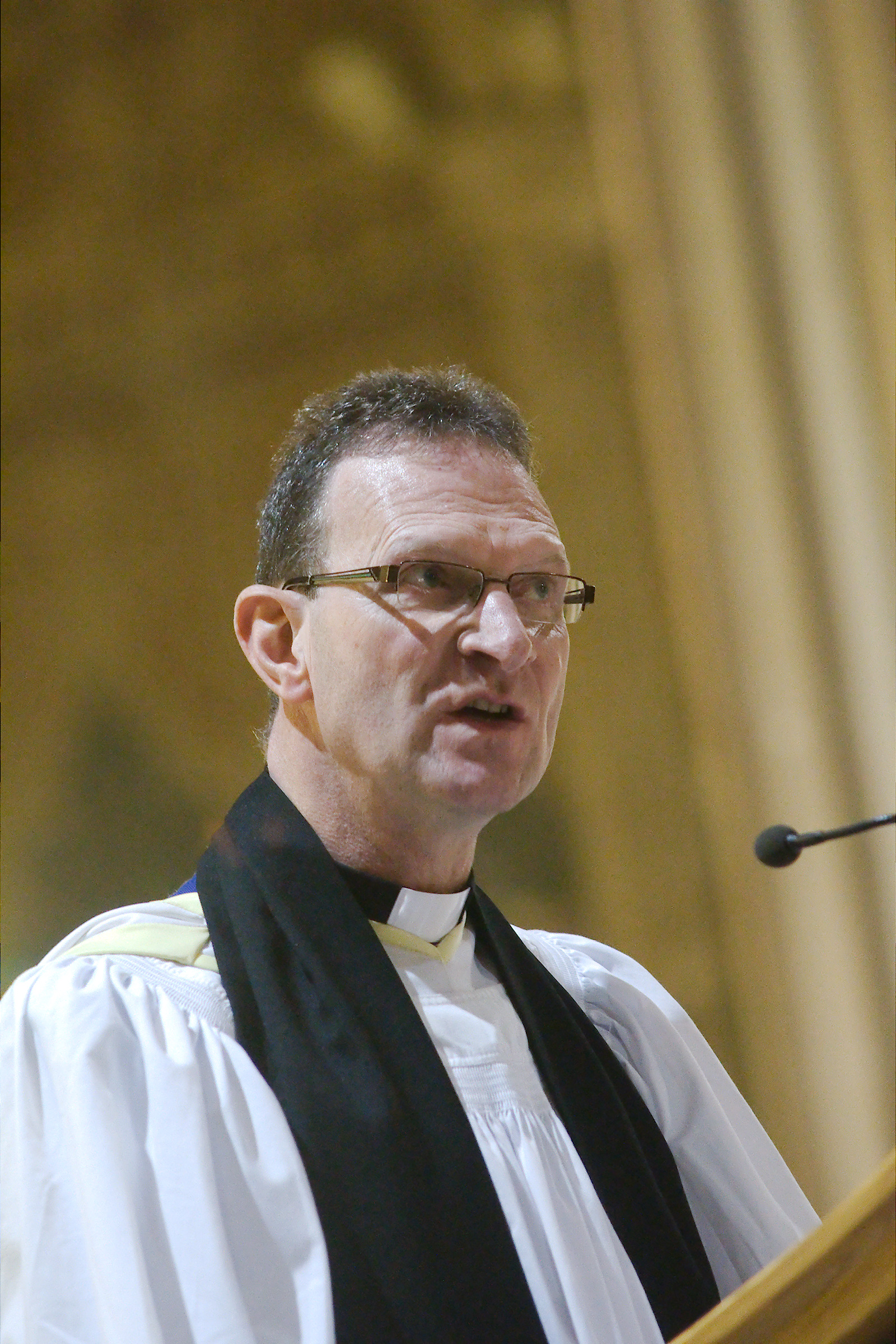
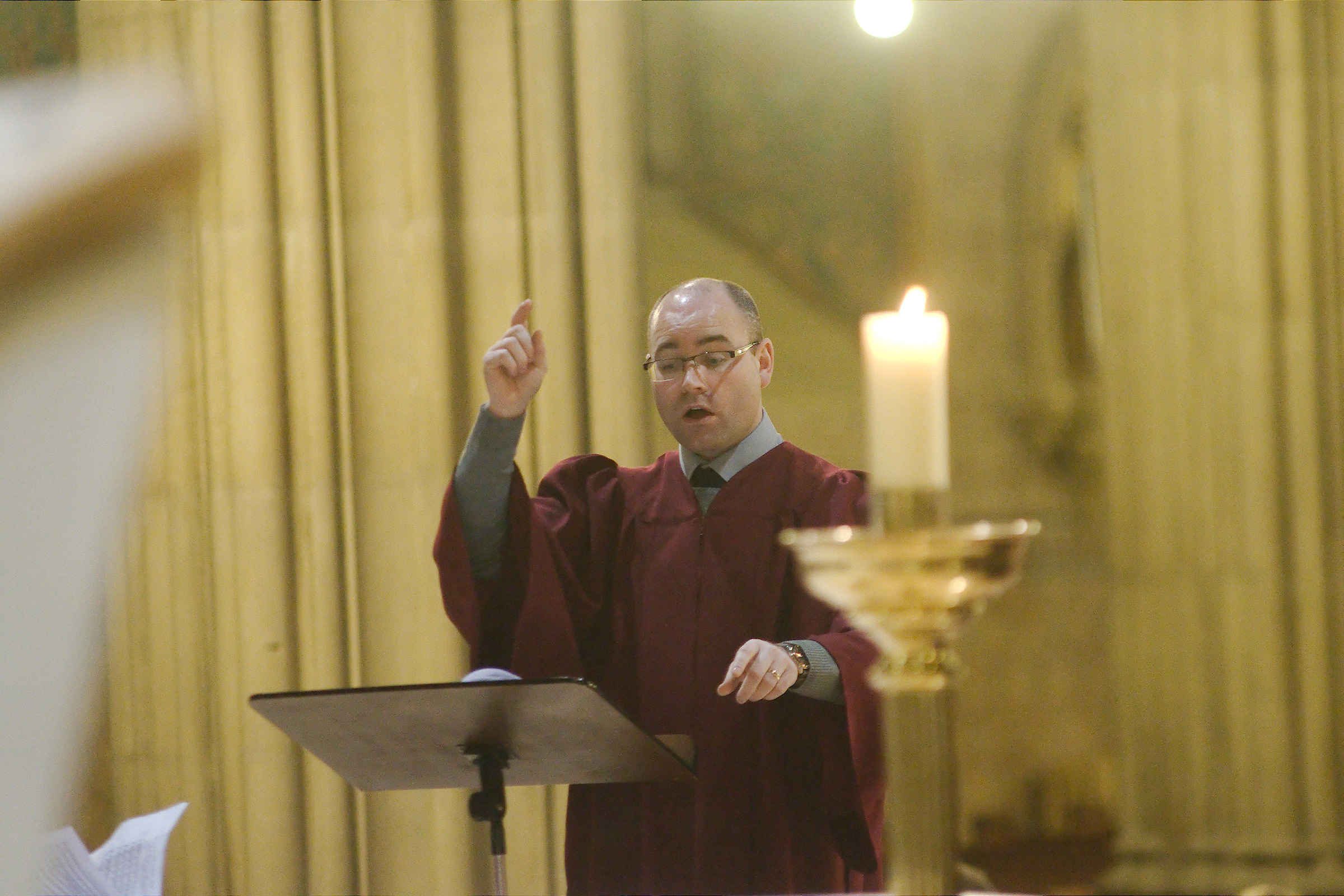
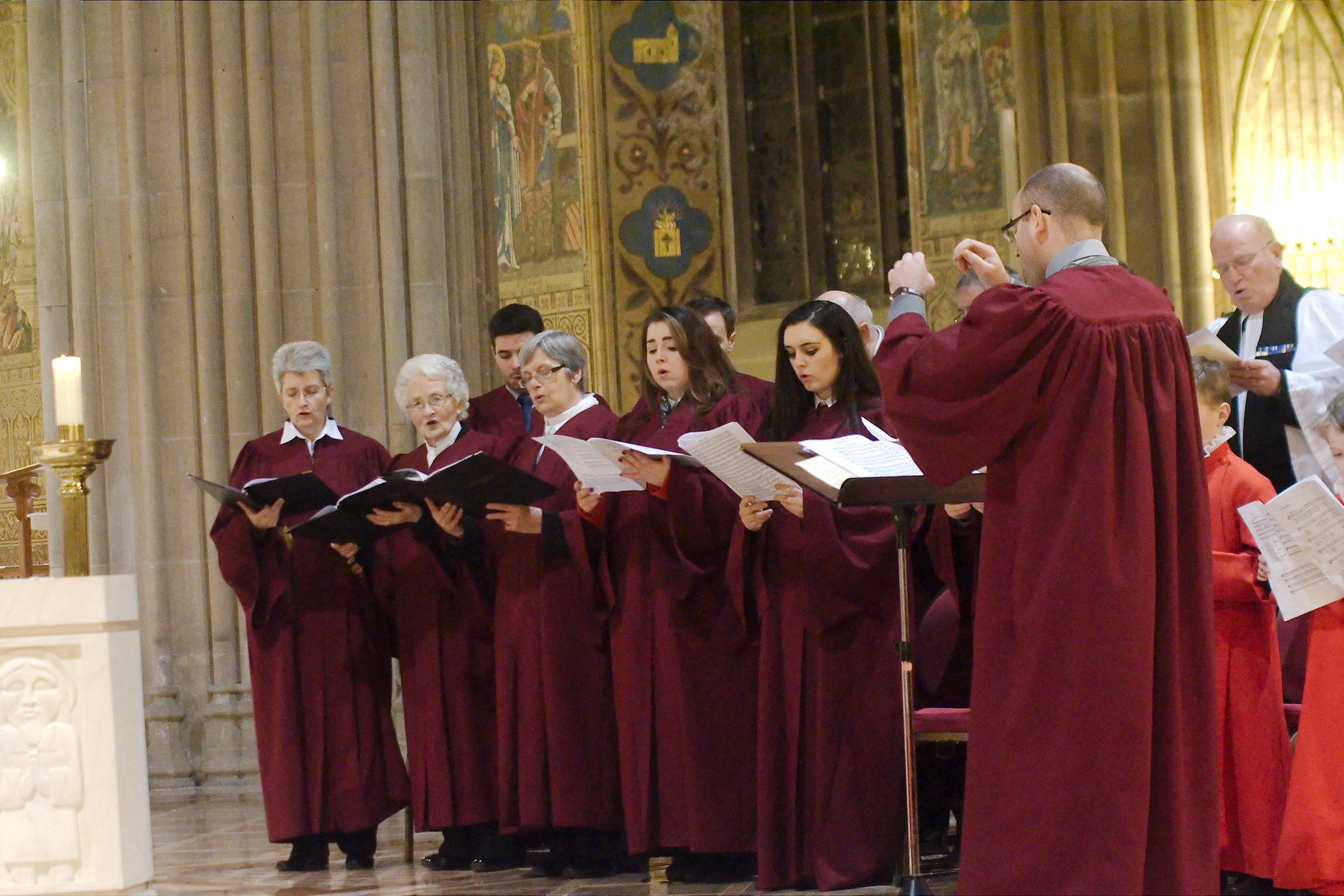
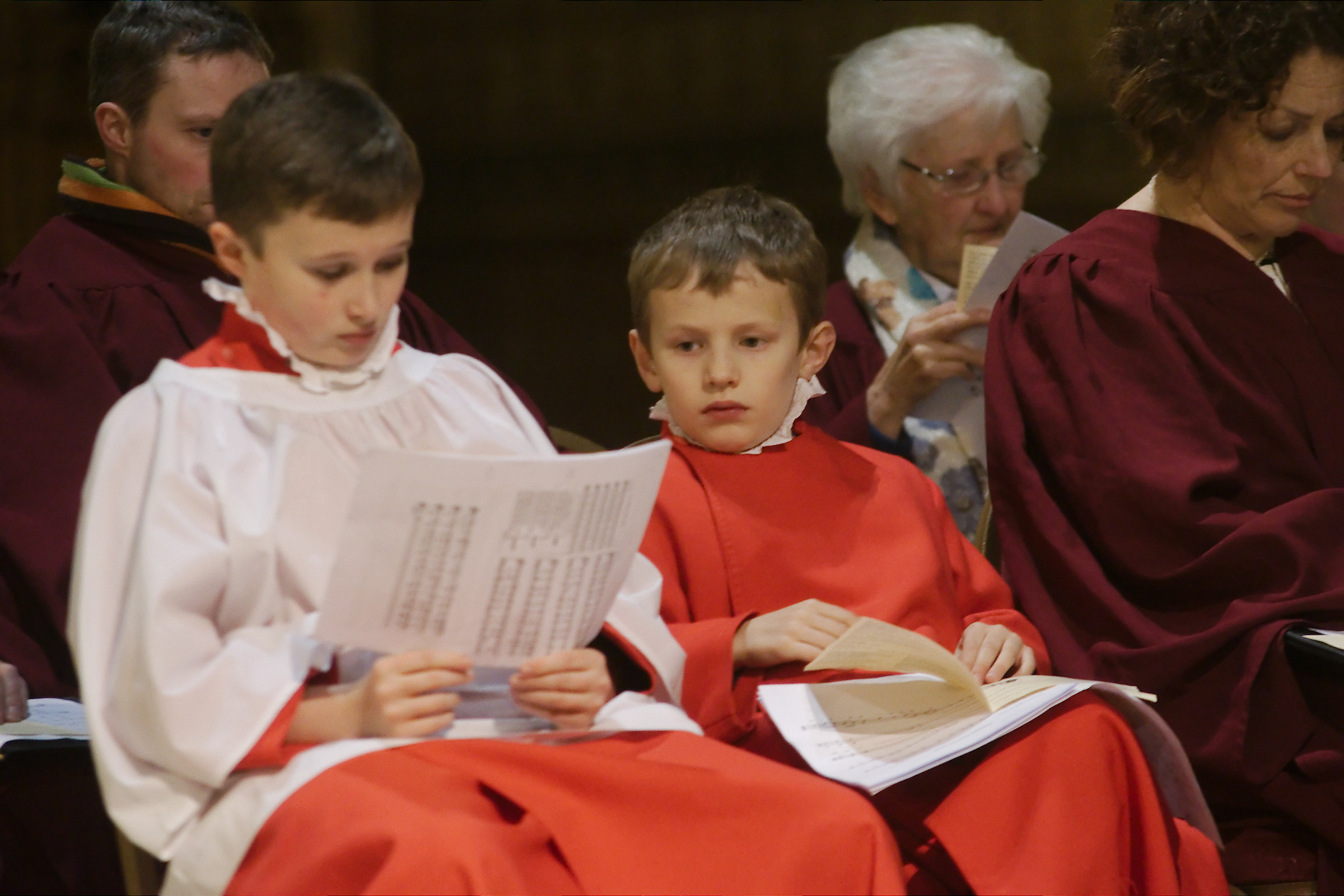
On Wednesday evening, a large crowd gathered in St Patrick’s R C Cathedral, Armagh to celebrate the Week of Prayer for Christian Unity. The service was led by Archbishop Eamon Martin and a large number of clergy was present from the different Churches including Cardinal Sean Brady and Archbishop Richard Clarke. The preacher on the evening was Reverend Kenneth Hall, Dean of the Diocese of Clogher, who delivered a challenging sermon based on the theme chosen for the week “Give me to drink” (Jn 4:7). The Cathedral Choir sang at the event and they were under the direction of Mr Colm Murphy. The organist on the evening was Rev Peter Thompson. After the service, all joined for refreshments in The Synod Hall.

Catholic Schools Week Mass

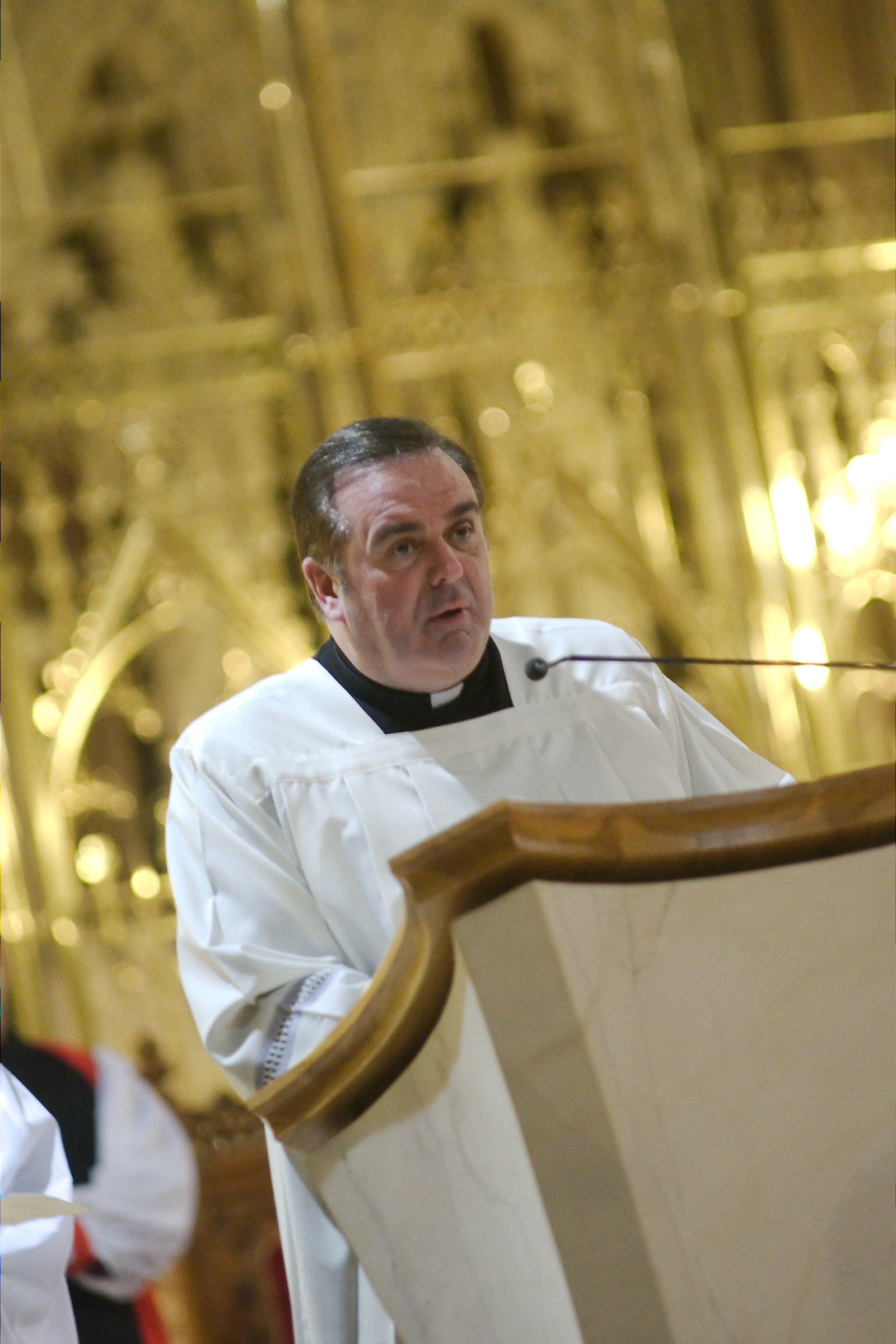
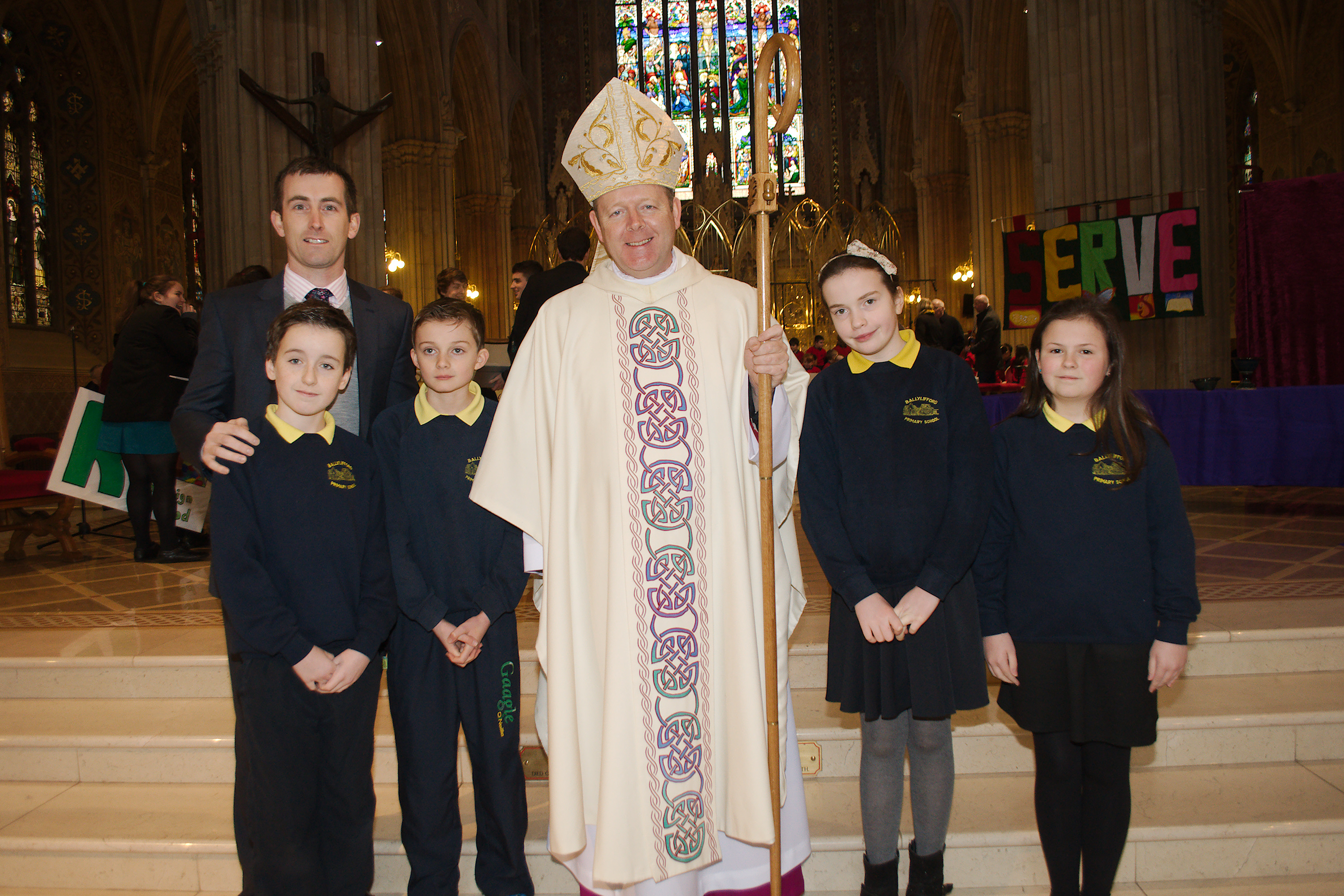
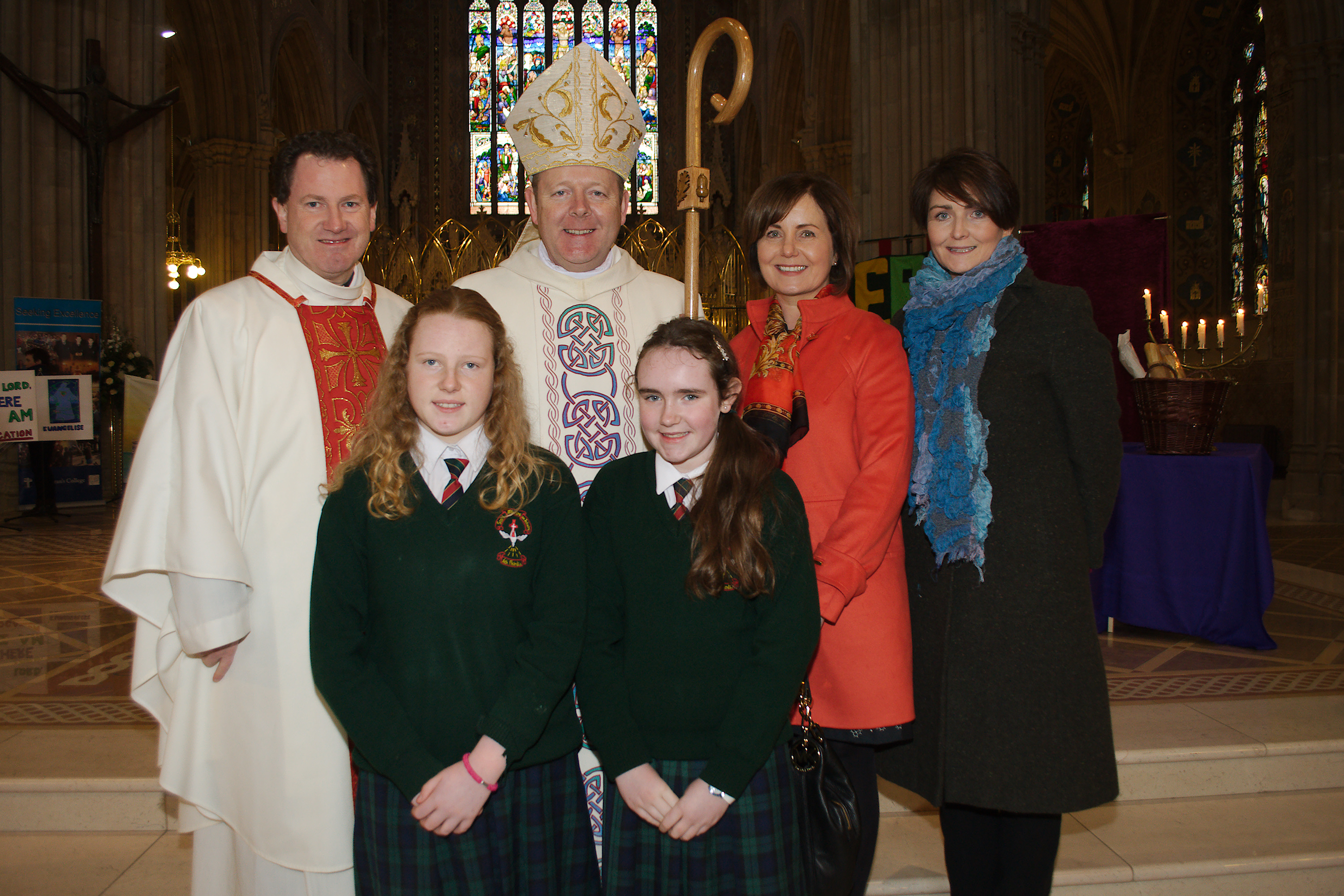
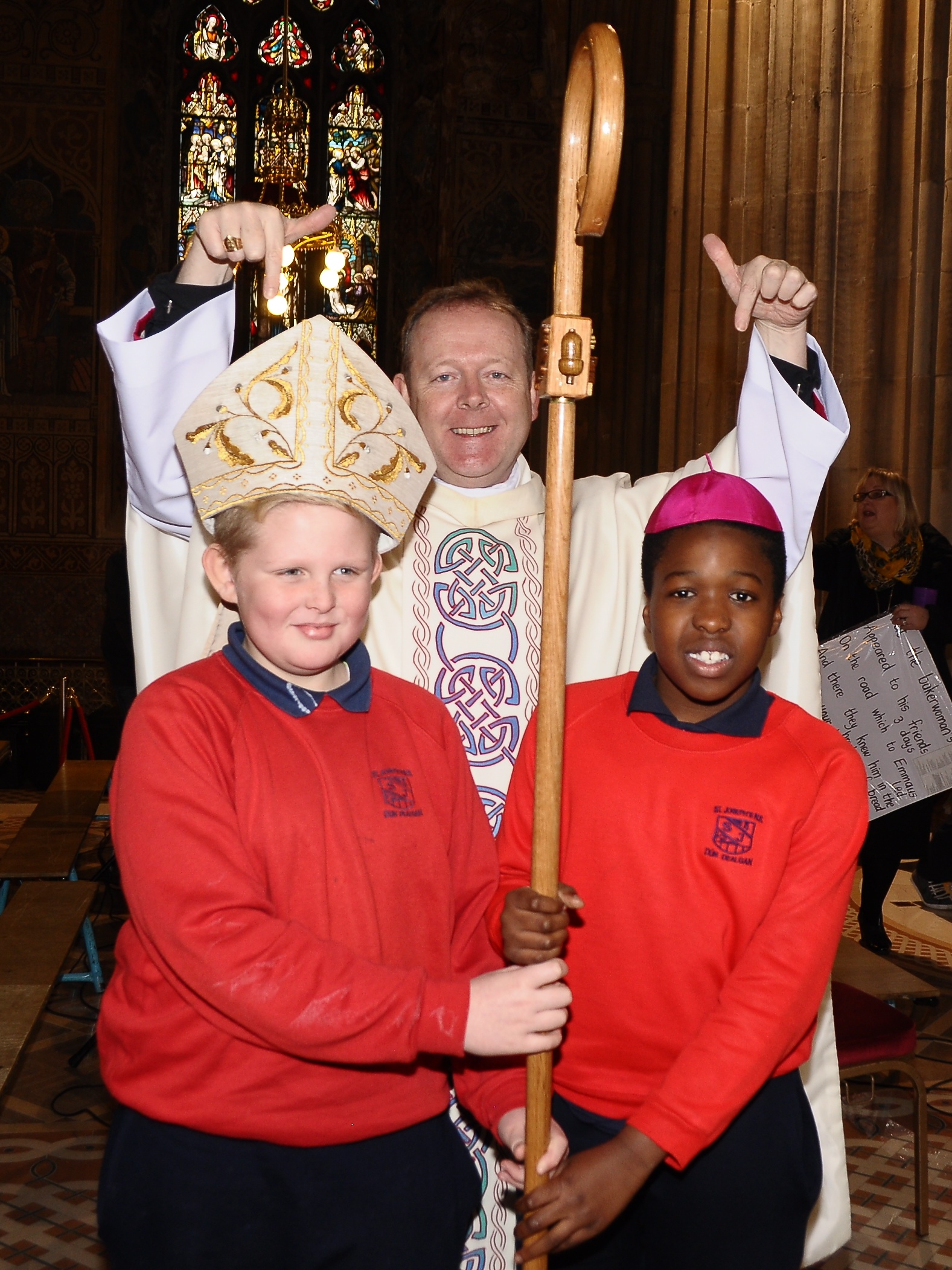
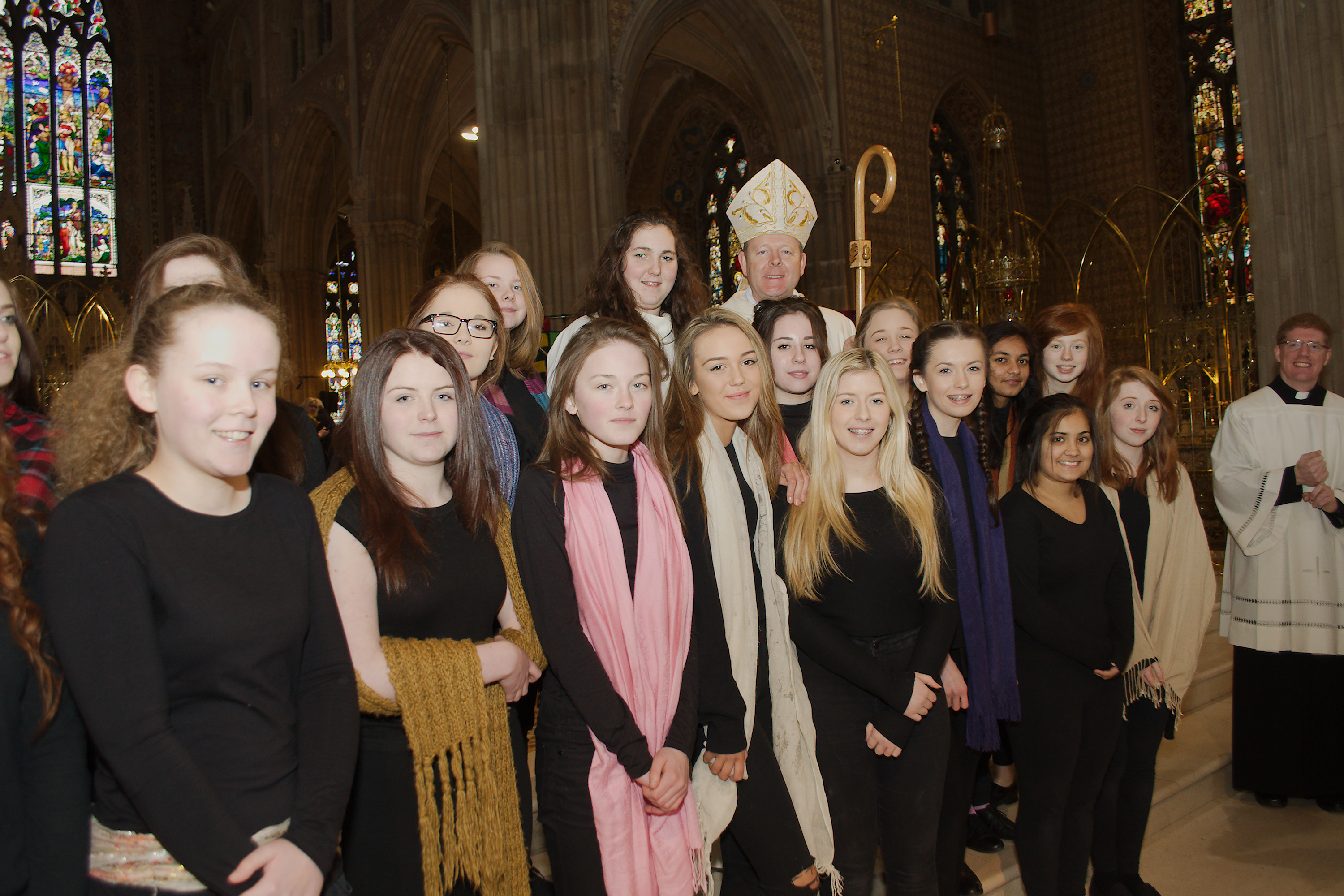
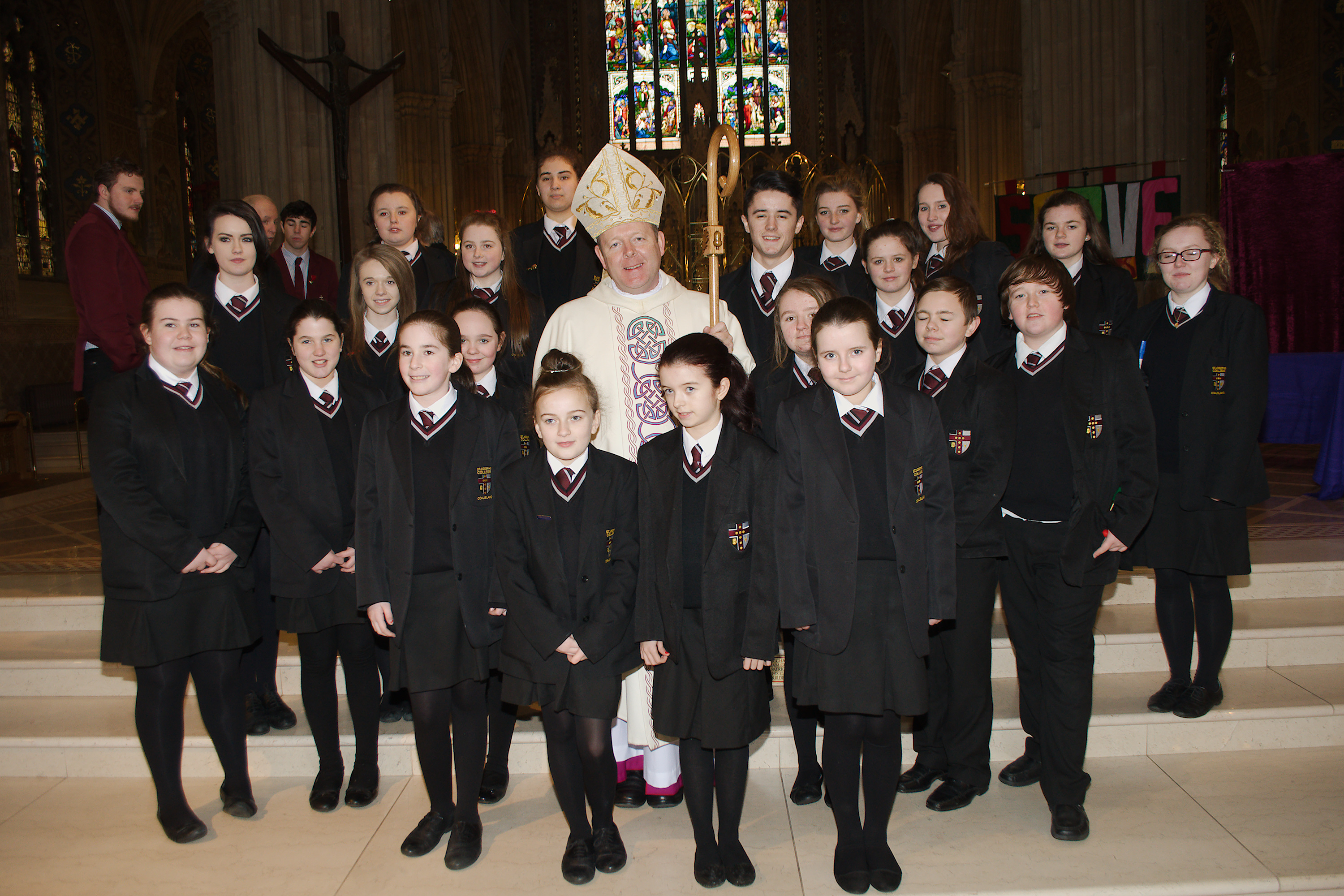
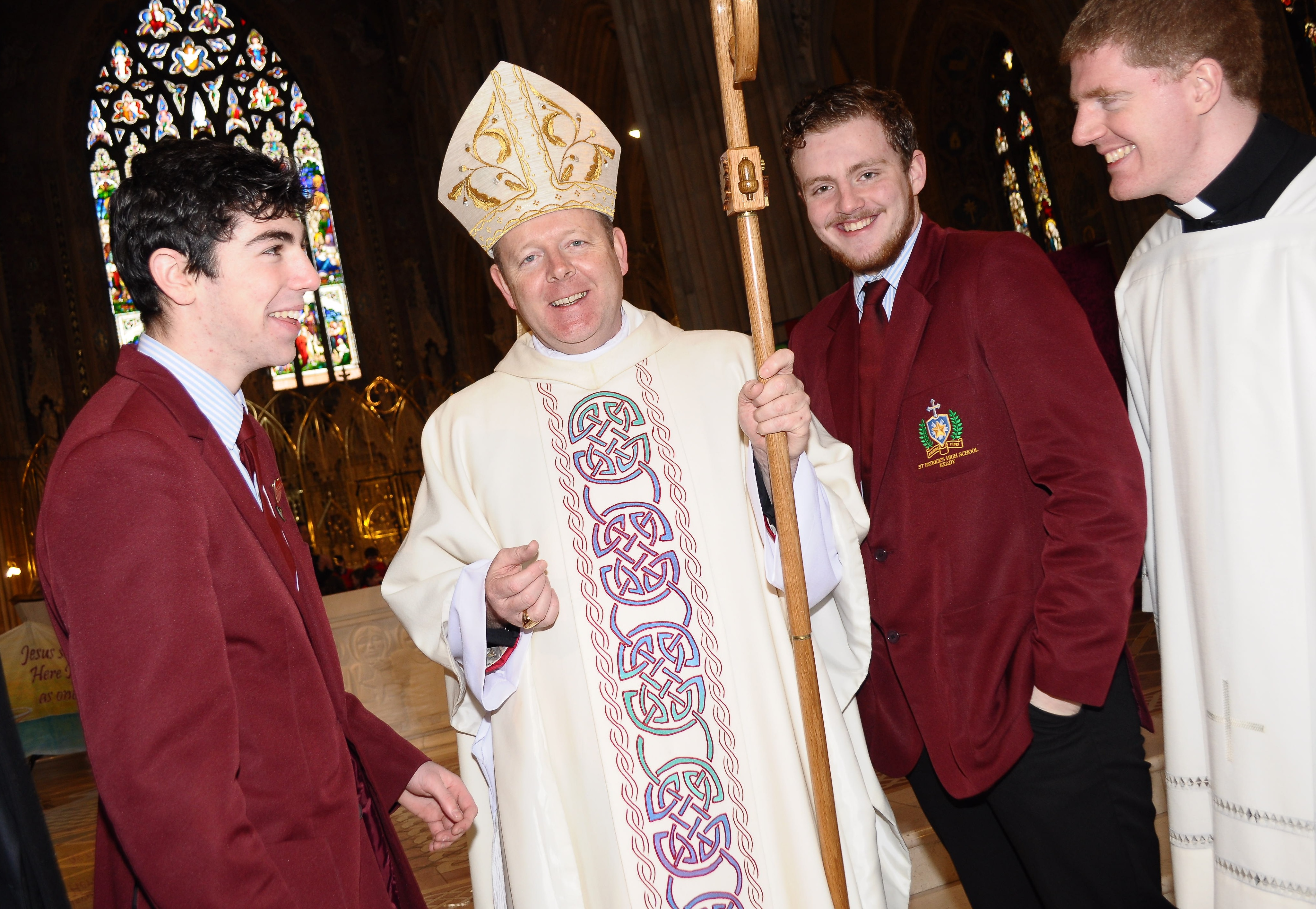
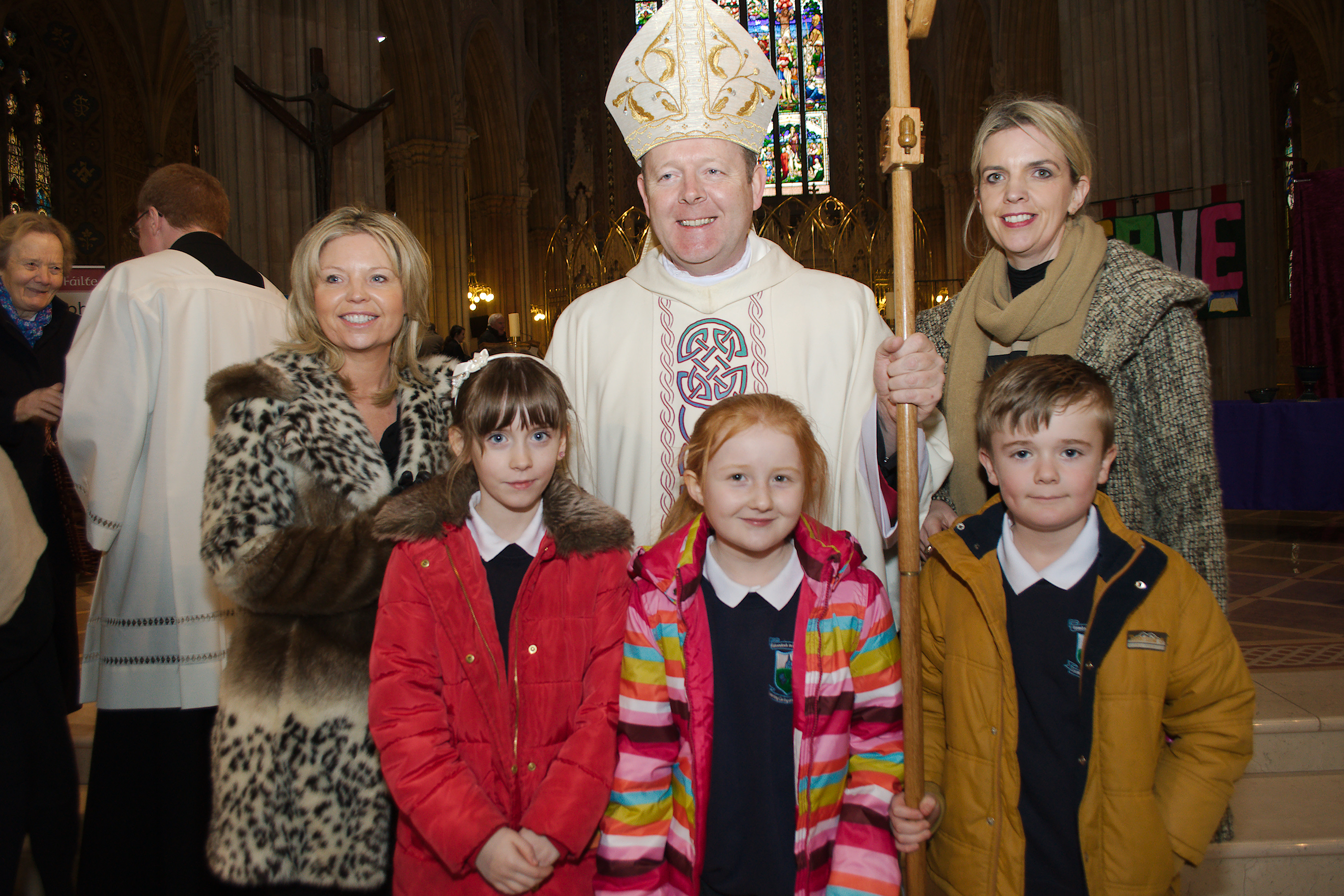
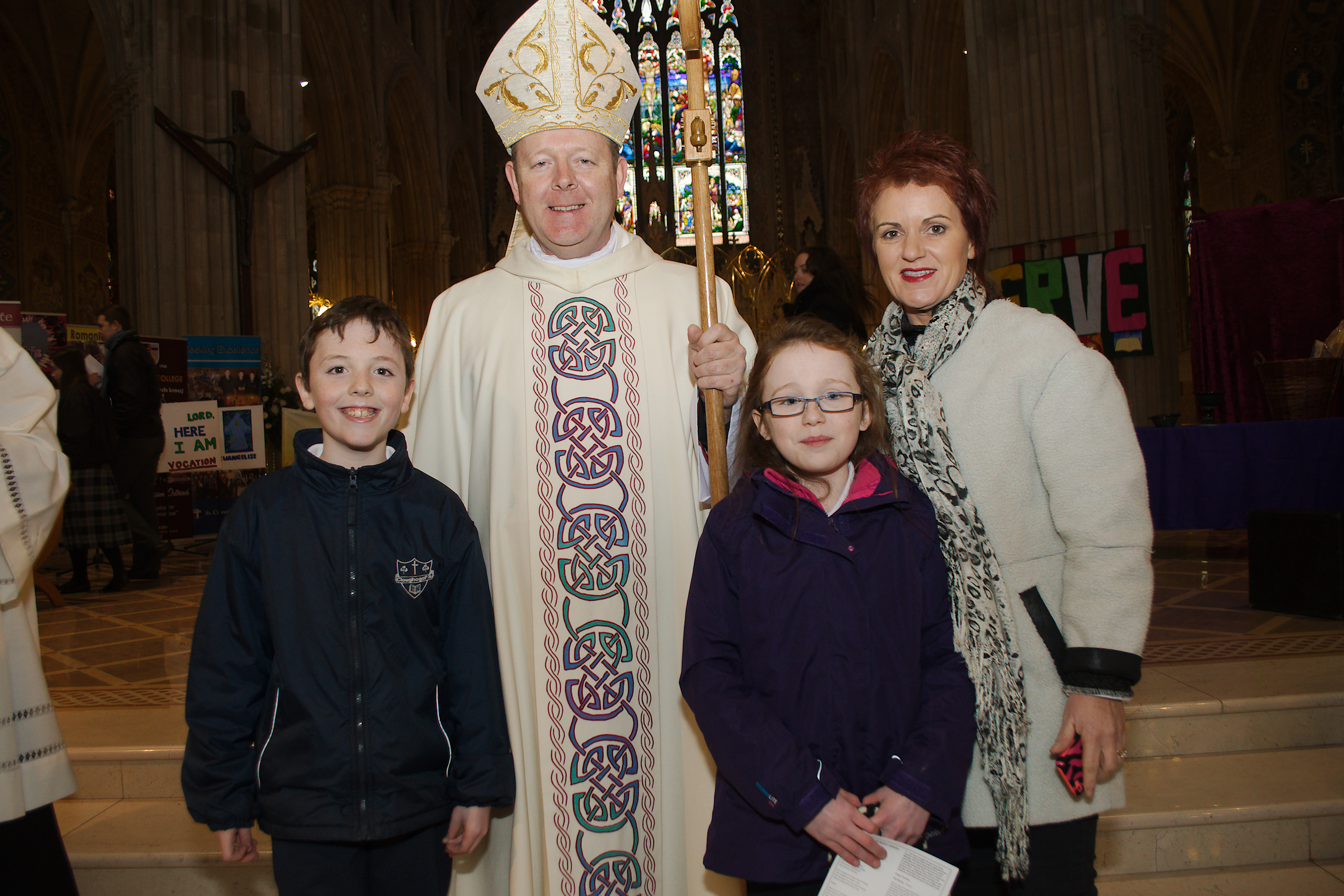
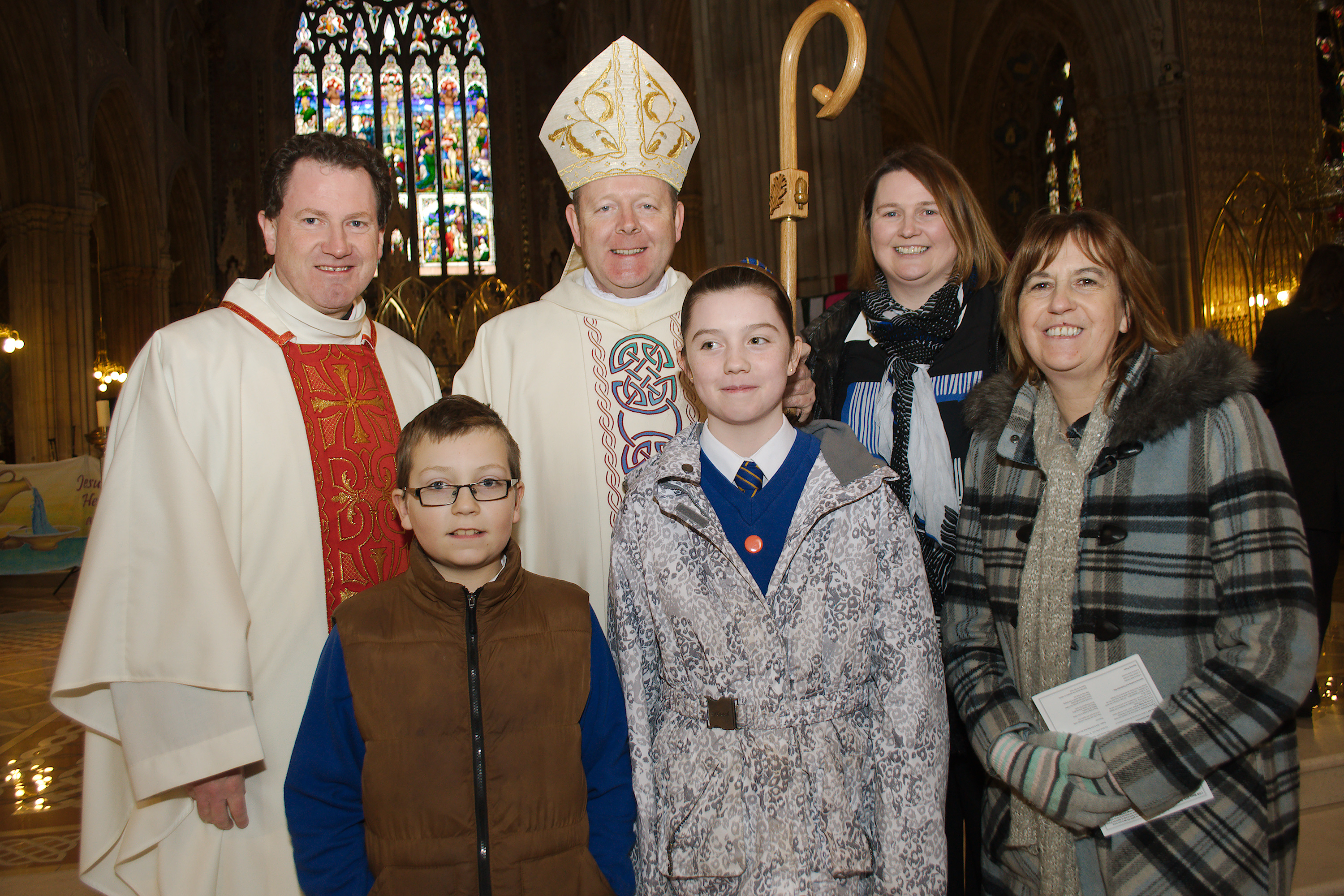
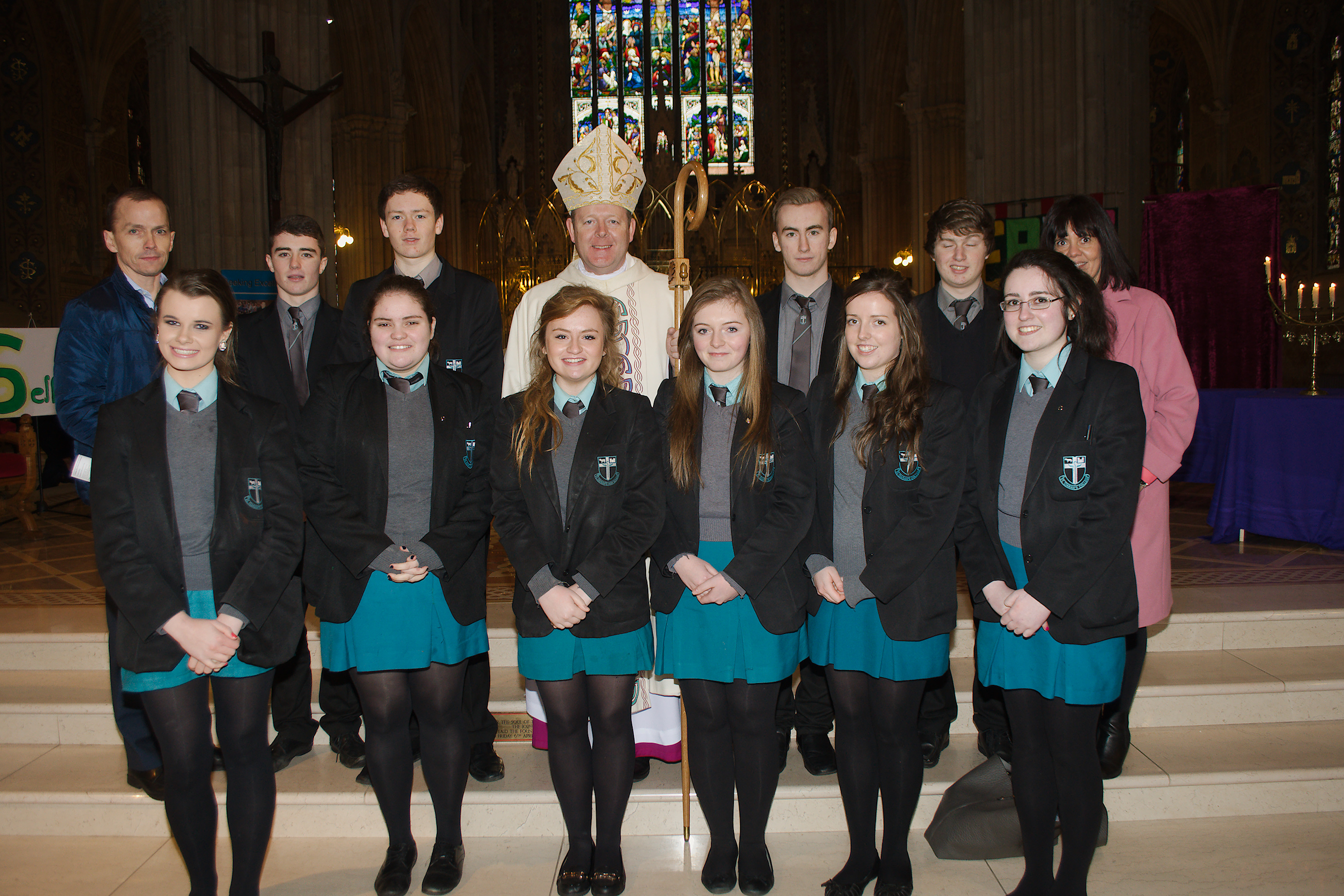
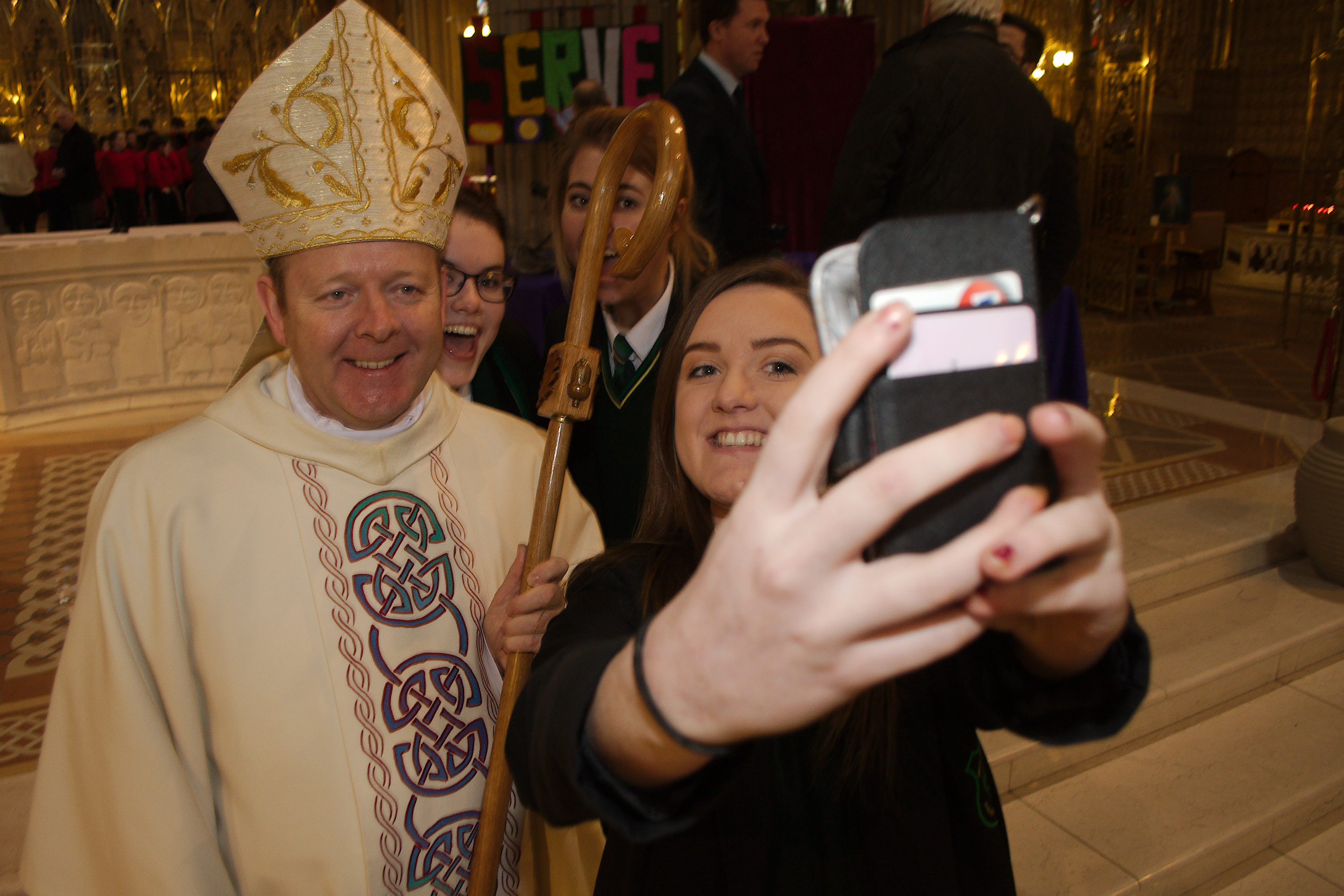
On Wednesday January 21st teachers , staff and students from all corners of the Archdiocese gathered for our annual celebration of Catholic Schools Week. This year we had a special Mass led by Archbishop Eamon and concelebrated by some of our school chaplains.  The theme this year focussed on the call to serve as disciples.  Banners featuring this were displayed with many schools showing pics of students doing outreach service as part of living the Gospel call. Five key words based on the word SERVE were carried up as part of the entrance procession. These words were Self, Eucharist, Reign of God, Vocation, Evangelise.  After the Gospel as Gaelge students from St Catherine’s told us in acted vignettes the Washing by Jesus of the feet of his apostles with the command to do this themselves …. Be people who serve. The choir was St Joseph’s PS  Holy Family Parish Dundalk and music was also provided by the traditional Music Group from St Joseph s College Coalisland. Prayers, offertory gifts, Irish Dancing all featured with full student and staff involvement.  Gifts of fresh Bread and donations from students were presented to help with work projects for Prisoners, African Families, Families in need in Armagh and also people coping with addictions.  Archbishop Eamon encouraged all our schools to celebrate CSW week locally next week and asked us all to warmly embrace and live the message of the Gospel.

Archbishop Eamon Martin leads delegation to meeting with Minister for Justice (NI) David Ford MLA on proposals to extend abortion laws

 Instead of removing the right to life of a terminally ill unborn child, we ask the Minister to change the law to make it a right to adequate peri-natal and post-natal care.” – Archbishop Eamon Martin

Archbishop Eamon Martin, Archbishop of Armagh and Primate of All-Ireland, today led a group of Catholic parents, doctors, lawyers and clergy to a meeting with Minister for Justice in Northern Ireland, David Ford MLA, to express grave concern about the Minister’s proposal to extend the law on abortion in Northern Ireland and about the consultation process itself.


Speaking after the meeting, Archbishop Martin said: “What parent or relative does not understand the fear and trauma that comes with the diagnosis of a serious illness during pregnancy? We have listened to parents who have faced that situation. We have heard them tell us how much they treasured those precious minutes, hours or in some cases months and years they had with their child. We have come here today to speak-up for mothers who told us how deeply disturbed and upset they are that the Minister has cast aside the humanity and right to life of their terminally ill unborn child in this consultation. We have come to speak-up, unapologetically, as human beings, irrespective of our religious belief, for the equal right to life of a mother and her unborn child in all circumstances because this is what guarantees the best medical care and intervention will be provided for both. This is what will ensure the humanity and dignity of both, and by extension of every person, will be respected.”


When our group reviewed the Minister’s consultation document on behalf of the Bishops we were frankly shocked that the Minister sought to exclude pro-life arguments from consideration. The opening paragraph of his document says that such issues will not be considered relevant. That is just an extraordinary statement in the context of a consultation about extending abortion law in Northern Ireland. It casts doubt on the credibility of the whole consultation process itself. The document also claims that children with various forms of terminal illness in pregnancy do not survive. This is simply untrue. Just ask those mothers and fathers who treasured the hours, or days or months or in some cases years they had with their child diagnosed with a terminal illness in pregnancy. They will tell you with no doubt at all in their minds and in their heart that this was their child, a living person who deserved the same right to life, care and protection as any human being diagnosed with a terminal illness.”


Ms Katherine Bready, a member of the delegation and crisis-pregnancy counsellor said: “It is simply frightening that this document from the Minister would even consider it an option that a terminally ill child would receive no intervention after it is born. That is simply inhumane and shows a total disregard for the dignity of the child as well as the mental health of the mother. It is just frightening and totally unacceptable. There is also a very real danger that use of terms such as ‘lethal’ and ‘incompatible with life’ will unduly frighten mothers and leave them feeling under increasing pressure to agree to an abortion they would not otherwise have, and which they may later deeply regret.”


Archbishop Martin revealed that during the meeting he took a call on speaker-phone from a mother whose child had been diagnosed with a terminal illness during pregnancy and who was angry that the Minister’s proposals to change the law denied the humanity and right to life and care of her child.


Archbishop Martin continued: “What is at stake here is our very humanity, how we care for our most vulnerable fellow human beings. We told the Minister that, like Pope Francis, we believe that we are most human when we respond to crisis situations with care, compassion and concern rather than with a ‘throw-away’ attitude that discards the vulnerable because they are weak, tiny or inconvenient. We proposed that every unborn child diagnosed with a terminal illness and his or her parents should be given access to very best expert peri-natal and post-natal hospice care, the best and most loving and support care we can provide as a society to help them make life-affirming decisions. Instead of removing the right to life of a terminally ill unborn child, we ask the Minister to change the law to make it a right to adequate peri-natal and post-natal care.”


Archbishop Martin concluded by saying that, “Incredible strides have been made in providing outstanding palliative, counselling and hospice care that helps everyone involved make that final journey together, however long it may be, with dignity, humanity and love. That is what we have come to ask for, for terminally ill unborn children and their families.”


The delegation representing the Catholic Church will present the Minister with a written submission in which they set out arguments against widening the law in Northern Ireland to allow abortion in situations of rape and other sexual crimes.

ENDS.


Notes to Editors


  • The Catholic delegation which met with Minister for Justice David Forde, in Stormont today, comprised: Archbishop Eamon Martin, Father Timothy Bartlett, Father Michael McGinnity, Doctor Nicola Brady, Ms Katherine Bready and Mr Kevin Denvir

For media contact: Catholic Communications Office Maynooth: Martin Long 00353 (0) 86 172 7678 and Brenda Drumm 00353 (0) 87 310 4444


Homily of Archbishop Eamon Martin on the Feast of the Baptism of the Lord

“Our Catholic faith brings with it a responsibility to build a culture of life, where every person is worthy of the very best care and utmost tenderness; this is especially true of the most vulnerable and most defenceless persons … when we meet the Minister and his officials this week, a delegation from the Catholic Church will be making a robust and unapologetic defence of the right to life of both mothers and their terminally ill children during pregnancy” – Archbishop Martin


The first news of 2015 included happy stories of Ireland’s new-born children. Little Kian Anthony was born in Dublin’s Rotunda Hospital at four seconds past midnight.  About twenty minutes later, up North in Antrim Area Hospital baby Aoibheann greeted the New Year.  God bless them, their parents and families and all those who have been born so far this year, especially those who are ill or who have birth complications.


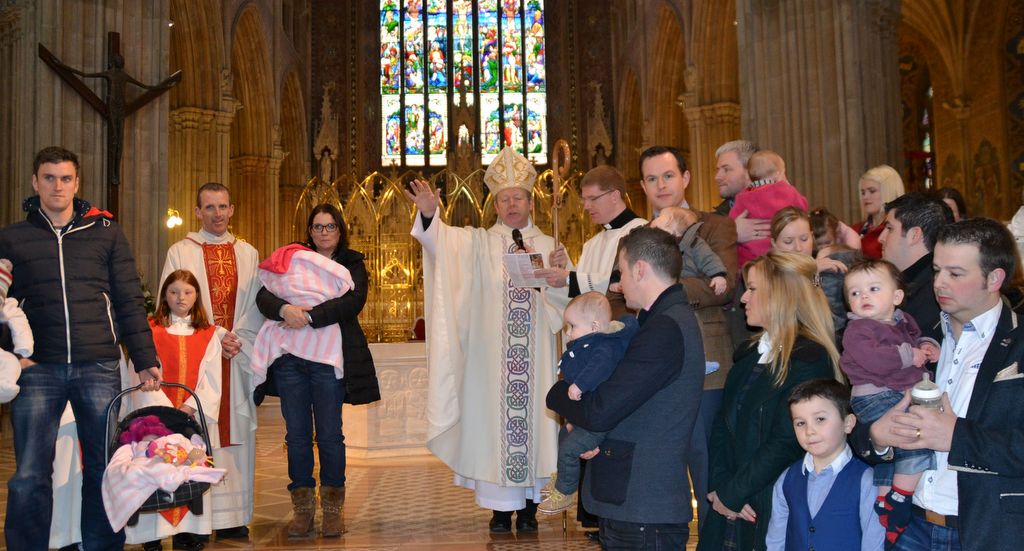
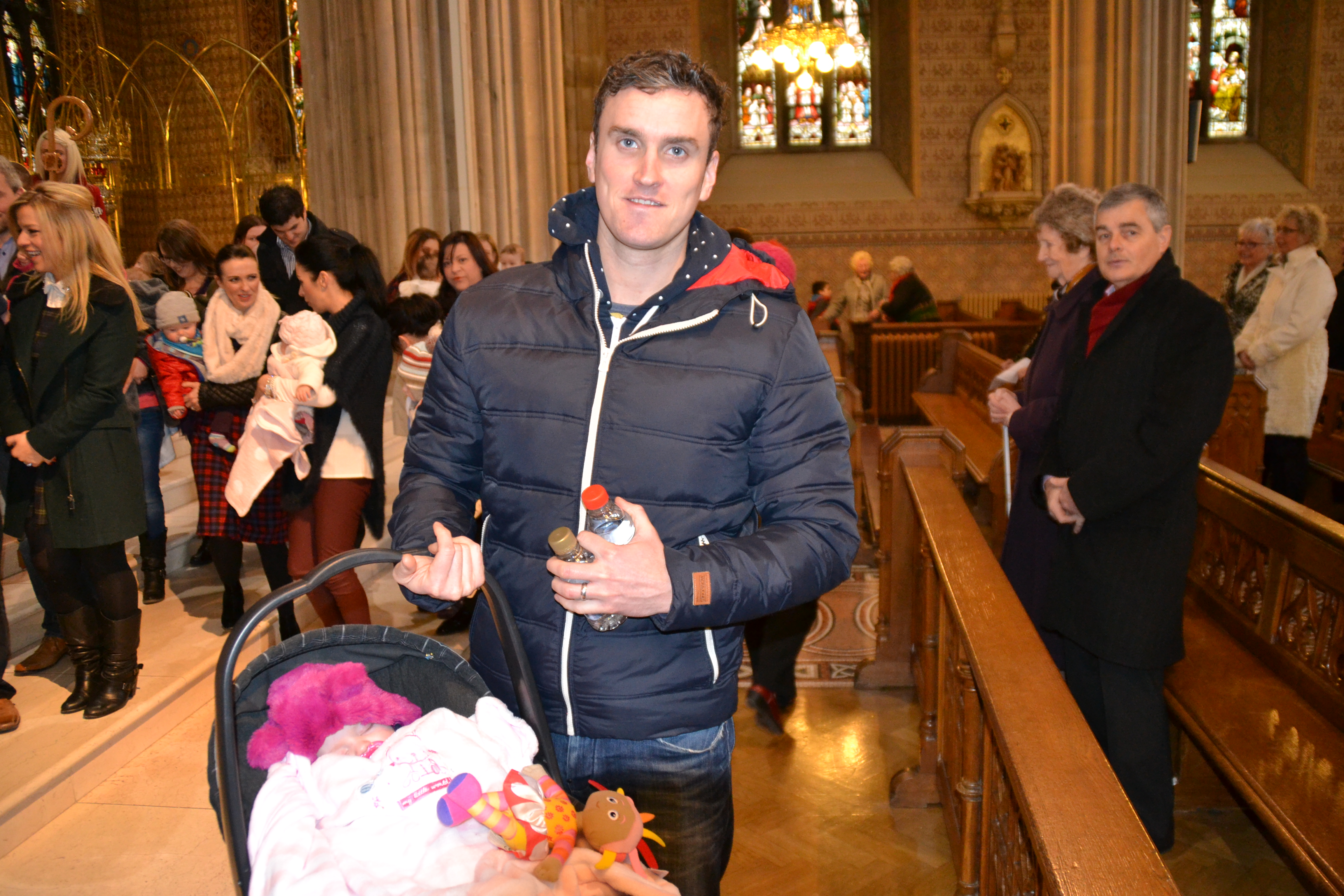
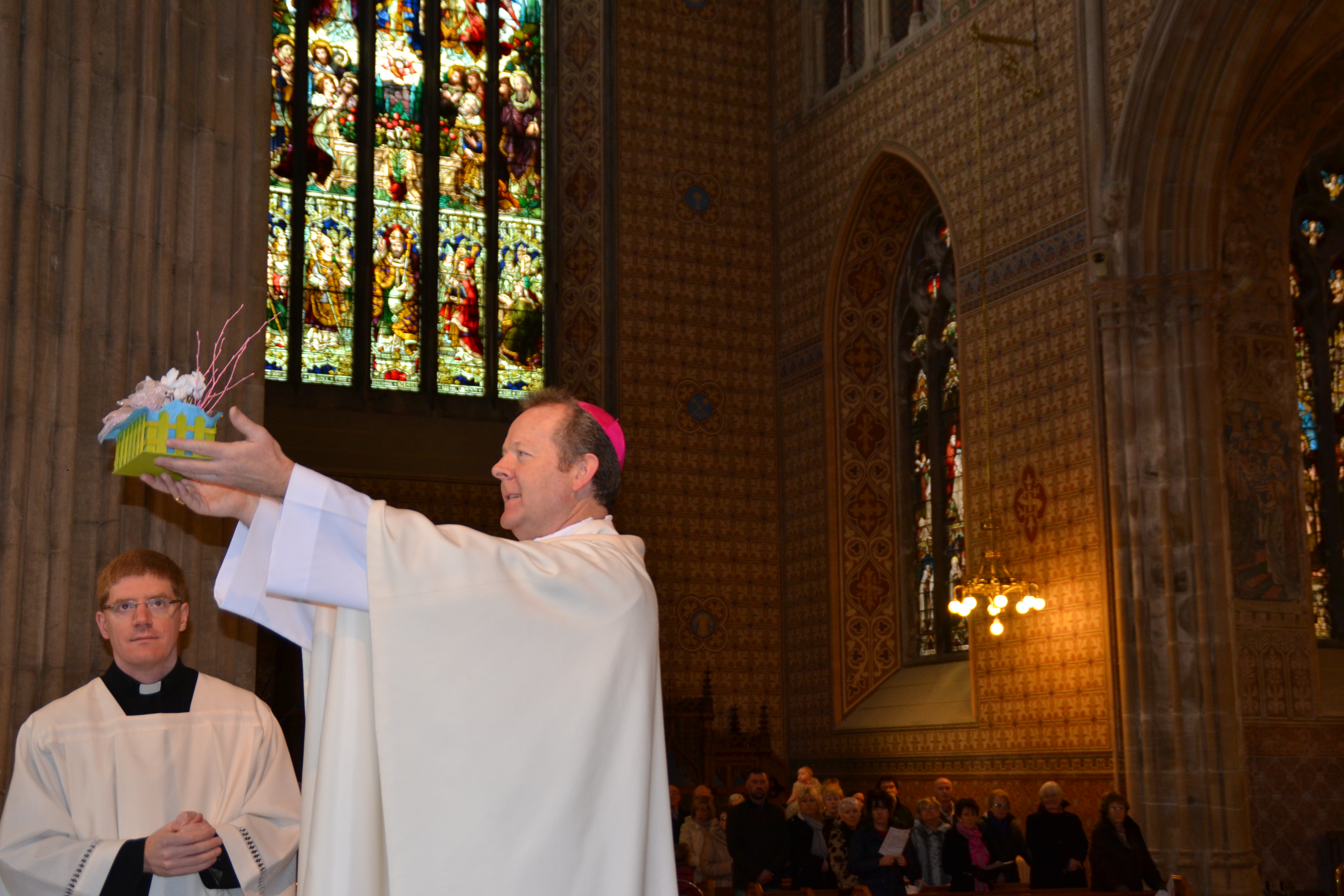
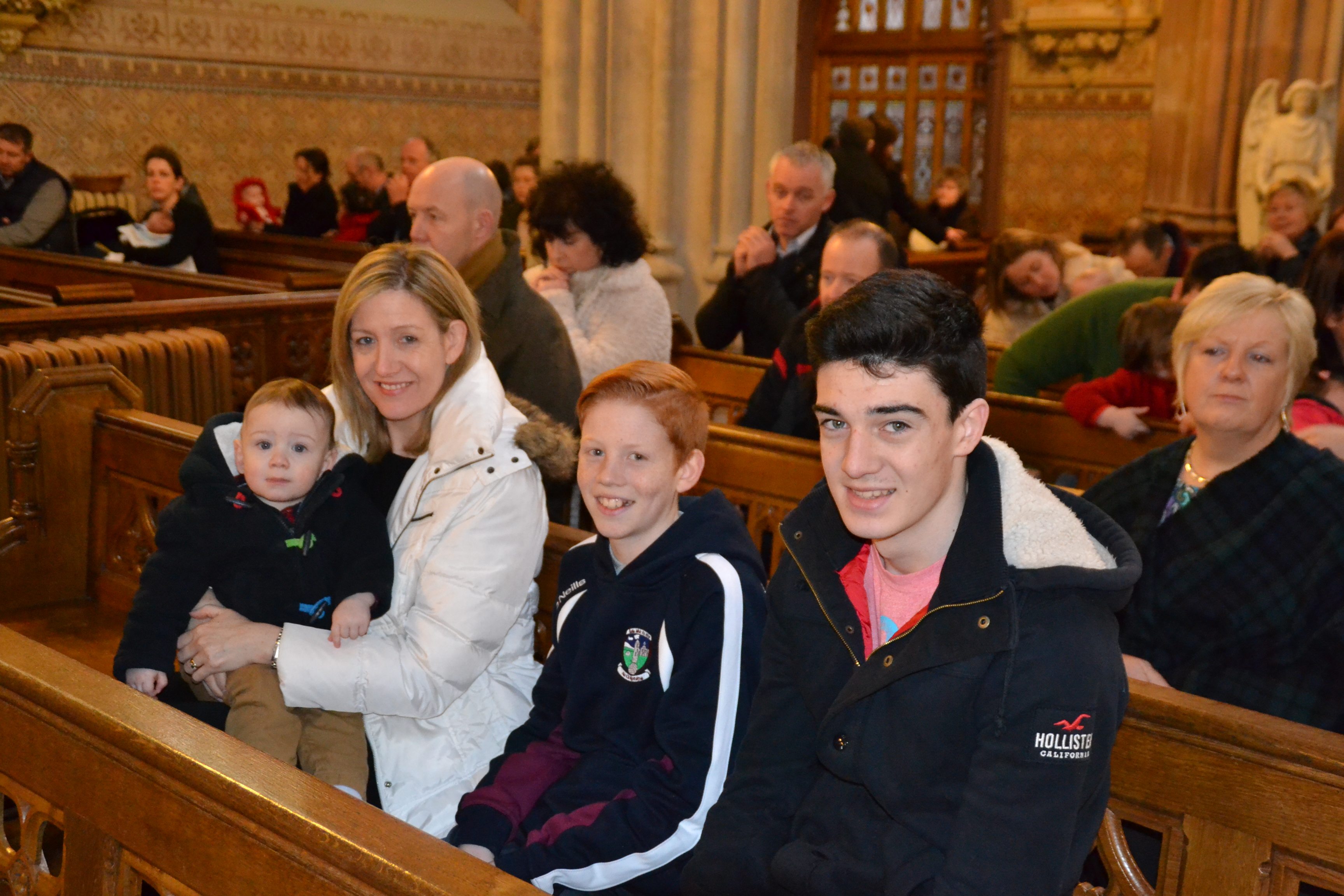
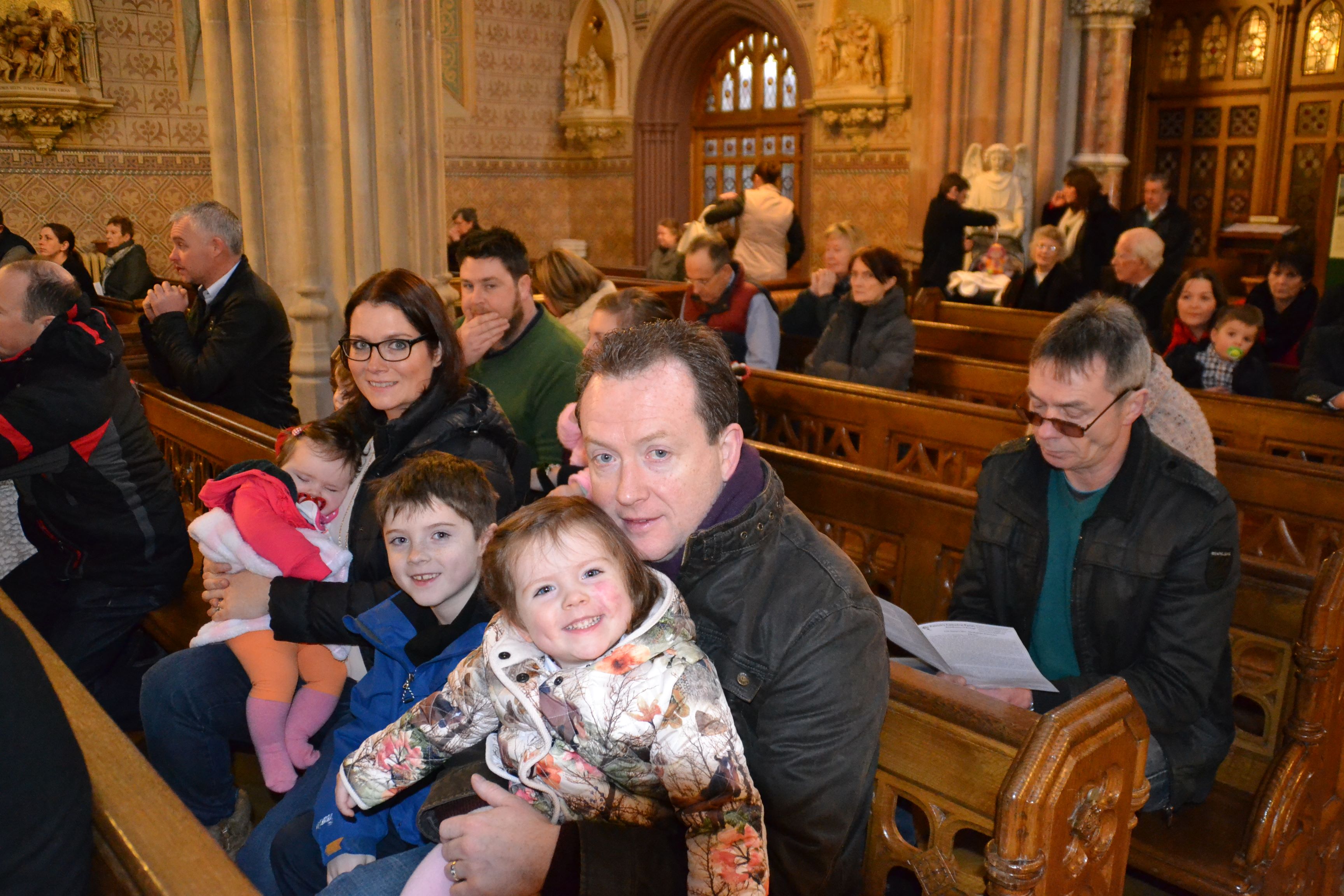
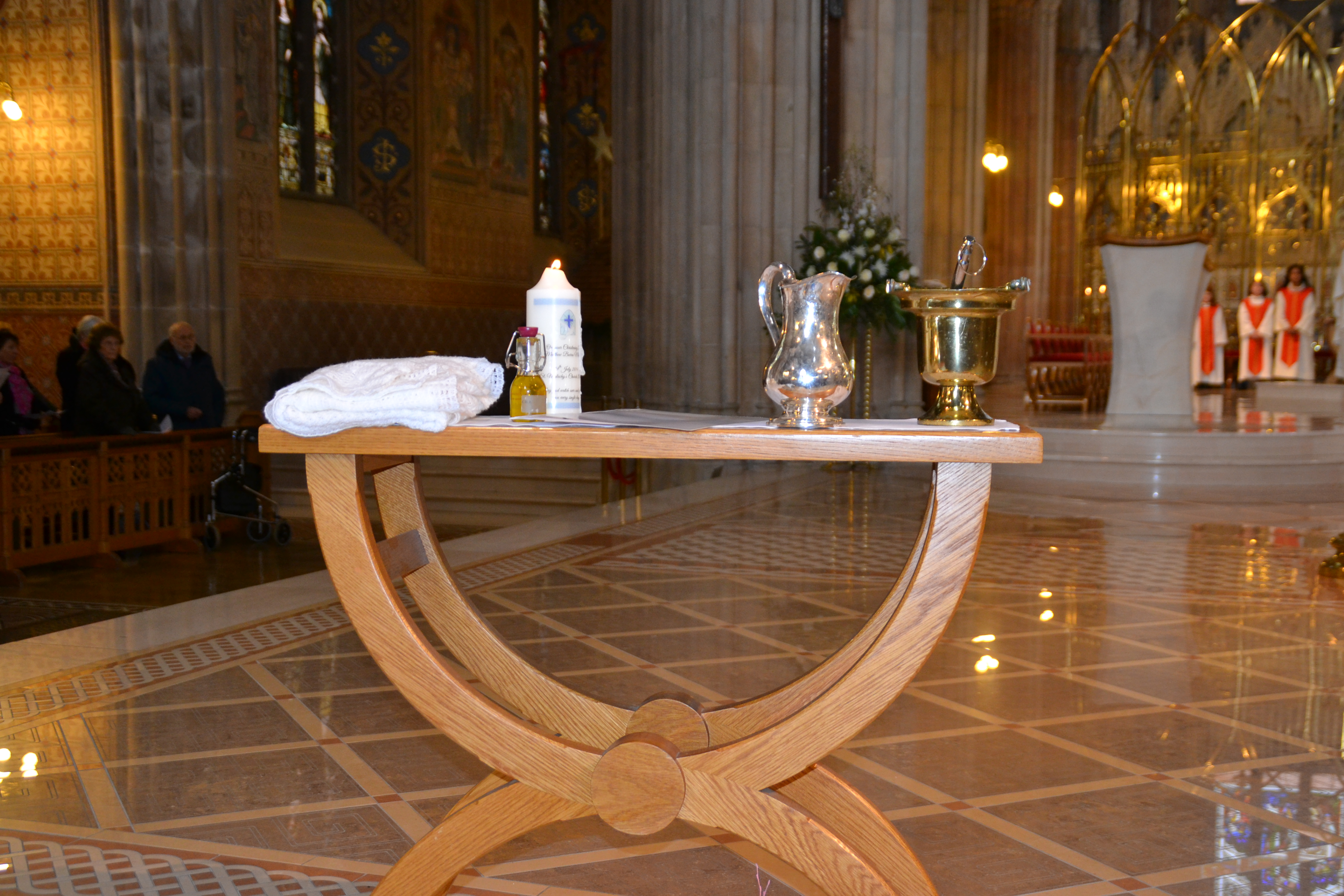
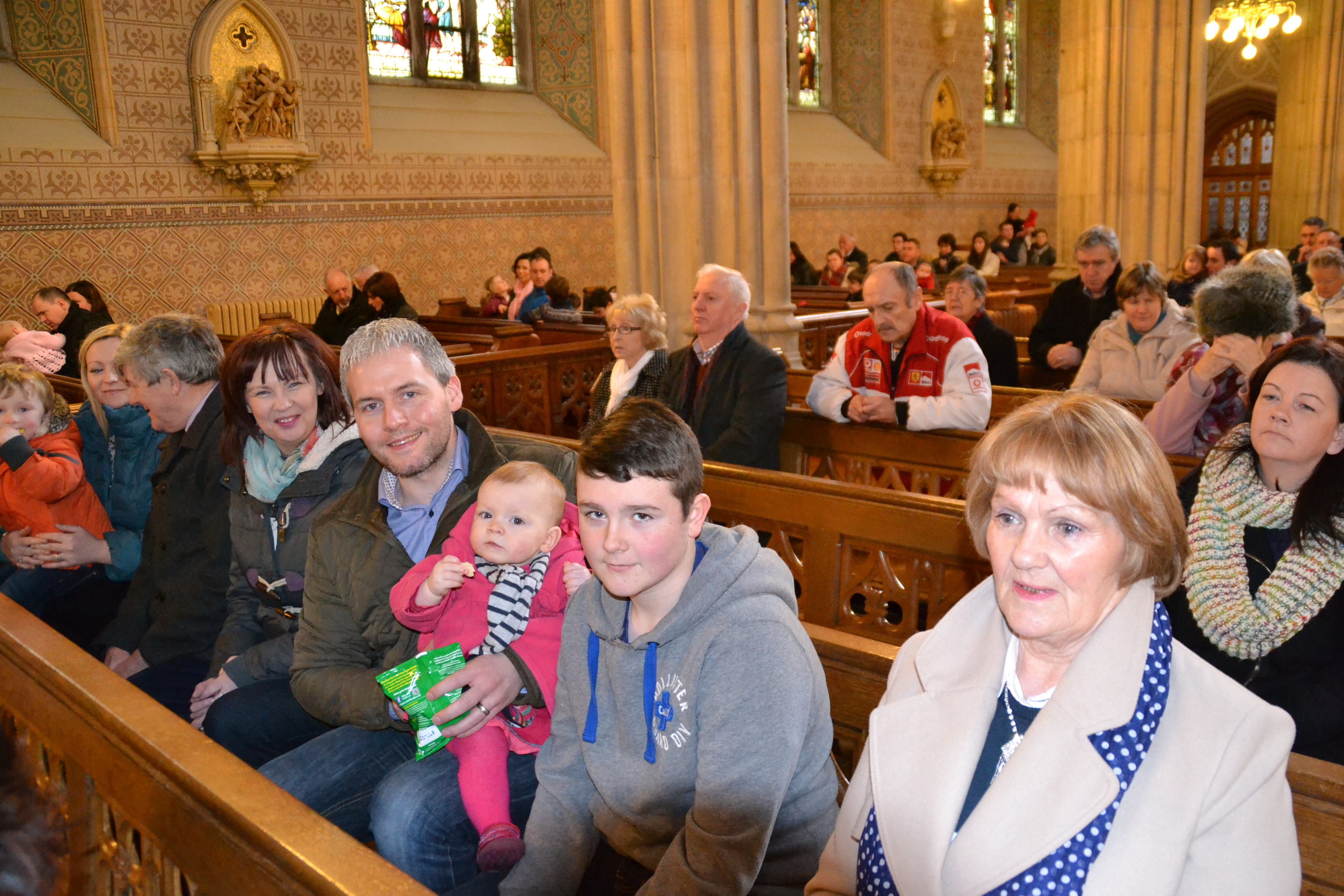
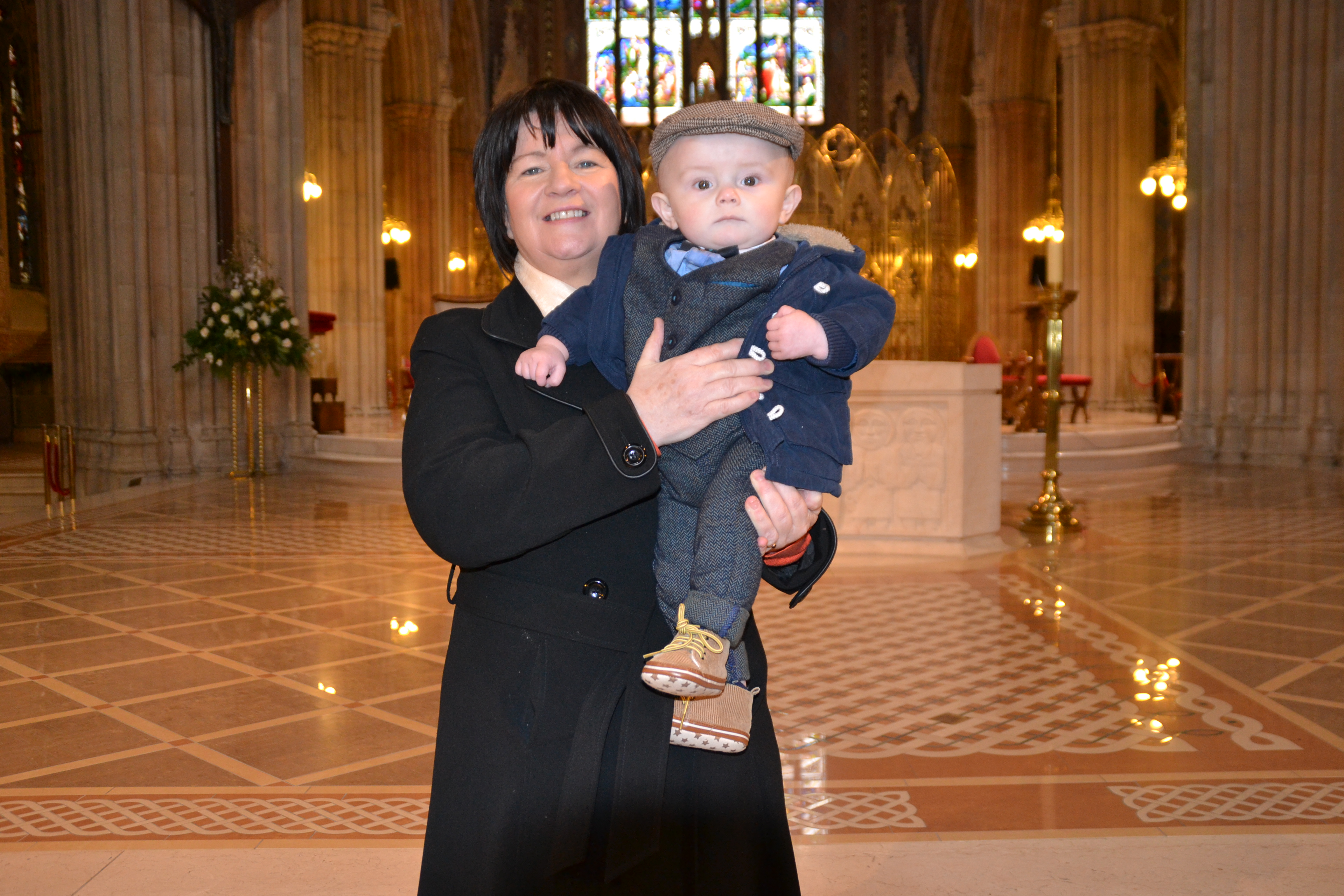
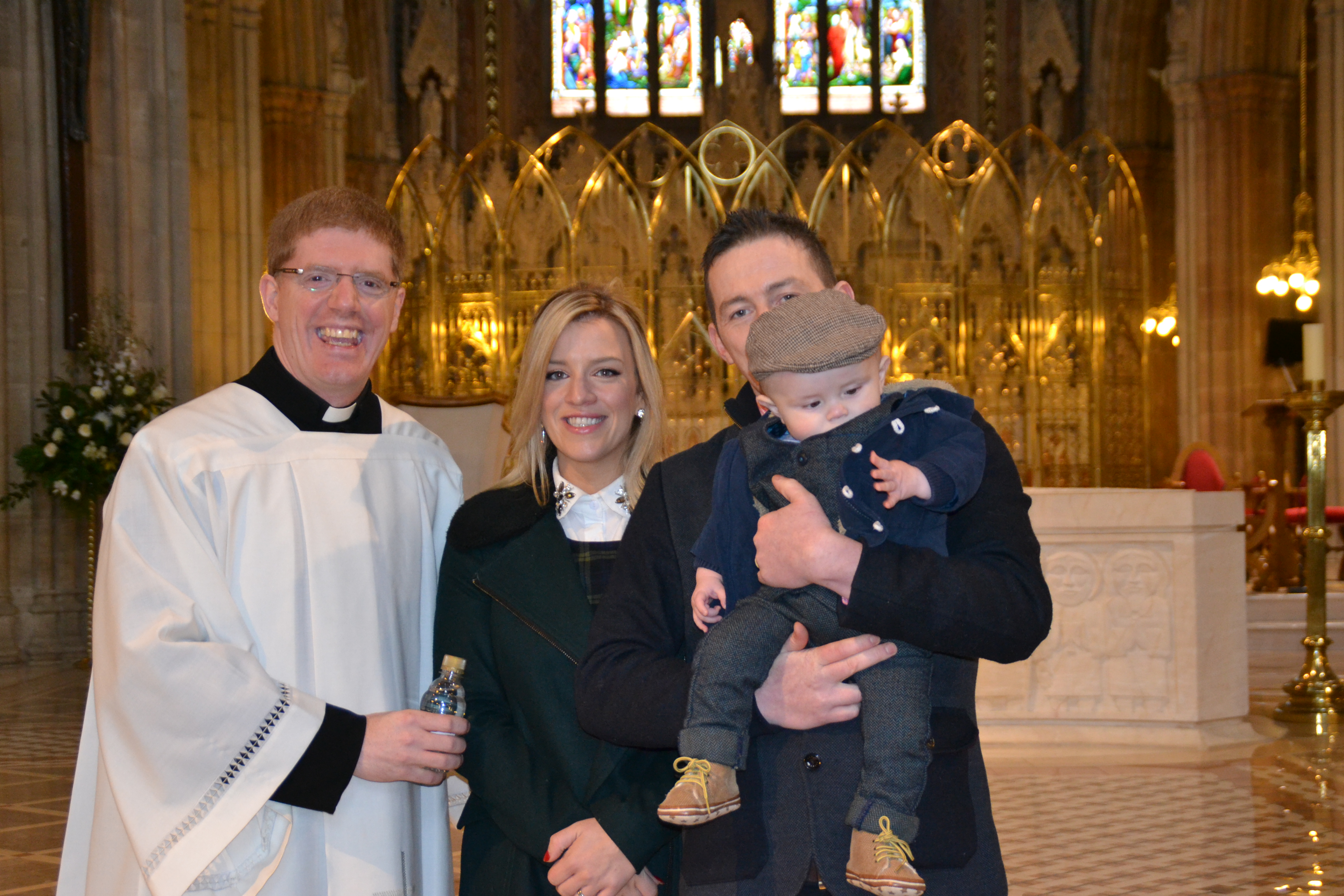
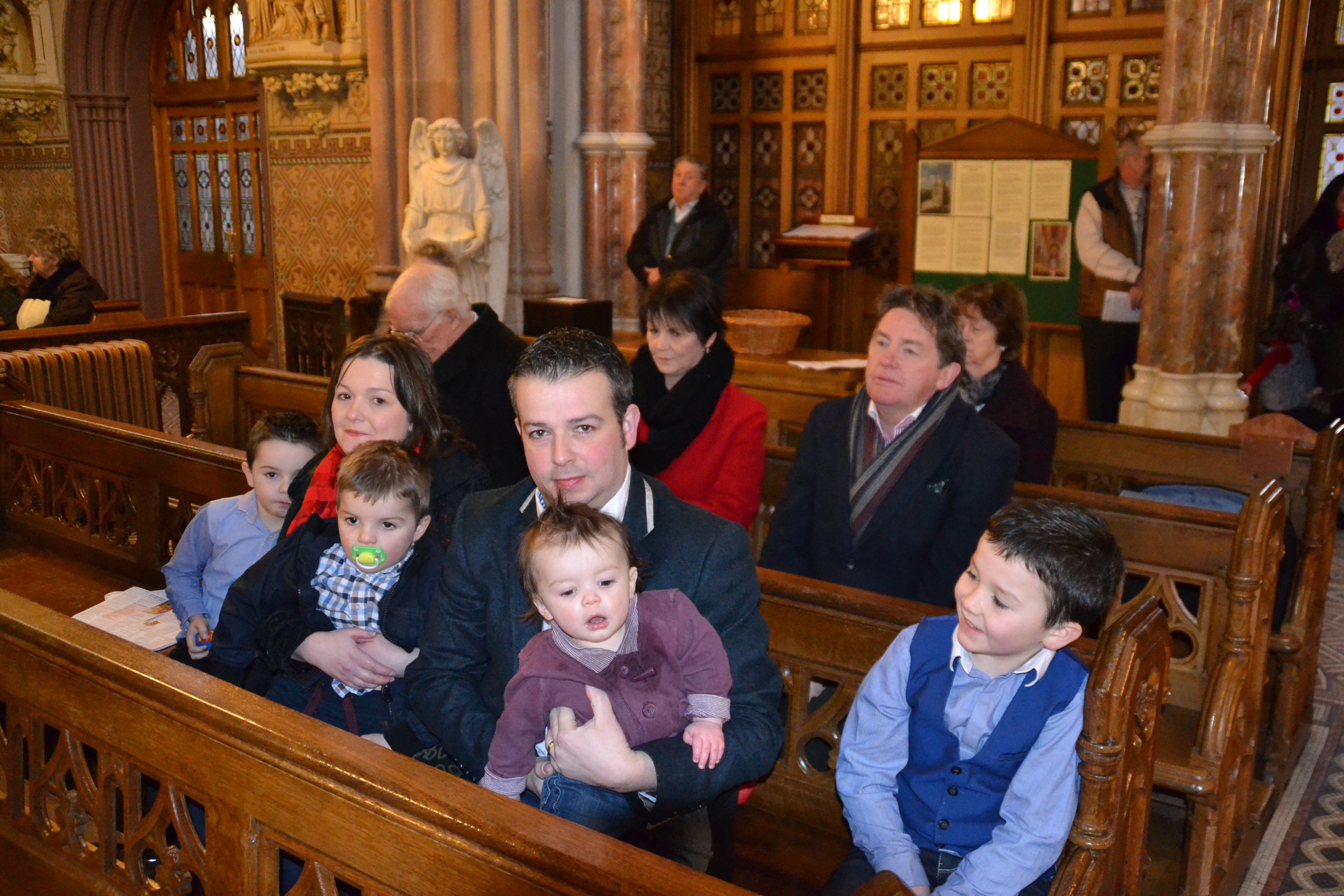
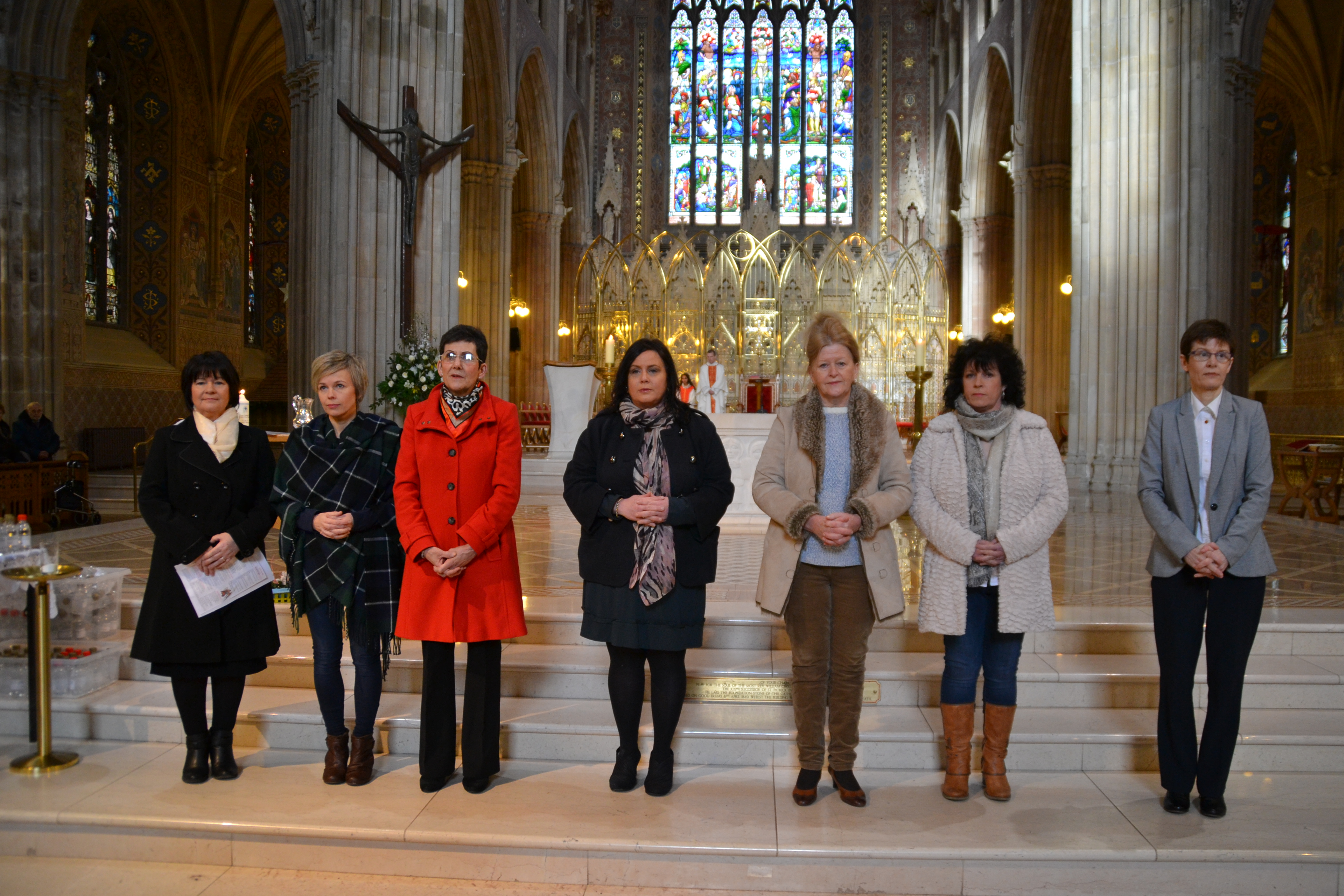
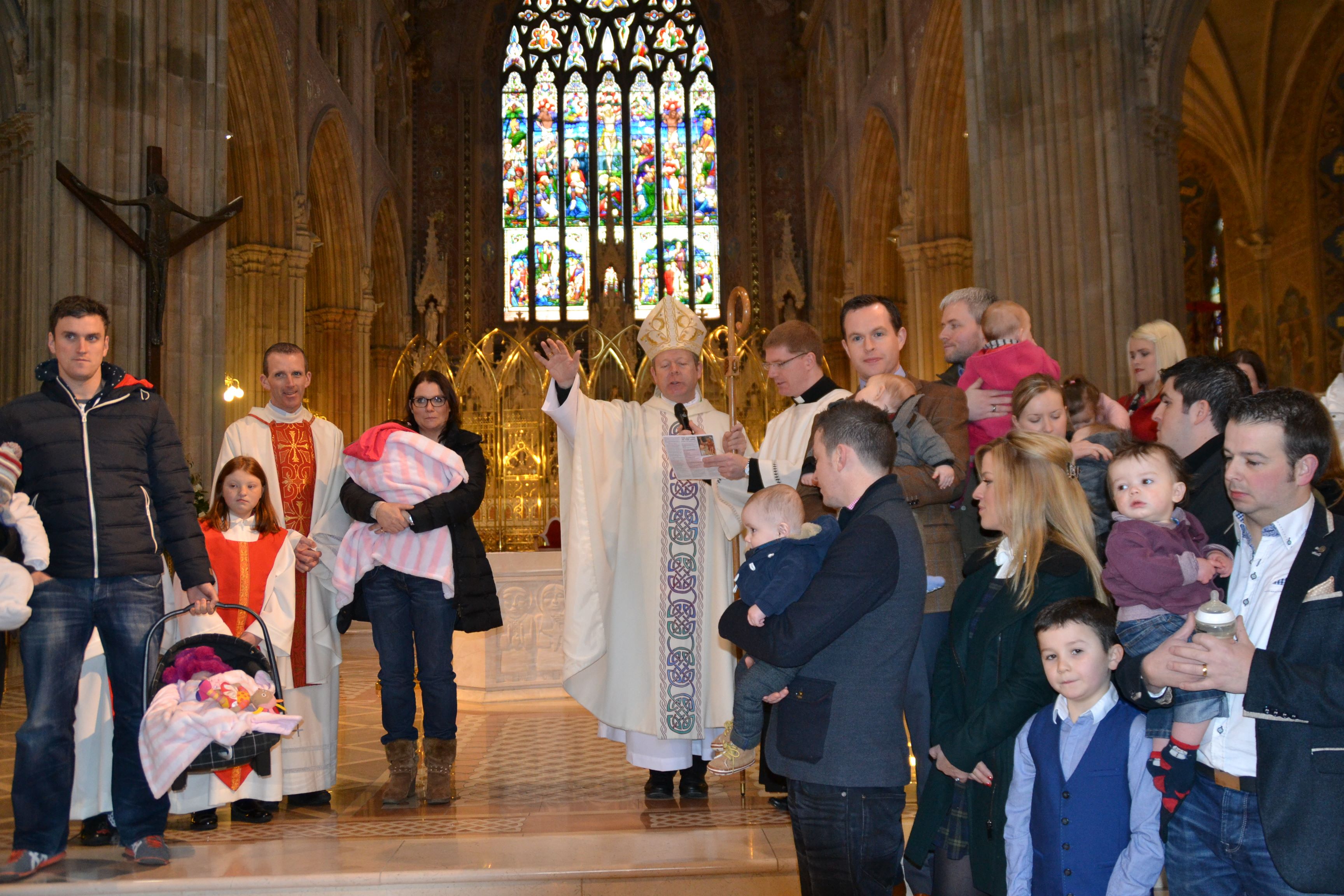
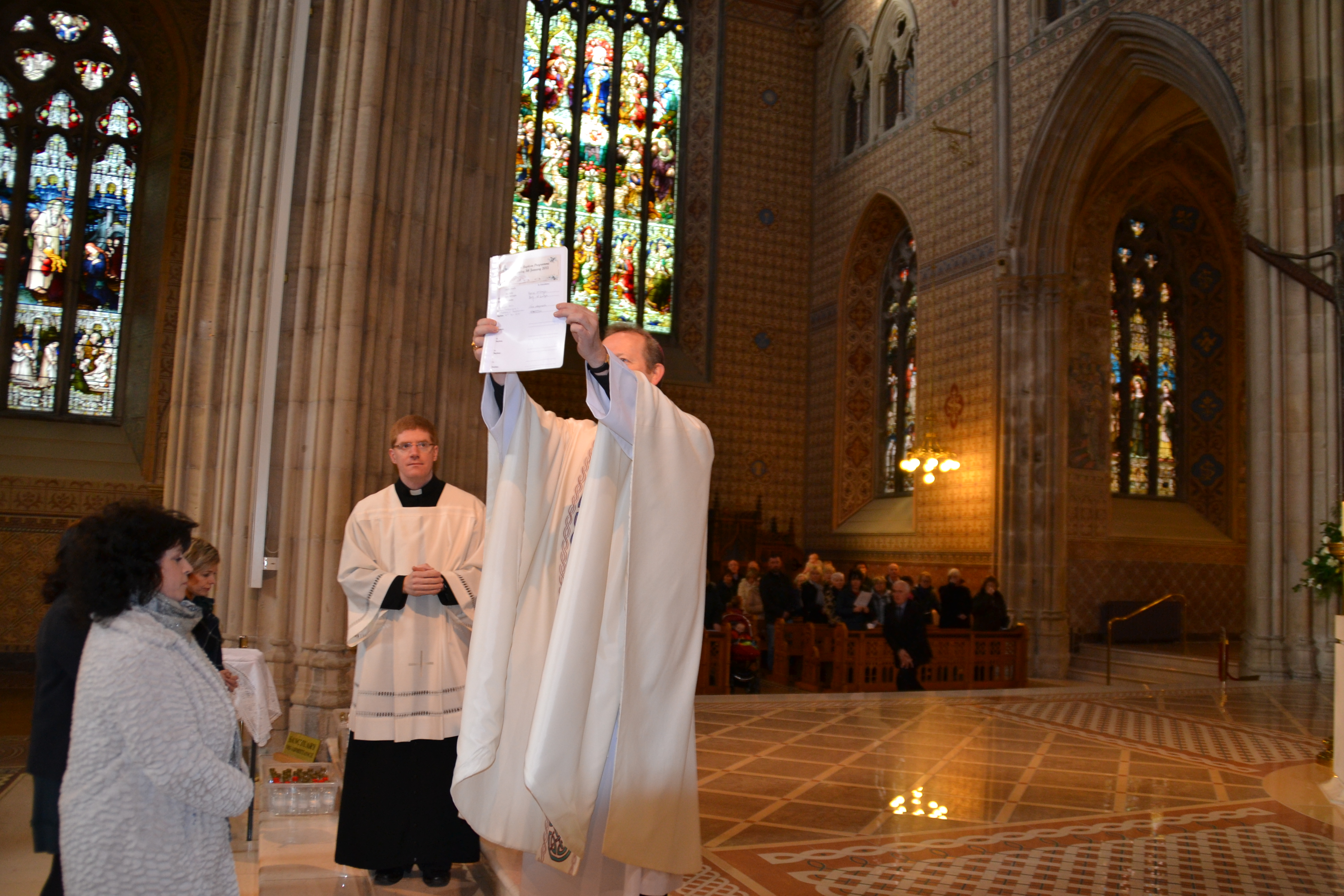
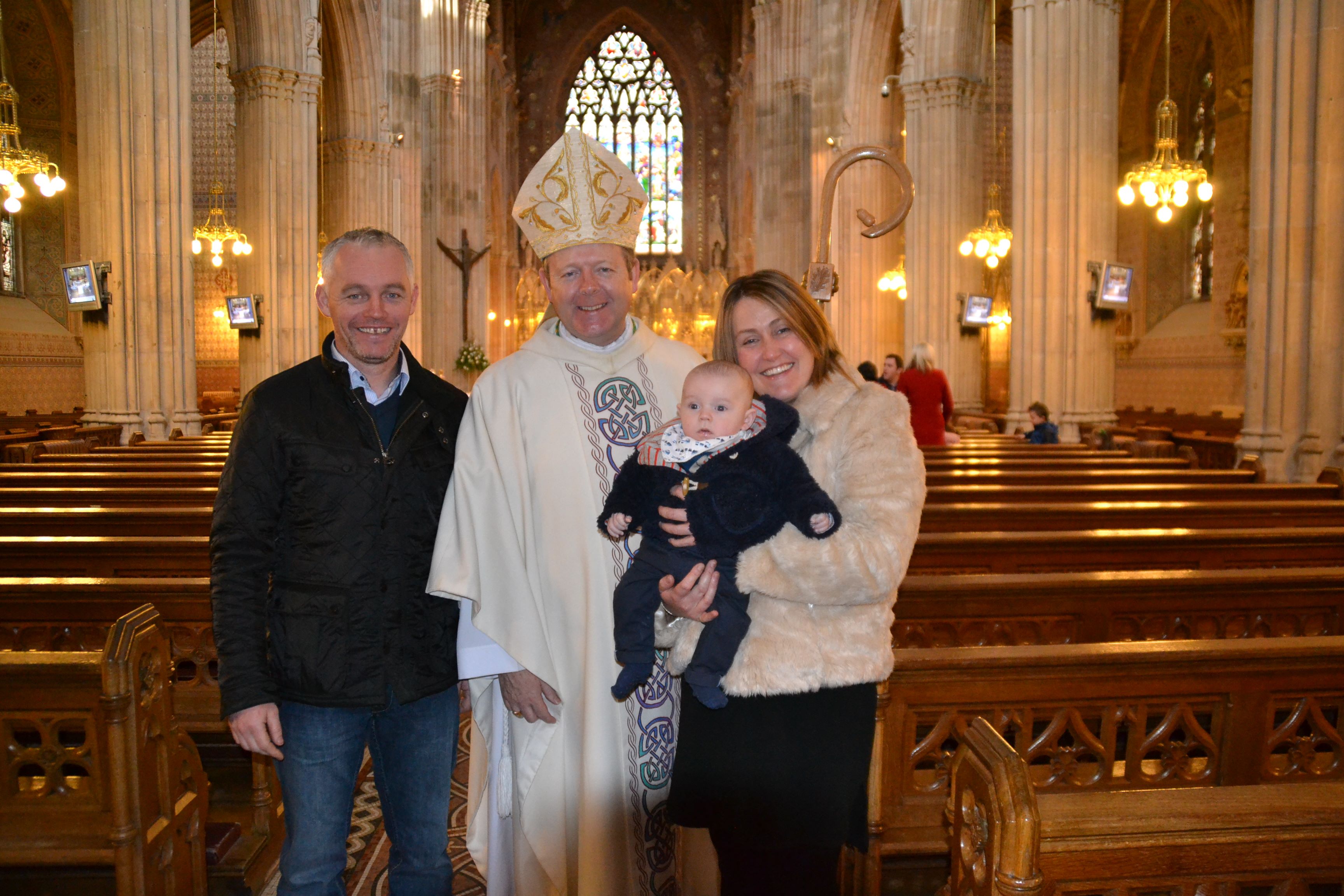
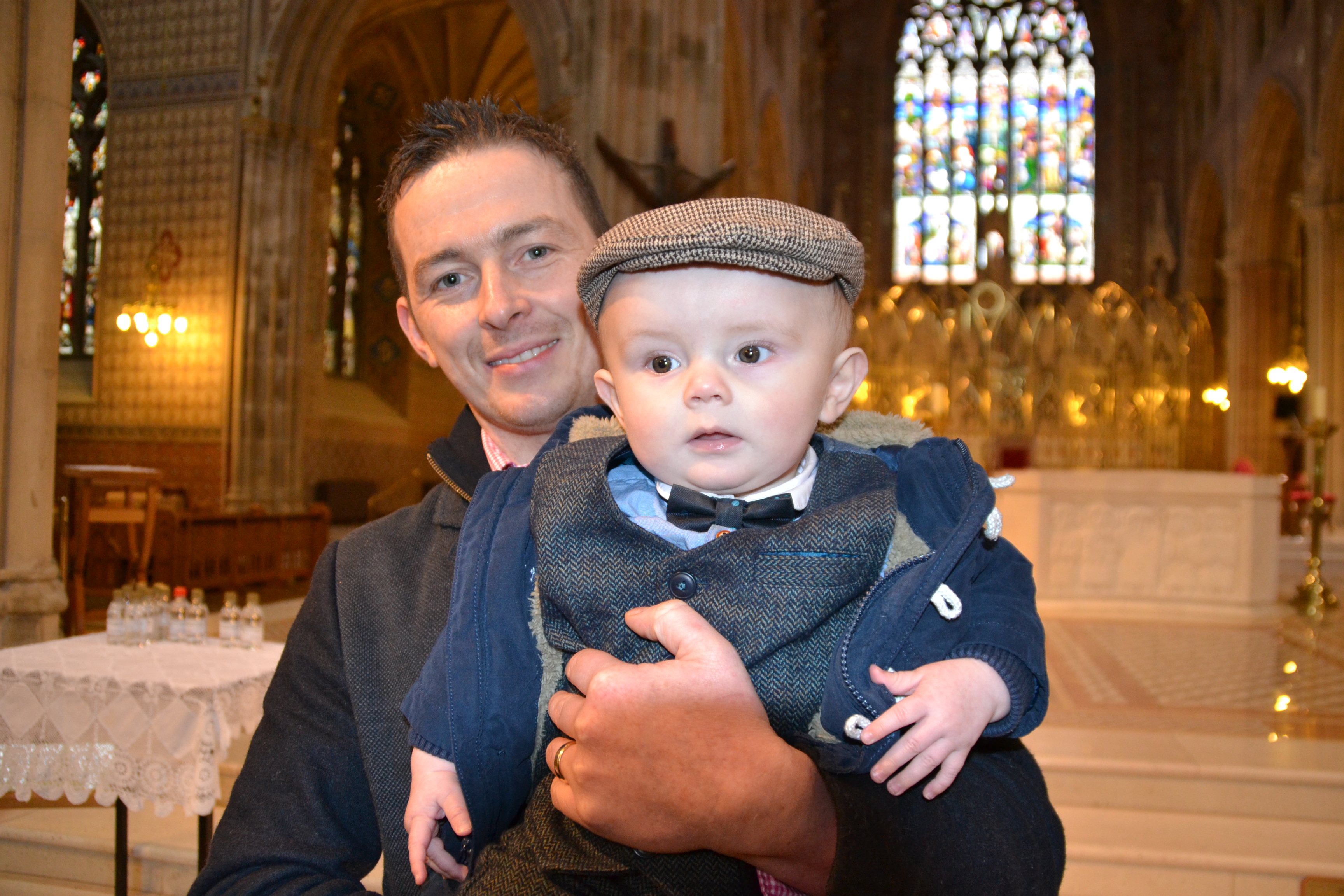
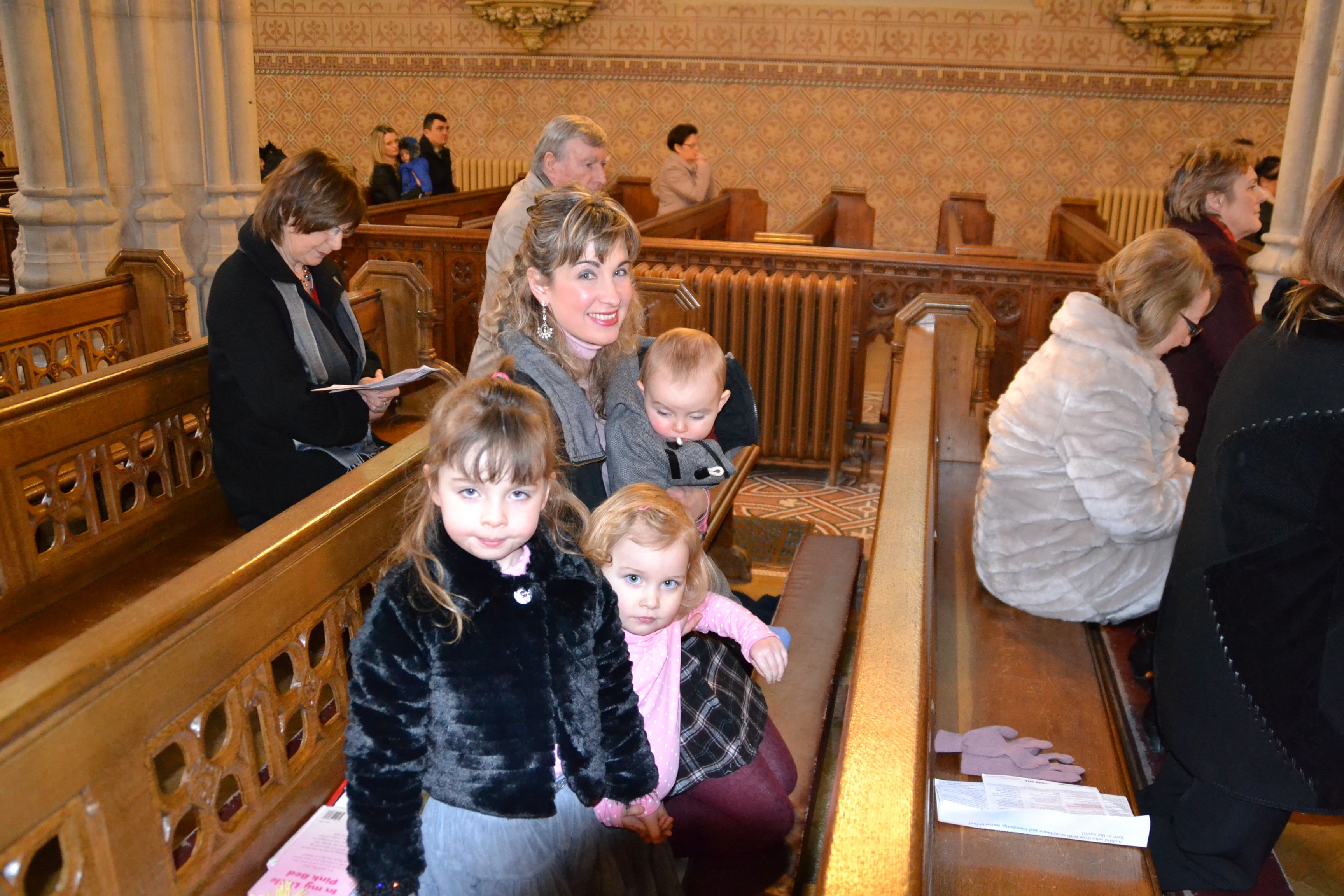
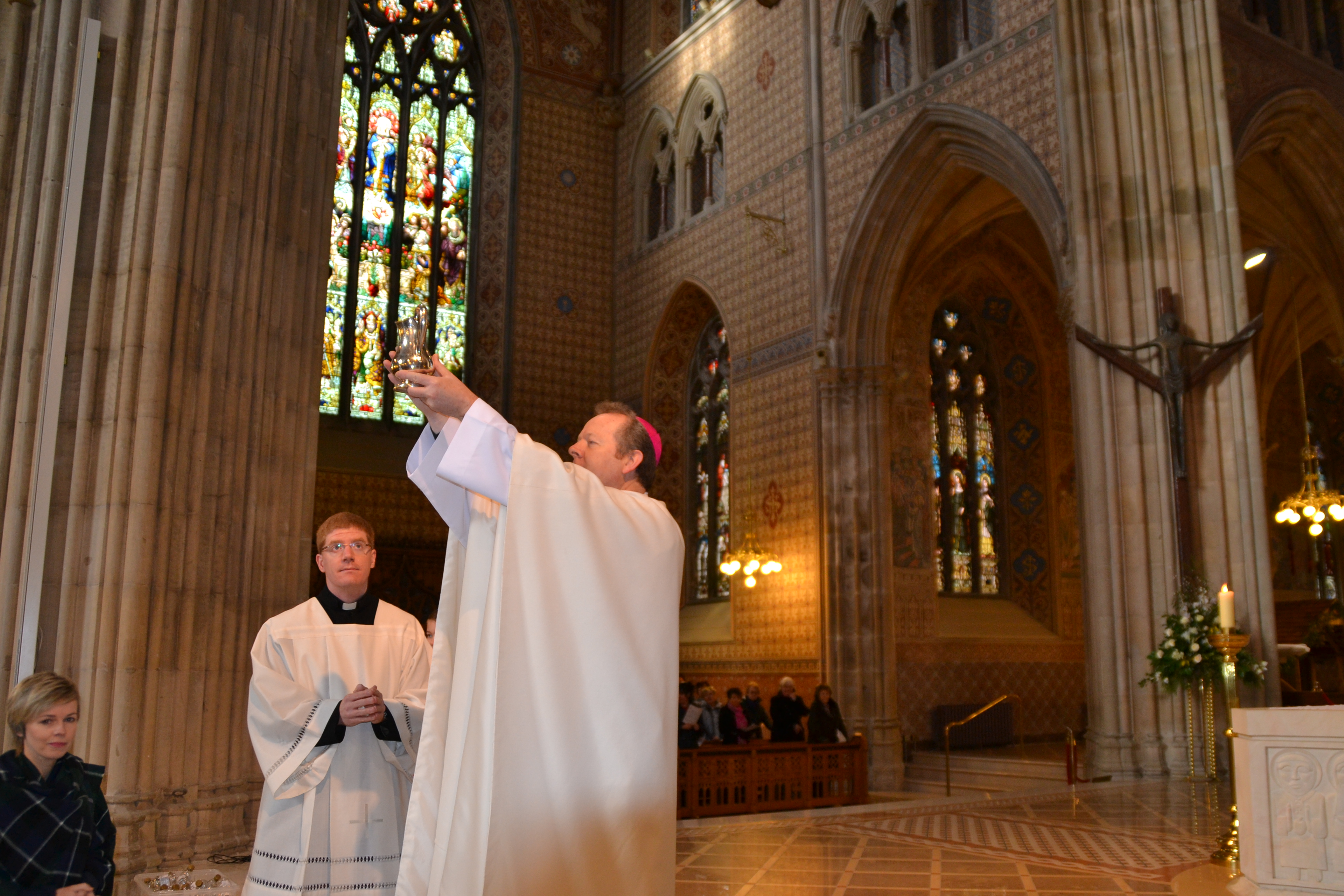
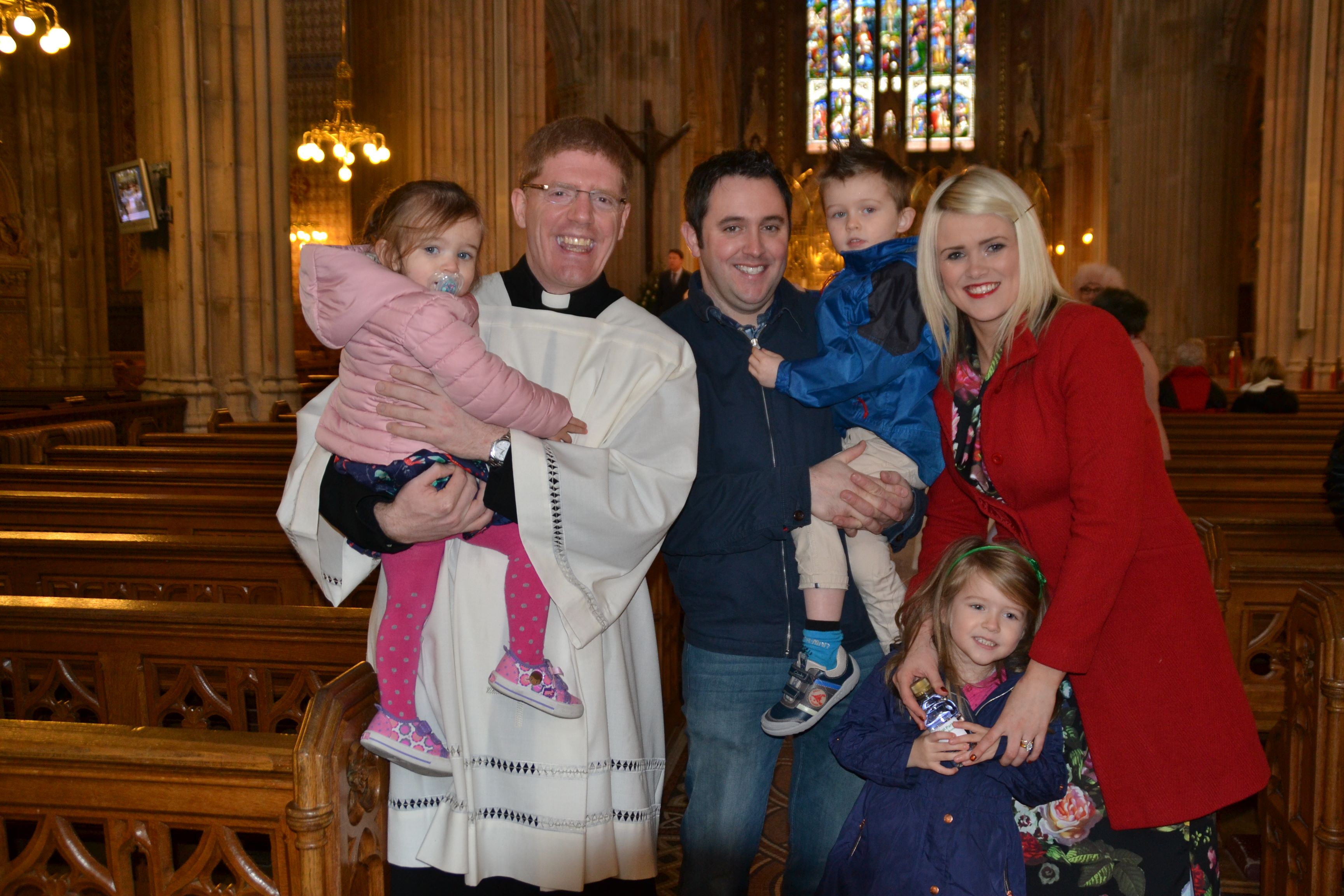
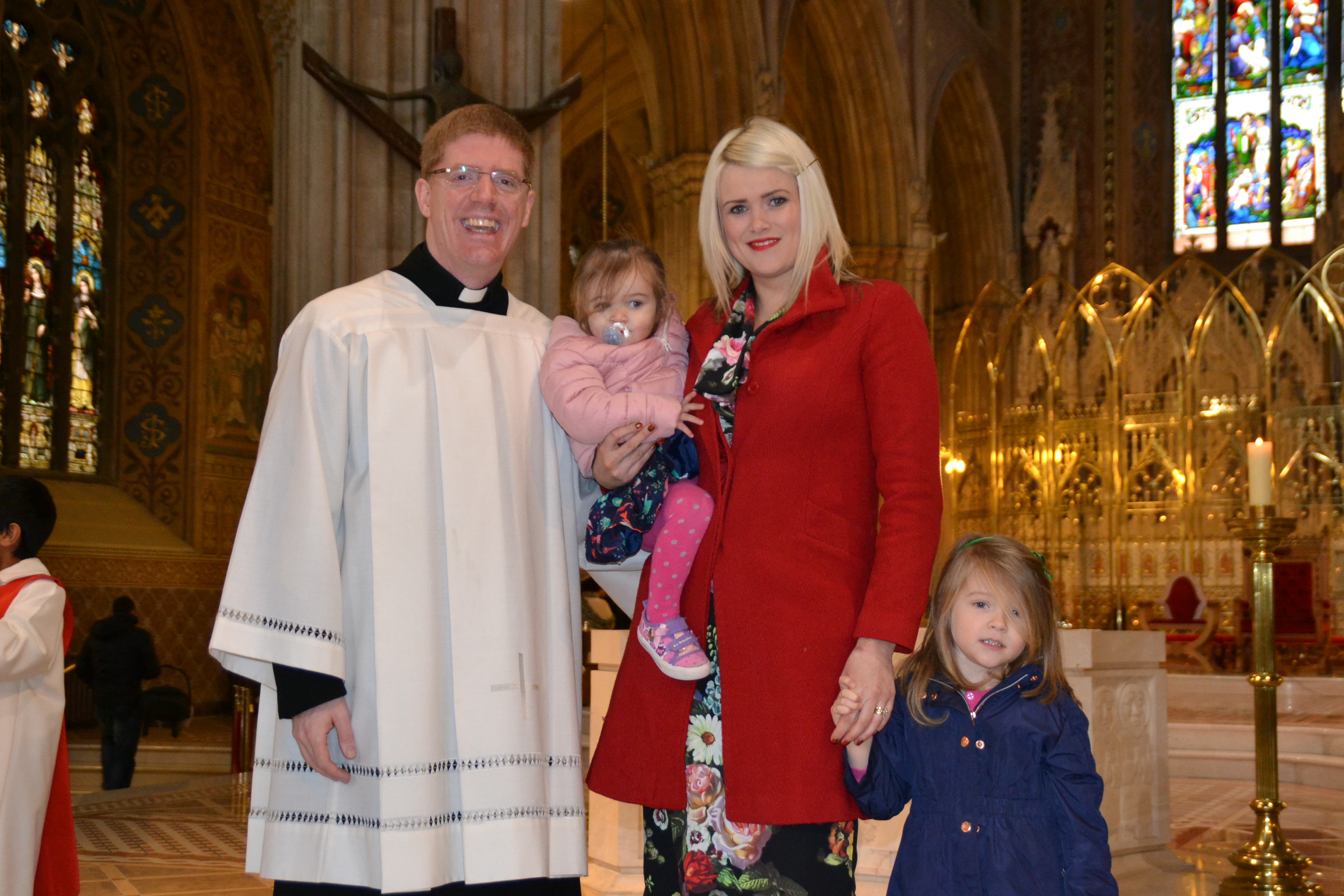
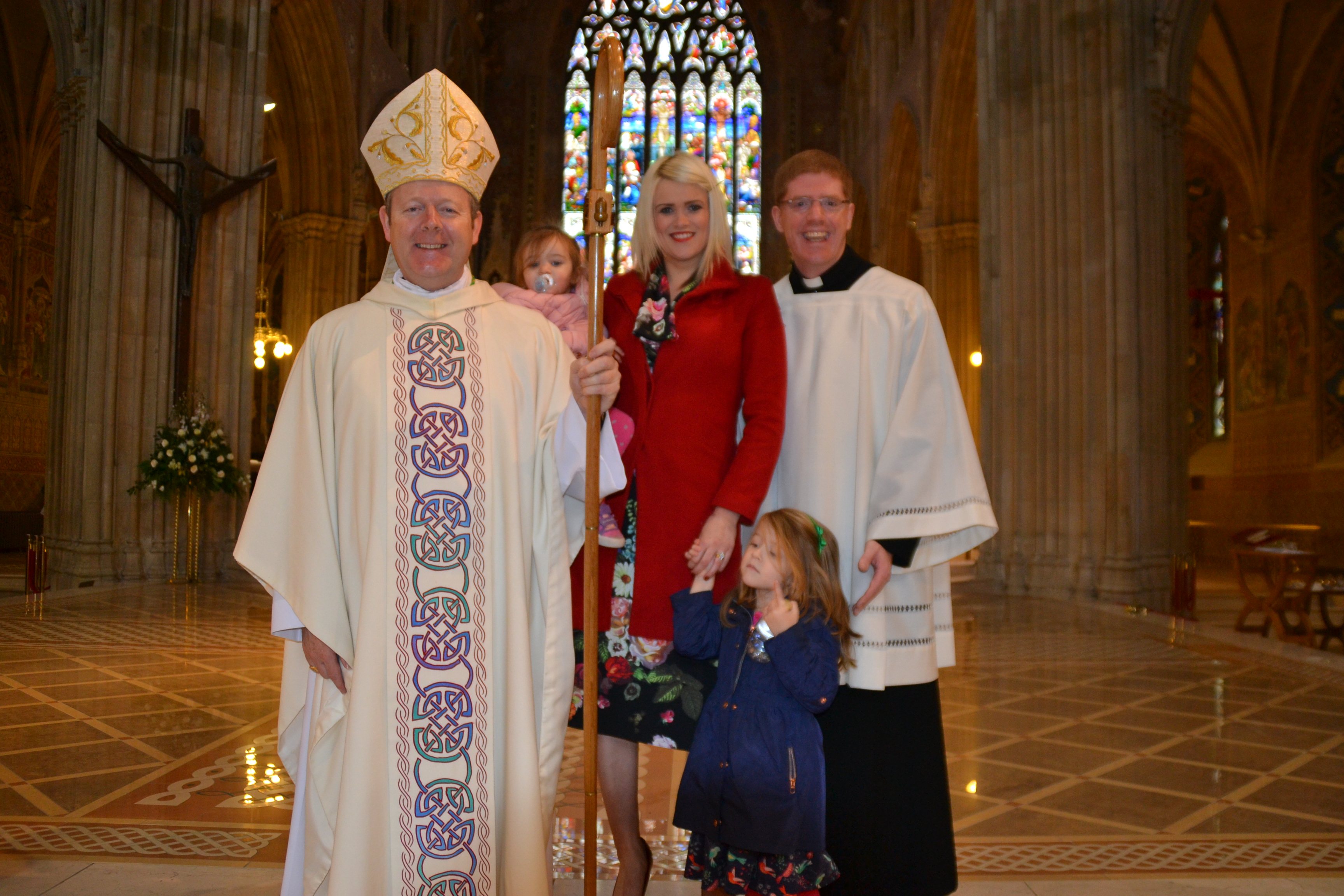
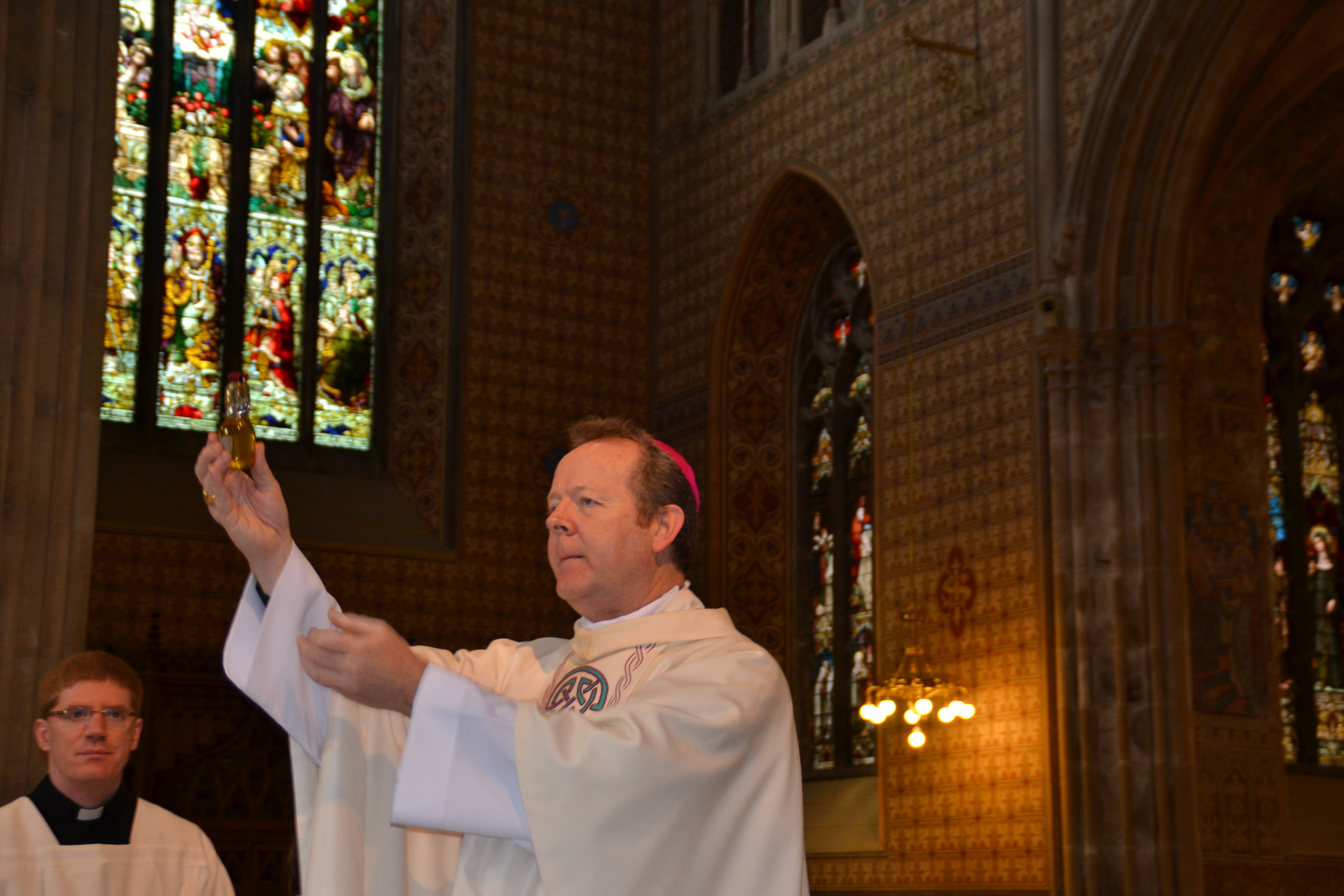
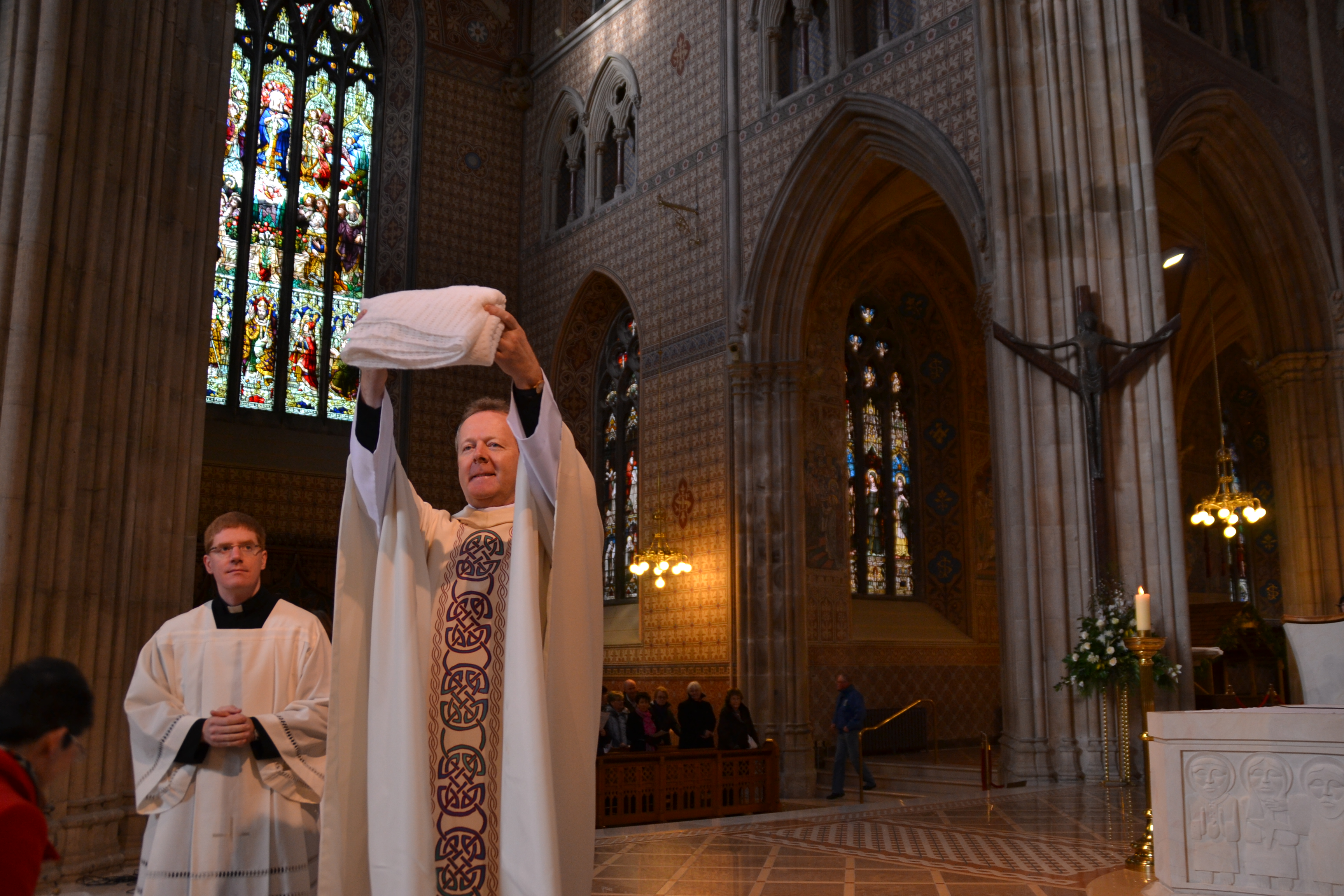
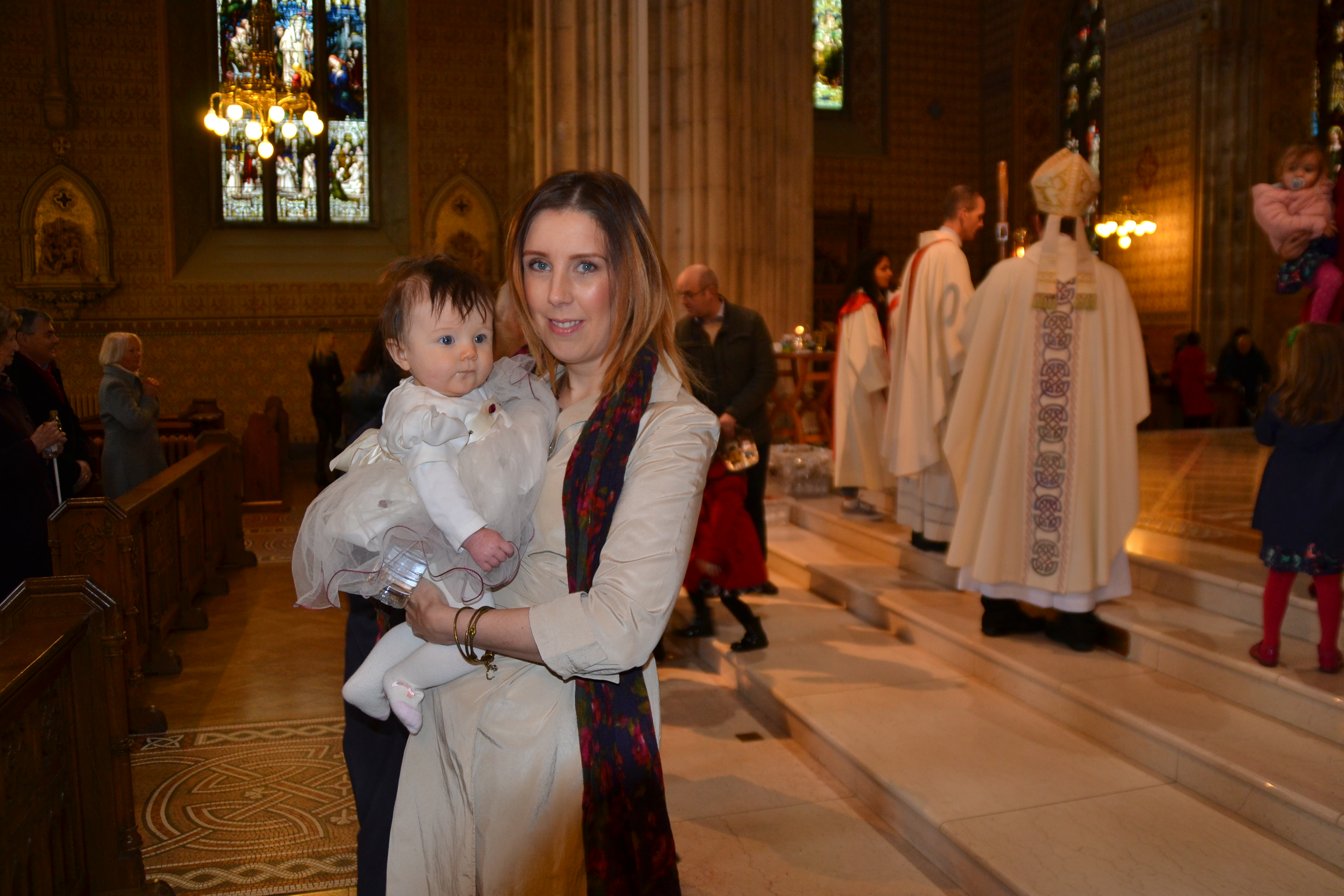
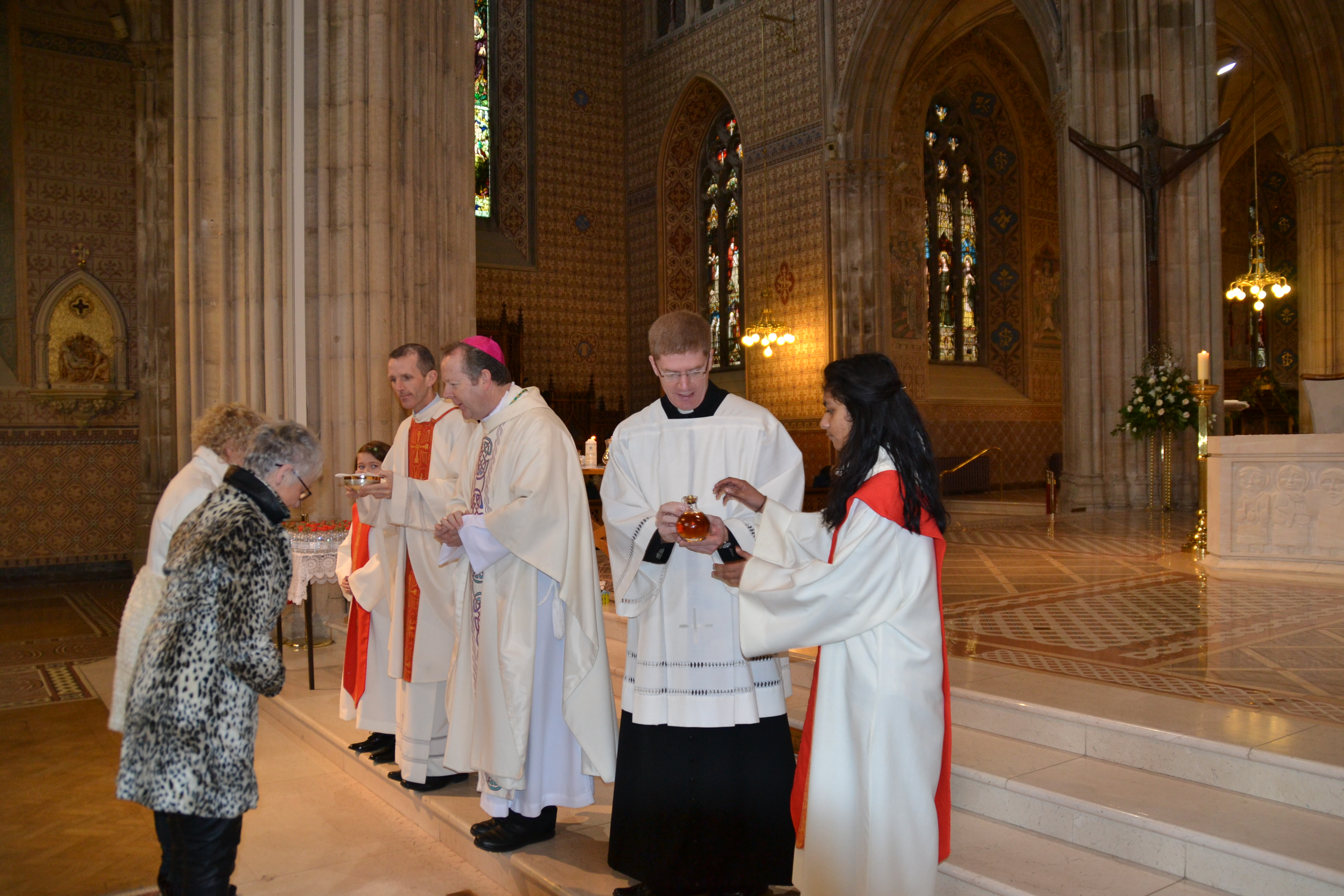
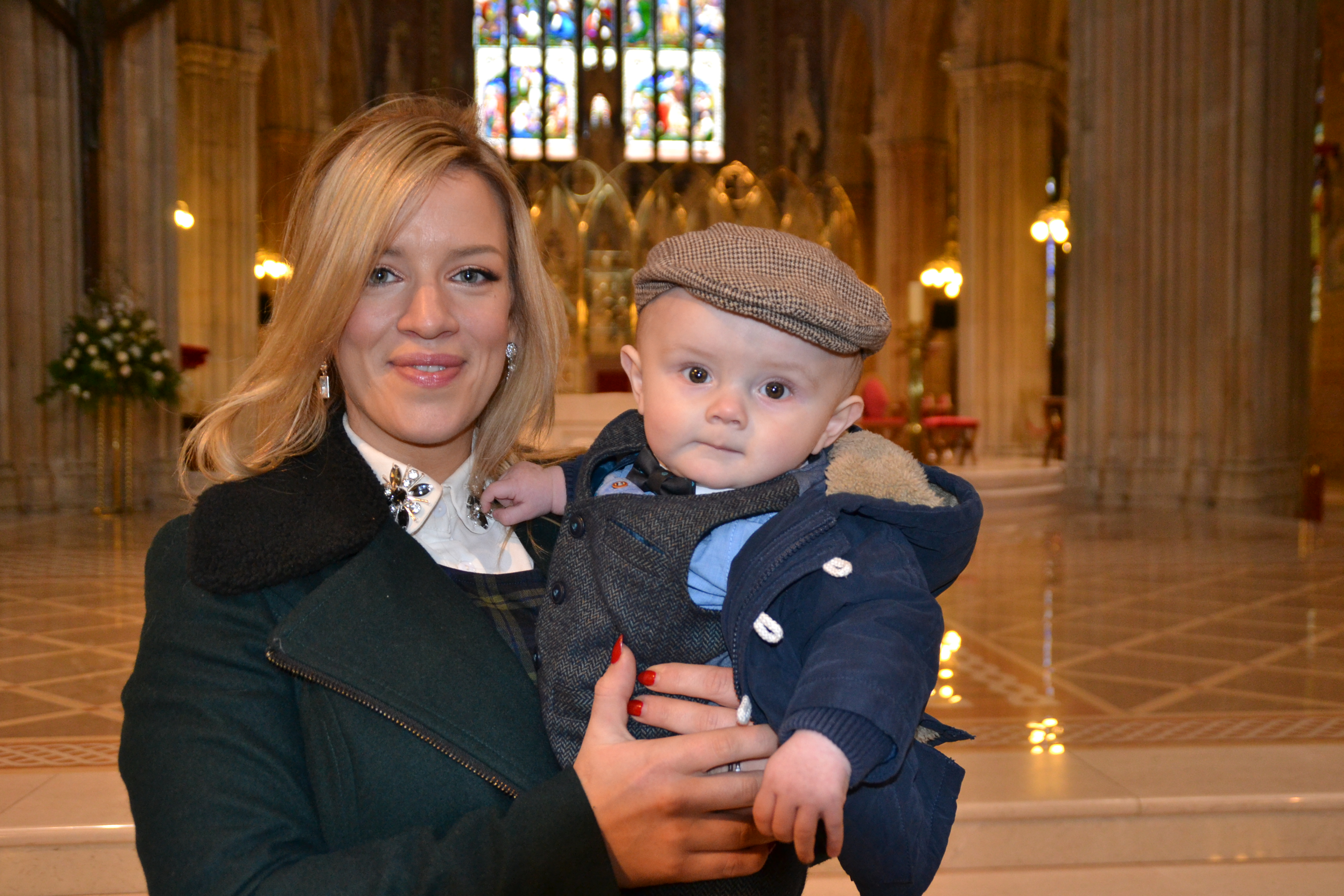
I welcome you all to this Mass for the Feast of the Baptism of Our Lord.  A special welcome to our Baptism Preparation Team and to parents and children from the Cathedral Parish who came for the Sacrament of Baptism during the past year.  No doubt you remember well the moment you first saw and held your baby; their weight, the expression on their little face, the relief that the childbirth was over.  Today marks the end of the Christmas season, which has at its core the miraculous and mysterious birth of an infant at Bethlehem, who was the Son of God.


My mother once taught me this prayer for the Christmas season: “Jesus, true Son of God from all eternity, and true son of Mary in the fullness of time – who didst once repose in the hallowed crib in Bethlehem – infuse into our hearts a little of the joys and marvels that were accomplished, so well calculated to inspire.”


I imagine that for any mum or dad, there is no more awesome and inspiring sight than to gaze in wonder at your new-born child, this new person which God has placed into your arms to nurture and to love?  Your child is sacred.  Your child is unique.  The other day a friend told me that one of his work colleagues showed them on his mobile phone the ultrasound picture of his first child.  Perhaps you remember an ultrasound scan of your unborn child, and being able to see how your baby was developing in the womb, just as your baby now continues to grow bigger and stronger through your love and care every day.  It is amazing that the baby you saw kicking or smiling or sucking its thumb in the womb, is the very same and precious baby you hold in your arms today – Michaela, Conor, Martin, Olivia – or whatever name you chose for your child in Baptism.  God has written that name forever in the palm of his hand.


In deciding to have your child baptised, over the past year or so, you chose to offer your little one the beautiful gift of faith in God the Father, Son and Holy Spirit.  You are choosing to hand on to them a gift that was given to you by your parents and grandparents.  Please God one day these little infants will, in their turn, hand on the gift of faith to their children and grandchildren.  The gift of friendship with God is one which can inspire and give meaning to their whole lives.  What a wonderful privilege it is, as a parent, to be able to introduce your own son or daughter to your friend, Jesus; to teach a little one about how unique and special they are in God’s eyes, and about how much God loves them.  What a challenge and responsibility it is to teach and explain to your own child the values of the Gospel of Christ, especially nowadays in a world which often promotes attitudes contrary to the Gospel.


Of course baptism does not bring some instantaneous change whereby, as if by magic, we suddenly become committed followers of Jesus.  Being Christian involves a lifetime journey of renewing over and over again our commitment and friendship with God.  It is a voyage of discovery, during which we make many choices; we learn every day what it really means to be a follower of Christ.  As we grow older, we deepen through prayer our love and personal friendship with Jesus.  We learn right from wrong.  We become conscious of our sins and failings, but also of God’s boundless mercy and forgiveness when we repent and say sorry.  We learn to change and do better, and to live more sincerely the values of the Gospel which Jesus taught.  And, with the help of God’s grace, we find the strength “to reject Satan and all his works and all his empty promises” and instead to become God’s witnesses in our families, communities and in the world.


One value which we should never grow tired of witnessing to, as Catholics, is the value and sacredness of human life itself.  Life is precious from the first moment of conception through to natural death.  Our Catholic faith brings with it a responsibility to build a culture of life, where every person is worthy of the very best care and utmost tenderness; this is especially true of the most vulnerable and most defenceless persons.


Knowing how much you have already sacrificed yourselves for the little children here in Saint Patrick’s Cathedral this morning, I take this opportunity to appeal to all Catholics to witness courageously to a culture of life.  This is becoming increasingly important when we are surrounded by what Pope Francis describes as a “throwaway” culture which weighs one life up as more important and worthy of protection than another, and which would even discard the right to life of the most vulnerable.


I want to bring to your attention a consultation document [1] from the Minister for Justice in Northern Ireland which  proposes that totally innocent and terminally ill babies in the womb will no longer have an absolute right to life, nor the right to all the care and medical support that we would expect and wish for any child or adult who is terminally ill.


Notwithstanding the extraordinary and unprecedented attempt of the consultation document to exclude “pro-life” arguments from the debate, when we meet the Minister and his officials this week, a delegation from the Catholic Church will be making a robust and unapologetic defence of the right to life of both mothers and their terminally ill children during pregnancy and calling for all the love and support that we as a society can give them.  This must include, I believe, the ready availability of quality peri-natal and post-natal hospice care and of counselling for those faced with the trauma and anxiety of having a terminally ill unborn child.


With the support of my fellow Bishops, I encourage all those who support a culture of life to respond this week to the consultation process of the Department of Justice and to ask their politicians where they stand on these issues.


To conclude, I want to thank you for bringing your infant children here today and I pray God’s blessing on you and on your families as you begin to walk the journey of faith with them.  As parents you are the first teachers of your children in the ways of faith.  As the Baptism ceremony puts it: “may you be the best of teachers, bearing witness to the faith by what you say and do, in Christ Jesus, our Lord.”  Amen.

Youth Ministry vacancy

Provincial Delegate for Youth and Young Adult Ministry – Redemptorists (Ireland)

The Dublin Province of the Congregation of the Most Holy Redeemer (Redemptorists in Ireland – www.redemptorists.ie) is seeking a highly experienced person to coordinate, lead and develop its ministry to young people, while ensuring compliance with the highest standards in Child Safeguarding Practice.

With youth ministry centres throughout Ireland in Belfast, Cork, Esker Co. Galway, St. Clement’s Redemptorist College in Limerick, as well as parishes in Dublin, Dundalk and Belfast, the Redemptorists are one of the largest providers of youth ministry in Ireland.

Reporting directly to the Provincial of the Dublin Province of the Redemptorists, the successful applicant is likely to be qualified in Youth Ministry or a related area and have a number of years experience at a senior level in a youth services area or in ministry.

The position will be based in Dublin, with travel to other Redemptorist locations across Ireland.

A Remuneration Package including benefits will be negotiated with the sucessful candidate.

For a full job description and person specification for this position please contact Fr. Noel Kehoe C.Ss.R. Email: [email protected]

Applications should include a detailed CV and Cover letter and be sent by post to Fr. Noel Kehoe C.Ss.R., Scala Retreat Centre, Castle Road, Blackrock, Cork, Ireland., or by email to [email protected].

Closing Date: Friday 30th January, 2015

Redemptorist YM Delegate – Job Description

Redemptorist Youth Delegate Advertisement

Christmas Day homily of Archbishop Eamon Martin

“This Christmas I am heartened by the news from Stormont that our politicians have made progress in removing some of the stumbling blocks obstructing the path to lasting peace” – Archbishop Martin

A few weeks ago Austrian scouts took a light from one of the oil lamps which burns at the very spot in Manger Square, Bethlehem, where Jesus was born. They passed it along from country to country, from scout troop to scout troop, until last Sunday the Armagh scouts carried the Bethlehem ‘peace light’ here into St Patrick’s Cathedral. For almost thirty years now, scouts have been networking around the world to bring the ‘Bethlehem light’ to as many people as possible. It is a powerful symbol of the gift of peace and goodwill that Christ came to bring on the first Christmas night. Their pilgrimage of hope is all the more poignant because the ‘little town of Bethlehem’ is itself a troubled place today. A huge 30 foot high wall of grey, concrete slabs divides the town; Bethlehem’s ‘dark streets shineth’ with the beam of high-powered security lights.

Long ago the prophet Isaiah wrote of the coming Messiah: ‘The people that walked in darkness has seen a great light; on those who lived in the land of deep shadow a light has shone; you have made their gladness greater, you have made their joy increase’. ‘A son has been born for us’, Isaiah continued, saying that one of the names the child shall be given is: ‘Prince of Peace’.

The message of peace is at the very heart of the Christmas story. Christ is our light. Christ is the Prince of Peace. And in the darkest days of the year, in an often troubled world, we gather to celebrate that our Saviour is born – the Word is made flesh. He is the Light that darkness cannot overpower; he is Heavenly Peace itself.

I pray this Christmas night that the light of Christ will enlighten the homes and streets of Ireland with peace, love, joy and hope. In recent weeks the news has been full of darkness and sadness – we’ve seen the horrific slaughter of innocent children in Pakistan, killings in Australia, the spread of Ebola in Africa, and the on-going conflicts and refugee crisis in the Middle East. Nearer home we’ve heard of burglaries, poverty and homelessness on our streets.

All the more reason to bring the light and joy of Jesus into our world this Christmas Day. Like the scouts, we can be all be bearers of the light and peace of Christ to others- a simple act of kindness, a charitable gift, a visit or a word of gentle encouragement to someone who is sick or lonely; these are ways we can pass on the light of Christ. In all our lives there can be moments of tension and disagreement. Sometimes there is bitterness and separation in families, and this can appear particularly raw or painful at Christmas time. Of course Christmas cannot ‘magic’ away the problems and difficulties of the year. But it can remind us that, even in the darkest days, the light of hope and peace still shines and that, with the help of God’s grace, a brighter future is possible.
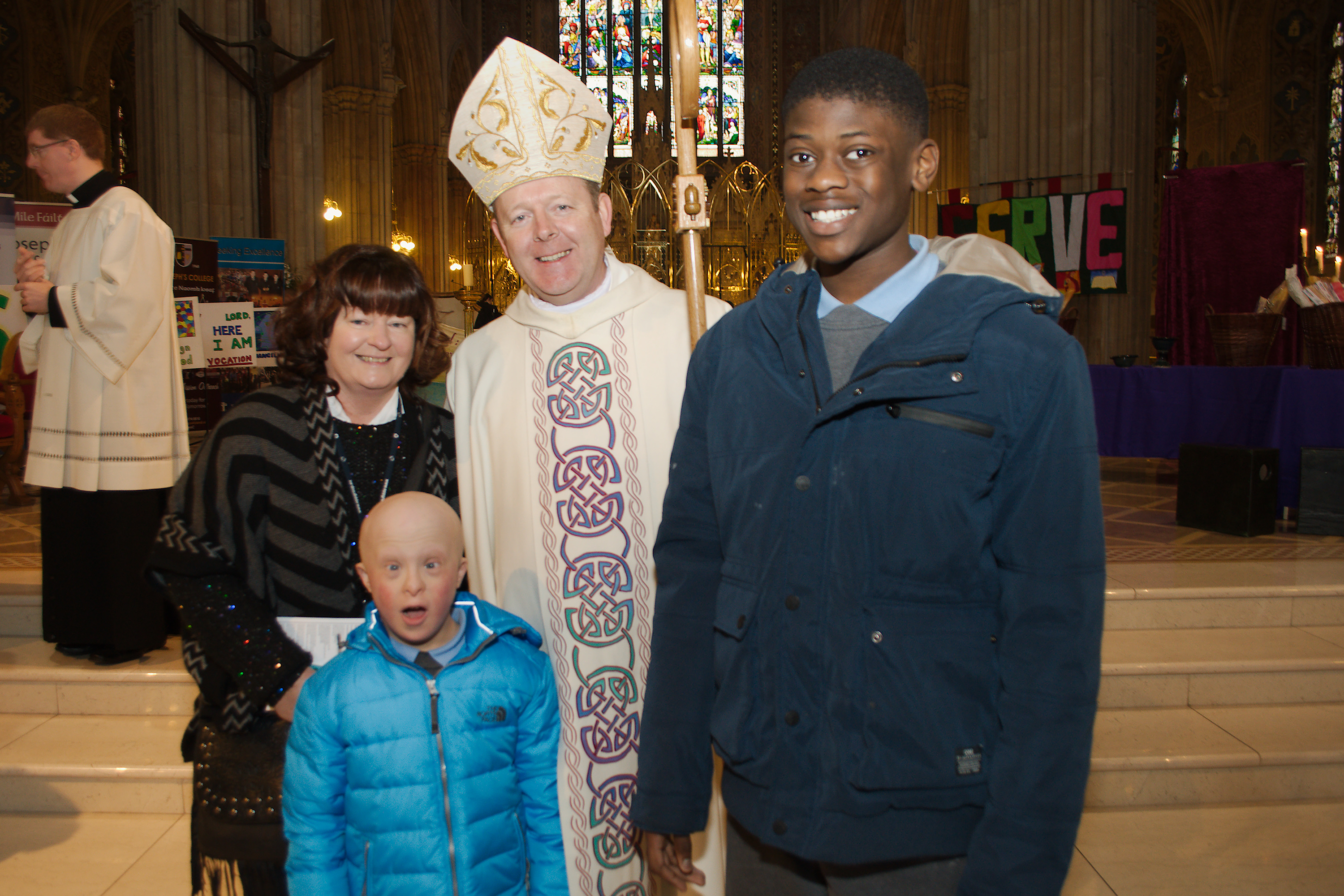
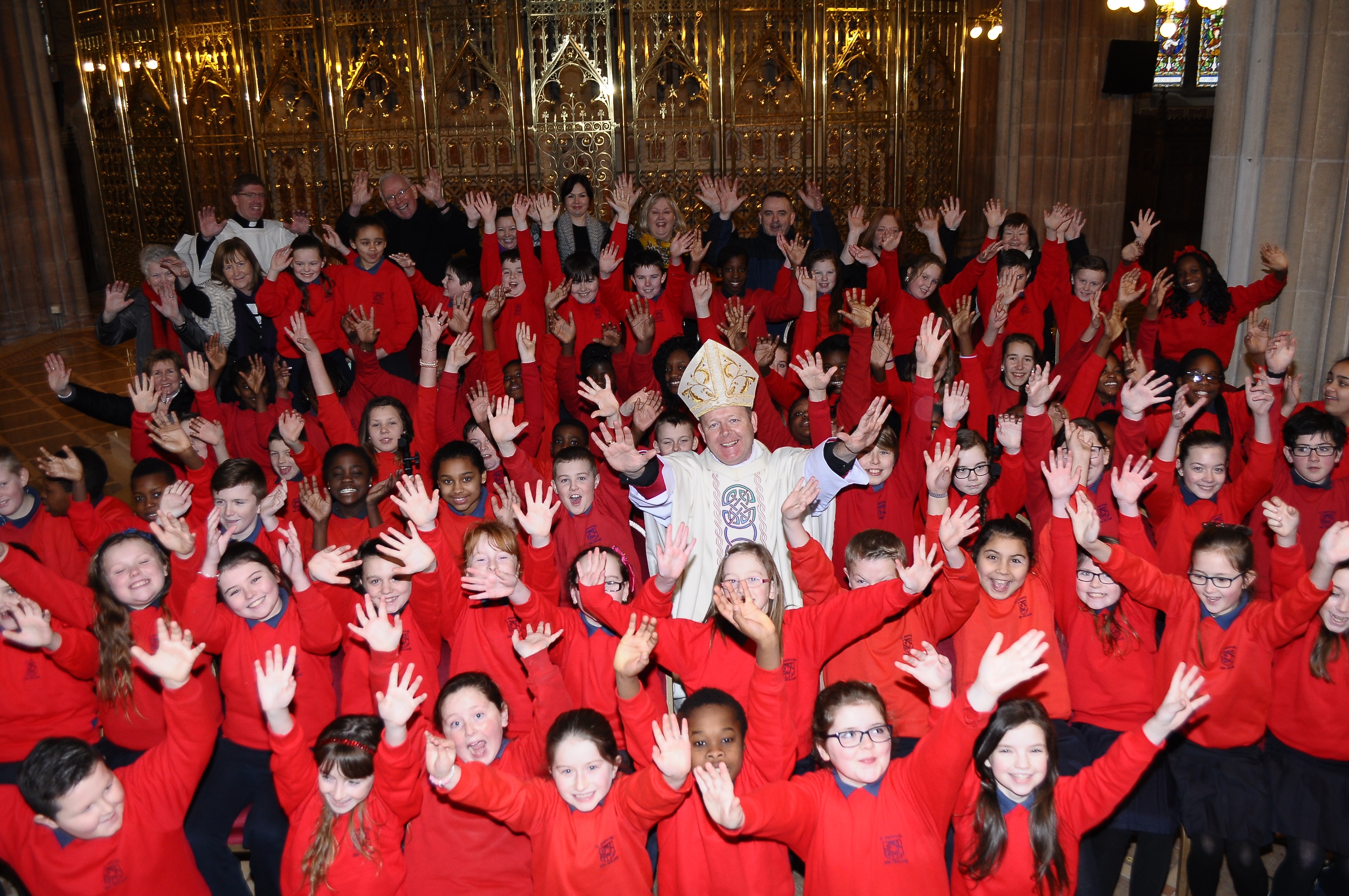
The angel said to the shepherds: ‘Do not be afraid, I bring you news of great joy. Today is born for you in the city of David a Saviour who is Christ the Lord’.
This Christmas I am heartened by the news from Stormont that our politicians have made progress in removing some of the stumbling blocks obstructing the path to lasting peace. It is good to see ‘Heads of Agreement’ rather than ‘Headlines of Disagreement’ emerging from the talks. We know there is still much work to be done, but I thank all who have been working hard to achieve and underpin these new steps towards a better future for us all.

It is important to hope and to believe that peace is possible. We all have a part to play in supporting and affirming peace. We must work to ensure that cynicism or negativity do not cause the strands of agreement to unravel. So tonight I thank God for the progress that our politicians have made and I pray that in the New Year they will continue to show courage, leadership and commitment in bringing us further forward.

In the name of Christ, the Prince of Peace, I pray that we will all have the courage to be missionaries of peace and play our part in spreading the light and peace of Christ from heart to heart, from person to person in our homes, communities and world this Christmas.

The Bethlehem Peace Light Prayer

Light of Bethlehem: burn brightly in our hearts this Christmas;
Light of Peace: heal the bitter wounds in our community; show us the path of forgiveness and love;
Light of Joy: fill our homes with happiness – cast out the darkness of conflict or worry;
Light of Comfort: strengthen the sick, the needy, prisoners and all those who cannot be at home on Christmas Day;
Light of Hope: guide our way forward as we begin a New Year;
Light of the World: teach us to love you more and more each day;
Light of Bethlehem: shine in our lives this Christmas and always.
Amen.

Happy Christmas, and may God bless you all. Amen.

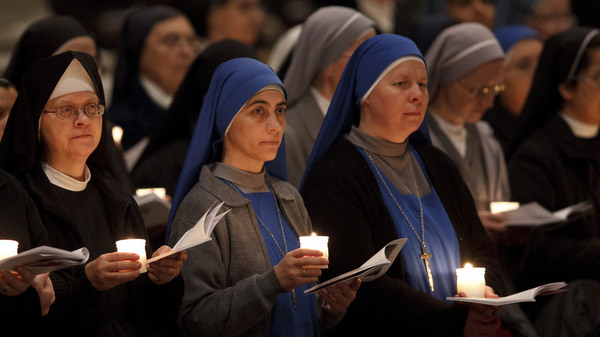
Prayer for Year of Consecrated Life

November 2014 – February 2016

Loving God, continue to bless those men and women who have answered your call to serve you in Consecrated Life. You have enriched our world by these people who live the present with passion, so they can help others to realise the beauty and joy of following Christ, and who embrace the future with hope.

May your Holy Spirit breathe new life and vision into your people and may those whom you call to Consecrated Life answer with willing and generous hearts.

We pray as always through Christ our Lord, Amen