Saturday, December 27, 2025
Home Blog Page 74

Diocesan Appointments

Archbishop Eamon has announced the following important appointments in the Archdiocese of Amagh with immediate effect:


Fr Eugene Sweeney, PP, Loughgall, has been appointed as Vicar General of the Archdiocese of Armagh;


Dean Colum Curry, PP, Dungannon, continues in his appointment as Vicar General of the Archdiocese of Armagh;


Fr Christy McElwee (IC) has been appointed as Curate in the parish of Carlingford and Omeath. Fr Christy will be accompanied by Fr Oliver Stansfield (IC) who will reside with him at the Parochial House in Omeath.

Statement by the Catholic Bishops of Northern Ireland on the future of Adoption Services with the Catholic Church

“It is unreasonable for legislators to oblige faith based organisations to act against their fundamental and reasonable religious beliefs in the provision of services that contribute to the common good.”

The Catholic Bishops of Northern Ireland announce, with regret, that the long established relationship between the Catholic Church and the adoption services provider The Family Care Society (NI) will come to an endThe agency has offices in Belfast and Derry:

Our announcement follows the outcome of a judicial review of adoption law in Northern Ireland initiated by the Northern Ireland Human Rights Commission in 2011. Ruling on the case in October 2012 the High Court determined that couples in Northern Ireland who are not married, those in civil partnerships, and same-sex couples could, for the first time, apply to adopt. This judgement was subsequently upheld by the Court of Appeal in June 2013. An application by the Department of Health to the UK Supreme Court seeking leave to appeal the Court of Appeal judgement was turned down in December 2013. As a result the Family Care Society is now legally obliged to receive and process applications in accordance with the new and wider interpretation of adoption law established by the High Court decision.

Regrettably, this development leaves us in the same position as that faced by the Catholic Bishops of England and Wales some years ago when, given the legal obligation to apply policies that are contrary to Catholic teaching and ethos, they were left with no option but to disengage from the adoption agencies they had founded and with which they had a long and cherished link. Since the provision of adoption services in Northern Ireland now also involves acting against the Church’s teaching and ethos, we too have no option but to end the long established relationship between the Church and The Family Care Society (NI).

We believe equality would be best served by support for a diversity of adoption providers, with reasonable accommodation in law for those adoptive parents who value the support of an agency with a particular religious ethos. We lament the fact that the Family Care Society (NI)is no longer free to provide adoption services consistent with a Catholic ethos, valued by so many adoptive parents over the years. The law now makes it impossible for this agency to continue with the support it has enjoyed up to now from the Church.

We are concerned that many Christians and others will see this development as a further erosion of their fundamental right to exercise freedom of conscience and religion in the public square. Reasonable accommodation of religious conscience in public policy and legislation ought to be the very hallmark of an authentically diverse, equal and pluralist society. It is unreasonable for legislators to oblige faith based organisations to act against their fundamental and reasonable religious beliefs in the provision of services that contribute to the common good. Religious freedom cannot be restricted to matters of private thought or worship. Pope Francis has spoken about a “false concept of tolerance” that “ends in persecuting those who defend the truth… and its ethical consequences”(1).  Many Christians and others believe the pendulum has swung too far, and that a calm, rational debate about rebalancing the rights of citizens in terms of greater respect for freedom of conscience and religion is urgently needed. We support the call for such a debate.

In conclusion, we wish to commend the professionalism and dedication of the staff of The Family Care Society and to thank them for their immense contribution to the good of children and society as the largest specialist adoption agency in Northern Ireland. We will continue to support the Family Care Society over the coming months as its Board decides how to respond to the new legal situation, on the understanding that Church funds will be used only for purposes consistent with the Church’s doctrine and ethos.

  • Address of Pope Francis to the Conference on ‘International Religious Freedom and the Global Clash of Values’, 20 June 2014.

Notes to Editors

  • The Family Care Society (NI) was formed in 1998 from The Catholic Family Care Society (NI)  established in 1989 by the Northern Catholic Bishops to provide Adoption and Child Care Services formerly carried out by the Sisters of Nazareth Adoption Society, Derry and the Down and Connor Family Welfare Society, Belfast, both of which operated in Northern Ireland since 1921.
  • The Society has offices in the Derry Diocesan Pastoral Centre, Bishop Street, Derry and the Down and Connor Good Shepherd Centre, Ormeau Road, Belfast. The Society regularly promotes its services through Catholic parishes across Northern Ireland.                                                

For media contact: Catholic Communications Office Maynooth: Martin Long 00353 (0) 86 172 7678 and Brenda Drumm 00353 (0) 87 310 4444

The meaning of Marriage

At a media conference on 3 December 2014 at Columba Centre, Saint Patrick’s College, Maynooth, Bishop Liam MacDaid, chairman of the Council for Marriage and Family, along with Bishop Kevin Doran, Bishop of Elphin, officially launched the pastoral statement The Meaning of Marriage on behalf of the Irish Catholic Bishops’ Conference. Click below for audio from the media conference. Click here for the remarks of Bishop Liam MacDaid and Bishop Kevin Doran at the media conference.


The pastoral statement advises the faithful that “to redefine the nature of marriage would be to undermine it as the fundamental building block of our society.  The Church seeks with others to reaffirm … that marriage should be reserved for the unique and complementary relationship between a woman and a man from which the generation and upbringing of children is uniquely possible.”

Bishops encourage everyone to read The Meaning of Marriage which is currently being distributed to over 1,300 parishes throughout the island.

Below please find links to a pdf version of The Meaning of Marriage in English and Irish, a word version and prayers for marriage and the family:

Prayers for Marriage and Family

God’s Plan for Our Marriage and Family

As we answer God’s call
in our vocation
in the Sacrament of Marriage
to follow Christ and to serve
the kingdom of God in our married life,
we ask, in and through the concreteness of
events, problems, difficulties and circumstances
of everyday life, that God will come to us,
guiding us and enlightening us as we share
Christ’s love with one another, in our family life,
at work, in our neighbourhood, in our
contributions to society
and in the life and worship of our parish.

AMEN

Inspired by John Paul II, Familiaris Consortio (51),
from The Family Prayer Book

Pope Francis’ Prayer to the Holy Family 

Jesus, Mary and Joseph,
in you we contemplate
the splendor of true love,
to you we turn with trust.

Holy Family of Nazareth,
grant that our families too
may be places of communion and prayer,
authentic schools of the Gospel
and small domestic Churches.

Holy Family of Nazareth,
may families never again
experience violence, rejection and division:
may all who have been hurt or scandalized
find ready comfort and healing.

Holy Family of Nazareth,
may the approaching Synod of Bishops
make us once more mindful
of the sacredness and inviolability of the family,
and its beauty in God’s plan.

Jesus, Mary and Joseph,
graciously hear our prayer.

AMEN

Pope Francis provided the prayer for the Synod of Bishops on the Family in his Angelus address on the Feast of the Holy Family 29 December 2013.

ADYC celebrates successful young adult event

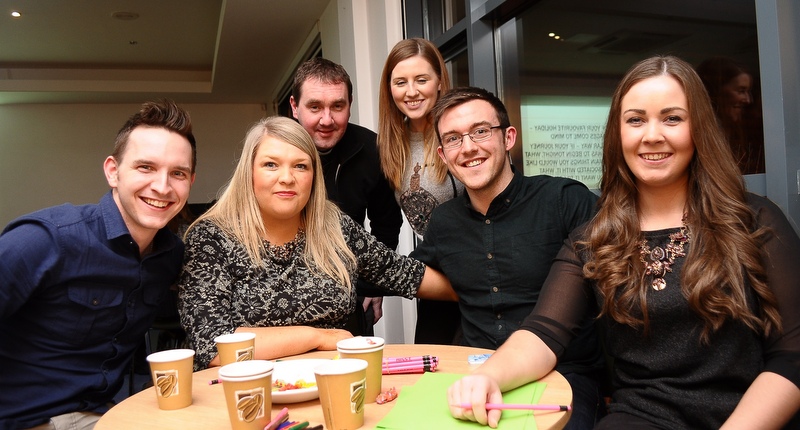
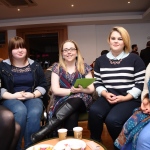
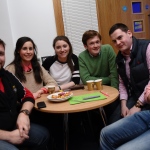
On Friday 28th November, over 50 young adults from across the diocese gathered in Newry Conference and Banqueting Centre hosted by ADYC and accompanied by Archbishop Eamon.  The idea was born from an ADYC meeting with Archbishop Eamon, there was discussion around the development of young adults and how the commission would gather 20 – 35 years olds to have a listening exercise.  The evening was a sharing element to see what young Catholics want from their faith, and as a youth commission try to make these ideas a reality.

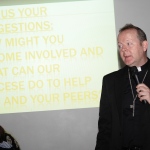
Archbishop Eamon opened the evening sharing his vision for young adults and the importance they can play in our Church.  The evening continued with a series of workshops that was designed by the youth commission to actually see the vision of the young adults and how this may be developed.

The evening ended with Archbishop Eamon sharing his thoughts from the workshops.  later he tweeted that he found the whole experience “Stimulating”. He encouraged all young adults that they all have a role to play and our Church needs them. There was an opportunity for the young adults to ask the Archbishop some questions they may have and we concluded together with prayer.

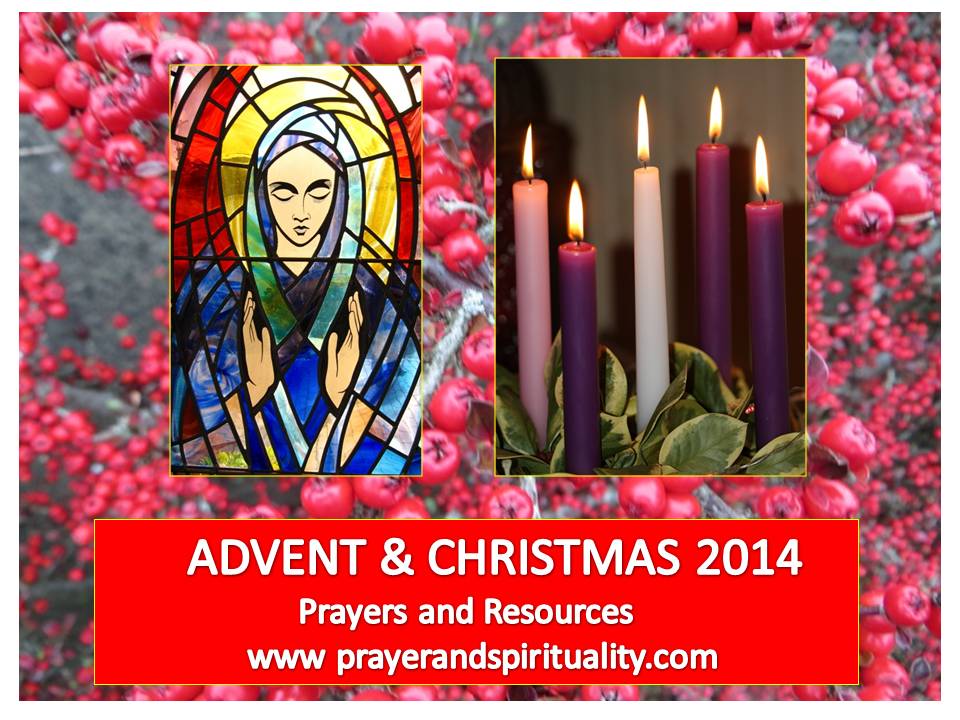
Advent & Christmas Resources

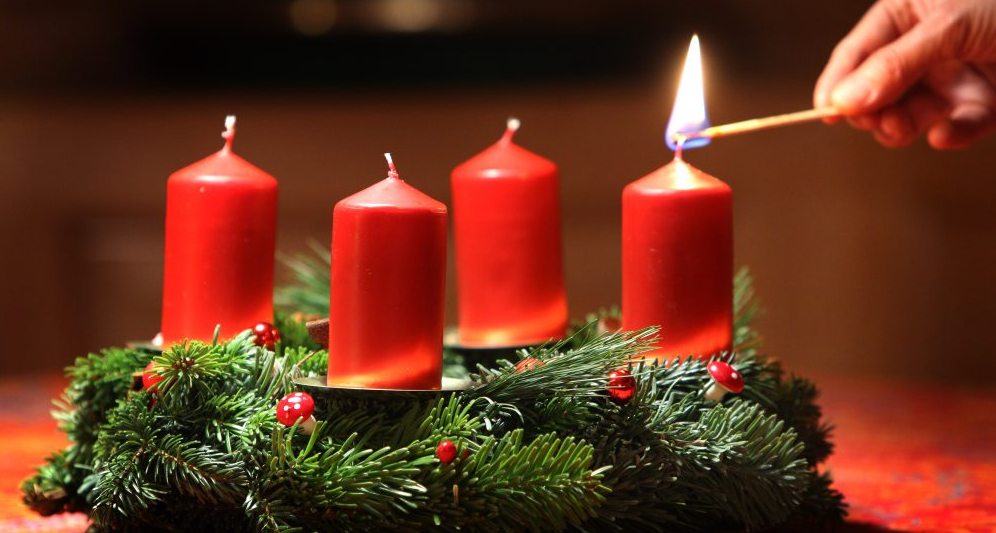
Find below a selection of Advent prayer resources that you may find useful in your parish, school or local community.

Advent Slide for WEB (PDF)

Advent slide (powerpoint)


Also our diocese websites have great resources too:

http://www.prayerandspirituality.com/viewnews.php?id=84

http://www.prayerandspirituality.com/viewnews.php?id=85

ADVENT & CHRISTMAS 2014


Advent slide

Homily of Archbishop Eamon Martin at Mass to mark the beginning of Prisons Week in Northern Ireland

  • The Stocktake Report is an opportunity to make further progress in resolving the outstanding issues – and to cooperate in addressing the concerns of prisoners, families and staff – that have led to tension in recent years
  •  Prisons cannot be seen by society as mere “dumping grounds” for those who deserve no better.  Ideally our prisons should be places of redemption, renewal, and hope
  • The legacy of crime, especially any type of sexual or violent crime, can have long-lasting consequences for the person concerned and for their families


Last year it emerged that at some of his morning Masses at the Vatican, Pope Francis was using Communion hosts made by a thirty-eight year old woman prisoner at the San Martin Penitentiary outside Buenos Aires.  Pope Francis seems to have a special place in his heart for prisoners.  During his time as Archbishop of Buenos Aires he regularly visited the prisons to say Mass.  We all remember those touching scenes from his first Holy Thursday when he visited a juvenile detention centre in Rome and bent down to wash the feet of the young offenders of all faiths and none.  Pope Francis reminds us not to forget about prisoners and to pray that the Lord will help them overcome this difficult period in their lives.

“No cell is so isolated that it can keep the Lord out,” Pope Francis says.

Today marks the beginning of Prisons Week and I invite you to think in a special way about those who are in our own prisons here in Ireland.  A woman said to me over the summer: “Archbishop Eamon, why do you not pray more often at Mass for prisoners?”  It is true.  As followers of Jesus who came to bring Good News to the poor and to proclaim liberty to captives, we could all do more to think about those who must live their lives without the freedom that we all enjoy.  I know that prison is society’s way of punishing people for serious wrong doing, and we ought never to forget the many victims of crime who have suffered, or give the impression that we excuse these crimes.  Still, caring for our prisoners – and about the conditions in which they are being held – is a Christ-like thing to do.

Not long ago, and just before taking up my responsibilities as Archbishop, I visited Maghaberry prison, just twenty-five miles from where we are in Armagh.  When I visit a prison I always leave with a sense of sadness for those who must spend time there, and with regret at the waste of talent and opportunity that prisons represent.  In some ways our prisons reflect back to us the problems of society and the shadow side of life which we might prefer to keep out of sight and out of mind.  The problems experienced in society are often experienced even more intensely in prisons, like bullying, intimidation, addiction, isolation and hopelessness.  Sometimes we forget that prisoners themselves are women and men with families and children who care about them and who miss them.

It is vital that our prisons are sufficiently well resourced in terms of expertise and services to respond to the many needs that are there.  Prisons cannot be seen by society as mere “dumping grounds” for those who deserve no better.  Ideally our prisons should be places of redemption, renewal, and hope, where lives can be changed and turned around for the better.

Here in Northern Ireland there are aspects of our prison system which still reflect the legacy of our troubled and divided past.  Just this week the Stocktake Report into the prison regime in Maghaberry was published, and I believe it offers space and hope for an end to the long running tensions within the prison.  I encourage all those involved to see the Stocktake Report and its recommendations as an opportunity to make further progress in resolving the outstanding issues – and to cooperate in addressing the concerns of prisoners, families and staff – that have led to tension in recent years.

As a society we owe a debt of gratitude to those who work in prisons in all sorts of different roles.  An essential aspect of their work is to ensure that the dignity of prisoners is respected at all times.  In turn, they must be able to do their work safely and without threat to themselves and their families.

During my recent visit I witnessed at first hand the vital work of the prison chaplains, who are dedicated to providing for the spiritual, pastoral and practical needs of prisoners, their families and the staff.  Please give thanks to God and pray this week for our prison chaplains. Our chaplains work every day to bring the warmth of hope to all those associated with prison life.

We all need encouragement and hope from time to time and this is especially true for our prisoners and their families who can be feeling fine one day, but very down the next.  Saint Paul wrote to the Thessalonians: “So speak encouraging words to one another.  Build up hope so you’ll all be together in this, no one left out, no one left behind” (1 Thessalonians 5:11).

Of course we should not forget this week those who have been the victims of crime in our society.  The legacy of crime, especially any type of sexual or violent crime, can have long-lasting consequences for the person concerned and for their families.  Survivors of such dreadful crimes need reasons for hope.  They too need help, expertise and resources to help them to make the journey to hope.  I invite you to pray with me The Prisons Week Prayer:

Lord, you offer freedom to all people.
We pray for those in prison.
Break the bonds of fear and isolation that exist.
Support with your love prisoners and their families and friends, prison staff and all who care.
Heal those who have been wounded by the actions of others, especially the victims of crime.
Help us to forgive one another, to act justly, love mercy and walk humbly together with Christ in his strength and in his Spirit, now and every day.
Amen

Camino comes to Drogheda – St Oliver’s pilgrim walk of Drogheda

websiteOn Friday and Saturday 29 & 30 May 2015, a Camino route will be established in Drogheda. It will contain the essentials of the Church tradition in that it will start at Our Lady of Lourdes Hardman’s Gardens and progress via St Peter’s Church of Ireland, St Augustine’s in Shop Street, St Mary’s and Holy Family Churches on the south-side of the town, St Mary Magdalen of the Dominican’s and conclude at St Peter’s in West Street, the primary repository of the relics of St Oliver Plunkett. The walk is 3.2 km (2 miles) and can be done within any time limit, or indeed over the two days. It is geared for all ages, schools, those who will saunter, the brisk and the jogger. Indeed one of the local schools (St Olivers) will be providing essential logistic infrastructure, DIFE are giving us the technical support. The Girl Guides and Boy Scouts are helping at the churches.

The walk will start at the Lourdes Church at 10am and that Church will close at 4pm. St. Peter’s will close at 5.30pm on each day. There are no rules. You can take as long as you want, stop when you want. You can even do it on a bike (within times above). Confessions will be available at various times in the churches on the route (see web site for details) There will obviously be a mix of town and urban walking as well as time to appreciate the history and religious architecture of the various churches involved. There will be a nominal fee charged for participation which will cover the cost of the passport, (max charge E3) given at the start and containing: details of the walk, a general history of each of the building visited, a map of the route. This passport will be stamped with the official stamp for each church and provides pilgrims with a record of where they visited. A certificate of accomplishment will be given to each pilgrim on completing the Way. Schools are asked to register each pupil before the walk so as these certificates can be ready.

The project organizer, Mr. Michael Mulroy of the Knights of St Columbanus, said that “this was an innovative way for locals and tourists to get to know the Christian heritage of our Town. It will also be a worthy backdrop to the 2015 Festival of Prayer in honour of St Oliver, the last Catholic martyred for his faith in Ireland or England. However we feel that this camino will appeal to all ages and creeds and indeed those with no faith”. So get your walking shoes ready or indeed the bike, May is just around the corner!!

All information can be seen on www.stoliverswalk.com, face book stoliverswalk, or contact us on [email protected]


Camino

Camino de Santiago de Compostela

(Way of Saint James)

Background

Of Jesus’s twelve apostles, perhaps less is known about Saint James than any other. The brother of John, he was known for his temper and for being one of Jesus’s first followers, and as the first to be martyred. Little is known about his travels or ministry after Christ’s resurrection, but Spanish legend holds that James brought the Gospel to the Iberian Peninsula, although with little success. After James returned to the Holy Land, he was decapitated in 44 A.D, by order of Herod Agrippa. His disciples are said to have smuggled his body to the coast, and put to sea on a boat without sails or oars. Somehow, the boat made its way across the Mediterranean and up the Atlantic coast, arriving at Pardón in Galicia, from where his body was taken and buried in the town that would ultimately come to bear his name, Santiago de Compostela.

Almost eight centuries later, in 813, a hermit named Pelayo had a vision of a star shining brightly upon a nearby field, and digging there he found the long-forgotten bones of Saint James. Gradually, the cult of Santiago grew, and by the twelfth century Santiago had been propelled to the forefront of the Christian world as a major pilgrimage destination, on par with Rome and Jerusalem. A plenary indulgence could be gained by those who made the long pilgrimage to worship at the bones of St James in Santiago’s cathedral. The first guidebook was published in the 1130s, and it is widely reported that Saint Francis made the pilgrimage in 1214, then walked back to Assisi, arriving in 1215.

The Camino Today

After the middle ages, the pilgrimage almost died out, with only a few pilgrims arriving at Santiago each year by the 1980s. However, the last few decades have seen a huge resurgence in interest in this ancient route, and now thousands make the journey each year. They take one of dozens of pilgrimage routes to Santiago de Compostela. Traditionally, as with most pilgrimages, the Way of Saint James began at one’s home and ended at the pilgrimage site. However a few of the routes are considered main ones. Whenever St. James’s Day (25 July) falls on a Sunday, the cathedral declares a Holy or Jubilee Year. Depending on leap years, Holy Years occur in 5, 6 and 11-year intervals. The most recent were 1982, 1993, 1999, 2004 and 2010.

The most popular route is the inland Camino Francés, which in 2010 saw 190,000 awarded the Compostela, the certificate granted at Santiago to those who successfully completing a pilgrimage of at least 100Km on foot, or 200Km by bicycle or donkey. By comparison, the costal route, the Camino del Norte, had 18,000 pilgrims, and the Camino Primitivo had 8,000. A unique element of the Camino is the pilgrim passport, or credenciál, which identifies you as a pilgrim, or peregrino, and entitles you to accommodation at nominal rates at the dorm-style Alburges along the route. Pilgrims typically walk 20 to 30 KMs per day, starting around 7 A.M. and finishing mid-afternoon. Each Alburge, and most restaurants, cafes and churches, will stamp your credenciál as you pass, leaving you with a unique personalized memento of your trip. A popular local saying is “Touristas Manden; peregrinos agradecen” (“tourists demand; pilgrims give thanks”), a good mantra to adopt for such a journey, and perhaps to keep with you afterwards.

The Camino can be walked at any time, although accommodation is easier to find from March to September, and it can be walked any year, and the Holy Years can be quite busy. The next Holy Years will be 2021, 2027 and 2032, so get ready, and Buen Camino!

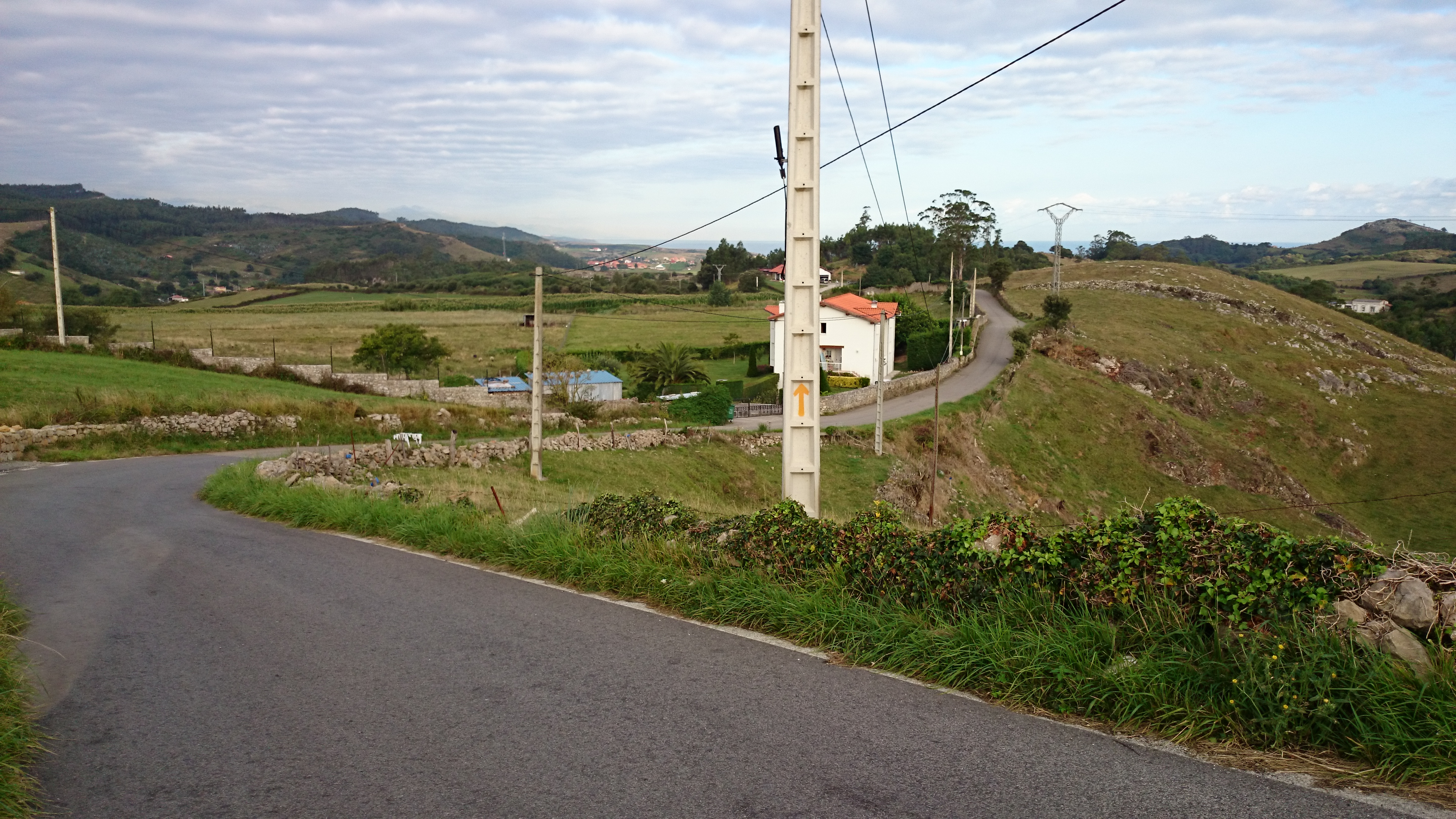
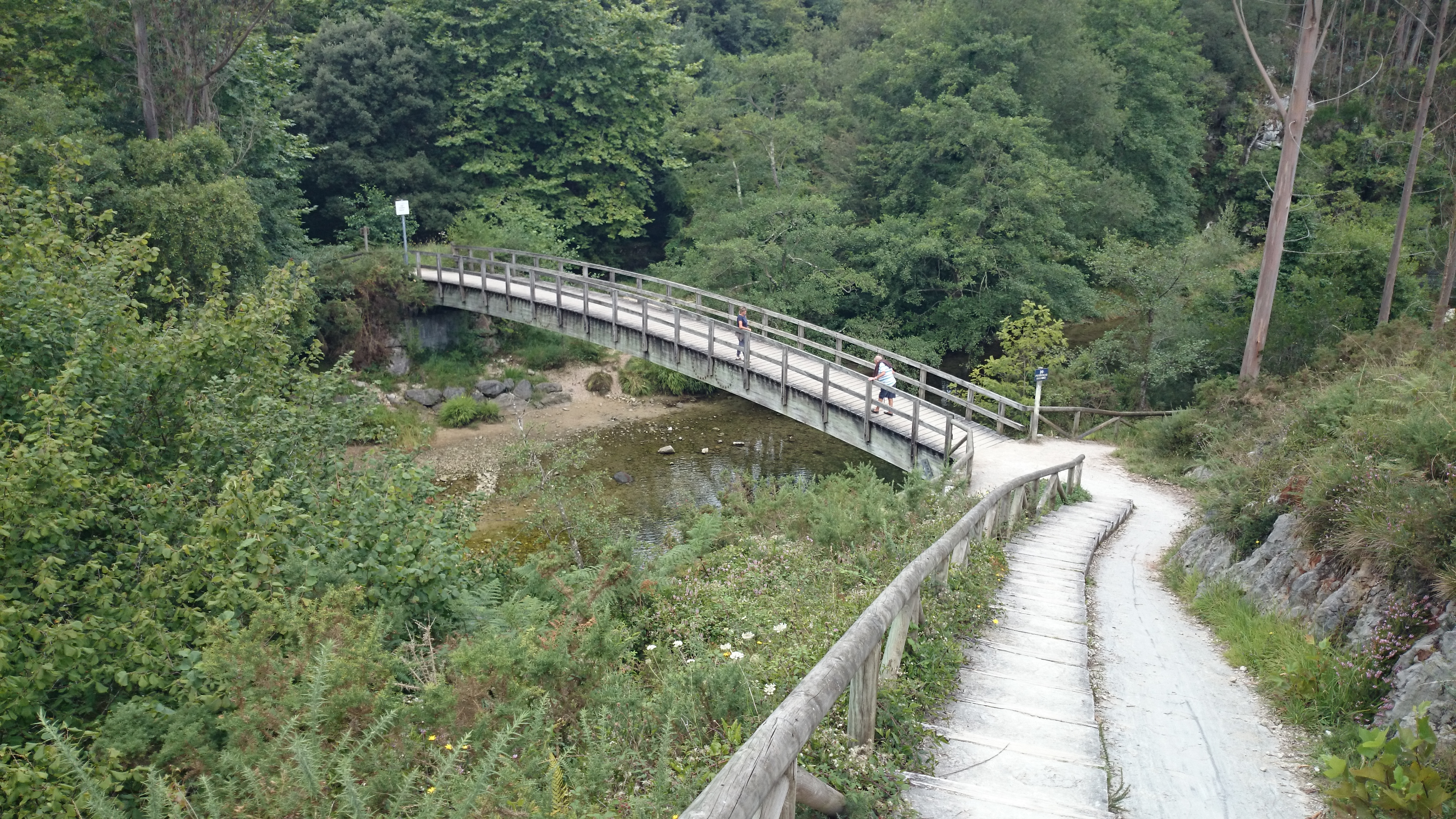
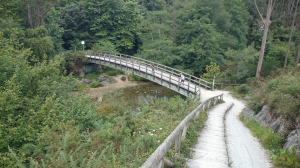
Camino del Norte: note yellow arrow marking the Way.
camio

A forested section of the Camino del Norte.
camio 2

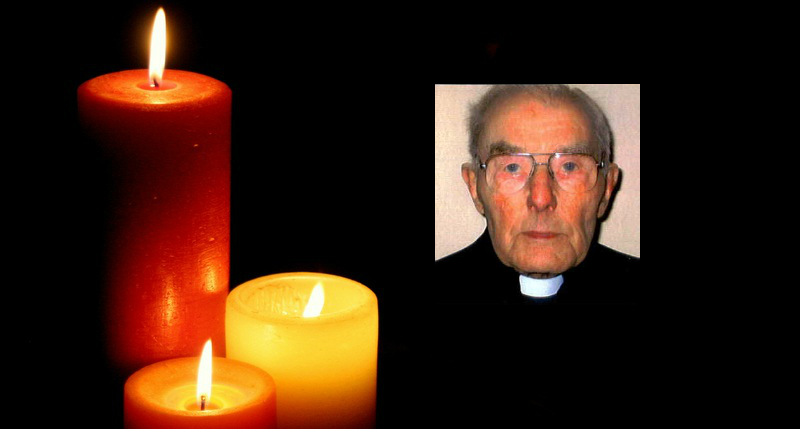
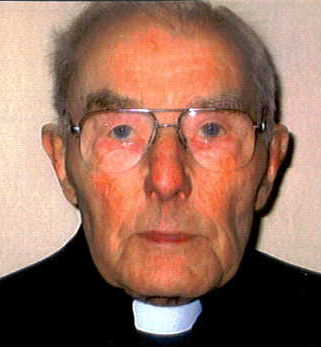
Death of Very Rev Canon Michael Ward PE

Ward Michael

The Archdiocese of Armagh is sad to announce the death on Friday, 24 October 2014  of Canon Michael Ward PE, peacefully, at his residence.  Funeral arrangements are as follows:

Reposing at 6 Augherainey Close, Donaghmore, Co Tyrone, BT70 3HF;

Removal on Saturday, 25 October to the Church of St John the Baptist, Galbally (Parish of Donaghmore) for Vigil Mass at 7.30 pm;

Requiem Mass on Monday, 27 October at 1.00 pm;

Burial afterwards in St Patrick’s Cemetery, Donaghmore.

Our sympathies are with his family circle, brother priests and his housekeeper, Ms Betty McGarrity. May he rest in peace.

Homily of Archbishop Eamon Martin at Mass for the universal intentions of Pope Francis for peace in the world

Up until 1914 not many people, outside of Belgium, had ever heard of the city of Ypres. But during World War One, the city of Ypres, or ‘Wipers’ as it was nicknamed, became the scene of some of the most ferocious and bloody fighting of the war. The miles upon miles of trenches dug there became synonymous with the pointless death and destruction of war. One million, seven hundred thousand soldiers were killed or wounded near Ypres.

Last month Pope Francis visited the war cemetery at Redipuglia in Italy to mark the centenary of the beginning of the war. He recalled how his own grandfather, Giovanni Bergoglio, who had fought near there, had been left with bitter and painful memories for the rest of his life. Pope Francis gave a powerful sermon that day. The Holy Father said, “War is madness … war destroys. It ruins the most beautiful work of God’s hands: human beings. War ruins everything, even the bonds between brothers. War is irrational; its only plan is to bring destruction.”

We gather this evening to join in prayer for the universal intentions of Pope Francis – for peace in the world and for dialogue among the nations. I am grateful to Her Excellency, Ambassador Alicia Castro of Argentina for encouraging us to gather in this way to honour the Pope’s wishes. The prayer intentions for peace and dialogue have been close to the Holy Father’s heart since his election as pope last year. He speaks out often for peace and justice and he has already taken courageous initiatives to draw attention to the futility of war and to the way that so many innocent children, women and men have had their livelihoods destroyed in horrific conflicts all over the world.

Just this week at the Synod on the Family in Rome, the bishops, gathered with Pope Francis, expressed their “pastoral concern and profound closeness” to all families who suffer as a consequence of war. In particular, they remembered “Iraqi and Syrian families, forced on account of their profession of the Christian faith or their belonging to other ethnic or religious communities, to abandon everything and flee towards a future without any form of certainty.”

One of my favourite photographs of Pope Francis shows him, with a big smile on his face, releasing a white dove into the sky above Saint Peter’s. It’s a beautiful image of freedom, peace, and hope, and I can’t help thinking that Pope Francis is calling all of us to be missionaries of freedom, peace and hope in the world. In choosing the name “Francis” for his pontificate, he wanted us to think of Saint Francis of Assisi, “the man of peace.” He challenges us to be, like Saint Francis, instruments of Christ’s peace in our day-to-day lives – to sow God’s love where there is hatred; God’s pardon where there is injury; to bring joy where there sadness; light where there is darkness; hope where there is despair. What a daunting but wonderful mission that is!

To be missionaries of peace, like Saint Francis and Pope Francis, we need courage – the courage which comes from God. Earlier this year, Pope Francis invited the Israeli President, Shimon Perez, and the Palestinian President, Mahmoud Abbas, to pray with him in the Vatican Gardens. Before praying he told them: “Peace-making calls for courage, much more so than warfare. It calls for the courage to say yes to encounter and no to conflict; yes to dialogue and no to violence.” He continued, “But such courage is beyond our own power, for ‘the evil one’ subverts the human efforts at peace.” That is why we need the help of God.

Much closer to home, I would like to pray this evening for our own political representatives as they begin a new round of talks as part of our continuing peace process. It will take courageous and creative leadership on their parts to move things forward, a leadership that has enough self-belief and commitment to the greater good to look beyond the next election or purely party-political interests. If we just keep on digging trenches for ourselves then there is a real risk that confidence in the ability of politics to resolve problems will be undermined. That is why I ask and pray that our politicians will have open minds and generous hearts during these talks, together with steady nerves and prudent speech. I appeal strongly to them on behalf of so many people to make the talks work this time. I am confident that many of us in the Churches and civic society stand ready to play our part in making their agreements work on the ground. I offer this prayer for all who are involved in the talks. It was written on 8 June by Pope Francis for peace throughout the world:

Lord God of peace, hear our prayer!
We have tried so many times and over so many years to resolve our conflicts by our own powers and by the force of our arms.
But our efforts have been in vain. Now, Lord, come to our aid!
Grant us peace, teach us peace; guide our steps in the way of peace.
Instil in our hearts the courage to take concrete steps to achieve peace.
Amen.