For further information about all our resources , please contact
Archdiocese of Armagh
Cathedral Road
Armagh
BT61 7QY
Tel: +44 (0) 28 3752 2045
Email: [email protected]
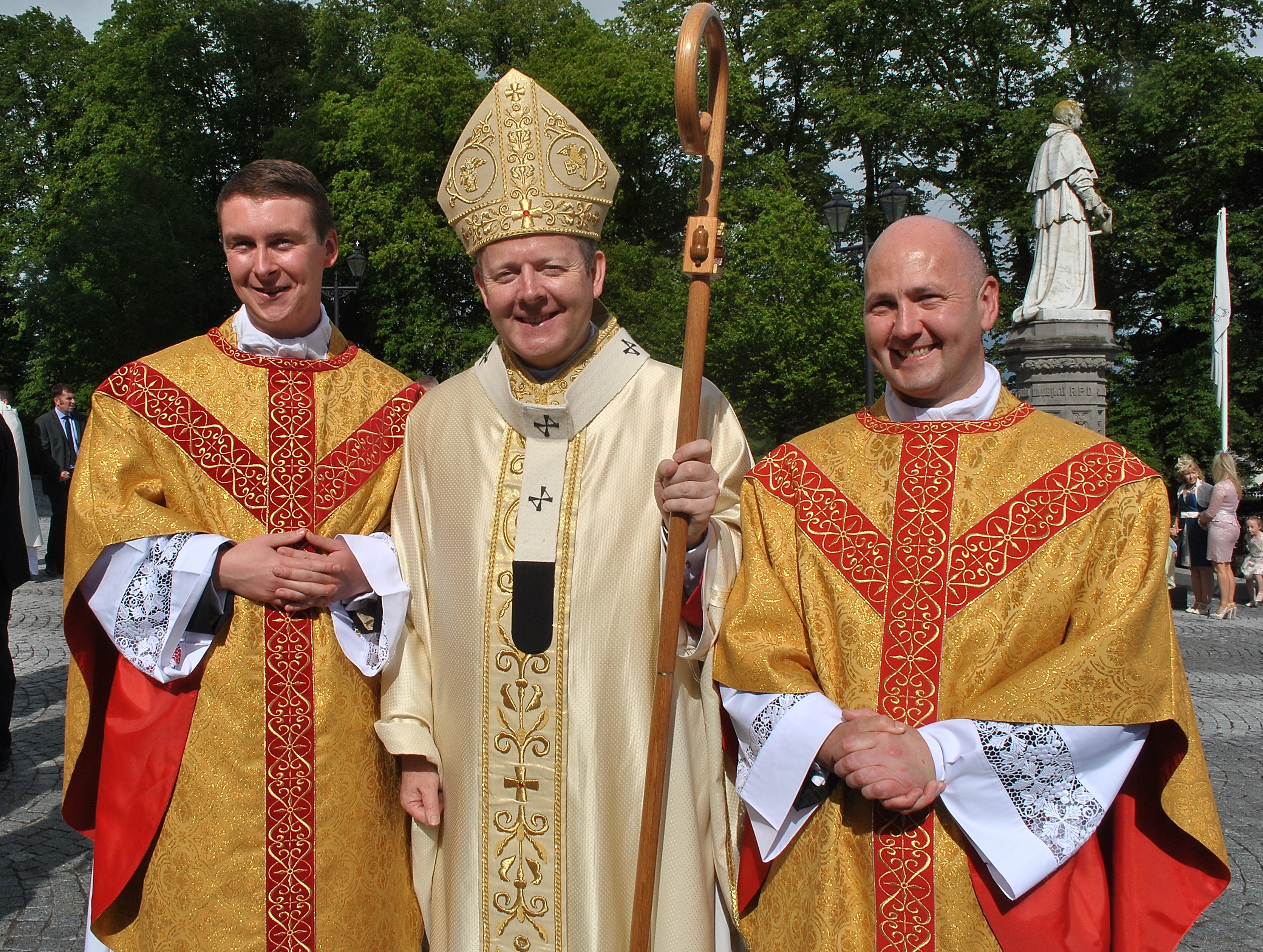
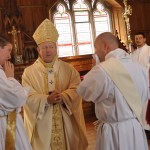
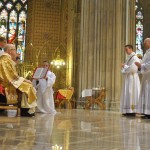
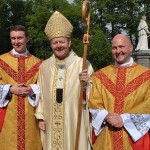
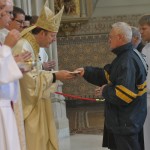
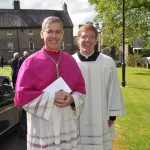
Fr Aidan McCann and Fr Brian Slater with Archbishop Eamon Martin after their ordination in St Patrick's Cathedral Armagh
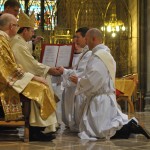
Ordination to the Preisthood of Brian Slater and Aidan McCann
St Patrick's Cathedral Armagh
5 July 2015
Credit: LiamMcArdle.com
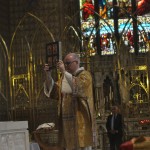
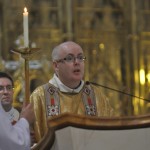
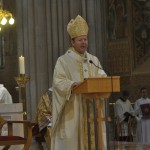
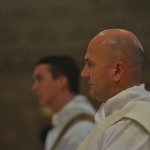
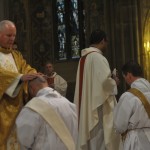
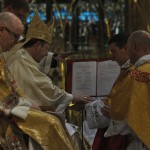
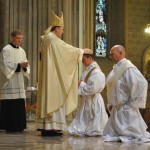
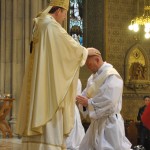
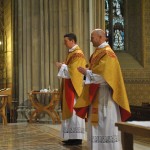
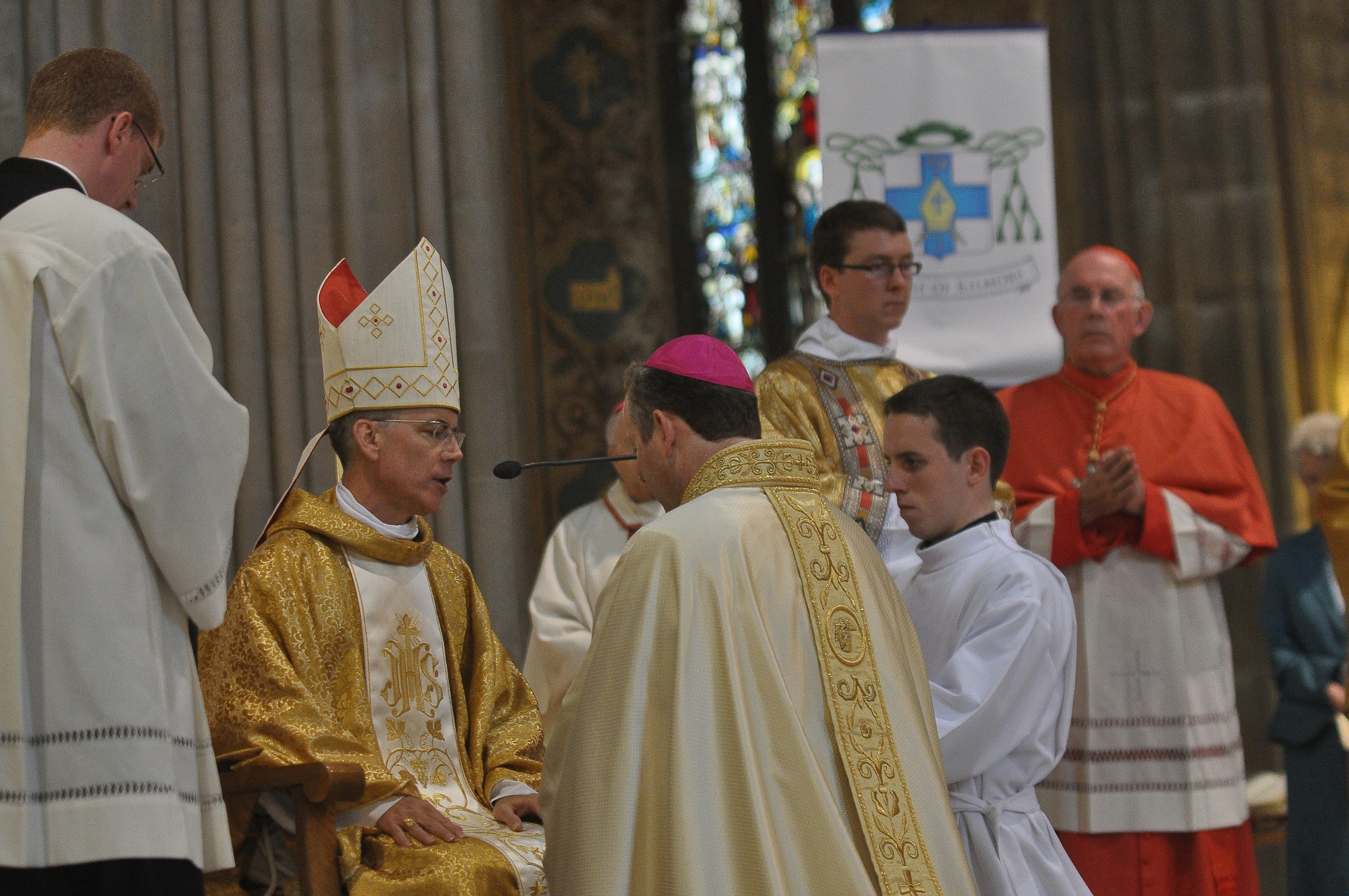
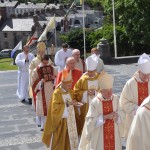
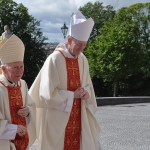
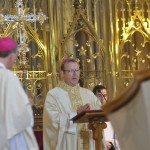
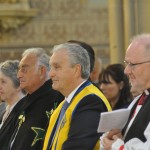
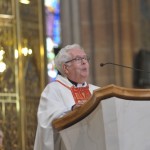
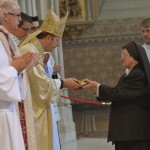
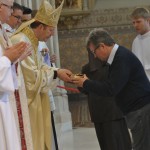
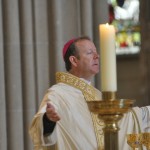
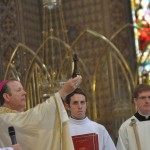
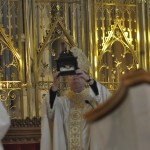
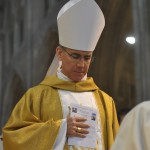
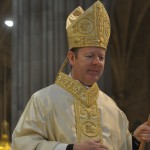
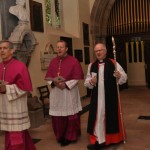
Congratulations to Fr Aidan McCann and Fr Brian Slater who were ordained to the Priesthood in St Patrick’s Cathedral on Sunday 5 July. Fr Aidan is from the parish of Cookstown and Fr Brian is from the parish of Coalisland and we wish both of them many years of happiness and fulfilment in their ministries. As we thank God for their vocations, we continue to pray for more vocations to priesthood and religious life at this time.
Ordination to the Preisthood of Brian Slater and Aidan McCann
St Patrick’s Cathedral Armagh
5 July 2015
Credit: LiamMcArdle.com
Ordination to the Preisthood of Brian Slater and Aidan McCann
St Patrick’s Cathedral Armagh
5 July 2015
Credit: LiamMcArdle.com
Ordination to the Preisthood of Brian Slater and Aidan McCann
St Patrick’s Cathedral Armagh
5 July 2015
Credit: LiamMcArdle.com
Ordination to the Preisthood of Brian Slater and Aidan McCann
St Patrick’s Cathedral Armagh
5 July 2015
Credit: LiamMcArdle.com
Ordination to the Preisthood of Brian Slater and Aidan McCann
St Patrick’s Cathedral Armagh
5 July 2015
Credit: LiamMcArdle.com
Ordination to the Preisthood of Brian Slater and Aidan McCann
St Patrick’s Cathedral Armagh
5 July 2015
Credit: LiamMcArdle.com
Ordination to the Preisthood of Brian Slater and Aidan McCann
St Patrick’s Cathedral Armagh
5 July 2015
Credit: LiamMcArdle.com
Ordination to the Preisthood of Brian Slater and Aidan McCann
St Patrick’s Cathedral Armagh
5 July 2015
Credit: LiamMcArdle.com
Ordination to the Preisthood of Brian Slater and Aidan McCann
St Patrick’s Cathedral Armagh
5 July 2015
Credit: LiamMcArdle.com
Ordination to the Preisthood of Brian Slater and Aidan McCann
St Patrick’s Cathedral Armagh
5 July 2015
Credit: LiamMcArdle.com
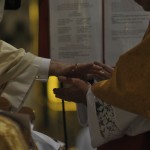
Archbishop Eamon Martin anoints the hands of Fr Aidan McCann and Fr Brian Slater at their ordination in St Patrick’s Cathedral Armagh
Ordination to the Preisthood of Brian Slater and Aidan McCann
St Patrick’s Cathedral Armagh
5 July 2015
Credit: LiamMcArdle.com
Archbishop Eamon Martin anoints the hands of Fr Aidan McCann and Fr Brian Slater at their ordination in St Patrick’s Cathedral Armagh
Ordination to the Preisthood of Brian Slater and Aidan McCann
St Patrick’s Cathedral Armagh
5 July 2015
Credit: LiamMcArdle.com
Ordination to the Preisthood of Brian Slater and Aidan McCann
St Patrick’s Cathedral Armagh
5 July 2015
Credit: LiamMcArdle.com
Archbishop Eamon Martin anoints the hands of Fr Aidan McCann and Fr Brian Slater at their ordination in St Patrick’s Cathedral Armagh
Ordination to the Preisthood of Brian Slater and Aidan McCann
St Patrick’s Cathedral Armagh
5 July 2015
Credit: LiamMcArdle.com
Ordination to the Priesthood of Brian Slater and Aidan McCann
St Patrick’s Cathedral Armagh
5 July 2015
Credit: LiamMcArdle.com
Ordination to the Priesthood of Brian Slater and Aidan McCann
St Patrick’s Cathedral Armagh
5 July 2015
Credit: LiamMcArdle.com
Ordination to the Preisthood of Brian Slater and Aidan McCann
St Patrick’s Cathedral Armagh
5 July 2015
Credit: LiamMcArdle.com
Ordination to the Preisthood of Brian Slater and Aidan McCann
St Patrick’s Cathedral Armagh
5 July 2015
Credit: LiamMcArdle.com
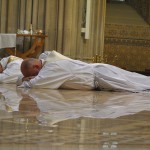
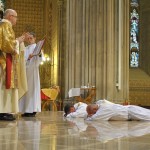
Reflection of the Priesthood! The reflections of Fr Aidan McCann and Fr Brian Slater are visible on the mable altar floor as they prostrate themselves before Archbishop Eamon Martin during their ordination in St Patrick’s Cathedral Armagh
Ordination to the Priesthood of Brian Slater and Aidan McCann
St Patrick’s Cathedral Armagh
5 July 2015
Credit: LiamMcArdle.com
Fr Aidan McCann and Fr Brian Slater prostrate themselves before Archbishop Eamon Martin during their ordination in St Patrick’s Cathedral Armagh
Ordination to the Priesthood of Brian Slater and Aidan McCann
St Patrick’s Cathedral Armagh
5 July 2015
Credit: LiamMcArdle.com
Archbishop Eamon Martin lays his hands on Fr Aidan McCann during his ordination.
Ordination to the Priesthood of Brian Slater and Aidan McCann
St Patrick’s Cathedral Armagh
5 July 2015
Credit: LiamMcArdle.com
Archbishop Eamon Martin lays his hands on Fr Brian Slater during his ordination.
Ordination to the Priesthood of Brian Slater and Aidan McCann
St Patrick’s Cathedral Armagh
5 July 2015
Credit: LiamMcArdle.com
Ordination to the Preisthood of Brian Slater and Aidan McCann
St Patrick’s Cathedral Armagh
5 July 2015
Credit: LiamMcArdle.com
Fr Aidan McCann and Fr Brian Slater with Archbishop Eamon Martin after their ordination in St Patrick’s Cathedral Armagh
Ordination to the Preisthood of Brian Slater and Aidan McCann
St Patrick’s Cathedral Armagh
5 July 2015
Credit: LiamMcArdle.com
Fr Aidan McCann and Fr Brian Slater, centre, with Archbishop Eamon Martin and seminarians Barry Matthews and Damian Quigley after their ordination in St Patrick’s Cathedral Armagh.
Ordination to the Preisthood of Brian Slater and Aidan McCann
St Patrick’s Cathedral Armagh
5 July 2015
Credit: LiamMcArdle.com
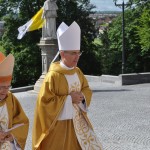
Investiture with the Pallium of Archbishop Eamon Martin
St Patrick's Cathedral Armagh
4 July 2015
Credit: LiamMcArdle.com
Saint Patrick’s Cathedral, Armagh, Saturday 4 July 2015
The pallium reminds me that God expects a lot from me, but He gives me all the grace I need to do His will, and to be prepared to sacrifice my own will and desires in order to follow His way.
But we will need to find a language of faith and truth which can speak in fresh and powerful ways about the depth of the love of Christ to those who are finding life increasingly shallow or despairingly empty of meaning and purpose.
We should not be altogether surprised if, like Jesus Himself, our message is completely rejected by some, even in our own country.
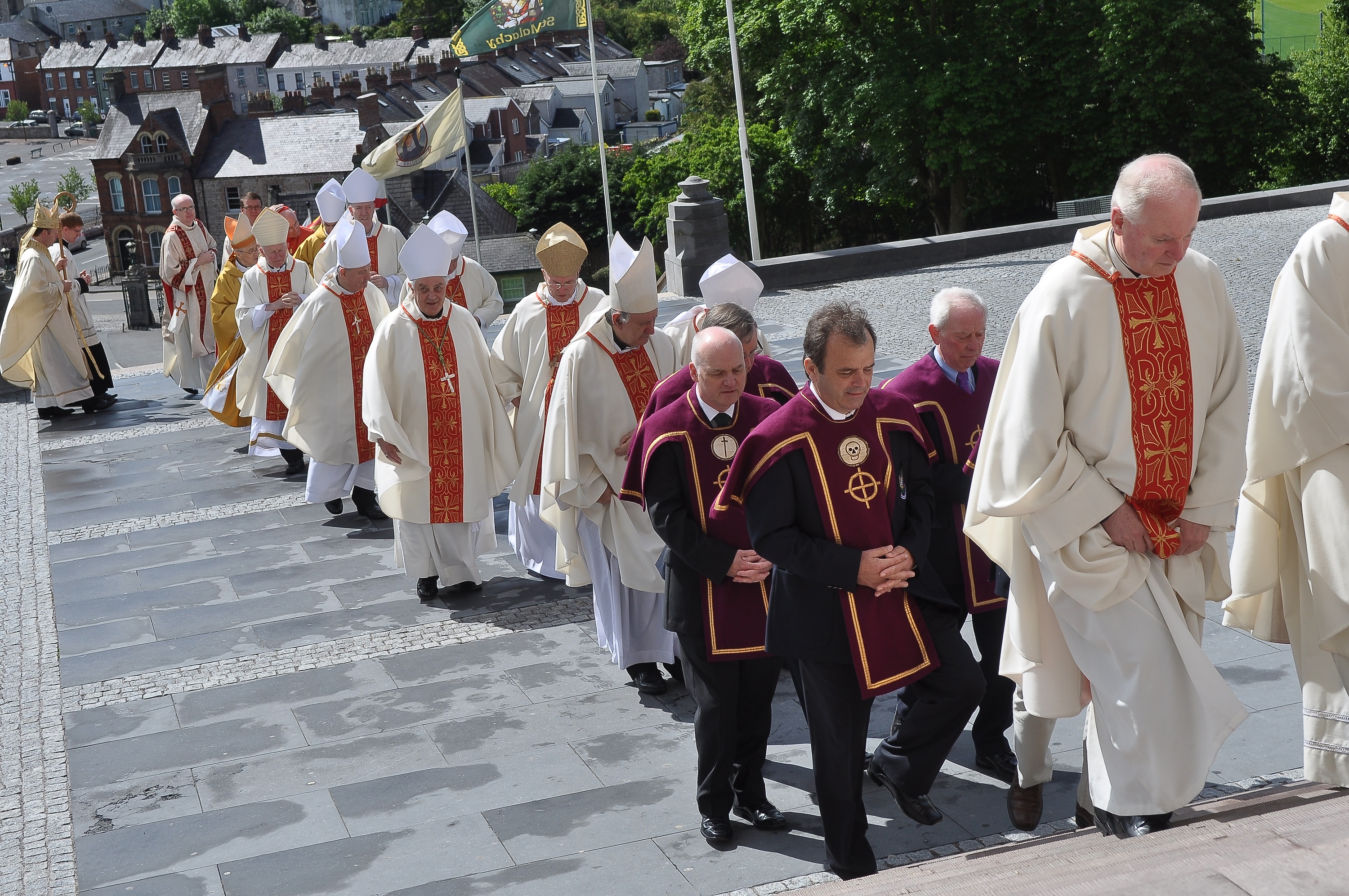
Please see below the text of Archbishop Eamon Martin’s homily which will be delivered this evening at Mass in Saint Patrick’s Cathedral, Armagh on the occasion of Archbishop Martin’s investiture with the pallium. The pallium symbolises the bond and union between an archbishop and the Pope. His Excellency Archbishop Charles Brown, Apostolic Nuncio to Ireland, will conduct the investiture which will take place in the presence of representatives of the nine dioceses of the ecclesiastical province, as well as priests and people from the diocese.
Homily:
Just over five months ago on the 21st January, the feast of the young martyr Saint Agnes, two little lambs were carried in baskets up to Pope Francis for his blessing. They were a gift from the Trappist monks of Tre Fontane in Rome to the Benedictine sisters of Saint Cecilia in Trastevere. The lambs had been specially chosen to provide their first wool for the pallium given to the new archbishops of the world by the Holy Father on Monday last.
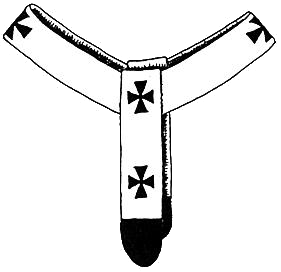
The pallium is a simple white woollen stole decorated with crosses and edged in black so that when it drapes over the shoulders of the new archbishop it invokes the image of a lamb being carried fondly by its shepherd. When Pope Francis blessed the pallium last Monday on the Feast of Saint Peter and Saint Paul, he reminded us that it is a symbol of the pastoral care which we, as bishops, are called to give in imitation of Christ, the Good Shepherd, who laid down His life for His sheep.
By calling us all to the Basilica of Saint Peter for the blessing, the Holy Father was reminding us always to exercise our ministry as archbishops in unity with each other and in communion with the Pope and the Church in Rome. Until the moment of blessing the pallia rested beneath the altar at the tomb of Saint Peter. I couldn’t help thinking of that line from the creed: I believe in one, holy, Catholic and apostolic Church.
This evening back home in Armagh I recall my predecessor Saint Malachy who, nine hundred years ago, travelled twice to Rome to seek the pallium – at first for Armagh and then for Armagh and Cashel. As you know he was unsuccessful and he died on the journey at Clairvaux in the arms of his beloved friend Saint Bernard. But only a few years later, following the Synod of Kells, four pallia were indeed sent by the Pope to Ireland symbolising the recognition from the Holy See for the four new ecclesiastical provinces of Ireland: Armagh, Cashel, Dublin and Tuam.
Once more I am humbled at the honour that God has bestowed on me by calling me to serve Him in this way. The pallium reminds me that God expects a lot from me, but He gives me all the grace I need to do His will, and to be prepared to sacrifice my own will and desires in order to follow His way. Pope Francis, in his homily on Monday, challenged us new archbishops to be masters of prayer, and of faith, and to be courageous witnesses in the world. ‘No Christian community’, he said, ‘can go forward without being supported by persistent prayer’. ‘Be ever faithful to the deposit of faith’, he went on, and be courageous witnesses, ‘who are not ashamed of the Name of Christ and of His Cross’. I know that if I am to meet these challenges, if I am to be true to God’s calling in my life, then I must try to conquer my sinfulness and selfishness and instead to offer my life for my sheep.
To be honest, I sometimes feel daunted by this challenge. On Wednesday in Rome I visited the catacombs where the early Christian martyrs were buried. On the way I had the privilege of celebrating Mass in the little Church of Domine Quo Vadis, where it is said Saint Peter, who was running away from the dangers of persecution in Rome, met Jesus going the other way into the city to be with his flock. It was all the more poignant for me because it was the Feast of Saint Oliver Plunkett who I know was not afraid to die for his people and his beliefs. In my room at the Irish College in Rome this week there was a striking painting of Saint Oliver Plunkett, Archbishop of Armagh, kneeling before the gallows just before his martyrdom. In the painting his pallium lies discarded on the ground where his executioners have hurled it; in its place over his head and shoulders is wrapped the hangman’s noose.
I also read recently about Primate Edmund O’Reilly another great hero of the penal times (he was the archbishop who ordained the future Dean Bryan McGurk to the priesthood). Primate O’Reilly had to travel in secret around the country hiding in caves and in the woods. Apparently his pallium was once hidden for safekeeping in the hollow of a great oak tree, but it was stolen. When the archbishop got it back it was cut to pieces – we know all this because he wrote to ask His Holiness at the time if he could still use it, or should he seek another!
Please God my ministry will be less hazardous. But I can’t help thinking that all of us, as Catholics and Christians are entering a time when we will need the gift of courage to stay faithful to the teachings of the Gospel. We are living in the midst of a more insistently secular culture which expects conformity and compromise with the thinking of the day, and which sometimes tends to ridicule and even reject those who witness to timeless or absolute truths.
The world of today still yearns for the Good News of Jesus Christ. But we will need to find a language of faith and truth which can speak in fresh and powerful ways about the depth of the love of Christ to those who are finding life increasingly shallow or despairingly empty of meaning and purpose. We should not be altogether surprised if, like Jesus Himself, our message is completely rejected by some, even in our own country. We will need the fortitude of the prophet Ezekiel who in this evening’s First Reading heard the Lord calling him to stand up and teach those who had turned against Him, whether they listen or not. Likewise we will need the humility and endurance of St Paul in Corinth who, whilst being constantly aware of his own weaknesses, was able to withstand insults, hardships and persecutions for Christ’s sake, knowing that when he was weak, he was truly strong.
I am certain that I have no chance of being God’s brave witness without the support and warmth of your prayers, for I am weak and my need for your prayers is great. I am so grateful for the power of prayer which has already sustained me until today. Pope Francis asked me on Monday with the other archbishops to “Teach prayer by praying, to announce the faith by believing; to offer witness by living!” What gives me hope in responding to this challenge is the knowledge that you are supporting me by your prayers; you are strengthening me by your faith; you encourage me by your witness every day. And so, this evening I place my hope and trust in the efficacy of a beautiful prayer which the Holy Father himself prayed for me and the other new archbishops in Saint Peter’s on Monday. He prayed to God the eternal shepherd, that we may take up the yoke of the Gospel placed on our shoulders, and may we find it so light and easy that, as we guide others by our example and fidelity in the way of God’s commandments, we may one day merit a place in God’s eternal pastures. Amen.
+Eamon Martin
Archbishop Eamon Martin is Archbishop of Armagh and Primate of All Ireland.
The Archdiocese of Armagh includes almost all of Counties Armagh and Louth, approximately half of County Tyrone and parts of Counties Derry and Meath.
For media contact: Catholic Communications Office Maynooth: Brenda Drumm 00353 (0) 87 310 4444
8.00pm Mass – Main Celebrant: Fr. Michael O’Dwyer P.P. Portadown, speaker, Mr Francis Campbell, Vice Chancellor of St Mary’s University, Twickenham, London and Former UK Ambassador to the Vatican. Pope mobile used by Pope St John Paul and built by British Leyland in 1982 for the Pope’s visit to Britain, the six-wheeled converted truck has since been used by the late Pontiff during his visits to Zimbabwe and Botswana in 1988 and Zambia in 1989. The ‘pope mobile’ will be on display throughout the celebrations.
10.00pm Youth Liturgy in Festival Marquee. Celebrating faith with young people – an evening of song, dance, poetry
and prayer – featuring a new faith based group ‘The Rise of the Roses’.
Saturday 25th July
3.00pm Procession from St James’ Well 4.00pm Healing Mass – Main Celebrant: Fr.
Tommy McNulty.
Speaker: Mr Eddie Stone with the Sacrament of the Annointing of
the Sick, followed by refreshments in the Festival Marquee.
7.00pm Set Dancing Workshop 9.00pm Ceíli
Sunday 26th July
11.00am Mass with Blessing of Graves,
Archbishop Eamon Martin
(There will only be one celebration of Eucharist in the Parish this weekend)
12.30pm Parish Barbeque – a family day of fun and entertainment.
9.00pm Our celebrations conclude with an evening of entertainment with internationally renowned Nathan Carter. Tickets E20. Available from 042 93 76105.
In aid of The Maria Gorretti Foundation.
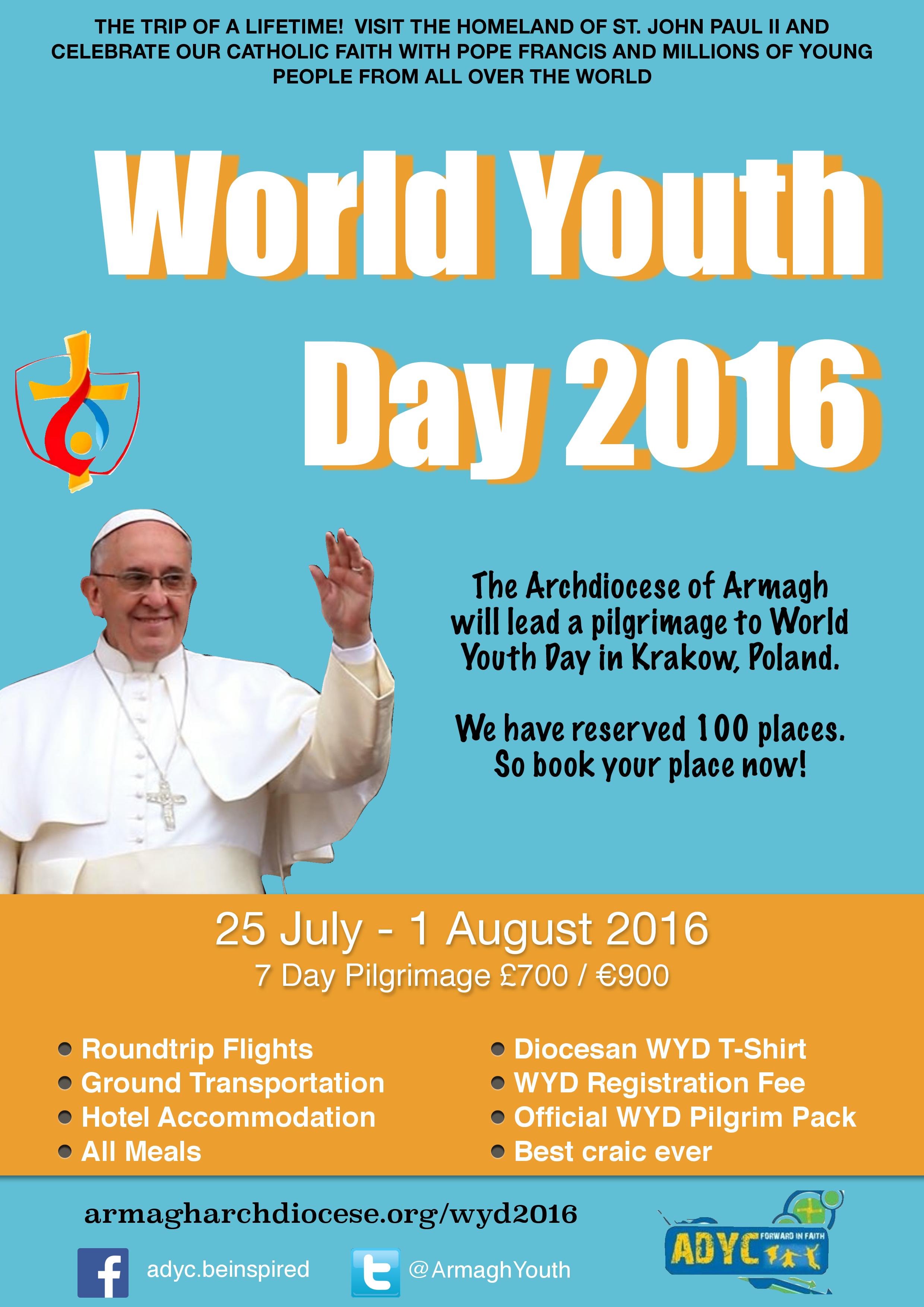
World Youth Day (WYD) is an International encounter with the Pope. WYD is celebrated every three years in a different country. The most recent WYD was celebrated in Rio de Janeiro, Brazil in July 2013 and the next World Youth Day will be held in Krakow, Poland from 25th July – 1st August 2016.
WYD is open to all young people who want to take part in a festive encounter with their contemporaries centered on Jesus Christ. This event is an opportunity to experience in first person the universality of the Church; to share with the whole world the hope of many young people who want to commit themselves to Christ and others.
World Youth Day is a unique way to deepen your faith and grow closer to Christ, by means of prayer and the sacraments, together with millions of other young people who share similar interests and ambitions.
It is expected that 3 million plus young people will attend WYD Krakow.
Armagh Diocesan Youth Commission (ADYC) is bringing 100 pilgrims to WYD Krakow 2016. We feel that this is a wonderful faith development project to enable young people to celebrate and experience the joy of the Gospel.
ADYC have conducted a lot of research and planning. A delegation from Ireland, including myself (Dermot Kelly, Diocesan Youth Director) travelled to Krakow recently to visit WYD Office, see some of the key sites and visit accommodation sites. From past experiences of WYD I was surprised by the city. I loved its Catholic identity and historic narrative. While the city was calm on our visit, I can imagine how the City of Krakow will be transformed during WYD.
What’s Next?
We have reserved and paid for 100 places. We will be bring different age groups on the one pilgrimage experience. If you are 16-18 years old and 18-30 years old and are willing to be part of this worldwide encountering of faith, then we would like you to complete your registration TODAY. See below link with registration form.
We hope that all recruitment for pilgrimage will be completed by Autumn 2015. After this ADYC aims to journey with young people& leaders by providing a six month preparation programme that will involve; catechesis, fun and friendship.
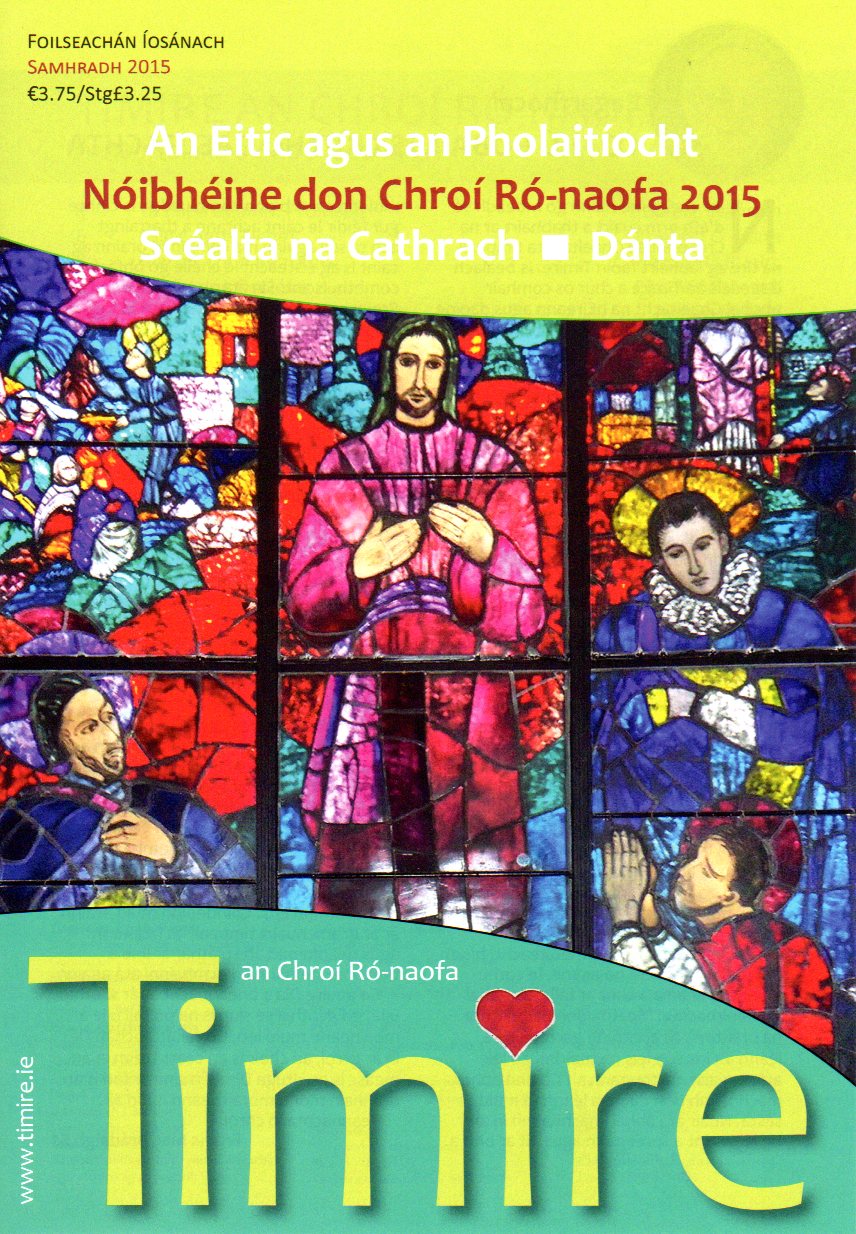
Timire an Chroí Ró-Naofa or an Timire as it is better known is the oldest Irish Language magazine in the world, in print since 1911 and now available on the web. It comes out 4 times per year, Spring Summer Autumn and Winter. The anchor articles offer reflections on the intentions of Pope Francis for the coming 3 months. Each issue contains a variety of other articles in social, cultural and spirituality areas that would be of interest to our Catholic Christian readers.
From the Pope’s Intention June ’15 :
Fáilte is Fiche?
Sa mbliain 2014, don chéad uair ó aimsir an dara cogadh domhanda ar aghaidh, chuaigh líon na ndaoine a raibh iallach orthu teitheadh óna dtithe cónaí thar 50 milliún. Ní mór dúinn an taobh daonna den imirce seo a thuiscint. Taobh thiar de gach uimhir agus de gach staitistic, tá daoine ann a bhfuil aghaidheanna agus ainmneacha acu. Tá scéal faoi leith ag gach aon imirceach.
….
An Comhthéacs Éireannach
In Éirinn, is é an rud is mó atá ag cur as d’iarrthóirí tearmainn ná an tréimhse fhada ama a chaitheann gach duine acu istigh sa gcóras ag fanacht ar chinneadh deiridh ar a chás. Tá ceatharacha faoin gcéad de na hiarrthóirí ag fanacht le cuíg bliana ar a laghad, ón am a chuir siad isteach ar thearmann don chéad uair.
What’s happening in Rome
In 2014, for the firs time since the Second World War, the number of those forced to flee their homeland passed 50 million. We need to grasp the human side of this migration. Behind each number, each statistic are the faces of people who have names. Each migrant has a story to tell.
Sa mbliain 2014, don chéad uair ó aimsir an dara cogadh domhanda ar aghaidh, chuaigh líon na ndaoine a raibh iallach orthu teitheadh óna dtithe cónaí thar 50 milliún. Ní mór dúinn an taobh daonna den imirce seo a thuiscint. Taobh thiar de gach uimhir agus de gach staitistic, tá daoine ann a bhfuil aghaidheanna agus ainmneacha acu. Tá scéal faoi leith ag gach aon imirceach.
Ar an 3ú Deireadh Fómhair 2013, chuaigh long a bhí ag tabhairt imircigh ón Libia go dtí an Iodáil go tonn poill taobh leis an oileán Iodáileach, Lampedusa. Tuairiscíodh gur báthadh 360 duine agus tógadh 155 duine ina mbeatha ón bhfarraige. Faraoir, níl ann sa tragóid a tharla i Lampedusa ach eachtra amháin as an iliomad eachtraí a mbíonn an bás mar thoradh orthu, a tharlaíonn go rialta sa Meánmhuir.
Is é an toradh a thagann as an dearcadh atá ag údaráis na hEorpa maidir le smacht a choinneáil ar theorannacha ná go bhfuil polasaithe agus bearta ann a thugann tús áite do chúrsaí slándála seachas do cibé gníomhaíocht a mbeadh sé mar aidhm aige daoine a shábháil. Chuaigh an Pápa Proinsias i ngleic le ceannairí na mballstát ar an ábhar seo nuair a bhí sé ag labhairt do Chomhairle na hEorpa ag deireadh na bliana 2014: “Tá géarghá le cur chuige aontaithe i leith cheist na hImirce. Ní féidir linn a ligint don Mheánmhuir a bheith tiontaithe ina reilig ollmhór. “
An Comhthéacs Éireannach
In Éirinn, is é an rud is mó atá ag cur as d’iarrthóirí tearmainn ná an tréimhse fhada ama a chaitheann gach duine acu istigh sa gcóras ag fanacht ar chinneadh deiridh ar a chás. Tá ceatharacha faoin gcéad de na hiarrthóirí ag fanacht le cuíg bliana ar a laghad, ón am a chuir siad isteach ar thearmann don chéad uair.
Tá go leor impleachtaí daonna ann dóibh siúd atá ag maireachtáil go fadtéarmach sa gcóras Soláthar Díreach. Buailtear síos iad maidir le sláinte, idir chorp agus mheabhair, agus maidir le deiseanna traenála ; tá siad thíos leis, sa réimse teaghlaigh agus clainne agus ó thaobh na féidireachtaí atá ann chun ról a ghlacadh sa tsochaí. Ní féidir leo a dhul ag lorg oibre agus ní ligtear dóibh ach oiread cúrsaí oideachais triú-léibhéal a dhéanamh – nuair a chuirtear an dá bhac seo le chéile ar bonn fadtéarmach, is buillí an-trom go deo iad.
Is duine ón Afraic é Theo agus tá sé ag maireachtáil sa gcóras Soláthar Díreach le seacht mbliana:
Theith mé ó mo thír dhúchais toisc go raibh mé i mbaol an bháis. Ach ón am gur tháinig mé go hÉirinn tá sé tuigthe agam go bhfuil go leor bealaí ann chun duine a mharú. Táim ag fanacht ar chinneadh ar mo chás le seacht mbliana agus dáiríre is éard atá ann ná bás mall.
Cuireann sé as go mór dom nach bhfuil mé in ann obair a fháil toisc gur iarrthóir tearmainn mé. Tá fonn oibre orm. Níl fonn orm a bheith mar ualach ar éinne. Bliain ó shin,nach mór, bhuail an dubhach mé toisc nach raibh cúis ar bith ann dom fiú éirí as mo leaba ar maidin. Ní dhéanann sé sin maitheas ar bith do dhuine. Chaill mé mo dhóchas agus thosaigh smaointe gruama ag brú isteach orm.
Clabhsúr
Mar Chríostaithe, iarrtar orainn cabhrú le himircigh a raibh iallach orthu a dtíortha dúchais a fhágáil – cibé cé acu in Éirinn atá siad, nó san Eoraip nó in aon áit ar bith ar fud na cruinne. Thug an Pápa Proinsias rabhadh dúinn ar an ábhar seo: “ An cultúr atá ann faoi láthair a chuireann béim ar an tábhacht a théann le dea-bhraistint an duine é féin, tá an baol ag dul leis go ndéanfadh muid neamhaird ar dhaoine eile. D’fhéadfá a rá go bhfuil domhandú imeartha ar an neamhaird seo.” Ag an am céanna, tugann sé cuireadh dúinn “ fáilte a chur roimh gach éinne gan teorainn ná idirdhealú, chun a fhógairt gurb éard atá i nDia ná grá, sa gcaoi go mbeidh an eaglais, déanta na fírinne, gan teorainn ar bith.”
Intinn Uilechoiteann do mhí an Mheithimh, 2015
Inimircigh agus Dídeanaithe
Go bhfaighe inimircigh agus dídeanaithe fáilte agus urraim sna tíortha ina mbíonn siad
Bosca: “Ní féidir linn a ligint don Mheánmhuir a bheith tiontaithe ina reilig ollmhór.” (An Pápa Proinsias)
Foclóirín: an iliomad = go leor leor; tiontaithe = iompaithe; impleachtaí = rud a éiríonn de bharr rud eile; iallach = iachall, rud a chaitear a dhéanamh.
(Summary in English: Eoghan Ó Cuinn writes about migrants an refugees drowned trying to flee to Europe, of security rather than life saving measures and of the human cost of direct provision in Ireland.
Theo’s Story: Theo is from an African country and has been in the Direct Provision system for more than seven years:
I fled my country because I feared for my life. But since I have come to Ireland, I have found that there is more than one way to kill a person. I feel that while I am waiting for a decision these last seven years I have been dying slowly.
I am deeply frustrated as an asylum seeker that I cannot work. I want to work. I do not want to be a burden on anyone. I want to pay my own way. About a year ago, I found myself getting depressed because there was no reason to get up in the morning. No reason to get out of bed. This is not good for a person. I lost hope and started to think bad thoughts.)
Knights of Columbanus
1400th anniversary of St Columbanus
St Patricks Cathedral Armagh Co.Armagh
21 June 2015
Credit: LiamMcArdle.com
1400th anniversary of St Columbanus
St Patricks Cathedral Armagh Co.Armagh
21 June 2015
Credit: LiamMcArdle.com
1400th anniversary of St Columbanus
St Patricks Cathedral Armagh Co.Armagh
21 June 2015
Credit: LiamMcArdle.com
Archbishop Richard Clarke with Rev. Malachy McElmeel, permanent Deacon, who carries the relic of St Columbanus into the 1400th anniversary mass of St Columbanus
St Patricks Cathedral Armagh Co.Armagh
21 June 2015
Credit: LiamMcArdle.com
Knights of Columbanus
1400th anniversary of St Columbanus
St Patricks Cathedral Armagh Co.Armagh
21 June 2015
Credit: LiamMcArdle.com
1400th anniversary of St Columbanus
St Patricks Cathedral Armagh Co.Armagh
21 June 2015
Credit: LiamMcArdle.com
1400th anniversary of St Columbanus
St Patricks Cathedral Armagh Co.Armagh
21 June 2015
Credit: LiamMcArdle.com
1400th anniversary of St Columbanus
St Patricks Cathedral Armagh Co.Armagh
21 June 2015
Credit: LiamMcArdle.com
1400th anniversary of St Columbanus
St Patricks Cathedral Armagh Co.Armagh
21 June 2015
Credit: LiamMcArdle.com
1400th anniversary of St Columbanus
St Patricks Cathedral Armagh Co.Armagh
21 June 2015
Credit: LiamMcArdle.com
1400th anniversary of St Columbanus
St Patricks Cathedral Armagh Co.Armagh
21 June 2015
Credit: LiamMcArdle.com
1400th anniversary of St Columbanus
St Patricks Cathedral Armagh Co.Armagh
21 June 2015
Credit: LiamMcArdle.com
1400th anniversary of St Columbanus
St Patricks Cathedral Armagh Co.Armagh
21 June 2015
Credit: LiamMcArdle.com
1400th anniversary of St Columbanus
St Patricks Cathedral Armagh Co.Armagh
21 June 2015
Credit: LiamMcArdle.com
1400th anniversary of St Columbanus
St Patricks Cathedral Armagh Co.Armagh
21 June 2015
Credit: LiamMcArdle.com
1400th anniversary of St Columbanus
St Patricks Cathedral Armagh Co.Armagh
21 June 2015
Credit: LiamMcArdle.com
1400th anniversary of St Columbanus
St Patricks Cathedral Armagh Co.Armagh
21 June 2015
Credit: LiamMcArdle.com
1400th anniversary of St Columbanus
St Patricks Cathedral Armagh Co.Armagh
21 June 2015
Credit: LiamMcArdle.com
1400th anniversary of St Columbanus
St Patricks Cathedral Armagh Co.Armagh
21 June 2015
Credit: LiamMcArdle.com
1400th anniversary of St Columbanus
St Patricks Cathedral Armagh Co.Armagh
21 June 2015
Credit: LiamMcArdle.com
1400th anniversary of St Columbanus
St Patricks Cathedral Armagh Co.Armagh
21 June 2015
Credit: LiamMcArdle.com
1400th anniversary of St Columbanus
St Patricks Cathedral Armagh Co.Armagh
21 June 2015
Credit: LiamMcArdle.com
1400th anniversary of St Columbanus
St Patricks Cathedral Armagh Co.Armagh
21 June 2015
Credit: LiamMcArdle.com
1400th anniversary of St Columbanus
St Patricks Cathedral Armagh Co.Armagh
21 June 2015
Credit: LiamMcArdle.com
Archbishop Charles Brown, Archbishop Eamon Martin and Archbishop Richard Clarke
1400th anniversary of St Columbanus
St Patricks Cathedral Armagh Co.Armagh
21 June 2015
Credit: LiamMcArdle.com
1400th anniversary of St Columbanus
St Patricks Cathedral Armagh Co.Armagh
21 June 2015
Credit: LiamMcArdle.com
1400th anniversary of St Columbanus
St Patricks Cathedral Armagh Co.Armagh
21 June 2015
Credit: LiamMcArdle.com
1400th anniversary of St Columbanus
St Patricks Cathedral Armagh Co.Armagh
21 June 2015
Credit: LiamMcArdle.com
1400th anniversary of St Columbanus
St Patricks Cathedral Armagh Co.Armagh
21 June 2015
Credit: LiamMcArdle.com
1400th anniversary of St Columbanus
St Patricks Cathedral Armagh Co.Armagh
21 June 2015
Credit: LiamMcArdle.com
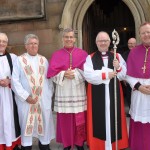
Dean Gregory Dunstan, Fr Sean McDonagh; Archbishop Charles Brown, Papal Nuncio; Archbishop Richard Clarke and Archbishop Eamon Martin
1400th anniversary of St Columbanus
St Patricks Cathedral Armagh Co.Armagh
21 June 2015
Credit: LiamMcArdle.com
1400th anniversary of St Columbanus
St Patricks Cathedral Armagh Co.Armagh
21 June 2015
Credit: LiamMcArdle.com
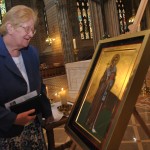
Columban missionary Sr Margaret Burke, a native of Clonberne Co.Galway, at the icon of St Columbanus at the service to mark 1400th anniversary of St Columbanus
St Patricks Cathedral Armagh Co.Armagh
21 June 2015
Credit: LiamMcArdle.com
A National Mass of Thanksgiving to mark the 14th centenary of Saint Columbanus took place on Sunday 21 June in Saint Patrick’s Cathedral, Armagh. Archbishop Eamon Martin presided and Father Neil Collins preached the homily. Below are the opening remarks of Archbishop Eamon and the text of the homily from Father Collins:
Opening remarks by Archbishop Eamon Martin
Last November I had the honour of visiting Bobbio and San Colombano al Lambro in Northern Italy to mark the beginning of celebrations to mark the 14th centenary of the death of St Columbanus the great Irish misisonary saint. And what a privilege it is for me to welcome all of you here today to Armagh for this National Mass of Thanksgiving.
A very special welcome to Cardinal Brady, to His Excellency Archbishop Charles Brown and to the visiting bishops, religious superiors and congregational leaders who are present. To the Columban fathers and sisters, to the Knights of St Columbanus and other members of the Columban family as well as people, priests and religious from Armagh and other parts of the country, thank you for joining us today. I greet the pilgrims from places associated with Columbanus in Ireland, including the groups from Cleenish and Bangor. To Archbishop Richard Clarke and our brothers and sisters from other Christian traditions, you are especially welcome here among us.
Thank God the heritage and legacy of St. Columbanus is alive and well in the area of Italy where he ministered. I would like to welcome all of the pilgrims from Italy who have joined us this morning, There are many pilgrims, representatives from civil and cultural groups, seminarians and clergy from Italy who have joined us today: including Bishop Ambrosio and pilgrims from the Diocese of Piacenza-Bobbio, Bishop Giudici with pilgrims and seminarians from the Diocese of Pavia, Don Giorgio Bugada and pilgrims from the Diocese of Mantova and Don Mario Cipelli with pilgrims from San Colombano al Lambro.
Céad míle fáilte romaibh go léir go dtí tír Naomh Columbán.
Vorrei dare il benvenuto a tutti i pellegrini provenienti dall’Italia, che ci hanno raggiunto questa mattina. Il patrimonio e l’eredità di San Colombano è vivo e vegeto nella zona d’Italia dove egli ha svolto il suo ministero. Ci sono molti pellegrini, rappresentanti di gruppi civili e culturali, seminaristi e membri del clero dall’Italia che si sono uniti a noi oggi: Céad míle fáilte roimh go léir go dtí tír Naomh Columbán o centomila benvenuti nella terra di San Colombano. Vorrei dare il benvenuto particolarmente ai pellegrini della Diocesi di Piacenza-Bobbio guidati dal Vescovo Gianni Ambrosio, ai pellegrini e seminaristi della Diocesi di Pavia guidati dal Vescovo Giovanni Giudici, ai pellegrini della diocesi di Mantova guidati da Don Giorgio Bugada e ai pellegrini la Parrocchia di San Colombano al Lambro nella Diocesi di Lodi accompagnati dal Signor Mauro Steffanini e guidati da Don Mario Cipelli, che è un canonico onorario di questa grande cattedrale.
(Don Mario is a canon of this great Cathedral!)
Fourteen hundred years is a long time. It is difficult for any of us to imagine what life was like even one hundred years ago. But we can be certain that when Saint Columbanus set out to be a ‘pilgrim for Christ’ he was literally surrendering his future, his whole life, into the hands of God. Without the aid of modern maps, or compasses or navigational equipment, he relied totally on the guidance of the Holy Spirit to point him in the direction that God wanted of him and his band of disciples.
And everywhere he went, Columbanus preached that message. We must all be prepared to let go and let God lead us. His message was a call to conversion, an appeal to let go of earthly goods and to instead fix our gaze on God.
My brothers and sisters, as we prepare to celebrate these sacred mysteries, let us take a moment to acknowledge or sins, remembering the times when we have offended God in thought, word or deed, and have not been prepared to let go of earthly thoughts and temptations.
+ Eamon Martin
Homily of Father Neil Collins
Fourteen hundred years ago on 23 November 615 a great Irishman, Saint Columbanus, died in Bobbio, Italy. His biographer, Jonas tells us:
Columbanus, who is also called Columba
Was born on the island of Ireland, which is situated on the outermost Ocean….
His namesake, St. Columba of Derry and Iona – St. Columcille – was about 22 years old when our Columbanus was born, somewhere in Leinster. From there the young Columbanus, Columban, went to Cleenish island on Lough Erne before becoming a monk in Bangor.
Then, at the age of 50, ‘he began to desire exile’ – ‘cepit peregrinationem desiderare – remembering the command of the Lord to Abraham,
‘Leave your country, your family and your father’s house, and go to the land I will show you’ (Gen. 12.1).
Our second reading gives us an insight into the intensity and motivation of that desire, ‘The love of Christ overwhelms us’. The call to reveal the love of Christ to all, Christian or pagan, drove him.
His peregrinatio, his pilgrimage, brought him to France, Austria, and Italy, where he preached the word of God, founded monasteries, and trained saints. He also ran into storms. In France there were conflicts with the local bishops when he followed the customs of the Irish church, and when he criticized their sins.
Columbanus believed that such storms were nothing new, and that ‘the true disciples of Christ crucified should follow Him with the cross’. He could have been commenting on today’s first reading and gospel. The first brings us back to the beginning of the world. In it the Lord uses a remarkable image when he asks Job:
‘Who pent up the sea behind closed doors, when it leapt tumultuous out of the womb? (Job 3:1,8-11).’
The sea appears as a very powerful, boisterous, noisy infant, leaping, tumultuous. It has to be pent up behind closed doors, confined by a bolted gate. Only God can do that; only God can set a boundary and say,
‘Come thus far … and no farther; here your proud waves shall break’.
In the gospel Christ and his disciples are in a boat crossing the Sea of Galilee. It’s evening, getting dark. Suddenly ‘it began to blow a gale and the waves were breaking into the boat so that it was almost swamped’(Mk. 4:35-41). We can imagine it, quite a large rowing boat, cork-screwing up and down the waves, the sea smashing into it, four of the disciples rowing like mad, and the rest holding on for dear life.
And Christ – in the stern, his head on the cushion, asleep.
When they woke him he rebuked the wind, as he would rebuke a demon, and said to the sea, ‘Quiet now! Be calm!’ And the wind dropped, and all was calm again. He turned to the disciples and asked,
‘Why are you so frightened? How is it that you have no faith?’
We remember that Matthew softens his words, ‘Why are you so frightened, you men of little faith?’ But in Mark asks them, and us, bluntly, ‘How is it that you have no faith?’
Columbanus and his companions needed such faith. When the king of the Franks invited him to stay in his kingdom of Burgundy in eastern France Columbanus chose lonely, desert places in the forests, homes of wolves and bears, first Annegray and then Luxeuil. At Annegray when one monk got sick Jonas says, ‘As the only nourishment they had was the bark of trees and some herbs they began to fast and pray that they might be able to procure some good food for the sick man’ (Jonas 8).
A storm struck when the local bishops objected to the Irish method for calculating the date of Easter. Columbanus wrote to Pope Gregory the Great. He addressed him with great respect before saying – to the Pope – that he was surprised that he had not corrected the error of the French bishops. When he quoted St. Jerome in support of the Irish method he added a remarkable sentence,
‘For I admit to you simply, that anyone impugning the authority of St. Jerome
will be a heretic or reprobate in the eyes of the Western Churches, whoever
that man may be’, even a pope. [Imagine saying that to the pope]
In 603 the bishops summoned him to a provincial synod. He did not go. Instead he wrote them a letter, defending the Irish practice, and asking that the monks be allowed to continue to live in ‘the silence of these woods’. Then he went on, suggesting that they – the bishops – needed humility and poverty of spirit, and even hinting that among them were some, ‘who often look at women and who more often quarrel and grow angry over the riches of the world’.
Columbanus was even less diplomatic with the king. Theuderic married the daughter of the King of Spain, and rejected her a year later. He had four children, by four unnamed mistresses. Columbanus rebuked him, and he promised to reform, but did not. Eventually, in 610, he expelled Columbanus along with the monks from Ireland and Brittany. Armed guards brought him to Nantes.
While there he wrote to the monks still in Luxeuil, encouraging them to faith and unity, ‘For whatever you ask with faith and complete agreement shall be given to you’ (Letter IV). He feared that they would be divided, remembering that when he was still with them some sided with the French bishops about Easter, and many objected to the strictness of the rule.
‘I confess that I am broken on this account. While I wished to help all, who when
I spoke to them fought against me without cause, and while I trusted all, I have
been almost stupefied.’
As he wrote a messenger arrived to say ‘that the ship is ready for me, in which I shall be borne unwillingly to my country’. He wanted to continue his ‘pregrinatio pro Christo’, his pilgrimage for Christ. The love of Christ still overwhelmed him. And it seems that Christ acted, with a storm. As the ship that was to carry him to Ireland ‘was making for the open sea, with oar and sail, a storm arose and they were driven back to land, and the ship went aground’. The captain decided that it was not the will of God that they return to Ireland and put them back on shore.
They began to walk, a long pilgrimage, back across France, avoiding Theuderic’s kingdom of Burgundy, eventually reaching Metz. Some Burgundian monks from Luxeuil joined them there. King Theudebert, brother and enemy of Theuderic, granted Columbanus land at Bregenz in Austria. Two years later, in 612, Theuderic defeated Theudebert forcing Columbanus, at nearly 70 years of age, to flee across the Alps into Italy and his final monastery in Bobbio.
We have experienced many storms: from the troubles here in N. Ireland to the scandals of child abuse, the scarcity of vocations to the priesthood and religious life, the banking crisis, and many, many more. There were times when we were tempted to ask if the Lord was in the boat at all. The oarsmen have grown weary.
Columbanus challenges each of us to dare to profess our faith openly. ‘What care I for saving face before mankind, when zeal for the faith must needs be shown?’ He used to retreat to a cave with the scriptures. Can we find a space, each day, to ‘listen for the voice of the Lord and enter into his peace’?
We can encourage each other. I’m regularly grateful when hearing confessions and I see the faith of ordinary men and women, struggling to be humble disciples and witnesses of Christ in their families and daily lives. I still have vivid memories of First Fridays in a parish in the Philippines. I’d visit all the sick in the town. One old lady I’d leave to the last. Others could be a bit depressing, but she always different. At 104 years old, stooped, deaf, she’d sit facing me, watching my lips. When we got to the Act of Contrition she’d get up, slowly kneel, and say, ‘Ginoo, pasayloa ako nga makasasala’, ‘Lord, be merciful to me a sinner’. Her faith was contagious, and filled me with peace.
Each day we can discover that Christ is with us in the boat, even when the storm rages. At times he asks us ‘Why are you so frightened? How is it that you have no faith?’ But if like Columbanus we go into the cave regularly we’ll hear the risen Lord say, ‘Peace be with you. Go out to the whole world; proclaim the Good News to all creation’.
Ends
Notes to Editors:
Archbishop Eamon Martin is Archbishop of Armagh and Primate of All Ireland
Father Neil Collins is a Columban Missionary
This homily was preached at the National Mass of Thanksgiving for Saint Columbanus 1400 in Saint Patrick’s Cathedral, Armagh on Sunday 21 June 2015.
At the end of the Mass Archbishop Eamon thanked everyone for attending the Mass and he had a special greeting for all the visitors from abroad. He then gave the final blessing with the Relic of Saint Columbanus that is kept in Saint Patrick’s Cathedral, Armagh.
Saint Columbanus was born in Leinster around 543 and having studied in the monastery on Cleenish Island, Co Fermanagh, he entered the monastery in Bangor, Co Down and was later principal teacher there. In 591, desiring to ‘go on pilgrimage for Christ’, he set out with twelve companions and travelled to Burgundy. He established monasteries at Annegray, Luxeuil and Fontaine. Later he founded Bregenz in Austria and his greatest foundation at Bobbio, near Genoa, where he died in 615. He is remembered as one of the greatest of the Irish missionary monks and revered across parts of Europe.
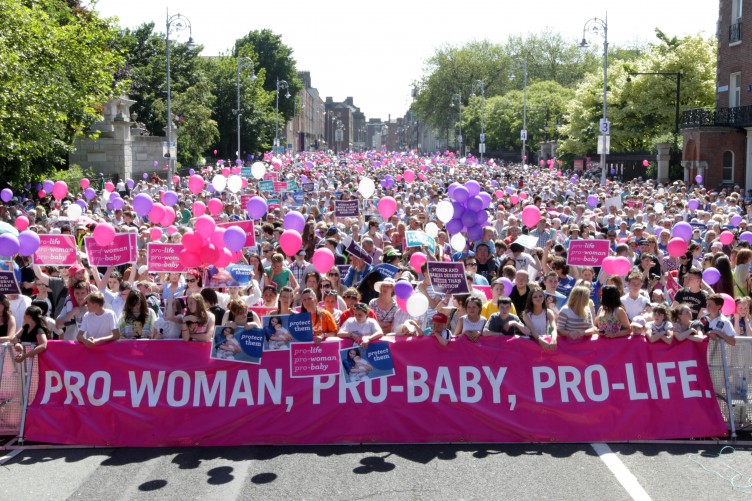
The ”All-Ireland Rally for Life” taking place in Dublin on Saturday 4 July
Archbishop Diarmuid Martin will celebrate Holy Mass in St Saviour’s Parish, Dominic Street at 1pm just prior to the Rally. Priests are welcome to Con-celebrate.
“All Ireland Rally For Life”
Right Now there is a push to bring in abortion
by removing the 8th Amendment of our constitution.
Join thousands of others to help make the
All-Ireland Rally for Life the biggest pro-life event of the Year!
Bring all the family to this friendly event with face painting, balloons, live music and much more!
Archbishop Eamon invites you to join him at his formal investiture with the pallium in St Patrick’s Cathedral Armagh at 7.00 p.m. Mass on Saturday 4th July 2015.
Pope Francis will bless and present the pallium to Archbishop Eamon privately after concelebrated Mass in St Peter’s Basilica, Rome on the Feast of St Peter and St Paul, 29th June.
Archbishop Eamon will return to Armagh for the formal investiture by Archbishop Charles Brown, Apostolic Nuncio to Ireland, in the presence of bishops and representatives from the nine dioceses in the ecclesiastical province of Armagh, including our own.
The pallium is a white woolen strip, worn around the Archbishop’s neck, which symbolises the bond between an archbishop and the Pope. The wearing of the pallium dates back to the fourth century. It predates the miter and the crozier as episcopal symbols.
From September 2015 we will be starting a two year programme called, Theology, Adult Education and Pastoral Ministry (THAEPM). This will take place in two venues, Dundalk and Armagh and is in partnership with St. Patrick’s College, Maynooth and the Office of Pastoral Renewal and Family Ministry, Armagh Diocese.
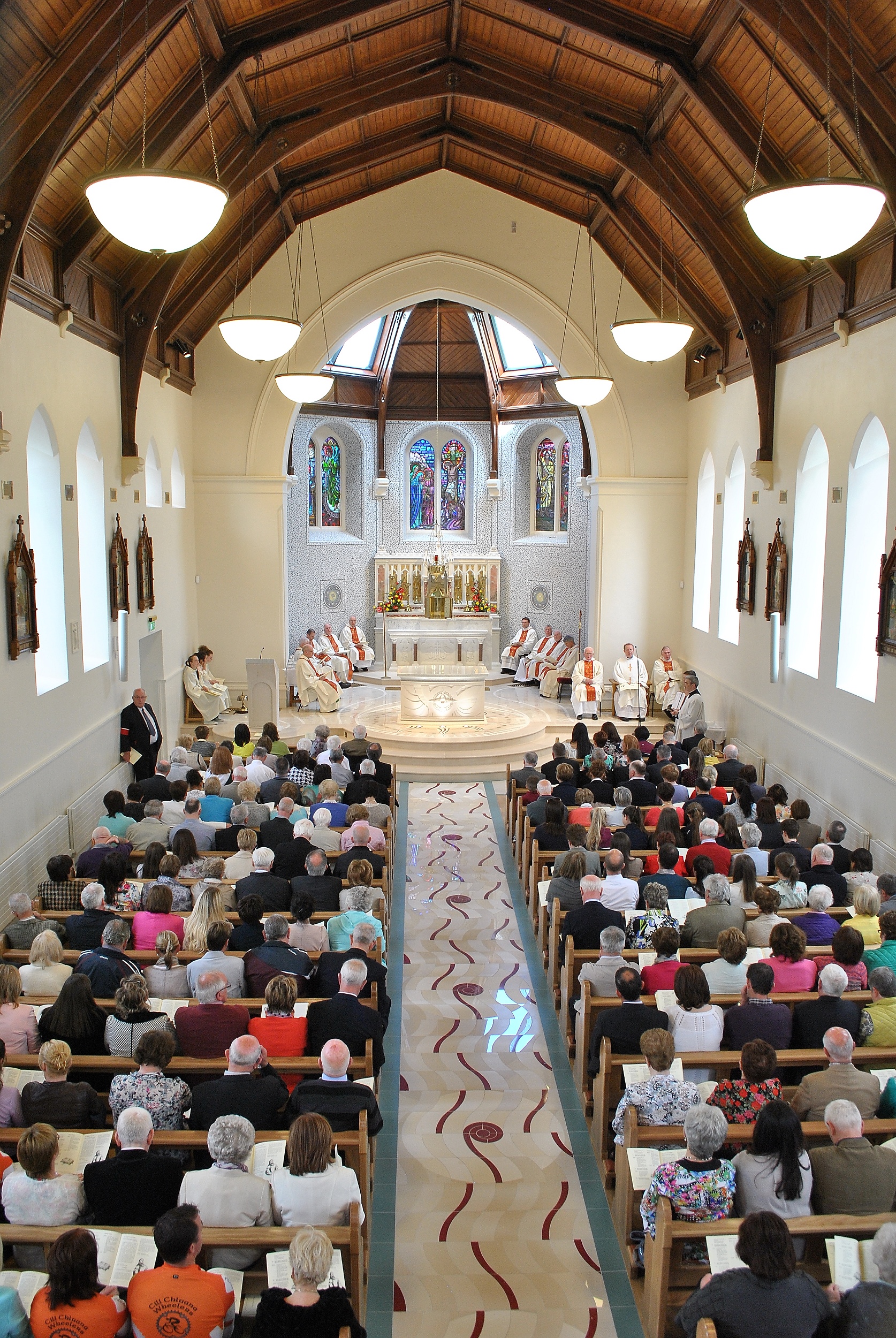
Filled to capacity in the newly renovated St Patricks Church.
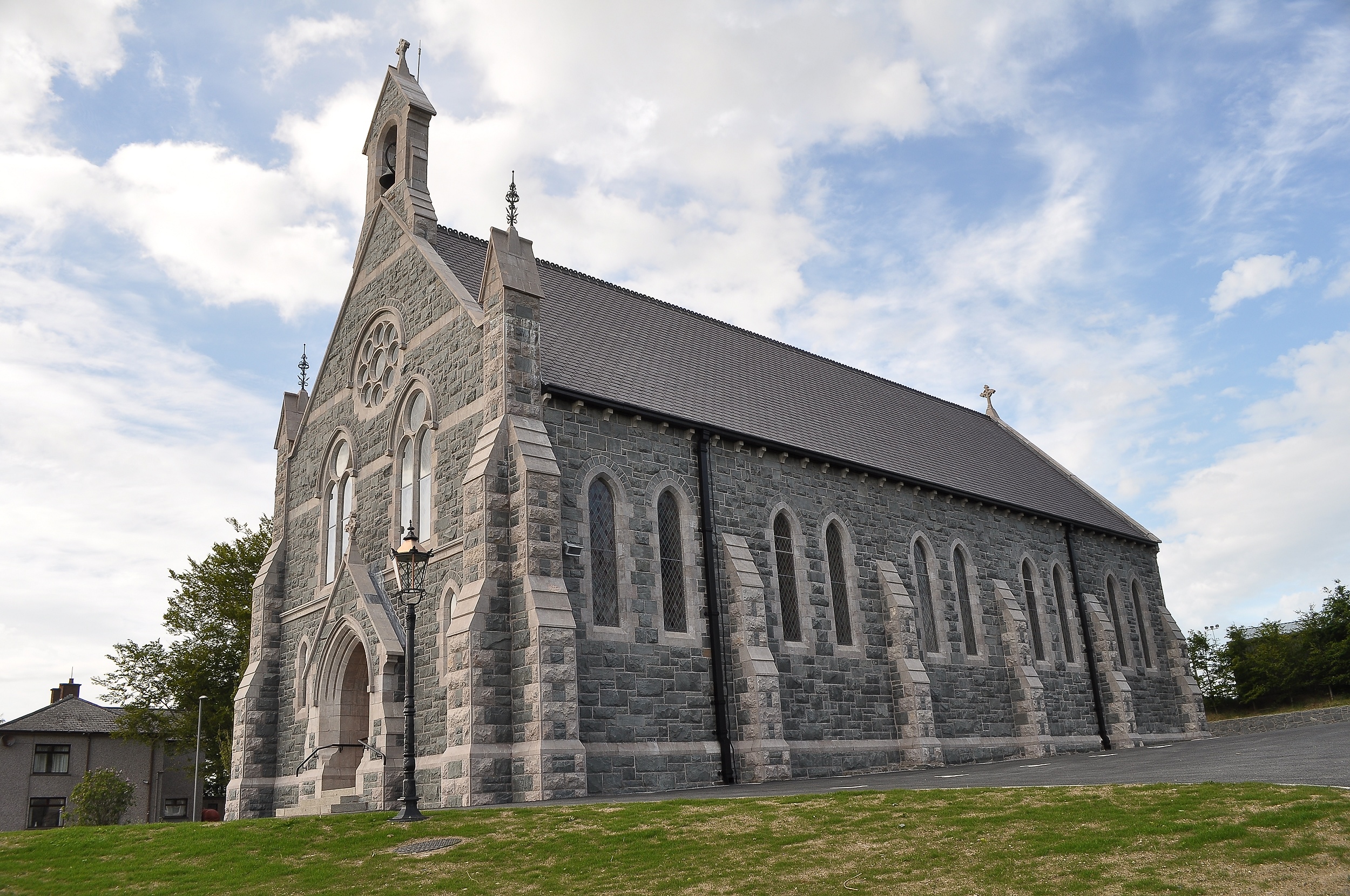
Rededication of St Patrick's Church
Ballymacnab Co.Armagh
7 June 2015
Credit: LiamMcArdle.com
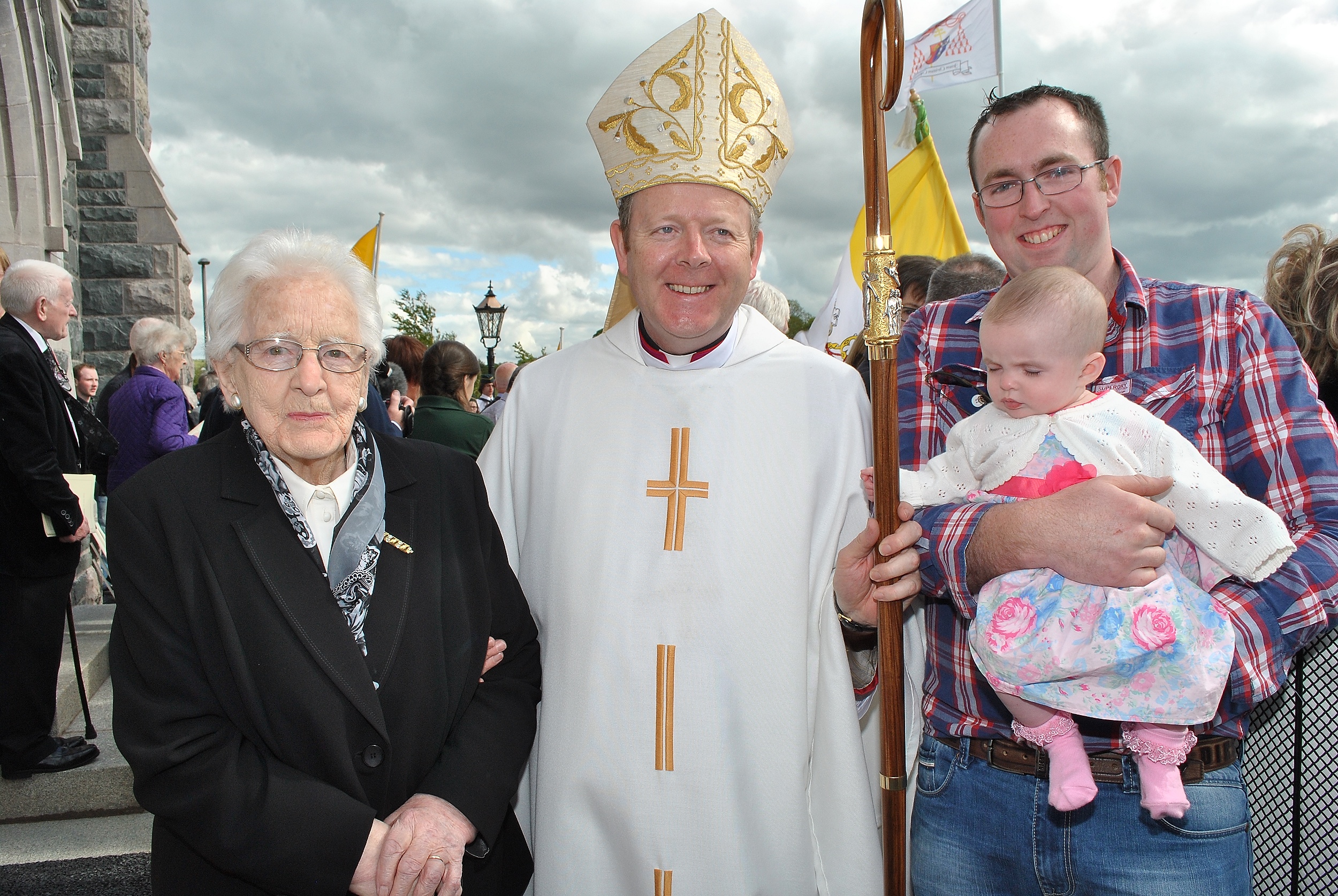
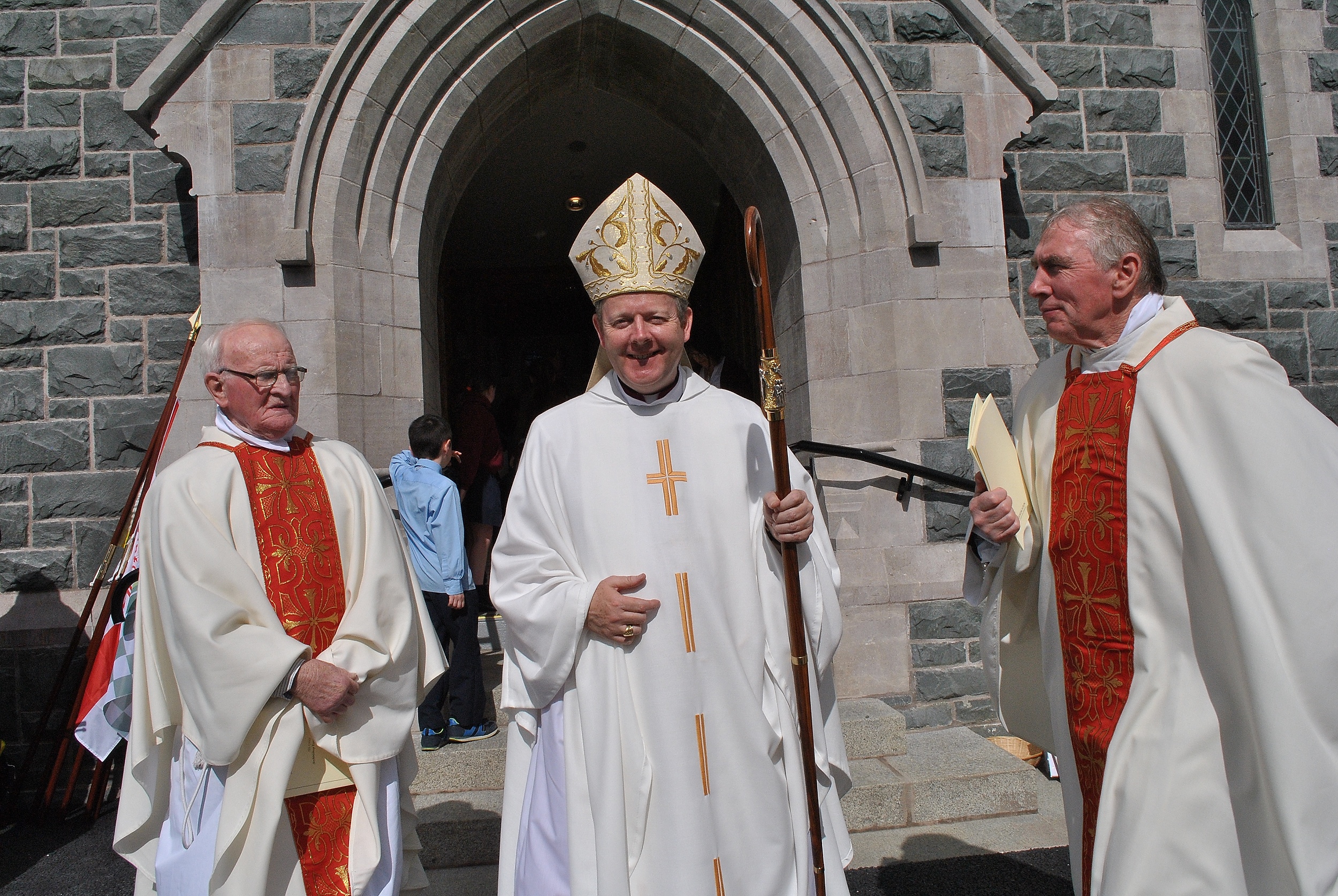
On Sunday 7th June 2015 after much refurbishments, St Patrick’s Church in Ballymacnab was reopened.
All ages welcome Archbishop Eamon Martin to Ballymacnab.
Rose Carr, Archbishop Eamon Martin, five month old Ellie Rose Toner with her daddy Eamon
Rededication of St Patrick’s Church
Ballymacnab Co.Armagh
7 June 2015
Credit: LiamMcArdle.com
Fr Desmond Corrigan, Archbishop Eamon Martin and Fr Peter Kerr PP
Rededication of St Patrick’s Church
Ballymacnab Co.Armagh
7 June 2015
Credit: LiamMcArdle.com
Filled to capacity in the newly renovated St Patricks Church.
Rededication of St Patrick’s Church
Ballymacnab Co.Armagh
7 June 2015
Credit: LiamMcArdle.com
Rededication of St Patrick’s Church
Ballymacnab Co.Armagh
4 June 2015
Credit: LiamMcArdle.com
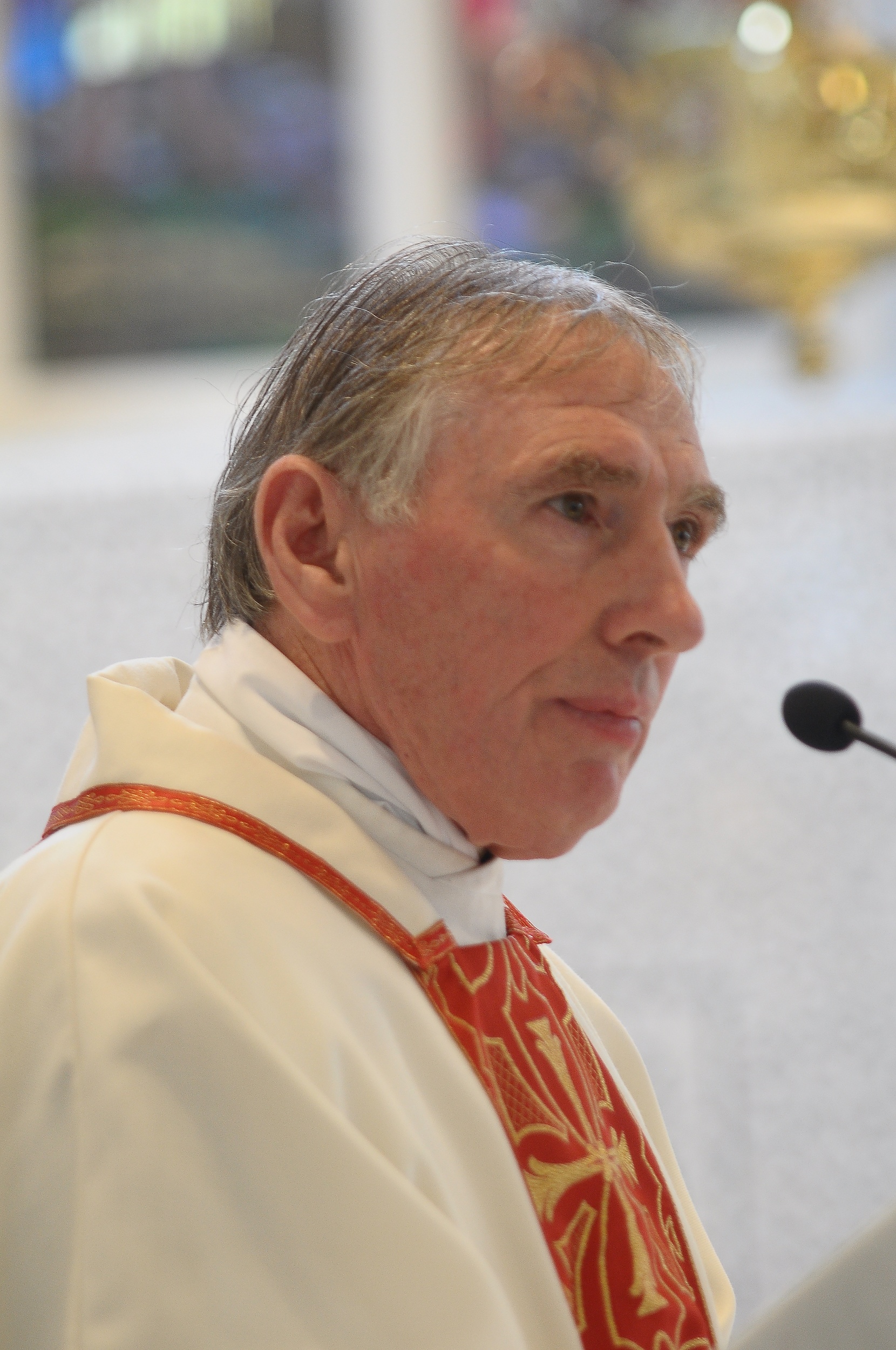
Fr Peter Kerr Parish Priest
Rededication of St Patrick’s Church
Ballymacnab Co.Armagh
7 June 2015
Credit: LiamMcArdle.com
We use cookies to ensure that we give you the best experience on our website. If you continue to use this site we will assume that you are happy with it.