Saturday, December 27, 2025
Home Blog Page 70

Homily of Archbishop Eamon Martin at Mass in Knock for the Annual Armagh Diocesan Pilgrimage, Sunday 31 May 2015

National Marian Shrine, Knock, Co Mayo in the Archdiocese of Tuam


“Among the many lessons that we as Church can learn from the referendum debate is to re-commit ourselves to the pastoral care of anyone in society who experiences victimisation and stigmatisation … to reach out pastorally to different kinds of families and relationships while at the same time continuing to be advocates for a Christian vision of marriage and for the unique and fundamental contribution to society of the family founded upon the love and marriage of a man and a woman … As Pope Francis said on Friday: ‘Evangelise with the message of merciful love” – Archbishop Martin

Homily

Everyone has their favourite Gospel passage, and mine has just been read – the final five verses of Matthew’s Gospel in which Jesus says farewell to his disciples:

“The eleven disciples set out for Galilee, to the mountain where Jesus had arranged to meet them. When they saw him they fell down before him, though some hesitated. Jesus came up and spoke to them. He said, ‘All authority in heaven and on earth has been given to me.

Go, therefore, make disciples of all the nations; baptise them in the name of the Father and of the Son and of the Holy Spirit, and teach them to observe all the commands I gave you. And know that I am with you always; yes, to the end of time.”

It’s Matthew’s big finale – you almost expect to hear the trumpet fanfare and see the credits roll … ‘The End’!

But of course it’s not the end.  It is just the beginning.  Jesus did not say to his friends: ‘It’s all over now; you can go back to your fishing, or farming or whatever’. Instead He gave the disciples a ‘Great Commission’ to go and make disciples of all the nations.  To them it must have seemed a ‘mission impossible’!  Acts of the Apostles tells us that they stood there transfixed until two men in white appeared and said: ‘Men of Galilee why are you standing there gazing into the sky?’ – as if to say – ‘There’s work to be done!  Get on with it!  This is your time!’

Two thousand years later the Great Commission applies also to us as witnesses of Christ.  We too are called to bring His message, with all its power and challenge, into our country and world.  For us it might also seem at times to be a ‘mission impossible’.  But let us look more closely at those final words of Jesus.

Firstly; notice that Jesus was speaking with authority: ‘all authority in heaven and on earth has been given to me’.

Secondly; the ‘Great Commission’ is not narrow or confined to those who are like-minded with us.  Jesus sends His disciples to bring people everywhere into a personal relationship with Him through baptism.

Thirdly; Jesus expects something of His followers.  He says: ‘Teach them to observe all the commands I gave you’.  He was reminding His disciples of His earlier words: ‘If you love me, keep my commandments’.

Fourthly then; being a follower of Jesus means accepting a share of His Cross in your life.  He asks that people be baptised with the Sign of the Cross: in the name of the Father, and of the Son and of the Holy Spirit.

But finally, Jesus reassures us not to be afraid of the challenges that await us as His followers: ‘Know, I am with you always’, He promises, ‘yes, to the end of time’.

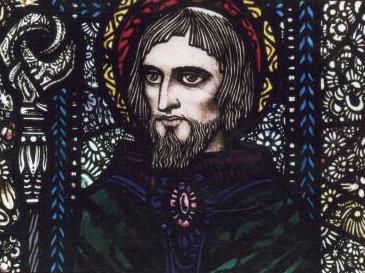
Down the centuries Irish men and women have responded generously to the Great Commission.  Many of us have relatives or neighbours who quite literally went to ‘make disciples of all the nations’ as members of Irish missionary societies.  This year we are celebrating the 14th centenary of the death of the great Saint Columbanus – perhaps Ireland’s most famous missionary ever.  It would be great if in this anniversary year we could rekindle Ireland’s missionary spirit so that more people can experience the joy and challenge of a personal relationship with Jesus Christ.  In that sense Ireland itself is mission territory!

Talking like this about the Catholic Church in Ireland being confident and missionary might seem to some to be ‘pie in the sky’.  Various commentators since last week’s marriage referendum have suggested that the Church has lost its way.  During the past week I have received many messages and letters about the referendum.  Some accuse the Church of not doing enough to stop the amendment; others take the opposite view, criticising the Church for trying to stridently to present a message that, they say, was out of touch with the people.

The Catholic Church contributed its views about the referendum because we considered it to be an extremely important issue for society.  Bishops undertook to inform voters both nationally and locally by explaining, from faith and from reason, the Church’s position on marriage and why we disagreed with changing the meaning of marriage in the Constitution of Ireland.  At the same time we emphasised that gay people should always be treated with respect and sensitivity.

I would like to affirm those who spoke up courageously and chose to vote in support of the unique union of marriage between a man and a woman and the dignity of difference between male and female.  I am also conscious, from the correspondence that I have received, that many people were conflicted about how to vote.  It is clear from the reaction to the referendum result that many people voted in favour of the amendment believing it to be a way of showing tolerance and respect towards gay people, including family members and friends.

It is good that the discussions surrounding the referendum have helped the people of this country to become more aware of the alienation and isolation often experienced by gay people.  Among the many lessons that we as Church can learn from the referendum debate is to re-commit ourselves to the pastoral care of anyone in society who experiences victimisation and stigmatisation.

As disciples responding to the Great Commission, we have much to reflect on, and to learn from the referendum debate about presenting and communicating the Church’s message in the 21st century.  We earnestly want to find ways of reaching out pastorally to different kinds of families and relationships while at the same time continuing to be advocates for a Christian vision of marriage and for the unique and fundamental contribution to society of the family founded upon the love and marriage of a man and a woman.

The changed social and political climate in Ireland brings new pastoral realities for the Catholic Church which presents us with fresh challenges.  We need not be daunted by these challenges, nor stand around like the first disciples staring into the sky.  There is work to be done!  We must get on with it!  This is our time!  In post-referendum Ireland the duty of proclaiming the ‘Gospel of the Family’ and caring for the ‘covenant of marriage’ remains with each member of the Church – lay, ordained or consecrated.  With the help of the Holy Spirit, and strengthened by prayer, we can face squarely today’s pastoral realities, neither giving in to despondency, nor opting for simple vilification of those who disagree with us.

I hope and trust that the Catholic Church shall continue to have an important voice in discussions in the public square on a range of matters, particularly those relating to human life, the dignity of the person, the family, care for the poor and marginalised, the environment, justice and peace.  In these debates we will use arguments drawn from faith and reason, at all times trying to balance charity and truth.  I am often guided in these matters by Pope Saint John XXIII’s suggestion that, rather than issuing condemnations or ‘severer remedies’, the Church should always use ‘the medicine of mercy’, to prove the truth of her teachings.  As Pope Francis said on Friday: ‘Evangelise with the message of merciful love’.

The Catholic Church is not here to impose, but to invite people to a personal relationship with Jesus which, in turn, calls them to conversion and change in their lives. The Second Vatican Council put it this way: ‘The truth cannot impose itself except by virtue of its own truth, as it makes its entrance into the mind at once quietly and with power’ (Declaration on Religious Freedom, Dignitatis Humanae).

I am emboldened by the way Pope Francis keeps talking about the need for a ‘missionary impulse’ in the Church which is capable of transforming everything that we do.  He says:

‘I prefer a Church which is bruised, hurting and dirty because it has been out on the streets, rather than a Church which is unhealthy from being confined and from clinging to its own security’.  This is none other than the radical call of Jesus to mission and evangelisation: ‘Go out to the whole world and proclaim the Good News’.

When I was ordained bishop, I chose for my episcopal motto the beautiful words from the psalms: ‘Sing a new song to the Lord’.  Many people have asked me: ‘What is this new song?’  I do not think the ‘new song’ means changing the words or message – because we must always remain faithful to the Gospel. Nor does it mean simply changing the melody or tune to make it more catchy and popular – we must beware picking and choosing only the ‘easy listening’ bits of the Gospel message.

I prefer Pope Francis’ suggestion that the Church must put everything it does in ‘a missionary key’.  Perhaps this is what ‘Sing a new song’ means for the Church in Ireland at this time – to find fresh ways of presenting the timeless and challenging truths of the Gospel to the complexity of today’s world where people are being constantly bombarded with all sorts of contradictory messages.

Pope Francis says, “Pastoral ministry in a missionary key seeks to abandon the complacent attitude that says: ‘We have always done it this way’.  It invites everyone to be bold and creative in this task of rethinking the goals, structures, style and methods of evangelisation in their respective communities” (Evangelii Gaudium 33, The Joy of the Gospel – apostolic exhortation of Pope Francis published in November 2013).

Standing here today in the magnificently restored Basilica at Knock, I want to thank Father Richard Gibbons and all those who have been involved in the ‘Witness to Hope’ initiative.  From the outset, this exciting project has recognised that the mission of the Church in Ireland is not about restoring old church buildings and structures.  Rather it is about the future.  It is about encouraging people to have a living and personal encounter with Jesus.  It is about rekindling the light of Christian faith, love and hope in Ireland.  We must not allow ourselves to be robbed of this hope!  Remember Jesus promised ‘I am with you always, yes, until the end of time’.  And here, in this special place, we turn to Mary for she is our life, our sweetness and our hope!  Our Lady of Knock, Queen of Ireland, pray for us.  Amen.

ENDS
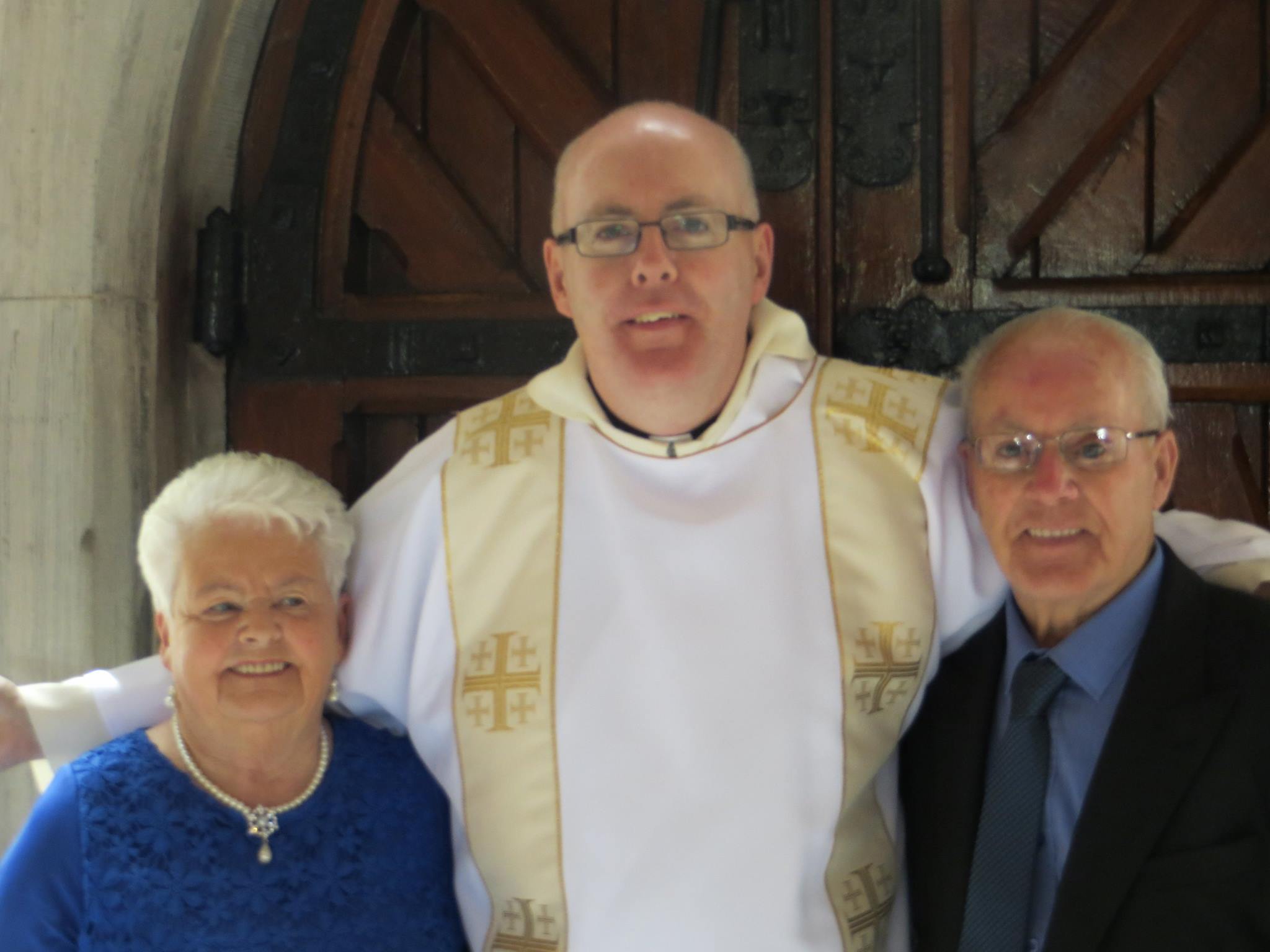
Ordination of Rev Damien Quigley to the Diaconate

Nine Maynooth men reached a milestone in their priestly formation on May 31st, when they were ordained deacons by Archbishop Diarmuid Martin, during a Mass celebrated in College Chapel, St Patrick’s College Maynooth before a congregation of approximately 500 people. Damien Quigley, a native of the Parish of The Holy Redeemer, Dundalk, was ordained for the Archdicoese of Armagh.

Ordination as a transitional deacon generally occurs after a seminarian has completed at least three years of study in theology, and takes place one year before priestly ordination. Transitional deacons exercise the very same ministry as permanent deacons; as such they are now ordinary ministers of Baptism, and are able to preside at weddings, assist the priest at Mass, proclaim the Gospel and preach, as well as preside at wakes and funeral services. In addition to their diaconate assignments the nine will spend the next year completing their formation in Maynooth.
The following new deacons were ordained:
Michael King, Diocese of Galway
Kevin Malcolmson, Diocese of Clogher
Christopher McDermott, Diocese of Derry
Conor Magee, Diocese of Meath
Patrick Nugent, Diocese of Cork and Ross
John O’Halloran, Diocese of Galway
James O’Reilly, Diocese of Down and Connor
Damian Quigley, Archdiocese of Armagh.
Noel Weir, Diocese of Meath,

Commenting on the celebration, Msgr. Hugh Connolly said:

The entire Formation Community in St Patrick’s College Maynooth is truly delighted that the formation and seminary year has culminated in such a joyful and moving celebration. We wish these men well as they embark upon their ministry and complete their formation for priesthood. Taken with the fourteen ordinations to priesthood which have or will take place in these next weeks this has really been a remarkable year for our college. I wish these men well as they embark upon this phase of their service to the Gospel and the people of God. Let us pray too that others inspired by their witness will discern a similar call to service within their hearts and respond with courage and generosity.

11313090_10153946103505400_8912912639438560973_o

Resources for the celebration of the 1400th anniversary of the death of St Columban

Find below some resources which can be used for the celebration of  the 1400th anniversary of the death of St Columban in June.


The Way of St. Columban ID

Columban Reflections Notes

Sunday 21st Liturgy and Prayer Service


There is an event taking place at the Cathedral in Armagh on Sunday 21st June.  More details can be found here

Resources for the upcoming Marriage Referendum

Family watching television

In recent weeks and months, Archbishop Eamon Martin has received many letters and messages asking him to explain clearly the Church’s teaching on marriage in the context of the forthcoming referendum.  Archbishop Eamon would like us all to reflect and pray about these issues before voting on May 22nd. He says it is very important to vote and asks us not to be afraid to speak up courageously for the union of a man and a woman in marriage.  Find below some resources:


Archbishop Eamon’s Message, entitled: Care for the Covenant of Marriage – A Message on the Marriage Referendum

Homily of Archbishop Eamon Martin at Mass in Lourdes on his first pilgrimage to the Marian shrine as Archbishop of Armagh

Please visit www.meaningofmarriage.ie which will host relevant material which has been published by the Irish Episcopal Conference, its councils, and by individual bishops.

A Pastoral Statement of the Irish Catholic Bishops’ Conference: The Meaning of Marriage

Read here what Pope Francis has to say about Marriage and family

Archbishop Eamon Martin delivers his own message – Care for the Covenant of Marriage – on the upcoming Marriage Referendum.

 Statement from Irish Bishops on Marriage Referendum

Remarks by Archbishop Eamon Martin and Archbishop Diarmuid Martin on the statement from the Irish Bishops on 10th March 2015. 

Archbishop Eamon Martin discusses the statement issued by the Bishops Conference in regard to the upcoming Marriage Referendum. 

Care for the Covenant of Marriage – A Message on the Marriage Referendum from Archbishop Eamon Martin

Cardboard figures of the family

In recent weeks and months, Archbishop Eamon Martin has received many letters and messages asking him to explain clearly the Church’s teaching on marriage in the context of the forthcoming referendum. He has written a Message, entitled: Care for the Covenant of Marriage, and he encourages everyone of voting age to read his Message carefully.

Archbishop Eamon would like us all to reflect and pray about these issues before voting on May 22nd. He says it is very important to vote and asks us not to be afraid to speak up courageously for the union of a man and a woman in marriage.

He invites us, especially in May, the month of Mary, to pray the Rosary for all the families of Ireland, remembering those who are especially in need of prayer at this time. May our families be models of faith, love and generous service.

Click here to view the full text of Archbishop Eamon’s Message, entitled: Care for the Covenant of Marriage

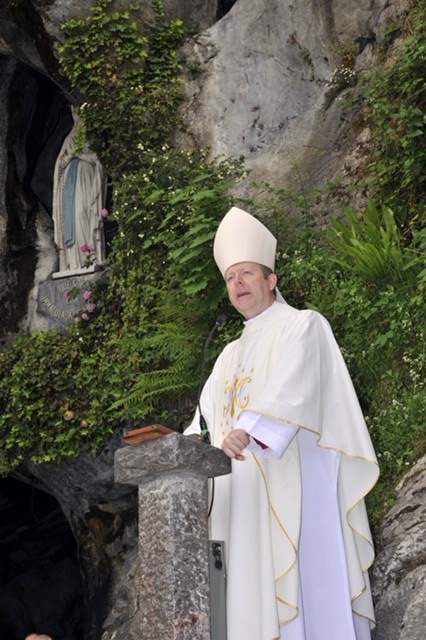
Homily of Archbishop Eamon Martin at Mass in Lourdes on his first pilgrimage to the Marian shrine as Archbishop of Armagh

Ab Eamon at Lourdes Grotto8.30am at the Grotto of Our Lady of Lourdes, Feast of Our Lady of Fatima

At Mass in Lourdes this morning Archbishop Eamon Martin remembered and acknowledged the faithful in Ireland, and around the world, who are praying, fasting, doing penance and praying novenas for the special intention of marriage and the family, saying, “when we pray for, and speak up for the institution of marriage as it has been understood across cultures and down the ages, we are not trying to hurt or offend anyone – thank God, in His great mercy He loves all of us equally, and so should we … we want to protect and promote the uniqueness of that special relationship between a wife, a husband and their children which is sanctified by Our Creator, endorsed by Jesus, and which is such a powerful and prophetic beacon of hope for society.”

Homily
My dear brothers and sisters, here we are, many miles from home, gathered in the foothills of the Pyrenees at the beautiful grotto in Lourdes. There is something very special about this place. No wonder millions of people have come here in procession, and hundreds of thousands have returned again and again. And yet, if it wasn’t for Mary’s appearances here 157 years ago, most of us wouldn’t even have heard of Lourdes, never mind travelled here. And it is the same with the other places our Blessed Mother chose to visit – they were not the grand squares of the world’s great cities, the splendour of royal palaces or the bustling centres of learning or civilisation; they were often the remote and isolated places, like lonely Lourdes, forgotten Fatima or the windswept Irish hillside hamlet of Knock.

Neither did Mary choose to appear to great thinkers or theologians, powerful politicians or rich and influential business people. Her chosen ones were the little people of the world who knew the struggles of living with nothing except their trust in God and his providence – people like young and innocent Bernadette who couldn’t read or write, or the down-to-earth parishioners at Knock, or the little shepherd children of Fatima: Lucia, Francisco and Jacinta. Today, on the Feast of Our Lady of Fatima we are linked through prayer with the hundreds of thousands of pilgrims who are gathering at Fatima to celebrate the feast.

Down the centuries Mary’s chosen hosts must have wondered, like Elizabeth: How is it that we should have been honoured by a visit from the mother of our Lord? But I like to think that, in appearing, Mary was fulfilling the dying wishes of Jesus, when he entrusted her to be the mother of all the living: ‘Woman, behold your Son’. And at the same time, Mary’s apparitions encourage us to remember that Jesus also said from the cross: ‘Son, behold your mother’, and that our heavenly mother is there for us when we need her help.

Why have you come to Lourdes this year? Do you come in joy and hope, in sickness or worry? Is it out of deep devotion, or perhaps curious questioning? Have you come here to ask Mary’s help and intercession, or to thank her for favours already granted? I know that we all carry with us, in our heartfelt thoughts and prayers, the petitions and needs of so many others, family, friends, loved ones, neighbours. Perhaps this morning you are thinking about someone who has asked you to pray for them at Lourdes: perhaps a child, brother, sister who is sick or worried, maybe a friend who is depressed or weighed down by anxiety, a neighbour who has been bereaved recently, a parent who has tragically lost their son or daughter, or a couple struggling with their marriage or family. Perhaps you are thinking about a young person who is taking exams, or a friend or relation who is looking for work. Maybe you or someone you know is struggling with some problem or addiction, a sinful habit, an important decision or a tense relationship.

Whatever our reason for coming to Lourdes, we should not be afraid to be drawn to Mary’s gaze and comforting arms, because as the Memorare prayer puts it: ‘never has it been known that anyone who fled to her protection, implored her help, or sought her intercession was left unaided by her’.

Neither should we be surprised if Mary asks something of us here at Lourdes. Remember she was the one who gave herself totally to God’s will at the Annunciation, and at Cana she said: ‘Do whatever he tells you’.

A common theme from her apparitions around the world has been the call to conversion, to do penance, and to make reparation. Her messages are often direct and challenging. ‘Penance, penance, penance’, she told Bernadette, and her final words to the children of Fatima were: ‘People must amend their lives, ask pardon for their sins, and not offend Our Lord any more for he has been already too greatly offended’.

My dear brothers and sisters, our pilgrimage to Lourdes will call us to change, and to deep inner healing of mind, body and Spirit, for ourselves, our families and loved ones, for our countries and for the world. In praying for this conversion and healing, we need not be afraid, for Mary our Mother is there to protect us.

It was on this day, 13 May, back in 1981 that her ‘unseen hand’ shielded Pope Saint John Paul II from almost certain death in Saint Peter’s square. Today, 13 May 2015, Mary is ready to shield us too, from dangers in our lives, from fears and anxieties, and from the snares and attacks of sin and evil on our spirit.

I would like to ask you to remember a special intention with me this year at Lourdes. In the coming days the people of Ireland will be asked to vote in a referendum which will change the meaning of marriage and family in the Constitution of Ireland. The Bishops of Ireland are clear that they cannot support this amendment and they have asked the people of Ireland to reflect and pray very carefully before voting.

I know that many people in Ireland and around the world are beginning a novena today, or praying the Rosary, or fasting and doing penance for the special intention of marriage and the family.

In his message for World Communications Day this coming Sunday, Pope Francis describes the family as a ‘privileged place of encounter with the gift of love’. The Holy Father says, ‘families, at their best, actively communicate by their witness the beauty and the richness of the relationship between man and woman, and between parents and children’.

So when we pray for, and speak up for the institution of marriage as it has been understood across cultures and down the ages, we are not trying to hurt or offend anyone – thank God, in His great mercy He loves all of us equally, and so should we. We simply want to respect the dignity of difference between male and female. We want to protect and promote the uniqueness of that special relationship between a wife, a husband and their children which is sanctified by Our Creator, endorsed by Jesus, and which is such a powerful and prophetic beacon of hope for society.

I would like to conclude with a prayer of entrustment to the Immaculate Heart of Mary, written by Pope Saint John Paul II, who was affectionately known as the ‘Pope of the Family’:

O Mary, Mother of all men and women, and of all peoples, you who know all our sufferings and our hopes, you who have a mother’s awareness of all the struggles between good and evil, between light and darkness, which afflict the modern world, accept the cry which we, moved by the Holy Spirit, address directly to your Heart. Embrace us with the love of the Mother and Handmaid of the Lord, and this human world of ours, which we entrust and consecrate to you, for we are full of concern for the earthly and eternal destiny of individuals and peoples.

“We have recourse to your protection, holy Mother of God!’ Despise not our petitions in our necessities”.

Our Lady of Lourdes; Fatima; Knock; pray for us.

Amen.

Ab Eamon at Lourdes Grotto

The Bann to the Boyne

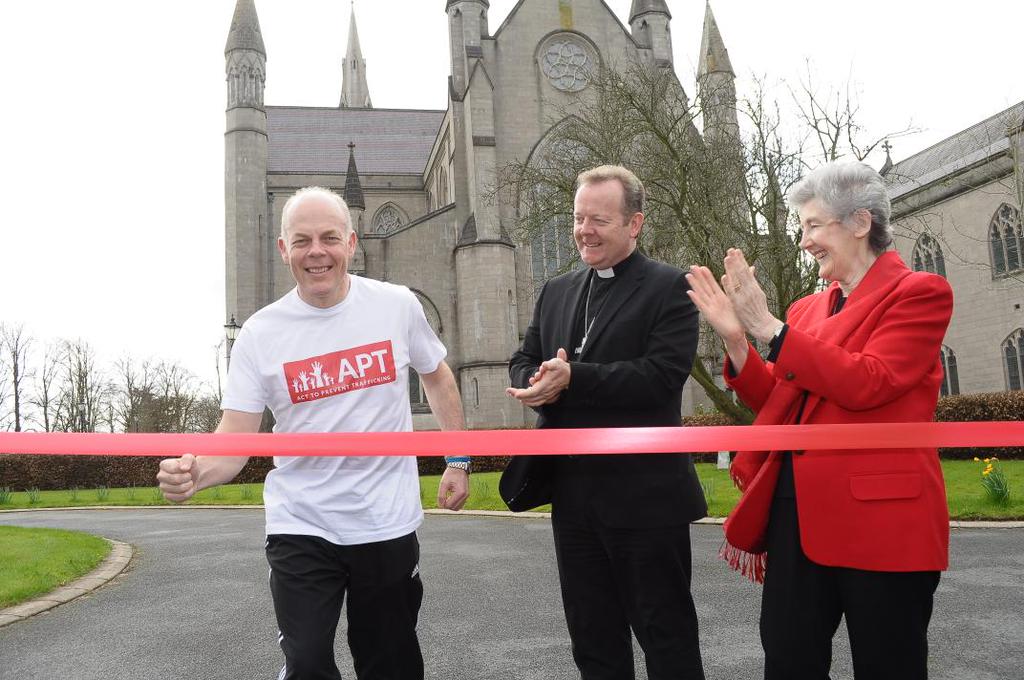
Fr Gerry Campbell would like to thank all who supported his run from ‘The Bann to the Boyne (26th to 29th April) to raise awareness of the horror of Human trafficking. A special word of thanks to:

• Archbishop Eamon Martin for launching the run on 15th April and for supporting and promoting it.
• Alliance Insurance, the main sponsor of this run.
• The priests of the four parishes in which the run started each morning and particularly to Frs. John Fox, Newbridge, Séamus White, Dungannon, Phelim McKeown, Kilsaran, who led the Prayer Service on particular days and Fr. Pat McEnroe, Darver & Dromiskin who came to cheer Fr. Gerry on !
• The staff and pupils of St. John’s P.S., Moy and their chaplain Fr. John Hughes
• The staff and pupils of Scoil Mhuire gan Smál, Kilkerley.
• The members of APT who were present along the route.
• The sacristans and people who joined in the Prayer Services each morning and all who donated sponsorship.
• Those who prayed for Fr. Gerry and particularly for the victims of trafficking.

Fr. Gerry extends his sincere thanks to all who supported this cause in any way.


https://youtu.be/B1KEnJcVJ8c

14th centenary of the death of St Columbanus

As part of the national and international celebrations to mark the 14th centenary of the death of St Columbanus, on behalf of the Irish Episcopal Conference, Archbishop Eamon Martin extends an open invitation to a Mass of Thanksgiving in St Patrick’s Cathedral, Armagh on Sunday, 21 June 2015 at 11.00 am.

Following Mass you are welcome to some light refreshments and a short talk on St Columbanus.

At the invitation of Archbishop Richard Clarke, and Dean, Gregory Dunstan, you are also welcome to attend Evensong in St Patrick’s Church of Ireland Cathedral, Armagh at 3.15 pm.

More Great people with great stories in Cookstown!

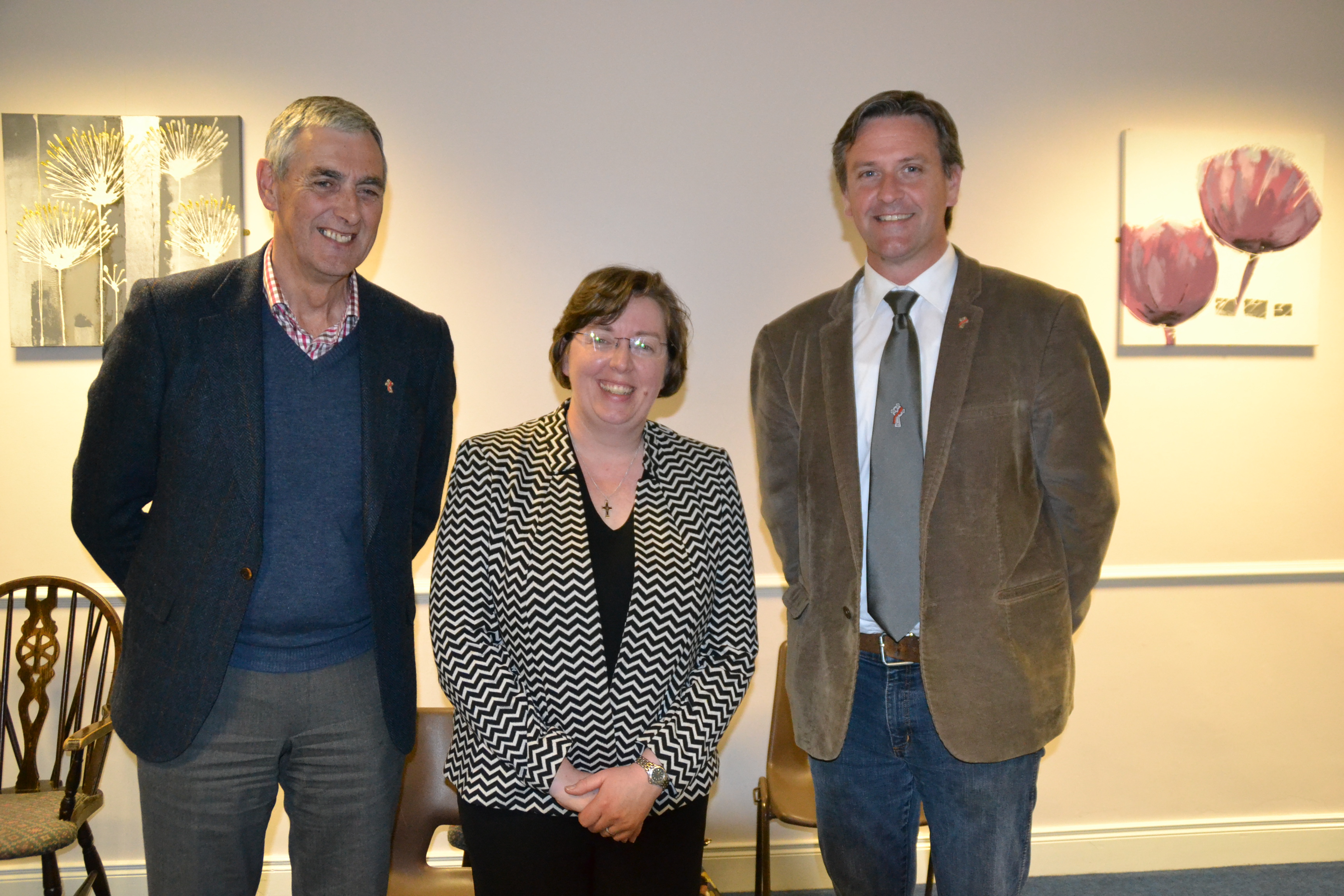
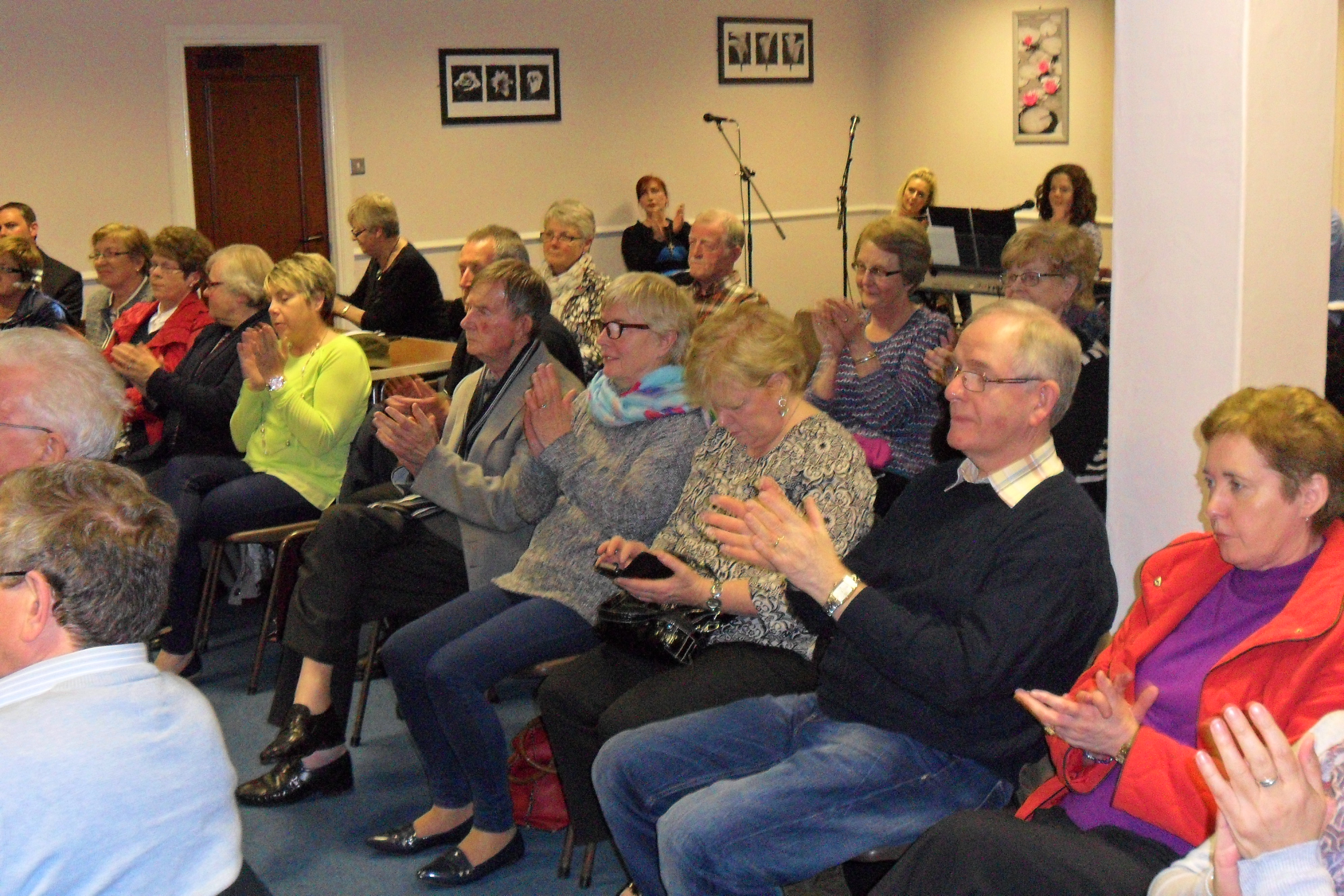
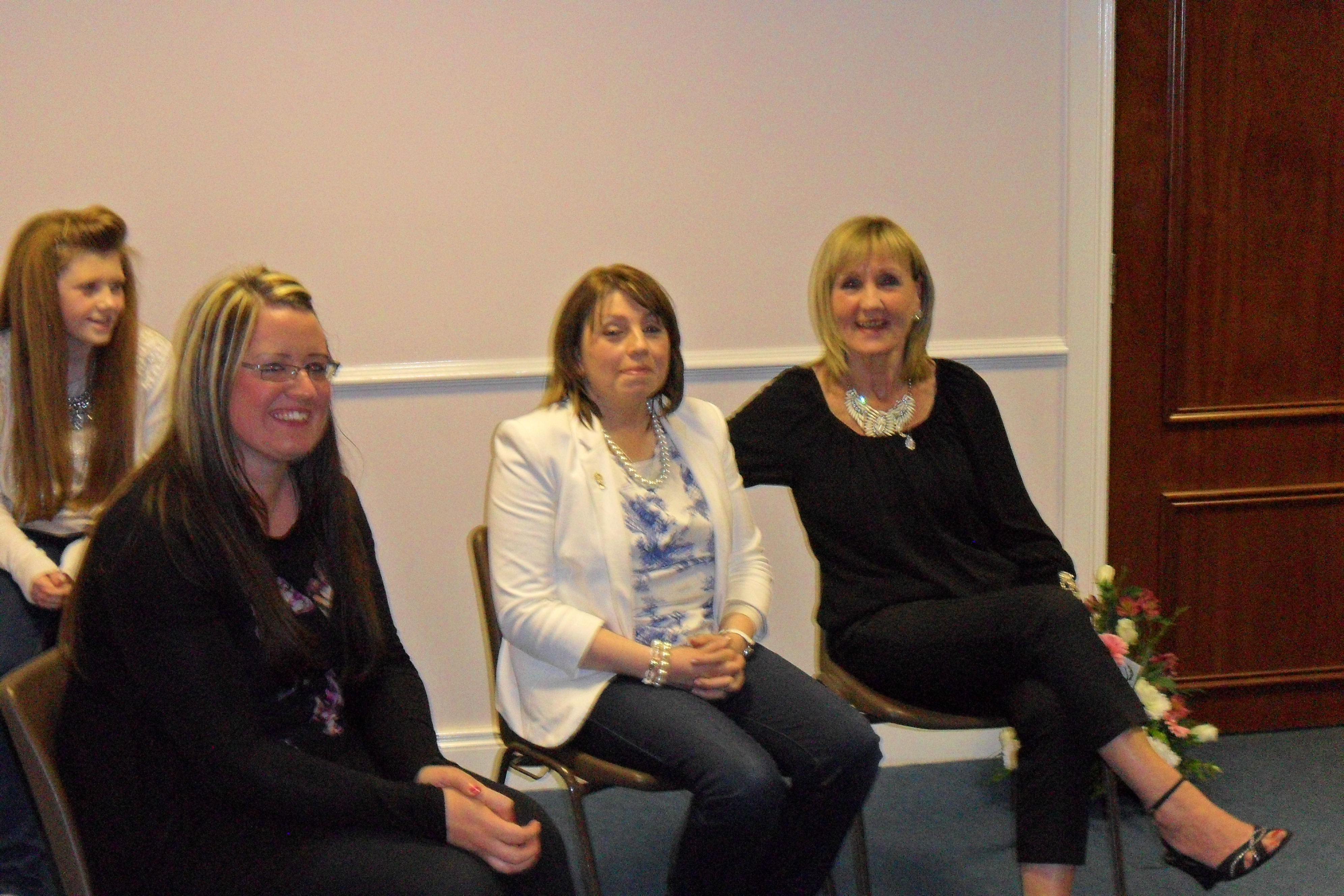
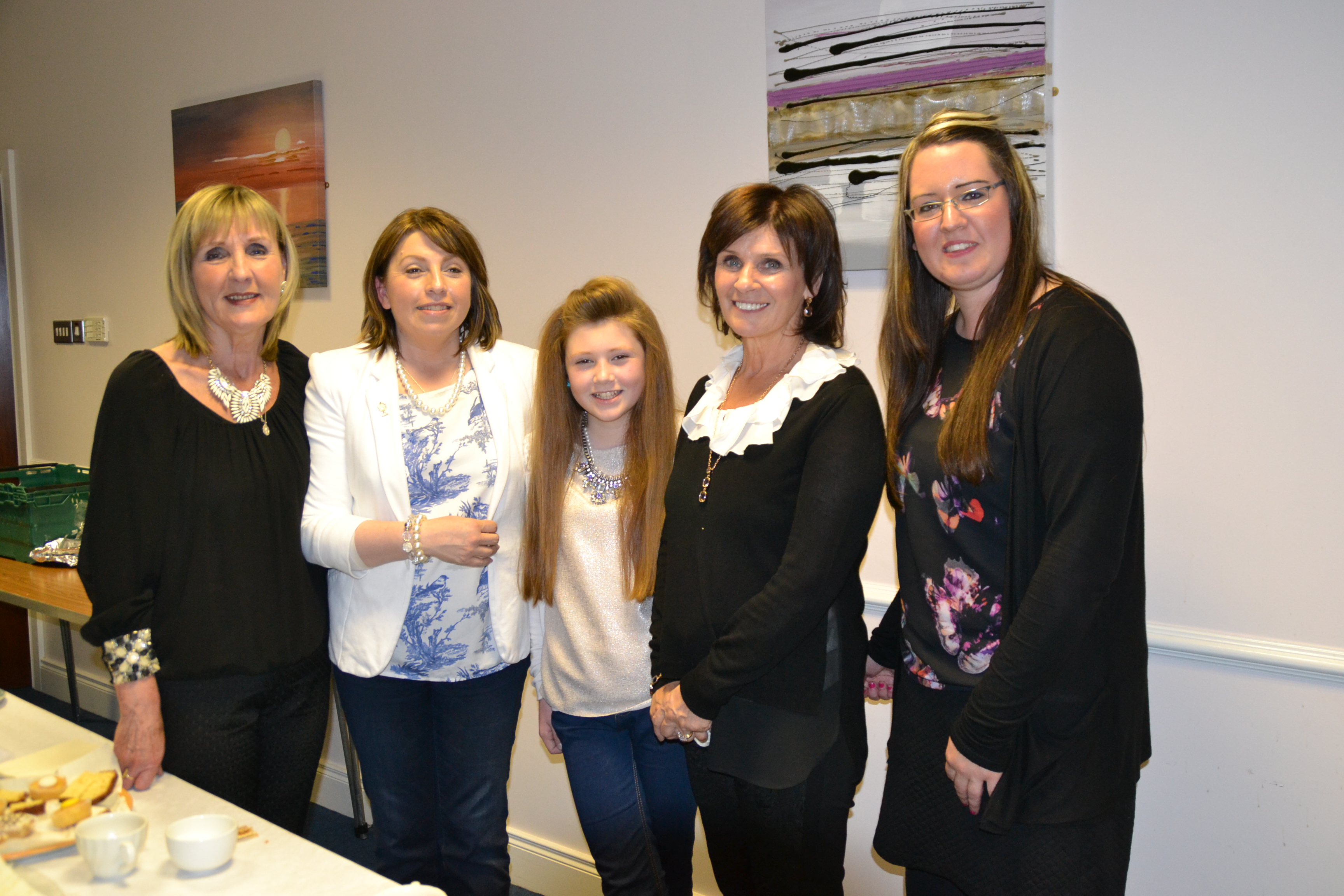
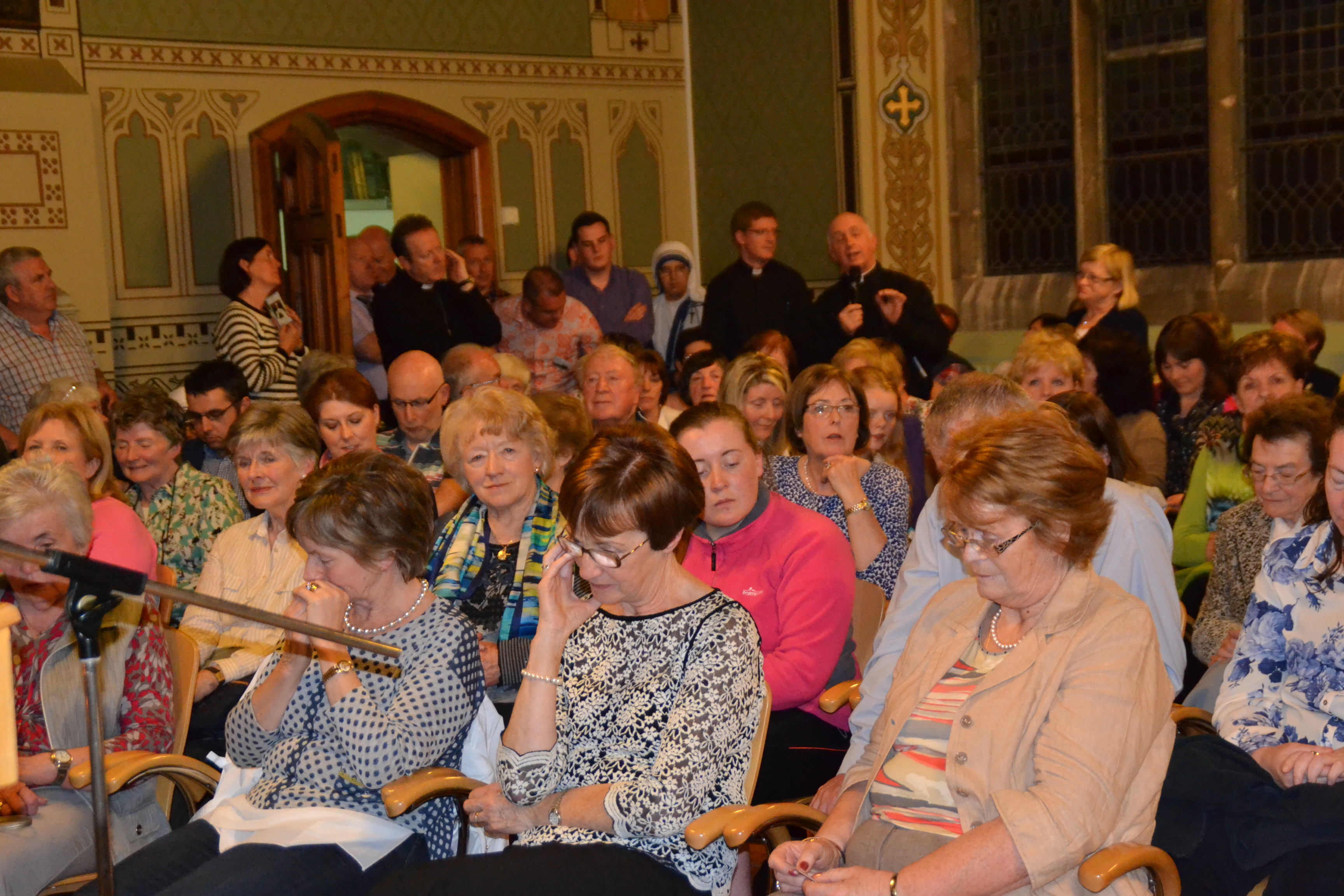
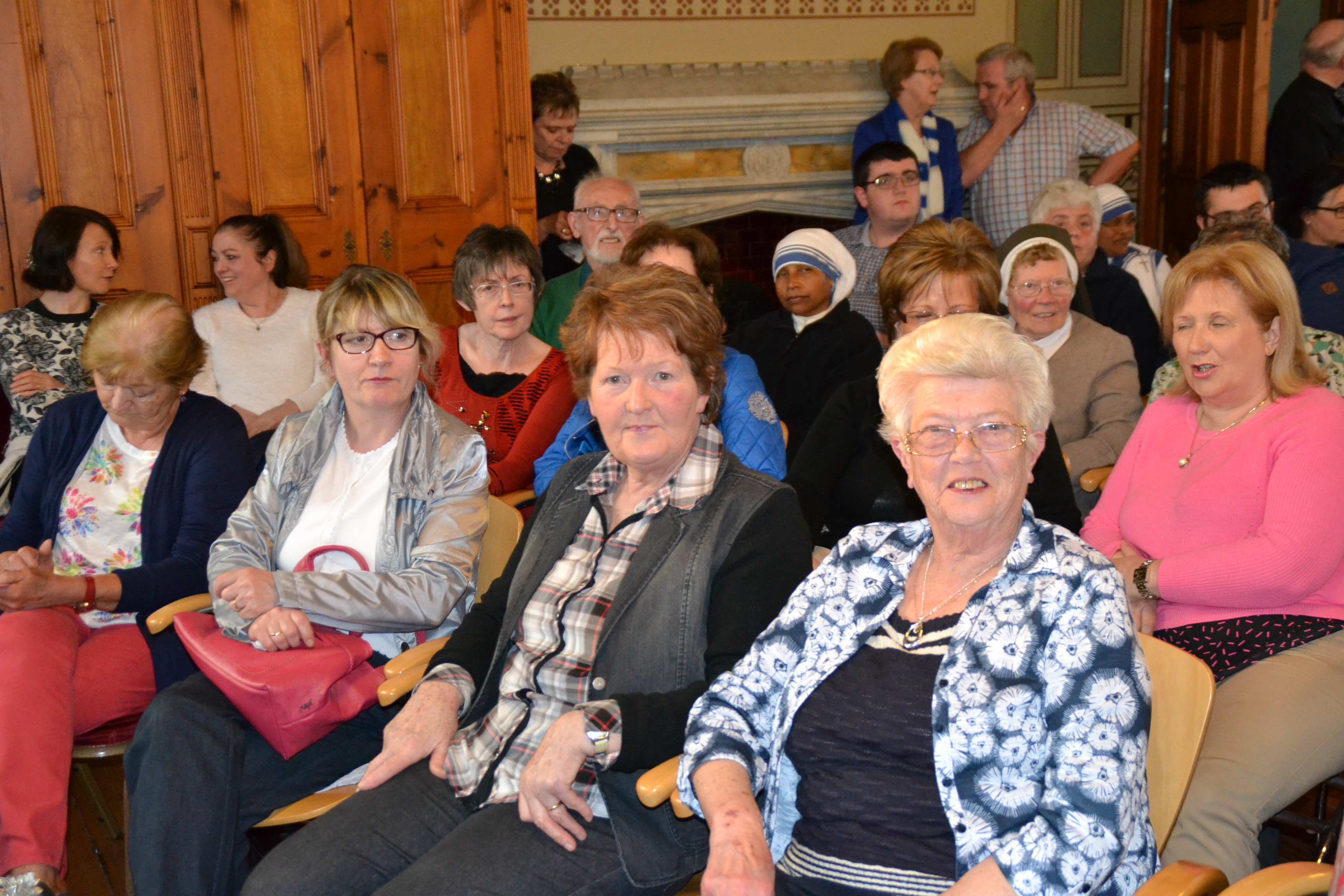
On Wednesday 29th April, Cookstown Parish Centre was the setting for the second special evening of “Great people, great stories, come and listen” organised by the Diocesan Vocations Team. The evening included two more great people sharing their personal “vocation” stories.

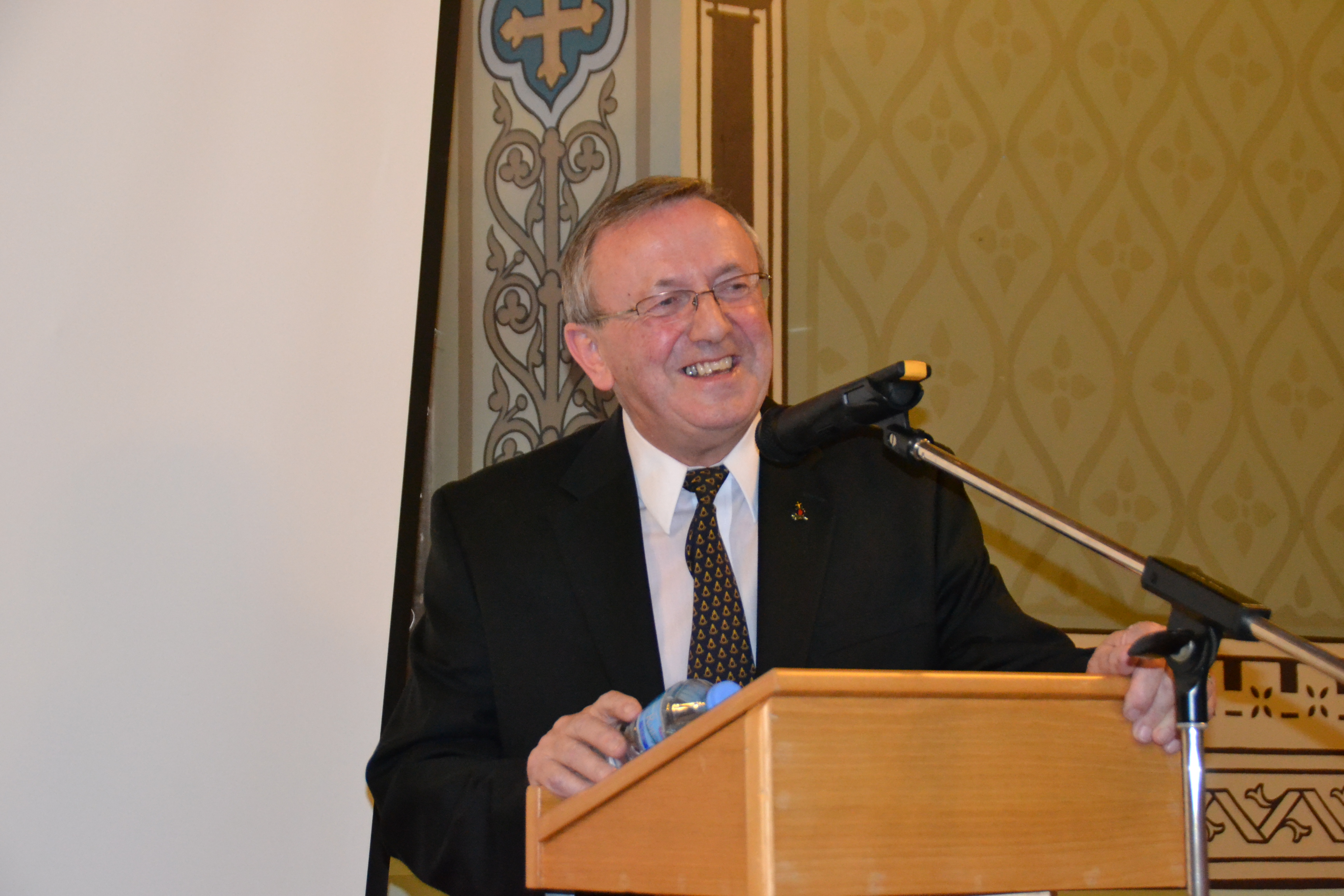
The first speaker was Sister Fiona Galligan, a Sister of Mercy nun, who works as chaplain in Craigavon Area Hospital and the St John of God Hospice, Newry. She was followed by Deacon Kevin Duffy, a married man with two children, who was ordained to the permanent Diaconate for armagh Diocese in September 2014 and is currently ministering in the parish of Magherafelt.

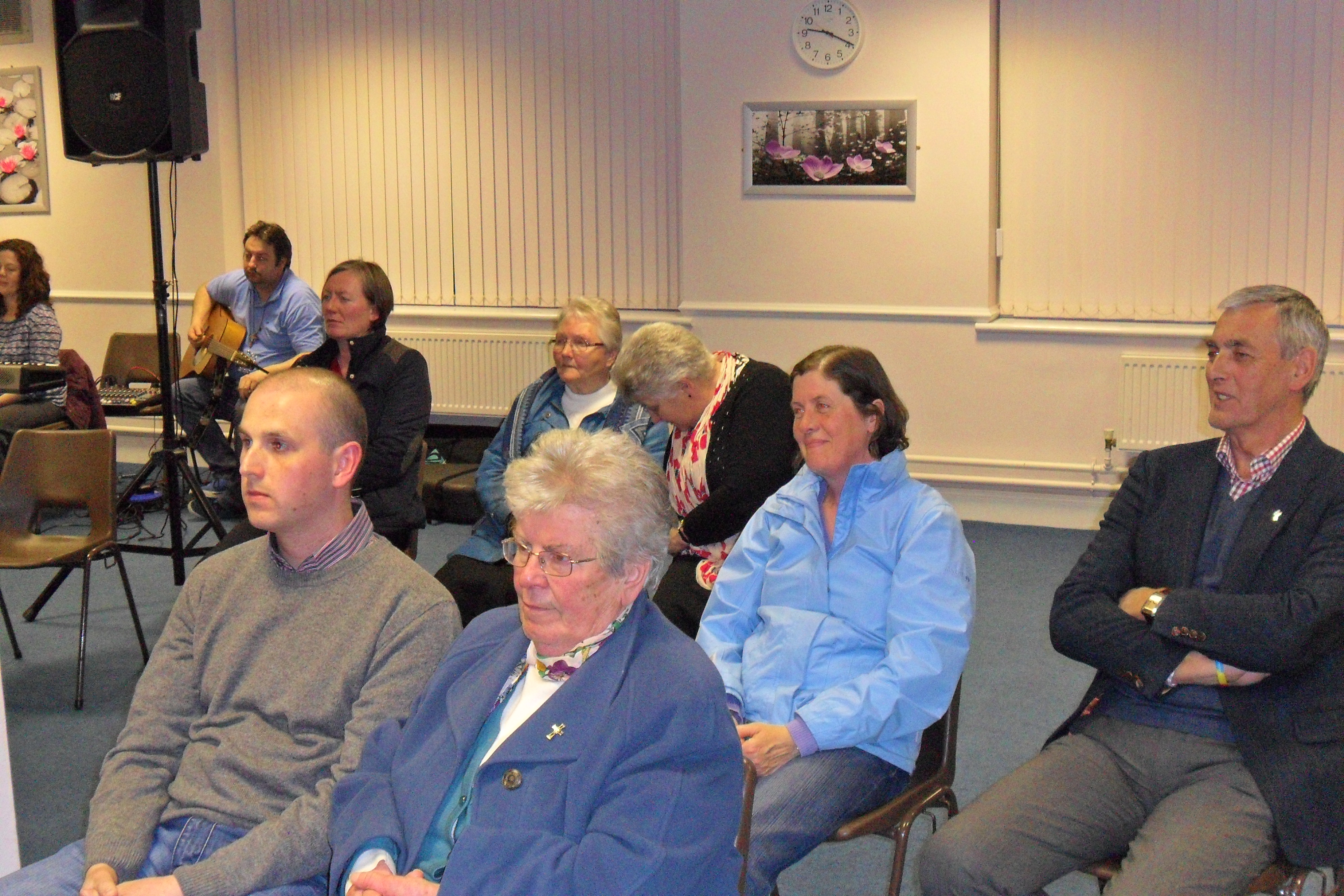
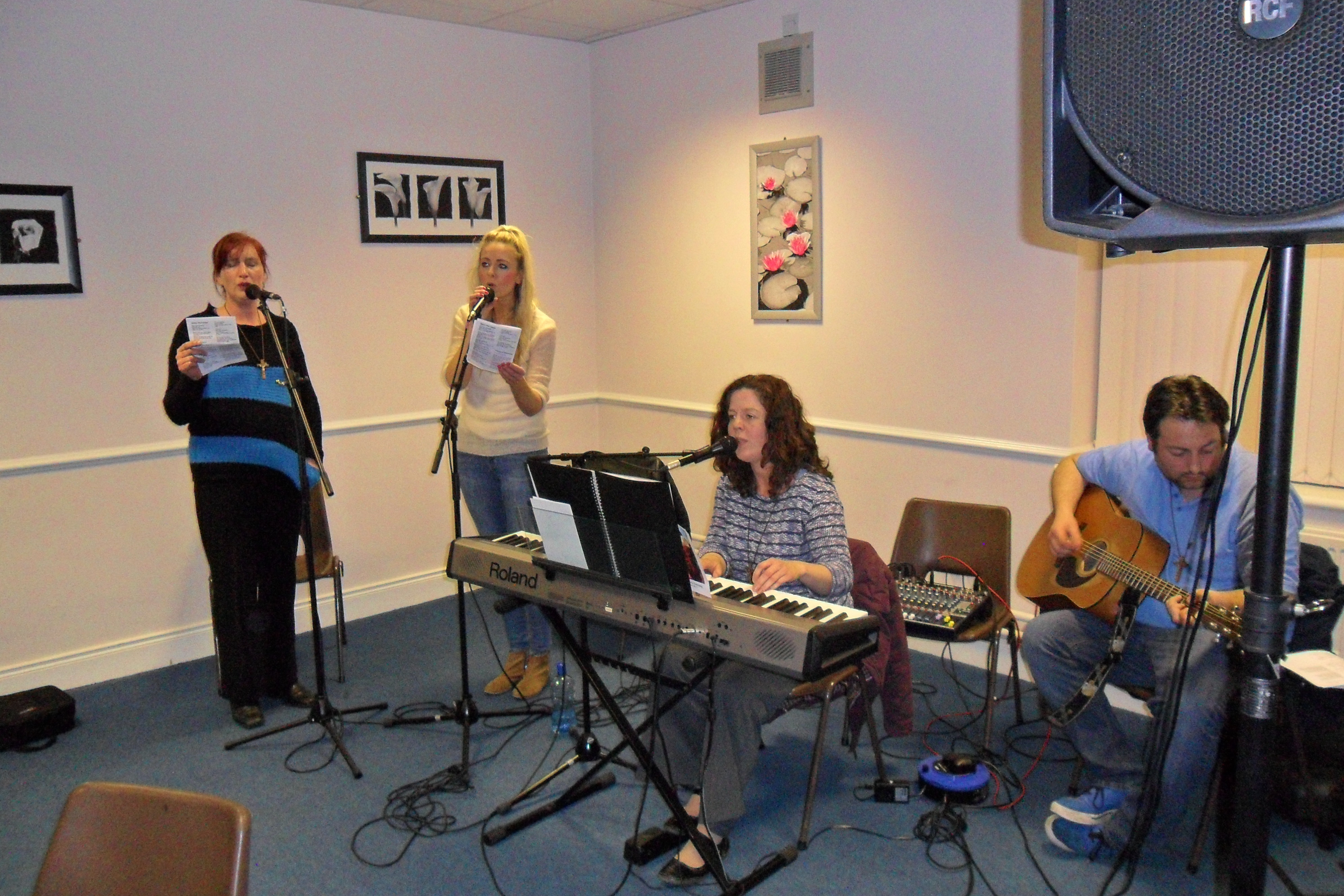
The evening began with a beautiful hymn by the folk group Sunlight, followed by prayer led by members of Armagh Diocesan Vocations Team. The remarkable testimonies were then delivered by the guest speakers.

Sister Fiona began by highlighting the fact that the word “vocation” is so often viewed as a call to priesthood or religious life when in essence it is a call to everyone. She further reminded those present that our journey in life is part of God’s plan. “Hospitality to welcome God” which is the essence of her vocation began in the home and it was further consolidated in her school years in the teaching and the example of the Sisters of Mercy. She recalled that her journey to answering the call took her through university, a teaching career in inner city Limerick, and many years of personal discernment before entering the convent in August 1997. She clearly sees her founder, Catherine McCauley as her guiding light especially in her present role in chaplaincy. She stated that she sincerely hoped that through recounting her own vocation story she had helped those present to refine their own yes. In conclusion Sister Fiona shared her hope for the future: “In my old age I hope to look back and see that I lived my precious life well.” She then left her audience with the challenging question: “What do you want to look back on in your old age?”

Deacon Kevin began by indicating that his vocation journey was far from straightforward but that like Sister Fiona it began in his home “where the value of prayer was instilled in me”. His first thoughts about vocation came at Sunday Devotions and when he was in Primary 5. He humorously took the audience through his teenage and university years in terms of living the typical life, however, he admitted that the draw to God was ever present and he oftentimes turned to prayer. He believes that he got where he is today through the support of the three great women in his life: Our Lady, his mother and his wife. To conclude Kevin very humbly stated “I know I am not perfect but through the falling downs of my life, I trusted in God who helped me to get up again and to go on” and he exhorted all present to do likewise in their own lives. He left the audience with the reflective reminder that part of the vocation of all of us is to encourage others to find and follow theirs.

After some reflection and questions the evening concluded with prayer followed by refreshments. Once again everyone left feeling uplifted and very privileged to have heard such wonderful stories!


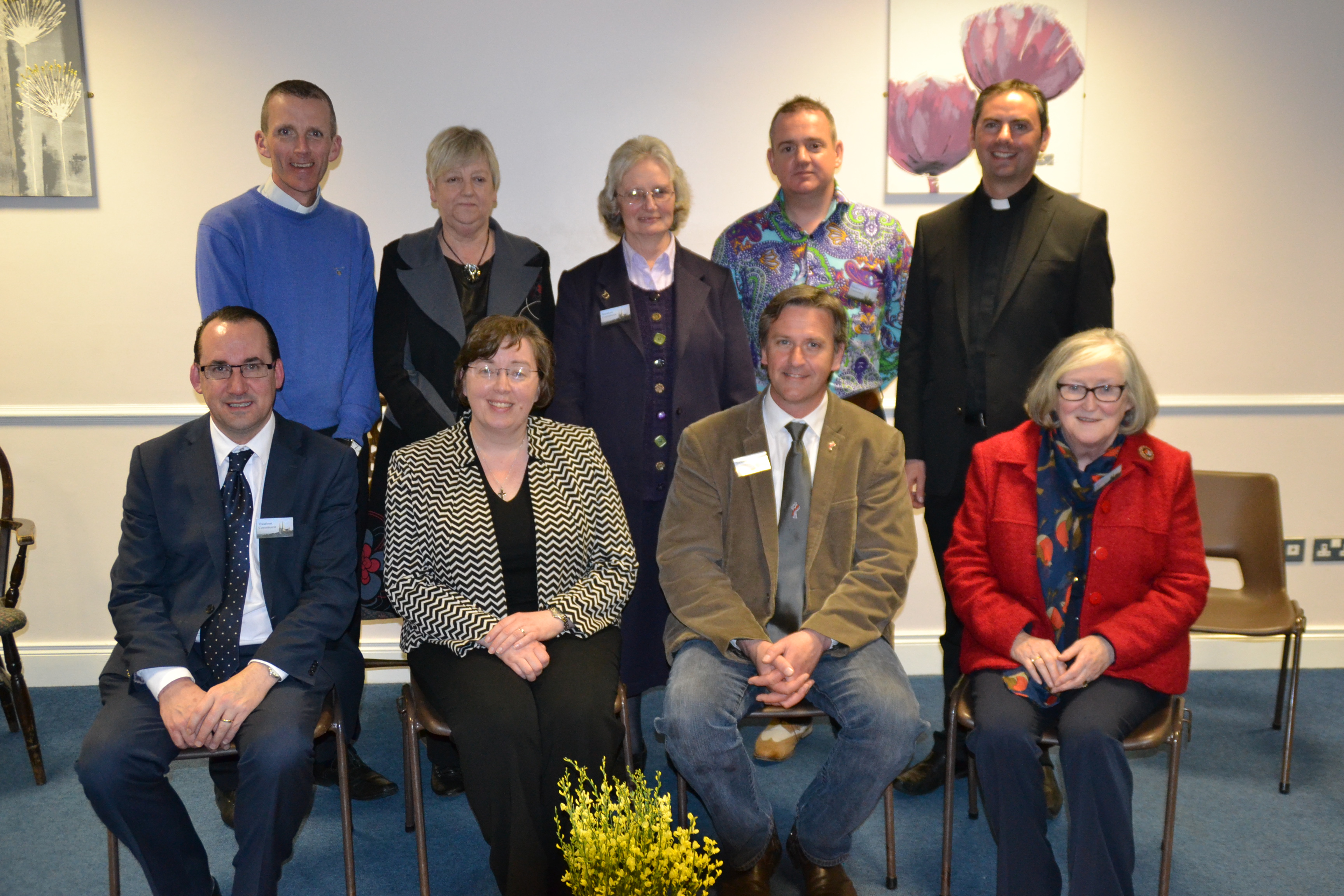
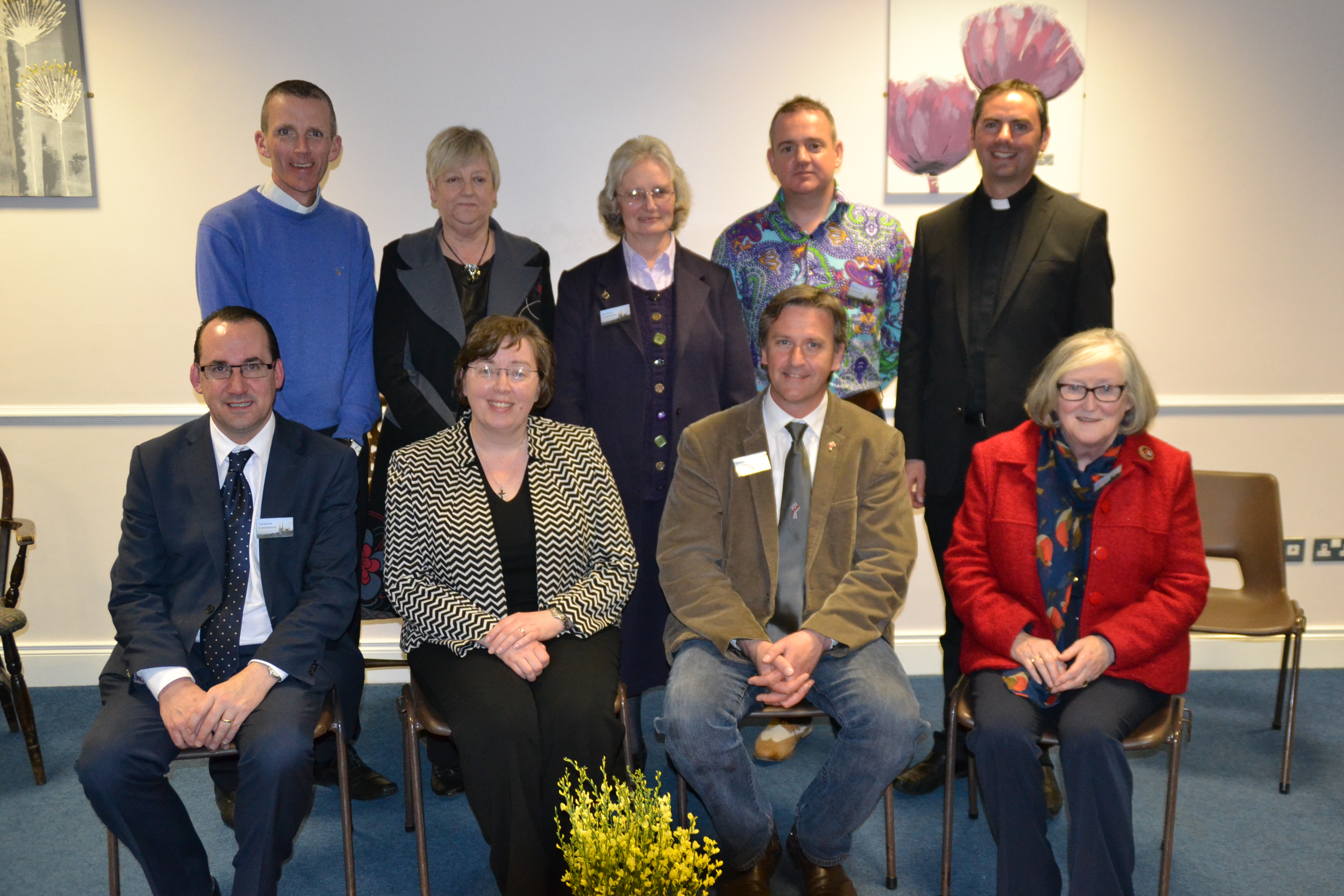
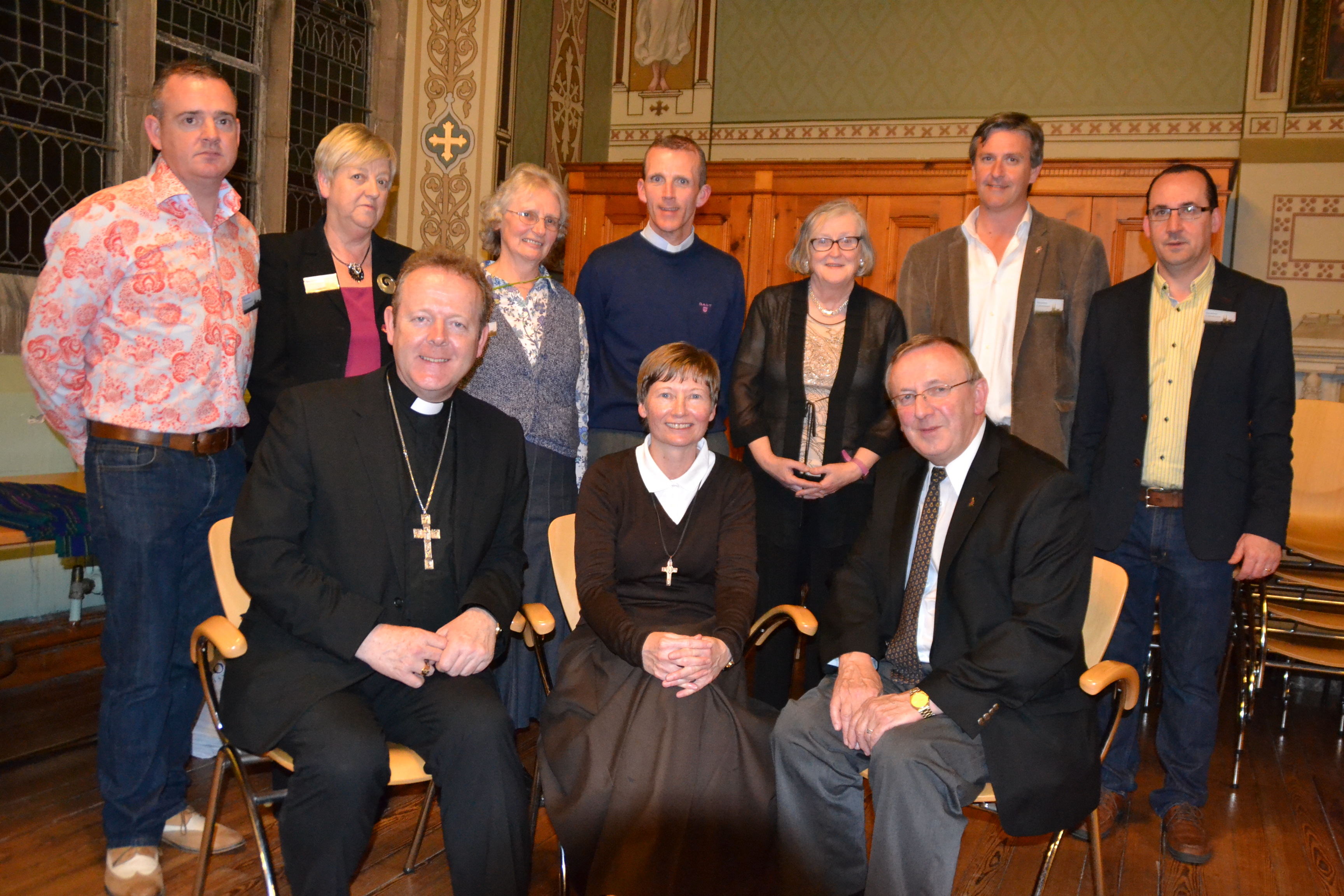
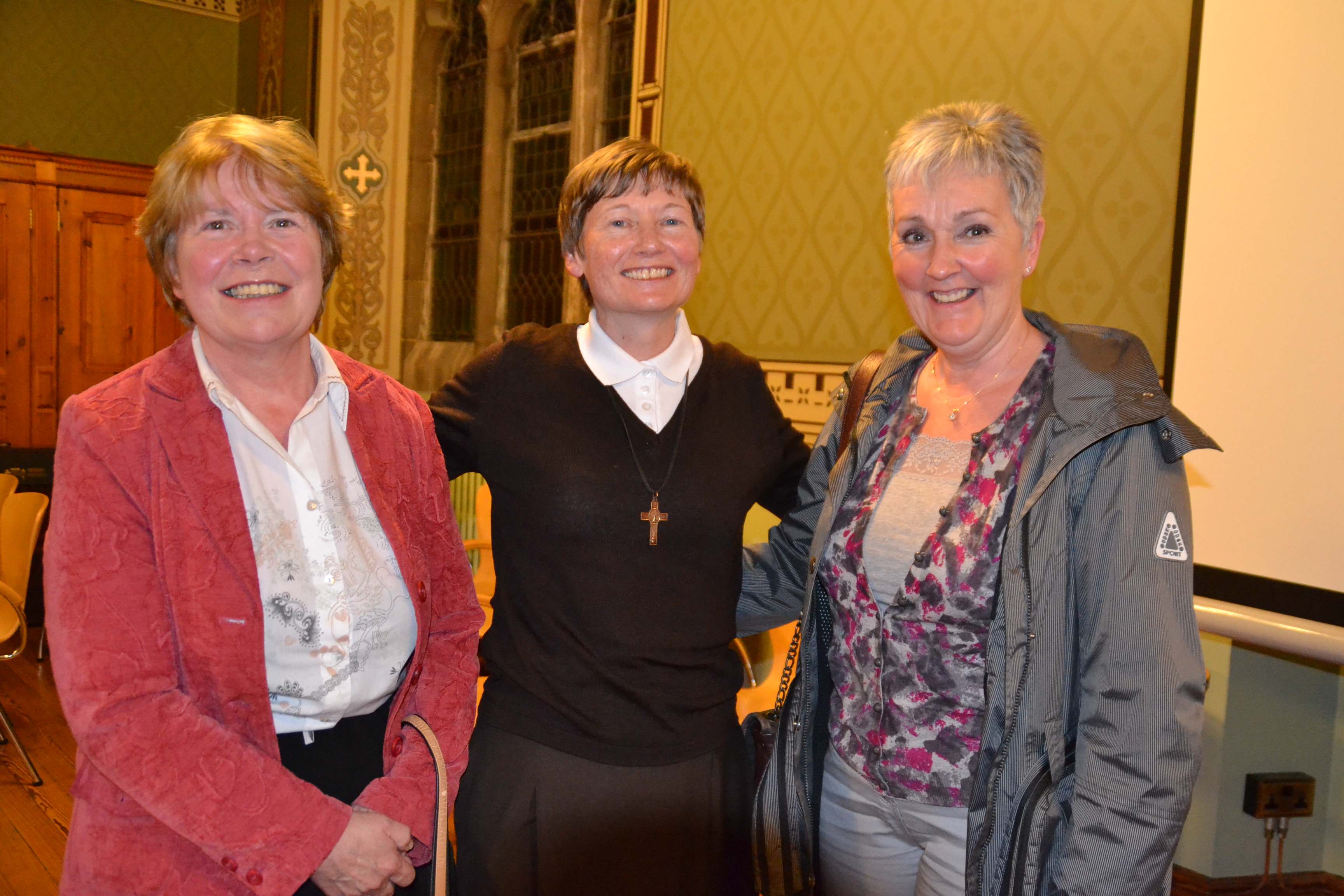
Members of Armagh Vocations Team with Guest Speakers

Fr Peter McAnenly, Bredge Casey, Sr Carmel Flynn, James Morgan, Fr Emlyn McGinn

Frank McCourt, Sr Fiona Galligan, Rev Kevin Duffy and Kay McDonald

“Vocations” Evening draws large numbers in Armagh

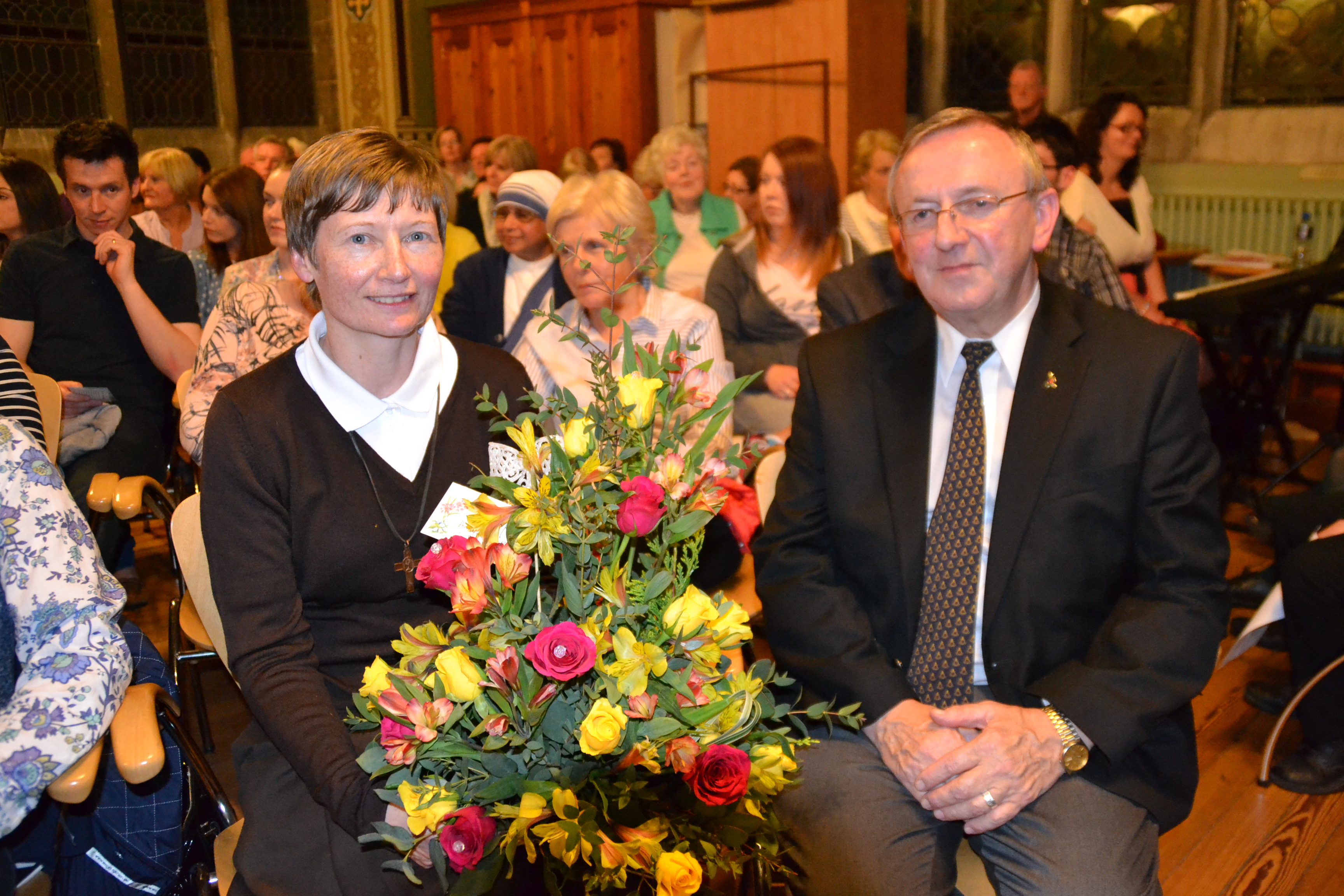
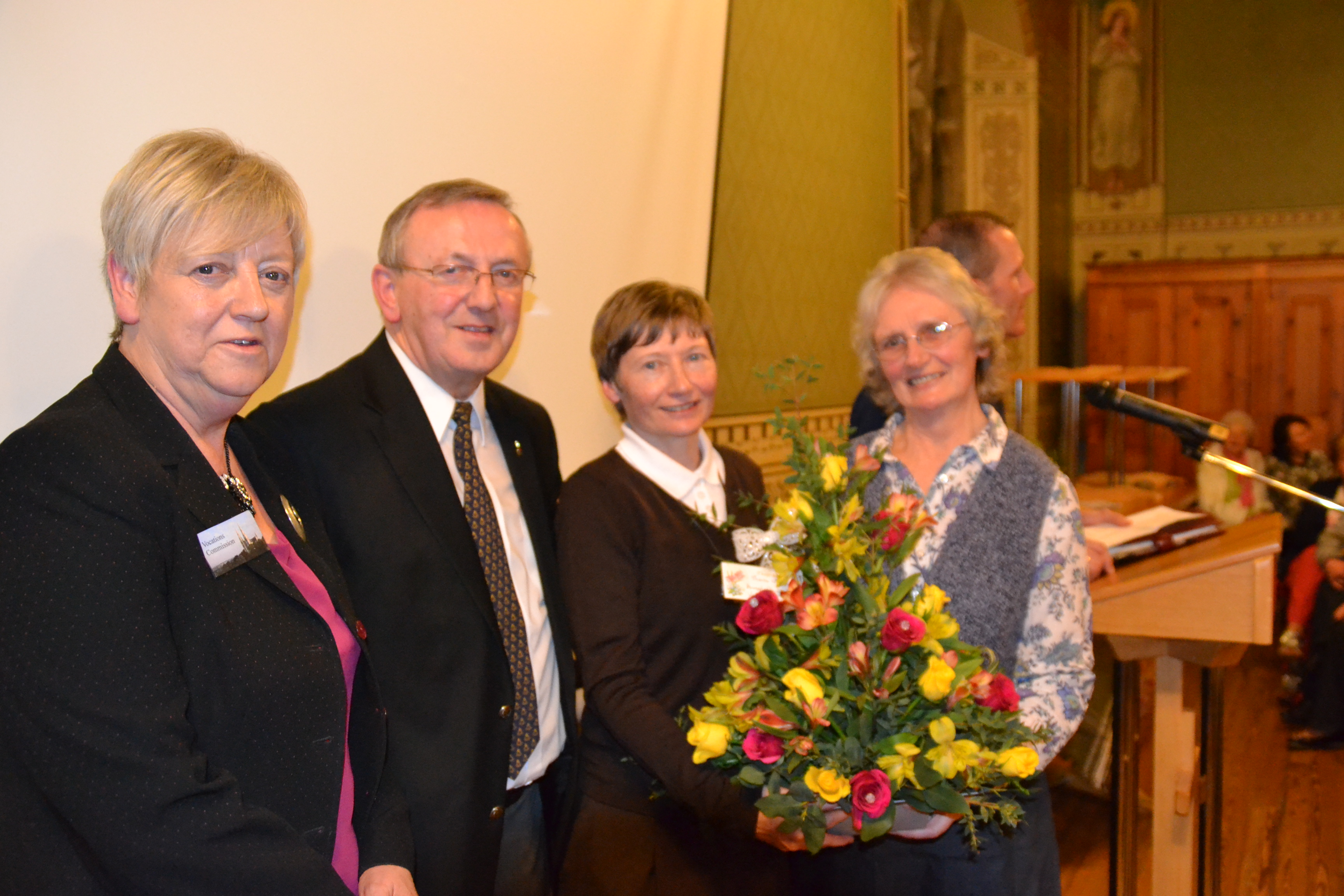
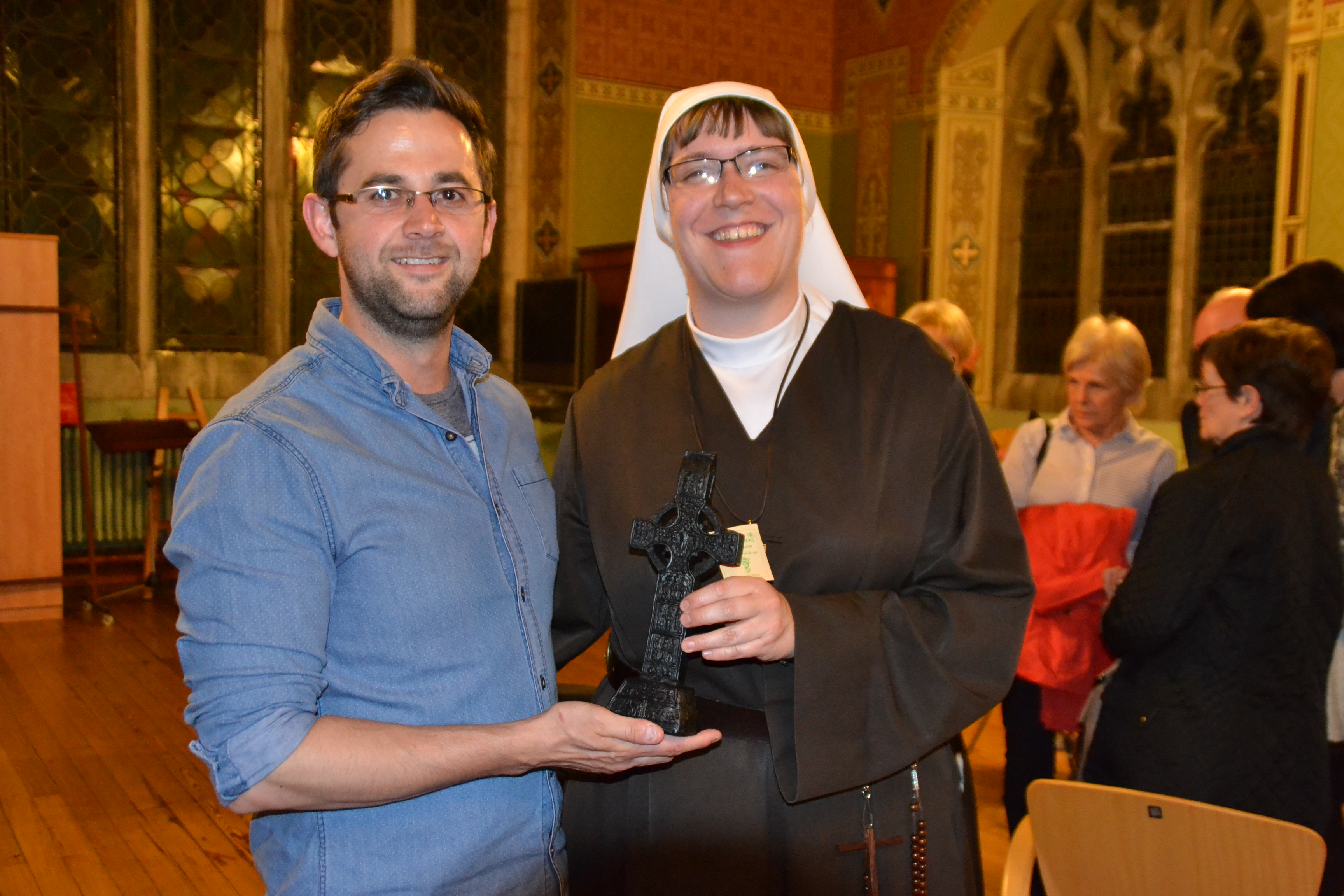
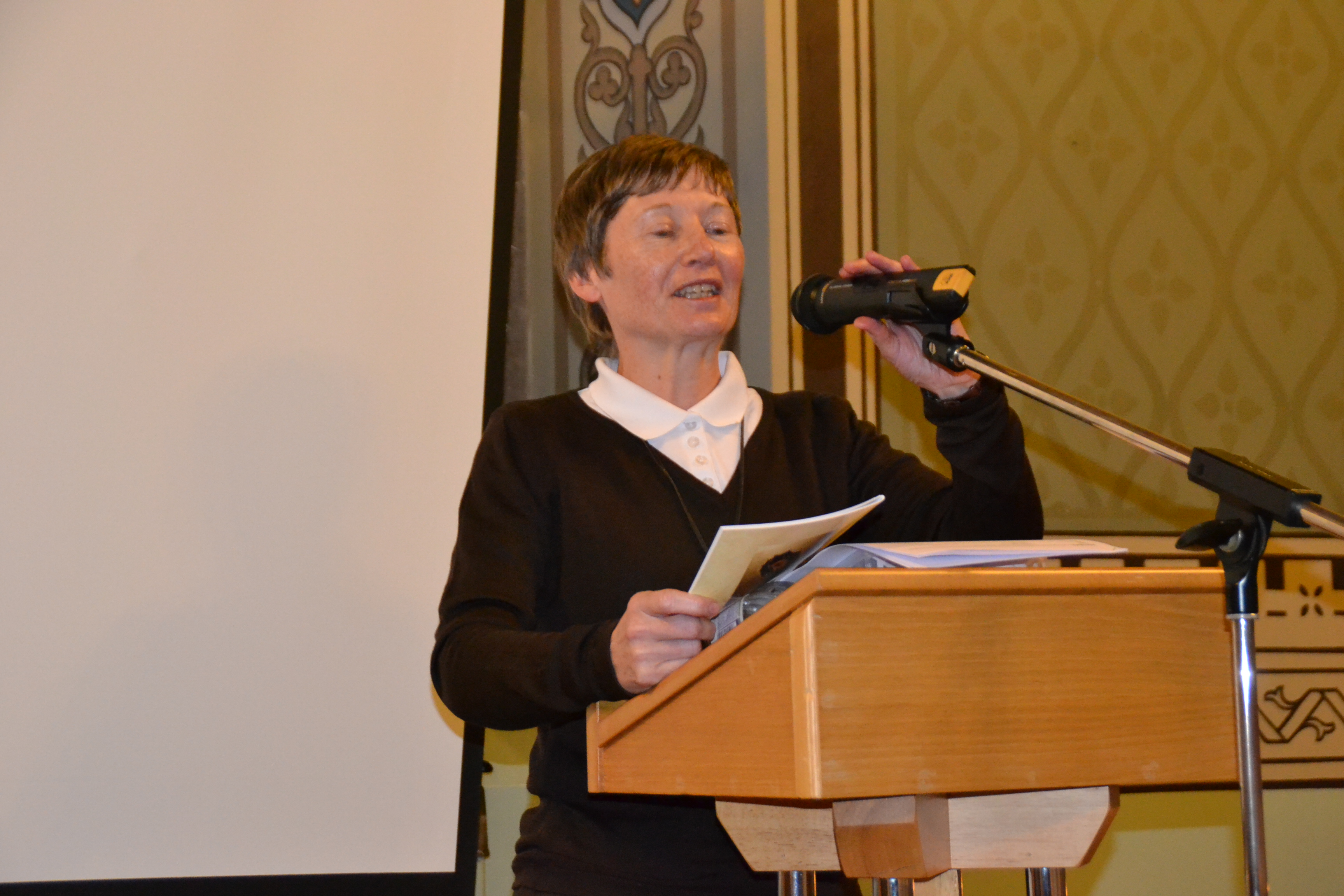
On Thursday 23rd April, The Synod Hall in Armagh was packed to capacity as people gathered for a special evening: “Great people, great stories, come and listen”. The evening, organised by the Diocesan Vocations Team, embraced two great people sharing their “vocation” stories.

The first speaker was Brother Ronan Lennon, a St John of God Brother who has worked in several countries throughout the world, and is the former Provincial of the Order. He was followed by Martina Purdy, a former journalist with the BBC who is now a postulant with the Sisters of Adoration and Reparation in Belfast.

The evening began with prayer, led by members of Armagh Diocesan Vocations Team, complemented by uplifting hymns from St Catherine’s College Choir.

The testimonies were then delivered with each guest speaker sharing a very powerful story. Brother Ronan began his vocation story by stating with profound humility that every day he “endeavours to be a Brother of John of God”. He continued by stating that his religious life was one into which he had grown, and as in everyday living he got out of it what he put into it through facing life’s “ ups and downs” and challenges . His statement “each of us is packaged differently” and each must answer God’s call was a compelling message.

Martina began by reflecting on reactions to her decision to join the sisters which were, as she had anticipated, very varied. She then shared her remarkable vocation journey which ended in the Convent of the Sisters of Adoration and Reparation on the Falls Road, Belfast in October 2014. Her inspirational words: “Doing the Lord’s will leads to joy; doing our own will leads to misery” certainly resonated with the audience, as did the enlightening comment: “People are oftentimes afraid to give their will to the Lord”. Her response to being asked for suggestions to help foster vocations in the current critical climate was the pragmatic statement: “Prayer is the answer”.

Before the close of the gathering the opportunity for discussion and reflection on the great stories that had been shared resulted in resounding agreement that an evening with a difference and one which will be remembered for some time had definitely been experienced by all!