Sunday, December 28, 2025
Home Blog Page 78

Diocesan Pastoral Worker Vacancy

Diocesan LogoDiocesan Pastoral Worker


The Archdiocese of Armagh is seeking to employ a Diocesan Pastoral Worker on a two-year contract as part of the pastoral team that operates across the sixty-one parishes and seventeen pastoral areas. Prospective candidates should hold a degree in theology or a commensurate discipline, have excellent communication skills, both verbal and written, be holders of a valid driving licence with the use of a car and have proven experience of active engagement and leadership within the Church.

Application forms and further information are available from the Office of Pastoral Renewal and Family Ministry at [email protected] or (00353) 429336649

The closing date for receipt of application forms is June 20th 2014


Death of Very Rev Martin Kenny, PE

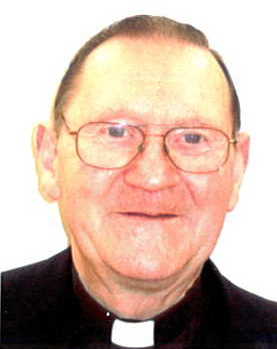
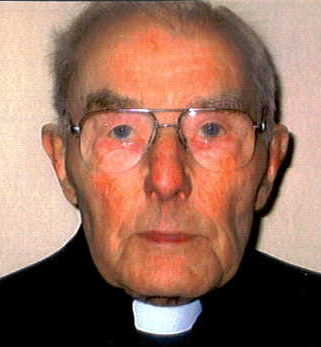
Kenny MartinThe Archdiocese of Armagh is sad to announce the sudden death on 27 May 2014 of Fr Martin Kenny, PE at his residence.  Following are the funeral arrangements:

Remains to arrive at Our Lady of Lourdes Church, Drogheda for 7.30 pm Mass tomorrow, Thursday, 29 May;

Funeral Mass on Friday, 30 May at 12.00 noon followed by burial in St Peter’s Cemetery.

Our sympathies are with his brothers Jack (Wales), Peter (Ballyforn) and Jimmy (NewYork), sisters in law, nephews, nieces, family circle and brother priests. May he rest in peace.


Biography

Born 12 February 1935, in Parish of Ballyforan, Diocese of Elphin

Ordained 11 July 1965 in Clonliffe College, Dublin for the Institute of Charity (Rosminian) Order

Incardinated 2 March 1999 into the Archdiocese of Armagh

Appointments

Staff of St Michael’s College, Omeath 1965 – 1986
Chaplain, Portmarnock Community School 1986 – 1989
Parish Priest, Faughart 1989 – 1996
Parish Priest, Mell 1996 – 2010
Spiritual Director, Accord Drogheda 2004 – until death
Pastor Emeritus (residing in Drogheda) 2010 – until death


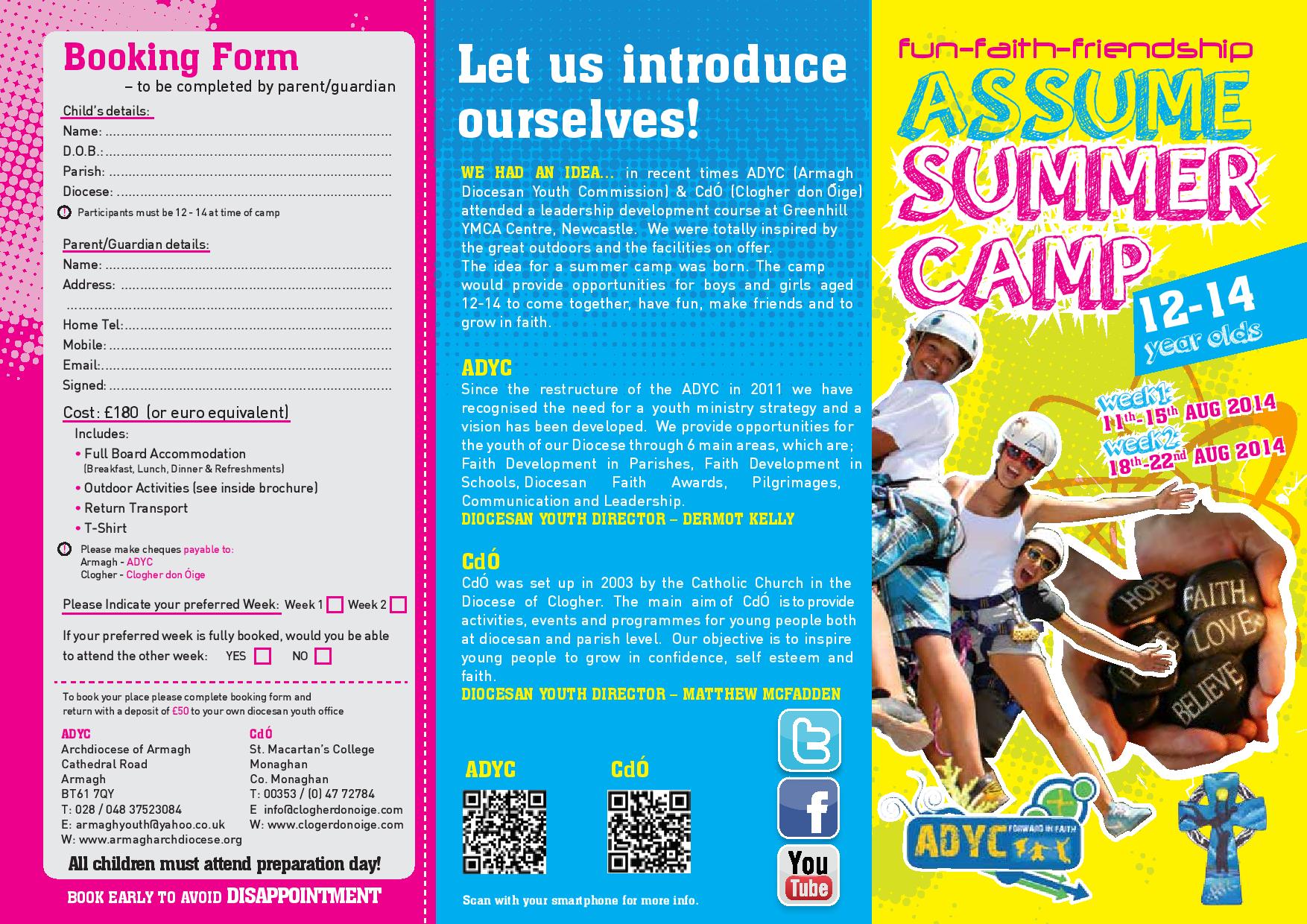
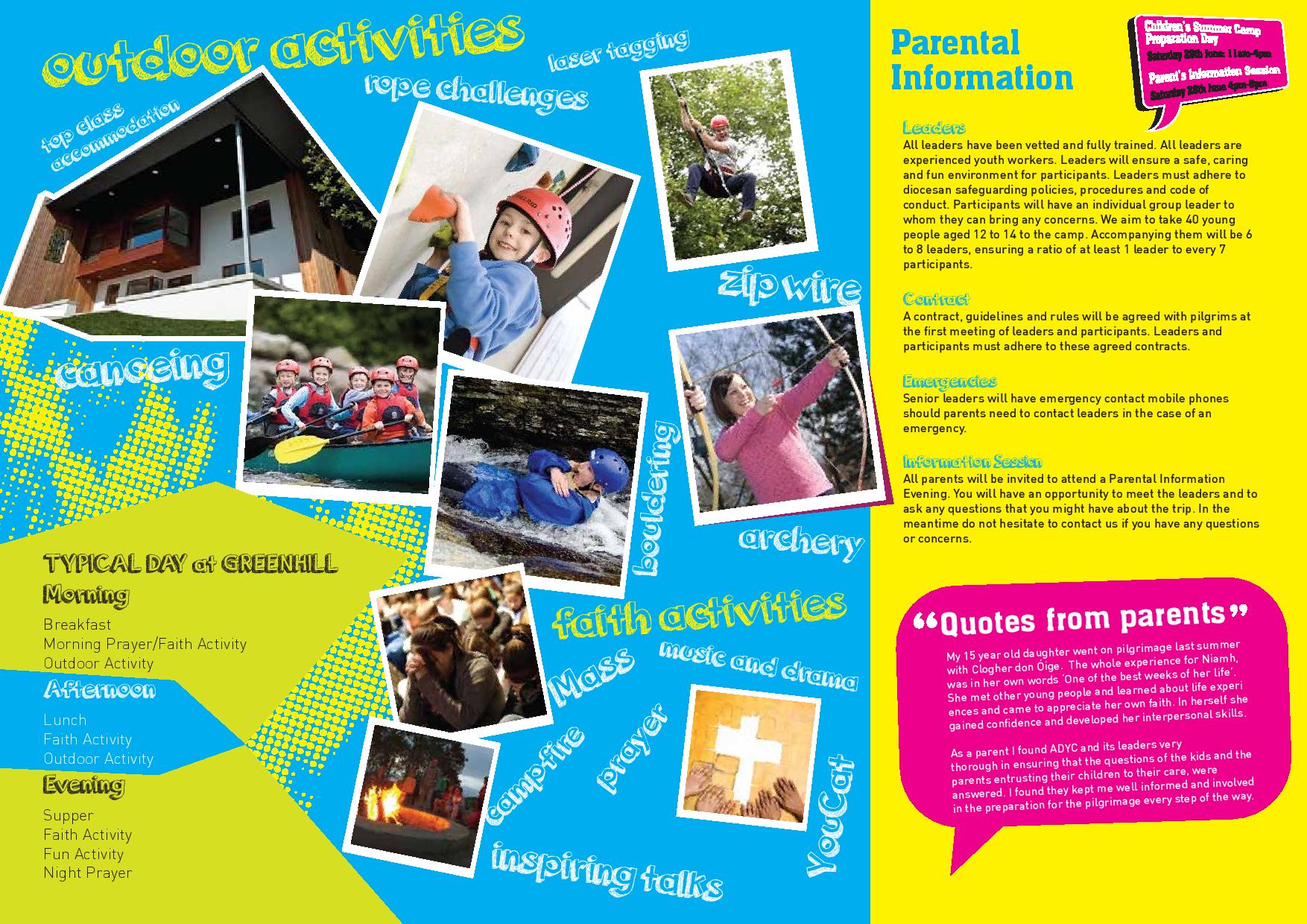
Assume Summer Camp for 12-14 year olds

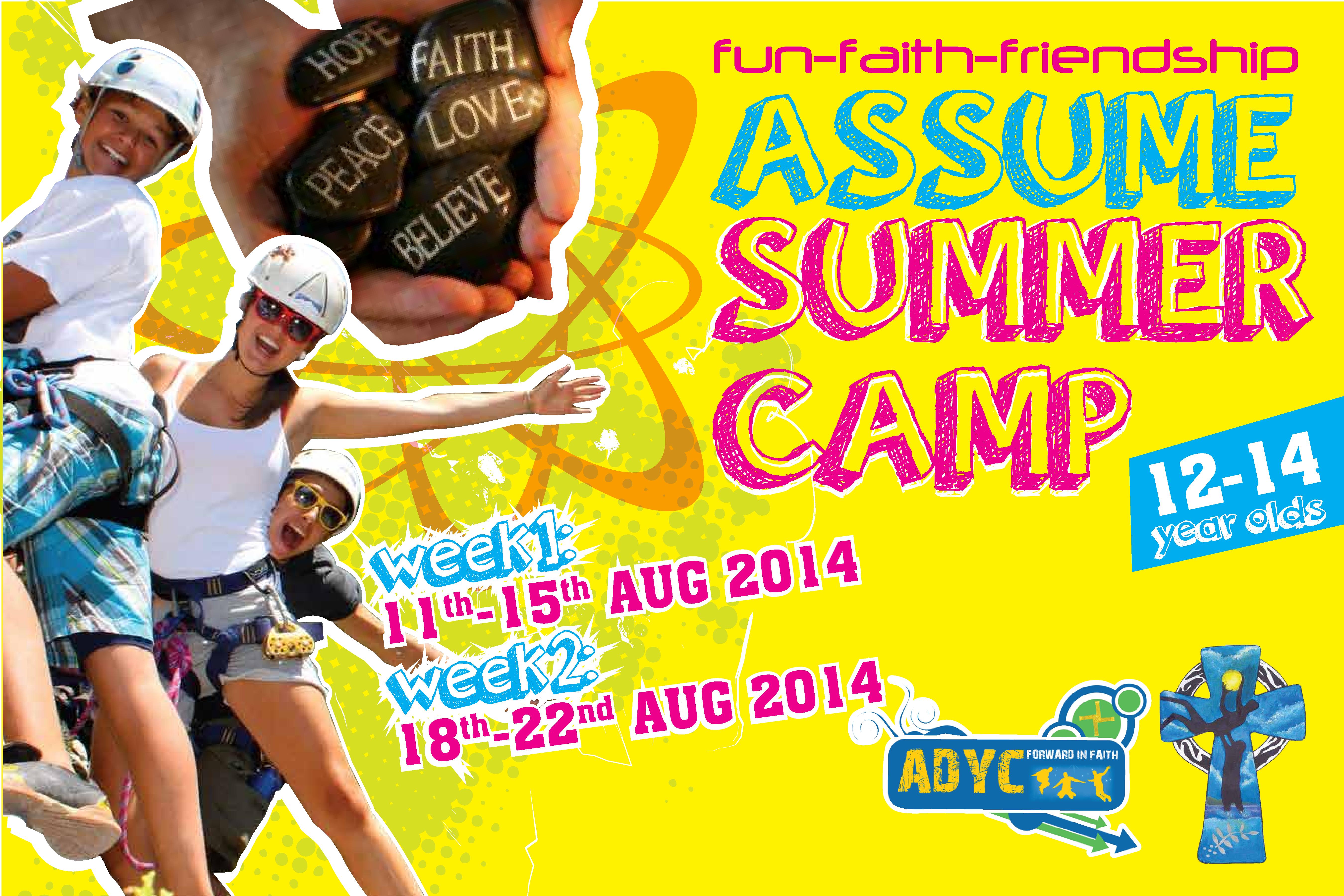
The Armagh Diocesan Youth Commission, ‘Assume’ Summer Camp!

Taking place on two separate weeks: 11 – 15 August (week 1) & 18 – 22 August (week 2), Greenhill Centre Newcastle.

This is an adventure and faith 4 night residential for 12-14 year olds.

For more details please contact [email protected] or call 028/048 37523 084. 

We had an idea…in recent time ADYC and CdÓ (Clogher don Óige) attended a leadership development course at Greenhill Centre, Newcastle. We were totally inspired by the great outdoors and the facilities on offer. The idea for a summer camp was born. The camp will provide opportunities for boys and girls aged 12 –14 to come together, have fun, make friends and to grow in faith. We felt that this was an age group that requires nourishment of their faith through a fun and creative environment.

ADYC_Summer Camp 3 fold copy-page-001 ADYC_Summer Camp 3 fold copy-page-002

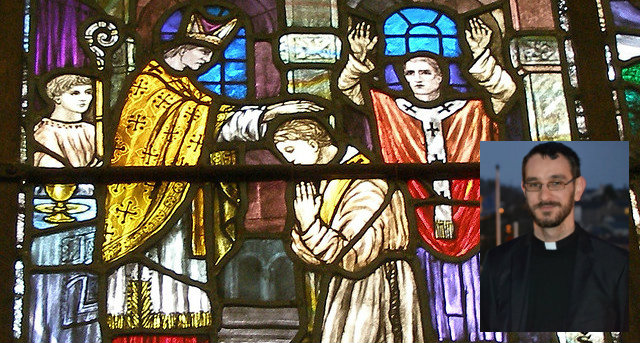
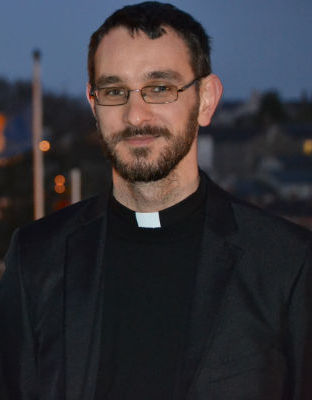
Priestly Ordination of Maciej Zacharek

Priestly Ordination of

Maciej Zacharek

Redemptoris Mater House of Formation

Friday, 30 May 2014 at 4.00 pm

St Patrick’s Cathedral, Armagh

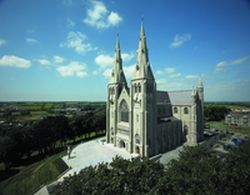
On Friday, 30 May 2014 at 4.00 pm, Cardinal Seán Brady will ordain Maciej Zacharek to the Priesthood. This will be the first priestly ordination from Redemptoris Mater House of Formation, a new institution of the Archdiocese of Armagh, located in Dundalk. Maciej is 33 years old and originally comes from Wygoda, Poland. He is the youngest child of Władysław and Daniela and has three older brothers. He started his formation to the priesthood in the Redemptoris Mater Seminary in Washington D.C., but was asked to come to Ireland to help start the new House of Formation in Dundalk, by Cardinal Wuerl of Washington. He completed a Licence in Theology at Maynooth, directed by Bishop Leahy and is currently working towards a Doctorate in Theology there. After his diaconal ordination last November, Maciej was assigned to the Holy Redeemer Parish, Dundalk. As well as exercising his ministry in the parish, he has also been helping to minister to the Polish community in the Dundalk and Drogheda areas.

The House of Formation was founded in 2012 by Cardinal Brady to form priests, for the New Evangelisation, who are both diocesan and missionary. These vocations come from the Neocatechumenal Way which has been present at parish level in Ireland for the last 32 years and in the Archdiocese of Armagh for 10 years. This charism which emerged after Vatican II, aims to help parishioners discover more deeply the treasures of their baptism and to live as Christians in today’s society. One of the fruits of the deepening of the baptismal graces has been a flourishing of vocations to the priesthood. Saint John Paul II, who opened the first of these new seminaries in 1988, gave it the name Mother of our Redeemer (Redemptoris Mater in Latin), his favourite title of the Blessed Virgin Mary. There are now 100 such Redemptoris Mater seminaries and Houses of Formation throughout the world. Already almost 2,000 priests worldwide have been ordained for different dioceses from those houses.

The seminarians live in Dundalk. Fr. Giuseppe Pollio and Fr. Neil Xavier O’Donoghue are responsible for their formation. The young men travel to Maynooth for their philosophical and theological studies. A particular characteristic of the House of Formation is its internationality; apart from Maciej, there are nine other seminarians of seven different nationalities. Seven men are studying philosophy: Bartlomiej Kleczynski (23 years old) from Glogow, Poland; Callum Young (23) from London; Carlos Esteban (30) from Madrid, Spain; James Norney (20) from Belfast; Juan Jesus Gonzalez (22) from Jabugo, Spain; Stefano Colleluoli (21) from Atri, Italy and Tobia Roson (20) from Udine, Italy. The other two are studying theology: Jorge Roberto Yandun (30) from Quito, Ecuador and Joseph Rodriguez (28) from Dallas, U.S.A. When, please God, ordained, they will be incardinated into the Archdiocese of Armagh and serve in the parishes of the Archdiocese. They will also be available, at the discretion of the Archbishop of Armagh, to serve as missionaries, both in other parts of Ireland and internationally, thus allowing the Archdiocese to have a new missionary thrust, answering the Holy Father’s call for the New Evangelisation.

The new media and the work of Evangelisation – Archbishop Eamon Martin

‘The New media and the work of Evangelisation’


Many people say that it was a four minute speech which led to the election of Cardinal Jorge Bergoglio of Buenos Aires as Pope. In his pre-conclave speech to the other Cardinals, he used the popular image from the Book of Revelation of Jesus standing at the door and knocking. But in an unusual and inspired way he turned the image around:  “Obviously, the text refers to his knocking from the outside in order to enter but I think about the times in which Jesus knocks from within so that we will let him come out. The self-referential Church keeps Jesus Christ within herself and does not let him out….” A Church which does not come out of herself to evangelise, he said, becomes self-referential and then gets sick.


We have become familiar over the past year with this consistent theme in the teaching of Pope Francis. In Evangelii Gaudium he writes: ‘I prefer a Church which is bruised, hurting and dirty because it has been out on the streets, rather than a Church which is unhealthy from being confined and from clinging to its own security…. If something should rightly disturb us and trouble our consciences, it is the fact that so many of our brothers and sisters are living without the strength, light and consolation born of friendship with Jesus Christ, without a community of faith to support them, without meaning and a goal in life’.


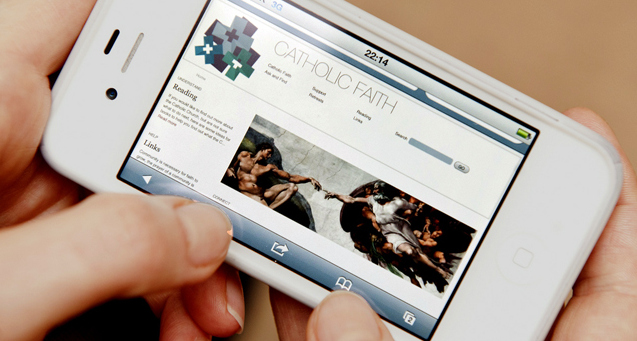
It is in this context that I would like to introduce the challenges and opportunities for new media in evangelisation. I am going to take it for granted that all of us here accept the necessity of people of faith to be involved in new media if we want to make the Gospel widely known in today’s world. The Catholic Church has always advocated the use of whatever media are available to it in bringing the Gospel to the ends of the earth. Fifty years ago, at the Second Vatican Council, one of the first decrees issued by the Council fathers, Inter Mirifica, was on the media of social communications. Its first paragraph reads:


‘Among the wonderful technological discoveries which men of talent, especially in the present era, have made with God’s help, the Church welcomes and promotes with special interest those which have … uncovered new avenues of communicating… news, views and teachings of every sort. The most important of these inventions are media such as the press, movies, radio, television and the like. These can … reach and influence, not only individuals, but the very masses and the whole of human society…’


Note the welcoming and positive tone of the message for these ‘wonderful technological discoveries’. Mention of ‘press, movies, radio, TV’ seems miles away from smartphones, tablets, Netflix, Skype, Twitter and Facebook!


Christians always made use of all forms of media to spread the good news – whether it be parchments and scrolls, high crosses, art, stained glass, illuminated manuscripts, the printing, television or radio. We must welcome the use of so-called ‘new media’ in this task. Many parishes have websites, there are ‘sacred spaces’ on line, priests on Facebook, the pope on Twitter, i-Catholic, soul waves radio and many more. Last year Proposition 18 from the Synod on the New Evangelization stated, “Education in the wise and constructive use of social media is an important means to be utilized in the New Evangelization.”


By way of example, last week along with Cardinal Brady I led the Armagh diocesan pilgrimage to Lourdes. Our first morning Mass at the grotto was web-streamed across the world and within minutes we had requests for special intentions from home and beyond.


There are different ways of looking at the use of new media in evangelisation – one is to see the new media as yet another tool to reach people with the message of the Gospel. By means of the various forms of new media, we can reach out to the peripheries and draw people in, so that they can hear the Word of God and understand it better. They may then be open to a face to face encounter with a Church or parish group, or feel drawn to Mass and the sacraments. 


Another way is to see the digital, online, or virtual world itself as a new space which is itself in need of evangelisation. It is in this context that we notice references to a ‘digital continent to be won for Christ’, a ‘digital sea in which the barque of Christ must set sail’, a ‘virtual world ripe for mission’. 


If the first of these is described as ‘evangelising through’ the internet, the second might be termed ‘evangelising on’ the internet.


One of my favourite chapters in the New Testament is Acts 17, which speaks about Paul going into Athens, the bustling communications capital of the ancient world. Paul is greatly distressed to see that the city was full of idols. Verse 21 comments: All the Athenians and the foreigners who lived there spent their time doing nothing but talking about and listening to the latest ideas’.  I see the internet as being like the ‘new Athens’, new marketplace or Areopagus, a ‘global village’ to be won for Christ. Our challenge is to become witnesses for Christ in this strange new world, to enter into dialogue with the digital culture.


If only to be able to reach our young people and an increasing percentage of people of all ages, we need to be present in this new Areopgaus. Our young people are spending huge proportions of their time in this virtual world, so much that for many it is becoming increasingly the place where they live their lives, and what we call the real world of face to face seems often dull uneventful to them, and their secondary existence. Never cease to be amazed at the ability of young people to text, snapchat, Facebook with others all while talking to you!


The internet has become like the nervous system of our culture, in which more and more people are expressing and exploring their identity, picking up and discarding their values and attitudes, expressing their feelings and prejudices, befriending and unfriending each other, measuring  each other’s status and importance, relevance and appearance. If our young people and people are living in this gigantic network, then we, as people of faith need to be in there, dialoguing with the inhabitants of this world, with the men and women who dwell in the web!


When in the Church we speak about new evangelisation, we more often than not think of the so called ‘real world’, but billions of people live in the social networks. These have been described as among the biggest countries in the world – and they are countries with no barriers. For example, 1.2 billion inhabit the world of Facebook. The majority of these people may never enter a Church, but if we are to respond to the Gospel mandate given us by Christ to ‘go out to the whole world’, then we must nowadays include the digital world and proclaim the Good News there. Our challenge as evangelisers has always been to reach out and encounter people where they are at, and nowadays, more and more that means online!


In his MESSAGE FOR THE 48TH WORLD COMMUNICATIONS DAY, Pope Francis speaks about ‘Communication at the Service of an Authentic Culture of Encounter’.


The internet, in particular, he says, ‘offers immense possibilities for encounter and solidarity.  This is something truly good, a gift from God’.


Pope Francis recognises the problems and drawbacks with authentic communication in the virtual world, for example – problems with achieving balance, fighting stereotypes, the ease with which people can isolate themselves or ‘barricade themselves’ online ‘behind sources of information which only confirm their own wishes and ideas, or political and economic interests’. 


However he is clear that as Christians we need to ‘walk the streets of the digital highways, to encounter like the Good Samaritan those who are lying on the side of the road and witness to them in tenderness and love’. Thanks to the internet, he says, ‘Christian witness can reach the peripheries of human existence’. I quote from the Message: ‘The digital highway is … a street teeming with people who are often hurting, men and women looking for salvation or hope.  By means of the internet, the Christian message can reach “to the ends of the earth” (Acts 1:8)’.


There is a temptation to see evangelisation in the new media as simply bombarding people with religious messages. Pope Francis encourages us to go beyond this. He challenges us to think about how we can effectively encounter people and witness to them in, and using, new media. He asks: ‘Can we be available to them, hear their issues and problems, engage with their questions and doubts and their search for truth’?


In a beautiful passage he says: ‘May the image of the Good Samaritan who tended to the wounds of the injured man by pouring oil and wine over them be our inspiration.  Let our communication be a balm which relieves pain and a fine wine which gladdens hearts’.  He urges us: ‘Let us boldly become citizens of the digital world… in order to dialogue with people today and to help them encounter Christ.  [The Church] needs to be a Church at the side of others, capable of accompanying everyone along the way’. 


I would therefore like to suggest a number of principles to guide our presence in the digital highways:


1. Be positive and joyful. Offer ‘digital smiles’ and have a sense of humour. Remember  that it is the ‘ joy of the Gospel’ that we are communicating, so, as Pope Francis says: no ‘funeral faces’ or ‘sourpusses’!


2. Strictly avoid aggression and ‘preachiness’ online; try not to be judgemental or polemical – goodness knows, there is enough of this online already! Instead, try Pope Francis’ approach of ‘tenderness and balm’.


3. Never bear false witness on the internet.


4. Remember ‘Ubi caritas et amor’. Fill the internet with charity and love, always giving rather than taking. Continually seek to broaden and reframe discussions and seek to include a sense of charity and solidarity with the suffering in the world.


5. Have a broad back when criticisms and insults are made – when possible, gently correct.


6. Pray in the digital world! Establish sacred spaces,  opportunities for stillness, reflection amd meditation online.


7. Establish connections, relationships and build communion. Church has always been about ‘gathering’. In this, it is worth considering an ecumenical presence for the Christian churches online. The internet tends to be a place of ethical and intellectual relativism, and often of aggressive secularism. The scandal of disunity among Christians can be easily exploited and exaggerated. Therefore we must seek to share resources so that we can have a powerful Gospel witness. Wouldn’t it be wonderful if people started noticing online: ‘See how these Christians love one another’.


8. Educate our young to keep themselves safe and to use the internet responsibly.


9. Witness to human dignity at all times online. Seek, as Pope Benedict once said, to ‘give a soul to the internet’. We are well aware of the pervasive prevalence of pornography on the internet which can ‘pollute the spirit’, destroy and degrade human sexuality and relationships, reduce persons to objects for gratification, draw millions into the commodification and commercialisation of sex, feed the monster that is human trafficking.


10. Be missionary, be aware that with the help of the internet, a message has the potential to reach the ends of the earth in seconds. In this regard, let us foster and call forth charisms in younger committed people who understand the power and potential of the net to bear witness.


On 5 May Pope Francis tweeted: @Pontifex: What does “evangelise” mean? To give witness with joy and simplicity to what we are and what we believe in.


That is our challenge and our privilege as Christians. Freely we have received the joy of the gospel now let us freely give it.

Ministers of the Word

Please find some downloadable resources for Ministers of the Word by the Adult Faith Formation Commission.

Ministers of the Word

ADYC climb Croagh Patrick & Knock Pilgrimage

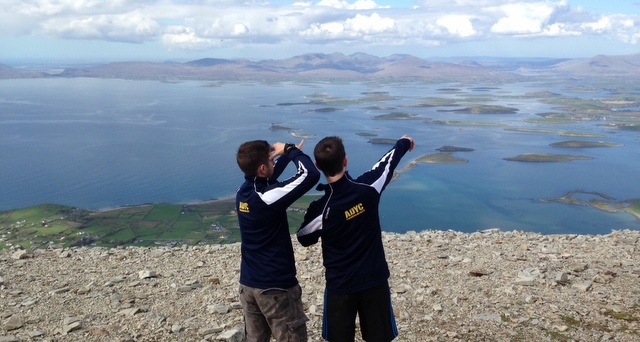
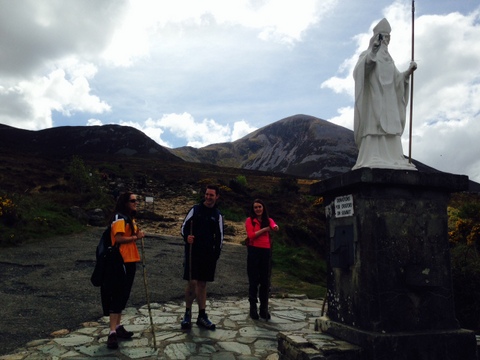
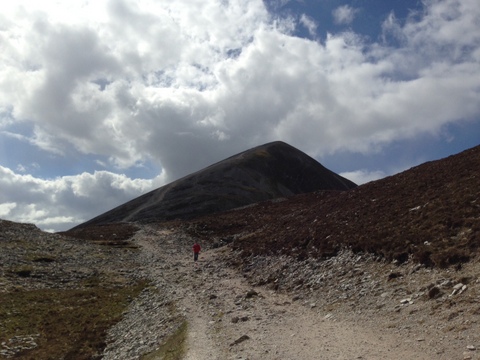
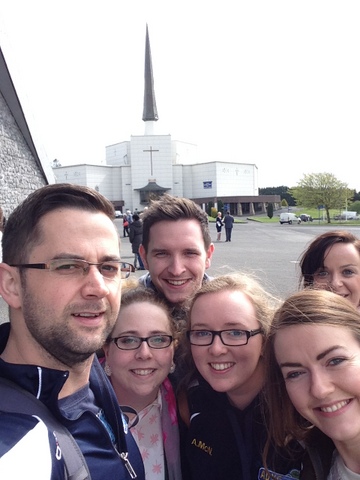
The Armagh Diocesan Youth Commission organised a two days pilgrimage to Croagh Patrick and Knock Shrine recently.  This was a really rewarding experience for all those who attended and included a mixture of a deep spiritual exercise along with fun and adult development.  The group travelled the first day to begin the pilgrimage by firstly climbing Croagh Patrick and having Mass celebrated at the top by Fr Brian White.  After the mountain climb, they had an opportunity to socialise and share experiences.  The second day involved the young people sharing their view of what they would like youth ministry in the diocese to look like.  After this they travelled to Knock Shrine before returning home.  A wonderful day was held by all.

image image_2 image

Canon Michael Ward Celebrates 73rd Anniversary of Ordiantion to Priesthood

Ward Michael

Cardinal Seán Brady joins with the priests and people of the diocese in congratulating Canon Michael Ward on celebrating the 73rd anniversary of his priestly ordination.

Address by Archbishop Eamon Martin at launch of Armaghpriest.com

8 April 2014, Synod Hall, St Patrick’s Cathedral, Armagh

Armaghpriest.com is an online resource to support vocations to the priesthood

The harvest is rich but the labourers are few…

‘The Gospel says that “Jesus went about all the cities and villages… When he saw the crowds, he had compassion for them, because they were harassed and helpless, like sheep without a shepherd. Then he said to his disciples, ‘The harvest is plentiful, but the labourers are few; pray therefore the Lord of the harvest to send out labourers into his harvest’” (Mt 9:35-38)’.

So begins the message of Pope Francis for the 51st World Day of Prayer for Vocations.

We are reminded every year on Vocations Sunday of the need to pray for Vocations and I always believe that of all the things we can do to ensure that there are adequate priests to serve in our parishes in the future, the most important and most effective is prayer.

That is why it is so fitting that our Vocations Commission chose to begin this evening with prayer and I would certainly encourage everyone here, at home, at school and in our parishes never to neglect prayer for Vocations.

It is also important for us all to work for vocations. To this end, I return to ideas in Pope Francis’ message – if we want to reap an abundant harvest in any field, we have to do a fair bit of work – to plough the field and sow it, to cultivate it and nourish it so that when the harvest comes it will be fruitful and bountiful.

I remember that lovely story of the priest out walking in the countryside and he sees the farmer looking over the gate at a beautiful and luscious field of barley – the sun is shining and the priest leans on the gate and says to the farmer – isn’t it wonderful what the Lord can do! To which the farmer replies, Well Father it is wonderful, but you know the Lord wasn’t making much of a job of this field until I went into partnership with him!

In working to achieve a good harvest of vocations we need to be ‘in partnership’ with God. We need to consider how we can help to plough and till the field, water it and remove the weeds, protect the fences and boundaries from intruders and pests, and all under the inspiration and guidance of God.

St Paul has a beautiful phrase in his first letter to the Corinthians: “You are God’s field” (1 Cor 3:9), he says. And it is true that when it comes to the harvest of vocations, the fields that are important are the fields of the family, the parish, the school and the community. These are the fields in which God chooses to sow the seed of a vocation to priesthood in the heart of a young man.

If these fields are well tended, and the circumstances are right, the seed will grow and develop, it will multiply and strengthen until at the time of harvest, that young man will approach someone and say – I want to be a priest.

I love that line in the Pope’s message for Vocations Sunday this year: ‘A vocation is a fruit that ripens in a well cultivated field of mutual love, that becomes mutual service, in the context of an authentic ecclesial life’.

This new website is an important tool in helping to plough and feed the fields in which the fruit of a vocation is developing.

Some years back our Vocations Commission produced a wonderful DVD to support the development of a sense of vocation in every person, lay or clerical. I commend this new initiative of the Vocations Commission which is targeted specifically at vocations to the priesthood. This project has been developed by Damien Quigley, one of our seminarians together with his fellow seminarians. The idea is to have a website which will speak to the enquiring young man who is considering the priesthood, guide him in the right direction, answer his questions, inspire him with testimony from seminarians and priests and help him to have confidence in his enquiry. When God sows the seed in the heart of a young man, the first encounters he has are critical. The seed can be choked by weeds and thorns of negativity  or false information; it can be burnt if it springs up to quickly without spirit-filled discernment and careful management. This website can help to answer the natural concerns of a young man or his family or his teachers who might wonder – could anyone be happy in the priesthood? It can help a priest give good witness and truth to the young man who is enquiring. It is not intended to be the definitive last word on the subject, but a helping and riendly web companion.

Well done to our seminarians and to Damien in particular, to all those who contributed or who will contribute in the future. We are determined in the Archdiocese of Armagh to lead the way in new digital technologies in the cause of evangelisation in Ireland. This website is the first branch in a whole suite of resources that we will place under the umbrella name of ‘ArmaghCatholic’.

I am convinced that peer to peer support and guidance is the most effective way to encourage and support any young man considering the priesthood. ArmaghPriest is a wonderful initiative. Our next step is to make it widely known in the schools, parishes and homes of this Archdiocese. Pray that there will always be a plentiful supply of priests to stand alongside the lay men and women and the wonderful sisters and brother religious of our diocese so that together we will bring the joy of the Gospel to the world.